
China
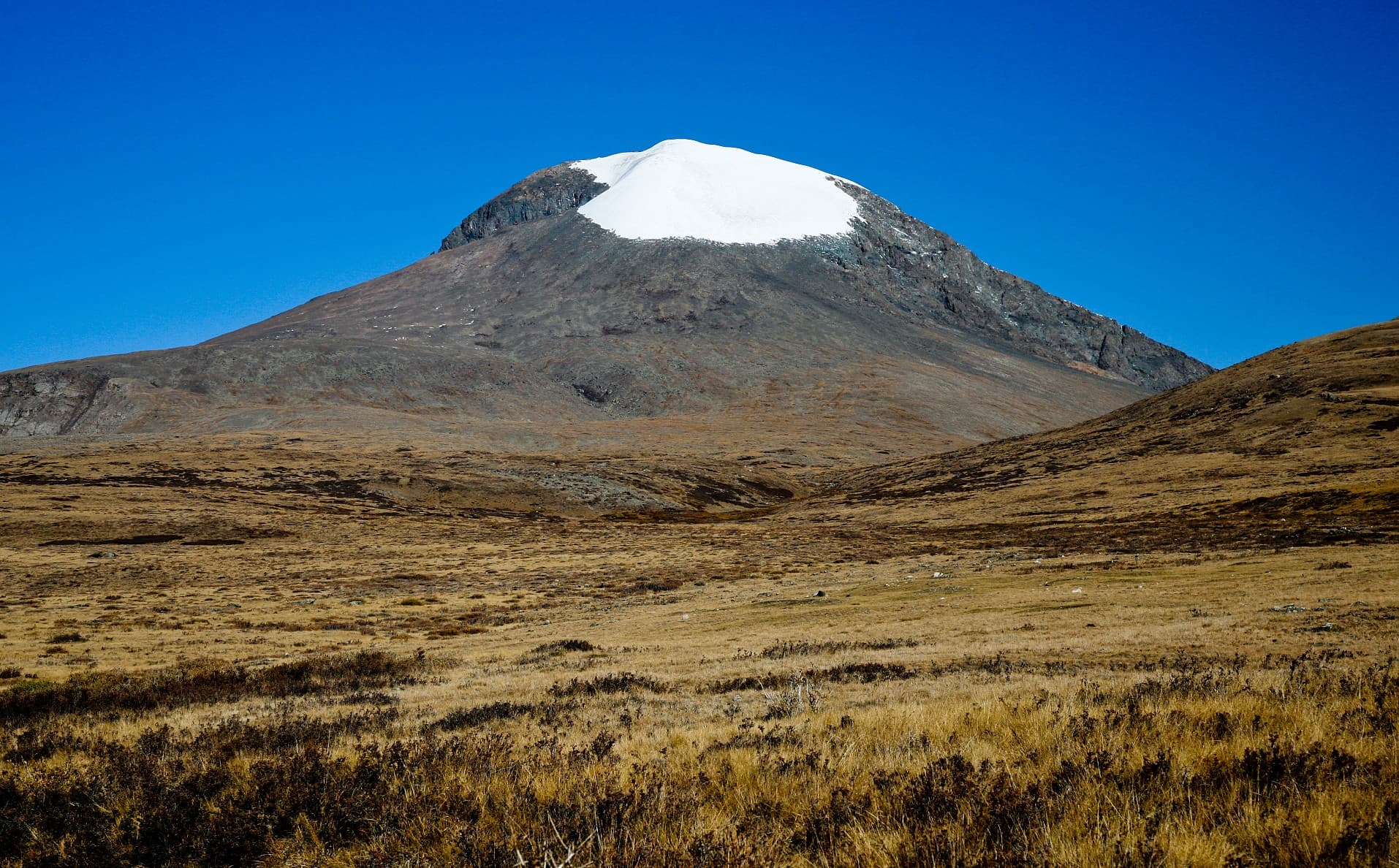
Kailash
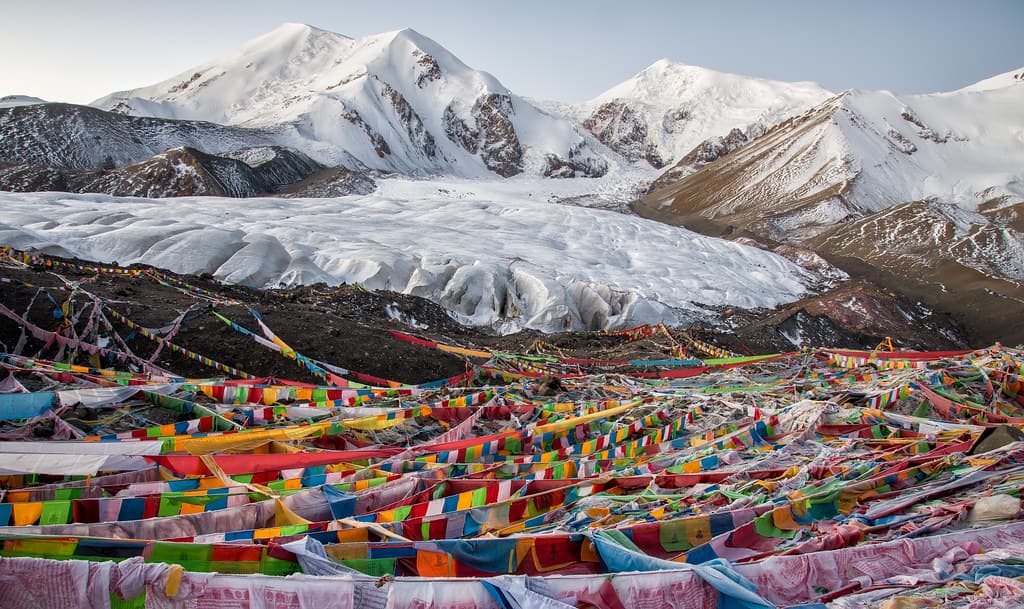
Sacred mountain
Hindu, Buddhist, Jain and Bön traditions hold distinct relationships with Kailash. Circumambulation and distant reverence are central ways of approaching this mountain.
Worldwide collection
Ancestral mountains · Pilgrimage landscapes · Living traditions
Meet 100 mountains and rock landscapes through the communities, stories and practices that make them sacred. Find regional collections, public cultural accounts and guidance on when to approach—and when to keep a respectful distance.

100 destinations. Grouped geographically, not as a suggested travel order. Open each place for its own story and visitor guidance.
100 destinations shown
China
Sacred mountain
Hindu, Buddhist, Jain and Bön traditions hold distinct relationships with Kailash. Circumambulation and distant reverence are central ways of approaching this mountain.
India / Nepal
Sacred mountain
Kangchenjunga stands within sacred geographies held by Lepcha communities and Tibetan Buddhist practitioners in Sikkim. Its cultural significance extends through valleys, lakes and places of worship rather than stopping at the summit.
India
Sacred mountain
Nanda Devi is revered as a goddess in Uttarakhand. The mountain, its protected landscape and temples dedicated to the goddess are related but different places.
Bhutan / China
Sacred mountain
Jomolhari rises on the Bhutan–China border above communities whose pastoral life, monasteries and conservation work form a living mountain landscape. The Bhutanese approaches offer views of a peak with an established Buddhist protective association.
China
Sacred mountain
Amnye Machen is a sacred mountain and protective presence in Tibetan traditions, with pilgrimage around the massif expressing a continuing religious relationship.
China
Peak / range relationship
Kawagebo is the principal sacred peak of the Meili range. The linked atlas entry covers the wider Meili landscape and its pilgrimage traditions.
Sri Lanka
Sacred mountain
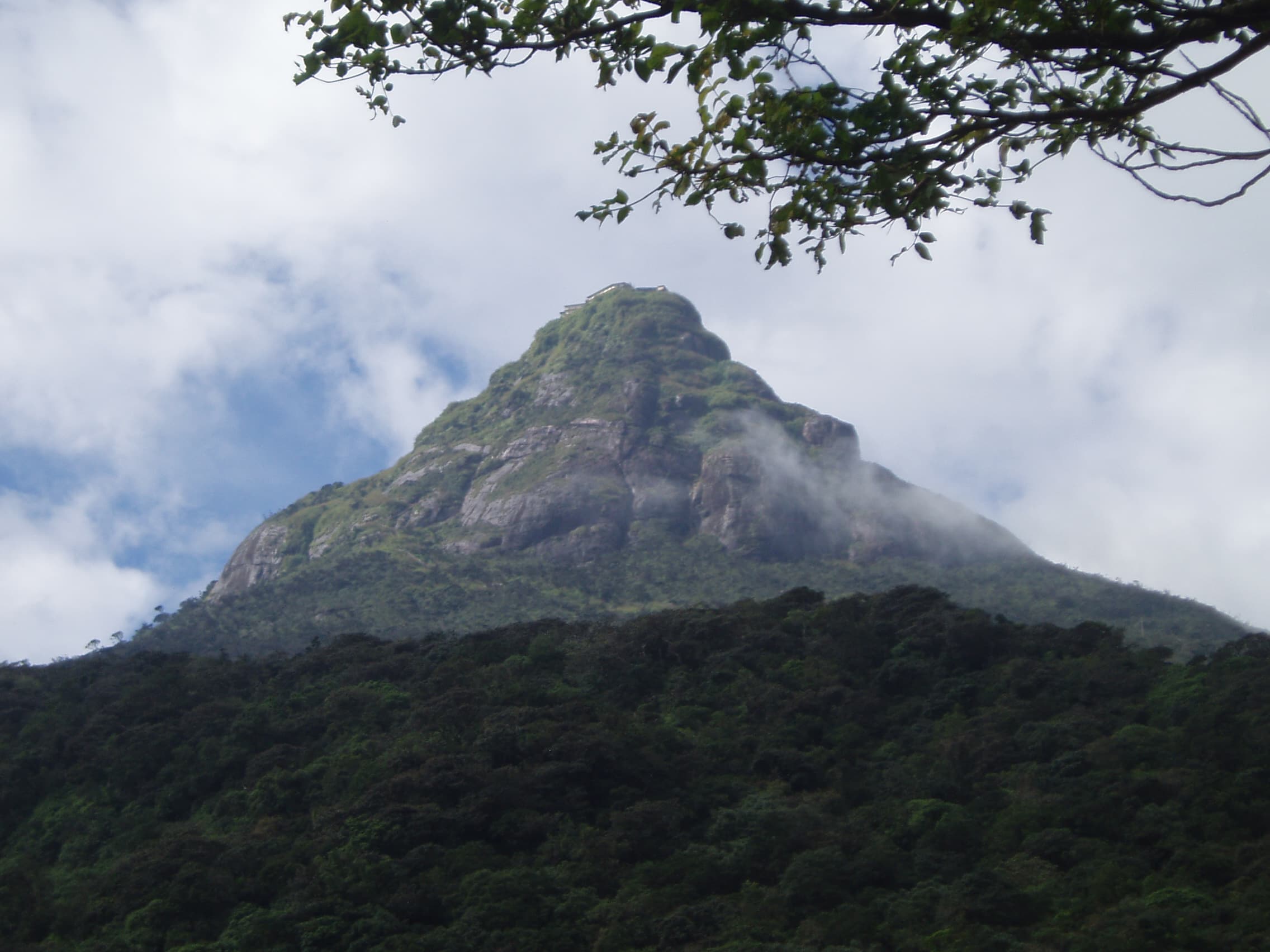
Sri Pada’s summit footprint has different meanings in Buddhist, Hindu, Muslim and Christian traditions. The shared mountain does not erase those differences.
India
Sacred mountain
Arunachala is understood in Shaiva tradition as Shiva manifested in the form of a mountain. Walking around the hill is a central devotional practice.
India
Sacred mountain
Girnar’s slopes contain Jain and Hindu places of worship. The Jain temple complex represents one part of this multitradition mountain landscape.
India
Sacred mountain
Shatrunjaya is a major Jain pilgrimage hill above Palitana. Its temples and ascent belong to an established devotional setting with its own visitor rules.
India
Sacred mountain
Parasnath, also known as Shikharji, is associated in Jain tradition with the liberation of many tirthankaras. Its temples form part of the mountain pilgrimage.
India
Sacred mountain
Govardhan is revered in Krishna traditions, including the account of Krishna lifting the hill to shelter his community. Pilgrims walk around its sacred landscape.
India
Related religious place
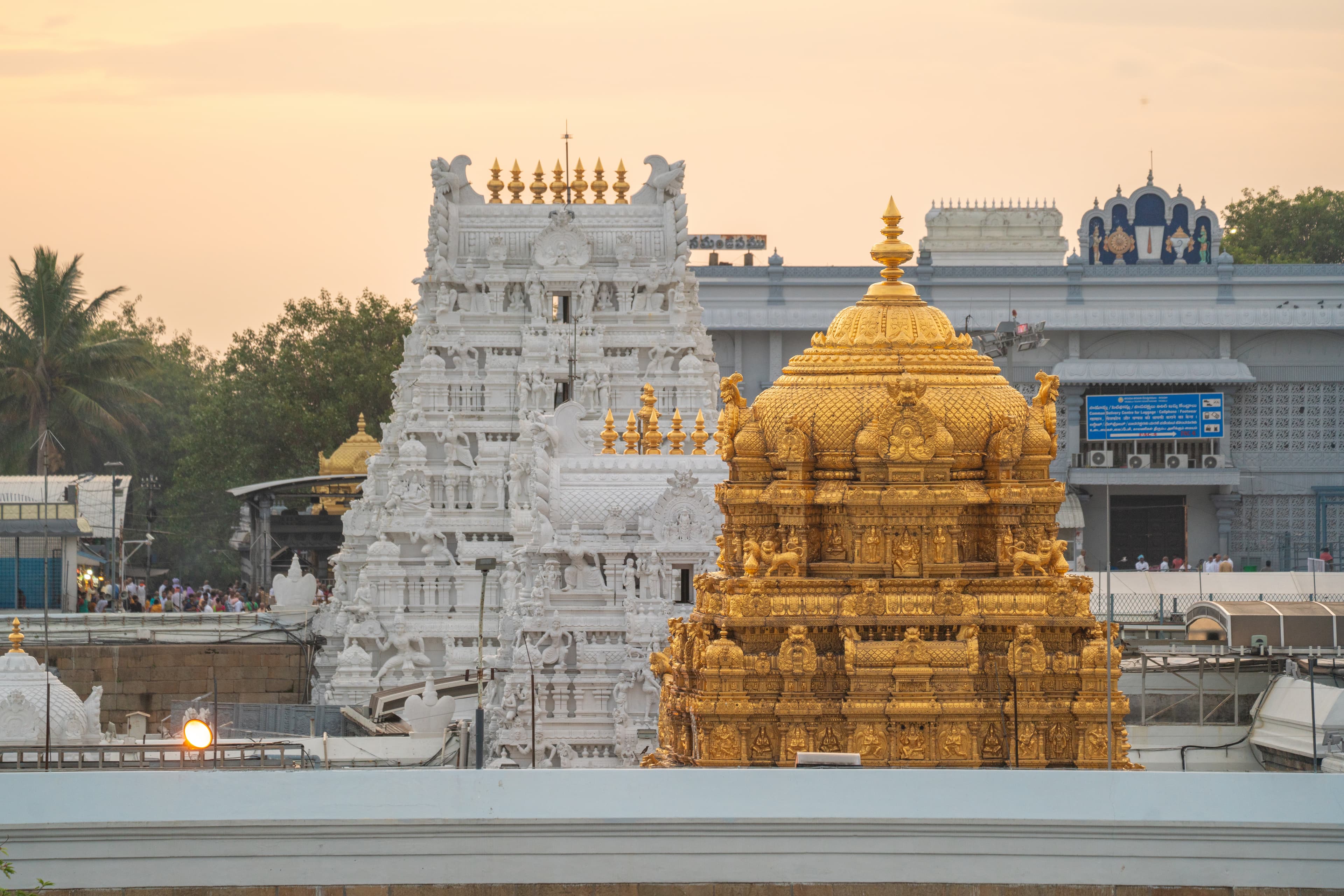
Venkatachala belongs to Tirumala’s sacred hills and the worship of Venkateswara. The linked temple page covers the major shrine rather than the whole mountain.
India
Sacred mountain
Manimahesh is associated with Shiva in Himachal Pradesh. Pilgrimage centres on the sacred landscape and lake below the peak.
Kyrgyzstan
Sacred mountain
Sulaiman-Too rises above Osh as a landscape of pilgrimage, caves and religious memory. UNESCO recognises its continuing role as a sacred mountain.
Mongolia
Sacred mountain
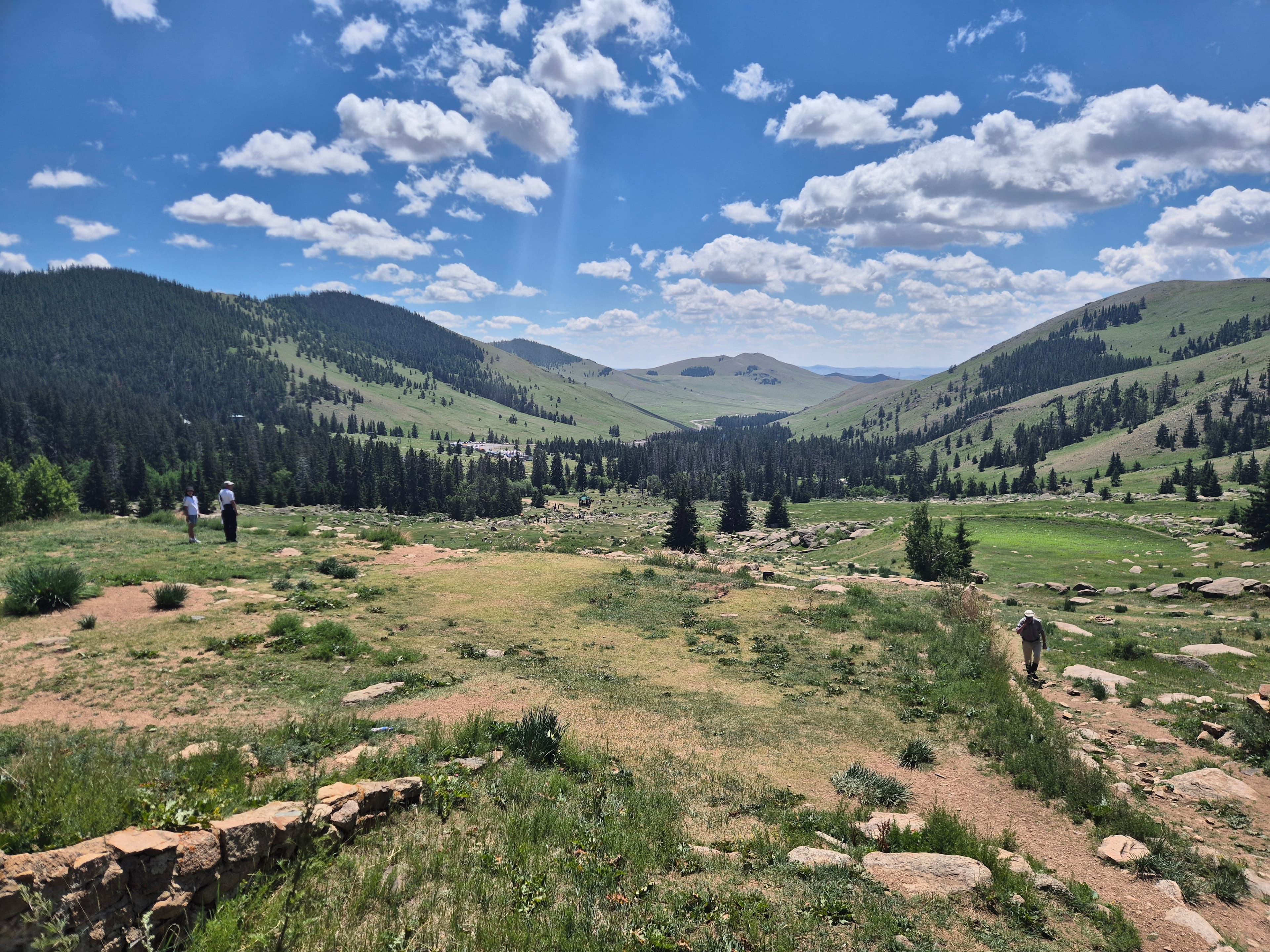
Burkhan Khaldun is associated with Mongolian mountain worship and the memory of Chinggis Khan. Sacred authority and access require attention to local custodians.
Mongolia
Sacred mountain
Bogd Khan Mountain combines Mongolian sacred-mountain traditions with a long history of protection near Ulaanbaatar.
Mongolia
Sacred mountain
Otgontenger holds an important place in Mongolian mountain worship. Its sacred significance is distinct from the availability of recreational access.
China
Sacred mountain
Tai Shan belongs to China’s Five Great Mountains and has a long history of imperial rites and pilgrimage. Its temples and inscriptions record successive religious relationships.
China
Sacred mountain
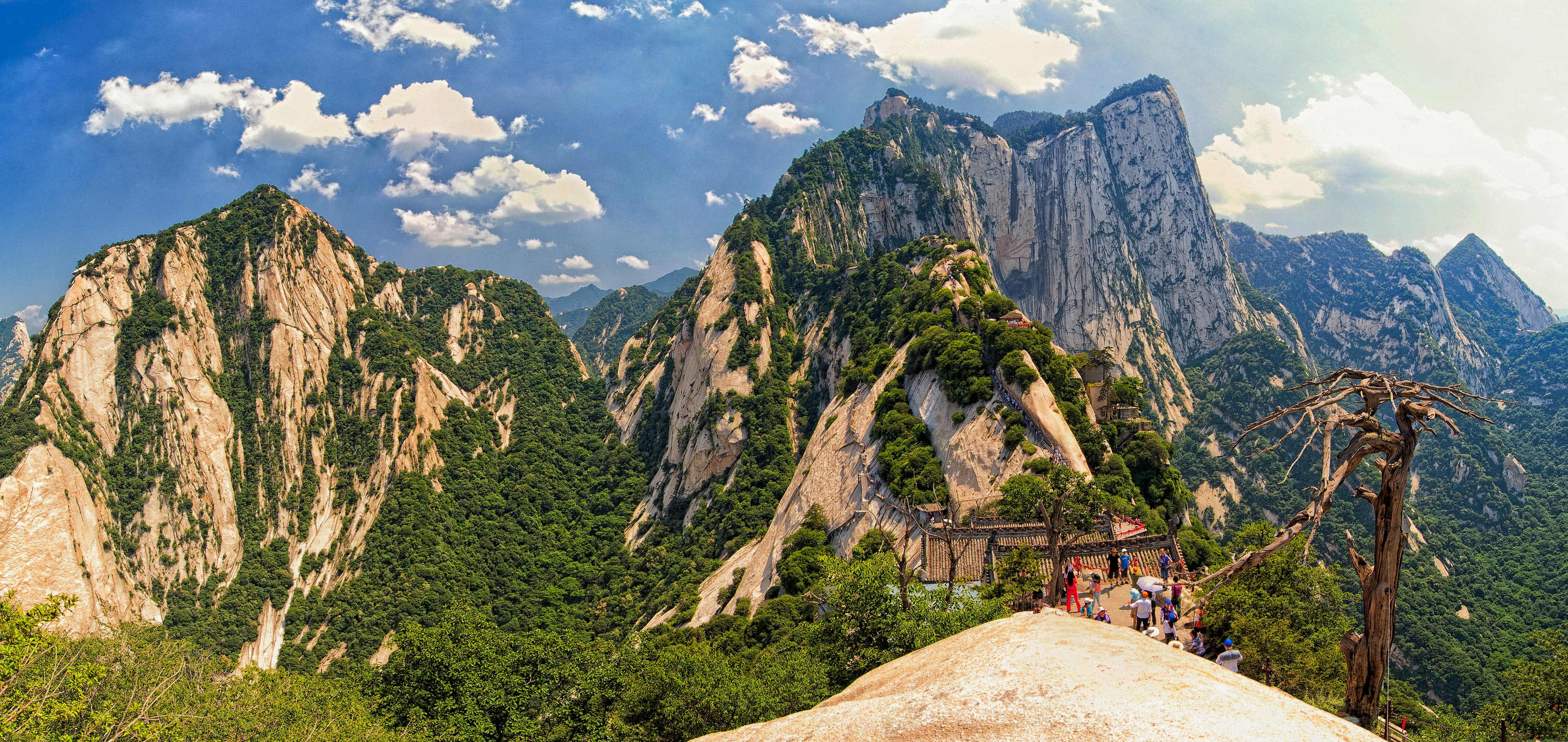
Hua Shan is the western mountain of China’s Five Great Mountains, with a longstanding Daoist religious landscape.
China
Sacred mountain
Southern Heng Shan, in Hunan, is one of China’s Five Great Mountains. It is geographically and historically distinct from the northern Heng Shan.
China
Sacred mountain
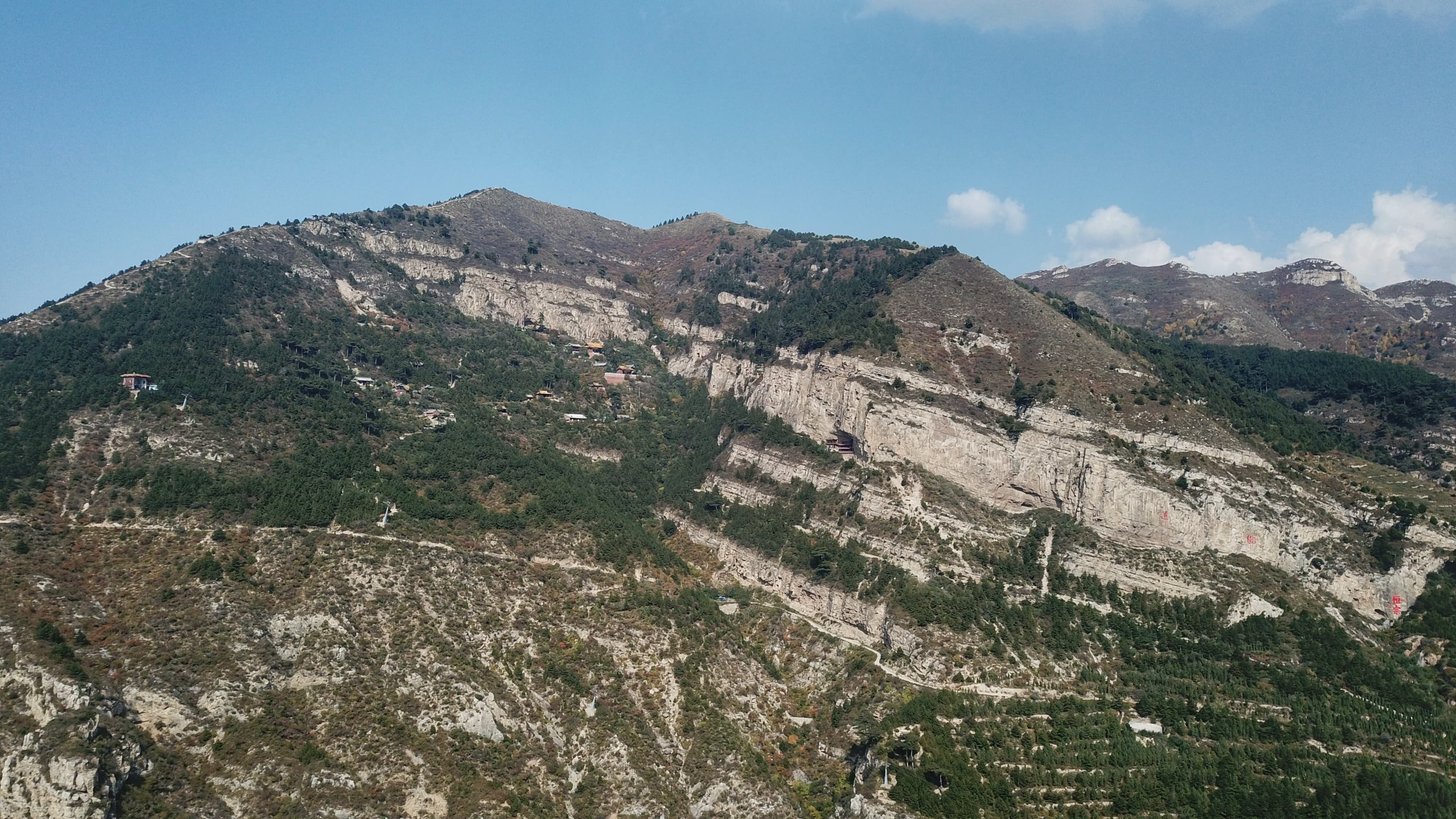
Northern Heng Shan, in Shanxi, is one of China’s Five Great Mountains. It must not be confused with the southern mountain of the same romanised name.
China
Sacred mountain
Song Shan is the central mountain of China’s Five Great Mountains. Daoist and Buddhist institutions form part of its wider religious landscape.
China
Sacred mountain
Wutai Shan is associated with the bodhisattva Manjushri and sustained Buddhist pilgrimage. Monasteries connect its peaks with a living religious community.
China
Sacred mountain
Emei Shan is a major Buddhist mountain associated with Samantabhadra. Its temples and paths belong to a long pilgrimage history.
China
Sacred mountain
Putuo Shan is an island mountain associated with Guanyin. Its Buddhist landscape joins maritime approaches, monasteries and devotional memory.
China
Sacred mountain
Jiuhua Shan is associated with Kshitigarbha in Chinese Buddhism. Monasteries and pilgrimage practices give its mountain terrain religious meaning.
China
Sacred mountain
Wudang’s temple complexes express Daoist religious traditions, especially devotion associated with Zhenwu. The architectural and mountain landscapes are closely connected.
China
Sacred mountain
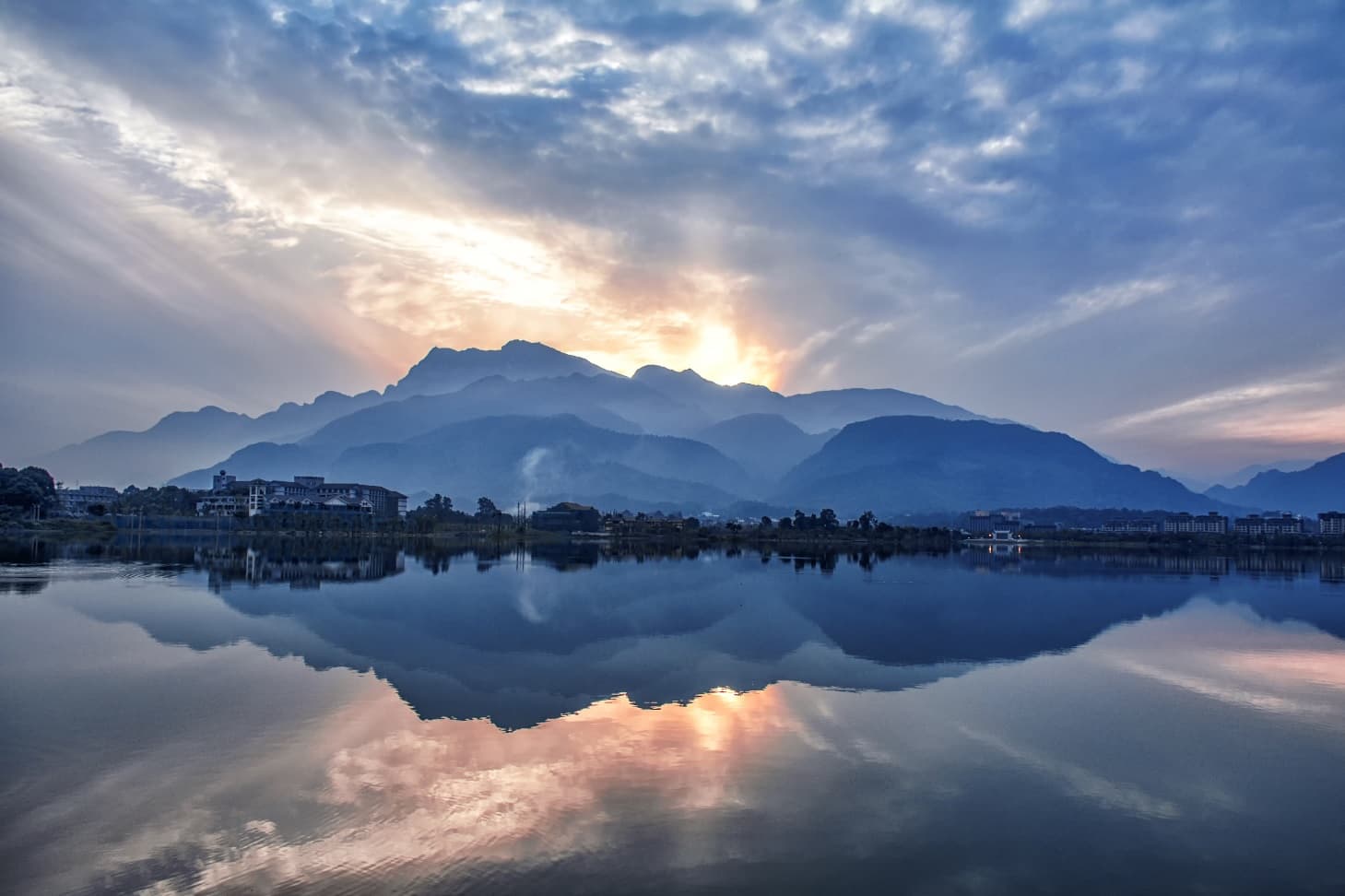
Qingcheng Shan is a significant Daoist mountain. Its temples preserve religious lineages within a forested landscape near Chengdu.
Japan
Sacred mountain
Fuji is a sacred mountain whose pilgrimage associations predate modern recreational climbing. Shrines and historic routes explain relationships between the mountain and its surrounding communities.
Japan
Sacred mountain
Hakusan is one of Japan’s major sacred mountains, with shrine networks and a history of Buddhist and kami worship.
Japan
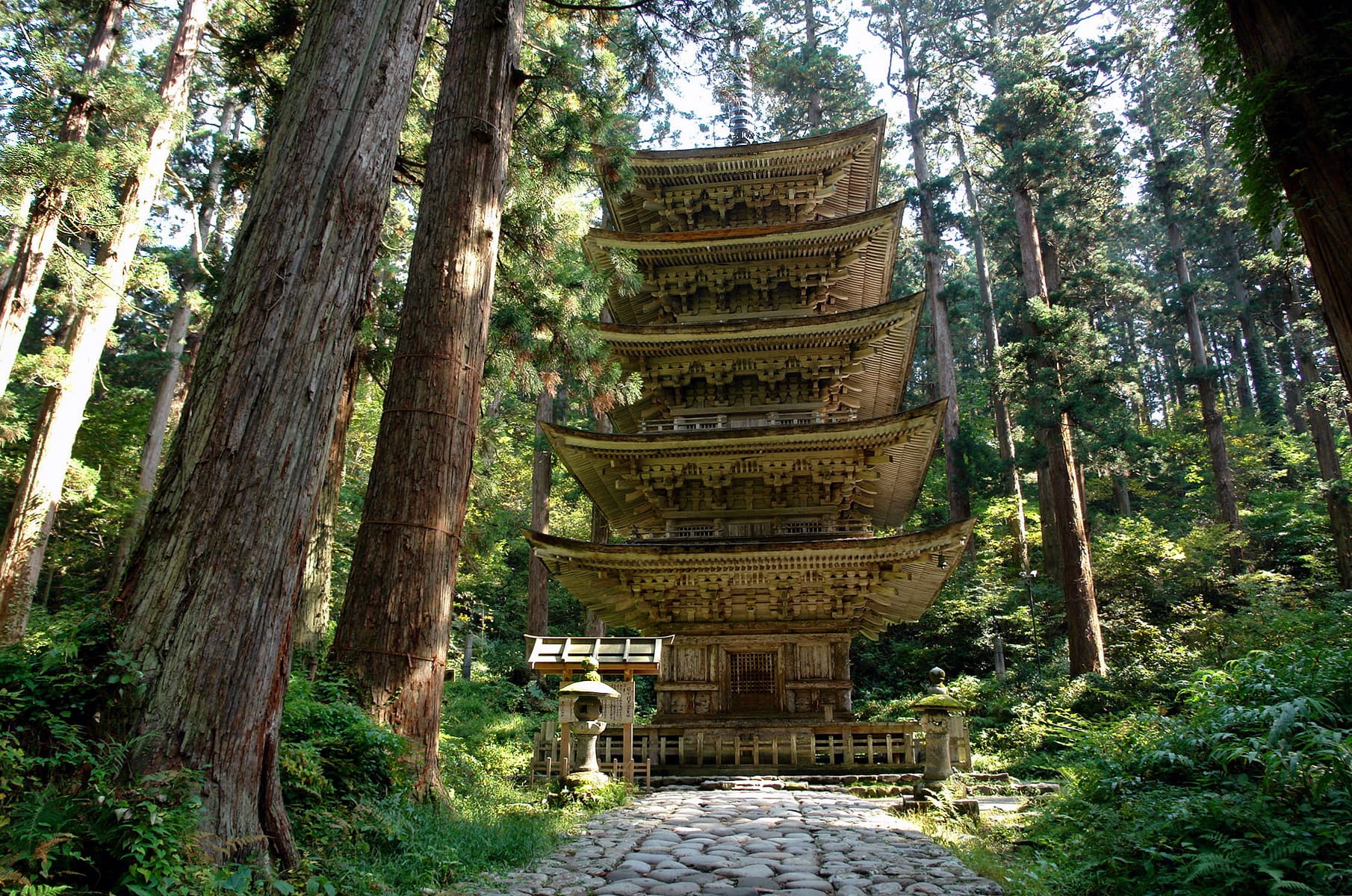
Sacred mountain
Haguro is one of the Dewa Sanzan. Its religious landscape links cedar-lined approaches, shrines and mountain practice.
Japan
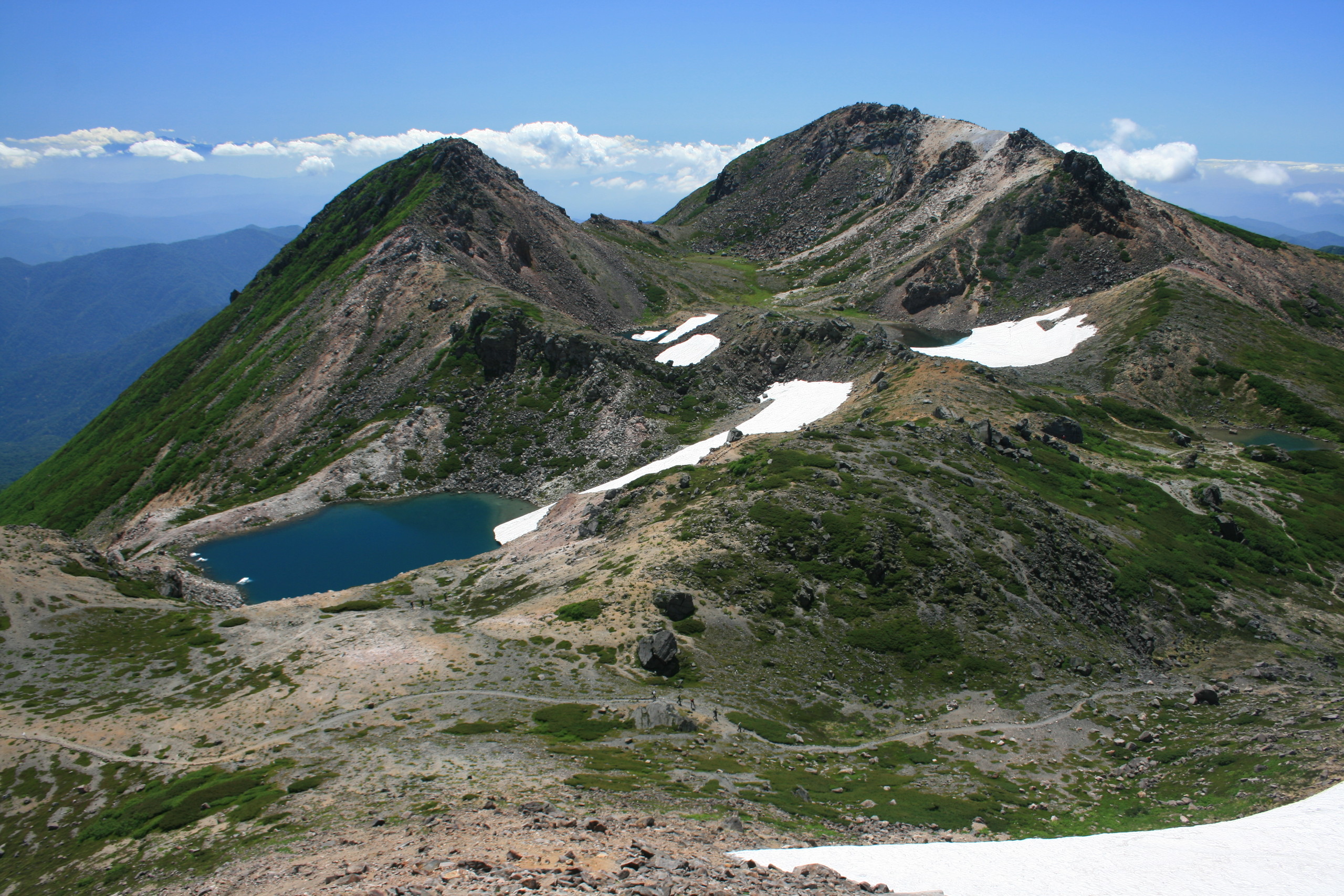
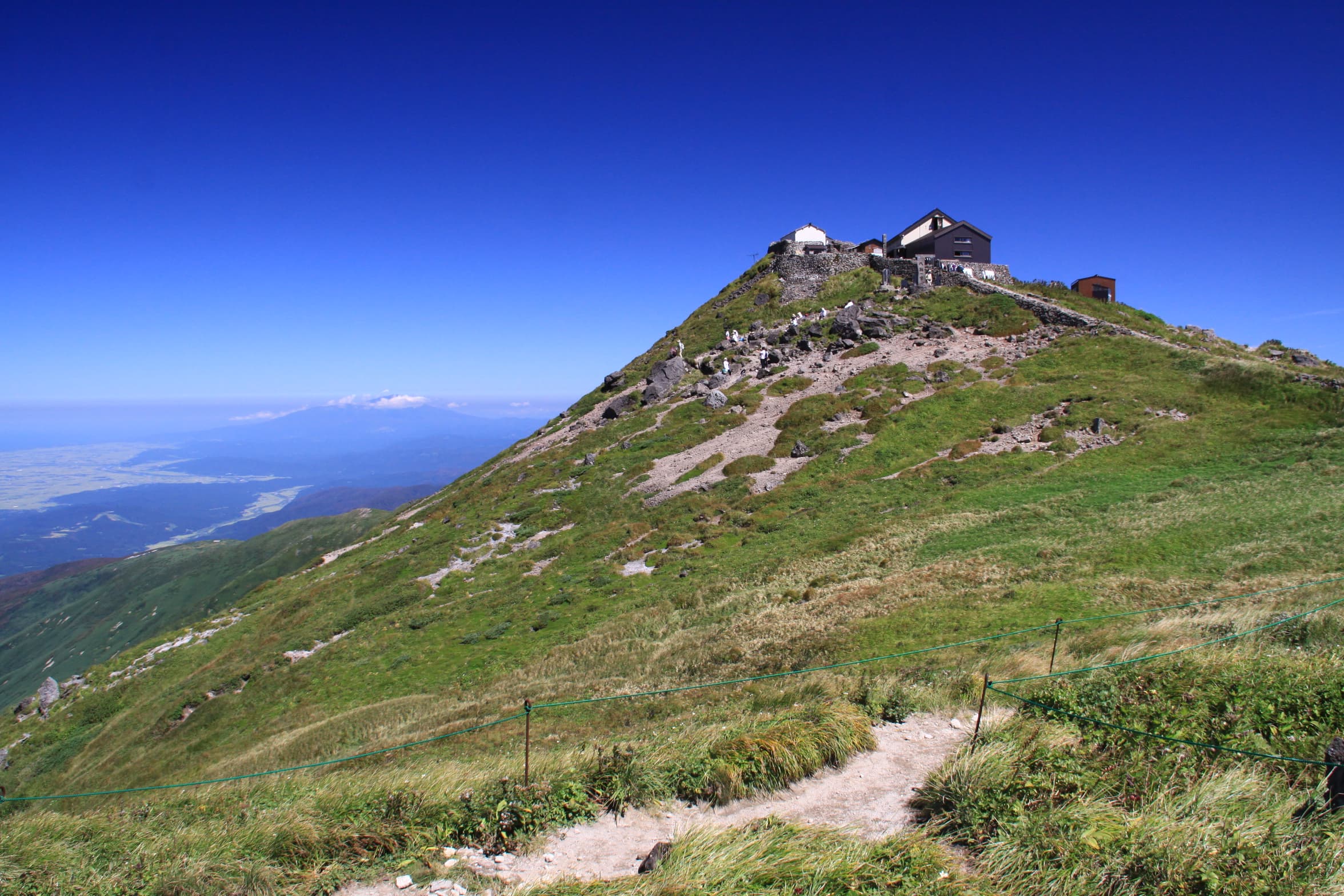
Sacred mountain
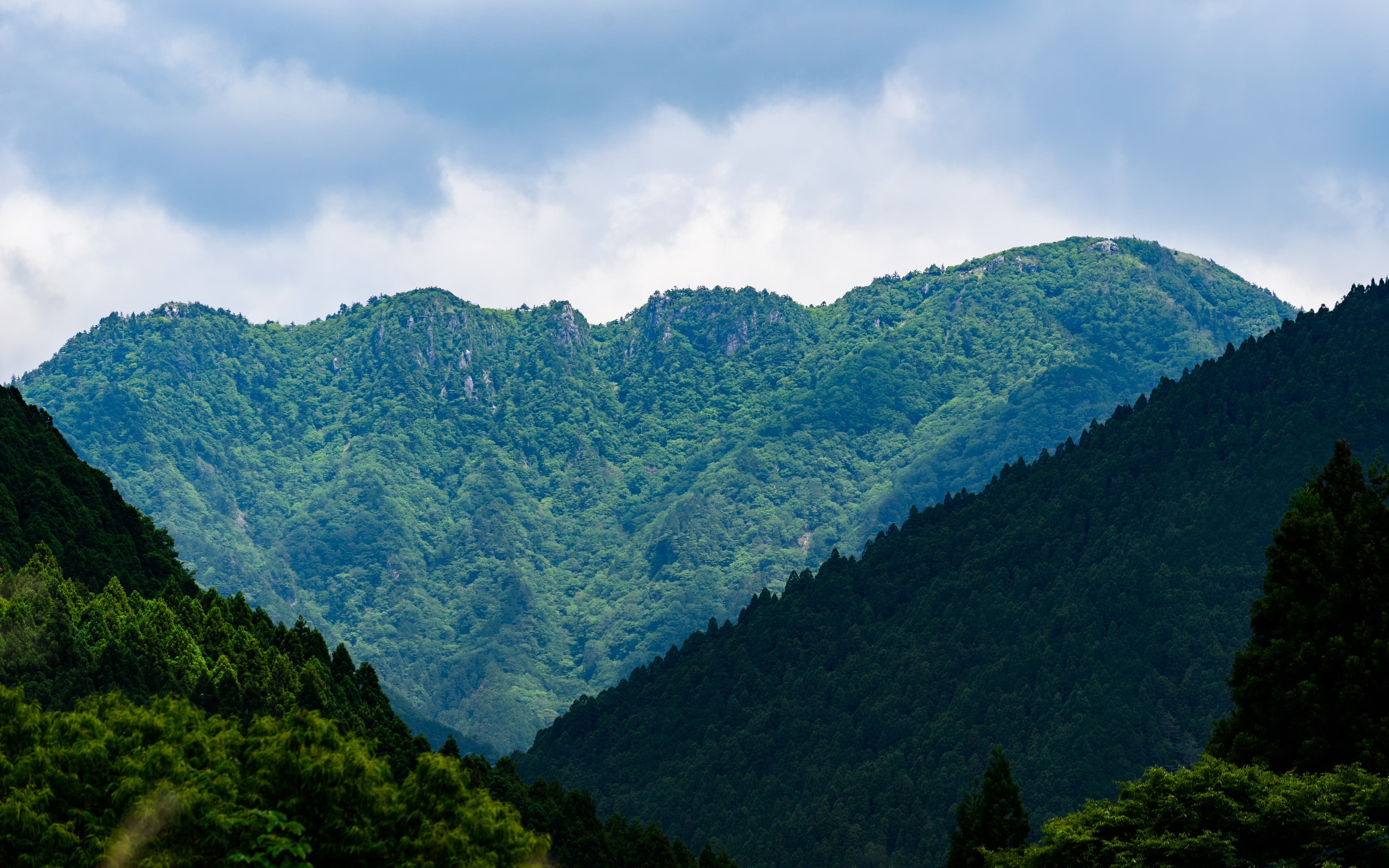
Gassan forms part of the Dewa Sanzan pilgrimage landscape. Its high terrain gives access a different seasonal rhythm from nearby Haguro.

Photo by Geomr
Japan
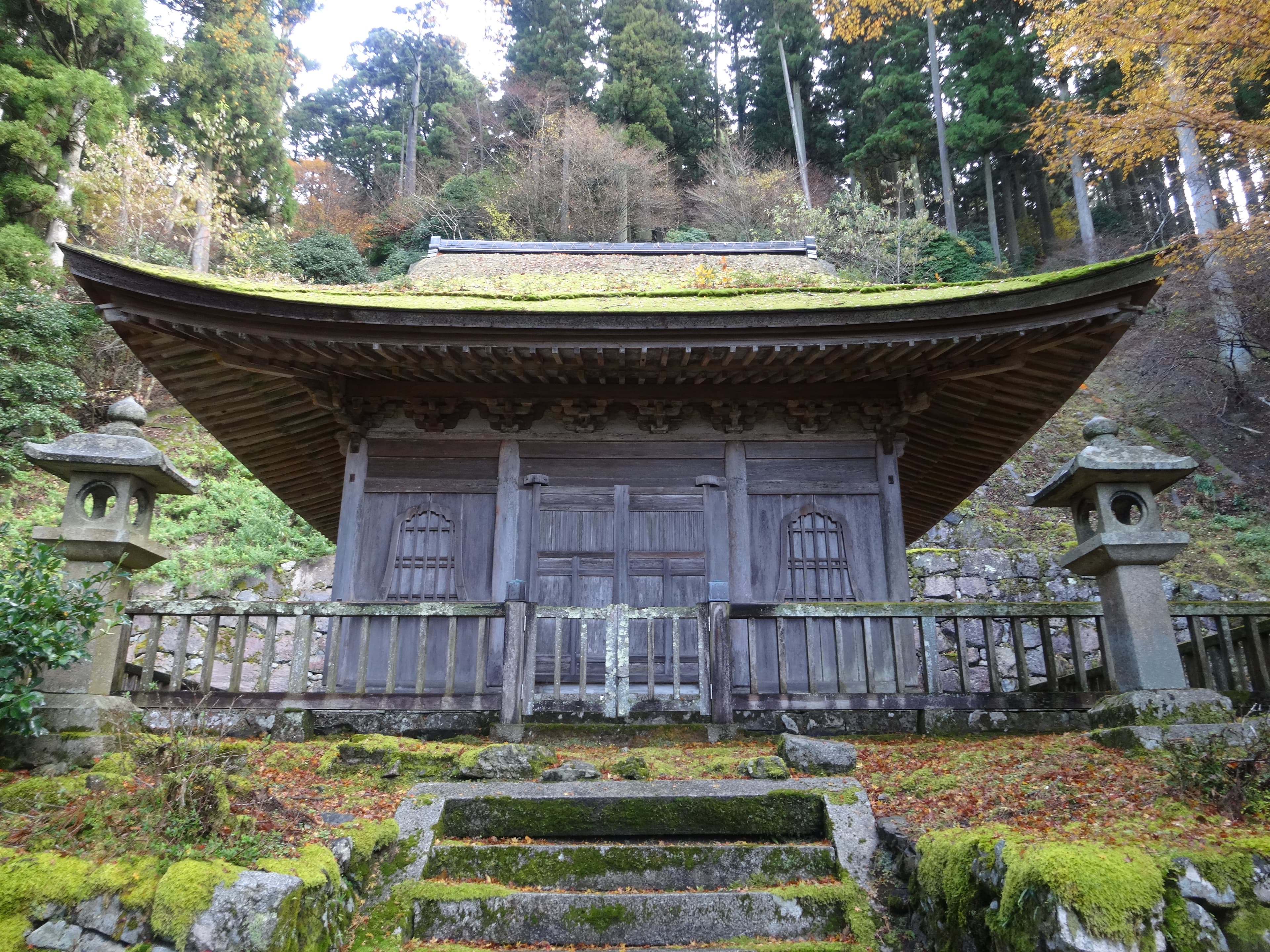
Sacred mountain
Yudono is the third of the Dewa Sanzan. Its custodians place particular boundaries around describing and photographing the sacred precinct.
Japan
Related religious place
Koyasan is the mountain centre of Shingon Buddhism associated with Kūkai. The linked Kongōbu-ji entry represents an institution within the wider religious settlement.
Japan
Sacred mountain
Hiei is associated with Saichō and the Tendai Buddhist tradition. Enryaku-ji’s religious precincts extend across the mountain.
Japan
Sacred mountain
Ōmine is a mountain-practice landscape associated with Shugendō. Access rules differ between places and include restrictions at particular precincts.
Japan
Sacred mountain
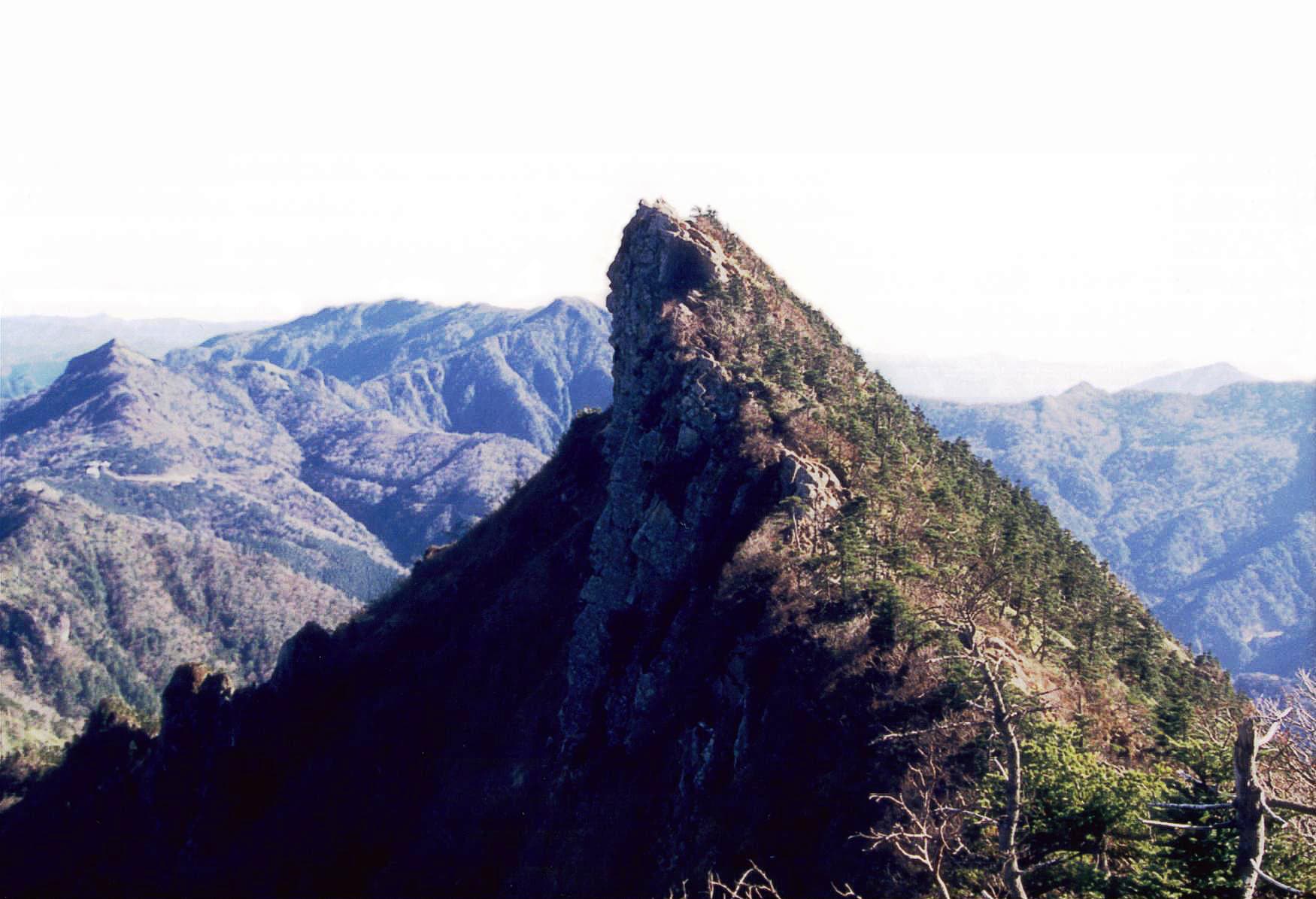
Ishizuchi is a sacred mountain in Shikoku with a history of mountain ascetic practice and shrine devotion.
North Korea / China
Sacred mountain
Paektu, also known as Baekdu or Changbai, holds significance in Korean origin traditions and other regional cultural histories. Modern national narratives are a distinct interpretive layer.
North Korea
Sacred mountain
Myohyang is associated with Korean religious and legendary history, including the Buddhist institutions of its mountain landscape.
Indonesia
Sacred mountain
Agung is a sacred mountain in Balinese Hindu life. Besakih’s temple complex belongs to its slopes but is not identical with the volcano.
Indonesia
Sacred mountain
Batur’s mountain and lake are connected with Balinese religious relationships involving water and fertility. Temple authority and volcanic access are separate considerations.
Indonesia
Sacred mountain
Bromo is a sacred volcano in Tengger religious life, including the Kasada offering tradition. Observing a public festival does not authorise entering restricted volcanic terrain.
Indonesia
Sacred mountain
Merapi is an active volcano within the sacred geography of Yogyakarta’s court. Its relationship with the palace and the southern sea gives the mountain a place in Javanese accounts of guardianship and political responsibility.

Photo by Aldoarianto.87
Indonesia
Sacred mountain
Rinjani and its crater lake Segara Anak hold sacred significance in Sasak traditions, including accounts of Dewi Anjani. The mountain’s religious relationships extend beyond the modern trekking route.
Malaysia
Sacred mountain
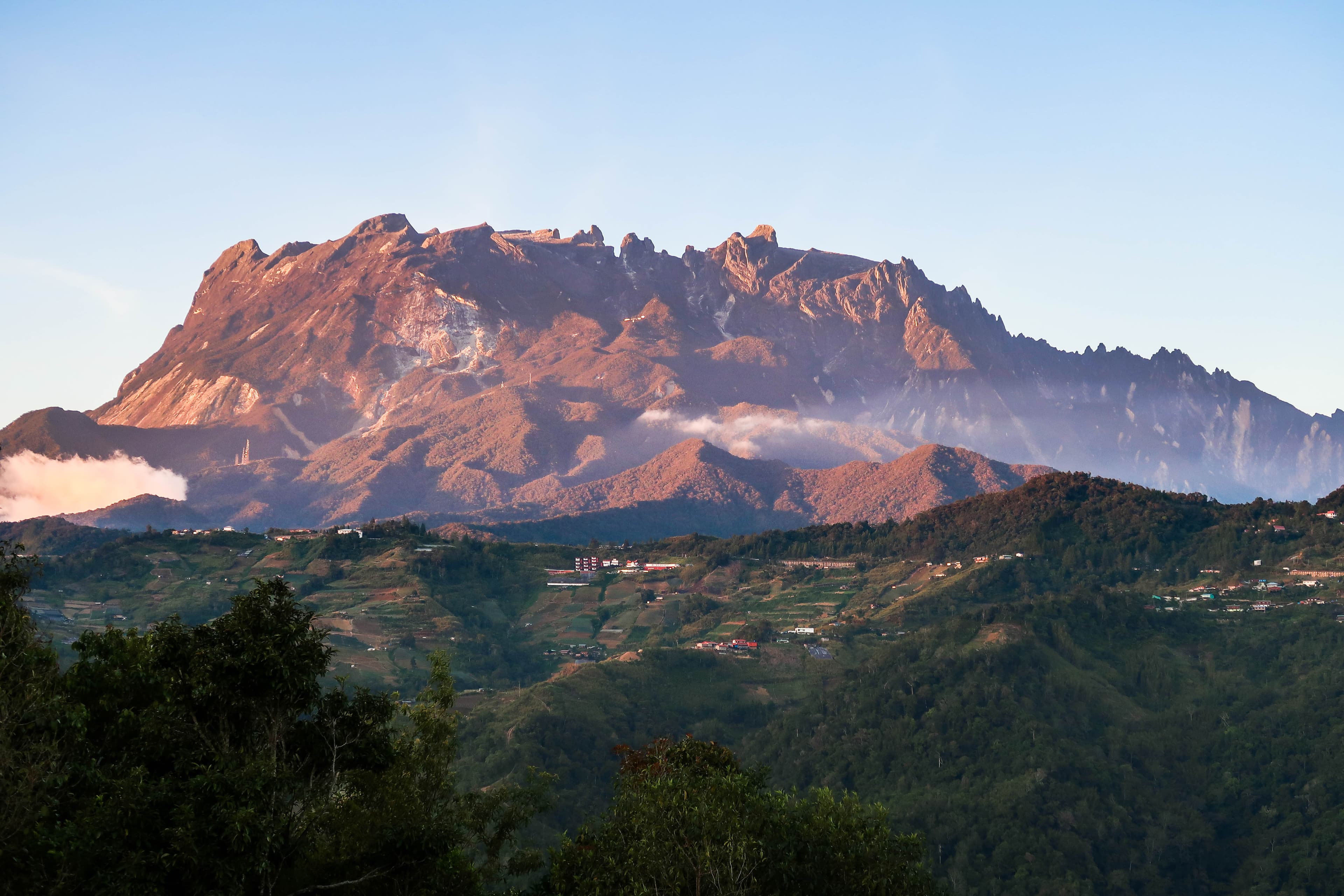
Kinabalu has ancestral significance for local Indigenous communities, including Kadazan-Dusun traditions. Mountain access remains subject to both park rules and cultural respect.
Myanmar
Sacred mountain
Mount Popa is associated with Myanmar’s nat traditions. The nearby Taung Kalat shrine and the broader mountain must be distinguished when planning a visit.
Saudi Arabia
Sacred mountain
Jabal al-Nour contains the Cave of Hira, associated with the beginning of Quranic revelation to Muhammad. The cave is a contained religious place within the mountain.
Saudi Arabia
Sacred mountain
Arafat is central to the Hajj pilgrimage. The plain and its ritual observance should not be reduced to reaching the summit of the small hill.
Jordan
Sacred mountain
Mount Nebo in Jordan is associated with the biblical account of Moses viewing the Promised Land. It is distinct from Mount Sinai.
Palestinian Territory
Sacred mountain
Mount Gerizim is sacred to the Samaritan community, whose continuing worship defines a living relationship with the mountain.
Israel
Sacred mountain
Mount Carmel holds Jewish, Christian and other religious associations, including traditions concerning Elijah. Its wider ridge contains several distinct sacred places.
Israel
Sacred mountain
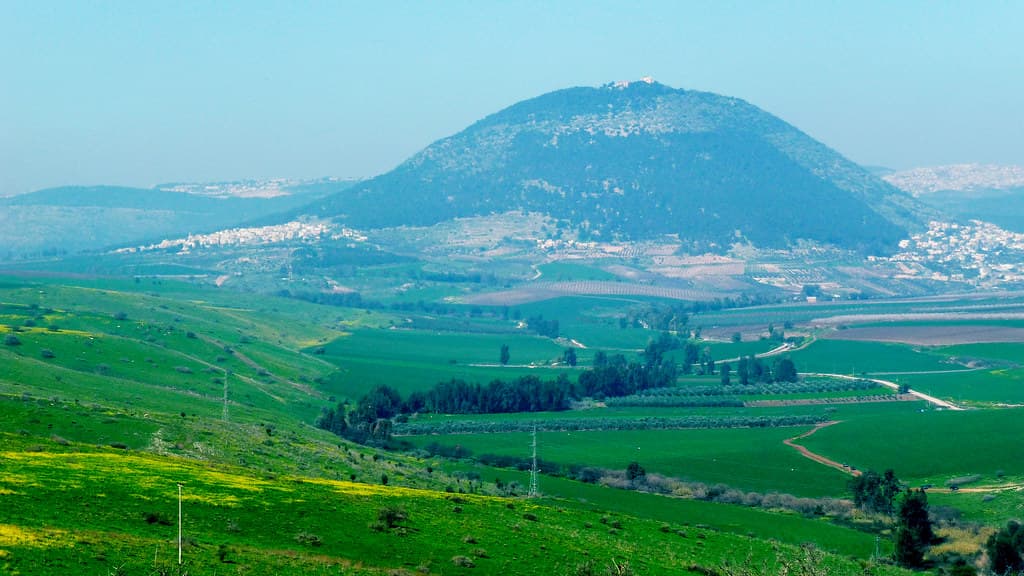
Mount Tabor is associated in Christian tradition with the Transfiguration. Churches on the summit preserve that devotional history.
Israel
Related religious place
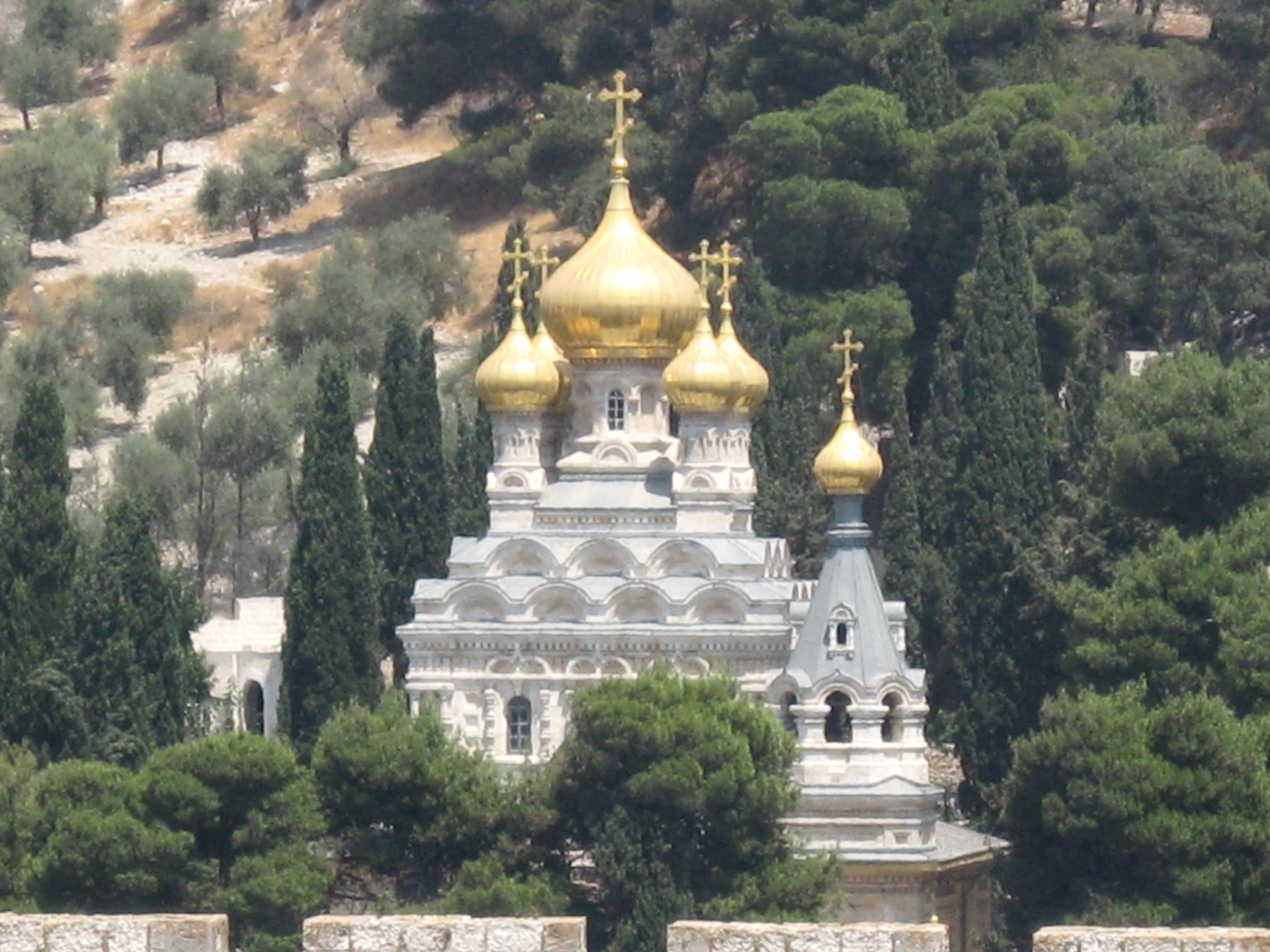
The Mount of Olives carries Jewish and Christian sacred histories. The linked Mary Magdalene convent represents one institution on the mountain.
Türkiye
Sacred mountain
Ararat is associated with the biblical flood narrative and Armenian sacred memory. Traditional identification and archaeological proof are different claims.
Iran
Sacred mountain
Damavand is a volcanic mountain in the Alborz whose place in Iranian sacred and literary memory extends far beyond its physical prominence. Stories of tyranny, restraint and deliverance have made it a durable cultural presence.
Türkiye
Sacred mountain
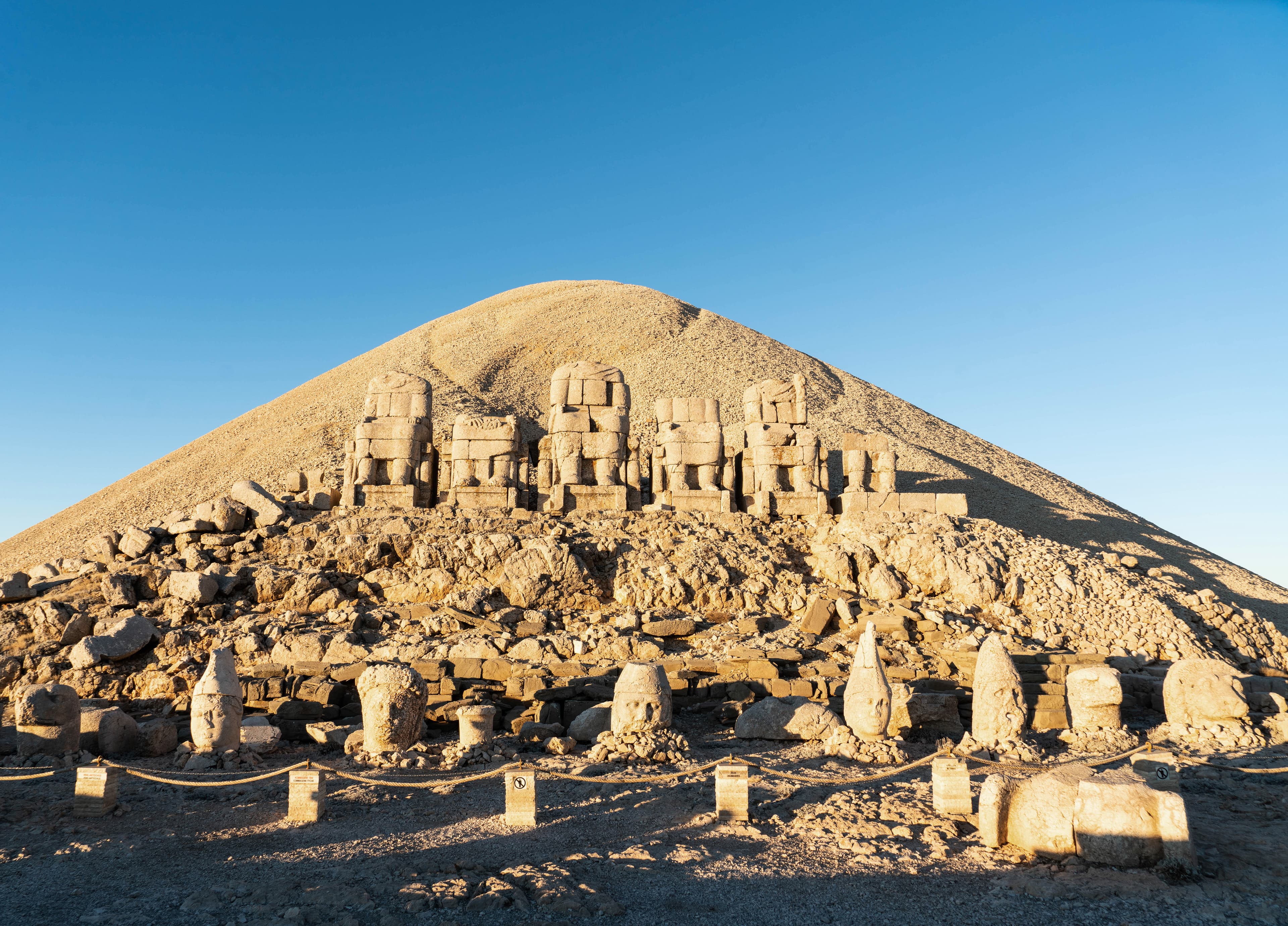
Nemrut Dağ preserves the monumental royal sanctuary of Antiochus I of Commagene, joining Hellenistic and Iranian religious imagery.
Greece
Sacred mountain
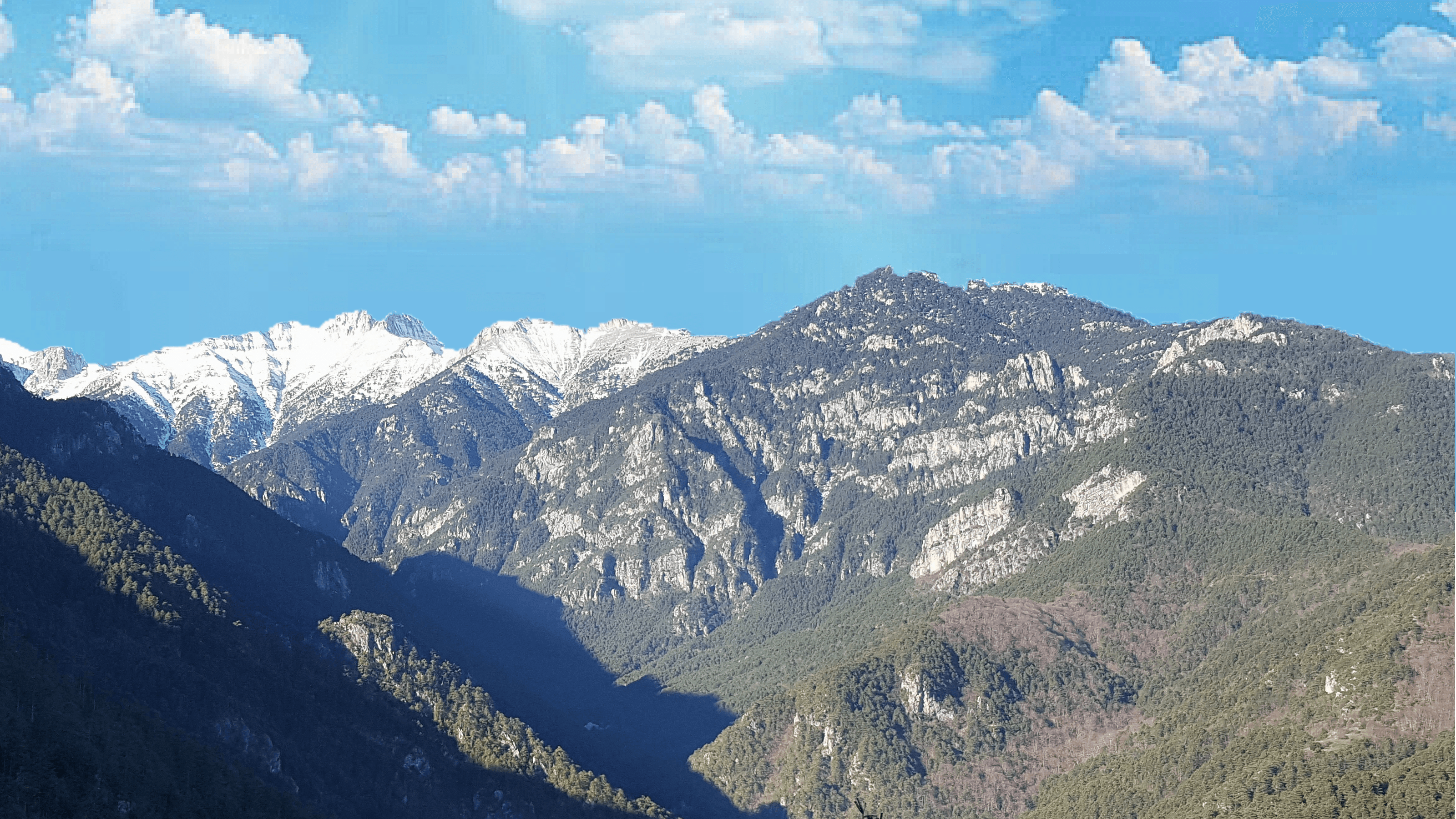
Olympus is the dwelling place of the gods in ancient Greek traditions. Its literary sacred geography should be distinguished from modern recreational routes.
Greece
Sacred mountain
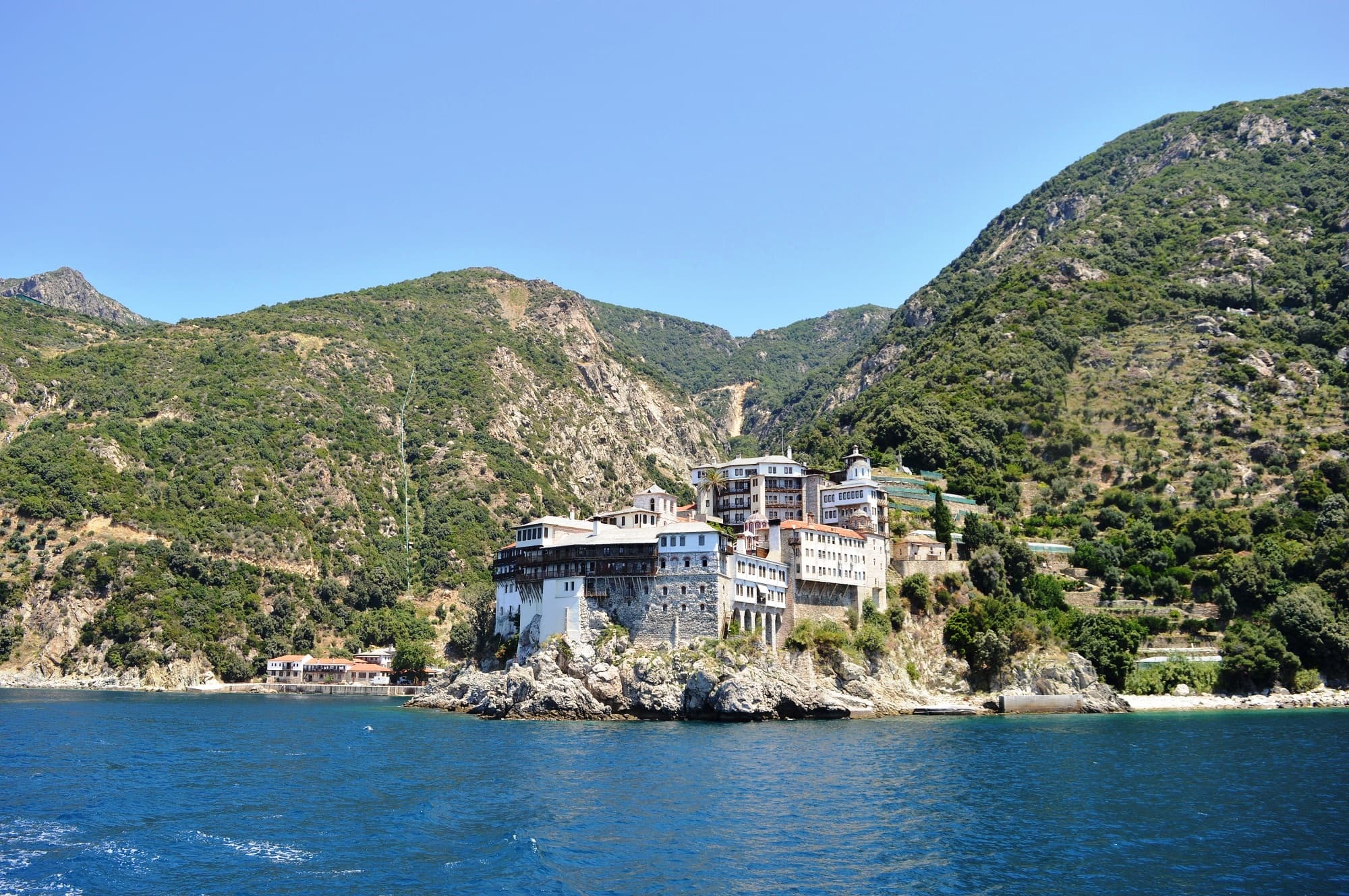
Athos is a living Orthodox monastic mountain and peninsula. Entry is regulated by the monastic community and includes substantial restrictions.
Greece
Sacred mountain
Parnassus belongs to ancient Greek sacred geography associated with Apollo and the Muses. Delphi occupies a particular place on its slopes.
Greece
Sacred mountain
Psiloritis, or Mount Ida, is associated with traditions of Zeus’s childhood in Crete. The mountain and its sacred caves are related but distinct features.
Ireland
Sacred mountain
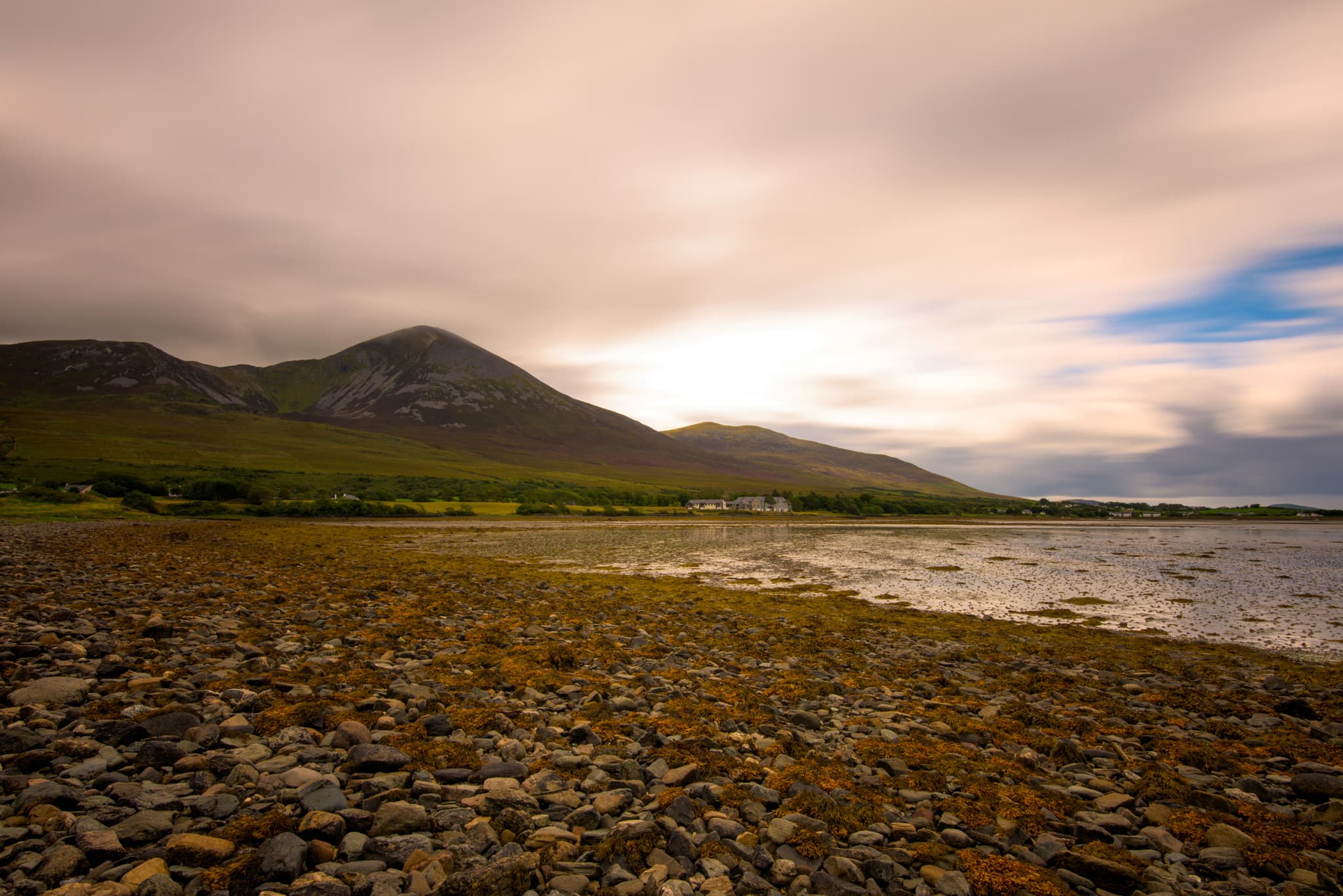
Croagh Patrick is an Irish pilgrimage mountain associated with Saint Patrick. Its religious history continues through organised pilgrimage and individual devotion.
Ireland
Sacred mountain
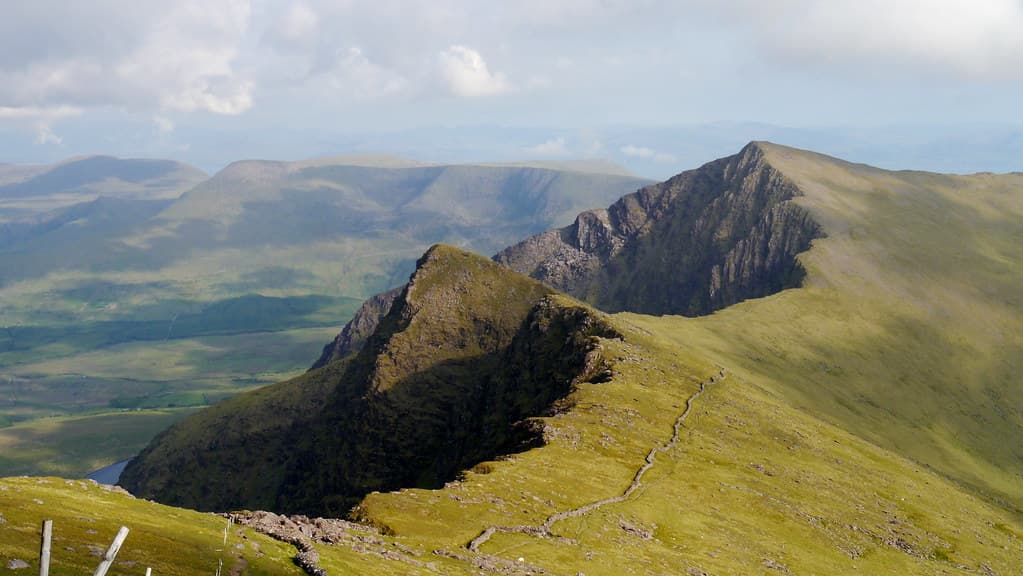
Mount Brandon carries Christian pilgrimage traditions associated with Saint Brendan on Ireland’s Dingle Peninsula.
Spain
Related religious place
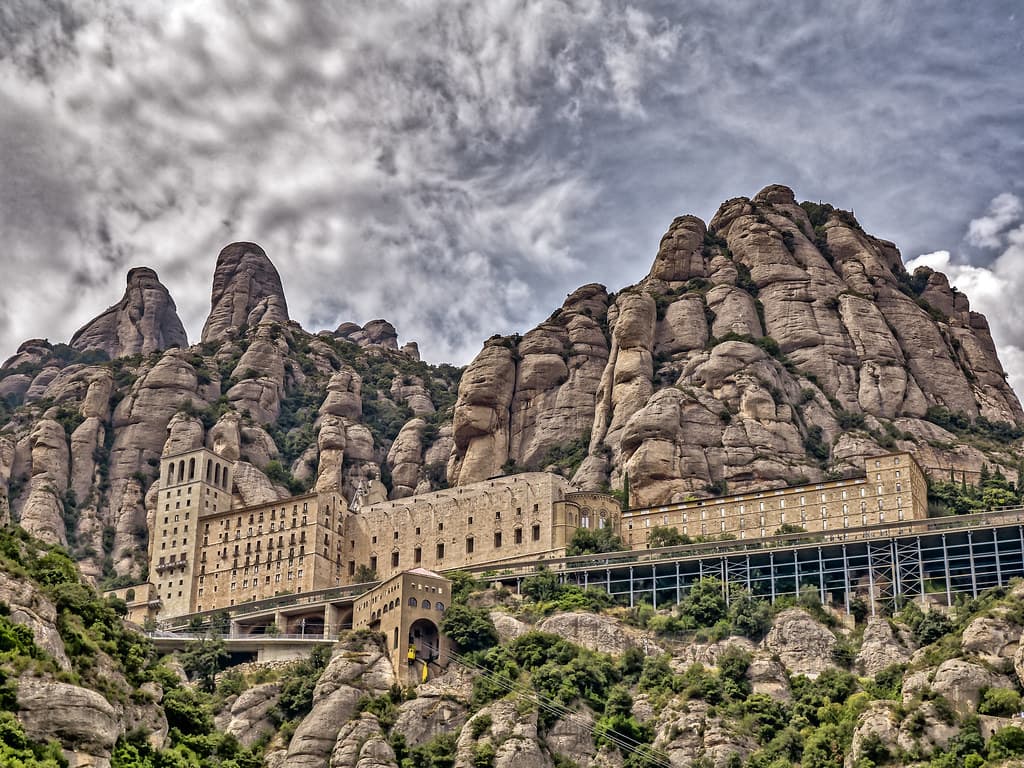
Montserrat’s distinctive mountain landscape surrounds a living Benedictine sanctuary and the devotion to Our Lady of Montserrat. The linked page covers the abbey.
Egypt
Sacred mountain
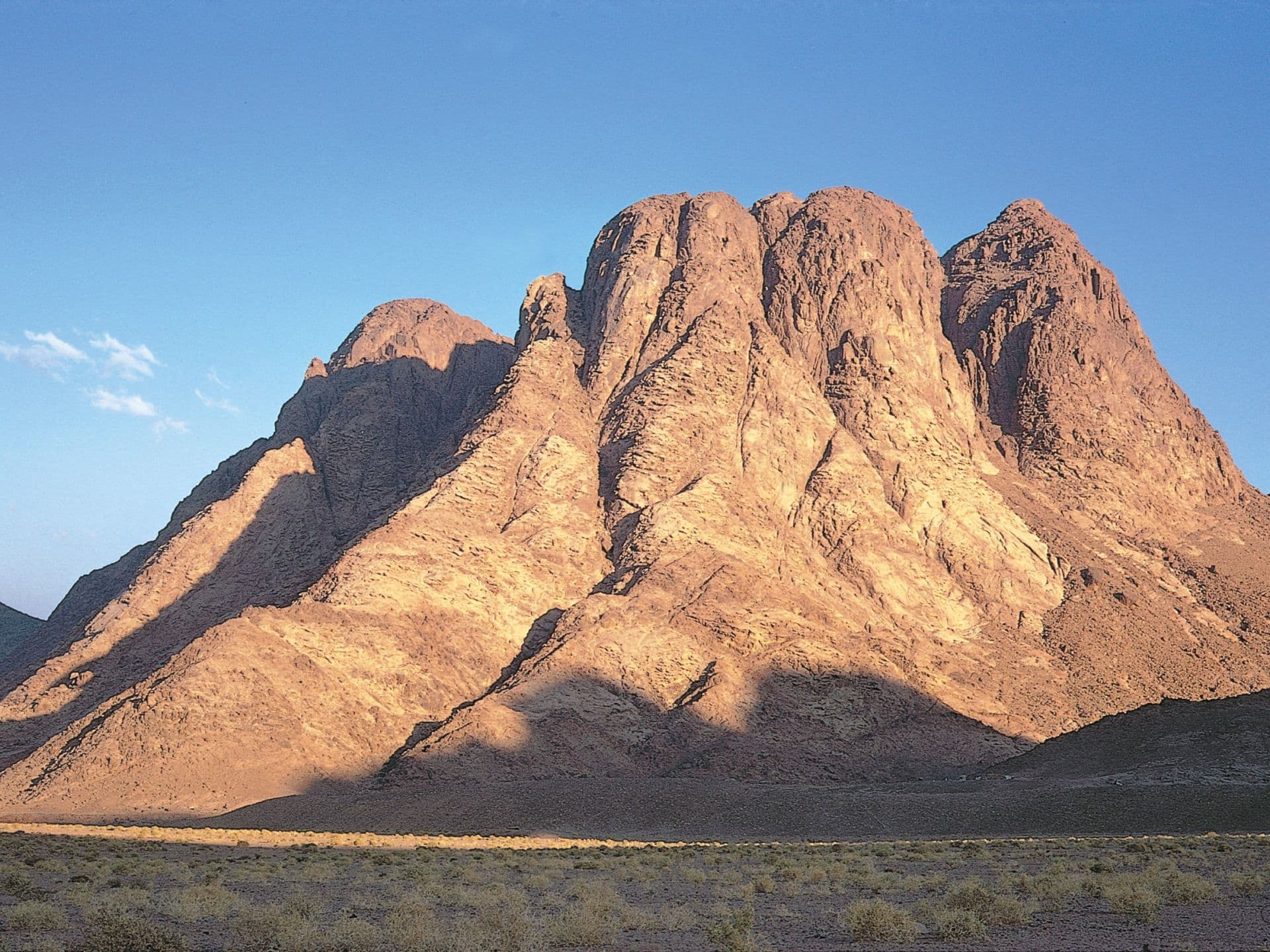
Mount Sinai is traditionally associated with Moses receiving the law. The mountain and Saint Catherine’s Monastery are distinct parts of the religious landscape.
Sudan
Sacred mountain
Jebel Barkal was a sacred mountain in the religious landscapes of ancient Kush and Egypt, closely associated with Amun and nearby temple complexes.
Tanzania
Sacred mountain
Ol Doinyo Lengai holds sacred significance in Maasai traditions. Its identity as an active volcano requires separate, current safety guidance.
Malawi
Sacred mountain
Mulanje is associated with local sacred traditions in Malawi. Community interpretation is essential to understanding relationships with the massif.
Zimbabwe
Sacred mountain
Nyangani is a mountain within Nyanga National Park and a place of sacred significance in local traditions. Understanding that relationship requires attention to community authority as well as to the park’s visitor arrangements.
Zimbabwe
Sacred landscape
The Matobo Hills are a granite landscape of rock shelters, settlements and sacred places. The cultural landscape extends beyond the boundaries of Matobo National Park; this entry represents the hills rather than a particular shrine.
United States
Sacred mountain
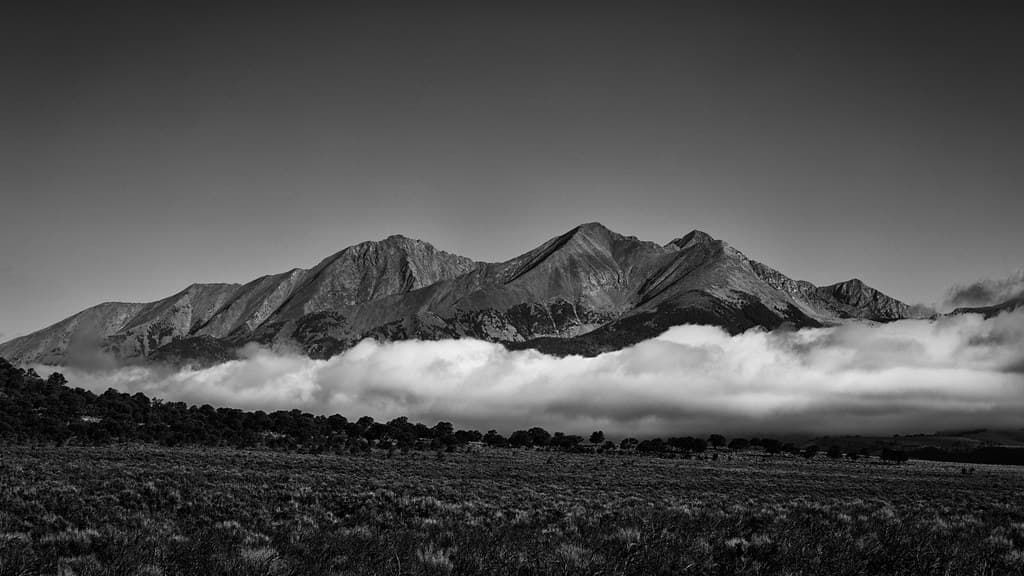
Blanca Peak, Sisnaajiní, is one of the four sacred mountains defining Diné homeland. Its religious identity is not a general invitation to perform ceremonies.
United States
Sacred mountain
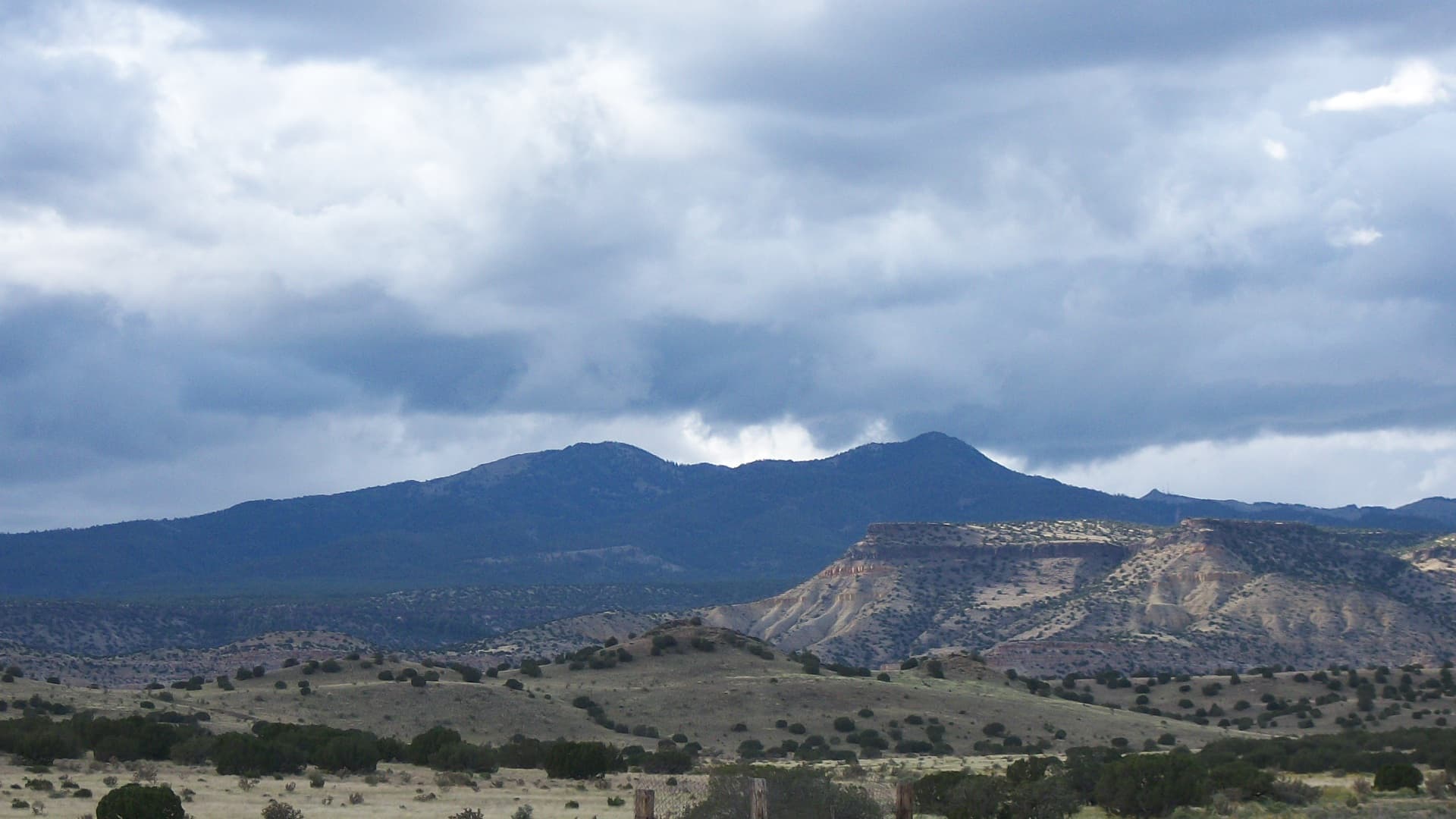
Mount Taylor, Tsoodził, is one of the Diné sacred mountains and also holds significance for neighbouring Indigenous peoples.
United States
Peak / range relationship
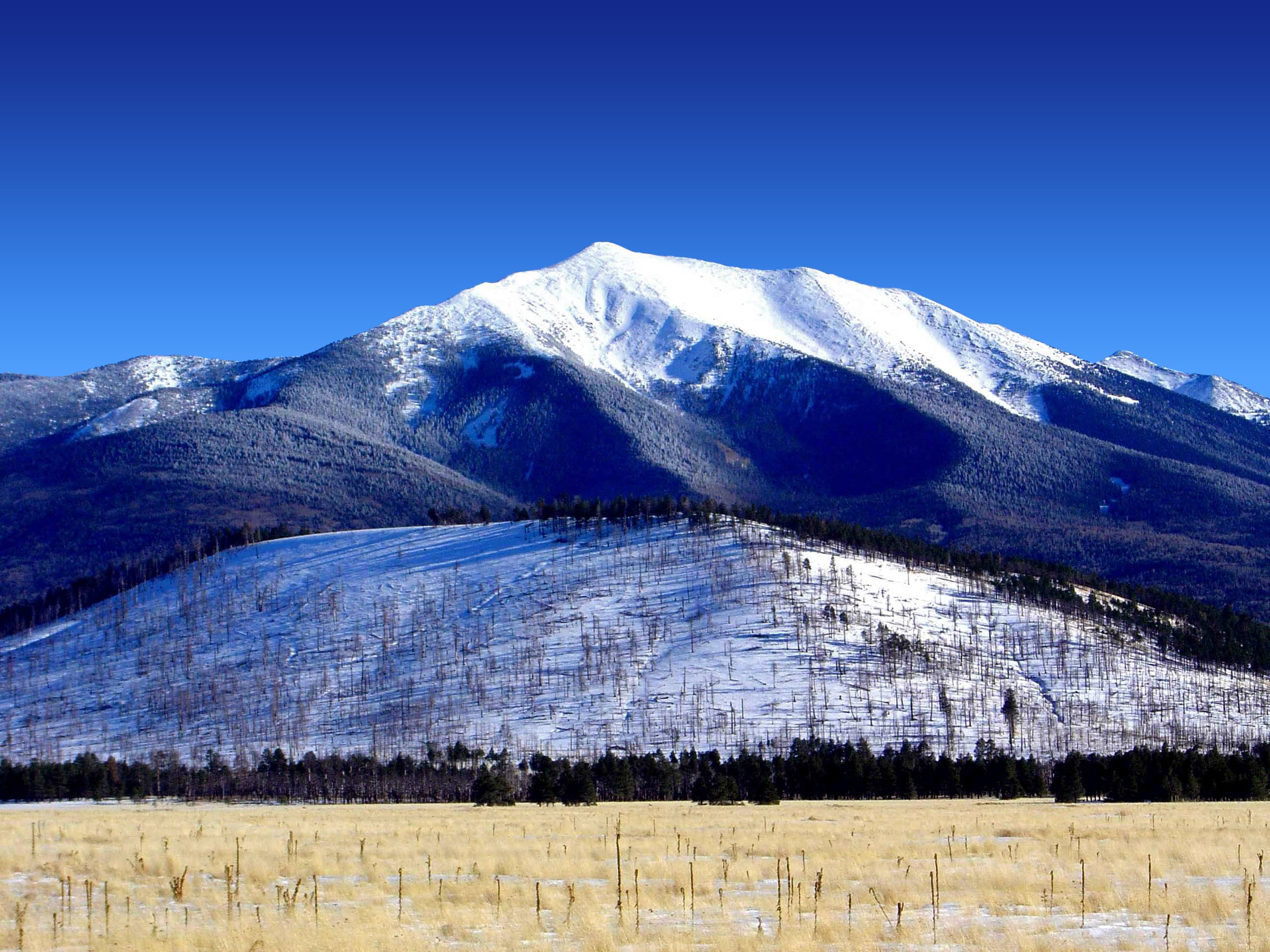
The San Francisco Peaks are sacred to multiple Indigenous nations. The linked Humphreys Peak record covers one summit within this wider mountain group.
United States
Sacred mountain
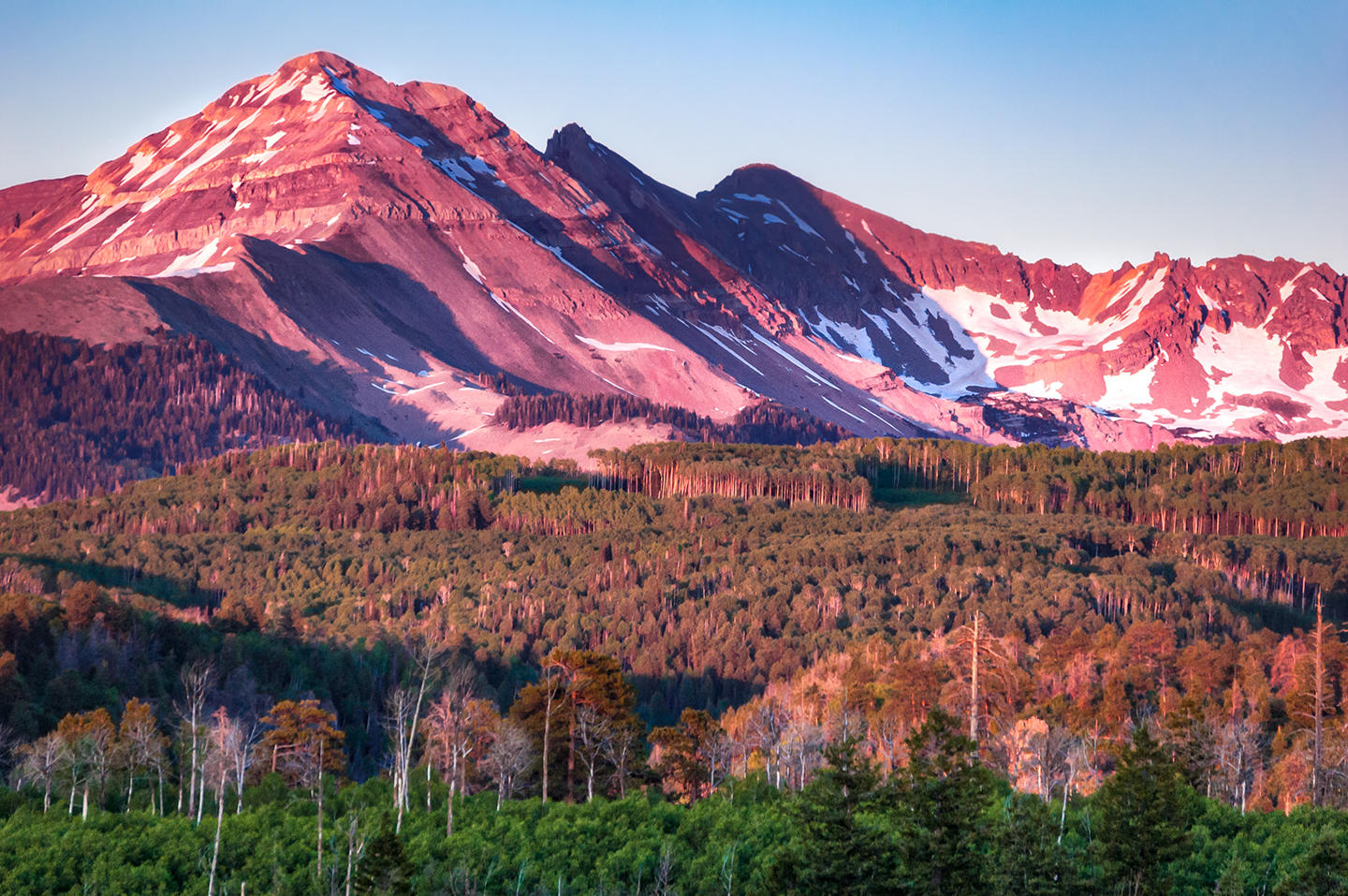
Hesperus Mountain, Dibé Nitsaa, is one of the four sacred mountains of Diné homeland. Public orientation should not substitute for community-held ceremonial knowledge.
United States
Sacred mountain
Devils Tower, also known by Indigenous names including Bear Lodge, is sacred to several Plains nations. Respect prayer offerings and ceremonial privacy.
United States
Sacred mountain
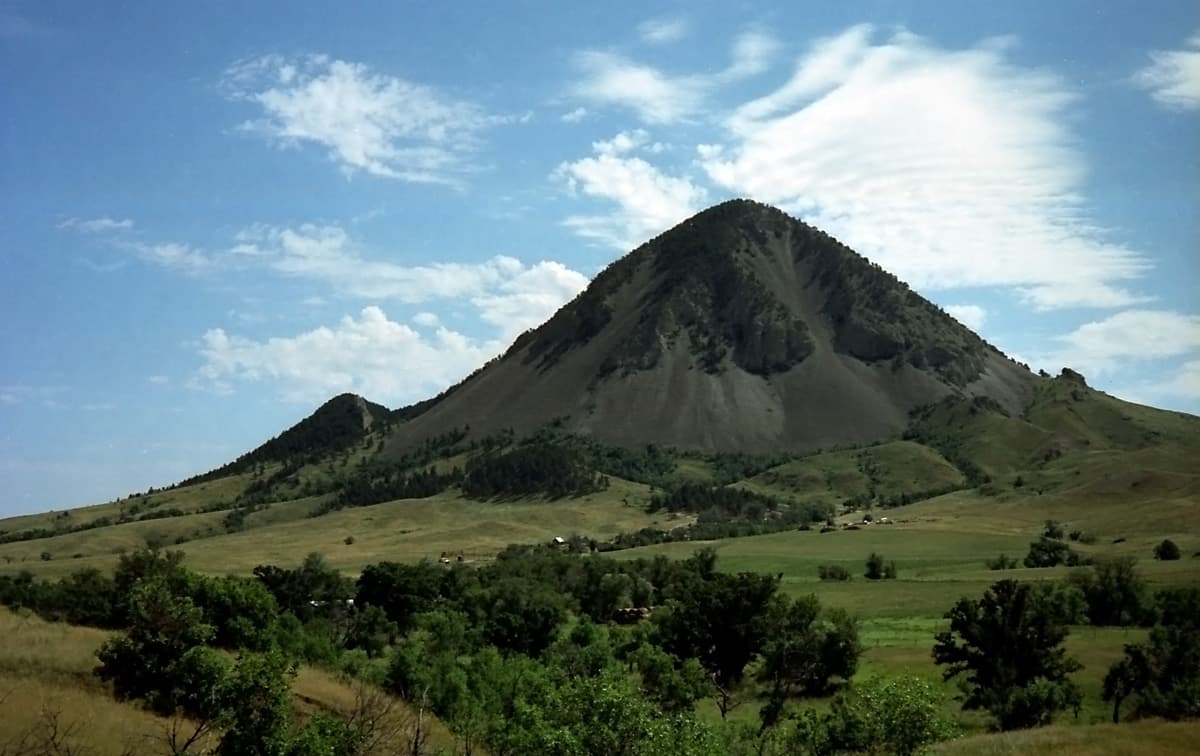
Bear Butte is a place of prayer for several Indigenous peoples, including Cheyenne and Lakota communities. Visitors share the landscape with people undertaking religious observances.
United States
Sacred mountain
Mount Shasta holds distinct Indigenous sacred relationships alongside later spiritual movements. Those histories should not be collapsed into a single universal mountain belief.
Mexico
Sacred mountain
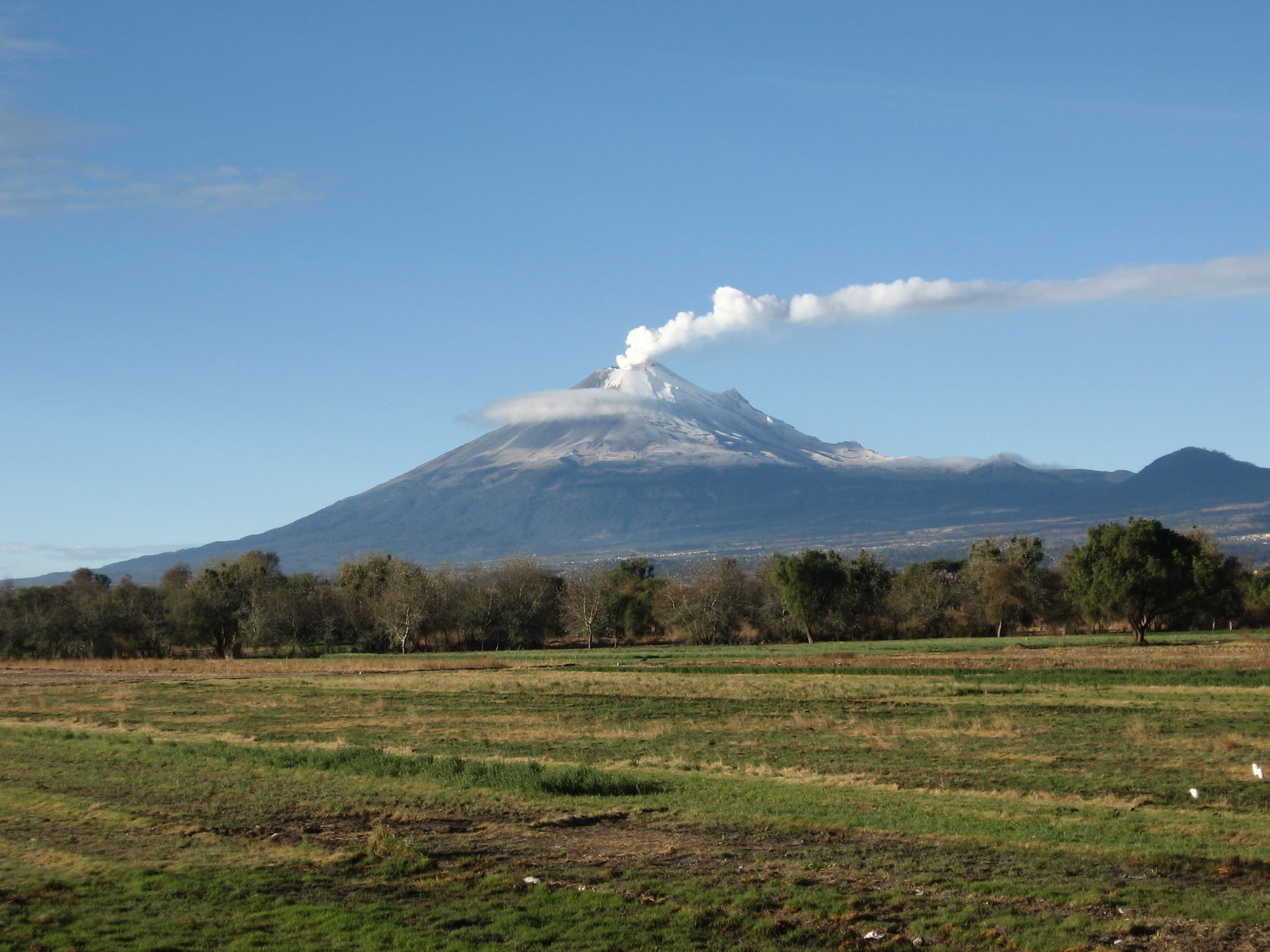
Popocatépetl is part of central Mexican sacred and agricultural landscapes, including traditions concerning mountain beings and rain. Current volcanic restrictions take precedence over older routes.
Mexico
Sacred mountain
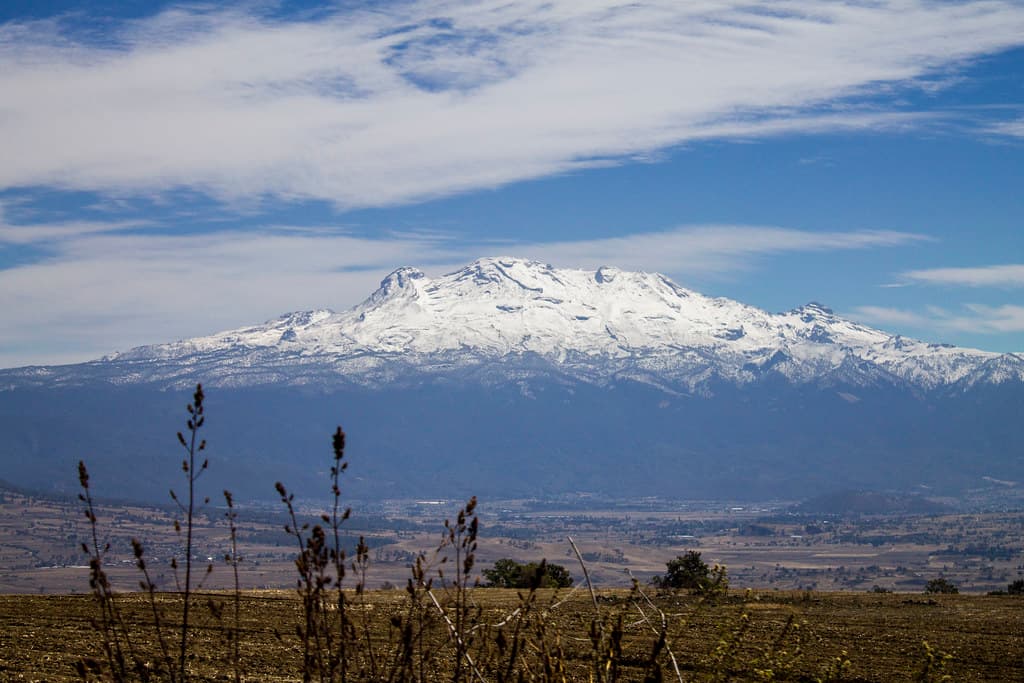
Iztaccíhuatl belongs to central Mexican mountain traditions and public narratives linking it with Popocatépetl. Versions of those stories differ.
Mexico
Sacred mountain
Nevado de Toluca, also known as Xinantécatl, holds a long history of offerings and mountain-water relationships. Archaeological research and contemporary rainmaking traditions give its crater landscape meanings beyond recreation.
Mexico
Sacred mountain
Mount Tlaloc preserves a high-altitude ceremonial landscape associated with rain and agricultural life. Archaeological remains are not places for collecting objects or improvising rites.
Mexico
Sacred mountain
Cerro Quemado is the sacred hill within Wirikuta associated with the first appearance of the Sun in Wixárika tradition. It is a particular place in a wider pilgrimage landscape, not a synonym for all of Wirikuta.
Peru
Sacred mountain
Salkantay is a mountain in the Cusco region whose identity as an apu connects it with surrounding communities and the wider sacred geography of Machu Picchu. Its significance is not exhausted by the trekking route bearing its name.
Ecuador
Sacred mountain
Chimborazo has sacred significance in Andean traditions of Ecuador. Its relationship with communities and neighbouring mountains extends beyond its geographic prominence.
Australia
Sacred landscape
Uluru is an Anangu sacred place within Tjukurpa. Climbing is closed, and photography restrictions protect particular culturally sensitive places.

Photo by Michael John Sankey
Australia
Sacred landscape
Kata Tjuta belongs to the Anangu cultural landscape and includes restricted knowledge. Use authorised public paths and interpretation without seeking access to private stories.
New Zealand
Sacred mountain
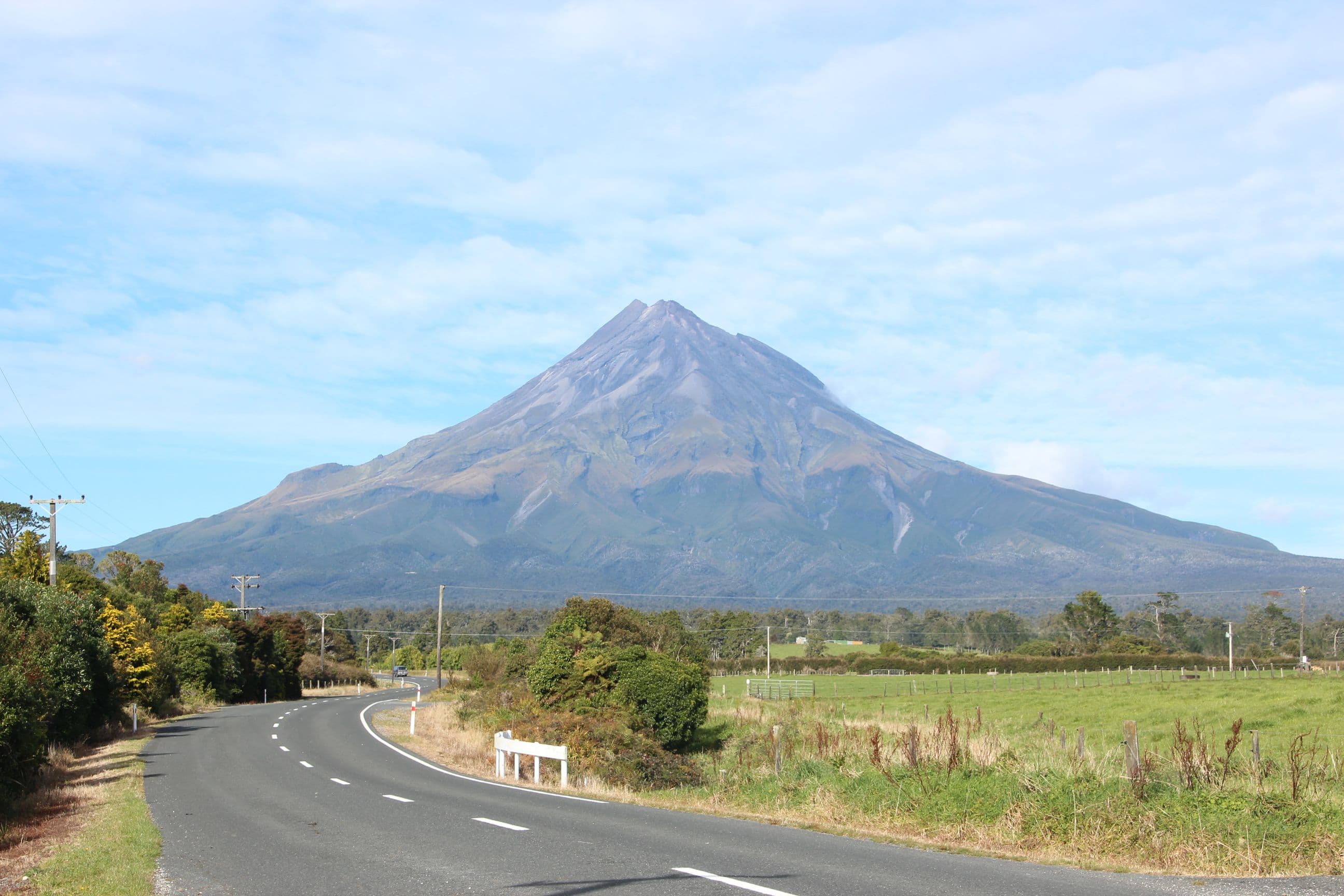
Taranaki Maunga is an ancestor within local Māori traditions. Its cultural identity and contemporary guardianship deserve attention alongside the mountain’s physical form.
New Zealand
Sacred mountain
Ngauruhoe is a distinct volcanic cone within the Tongariro sacred landscape. Its relationships with neighbouring mountains and with mana whenua are more important to this entry than its appearance in popular entertainment.
United States
Sacred mountain
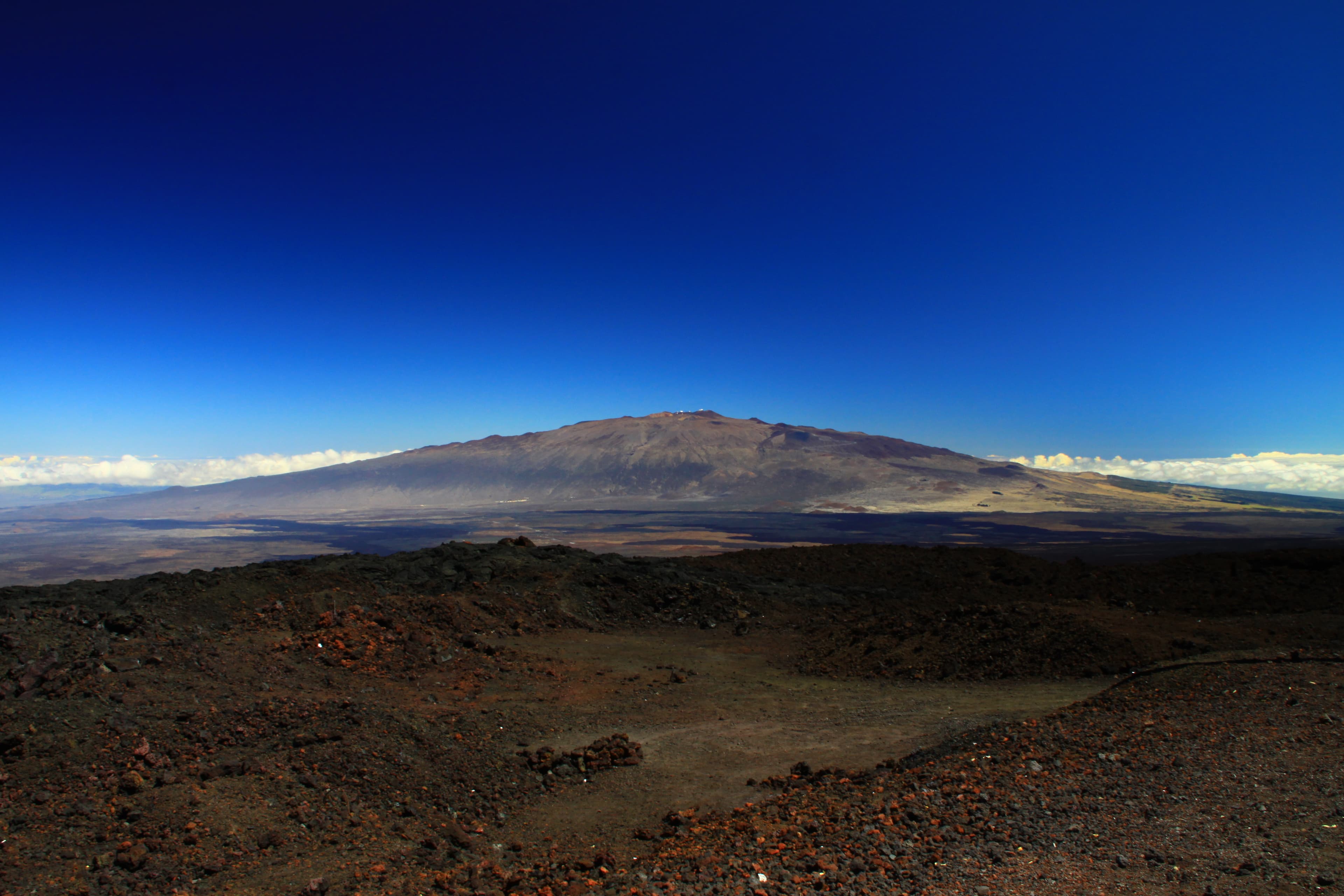
Mauna Kea is a sacred mountain in Native Hawaiian traditions, with ancestral and genealogical significance. Contemporary land-use disputes require careful, attributed treatment.
United States
Sacred mountain
Haleakalā holds Native Hawaiian sacred relationships and public traditions associated with Māui. National-park access does not replace cultural responsibilities.
United States
Sacred mountain
Kīlauea is associated with Pele in Native Hawaiian tradition. Volcanic activity and cultural guidance both shape appropriate ways to encounter the landscape.
For 100 Sacred Mountains of the World. Local rules and custodians take priority.
Pilgrim Map · 100 Sacred Mountains of the World
Explore the history behind these places. Traditional accounts, scholarly interpretations and living practices may differ.
Selection and meaning
For one community a mountain is an ancestor; for another it is the dwelling of a deity, a place of revelation or a landscape shaped by pilgrimage. Those relationships are specific. Aoraki's place in Ngāi Tahu whakapapa, Arunachala's identity in Shaiva devotion and the royal sanctuary of Nemrut are not versions of one universal mountain religion.
This collection selects 100 documented examples across Asia, Europe, Africa, the Americas and Oceania. It is not exhaustive and does not rank the importance of communities or traditions. Individual peaks sit alongside mountain groups and sacred rock landscapes because the names and boundaries used by their custodians matter more than a uniform geological label.
The linked sources distinguish community accounts, historical scholarship, archaeology and visitor guidance. A sacred narrative is presented as a tradition held or published by identifiable people. UNESCO recognition can support understanding of a landscape, but a national park, a serial pilgrimage route and an individual mountain are different geographic entities.
Different relationships
Let the place's own tradition guide the approach.
Perspective 01
Mountains can be ancestors and relations, with obligations continuing through generations. Public interpretation introduces that relationship without granting access to private knowledge.
Perspective 02
Circling a hill, attending a shrine or praying from a valley may be central. Reaching the highest point is not a universal religious goal.
Perspective 03
Accounts of divine presence, protection and transformation give landscapes meaning. Preserve their attribution and local variants rather than combining them into a new story.
Perspective 04
Respect can mean accepting a closed path, leaving a camera unused or choosing a distant view. Cultural boundaries and current physical conditions both matter.
Before making plans
Start with the community or custodian's current advice. A mountain can be visible from a public road while its shrine, summit or ceremony is restricted. A commercial tour, park ticket or UNESCO inscription does not override those boundaries. The guide marks links to related institutions so a temple's opening arrangements are not mistaken for access to an entire mountain.
Check current weather, volcanic alerts, permits and transport separately. Conditions in high mountains can change faster than a cultural guide can be updated. Map pins are for orientation, and some selections have no pin or dedicated published page. No route between pins is implied.
Give worshippers privacy and leave offerings, archaeological material and natural objects where they are. Ask before joining a ceremony. Where knowledge is not shared publicly, a careful account can explain the boundary without trying to reveal what lies beyond it.
This is a curated worldwide collection, not a ranking of holiness. Inclusion requires a documented relationship with a religious community, sacred narrative, pilgrimage, ritual landscape or ancestral tradition. Height, scenery and tourism popularity are not sufficient criteria.
No. At some places, walking around the mountain, worshipping at its foot or viewing it from a distance is the appropriate encounter. Uluru is closed to climbing, and local iwi ask visitors to avoid the summits of Tongariro, Ngauruhoe and Ruapehu. Check each place's current custodial guidance.
Sacred geography does not follow one geological category. The collection includes individual peaks, mountain groups and named rock landscapes such as Matobo, Uluru and Kata Tjuta. Each entry identifies its scope rather than implying that every selection is a single summit.
No. The collection remains visible even where a dedicated place page is still being prepared. Some links cover a related temple or a wider mountain range; those relationships are explicitly labelled. A missing link does not mean a mountain lacks sacred significance.
Choose a region to narrow the collection. Map pins provide geographic orientation, not trailheads or recommended routes. Related temple and peak–range links are omitted from the map where their coordinates could misrepresent the named mountain.
Only with appropriate permission and guidance. A public account of a ritual does not make it open to visitors. Do not move offerings, collect sacred objects or plants, photograph private worship, or imitate restricted ceremonies. Accept a custodian's refusal.
Sources
The selections, dates, and traditions referenced on this page draw from the following sources. Where claims of healing, apparition, or relic provenance are made, we link to the institutional or scholarly source rather than presenting them as confirmed fact.




















.jpeg)
