Key questions
- What is Monastic Community of Mount Athos?
- Monastic Community of Mount Athos is a Christianity pilgrimage route in Greece, Mount Athos, Chalkidiki. All twenty sovereign monasteries of the Holy Mountain, presented as a living monastic community rather than a single prescribed circuit
- How many stations are on Monastic Community of Mount Athos?
- This guide currently maps 20 stations, with 20 total sites noted in the route metadata.
- What must visitors arrange before visiting Mount Athos?
- Eligible visitors must confirm the current permit process with the Holy Community's Pilgrims' Bureau, obtain a diamonitirion, and normally arrange monastery accommodation before arrival.
Opening
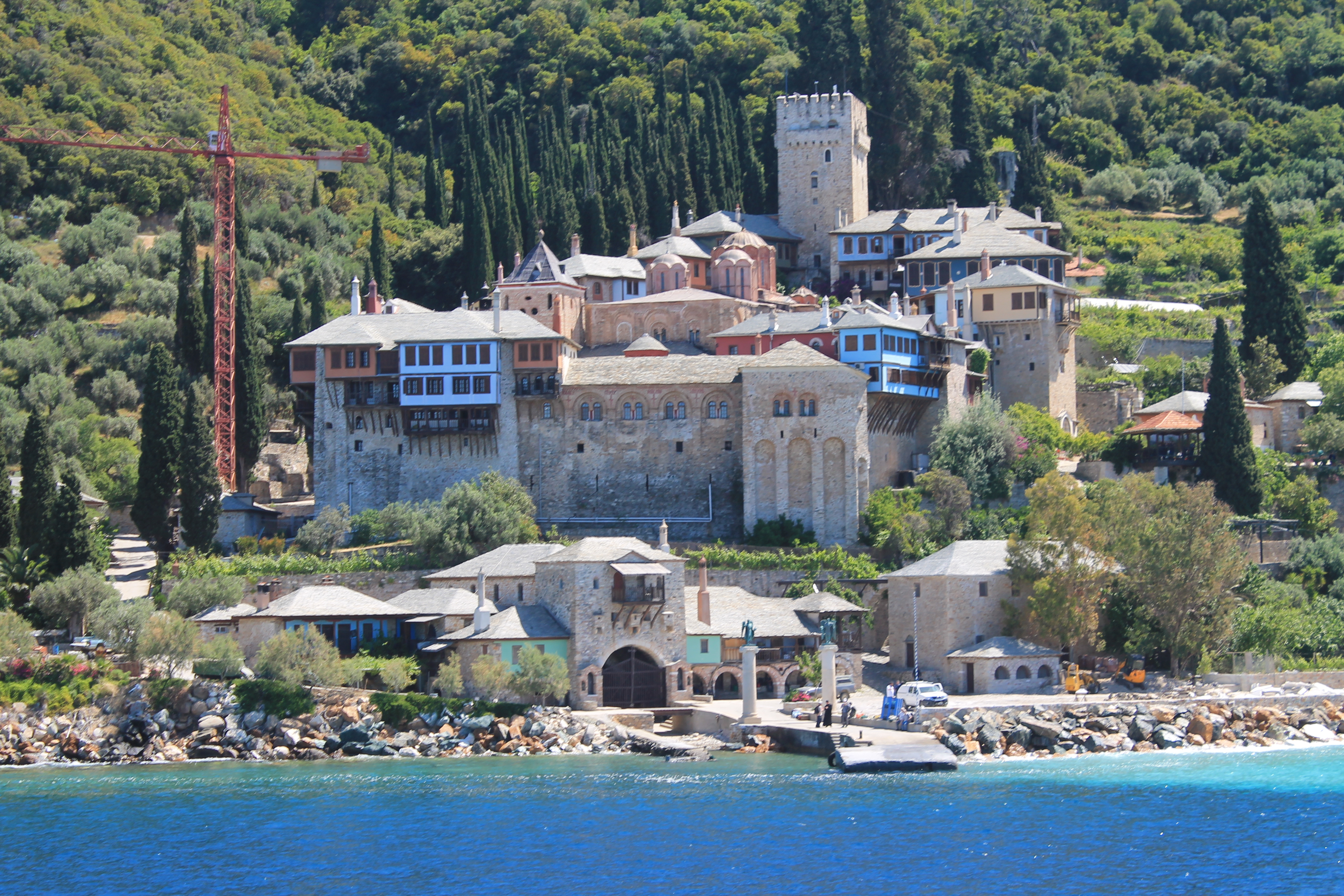
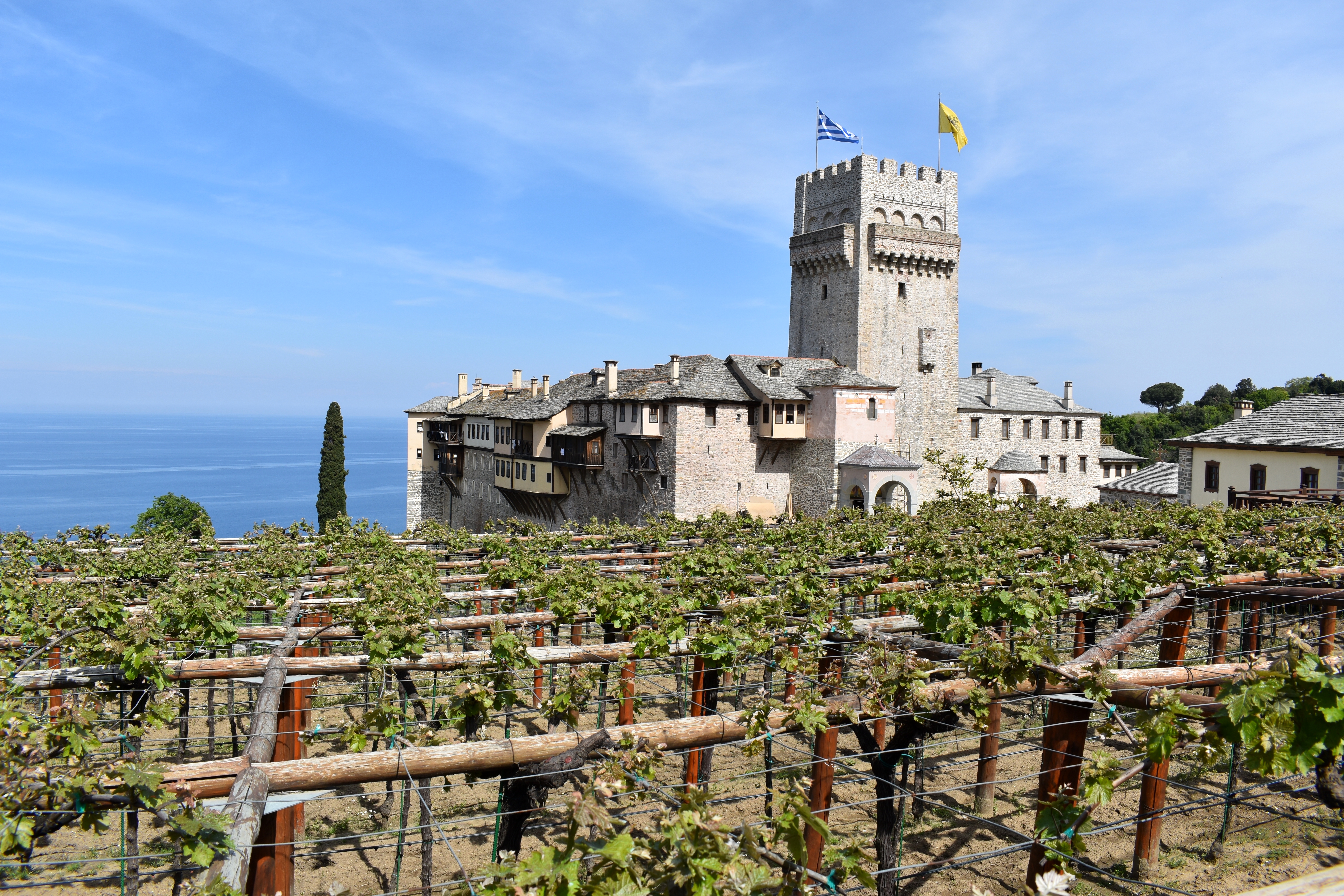
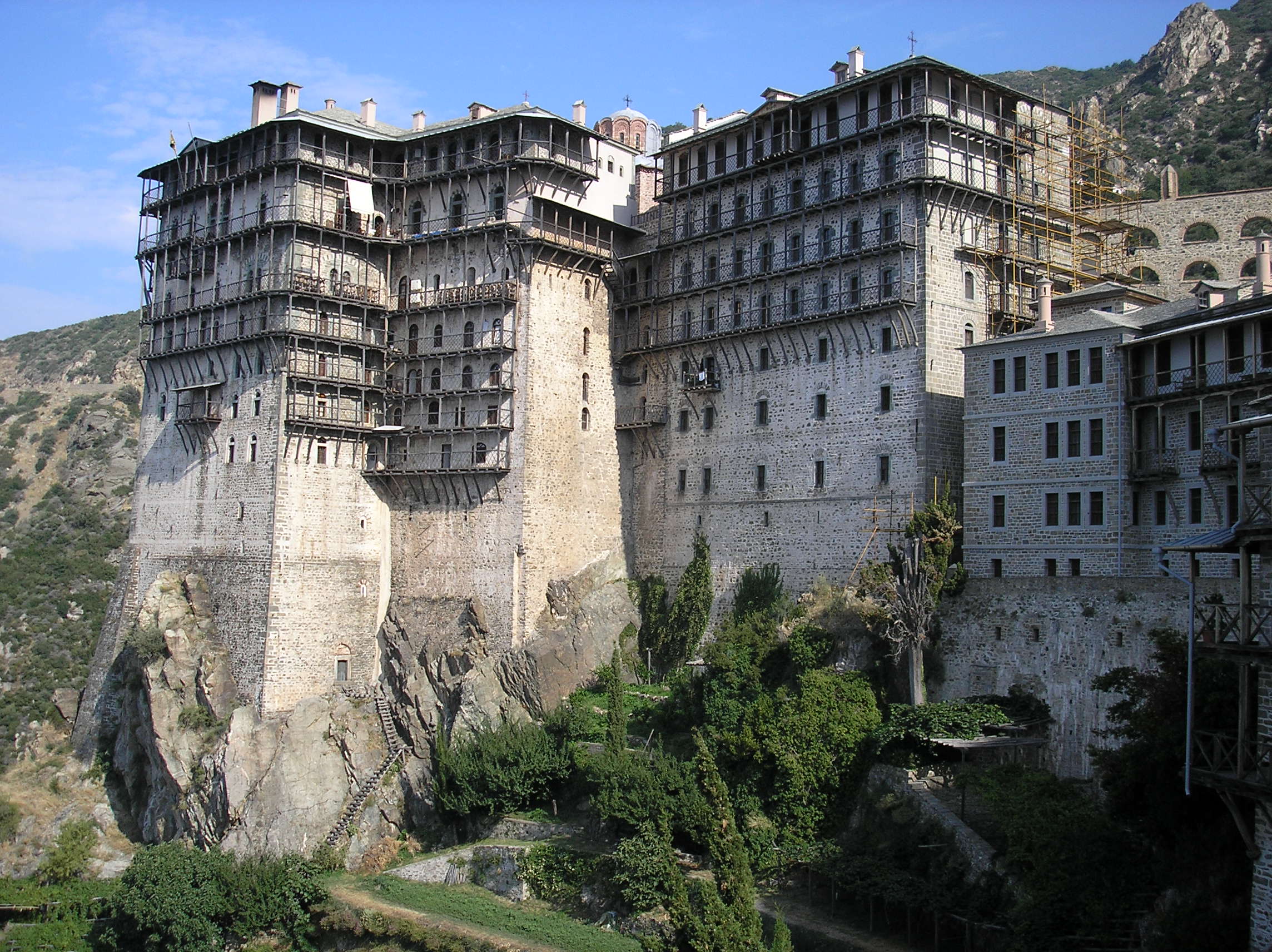
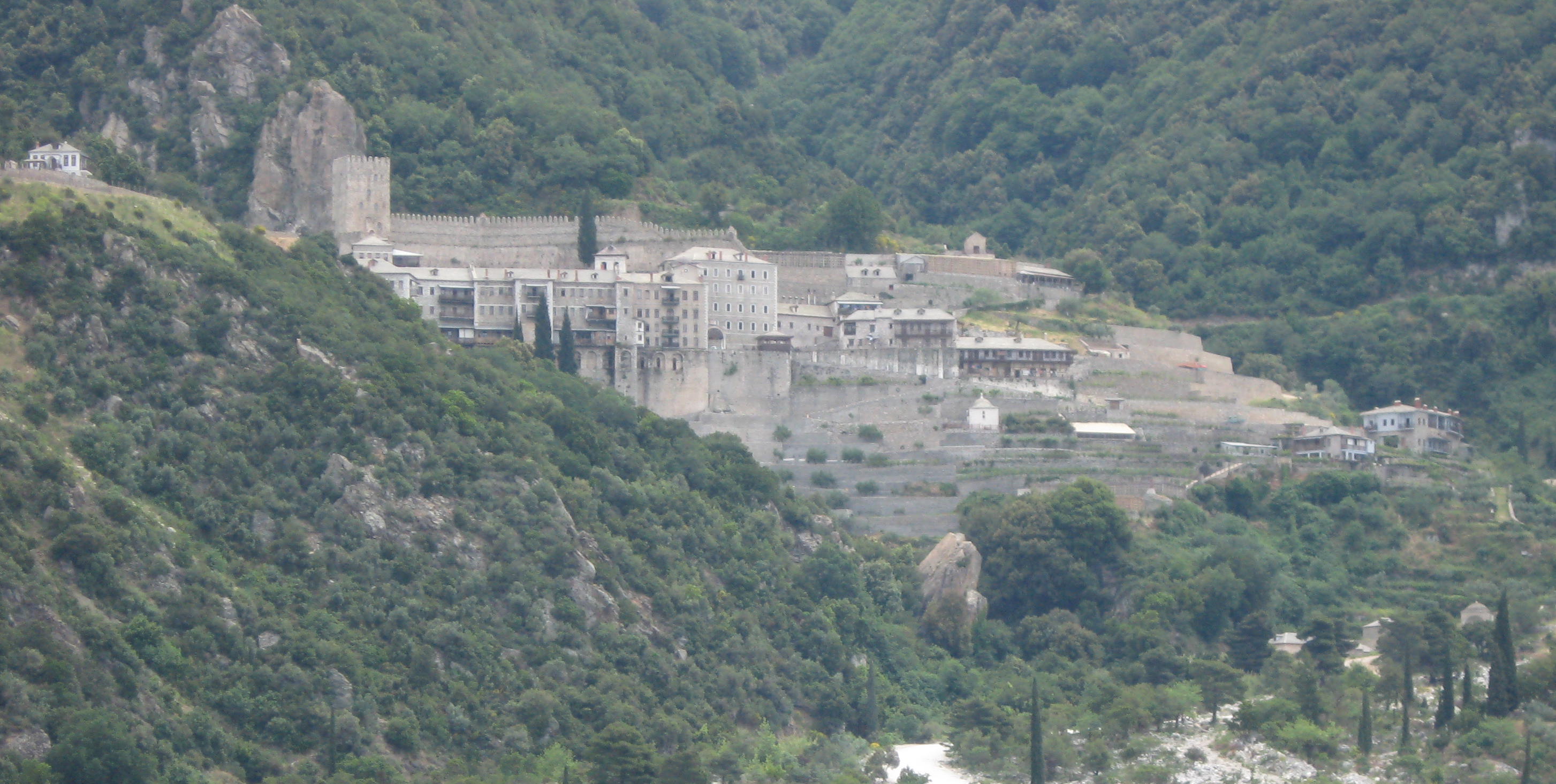
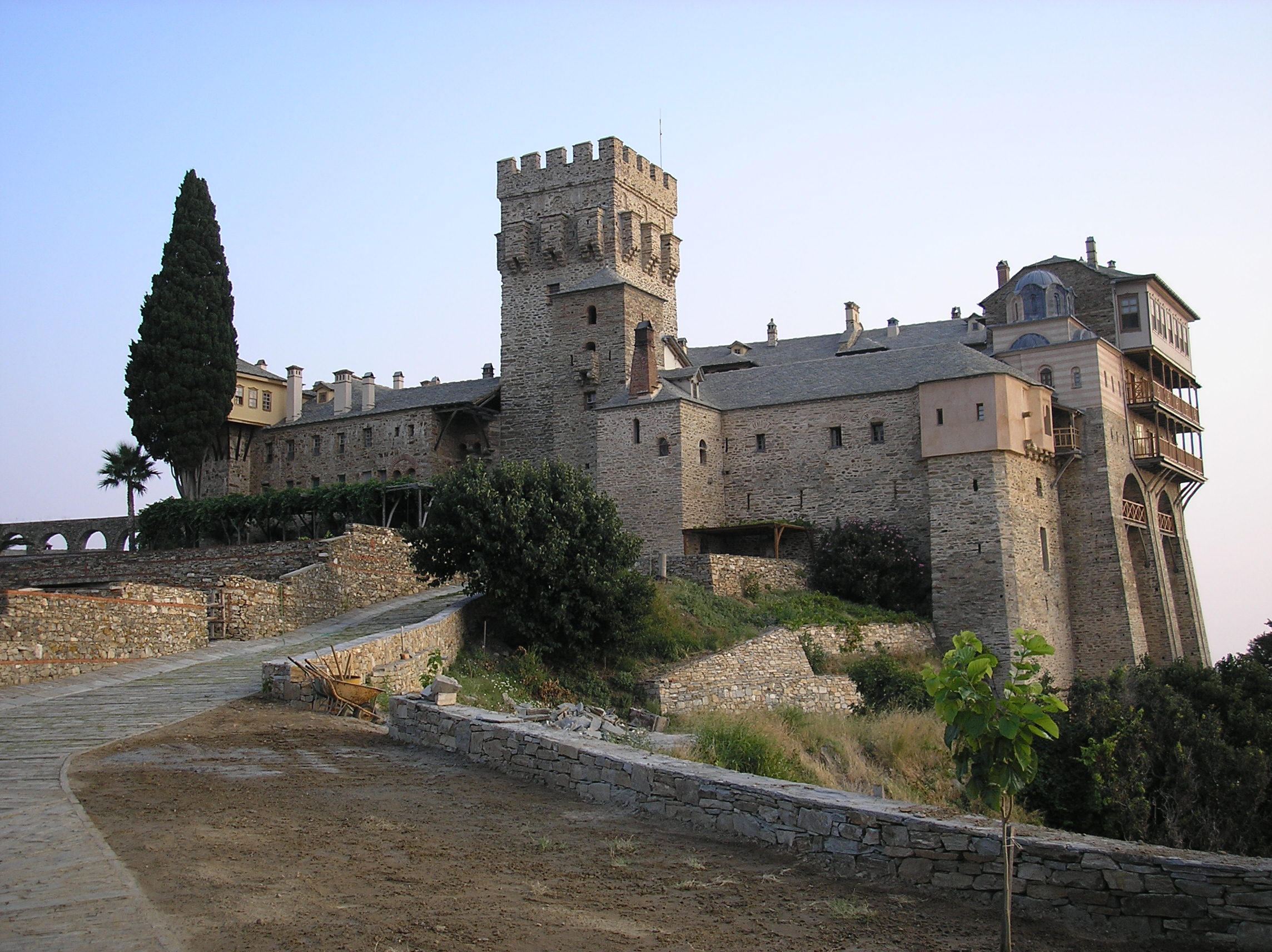
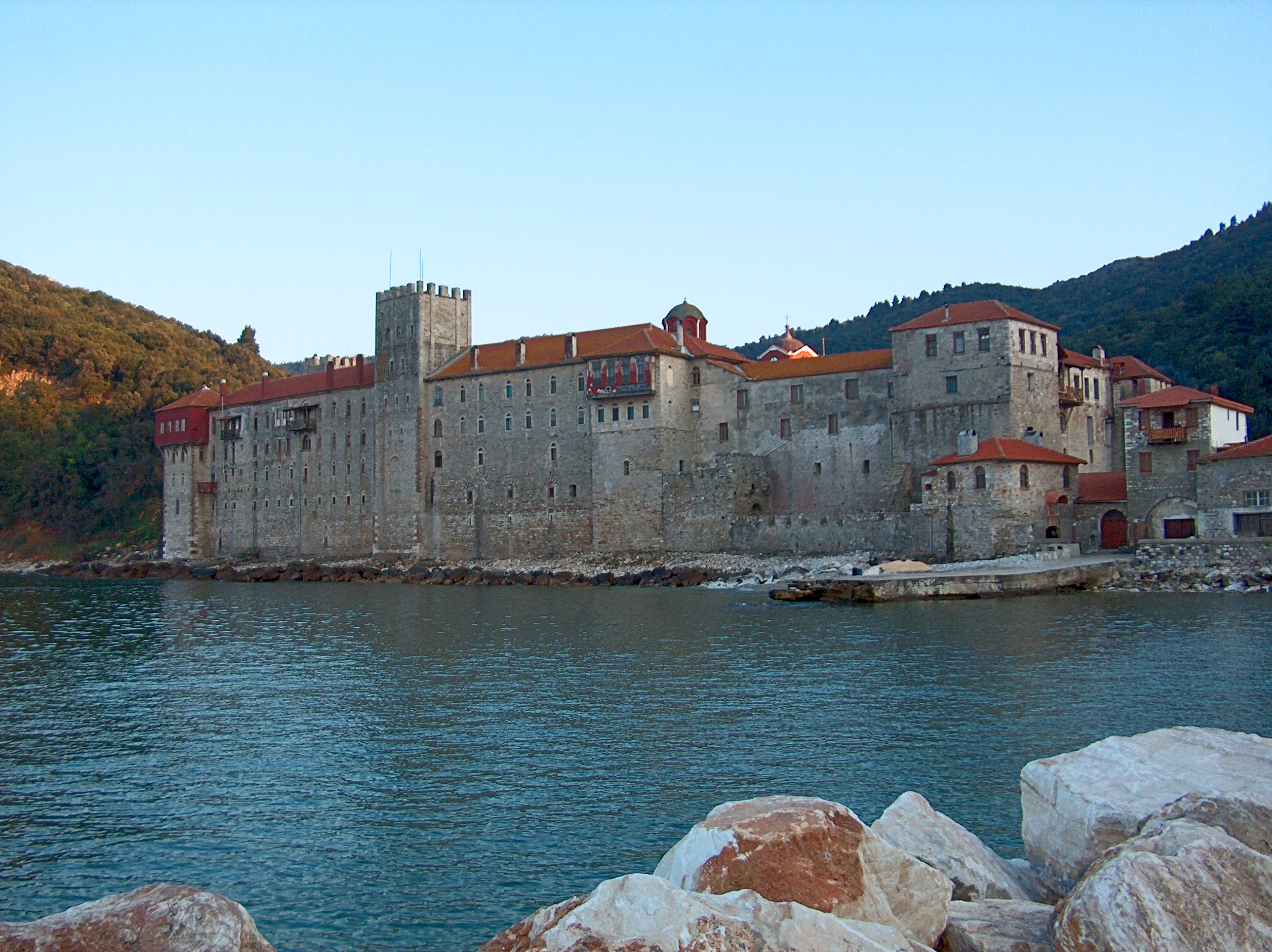
Mount Athos is a self-governing monastic peninsula in northern Greece and one of the most enduring centers of Eastern Orthodox life. Its twenty sovereign monasteries share responsibility for the Holy Community while maintaining distinct brotherhoods, histories, libraries, relics, and liturgical traditions. Great Lavra, Vatopedi, Iviron, Hilandar, and the sixteen other monasteries on this page are therefore not simply attractions along a scenic road: they are active homes of prayer within a regulated sacred territory.
This page is complete for the twenty sovereign monasteries. It does not attempt to turn the Holy Mountain into a checklist. Numerous sketes, cells, hermitages, chapels, and the administrative center at Karyes also belong to Athonite life, but they have a different status and are not missing entries from this twenty-monastery set.
Origins
Organized monastic life on the Athos peninsula took durable institutional form in the 10th century. Great Lavra was founded in that period under Athanasius the Athonite, and the Holy Mountain developed through Byzantine and later Orthodox patronage into a network of sovereign monasteries and dependencies. Across wars, political change, fire, and reconstruction, the community maintained a continuous liturgical and ascetic presence spanning more than a millennium.
The traditional order shown here is an order of precedence within the Athonite community, not a claim that pilgrims historically walked the monasteries in this numerical sequence. That distinction matters: the community's institutional structure and a visitor's feasible route are different things.
Why pilgrims walk it
Orthodox pilgrims come to participate, with permission, in the rhythm of prayer, hospitality, silence, and worship that orders monastic life. A stay may include long services, shared meals, conversations with monks, and difficult movement by foot, ferry, or local transport between communities. The purpose is not necessarily to see all twenty monasteries. For many pilgrims, time in one or two communities is the more faithful and practical form of the journey.
Other eligible visitors may come for scholarly, historical, or personal reasons. Whatever the motive, entry takes place on the community's terms. The monasteries are not open-air museums, and hospitality is neither automatic nor a commercial hotel service.
Significance
Mount Athos has been a major Orthodox spiritual center since the 10th century and has shaped monastic architecture, icon painting, manuscript culture, and religious practice far beyond the peninsula. UNESCO inscribed Mount Athos on the World Heritage List in 1988 for both cultural and natural significance. The Greek cultural heritage account emphasizes the integration of the twenty monasteries with the mountain landscape and their influence on ecclesiastical architecture and monumental painting.
Its international character is visible within the community itself: alongside Greek monasteries are brotherhoods with Serbian, Bulgarian, and Russian historical identities. The continuing life of the monasteries is central to the site's significance; heritage value cannot be separated from the worshiping communities that sustain it.