All pilgrimages

Pilgrimage · Norway · Oslo, Innlandet, Dovrefjell, Trondelag, and Trondheim

Gudbrandsdalsleden — Oslo to Nidaros

Gudbrandsdalsleden

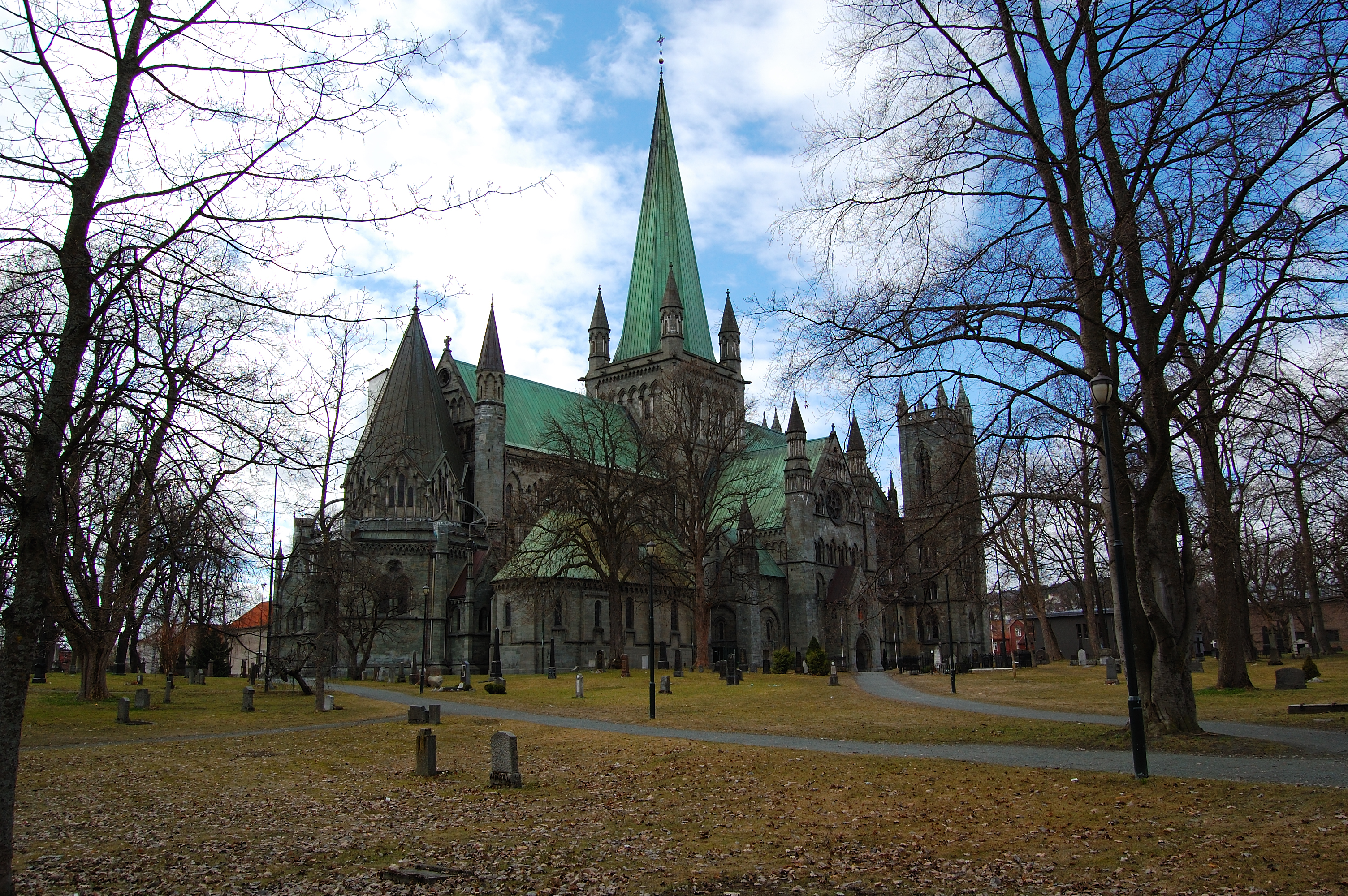
Two paths leave Oslo, rejoin beyond lake and valley churches, cross Dovrefjell, and arrive at St. Olav's shrine in Nidaros Cathedral.

Sacred sites
8 mapped
Distance
643 km
Traditional duration
Approximately 32 walking days for the full official route
Founded
Medieval pilgrimage to St. Olav's shrine, renewed through a modern marked-route network
Focus
Walking, prayer, hospitality, St. Olav memory, valley churches, mountain passage, and arrival at Nidaros
Best season
Within the official recommended season and with current Dovrefjell, lodging, route, and transport information

Seven new sacred-place profiles join the canonical existing Nidaros Cathedral record; numerous churches, hostels, milestones, and stages remain outside this curated collection.

Before planning a visit

A 643 km journey with branches and a mountain crossing

The official route is commonly planned over about 32 days. Season, snow, Dovrefjell weather, river and road conditions, lodging, services, and church access change; use the National Pilgrim Center for live planning.

Key questions

What is Gudbrandsdalsleden — Oslo to Nidaros?
Gudbrandsdalsleden — Oslo to Nidaros is a Christianity and Norwegian pilgrimage to St. Olav pilgrimage network collection in Norway, Oslo, Innlandet, Dovrefjell, Trondelag, and Trondheim. Two paths leave Oslo, rejoin beyond lake and valley churches, cross Dovrefjell, and arrive at St. Olav's shrine in Nidaros Cathedral
How many sacred sites are included in Gudbrandsdalsleden — Oslo to Nidaros?
This guide currently maps 8 selected sacred sites across the wider network.
When is the best time to explore Gudbrandsdalsleden — Oslo to Nidaros?
Within the official recommended season and with current Dovrefjell, lodging, route, and transport information

Opening

Gudbrandsdalsleden is the longest and most traveled of Norway's authorized St. Olav Ways. Two alternatives leave Oslo—west through Granavollen and east through Hamar—before the journey continues through Gudbrandsdal, over Dovrefjell, and toward Nidaros Cathedral. This page makes that branching visible instead of pretending eight selected places form one continuous line.

Origins

After St. Olav's death in 1030, Nidaros became one of northern Europe's major medieval pilgrimage destinations. Roads, churches, farms, and mountain passages developed changing relationships with that movement. The present marked network renews the tradition but should not be described as an unchanged medieval footpath at every point.

Why pilgrims walk it

People walk for Christian devotion, prayer, grief, gratitude, discernment, historical connection, solitude, companionship, and the disciplined passage through changing landscapes. Those motives coexist without requiring every walker to claim the same belief or result.

Significance

The journey joins ruined medieval cathedrals, paired stone churches, a stave church, active valley parishes, exposed mountain terrain, and the great Nidaros destination. Hospitality and ordinary local life are part of the route, while each church remains more than a pilgrim service point.

The network

8 sacred sites on the map

No single route line is drawn across the two branches or the many omitted stages. Use the National Pilgrim Center's current maps, accommodation network, and mountain guidance.

Loading map...

Sacred sites

Branch exemplars, the Gudbrandsdal valley, Dovrefjell, and Nidaros

The Sister Churches represent the western Oslo branch and Hamardomen the eastern branch. They are alternatives before the ways rejoin, not consecutive walking stages. The remaining stations form a bounded northward collection rather than a complete day-by-day itinerary.

Walking it today

Choose one Oslo branch using the official planning tools; do not try to walk Granavollen and Hamar as consecutive stages. Reserve lodging where required, plan food and transport, carry current navigation, and treat Dovrefjell as serious mountain travel. The route directory, not these pins, governs detours and closures.

Attire and practice

Enter churches quietly, respect services, funerals, cemeteries, farms, wildlife, and private land, and seek stamps only where offered. Carry layered mountain clothing and emergency capacity, follow waymarks and local rules, and do not leave devotional objects in nature.

Respectful visitation

Before visiting the sacred sites

This route belongs to a living tradition. Use the route notes here together with the broader Christian pilgrimage etiquette guide, and follow local signs or custodians at each station.

Sources

Sources consulted when researching this page. Independent verification by readers is welcome.

  1. 01GudbrandsdalsledenNational Pilgrim Center Norwayhigh-reliability
  2. 02Oslo to GranavollenNational Pilgrim Center Norwayhigh-reliability
  3. 03The milestone in OsloNational Pilgrim Center Norwayhigh-reliability