Key questions
- What is Mount Fuji Sacred Ascent — Yoshida Worship Route?
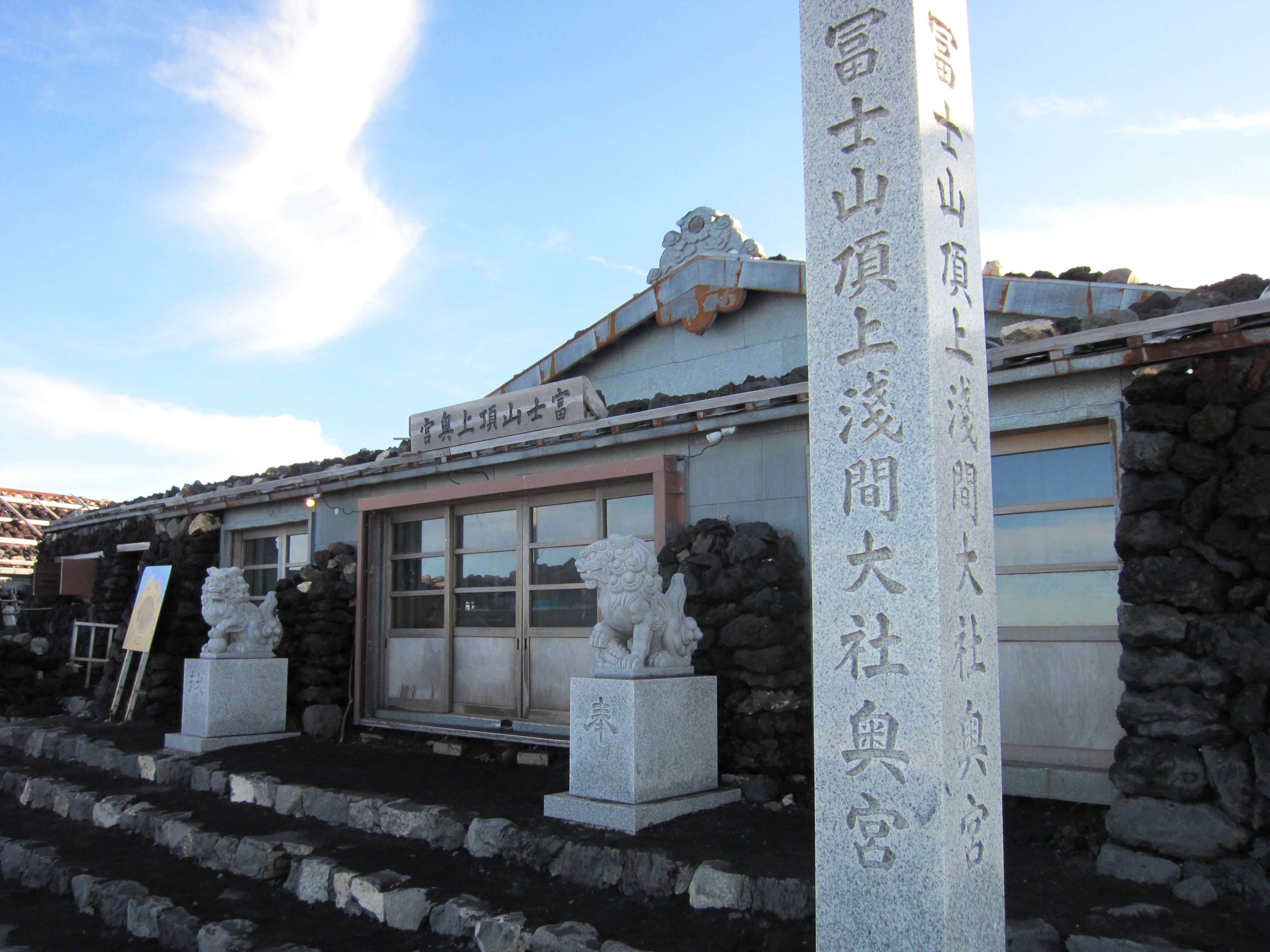
- Mount Fuji Sacred Ascent — Yoshida Worship Route is a Shinto, Buddhism, Shugendo, and Fuji-ko devotion pilgrimage route in Japan, Fujiyoshida and Mount Fuji, Yamanashi Prefecture. Oshi lodging, the northern Sengen shrine, the mountain, and a summit sanctuary reveal Mount Fuji as a living ascent of worship rather than only a climb
- How many stations are on Mount Fuji Sacred Ascent — Yoshida Worship Route?
- This guide currently maps 4 stations, with 4 total sites noted in the route metadata.
- When is the best time to walk Mount Fuji Sacred Ascent — Yoshida Worship Route?
- Only during officially open periods and with current mountain, shrine, transport, and weather guidance
Opening
The Yoshida approach preserves an unusually legible relationship between the town that hosted Fuji-ko pilgrims, Kitaguchi Hongu Fuji Sengen Shrine, the ascent, and summit worship. UNESCO recognizes Fujisan as a sacred cultural landscape; this page keeps that inherited meaning visible while deferring all live climbing decisions to official authorities.
Origins
Mount Fuji worship joins older reverence for the mountain, Buddhist and Shugendo practices, Sengen shrine traditions, and the early-modern growth of Fuji-ko confraternities. Oshi households received and guided groups in the northern town. The route's history is layered, and no single institution or modern trail description contains every form of devotion.
Why pilgrims walk it
Historical worshippers ascended through preparation, purification, prayer, discipline, and relationship with the mountain. Contemporary visitors may climb for religious, cultural, or personal reasons, but a summit achievement does not replace the living shrine traditions or confer a prescribed spiritual result.
Significance
The route is magical in the strongest grounded sense: an urban lodging house, forest shrine, volcanic mountain, and high summit sanctuary form successive changes of scale and exposure. The mountain itself is the central sacred presence, while the selected stations show how communities supported approach and worship.