Country guide

France

86 sacred sites across 18 regions.

Auvergne-Rhône-Alpes

10 sites

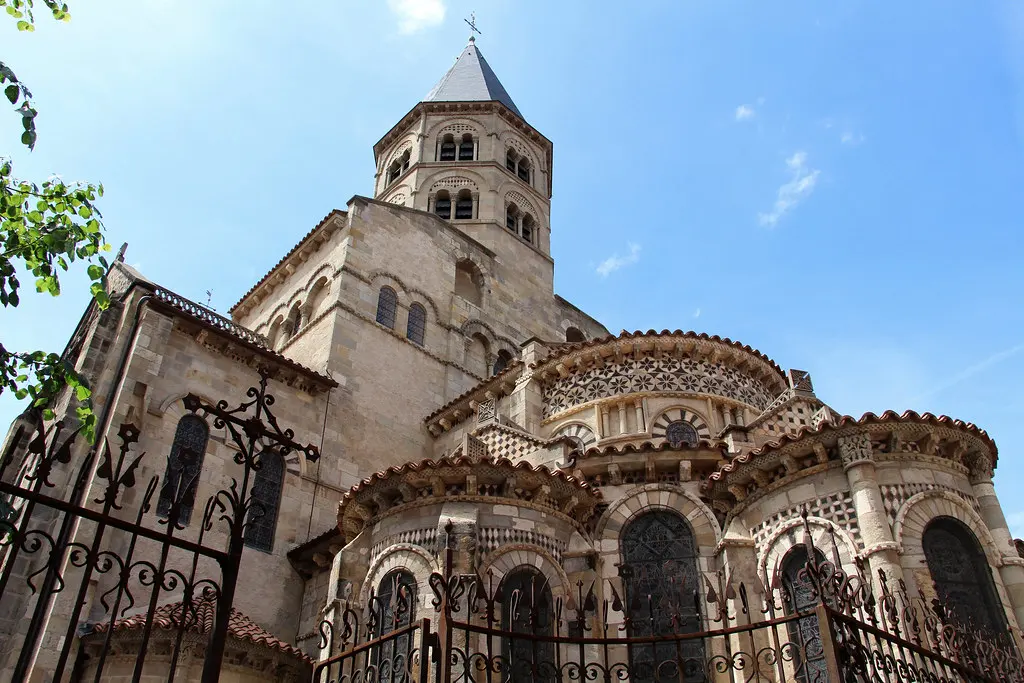
Basilica of Notre-Dame du Port
Christian

Basilica of Notre-Dame du Port

Clermont-Ferrand, Auvergne-Rhône-Alpes, France

Black Madonna shrine known for Romanesque church treasure, UNESCO World Heritage, healing miracles

Black Madonna of Moulins
Christian

Black Madonna of Moulins

Moulins, Auvergne-Rhône-Alpes, France

Black Madonna shrine known for Ancient pilgrimage site, healing miracles

Black Madonna of Vichy
Christian

Black Madonna of Vichy

Vichy, Auvergne-Rhône-Alpes, France

Black Madonna shrine known for Healing spa town patron, miraculous waters association

Cathédrale Notre-Dame-du-Puy
Christianity

Cathédrale Notre-Dame-du-Puy

Le Puy-en-Velay, Auvergne-Rhône-Alpes, France

On Mont Anis, where a sick woman once lay upon a dolmen and was healed by the Virgin's grace, one of Europe's oldest Marian sanctuaries rises in Romanesque splendor. The Black Virgin of Le Puy has drawn kings and pilgrims since the 5th century. Today, the cathedral marks the beginning of the Via Podiensis—the most popular French route to Santiago—carrying forward fifteen centuries of pilgrimage through its Byzantine domes and Moorish arches.

La Grotte des Fées

La Grotte des Fées

Châtelperron, Auvergne-Rhône-Alpes, France

La Grotte des Fées is a megalithic of sacred significance. Approximate coordinates: 46.41174, 3.63849. Attributes: natural, cultural, archaeological. La Grotte des Fées is a cave located in Châtelperron, in the central French department of Allier. Located in Châtelperron, Auvergne-Rhône-Alpes, France.

Le Puy
Christianity

Le Puy

Le Puy-en-Velay, Auvergne-Rhône-Alpes, France

Le Puy is a church of sacred significance. Approximate coordinates: 45.04561, 3.88477. Attributes: built, cultural, pilgrimage. Tradition: Christianity. Associated figure: Notre Dame. Le Puy or Puy may refer to the following municipalities in France: Le Puy-en-Velay (also called Le Puy), in the Haute-Loire department Le Puy-Sainte-Réparade, in the Bouches-du-Rhône department Le Puy-Notre-Dame, in the Maine-et-Loire department Le Puy, Gironde, in the Gironde department Le Puy, Doubs, in the Doubs department Puy-Saint-Martin, in the Drôme department Located in Le Puy-en-Velay, Auvergne-Rhône-Alpes, France.

Notre-Dame des Malades
Christianity

Notre-Dame des Malades

Vichy, Auvergne-Rhône-Alpes, France

In the heart of old Vichy, two churches share one roof. The 18th-century chapel holds what remains of a medieval Black Virgin—her head saved by an eleven-year-old during the Revolution, her body restored 138 years later. Around her, the 1931 Art Deco church blazes with Mauméjean glass and Byzantine mosaics, creating one of France's most unexpected sacred spaces where healing—of waters and of faith—intertwines.

Our Lady of Le Puy
Christian

Our Lady of Le Puy

Le Puy-en-Velay, Auvergne-Rhône-Alpes, France

Black Madonna shrine known for Healing of Villa (3rd-4th century), miracle-working site, fertility stone, starting point for Santiago de Compostela pilgrimage

Sanctuary of Our Lady of Salette

Sanctuary of Our Lady of Salette

La Salette-Fallavaux, Auvergne-Rhône-Alpes, France

Sanctuary of Our Lady of Salette is a site of sacred significance. Approximate coordinates: 44.85871, 5.97872. Located in La Salette-Fallavaux, Auvergne-Rhône-Alpes, France.

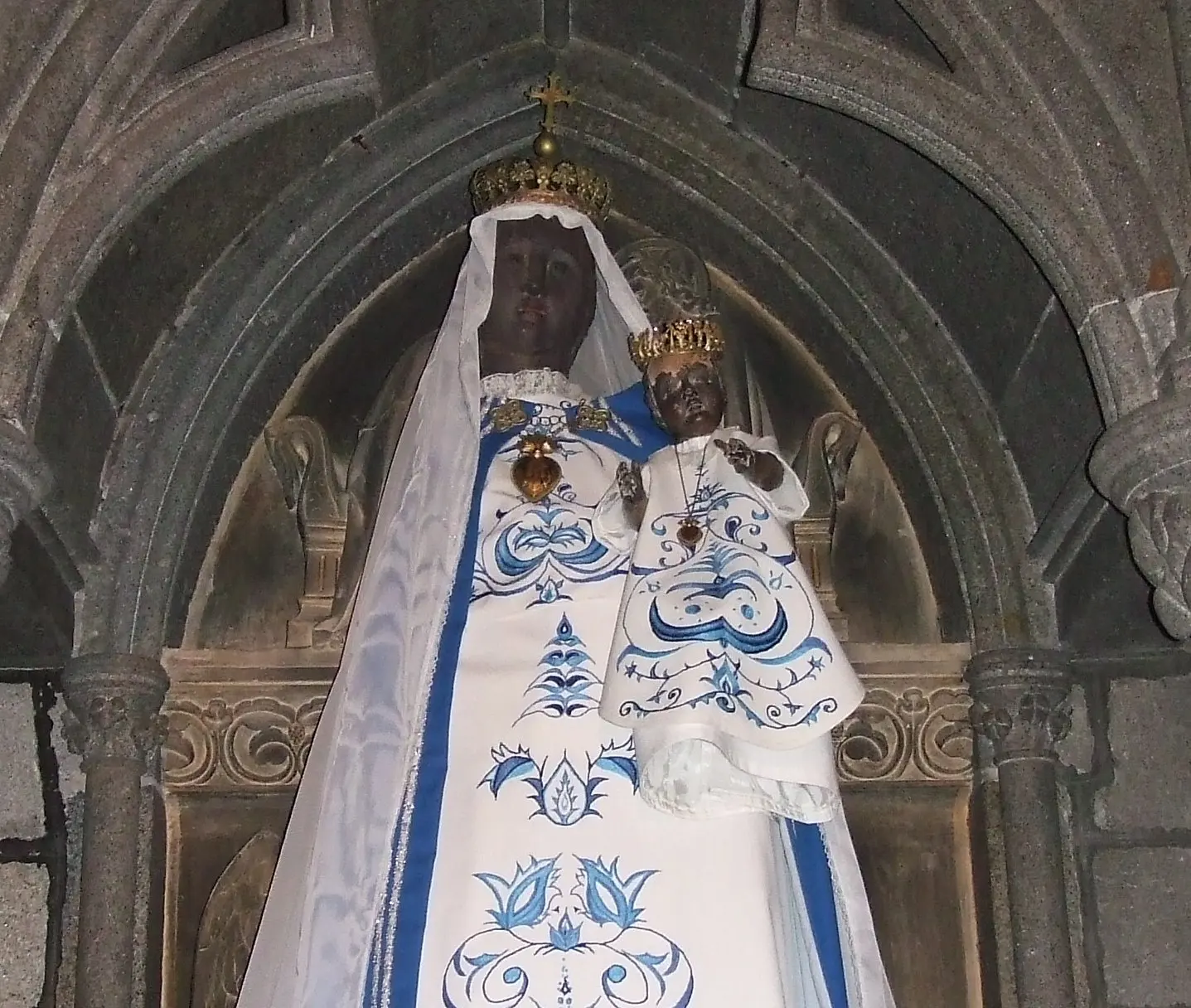
The Black Madonna of Le Puy
Christianity

The Black Madonna of Le Puy

Le Puy-en-Velay, Auvergne-Rhône-Alpes, France

In Le Puy's great cathedral, on the altar where pilgrims have knelt for fifteen centuries, sits a Black Madonna only two centuries old. Her predecessor—an ebony Virgin given by Saint Louis in 1254—was guillotined and burned in the Revolution's fury. That the devotion survives this destruction, that ten thousand still process through Le Puy's streets each Assumption, speaks to something the Revolution could not kill.

Bourgogne – Franche-Comté

1 sites

Bourgogne-Franche-Comté

4 sites

Bretagne

5 sites

Brittany

10 sites

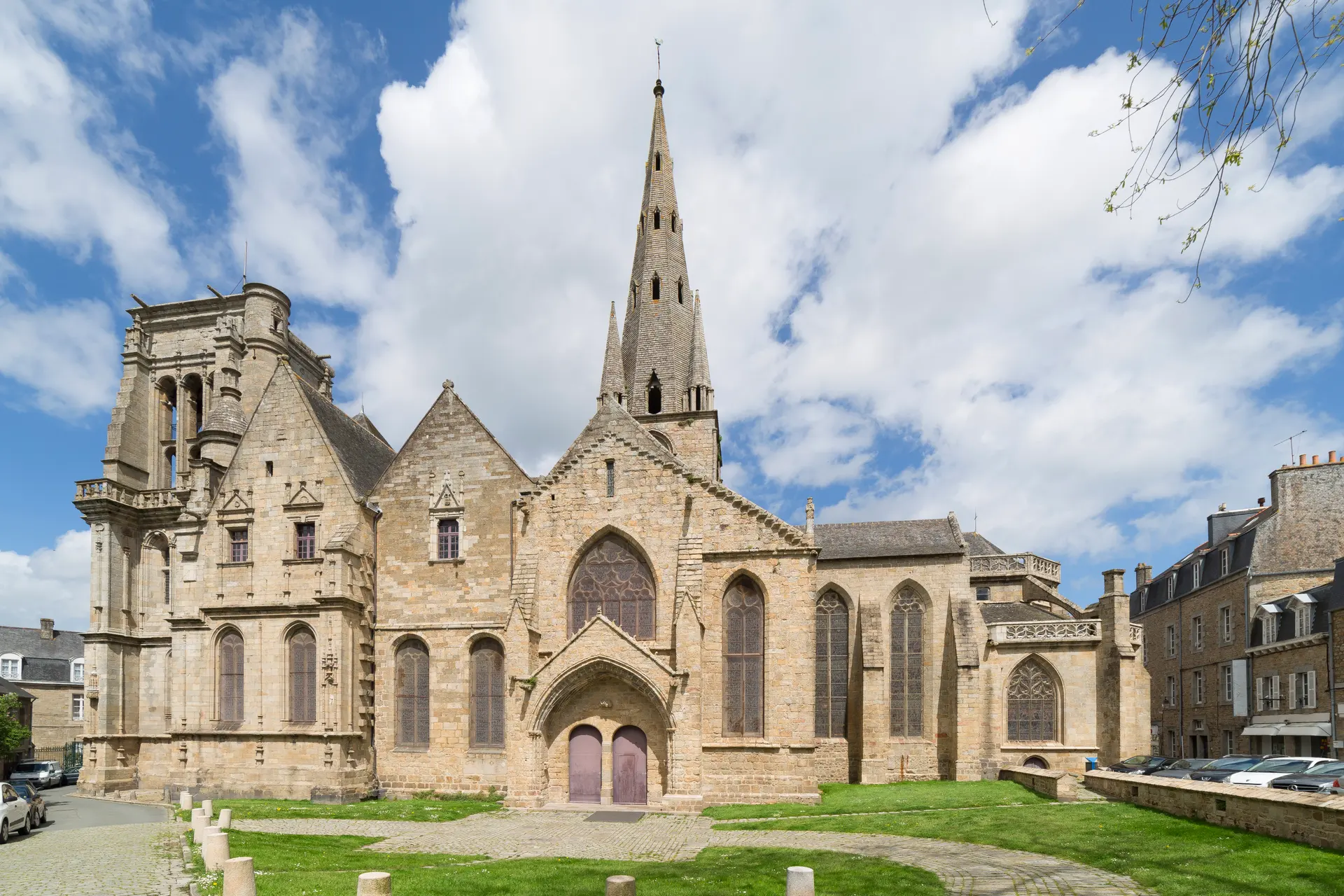
Basilica of Notre-Dame-de-Bon-Secours, Guingamp
Celtic

Basilica of Notre-Dame-de-Bon-Secours, Guingamp

Guingamp, Brittany, France

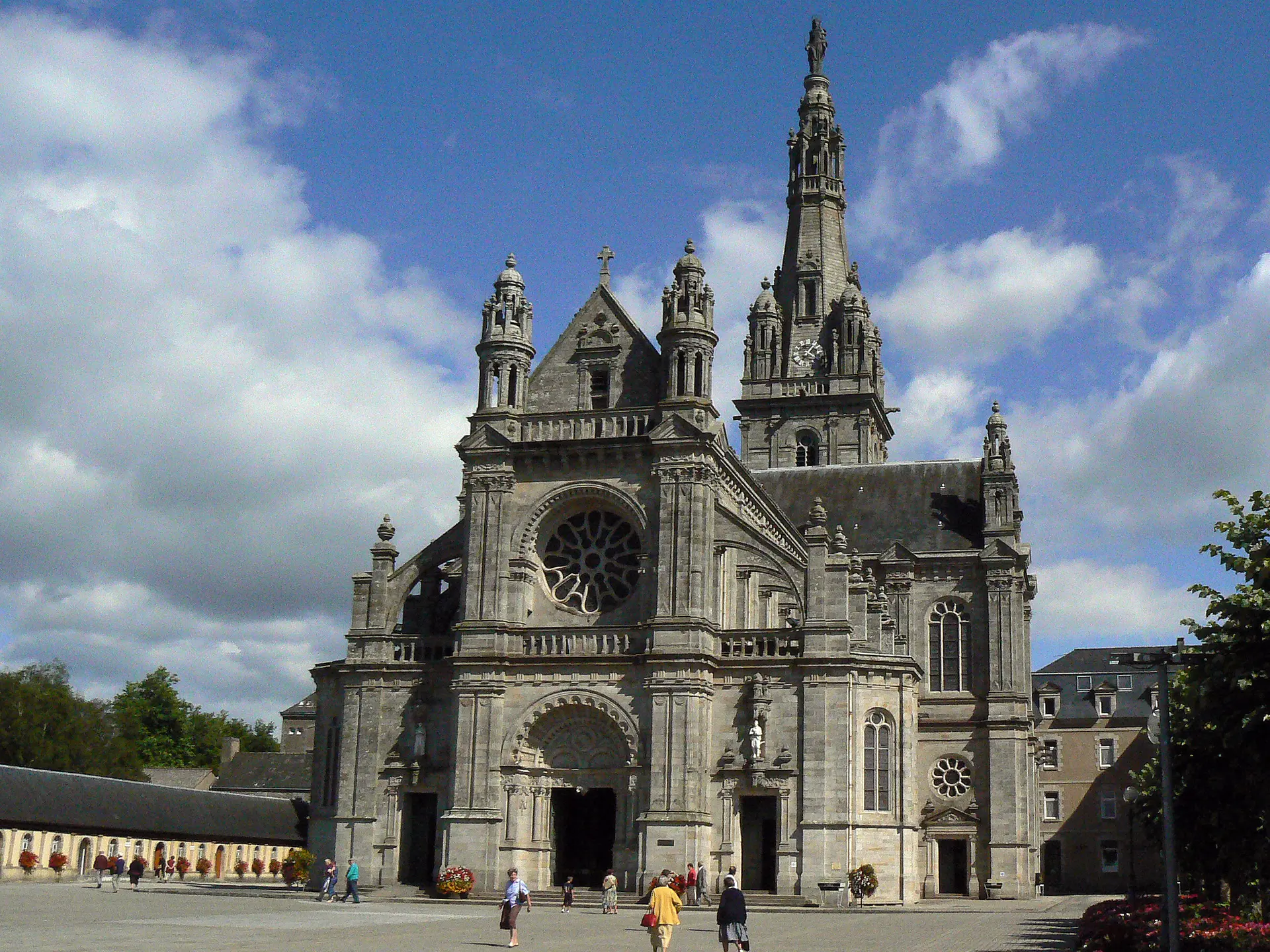
Guingamp is a forest and basilica of sacred significance. Approximate coordinates: 48.56112, -3.15086. Attributes: built, natural, cultural, pilgrimage. Tradition: Celtic. Associated figure: Notre Dame de Bonsecours. Guingamp (French: [ɡɛ̃ɡɑ̃] ; Breton: Gwengamp [ˈɡwɛ̃ŋɡãmp]) is a commune in the Côtes-d Armor department in Brittany in northwestern France. With a population of 7,115 as of 2020, Guingamp is one of the smallest towns in Europe to have a top-tier professional football team: En Avant Guingamp, which played in Ligue 1 from 2013 until 2019. Guingamp station is served by high speed trains to Brest, Rennes and Paris, and regional trains to Brest, Lannion, Carhaix, Paimpol and Rennes. Located in Guingamp, Bretagne, France.

Basilique Sainte-Anne d'Auray

Basilique Sainte-Anne d'Auray

Sainte-Anne-d'Auray, Brittany, France

St. Anne d'Auray is a site of sacred significance. Approximate coordinates: 47.70416, -2.95351. Located in Sainte-Anne-d'Auray, Bretagne, France.

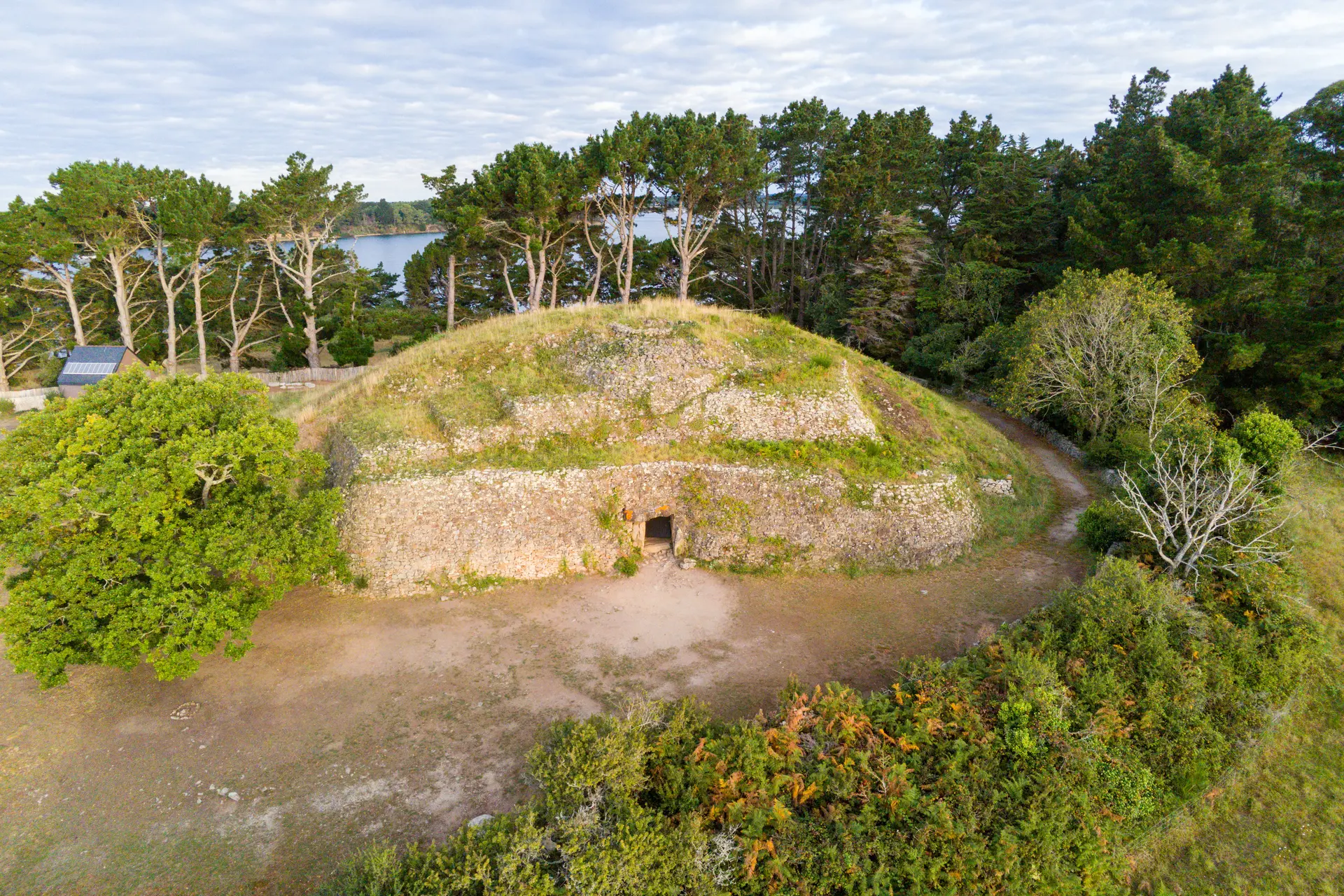
Cairn de Gavrinis

Cairn de Gavrinis

Kerners, Brittany, France

Gavrinis is a neolithic passage tomb of sacred significance. Approximate coordinates: 47.57182, -2.89863. Attributes: built, cultural, archaeological. Gavrinis (Breton: Gavriniz) is a small island in the Gulf of Morbihan in Brittany, France. It contains the Gavrinis tomb, a Neolithic passage tomb built around 4200–4000 BC, making it one of the world s oldest surviving buildings. Stones inside the passage and chamber are covered in megalithic art. It is likened to other Neolithic passage tombs such as Barnenez in Brittany and Newgrange in Ireland. Located in Larmor-Baden, Bretagne, France.

Chapelle Seinaint Corentin, Ile de Sein
Pagan

Chapelle Seinaint Corentin, Ile de Sein

Île-de-Sein, Brittany, France

Ile de Sein is a pagan holy island of sacred significance. Approximate coordinates: 48.03896, -4.85201. Attributes: natural, cultural, archaeological. Tradition: Pagan. Located in Quimper, Bretagne, France.

Forest of Paimpont (Broceliande Forest)

Forest of Paimpont (Broceliande Forest)

Paimpont, Brittany, France

Paimpont is a site of sacred significance. Approximate coordinates: 48.01421, -2.18439. Paimpont (French pronunciation: [pɛ̃pɔ̃]; Breton: Pempont; Gallo: Penpont) is a commune in the Ille-et-Vilaine department in Brittany in northwestern France. The name is a compound of Old Breton pen head and the Latin borrowing pont bridge and is first attested in the 9th century in the Latinised form Caput Pontis and then in 870 CE as Penpont. The town grew up around the abbey of Our Lady of Paimpont, which was founded by the Breton king and Catholic saint Judicael in 645 CE on the shore of a small lake now known as the Étang de Paimpont. Located in Paimpont, Bretagne, France.

Foret de Huelgoat (Huelgoat High Forest)
Celtic

Foret de Huelgoat (Huelgoat High Forest)

Huelgoat, Brittany, France

Foret de Huelgoat is a forest of sacred significance. Approximate coordinates: 48.36756, -3.74455. Attributes: natural, cultural, archaeological. Tradition: Celtic. Located in Huelgoat, Bretagne, France.

La Roche aux Fées
Prehistoric

La Roche aux Fées

Essé, Brittany, France

La Roche aux Fées is a megalithic monument of sacred significance. Approximate coordinates: 47.93631, -1.40458. Attributes: built, cultural, archaeological. Tradition: Prehistoric. Mythological context: Fairy folklore. Located in Essé, Bretagne, France.

La Table des Marchands, Locmariaquer, France

La Table des Marchands, Locmariaquer, France

Locmariaquer, Brittany, France

La Table des Marchands, Locmariaquer, France is a megalithic tomb of sacred significance. Approximate coordinates: 47.57162, -2.94981. Attributes: built, cultural, archaeological. Located in Locmariaquer, Bretagne, France.

Megaliths of Carnac
Neolithic

Megaliths of Carnac

Carnac, Brittany, France

Carnac is a megalithic site of sacred significance. Approximate coordinates: 47.59258, -3.08254. Attributes: built, cultural, archaeological. Tradition: Neolithic. Carnac (French pronunciation: [kaʁnak]; Breton: Karnag, pronounced [ˈkaːʁnaɡ]) is a commune beside the Gulf of Morbihan on the south coast of Brittany in the Morbihan department in north-western France. Its inhabitants are called Carnacois in French. Carnac is renowned for the Carnac stones – one of the most extensive Neolithic menhir collections in the world – as well as its beaches, which are popular with tourists. Located on a narrow peninsula halfway between the medieval town Vannes and the seaside resort Quiberon, Carnac is split into two centres: Carnac-Ville and Carnac-Plage (the beachfront). In total there are five beaches, including la Grande Plage, and further to the east, Plage Men Dû and Beaumer. Located in Carnac, Bretagne, France.

Menhir de Champ-Dolent
Celtic/Pagan

Menhir de Champ-Dolent

Dol-de-Bretagne, Brittany, France

Nine and a half meters of pinkish granite rise from a field near Dol-de-Bretagne—100 tonnes hauled four kilometers by people who left no written record. Legend says the stone fell from the sky to separate two brothers about to kill each other, blood flowing enough to turn a millwheel. Another legend says it is sinking, slowly, into the earth—and when it disappears, the world will end. Historic Monument since 1889.

Centre-Val de Loire

5 sites

Basilica of Saint Martin
Christianity

Basilica of Saint Martin

Tours, Centre-Val de Loire, France

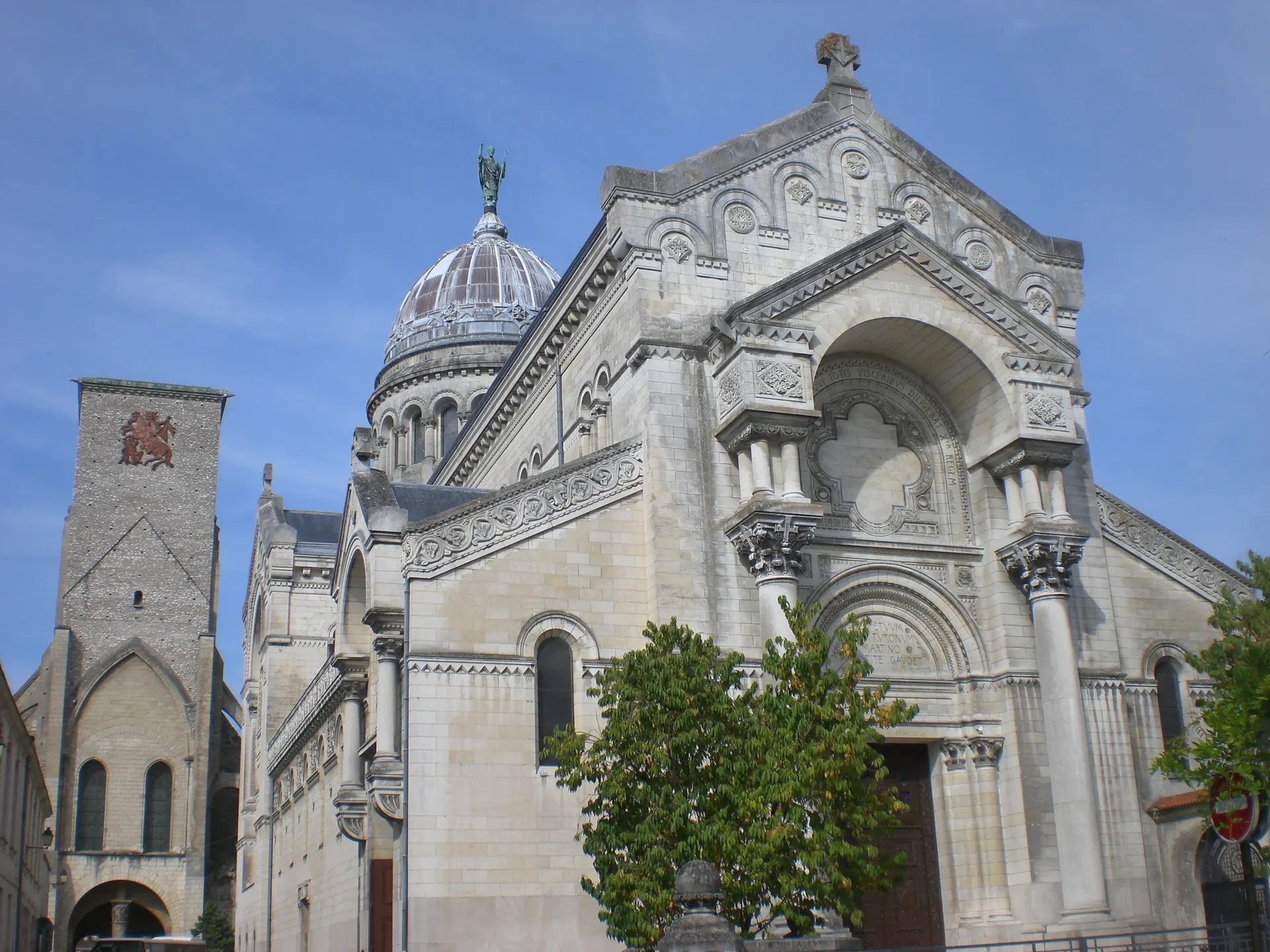
Basilique Saint Martin is a basilica of sacred significance. Approximate coordinates: 47.39288, 0.68302. Attributes: built, cultural, pilgrimage. Tradition: Christianity. Associated figure: Saint Martin. Located in Tours, Centre-Val de Loire, France.

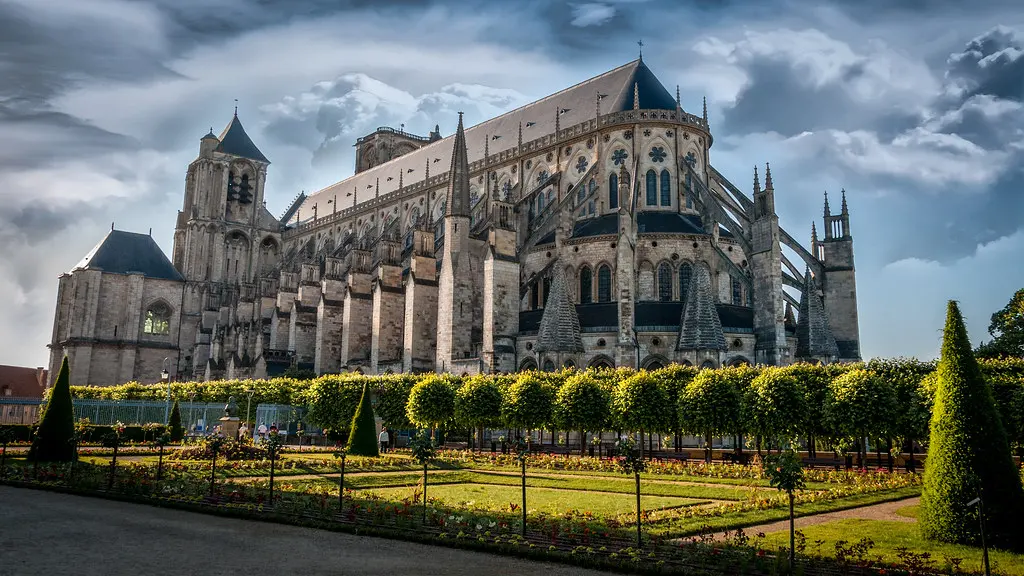
Bourges Cathedral
UNESCOChristianity

Bourges Cathedral

Bourges, Centre-Val de Loire, France

Bourges is a cathedral of sacred significance. Approximate coordinates: 47.08216, 2.39921. Attributes: built, cultural. Tradition: Christianity. Associated figure: St. Etienne. Recognized as a UNESCO World Heritage Site. Bourges ( BOORZH; French: [buʁʒ] ; Borges in Berrichon) is a commune in central France on the river Yèvre. It is the capital of the department of Cher, and also was the capital city of the former province of Berry. Located in Bourges, Centre-Val de Loire, France.

Chartres Cathedral
UNESCOChristianity

Chartres Cathedral

Chartres, Centre-Val de Loire, France

Chartres is a cathedral of sacred significance. Approximate coordinates: 48.44780, 1.48784. Attributes: built, cultural, pilgrimage. Tradition: Christianity. Associated figure: Our Lady of Chartres. Recognized as a UNESCO World Heritage Site. Chartres (French pronunciation: [ʃaʁtʁ] ) is the prefecture of the Eure-et-Loir department in the Centre-Val de Loire region in France. It is located about 90 km (56 mi) southwest of Paris. At the 2019 census, there were 170,763 inhabitants in the metropolitan area of Chartres (as defined by the INSEE), 38,534 of whom lived in the city (commune) of Chartres proper. Chartres is famous worldwide for its cathedral. Mostly constructed between 1193 and 1250, this Gothic cathedral is in an exceptional state of preservation. The majority of the original stained glass windows survive intact, while the architecture has seen only minor changes since the early 13th century. Part of the old town, including most of the library associated with the School of Chartres, was destroyed by Allied bombs in 1944. Located in Chartres, Centre-Val de Loire, France.

Church of St. Aignan, Chartres
Christianity

Church of St. Aignan, Chartres

Chartres, Centre-Val de Loire, France

Church of St. Aignan, Chartres is a church of sacred significance. Approximate coordinates: 48.44474, 1.49028. Attributes: built, cultural. Tradition: Christianity. Associated figure: St. Aignan. Located in Chartres, Centre-Val de Loire, France.

Notre-Dame de Sous-Terre (Our Lady Under the Earth)
Christian

Notre-Dame de Sous-Terre (Our Lady Under the Earth)

Chartres, Centre-Val de Loire, France

Black Madonna shrine known for Ancient healing shrine, pilgrimage site since pre-Christian times, fertility and abundance, spiritual transformation

Corsica

5 sites

Grand Est

2 sites

Reims Cathedral (Cathédrale Notre-Dame de Reims)

Reims Cathedral (Cathédrale Notre-Dame de Reims)

Reims, Grand Est, France

Reims is a site of sacred significance. Approximate coordinates: 49.25386, 4.03404. Reims ( REEMZ; French: [ʁɛ̃s] ; also spelled Rheims in English) is the most populous city in the French department of Marne, and the 12th most populous city in France. The city lies 129 km (80 mi) northeast of Paris on the Vesle river, a tributary of the Aisne. Founded by the Gauls, Reims became a major city in the Roman Empire. Reims later played a prominent ceremonial role in French monarchical history as the traditional site of the coronation of the kings of France. The royal anointing was performed at the Cathedral of Reims, which housed the Holy Ampulla of chrism allegedly brought by a white dove at the baptism of Frankish king Clovis I in 496. For this reason, Reims is often referred to in French as la cité des sacres ( the Coronation City ). Reims is recognized for the diversity of its heritage, ranging from Romanesque to Art-déco. Reims Cathedral, the adjacent Palace of Tau, and the Abbey of Saint-Remi were listed together as a UNESCO World Heritage Site in 1991 because of their outstanding Romanesque and Gothic architecture and their historical importance to the French monarchy. Reims also lies on the northern edge of the Champagne wine region and is linked to its production and export. Located in Reims, Grand Est, France.

Saint Odile Spring, Mont St. Odile

Saint Odile Spring, Mont St. Odile

Ottrott, Grand Est, France

Mont St. Odile is a site of sacred significance. Approximate coordinates: 48.43333, 7.40000. Located in Ottrott, Grand Est, France.

Hauts-de-France

1 sites

Île-de-France

7 sites

Chapelle de Picpus in Paris
Roman Catholicism

Chapelle de Picpus in Paris

Paris, Île-de-France, France

Chapelle de Picpus in Paris in Paris, Île-de-France, France.

Chapelle Notre-Dame de Bonne Délivrance
Roman Catholicism

Chapelle Notre-Dame de Bonne Délivrance

Neuilly-sur-Seine, Île-de-France, France

Chapelle Notre-Dame de Bonne Délivrance in Neuilly-sur-Seine, Île-de-France, France.

Eglise Notre-Dame de Pontoise
Roman Catholicism

Eglise Notre-Dame de Pontoise

Pontoise, Île-de-France, France

Eglise Notre-Dame de Pontoise in Pontoise, Île-de-France, France.

La Madeleine (Church of Saint Mary Magdalene)
Christianity

La Madeleine (Church of Saint Mary Magdalene)

Paris, Île-de-France, France

Fifty-two Corinthian columns surround a church that looks nothing like a church. No cross. No bell tower. Napoleon wanted a temple to military glory; what emerged is Paris's shrine to Mary Magdalene—the woman who witnessed crucifixion and resurrection, first to see the risen Christ. Inside the neoclassical shell: colored marble, gilded domes, the saint ascending to heaven above the altar, and a Cavaillé-Coll organ that drew Saint-Saëns and Fauré as organists.

Mary Magdalene's Bone at La Madeleine
Christianity

Mary Magdalene's Bone at La Madeleine

Paris, Île-de-France, France

In the great neoclassical church that Paris dedicated to Mary Magdalene, a reliquary near the altar holds what is claimed to be a bone of the saint herself. She who first saw the risen Christ, who ran to tell the apostles 'He is risen,' is made present through this relic—one of many fragments scattered across France from the woman tradition says preached thirty years in Provence.

Our Lady of Good Deliverance, Paris
Roman Catholicism

Our Lady of Good Deliverance, Paris

Neuilly-sur-Seine, Île-de-France, France

Our Lady of Good Deliverance, Paris in Neuilly-sur-Seine, Île-de-France, France.

Our Lady of Peace, Paris
Roman Catholicism

Our Lady of Peace, Paris

Paris, Île-de-France, France

Our Lady of Peace, Paris in Paris, Île-de-France, France.

Lot

2 sites

Our Lady of Rocamadour
Christian

Our Lady of Rocamadour

Rocamadour, Lot, France

Black Madonna shrine known for 126 documented miracles, healing sick and crippled, curing infertility, rescuing sailors, miraculous bell rings during sea rescues (1385-1617)

The Sanctuary of Rocamadour

The Sanctuary of Rocamadour

Rocamadour, Lot, France

Rocamadour is a site of sacred significance. Approximate coordinates: 44.79959, 1.61773. Rocamadour (French pronunciation: [ʁɔkamaduʁ]; Rocamador in Occitan) is a commune in the Lot department in southwestern France. It lies in the former province of Quercy. It is a member of Les Plus Beaux Villages de France (The Most Beautiful Villages of France) Association. Rocamadour has attracted visitors for its setting in a gorge above a tributary of the River Dordogne and especially for its historical monuments and its sanctuary of the Blessed Virgin Mary, which for centuries, dating back to the turn of the 12th century, has attracted historical and anonymous pilgrims from many countries, among them kings, bishops and nobles (including Henry II of England, Simon de Montfort, Blanche of Castile and Saint Louis IX of France, Saint Dominic and Saint Bernard of Clairvaux, among other illustrious figures). The town below the complex of monastic buildings and pilgrimage churches, traditionally dependent on the pilgrimage site and now on the tourist trade, lies near the river on the lowest slopes; it gives its name to Rocamadour, a small goat s-milk cheese that was awarded AOC status in 1996. Located in Rocamadour, Occitanie, France.

Metropolitan France

1 sites

Normandy

4 sites

Nouvelle-Aquitaine

1 sites

Occitania

9 sites

Basilica of Saints Nazarius and Celsus
Christianity

Basilica of Saints Nazarius and Celsus

Carcassonne, Occitania, France

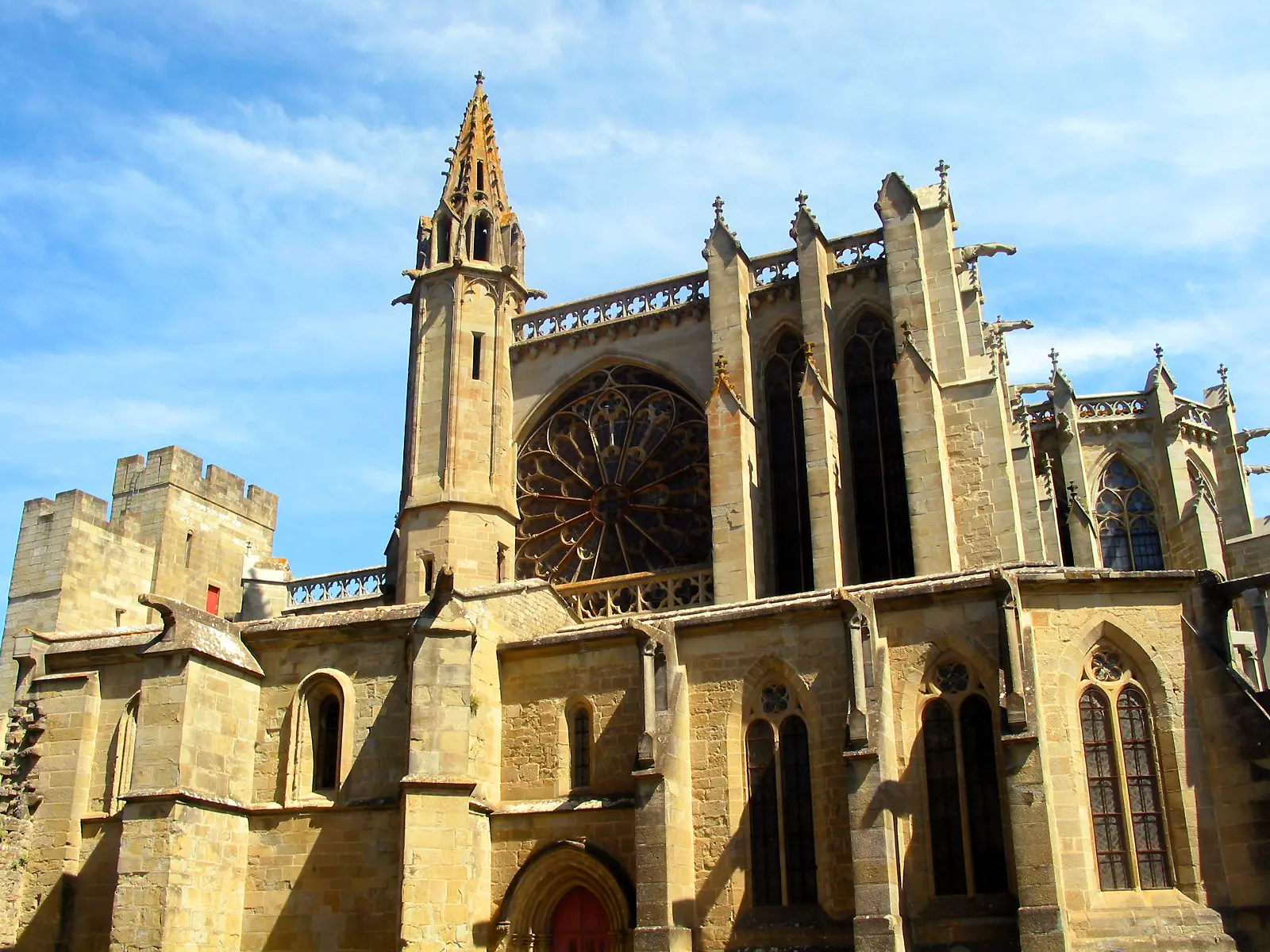
Within the medieval walls of Carcassonne, the Basilique Saint-Nazaire has welcomed worshippers since the 6th century. Pope Urban II blessed its stones in 1096 while preaching the First Crusade. Today, Romanesque nave and Gothic choir stand in harmony, filled with some of the finest stained glass in southern France. The church remains active, offering what it has offered for nearly 1,500 years: a space set apart for the sacred.

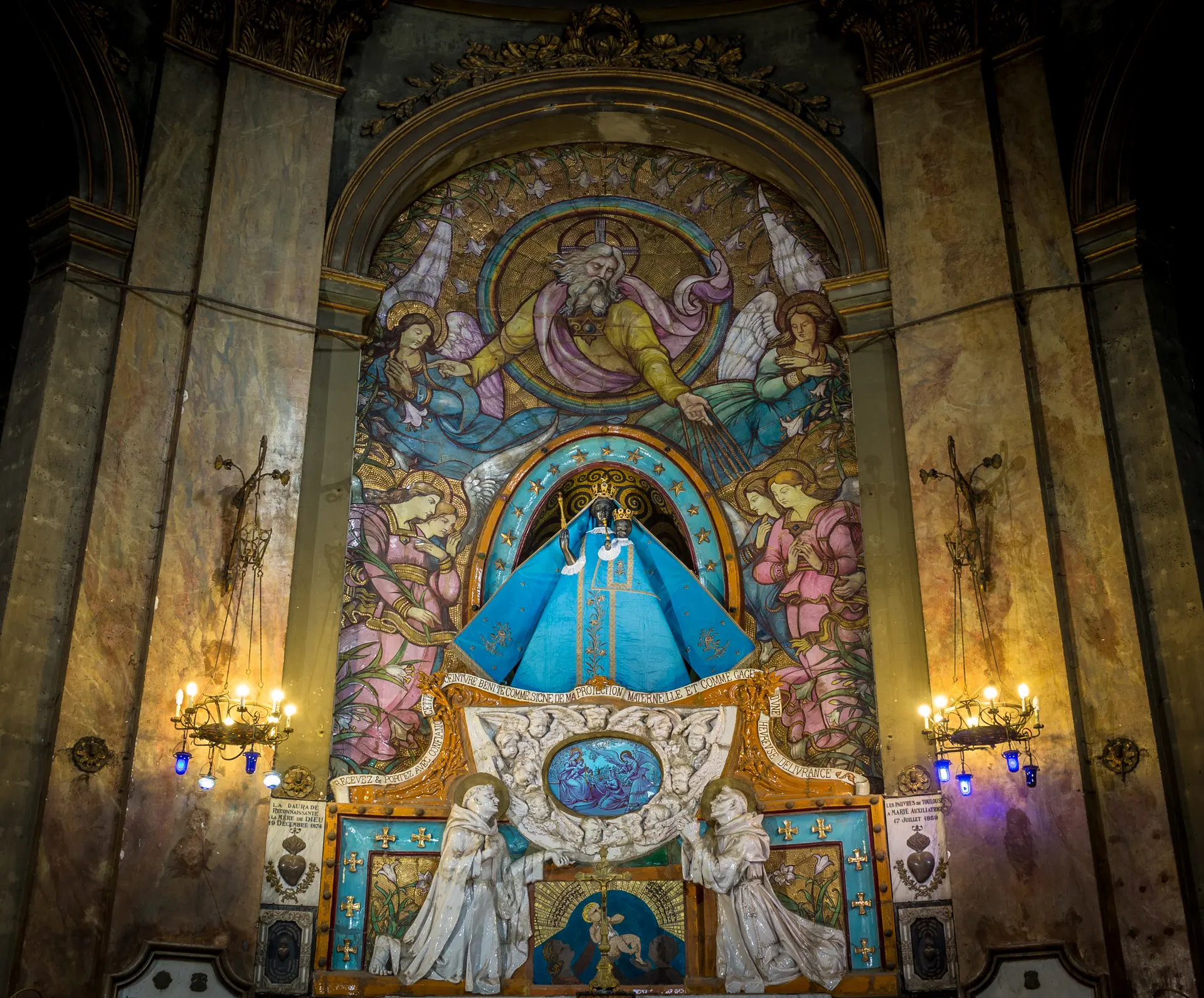
Black Madonna of Daurade
Christian

Black Madonna of Daurade

Toulouse, Occitania, France

Black Madonna shrine known for Fertility and childbirth miracles, patroness of women in labor

Carcassonne
UNESCOChristian

Carcassonne

Carcassonne, Occitania, France

Carcassonne is a fortified city of sacred significance. Approximate coordinates: 43.20508, 2.36325. Attributes: built, cultural, archaeological. Tradition: Christian. Associated figure: St. Nazaire. Recognized as a UNESCO World Heritage Site. Carcassonne is a French fortified city in the department of Aude, region of Occitania. It is the prefecture of the department. Inhabited since the Neolithic Period, Carcassonne is located in the plain of the Aude between historic trade routes, linking the Atlantic to the Mediterranean Sea and the Massif Central to the Pyrénées. Its strategic importance was quickly recognised by the Romans, who occupied its hilltop until the demise of the Western Roman Empire. In the fifth century, the region of Septimania was taken over by the Visigoths, who founded the city of Carcassonne in the newly established Visigothic Kingdom. Its citadel, known as the Cité de Carcassonne, is a medieval fortress dating back to the Gallo-Roman period and restored by the theorist and architect Eugène Viollet-le-Duc between 1853 and 1879. It was added to the UNESCO list of World Heritage Sites in 1997 because of the exceptional preservation and restoration of the medieval citadel. Consequently, Carcassonne relies heavily on tourism but also counts manufacturing and winemaking as some of its other key economic sectors. Located in Carcassonne, Occitanie, France.

Lourdes Sanctuary
Christianity

Lourdes Sanctuary

Lourdes, Occitania, France

Lourdes is a pilgrimage site of sacred significance. Approximate coordinates: 43.09742, -0.05829. Attributes: built, cultural, pilgrimage. Tradition: Christianity. Associated figure: Our Lady of Lourdes. Mythological context: Marian apparitions. Lourdes (, also US: , French: [luʁd] ; Occitan: Lorda [ˈluɾðɔ]) is a market town situated in the Pyrenees. It is part of the Hautes-Pyrénées department in the Occitanie region in southwestern France. Prior to the mid-19th century, the town was best known for its Château fort, a fortified castle that rises up from a rocky escarpment at its center. In 1858, Lourdes rose to prominence in France and abroad due to the Marian apparitions to the peasant girl Bernadette Soubirous (later canonized a saint by the Catholic Church for her virtuous life). Shortly thereafter, the city and its Sanctuary of Our Lady of Lourdes became among the world s most important sites for pilgrimage and religious tourism. Located in Lourdes, Occitanie, France.

Montsegur

Montsegur

Montségur, Occitania, France

Montsegur is a site of sacred significance. Approximate coordinates: 42.87576, 1.83318. Located in Montségur, Occitanie, France.

Mt. Canigou

Mt. Canigou

Casteil, Occitania, France

Mt. Canigou is a site of sacred significance. Approximate coordinates: 42.52820, 2.40099. Located in Casteil, Occitanie, France.

Rennes le Chateau

Rennes le Chateau

Rennes-le-Château, Occitania, France

Rennes le Chateau is a site of sacred significance. Approximate coordinates: 42.92787, 2.26198. Located in Rennes-le-Château, Occitanie, France.

St. Guilhem le Desert

St. Guilhem le Desert

Saint-Guilhem-le-Désert, Occitania, France

St. Guilhem le De'sert is a site of sacred significance. Approximate coordinates: 43.73399, 3.54945. Located in Saint-Guilhem-le-Désert, Occitanie, France.

The Sainte-Foy abbey church in Conques
Christianity

The Sainte-Foy abbey church in Conques

Conques-en-Rouergue, Occitania, France

Conques is a abbey of sacred significance. Approximate coordinates: 44.59928, 2.39778. Attributes: built, cultural, pilgrimage. Tradition: Christianity. Associated figure: Saint Foy. Conques (French pronunciation: [kɔ̃k]; Languedocien: Concas) is a former commune in the Aveyron department in Southern France, in the Occitania region. On 1 January 2016, it was merged into the new commune of Conques-en-Rouergue. Located in Conques-en-Rouergue, Occitanie, France.

Occitanie

6 sites

Abbey of Saint-Martin-du-Canigou
Roman Catholicism

Abbey of Saint-Martin-du-Canigou

Casteil, Occitanie, France

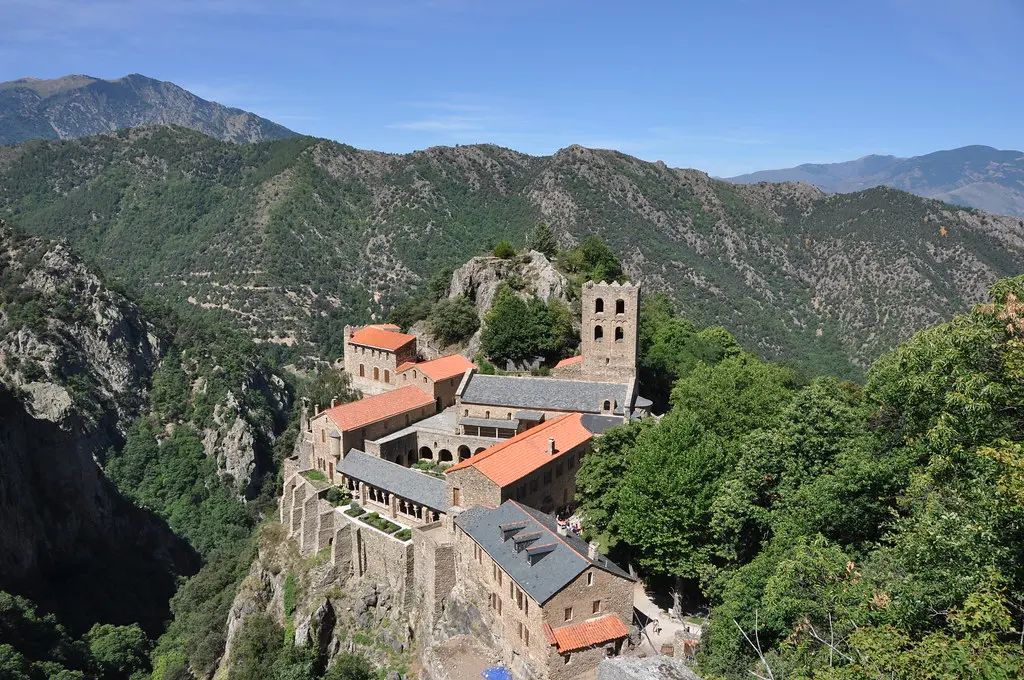
Abbey of Saint-Martin-du-Canigou in Casteil, Occitanie, France.

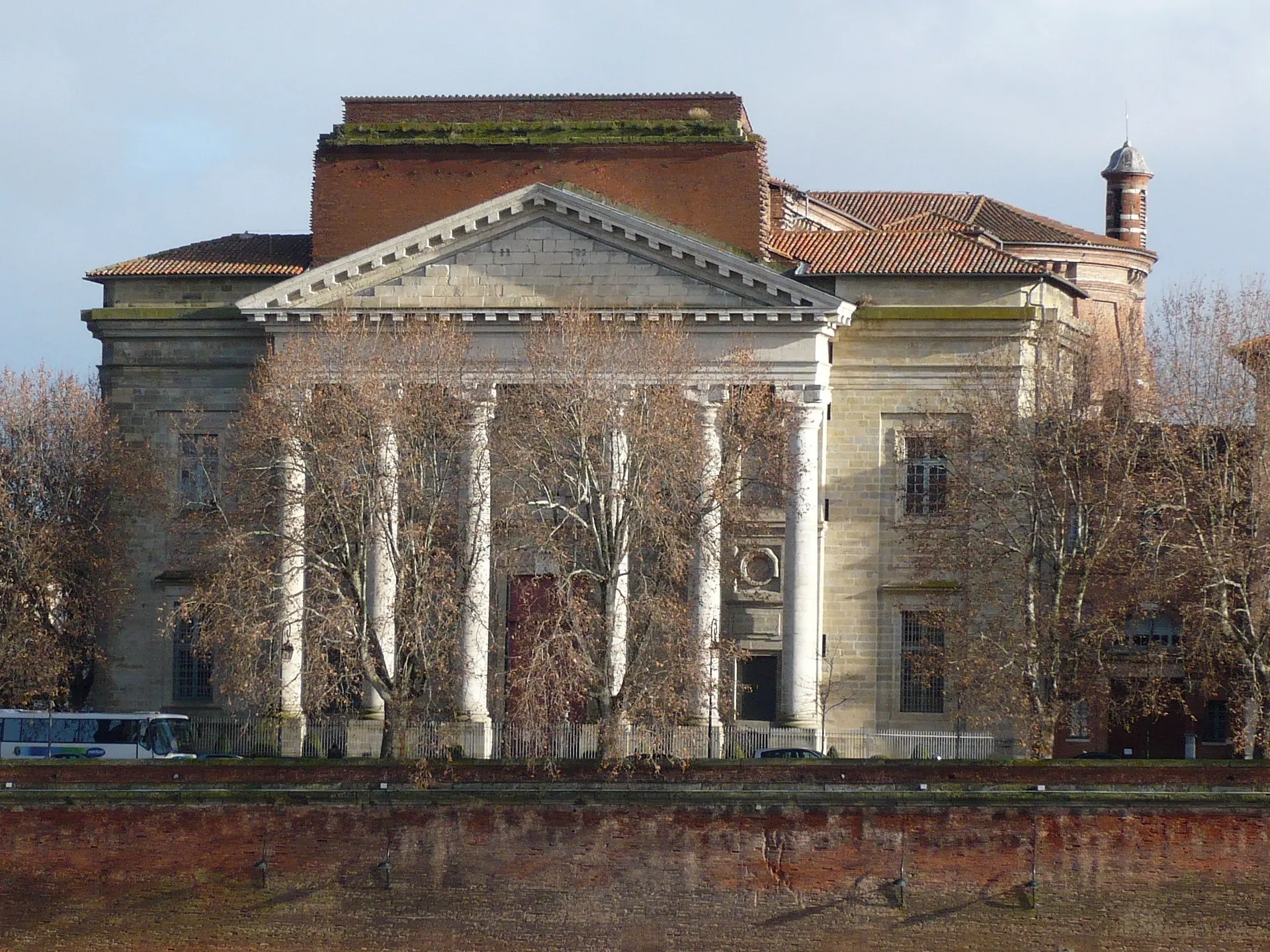
Basilica of Notre-Dame de la Daurade
Roman Catholicism

Basilica of Notre-Dame de la Daurade

Toulouse, Occitanie, France

Basilica of Notre-Dame de la Daurade in Toulouse, Occitanie, France.

Basilica of Our Lady of Marceille
Christianity

Basilica of Our Lady of Marceille

Limoux, Occitanie, France

On a hilltop outside Limoux, a Gothic basilica guards one of France's most poignant Black Madonnas. Legend says a plowman found her statue and took it home three times; three times she returned to this spot. A chapel rose, then a church, then basilica status in 1905. In 2007, vandals decapitated her and stole the head. She stands now with a reproduction—diminished in artifact, undimmed in devotion.

Chair of Isis (Throne of Isis)
Multi-faith

Chair of Isis (Throne of Isis)

Rennes-les-Bains, Occitanie, France

High above the thermal village of Rennes-les-Bains, a granite seat carved into the forest floor has drawn seekers for centuries. Known to locals as the Devil's Armchair—a name given by the Church to sites it could not suppress—contemporary practitioners call it the Throne of Isis, approaching it as an initiatory seat of power for feminine mysteries. The adjacent sacred spring and position within a landscape of geometric alignments mark it as a place where something persists.

Chapel of Saint-Salvayre
Christianity

Chapel of Saint-Salvayre

Alet-les-Bains, Occitanie, France

At the end of a rutted road climbing from Alet-les-Bains, a small chapel sits at the edge of sky and mountain. Rough stone walls, Romanesque sculptures rescued from destroyed churches, a mysterious stone pillar by the entrance. Many who enter report strange energy from the altar and the pillar—something primal that predates the Christian dedication. The name means 'Holy Saviour'; a nearby hill is called 'The Dead Man.'

Grotto of Lourdes (Grotto of Massabiell)
Christianity

Grotto of Lourdes (Grotto of Massabiell)

Lourdes, Occitanie, France

Grotto of Lourdes (Grotto of Massabiell) in Lourdes, Occitanie, France.

Pays de la Loire

2 sites

Provence-Alpes-Côte d'Azur

11 sites

Abbey of Saint-Victor
Roman Catholic

Abbey of Saint-Victor

Marseille, Provence-Alpes-Côte d'Azur, France

Rising fortress-like above Marseille's ancient harbor, the Abbey of Saint-Victor descends through sixteen centuries of unbroken prayer. The crypt holds one of France's richest collections of early Christian sarcophagi—and a Black Madonna whose February procession draws thousands to receive blessed candles and boat-shaped biscuits, continuing traditions older than anyone can remember.

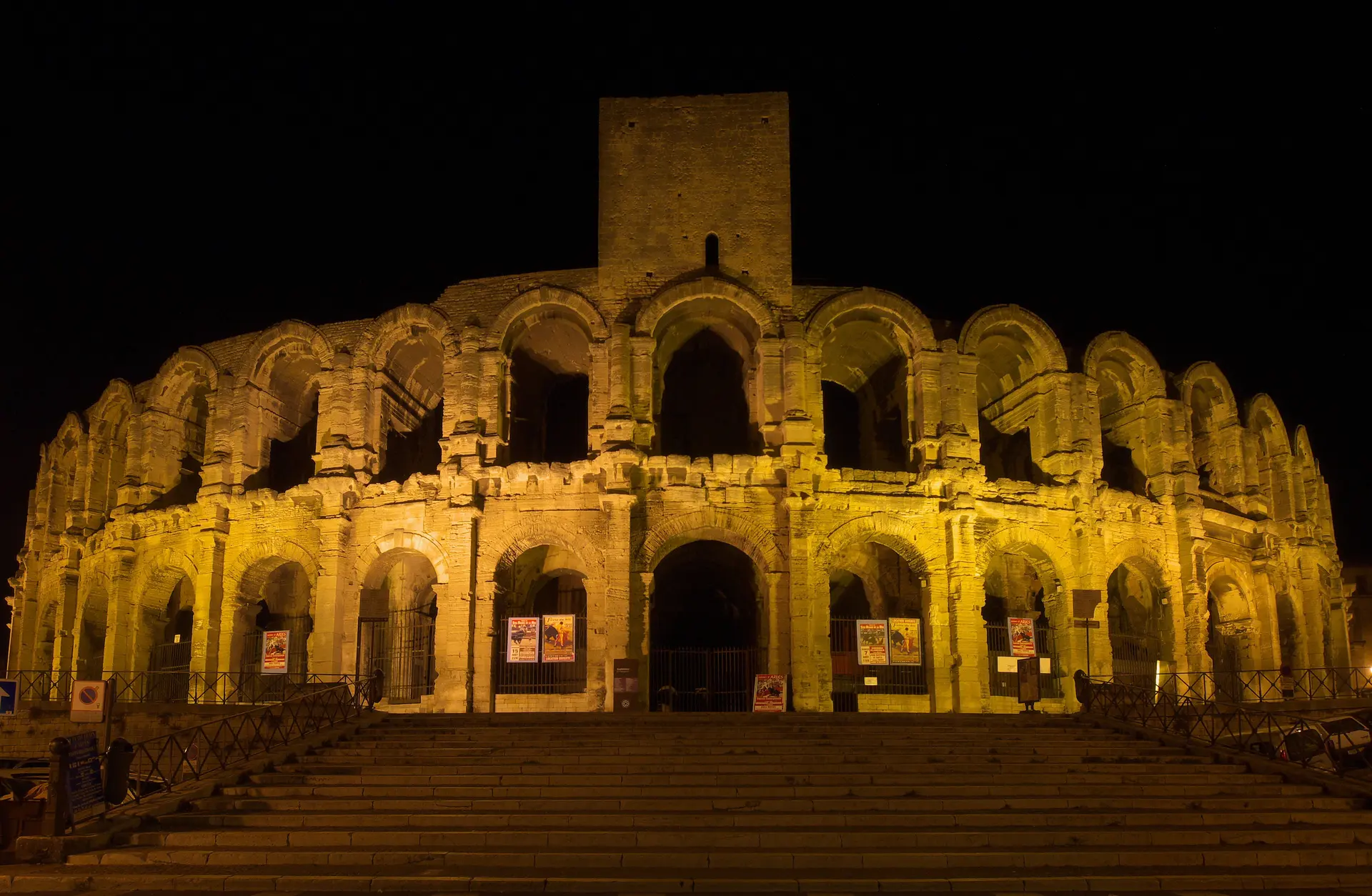
Arles
UNESCOChristianity

Arles

Arles, Provence-Alpes-Côte d'Azur, France

Arles is a city of sacred significance. Approximate coordinates: 43.67663, 4.62787. Attributes: built, cultural, archaeological. Tradition: Christianity. Associated figure: St. Trophime. Recognized as a UNESCO World Heritage Site. Arles ( ARL(Z), US also AR-əl, French: [aʁl]; Provençal: Arle [ˈaʀle] in both classical and Mistralian norms; Classical Latin: Arelate) is a coastal city and commune in the South of France, a subprefecture in the Bouches-du-Rhône department of the Provence-Alpes-Côte d Azur region, in the former province of Provence. A large part of the Camargue, the largest wetlands in France, is located within the territory of the commune, which is the largest in Metropolitan France in terms of geographic territory. In non-metropolitan France, Maripasoula in French Guiana is the largest French commune in general. The commune s land area is roughly similar to that of Singapore. The city has a long history, and was of considerable importance in the Roman province of Gallia Narbonensis. The Roman and Romanesque Monuments of Arles were listed as UNESCO World Heritage Sites in 1981 for their testimony to the history of the region. The city is famous for being the archdiocese of Caesarius of Arles and Hilary of Arles. Additionally, many artists have lived and worked in this area, including Pablo Picasso, Paul Gauguin and Jacques Réattu. The Dutch post-Impressionist painter Vincent van Gogh lived in Arles from 1888 to 1889, and produced over 300 paintings and drawings during his time there. These are held in internationally known museums and private collections around the world. An international photography festival has been held annually in the city since 1970. Located in Arles, Provence-Alpes-Côte d'Azur, France.

Chapelle du Saint-Pilon
Christianity

Chapelle du Saint-Pilon

Plan-d'Aups-Sainte-Baume, Provence-Alpes-Côte d'Azur, France

At 994 meters atop the Sainte-Baume massif, a small stone chapel marks the legendary spot where angels lifted Mary Magdalene seven times daily for divine sustenance. The climb through ancient forest to this wind-swept summit rewards pilgrims with 360-degree views extending to the Mediterranean—a fitting complement to the grotto below where the saint spent her earthly hermitage.

Church of Our Lady of Good Repos
Roman Catholic

Church of Our Lady of Good Repos

Montfavet, Provence-Alpes-Côte d'Azur, France

In the village of Montfavet, outside Avignon, a Gothic church carries the name its cardinal founder chose in 1341: Notre-Dame de Bon Repos, Our Lady of Good Rest. Built during the Avignon Papacy as both monastery and burial place, the church preserves a 14th-century statue of the Virgin and figured corbels depicting human virtues and vices. Less touristed than Avignon's famous sites, it offers encounter with medieval devotion.

Church of the Saintes Maries de la Mer

Church of the Saintes Maries de la Mer

Saintes-Maries-de-la-Mer, Provence-Alpes-Côte d'Azur, France

Sts. Marie de la Mer is a site of sacred significance. Approximate coordinates: 43.45157, 4.42798. Located in Saintes-Maries-de-la-Mer, Provence-Alpes-Côte d'Azur, France.

La Sainte-Baume, Grotto of Mary Magdalene
Christianity

La Sainte-Baume, Grotto of Mary Magdalene

Saint-Raphaël, Provence-Alpes-Côte d'Azur, France

La Sainte-Baume, Grotto of Mary Magdalene is a grotto of sacred significance. Approximate coordinates: 43.45739, 6.90168. Attributes: natural, cultural, pilgrimage. Tradition: Christianity. Associated figure: Mary Magdalene. Mythological context: Christianity. Located in Saint-Raphaël, Provence-Alpes-Côte d'Azur, France.

Notre-Dame de Confession (Our Lady of Confession)
Christian

Notre-Dame de Confession (Our Lady of Confession)

Marseille, Provence-Alpes-Côte d'Azur, France

Black Madonna shrine known for Green candles tradition, Candlemas celebration, protection of sailors

Saint Sarah
Roma Spirituality

Saint Sarah

Saintes-Maries-de-la-Mer, Provence-Alpes-Côte d'Azur, France

Saint Sarah in Saintes-Maries-de-la-Mer, Provence-Alpes-Côte d'Azur, France.

Saint-Maximin-la-Sainte-Baume, Basilica of Mary Magdalene

Saint-Maximin-la-Sainte-Baume, Basilica of Mary Magdalene

Saint-Maximin-la-Sainte-Baume, Provence-Alpes-Côte d'Azur, France

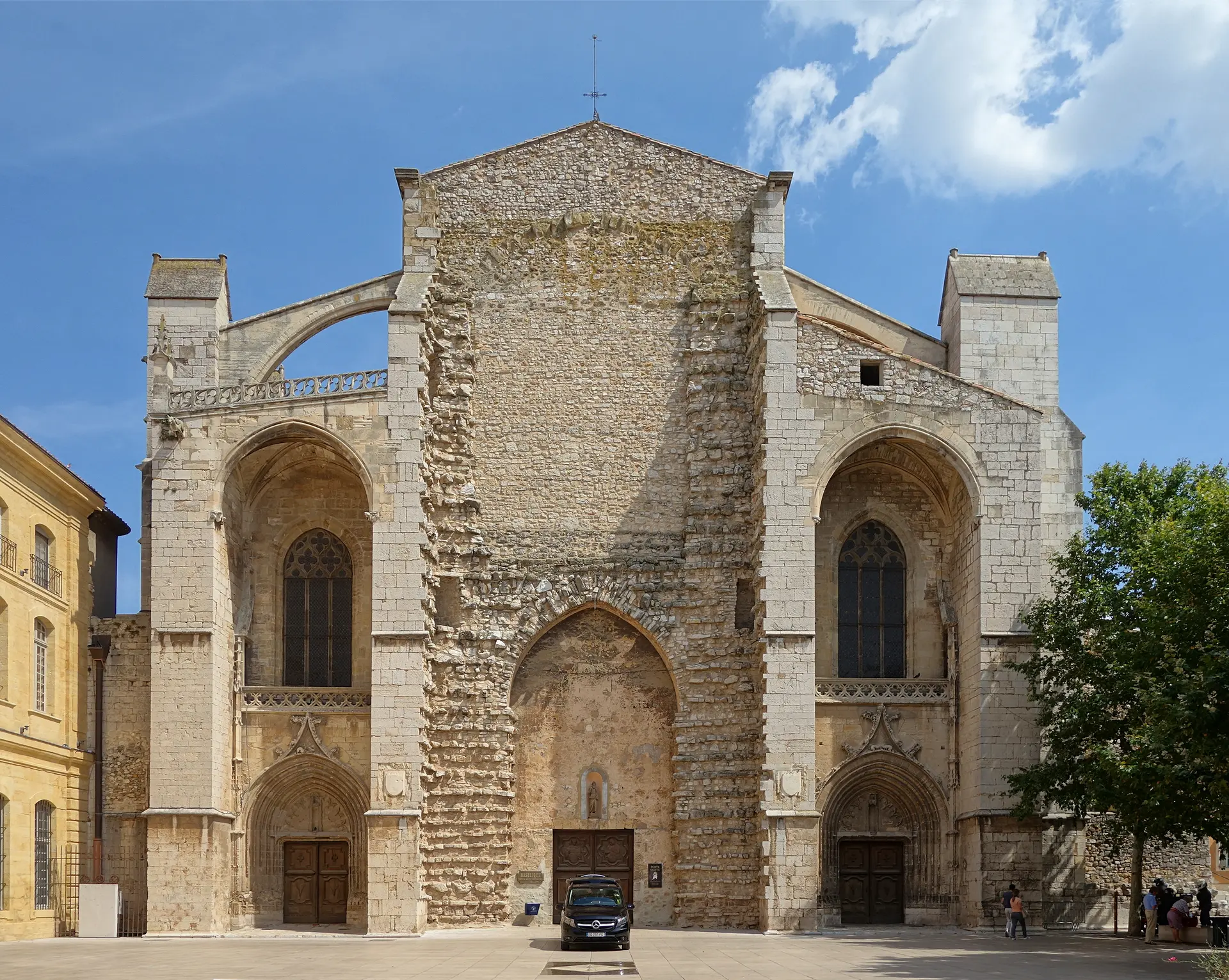
Saint-Maximin-la-Sainte-Baume, Basilica of Mary Magdalene is a site of sacred significance. Approximate coordinates: 43.45241, 5.86356. Located in Saint-Maximin-la-Sainte-Baume, Provence-Alpes-Côte d'Azur, France.

Skelton of Mary Magdalene at Saint Maximin la Sainte-Baume

Skelton of Mary Magdalene at Saint Maximin la Sainte-Baume

Saint-Maximin-la-Sainte-Baume, Provence-Alpes-Côte d'Azur, France

Saint-Maximin-la-Sainte-Baume is a site of sacred significance. Approximate coordinates: 43.45267, 5.86377. Saint-Maximin-la-Sainte-Baume (French pronunciation: [sɛ̃ maksimɛ̃ la sɛ̃t bom]; Occitan: Sant Maissemin de la Santa Bauma) is a commune in the southeastern French department of Var, in the Provence-Alpes-Côte d Azur region. Located 40 km (25 mi) east of Aix-en-Provence, the town lies at the foot of the Sainte-Baume mountains. Baume or bama is the Provençal equivalent of cave. The town s basilica is dedicated to Mary Magdalene. Located in Saint-Maximin-la-Sainte-Baume, Provence-Alpes-Côte d'Azur, France.

The Sanctuary of Our Lady of Laghet
Christian

The Sanctuary of Our Lady of Laghet

La Trinité, Provence-Alpes-Côte d'Azur, France

Black Madonna shrine known for Healing shrine, fertility blessings, located on ley-lines with healing energy