Country guide
Portugal
Portugal brings together sacred architecture, pilgrimage traditions, and landscapes shaped by memory, ritual, and local devotion.
86 sacred sites across 16 regions. Use the tradition links to narrow in.
Sacred journeys
Pilgrimages in Portugal
Follow routes that connect sacred places across Portugal. Mapped-place counts reflect the current atlas.
Christianity · Northern Portugal to Galicia
Caminho Português (Central Route)
Caminho Português de Santiago — Caminho Central
The inland branch of the Portuguese Camino, running from Porto's granite cathedral north into Galicia.
5 mapped places in Portugal · 7-station pilgrimage
International routeChristianity · spans into Spain (Galicia)
Caminho Português (Coastal Route)
Caminho Português de Santiago — Caminho da Costa
The seaward branch of the Portuguese Camino, tracing the Atlantic coast north from Porto toward the Galician crossing.
4 mapped places in Portugal · 4-station pilgrimage
Christianity · Iberian Camino network
Camino de Santiago — Selected Sacred Sites
Caminos de Santiago
A cross-route collection of sacred places within the wider network of roads converging on Santiago de Compostela.
1 mapped place in Portugal · 11-station pilgrimage
International route
Browse by region
Explore Portugal region by region
Open a regional guide to see its sacred sites, traditions, and map.
Explore Portugal by facet
Dates connected to Portugal
Upcoming festivals, feast days, and pilgrimages tied to Portugal. Add any to your calendar, or see the full observance calendar.
Refine the atlas
Related Portugal guides
Showing 1-48 of 86 sites in this country guide

Alcobaça Monastery
Alcobaça, Leiria, Portugal
Founded in 1153 by King Afonso Henriques as the mother house of the Cistercian order in Portugal, Alcobaça is the largest church in the country and the burial site of King...

Almendres Cromlech
Évora, Évora, Portugal
Built in phases from the 6th millennium BC through the Chalcolithic, Almendres Cromlech is the largest structured group of standing stones in the Iberian Peninsula — older...

Anta da Cunha Baixa
Mangualde, Viseu, Portugal
In a vineyard valley near Mangualde, the Anta da Cunha Baixa held burials across an unusually long span — from the Late Neolithic through the Bronze Age....
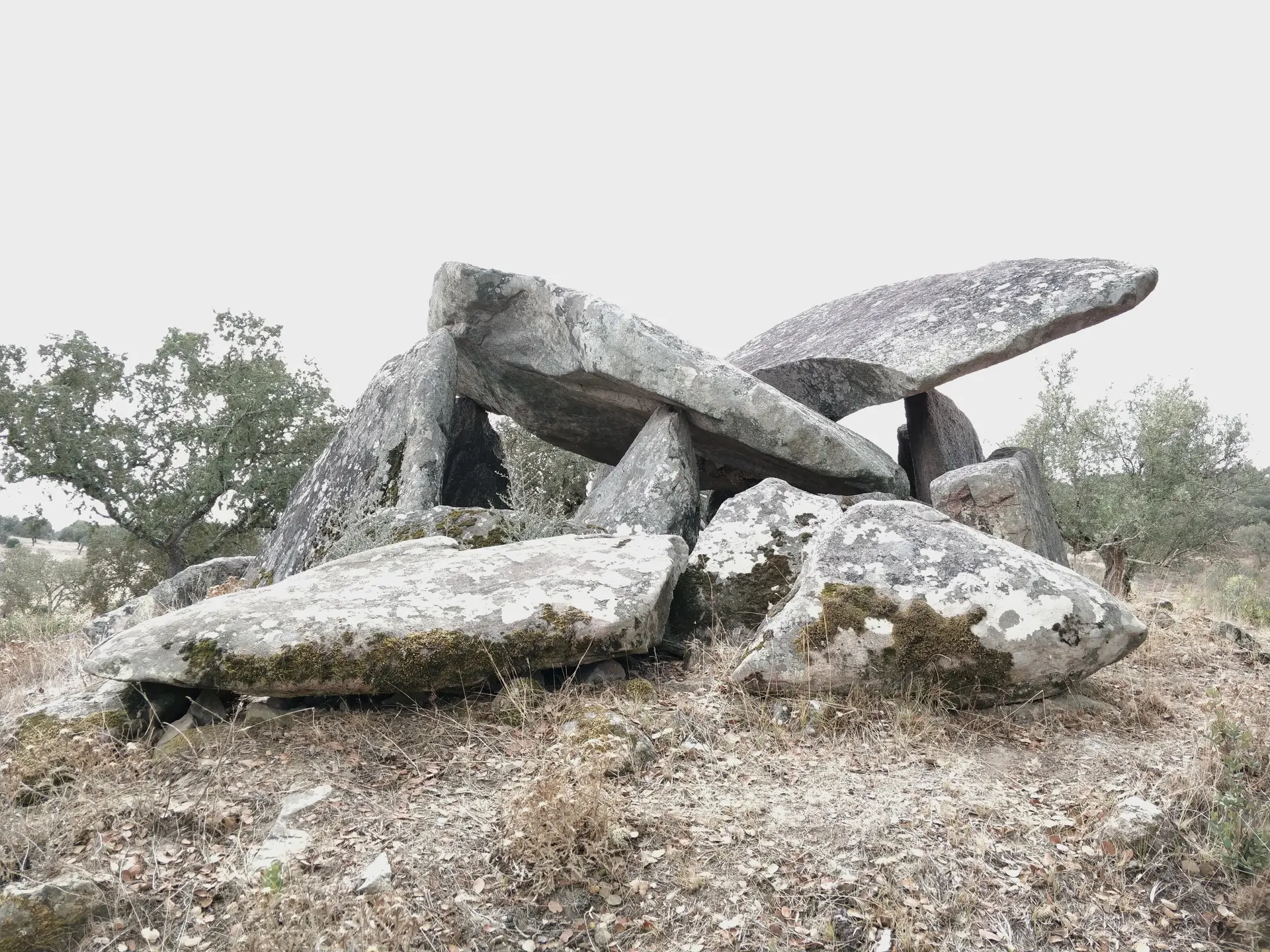
Anta da Herdade da Comenda da Igreja
Montemor-o-Novo, Évora, Portugal
Behind two livestock gates on a private Alentejo estate stands a large, well-preserved passage tomb that yielded over 1,500 registered artefacts, including more than 100...

Anta de Pavia - Chapel of S. Dinis
Mora, Évora, Portugal
In the main square of Pavia, seven granite pillars that once sealed a Neolithic burial chamber now hold up a small bell-tower and a cross....

Anta do Tapadão
Crato, Portalegre, Portugal
Rising from grazing land outside Aldeia da Mata, the Anta do Tapadão is a corridor dolmen whose seven-orthostat chamber and long stone passage rank among the most intact...

Anta-Capela de Nossa Senhora do Livramento
Montemor-o-Novo, Évora, Portugal
Beside a rural road in the Alentejo, five granite pillars nearly three meters tall support a roof that is not their own....

Basilica da Estrela
Lisbon, Lisbon, Portugal
Queen Maria I vowed in 1760 to build a church if granted a son to secure the throne....

Batalha Monastery
Batalha, Leiria, Portugal
King João I vowed a monastery to the Virgin Mary before the 1385 Battle of Aljubarrota, and construction of Batalha continued, on and off, for more than a century...
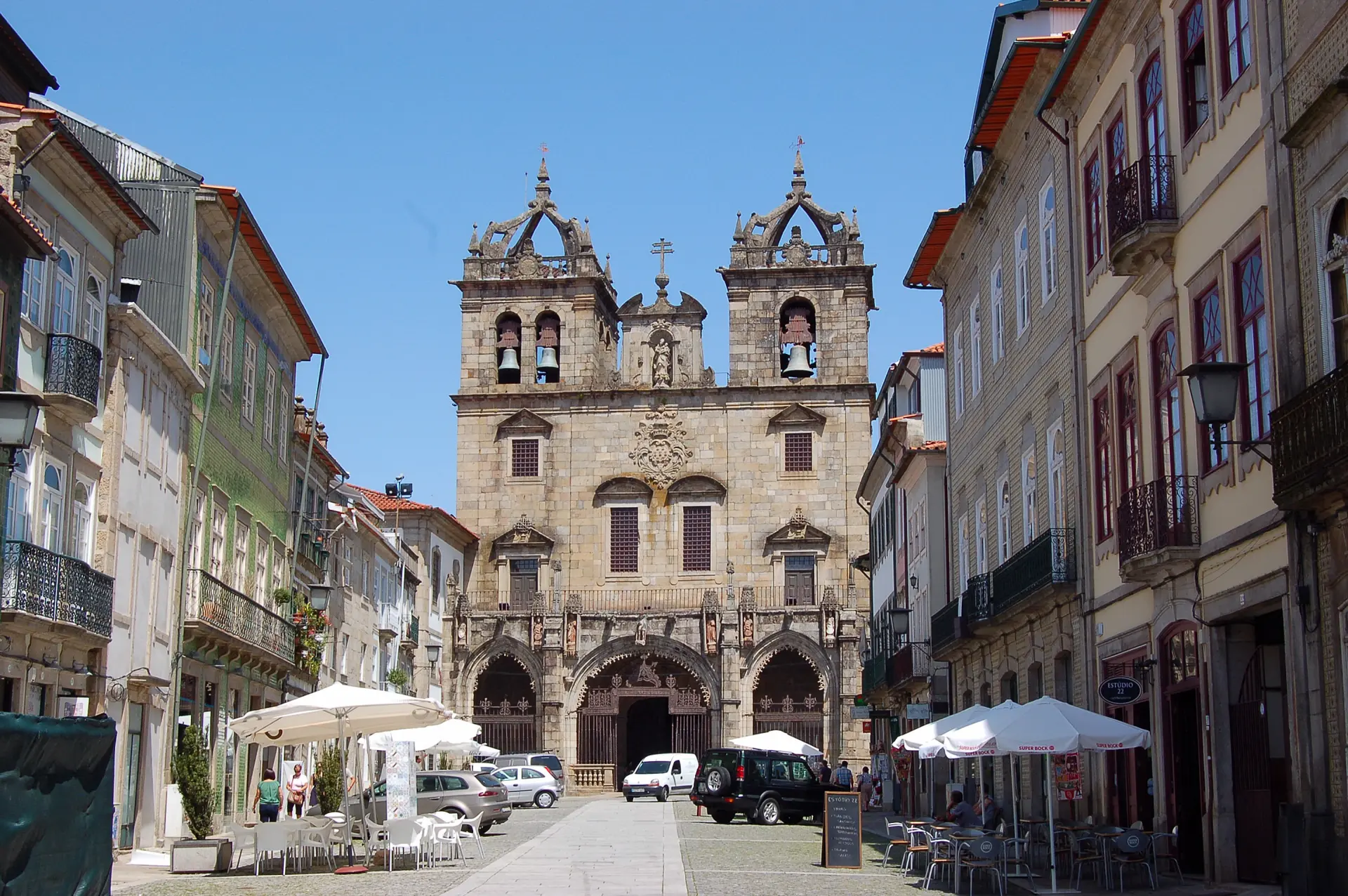
Braga Cathedral
Braga, Braga, Portugal
Consecrated in 1089, Braga Cathedral is Portugal's oldest cathedral and the seat of the country's Archbishop-Primate....

Capela das Almas
Viana do Castelo, Viana do Castelo, Portugal
Before Viana do Castelo had a cathedral, it had this modest riverside chapel — its first mother church, built on Romanesque foundations that excavation suggests may reach...

Capela de São Roque e São Tiago Maior
Póvoa de Varzim, Porto, Portugal
Built in 1582 as a plea for protection against plague, this small chapel on Póvoa de Varzim's main square changed character when a statue of Saint James — found on the...

Castro of Zambujal
Torres Vedras, Lisbon, Portugal
Above the Sizandro River near Torres Vedras, Castro do Zambujal preserves one of the most complex fortified settlements of Copper Age Iberia....
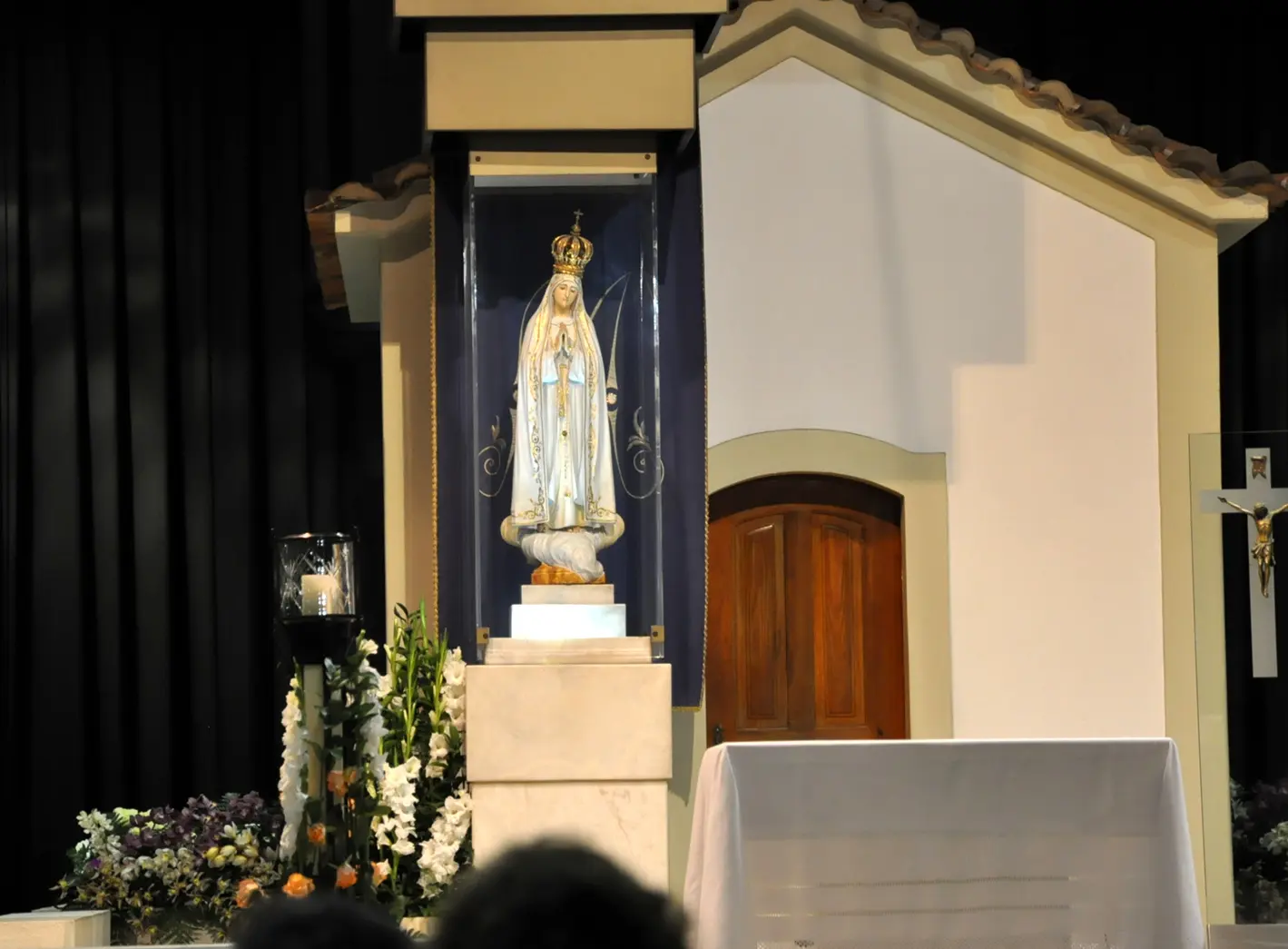
Chapel of the Apparitions (Our Lady of Fátima)
Part of Fatima
Fátima, Santarém, Portugal
The Chapel of the Apparitions stands at the precise location where the Virgin Mary appeared to three Portuguese shepherd children in 1917....

Church of Bom Jesus da Cruz
Barcelos, Braga, Portugal
In December 1504, a black cross reportedly appeared in the earth of Barcelos's fairground, spreading until it formed a shape that, according to local memory, no shovel...
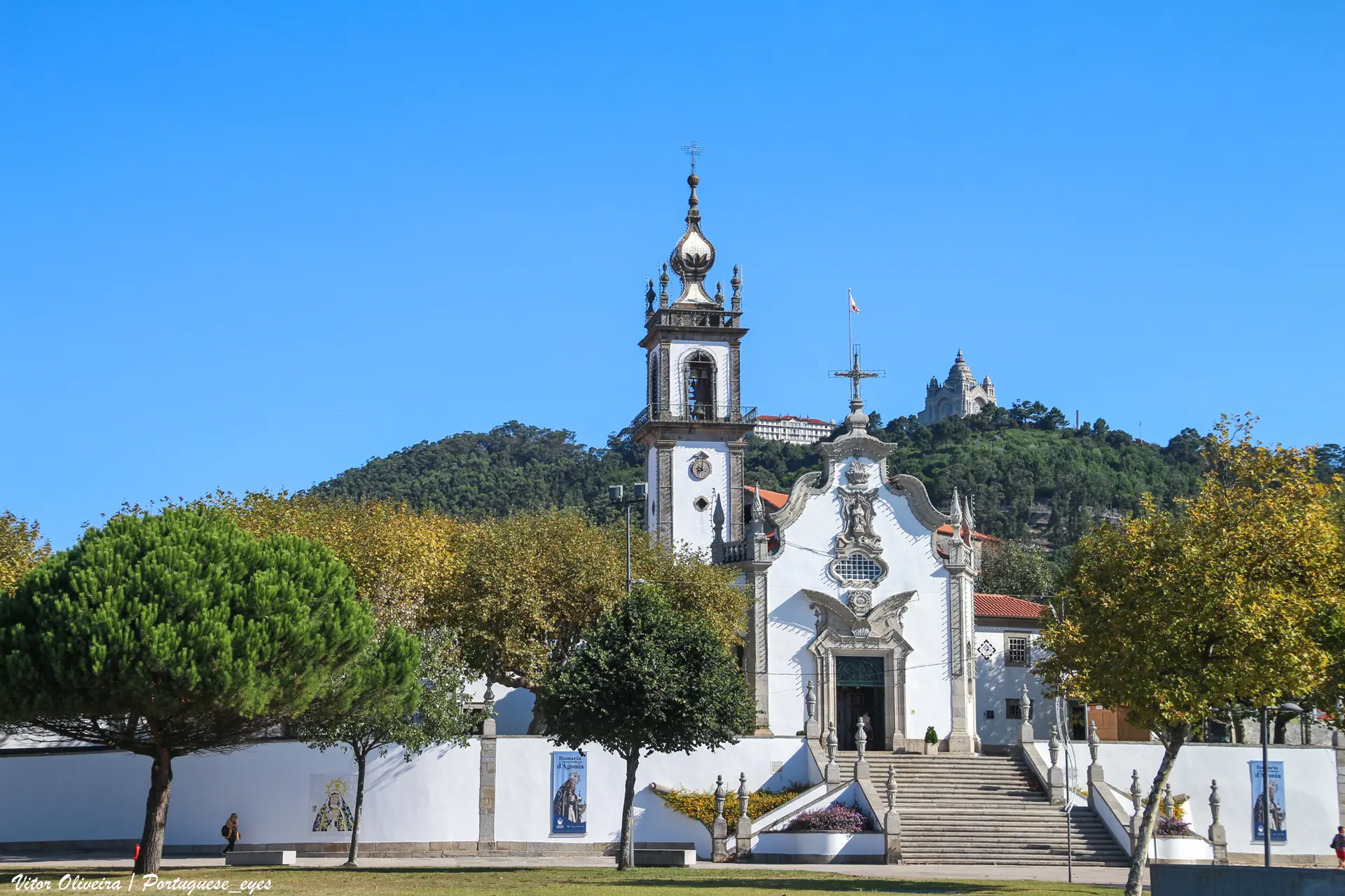
Church of Nossa Senhora da Agonia
Viana do Castelo, Viana do Castelo, Portugal
Built to house an image installed in 1674, the Church of Nossa Senhora da Agonia grew from a small chapel dedicated to fishermen's fear of shipwreck into the anchor of one...

Church of Saint Anthony of Lisbon
Lisbon, Lisbon, Portugal
Beside Lisbon's cathedral, this Baroque-Rococo church stands where centuries of local and ecclesiastical tradition place the 1195 birth of Fernando de Bulhões — later...
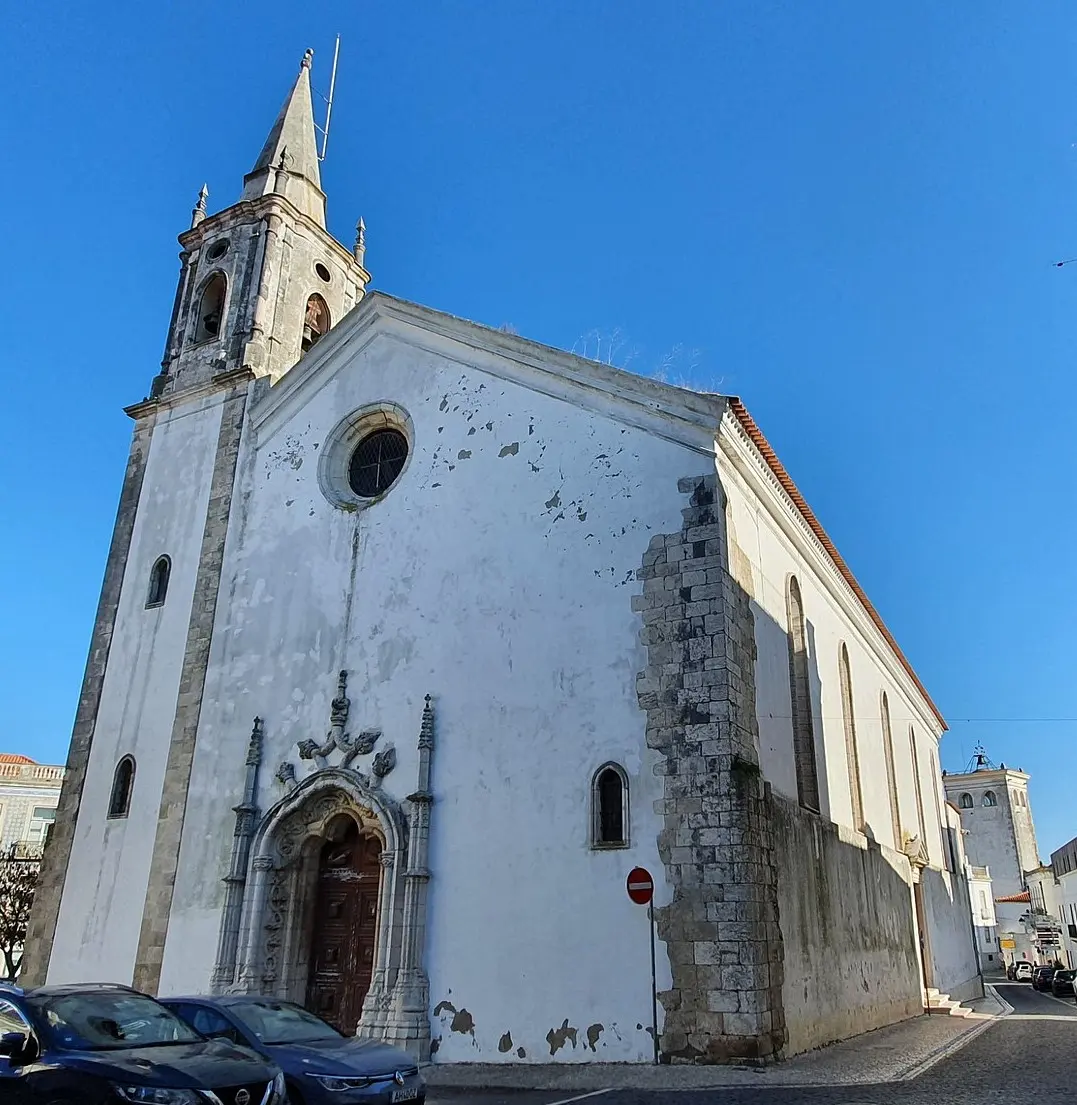
Church of Santa Maria de Marvila
Santarém, Santarém, Portugal
Behind a restrained Manueline doorway in Santarém's old town, Santa Maria de Marvila hides an interior almost entirely resurfaced in seventeenth-century azulejo tile — a...

Church of Santa Maria do Olival
Tomar, Santarém, Portugal
Founded by Gualdim Pais, the Templar master who established Tomar itself, Santa Maria do Olival served as the Order's spiritual seat and burial pantheon in Portugal....

Church of Santa Maria Madalena da Falperra
Braga, Braga, Portugal
On a ridge above Braga, a granite Baroque facade rises where a medieval chapel once stood — rebuilt after the 1755 earthquake into one of André Soares's most celebrated...

Church of São Bento da Vitória
Porto, Porto, Portugal
Built from 1604 by the Portuguese Benedictine Congregation on the site of Porto's former Jewish quarter, São Bento da Vitória remains a consecrated church known for its...

Church of São João Baptista, Tomar
Tomar, Santarém, Portugal
Facing the statue of the Templar founder of Tomar across the Praça da República, the Church of São João Baptista has served as the town's Igreja Matriz since the fifteenth...

Church of São Pedro de Rates
Póvoa de Varzim, Porto, Portugal
São Pedro de Rates marks the point where the Coastal and Central routes of the Camino Português converge before continuing toward Barcelos and Santiago de Compostela....

Church of São Roque
Lisbon, Lisbon, Portugal
Founded in 1506 as a plague-relief shrine and built from 1553 as the first Jesuit church in the Portuguese world, São Roque hides its Baroque wealth behind a deliberately...

Church of the Holy Miracle of Santarém
Santarém, Santarém, Portugal
In the historic center of Santarém, a small Gothic-to-Renaissance church — now the Santuário do Santíssimo Milagre, formerly the parish church of Santo Estêvão — houses a...

Citânia de Briteiros
Guimarães, Braga, Portugal
On a hilltop above the Ave River valley, Citânia de Briteiros preserves one of the largest and most thoroughly excavated Iron Age hillforts in northwestern Iberia — a...

Citânia de Sanfins
Paços de Ferreira, Porto, Portugal
Citânia de Sanfins is a large, fortified Iron Age hillfort of the Gallaeci people, occupied from around the 5th century BCE into the Roman period....

Coimbra New Cathedral
Coimbra, Coimbra, Portugal
Built in the late 16th and 17th centuries as the church of a Jesuit college training missionaries for Portugal's colonial territories, this building became the seat of the...

Coimbra Old Cathedral
Coimbra, Coimbra, Portugal
The Sé Velha is the only Portuguese Romanesque cathedral from the Reconquista era to survive largely intact....

Conímbriga
Condeixa-a-Nova, Coimbra, Portugal
Conímbriga preserves more of daily Roman provincial life than any other site in Portugal: a forum built for the imperial cult, mosaic-floored villas, and a defensive wall...
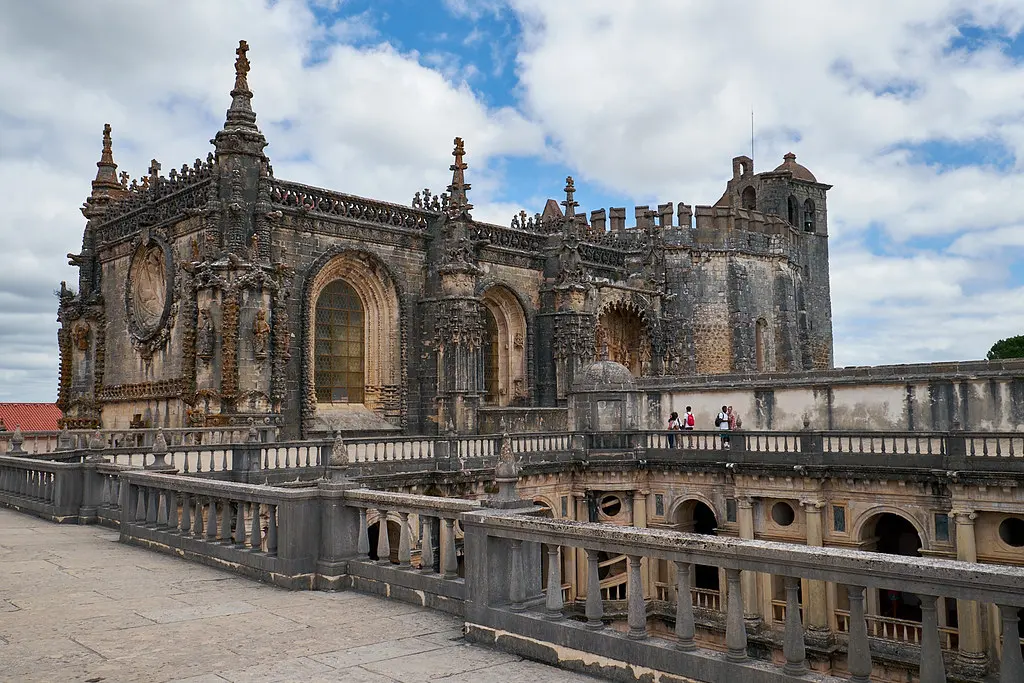
Convent of Christ
Tomar, Santarém, Portugal
Founded in 1160 by the Knights Templar and later inherited whole by the Portuguese Order of Christ, this hilltop complex in Tomar grew across five centuries of Romanesque,...

Convent of Saint Francis, Santarém
Santarém, Santarém, Portugal
Founded in 1242 by King Sancho II for the newly arrived Franciscan order, the Convento de São Francisco grew from a mendicant ideal of austerity into a royal pantheon...

Convent of Santo Agostinho
Leiria, Leiria, Portugal
On the banks of the Lis River in Leiria, a late-sixteenth-century Augustinian convent gave the city one of its most enduring religious complexes....

Dolmen of Carapito I
Aguiar da Beira, Guarda, Portugal
Near the village of Carapito, a ten-sided polygonal chamber over five metres tall holds two pillars carved with solar and serpentine motifs — among the clearest surviving...

Dolmen of Pendilhe
Vila Nova de Paiva, Viseu, Portugal
Nine upright stones enclose the chamber of the Anta de Pendilhe, built by farming communities of the Alto Paiva region around 2900-2640 BCE....

Évora Cathedral
Évora, Évora, Portugal
A granite fortress-church raised after the 1166 reconquest of Évora, the Sé has served as the seat of its archdiocese for more than eight centuries....

Evora, Roman Temple
Évora, Évora, Portugal
Six Corinthian columns rise from a granite podium at the center of Évora's old town — one of the best-preserved Roman temples on the Iberian Peninsula, and one whose...
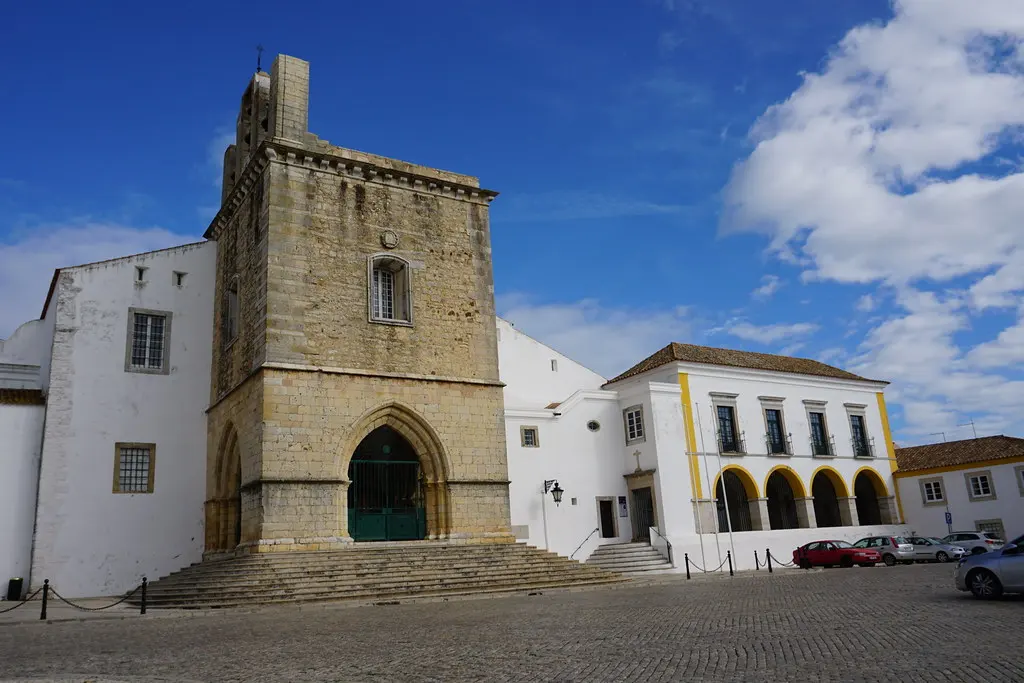
Faro Cathedral
Faro, Faro, Portugal
Faro Cathedral stands on ground used for worship across more than two millennia — a Roman temple, an early Christian basilica, a mosque during Moorish rule, and since the...

Fatima
Fátima, Santarém, Portugal
On a hillside in central Portugal, three shepherd children encountered something that would draw millions....

Great Dolmen of Zambujeiro
Évora, Évora, Portugal
Seven granite orthostats up to eight meters tall enclose the largest known dolmen chamber in Europe, built by Neolithic communities near Évora roughly six thousand years...

Guarda Cathedral
Guarda, Guarda, Portugal
Guarda Cathedral rose over roughly a century and a half, beginning in 1390, on the site of the diocesan seat transferred here in 1199 when King Sancho I founded Guarda as...
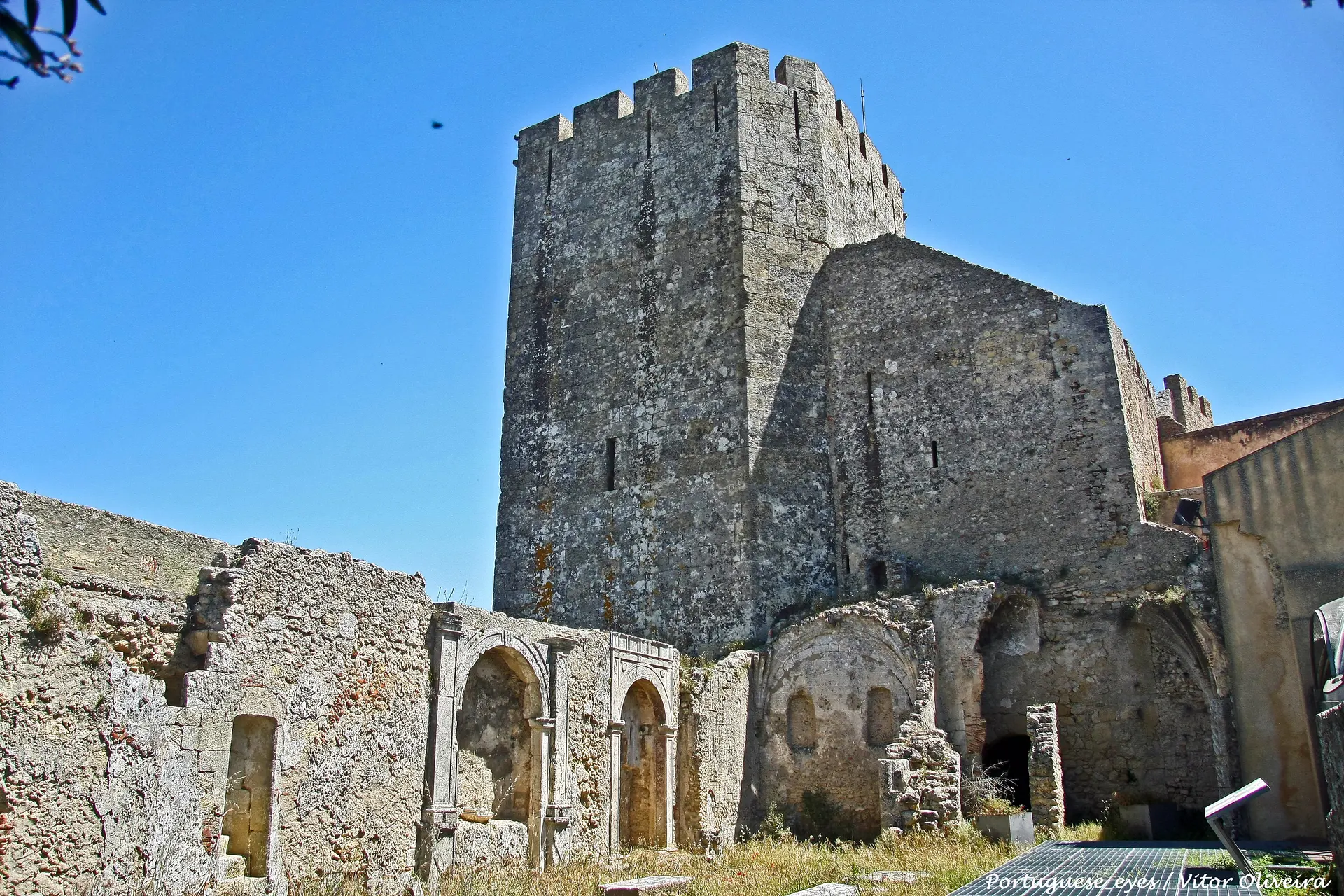
Igreja de Santiago de Palmela
Palmela, Setúbal, Portugal
Built from 1443 as the conventual church and headquarters of the Order of Santiago de Espada inside Palmela Castle, this austere late-Gothic building served the Portuguese...

Igreja de São Vicente de Fora
Lisbon, Lisbon, Portugal
Founded around 1147 on the ground where crusader forces camped during the siege that took Lisbon from Moorish rule, São Vicente de Fora holds the relics of the city's...

Igreja Matriz de Caminha
Caminha, Viana do Castelo, Portugal
Built between 1488 and 1556 behind Caminha's medieval walls, this granite parish church combines a fortress-like Gothic exterior with an intricately carved Mudéjar ceiling...
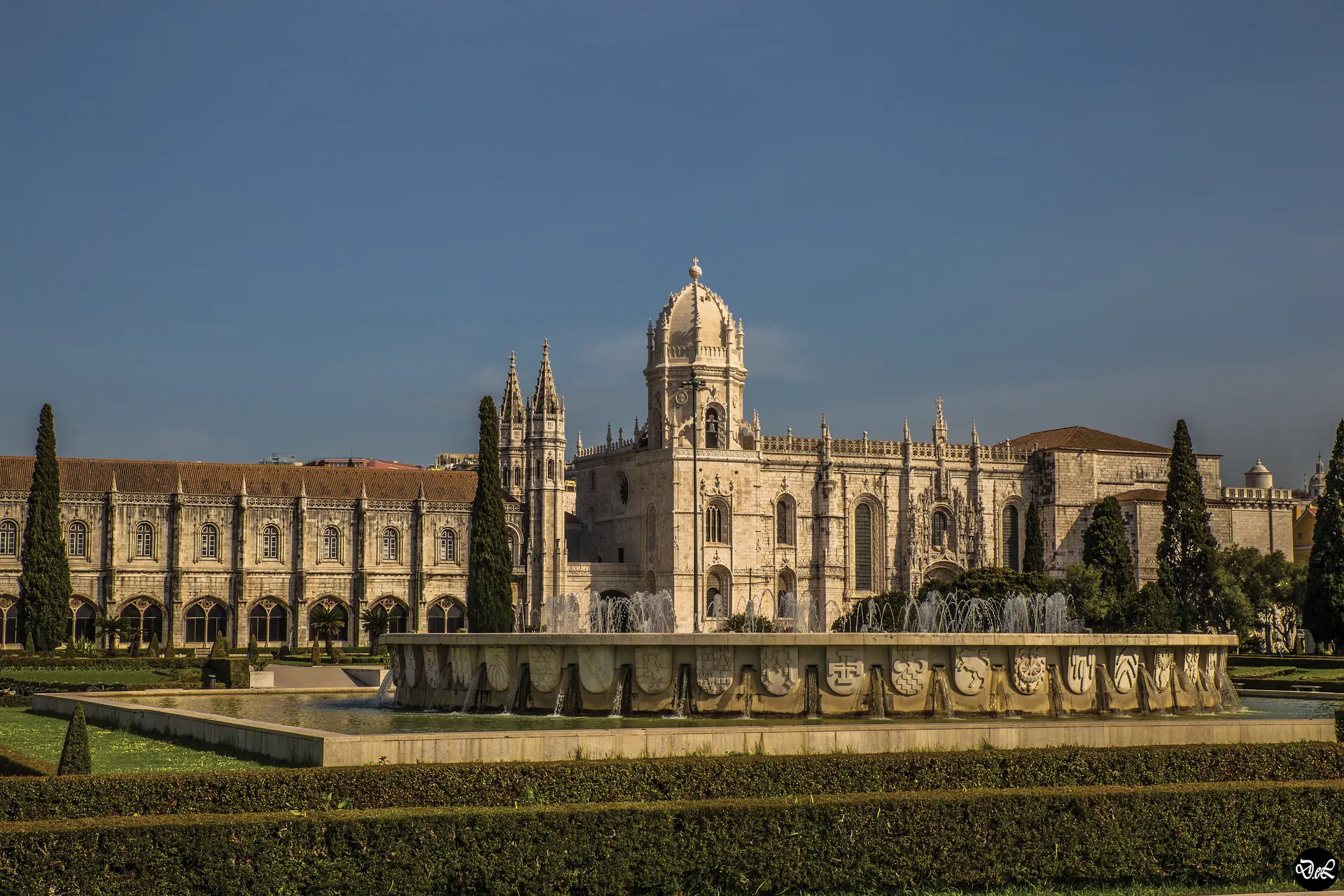
Jerónimos Monastery
Belém, Lisbon, Lisbon, Portugal
Jerónimos Monastery rises above the Tagus on the spot where sailors once prayed through the night before sailing into the unknown....

Lamego Cathedral
Lamego, Viseu, Portugal
Lamego Cathedral layers a Romanesque south tower, a Manueline triple-portico front, a 1524 Mannerist cloister, and an eighteenth-century Baroque interior painted by...
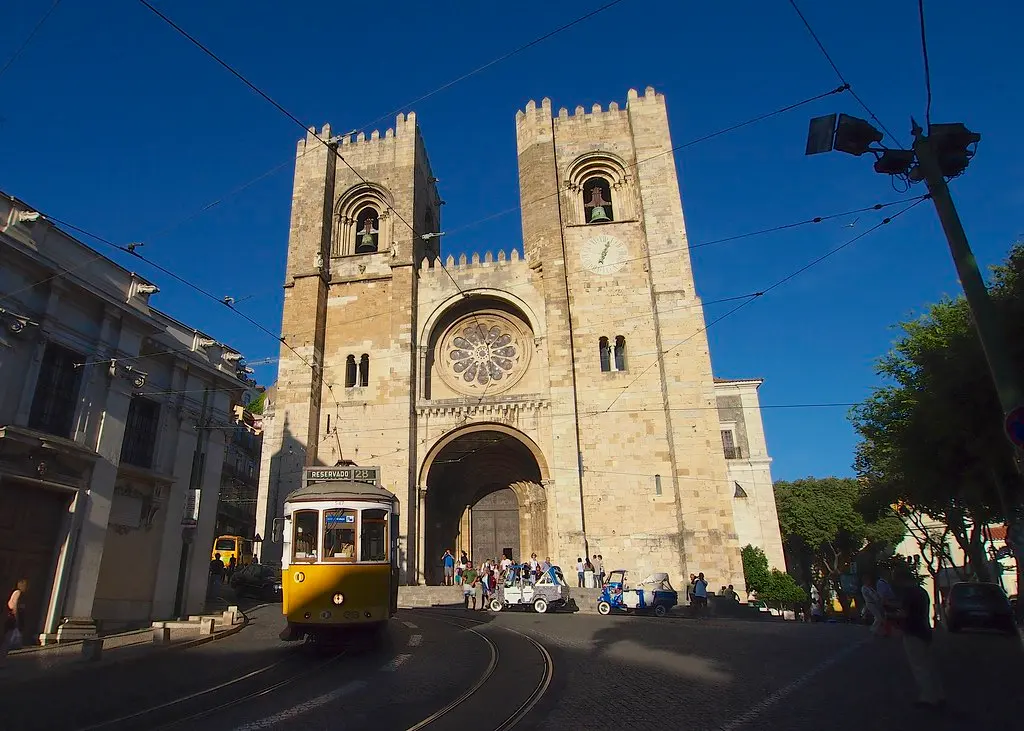
Lisbon Cathedral
Lisbon, Lisbon, Portugal
Since 1147, this fortress-faced cathedral above the Tagus has held the daily rhythm of Mass, sacrament, and civic devotion as the seat of the Patriarchate of Lisbon....

Matriz Church of Ponte de Lima
Ponte de Lima, Viana do Castelo, Portugal
Ponte de Lima's matriz church stands on the site of a 12th-13th century Romanesque predecessor that, by the town's own 1444 testimony, had grown too small for its...
Showing 1-48 of 86 sites
Key questions
Portugal sacred-site questions
What sacred sites can I explore in Portugal?
Pilgrim Map lists sacred places in Portugal across living worship sites, heritage landmarks, pilgrimage destinations, and culturally significant landscapes. The current guide lists 86 sites organized by region and tradition.
Which traditions are represented in Portugal?
The most represented traditions include Christianity, Prehistoric/Megalithic, Ancient Roman, Ancient Greek and Roman.
How should I plan a sacred-site visit in Portugal?
Start with regional clusters, compare nearby places on the map, then open individual site pages for coordinates, etiquette, and sacred context where available.
Can I view Portugal sacred sites on a map?
Yes. Switch to map view to compare geographic clusters, then open individual site pages for coordinates, visiting context, and related places.