Key questions
- What is Koyasan Choishi-michi?
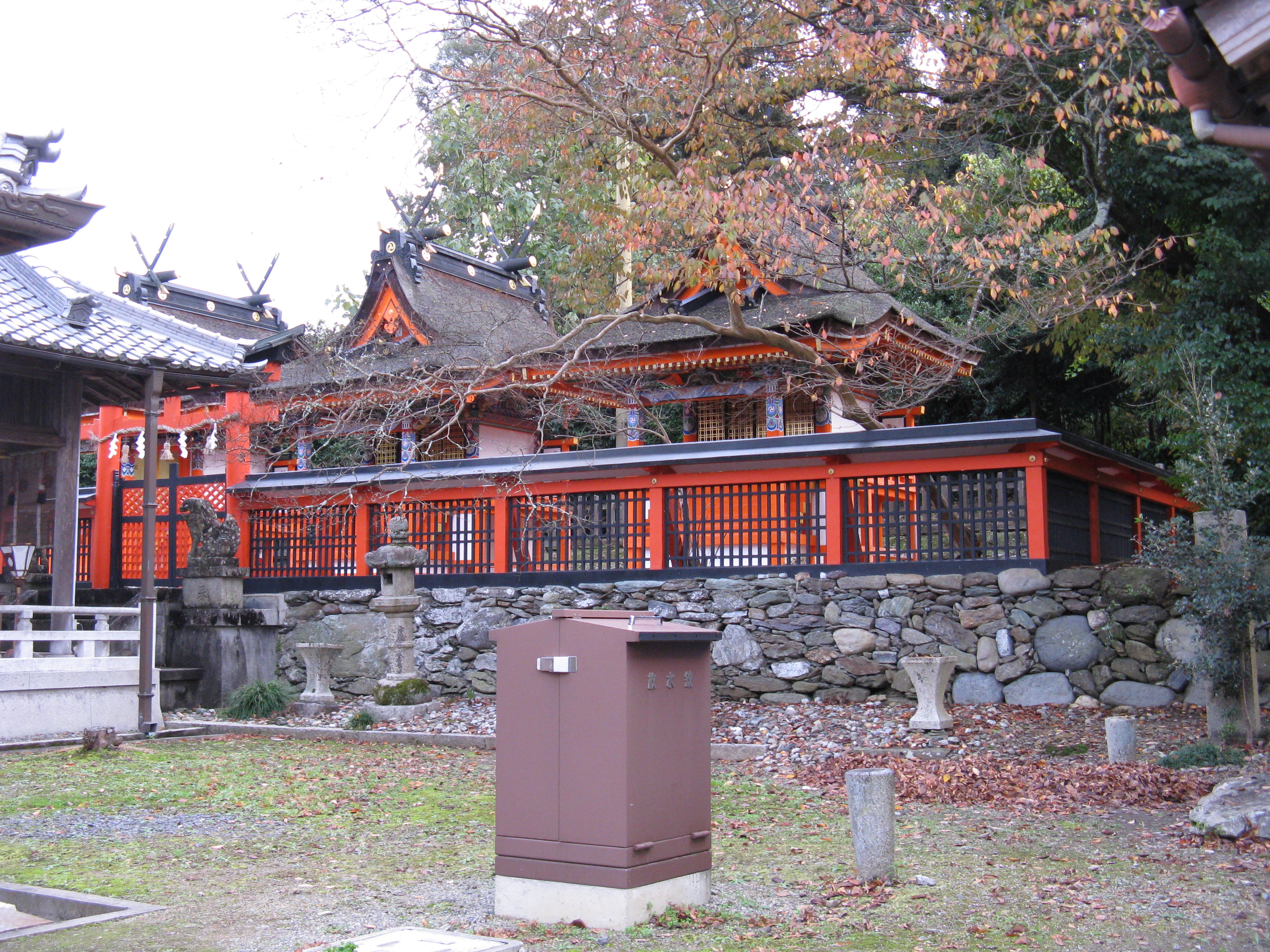
- Koyasan Choishi-michi is a Shingon Buddhism and the Kii sacred landscape pilgrimage network collection in Japan, Kudoyama and Koyasan, Wakayama Prefecture. Stone choishi lead from Jison-in through a shrine-linked mountain landscape to Daimon and Koyasan's great precincts
- How many sacred sites are included in Koyasan Choishi-michi?
- This guide currently maps 7 selected sacred sites across the wider network.
- When is the best time to explore Koyasan Choishi-michi?
- With current trail, weather, daylight, transport, temple, and lodging information
Opening
Choishi-michi rises from Jison-in toward Koyasan beside stone markers that orient the pilgrim through the mountain landscape. The way belongs to the UNESCO-listed Kii network, yet it remains a living religious approach whose temples, shrines, branches, and modern access conditions cannot be flattened into one decorative line.
Origins
Kobo Daishi Kukai established Koyasan as a Shingon Buddhist center in the ninth century. Traditions linking the mountain with Niutsuhime and other local deities express the layered shrine-temple landscape. Choishi replaced earlier wooden markers over time, giving the approach a durable rhythm without turning each marker into a separate destination.
Why pilgrims walk it
Pilgrims walk in devotion to Kobo Daishi, for prayer, memorial practice, discipline, thanksgiving, and entry into Koyasan's sacred environment. Modern heritage walking can coexist with those meanings only when active worship and custodial rules remain primary.
Significance
The approach moves from foothill temple and shrine through forest and stone markers to the great gate and monastic precincts. Niutsuhime deepens the route's history but sits on a branch or detour, so the page names that complexity instead of manufacturing a false itinerary.