All guides

Devotional theme · Healing pilgrimage

Twenty sacred sites of miraculous healing

Lourdes · Fátima · Epidauros · Tirta Empul

Across continents and centuries, pilgrims have travelled to particular springs, grottoes, temples, and shrines in search of a cure. What they ask for is rarely only physical. Twenty sanctuaries where healing is the central promise of the place, with photos and sources.

Sanctuaries gathered
20
Atlas pages live
20
Earliest cult
6th c. BC (Epidauros)
Annual pilgrims
6+ million (Lourdes)

Hero image: The Grotto of Massabielle, Lourdes, France

Why pilgrims come

What healing means in a sanctuary

Pilgrims travel to a healing site for what cannot be ordered elsewhere. Sometimes the request is specific — a tumour, a child's fever, a paralysis the doctors cannot explain. Sometimes the wound is older and harder to name: a grief that has lasted years, an addiction, a marriage, a faith. The water is cold, the queue is long, the chapel is full of crutches and votive plaques left by those who came before. People arrive with what they cannot fix and stand close to whatever the place is said to hold.

These sanctuaries do not promise cure in the way a clinic does. They promise contact — with a spring, a Virgin, a saint, a god — and they record what follows. Lourdes has kept a Medical Bureau since 1883 to examine the cases pilgrims report; the Asklepieion at Epidauros kept stone inscriptions of cures from the fourth century BC. The continuity of the practice is itself part of the argument. People have been coming to these places, in these ways, for a very long time, and the institutions around them have learned to listen.

What pilgrims bring home is rarely only the body they came with. Many leave a crutch on the wall and walk; many leave with the body unchanged and the relationship to it altered. Both outcomes are part of what these places have always done.

How healing happens

Four modes of cure

Healing traditions take more than one form. The same pilgrim may move between them in a single afternoon — dipping in the spring, lighting a candle to the Virgin, sleeping near the saint's tomb — but the underlying grammars are distinct.

Thesis 01

Marian intercession

At Lourdes (1858), Fátima (1917), Knock (1879), and Banneux (1933), the Virgin is said to have appeared and asked for prayer, penance, and — at Lourdes and Banneux — a spring. The healing is mediated: the pilgrim asks Mary, Mary asks her Son. The Lourdes Medical Bureau has examined more than 7,000 reported cures since 1858, of which 70 have been formally declared miraculous by the Church.

Thesis 02

Sacred water and holy wells

Water is the oldest healing medium. The spring uncovered by Bernadette at Lourdes flows at roughly 120,000 litres a day; St Winefride's Well in Wales has run continuously since the 7th century; the four spouts at Tirta Empul in Bali have been used for purification rituals since 962 AD; Banneux's spring was indicated by Mary to the eleven-year-old Mariette Beco. Pilgrims drink, bathe, or carry the water home.

Thesis 03

Ancient incubation and dream-healing

At the Asklepieia of the classical world — Epidauros, Kōs, Hierapolis (Pamukkale) — the sick slept in the abaton, the sleeping-hall, hoping the god Asklepios would appear in a dream and either cure them or prescribe a treatment the temple priests would interpret. Stone iamata recorded the results. The practice ran for nearly a thousand years and shaped early Christian incubation cults at saints' tombs.

Thesis 04

Saintly intercession and relic-touch

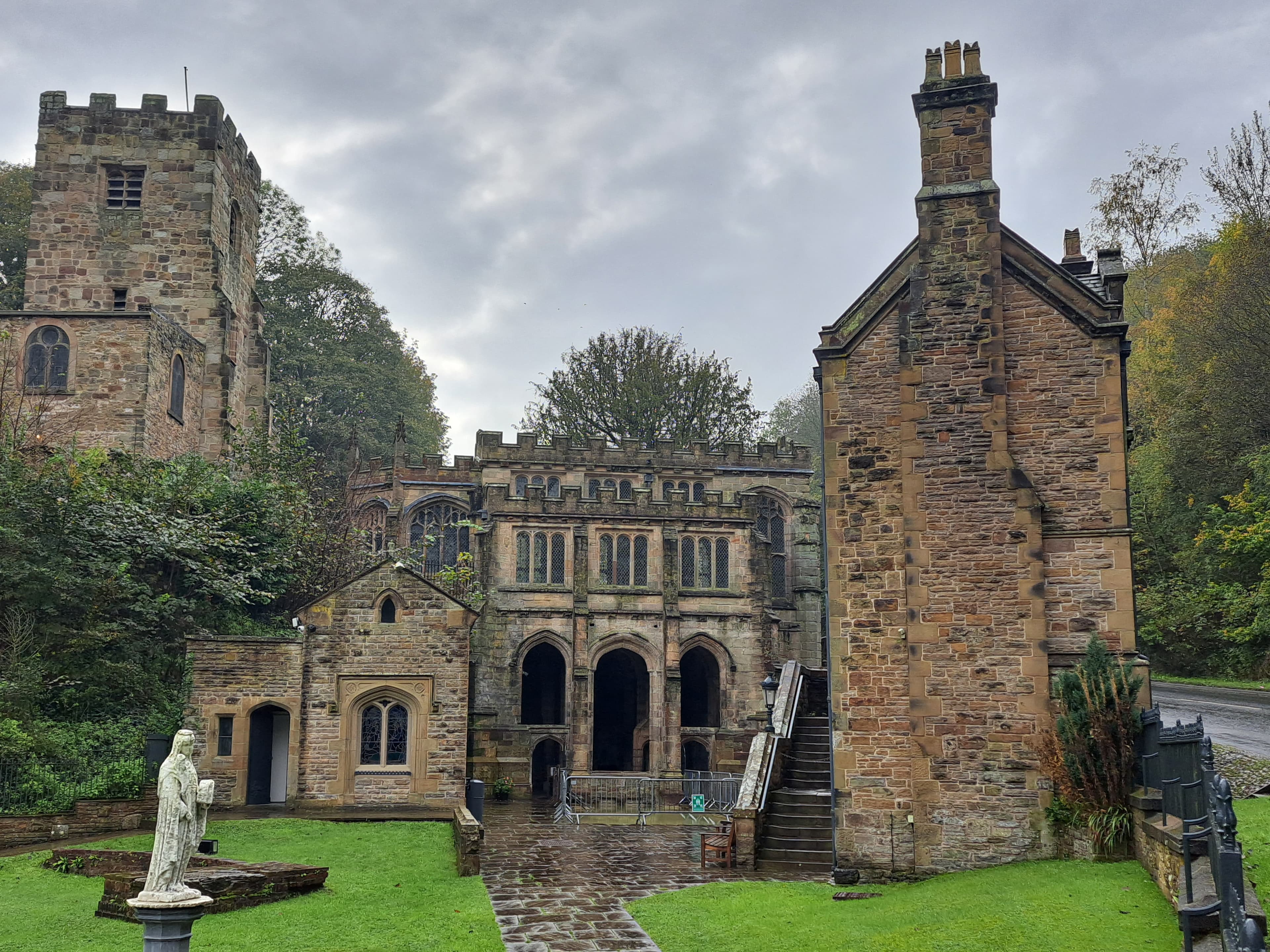
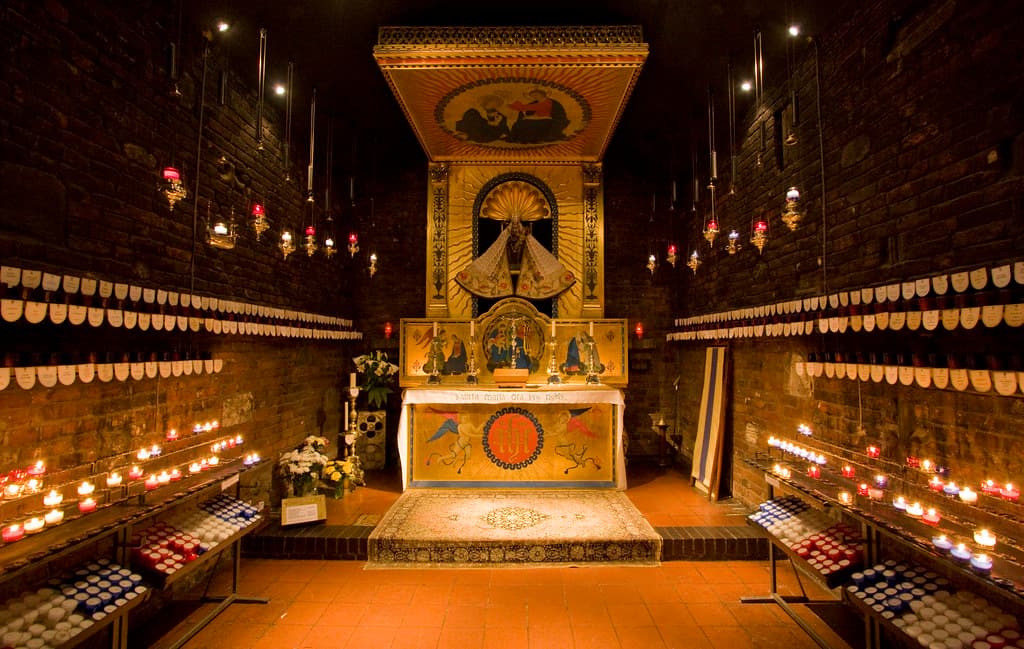
At Sainte-Anne-de-Beaupré in Québec, the wall of crutches by the basilica entrance dates to the 17th century. At Saint Joseph's Oratory in Montreal, the heart of Brother André — the lay porter credited with thousands of cures — is venerated in a side chapel. At Esquipulas in Guatemala the dark Christ has drawn Central American pilgrims since 1595; at Walsingham, the slipper chapel marks a Marian apparition recorded in 1061.

A long tradition

From Asklepios to Lourdes

The institutional healing sanctuary is older than Christianity. The cult of Asklepios begins in archaic Greece, reaches Epidauros by the sixth century BC, and spreads with Roman expansion to Kōs, Pergamon, Hierapolis, and eventually a sanctuary on the Tiber island in Rome. The architecture is recognisable across the network: a temple, an abaton for incubation, a theatre, a stadium, and dedicatory inscriptions describing the cures — some plausible, many extraordinary. The Egyptian healing temples at Saqqara and Memphis, and the Roman bath complexes such as Aquae Sulis at Bath, sit in the same broad tradition: the body is brought to a place where the divine is said to act, and waits.

Christian healing pilgrimage develops by overlay and by translation. Tombs of martyrs become incubation sites in late antiquity. Holy wells — St Winefride's in Wales, St Brigid's at Liscannor, Lough Derg's penitential lake — anchor older Celtic water-cults to Christian saints. From the high middle ages onward, Marian sanctuaries become the dominant European form: Walsingham (1061), Guadalupe in Mexico (1531), Lourdes (1858), Fátima (1917), Knock (1879), Banneux (1933). The Counter-Reformation defends and codifies the cult; the modern Church audits it. The Medical Bureau at Lourdes, founded in 1883, is the lineal descendant of the temple priests at Epidauros reading the iamata.

The tradition continues to be plural. Tirta Empul, the holy spring at Manukaya in Bali, has been receiving Balinese Hindu pilgrims for the melukat purification rite since the tenth century and now draws international visitors. Lalish, the central shrine of the Yezidi tradition in northern Iraq, holds healing waters and the tomb of Sheikh Adi. Esquipulas continues to draw Central American pilgrims by the hundred thousand each January. Healing pilgrimage is not a residue of a credulous past; it is a living, audited, multi-faith practice that more than a hundred million people undertake each year.

The sites

Twenty sacred sites of miraculous healing, with photos

Cards open the corresponding atlas page; entries markedAtlas entry pendingare sites we plan to publish next; the headline preserves the place.

  1. 01

    Site 01 · Lourdes, France

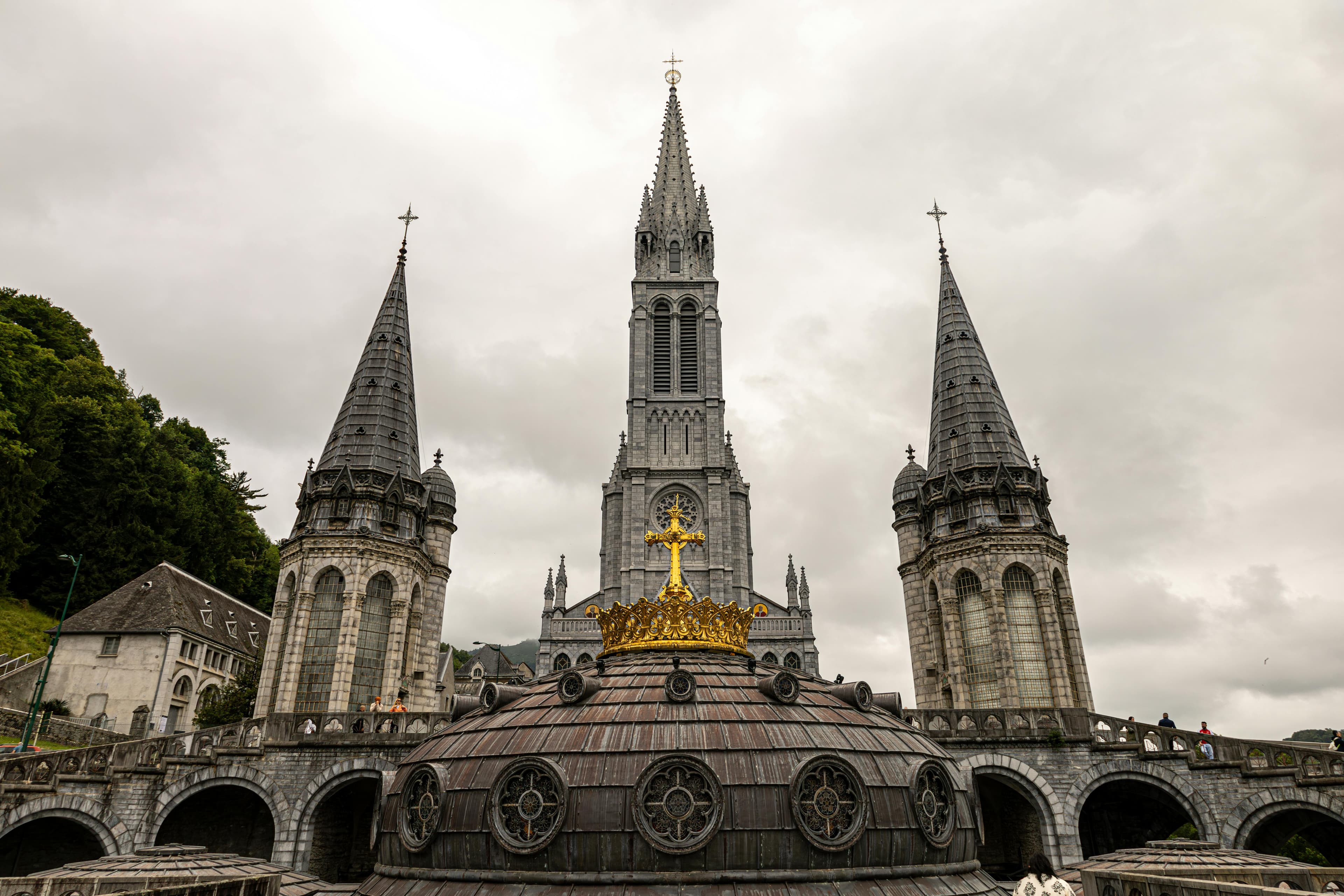
    Sanctuary of Our Lady of Lourdes

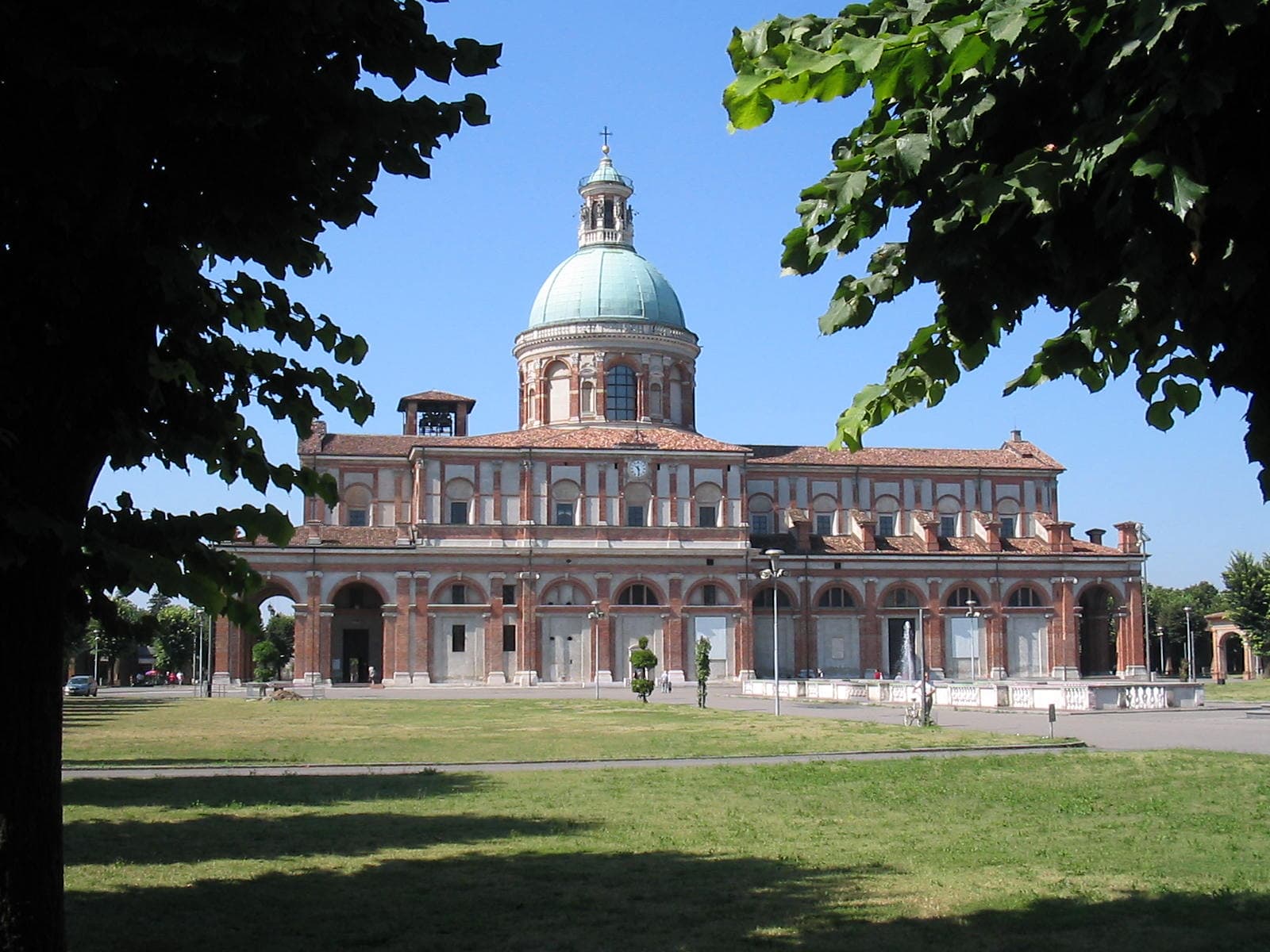
    The most-cited modern healing shrine. The Lourdes Medical Bureau has reviewed thousands of reported cures since 1858; the Catholic Church has formally recognised 70 as miraculous. Daily baths in the spring water remain at the centre of pilgrimage.

  2. 02

    Site 02 · Cova da Iria, Portugal

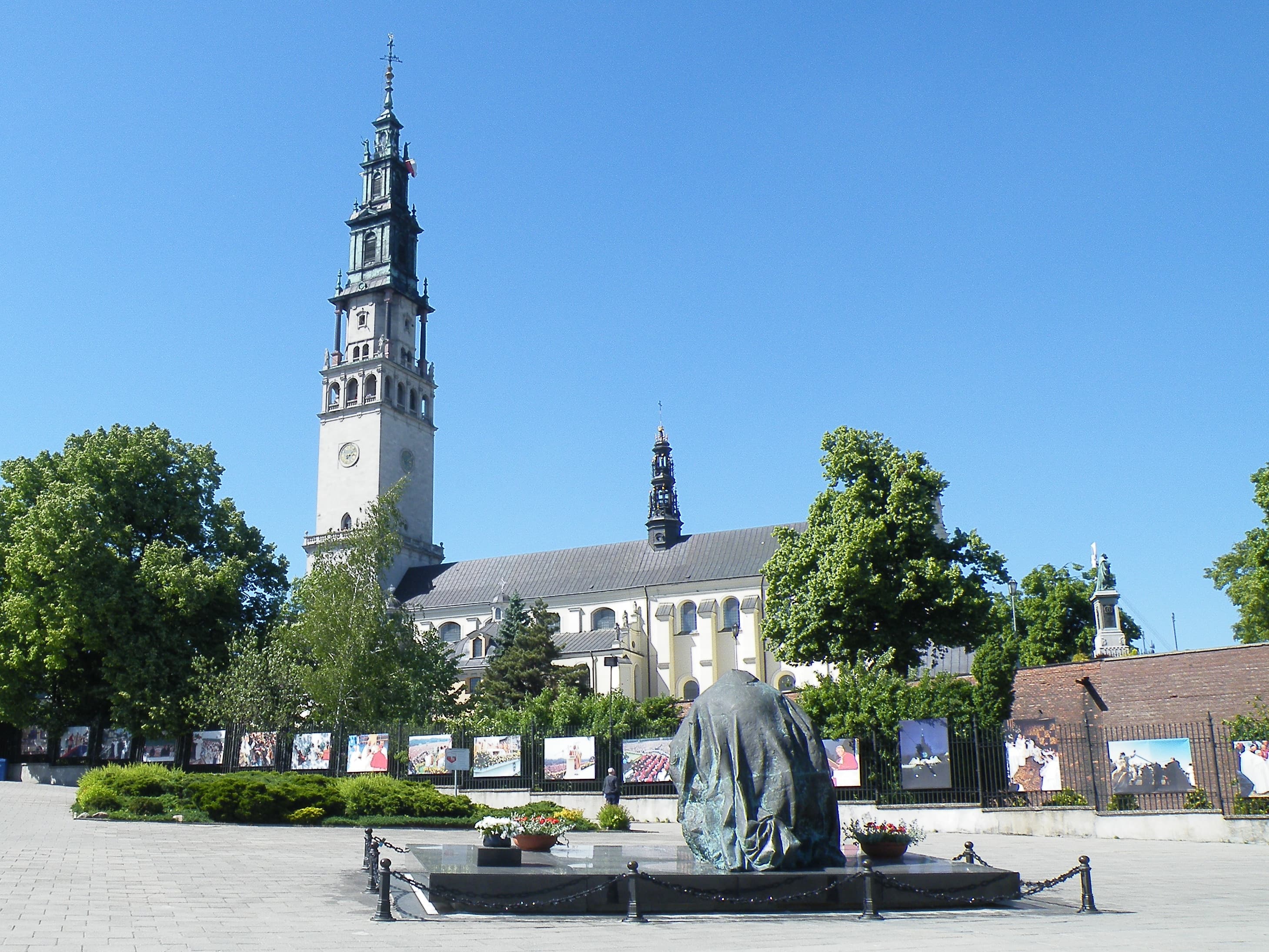
    Sanctuary of Fátima

    Pilgrims approach the Capelinha das Aparições on their knees, seeking healing of body, family, and conscience. The 1917 apparitions framed this as a place where Mary intercedes for an ailing world; cures have been documented but conservatively certified.

  3. 03

    Site 03 · Knock, County Mayo, Ireland

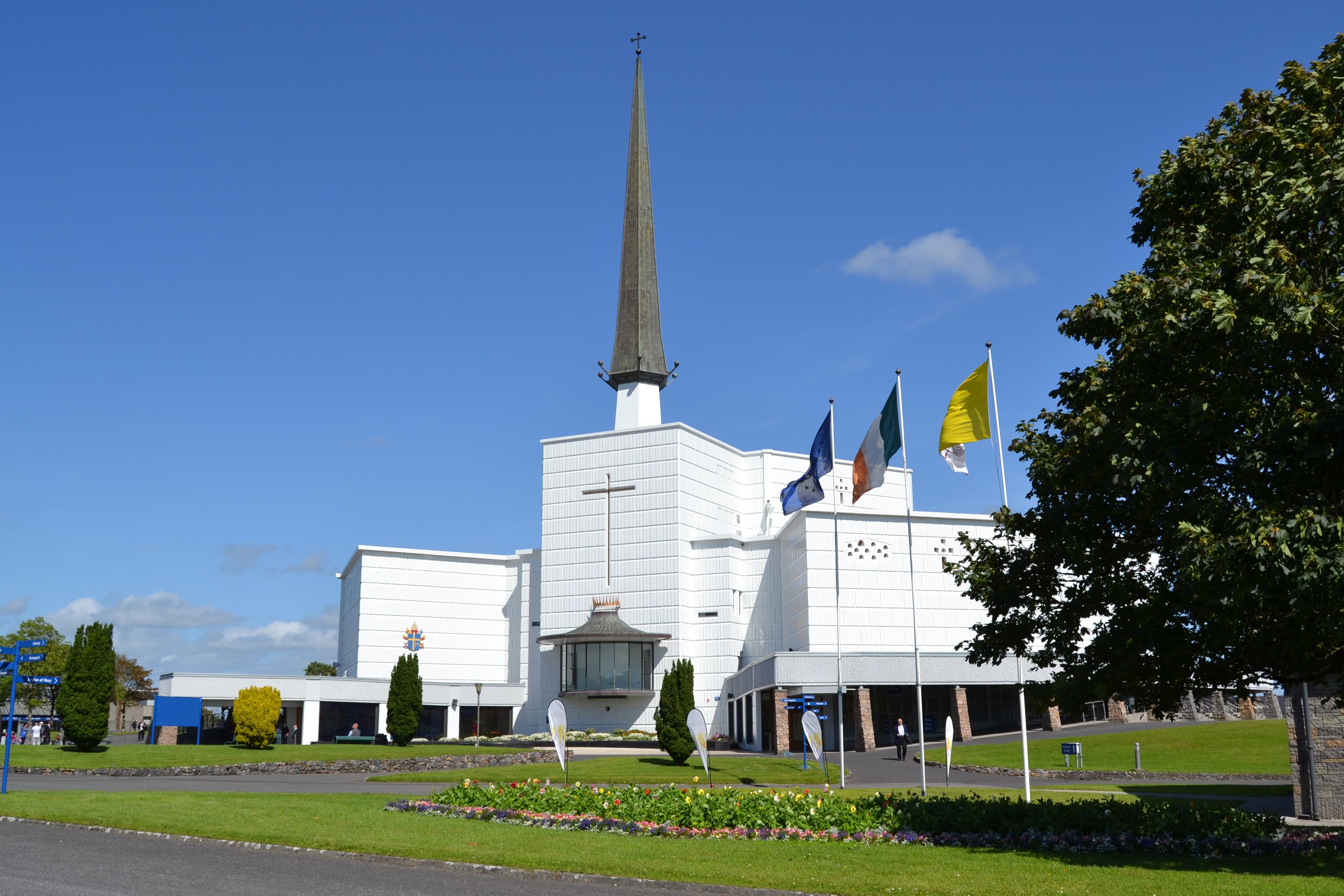
    Basilica of Our Lady of Knock

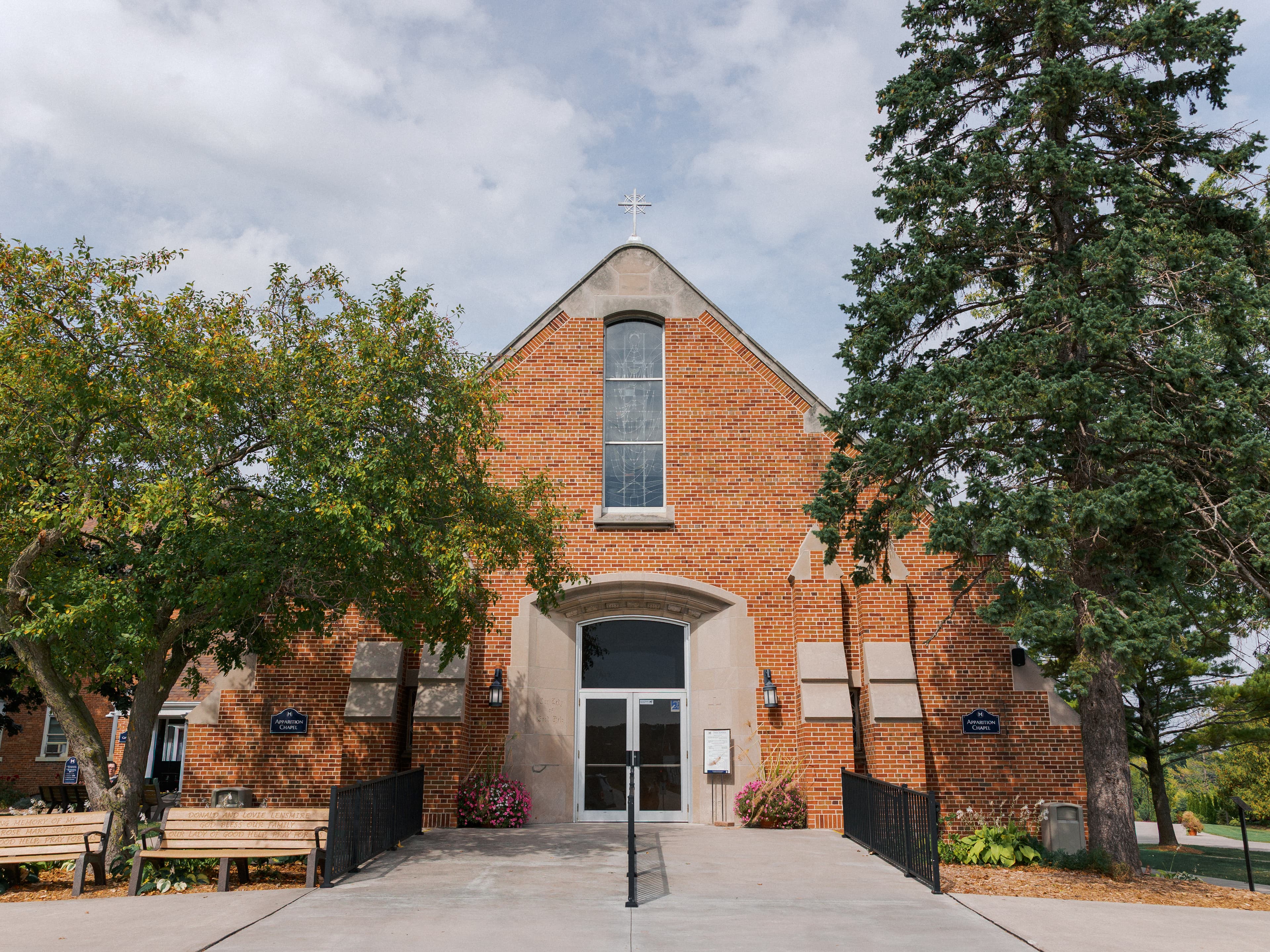
    The 1879 silent apparition at the gable wall transformed a small Irish village into a healing sanctuary. The Apparition Chapel and Holy Water font remain the focus for pilgrims praying for physical and emotional restoration.

  4. 04

    Site 04 · Mexico City, Mexico

    Basilica of Our Lady of Guadalupe

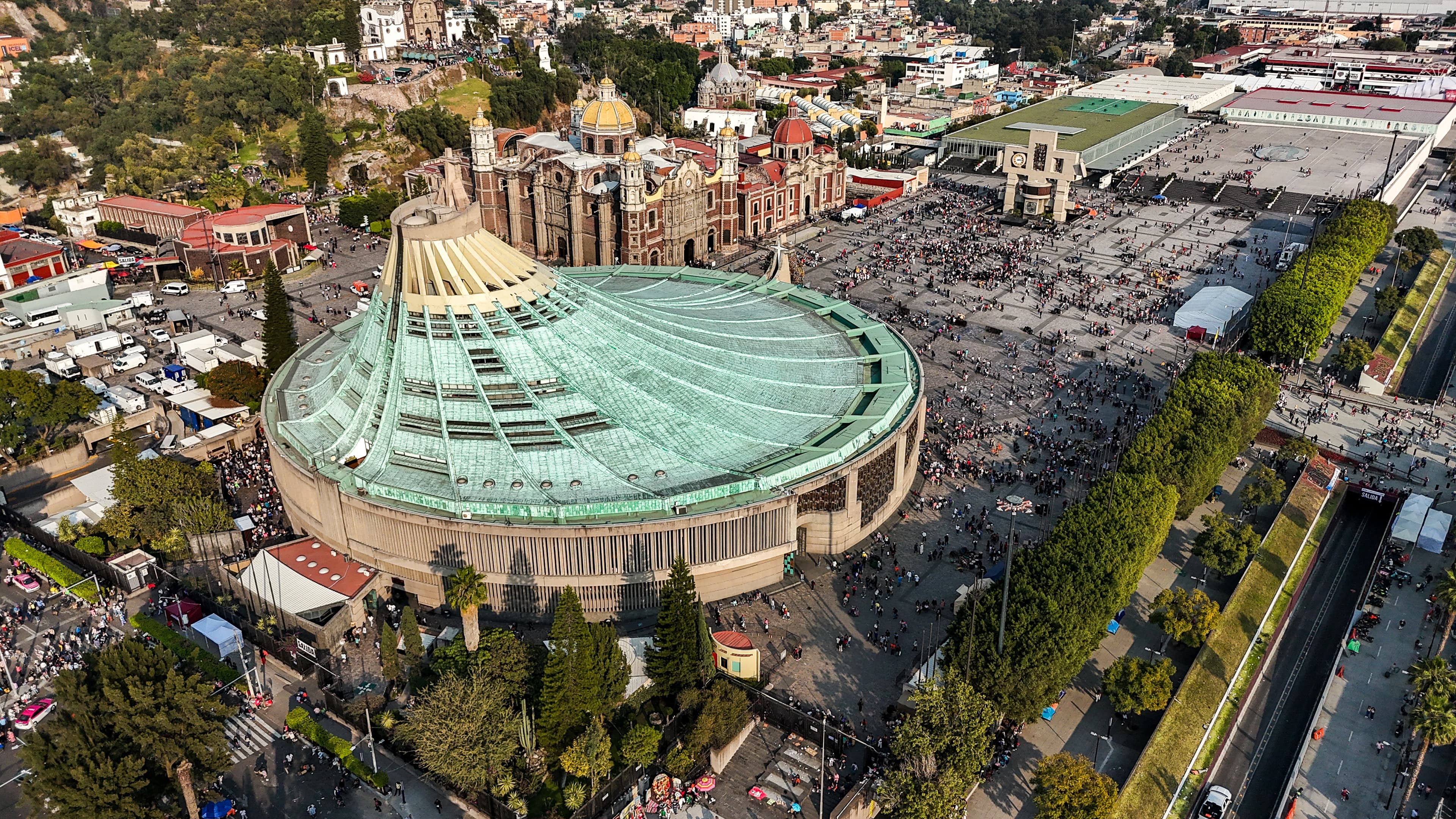
    The most-visited Marian shrine in the world. Juan Diego's tilma — the cloak imprinted with the image of the Virgin in 1531 — has been the focus of healing pilgrimages for nearly five centuries, drawing roughly 20 million visitors a year.

  5. 05

    Site 05 · Quebec, Canada

    Sainte-Anne-de-Beaupré Basilica

    Atlas entry pending

    A pilgrimage to the grandmother of Jesus that began in 1658, when a Breton sailor reportedly received healing after praying at the chapel. Crutches and braces hang from the columns, left by pilgrims who reported being cured.

  6. 06

    Site 06 · Montreal, Canada

    Saint Joseph's Oratory of Mount Royal

    Atlas entry pending

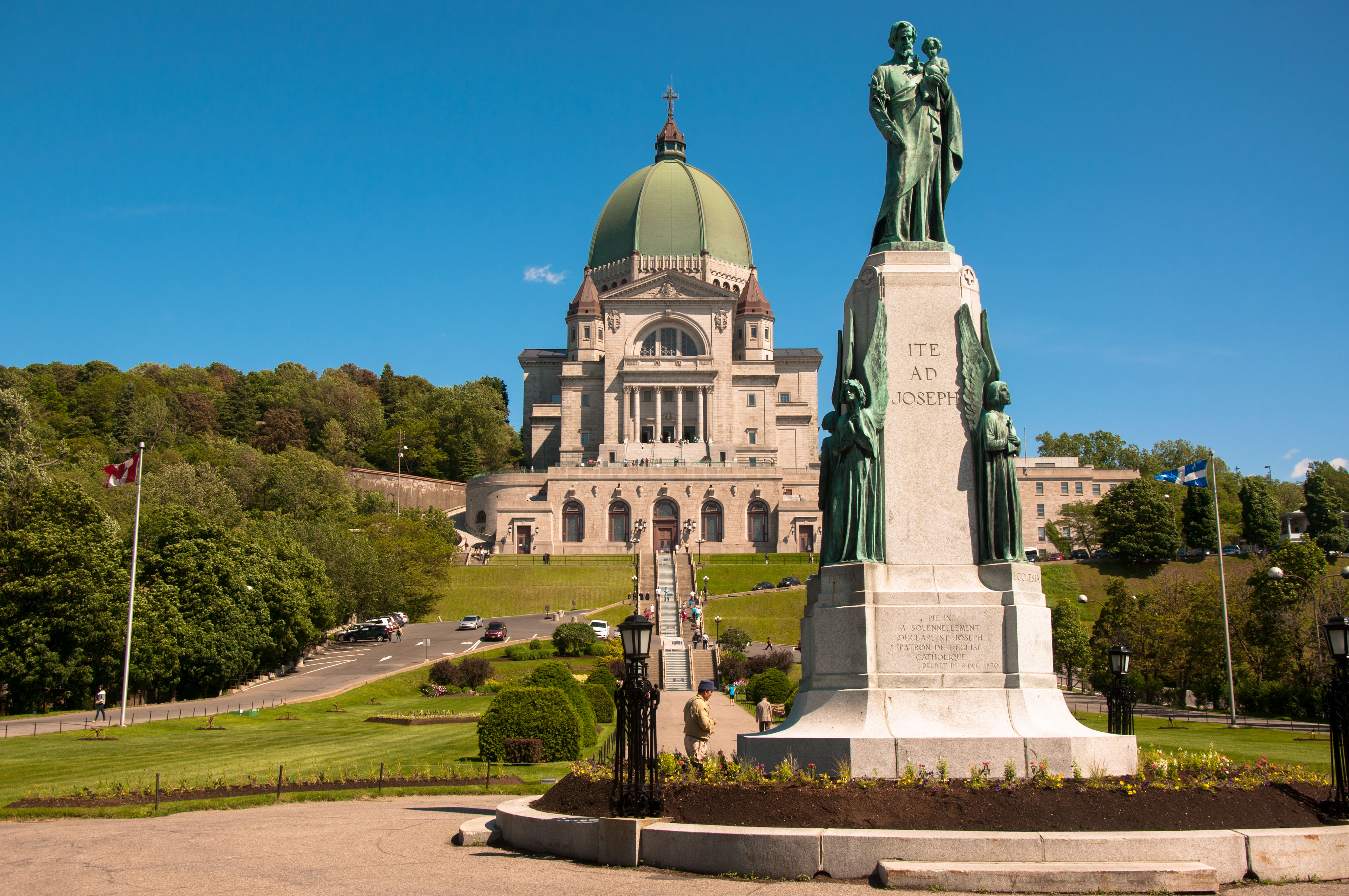
    Built around the small chapel of Brother André Bessette, who attributed thousands of cures to the intercession of Saint Joseph. The oratory's reliquary holds his preserved heart; ex-votos line the votive chapel.

  7. 07

    Site 07 · Holywell, Wales, United Kingdom

    St. Winefride's Well

    Often called the Lourdes of Wales. Pilgrims have bathed in the waters of this seventh-century holy well for over 1,300 years; it is one of the only major Catholic healing shrines in Britain that survived the Reformation in continuous use.

  8. 08

    Site 08 · Chalma, Mexico

    Sanctuary of the Lord of Chalma

    Mexico's second most-visited Christian shrine, layered over a pre-Hispanic cave-cult site. Pilgrims walk the ahuehuete-shaded approach, dance under the cypress, and bathe in the river — practices that braid Indigenous and Catholic healing traditions.

  9. 09

    Site 09 · Pettigo, County Donegal, Ireland

    Lough Derg — Saint Patrick's Purgatory

    An island pilgrimage of fasting, vigil, and barefoot prayer that has run for at least eight centuries. The healing here is not of the body but of conscience — what medieval pilgrims called the curing of the soul.

  10. 10

    Site 10 · Liscannor, County Clare, Ireland

    St. Brigid's Holy Well

    One of hundreds of holy wells in Ireland associated with Saint Brigid, herself layered onto an older Celtic goddess of healing and fire. Visitors leave clooties — strips of cloth tied to the surrounding trees — for healing intentions.

  11. 11

    Site 11 · Bath, England, United Kingdom

    Roman Baths of Aquae Sulis

    A Celtic-Roman healing sanctuary dedicated to Sulis-Minerva. Worshippers bathed in the thermal springs, threw curse-tablets into the sacred pool, and sought cures from the goddess; the site has been a continuous health pilgrimage for over two thousand years.

  12. 12

    Site 12 · Tinos, Greece

    Panagia Evangelistria of Tinos

    Often called the Lourdes of Greece — the foremost Marian shrine of the Greek Orthodox world. Pilgrims crawl up the long marble road from the harbour to pray before the 1823 Annunciation icon, unearthed after a nun's visions and credited with cures ever since. The August Dormition feast draws Greece's largest Marian pilgrimage.
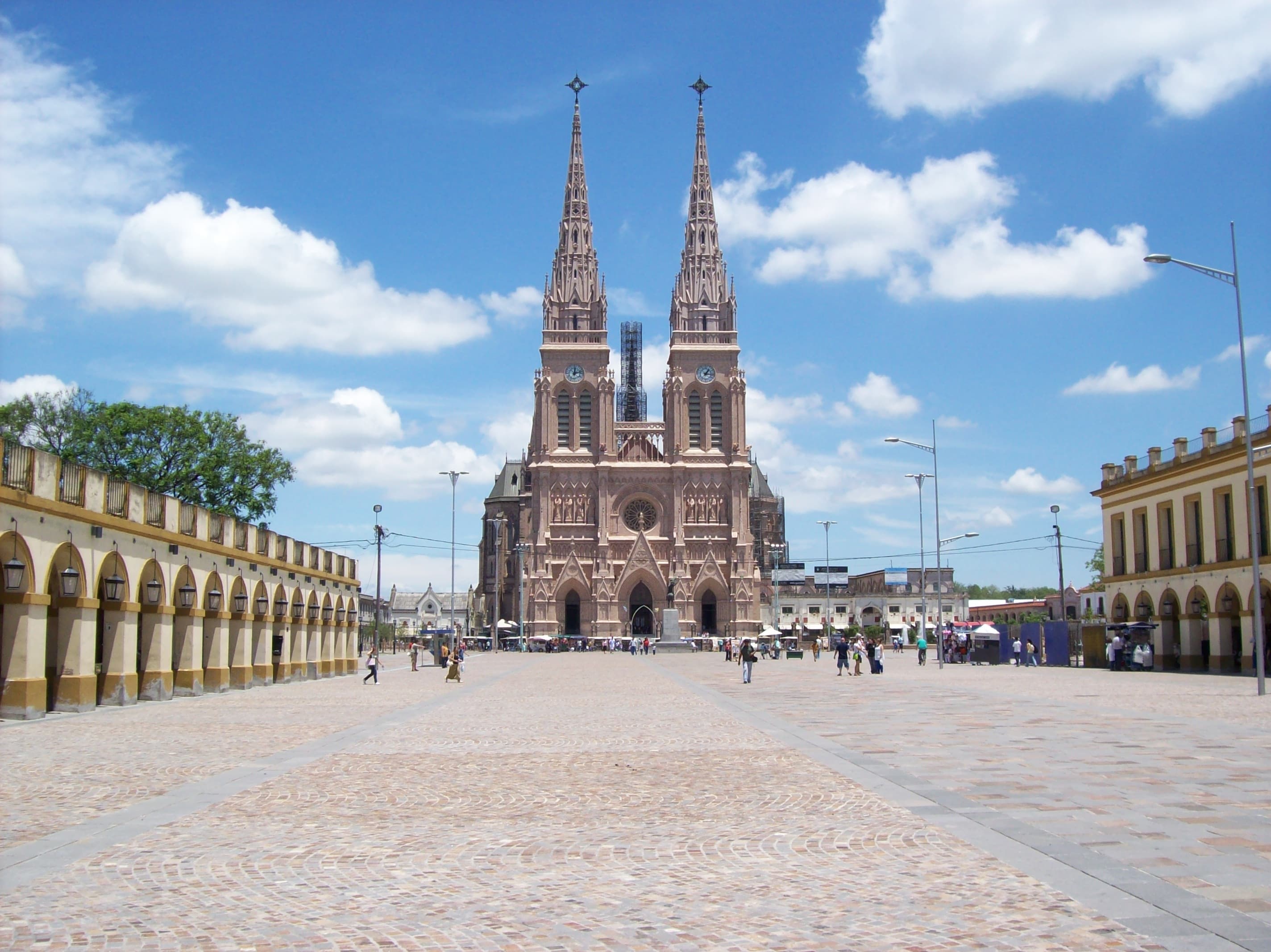
  13. 13

    Site 13 · Esquipulas, Guatemala

    Basilica of the Black Christ of Esquipulas

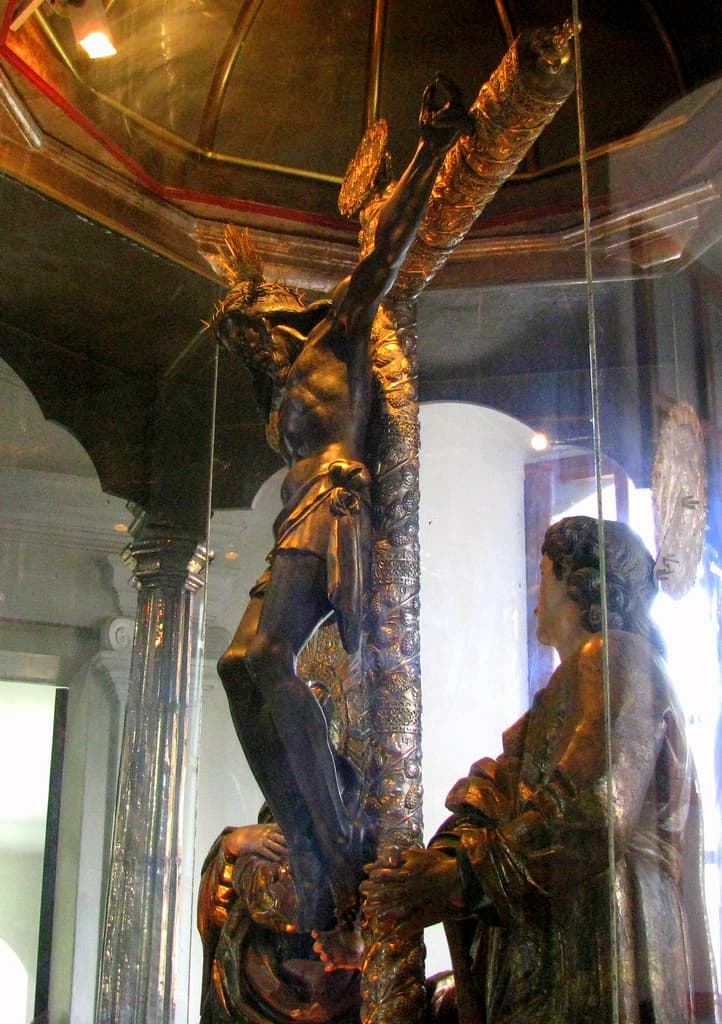
    The leading Catholic pilgrimage of Central America. A small dark wooden Christ carved by Quirio Cataño in 1594 has drawn centuries of healing testimony from across the region; roughly a million pilgrims arrive for the January feast, many eating the bendita earth pressed into clay tablets blessed at the shrine.

  14. 14

    Site 14 · Walsingham, Norfolk, England

    Shrine of Our Lady of Walsingham

    England's medieval Nazareth and foremost national healing shrine. A 1061 vision led the noblewoman Richeldis de Faverches to build a replica of the Holy House of Nazareth; destroyed in 1538 and revived in twin form — Anglican (1922) and Roman Catholic (1934) — pilgrims still walk the Holy Mile barefoot.

  15. 15

    Site 15 · Holywell, Flintshire, Wales

    St. Winefride's Well

    The 'Lourdes of Wales' — a continuously visited healing well in the town that grew around it. The 1115 Vita Sancte Wenefrede records the original martyrdom-and-resurrection legend that anchors the cult.

  16. 16

    Site 16 · Banneux, Belgium

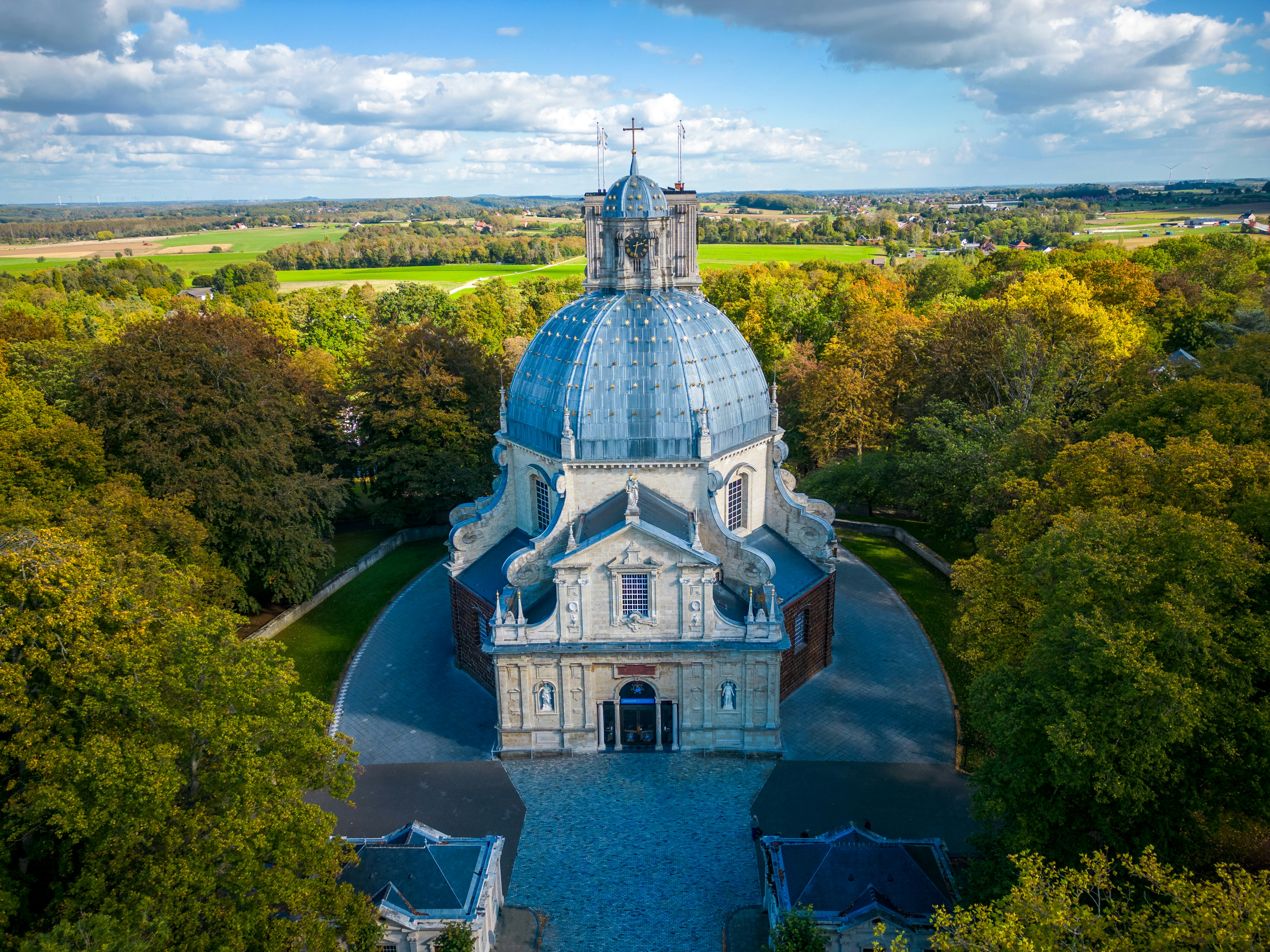
    Sanctuary of Our Lady of Banneux

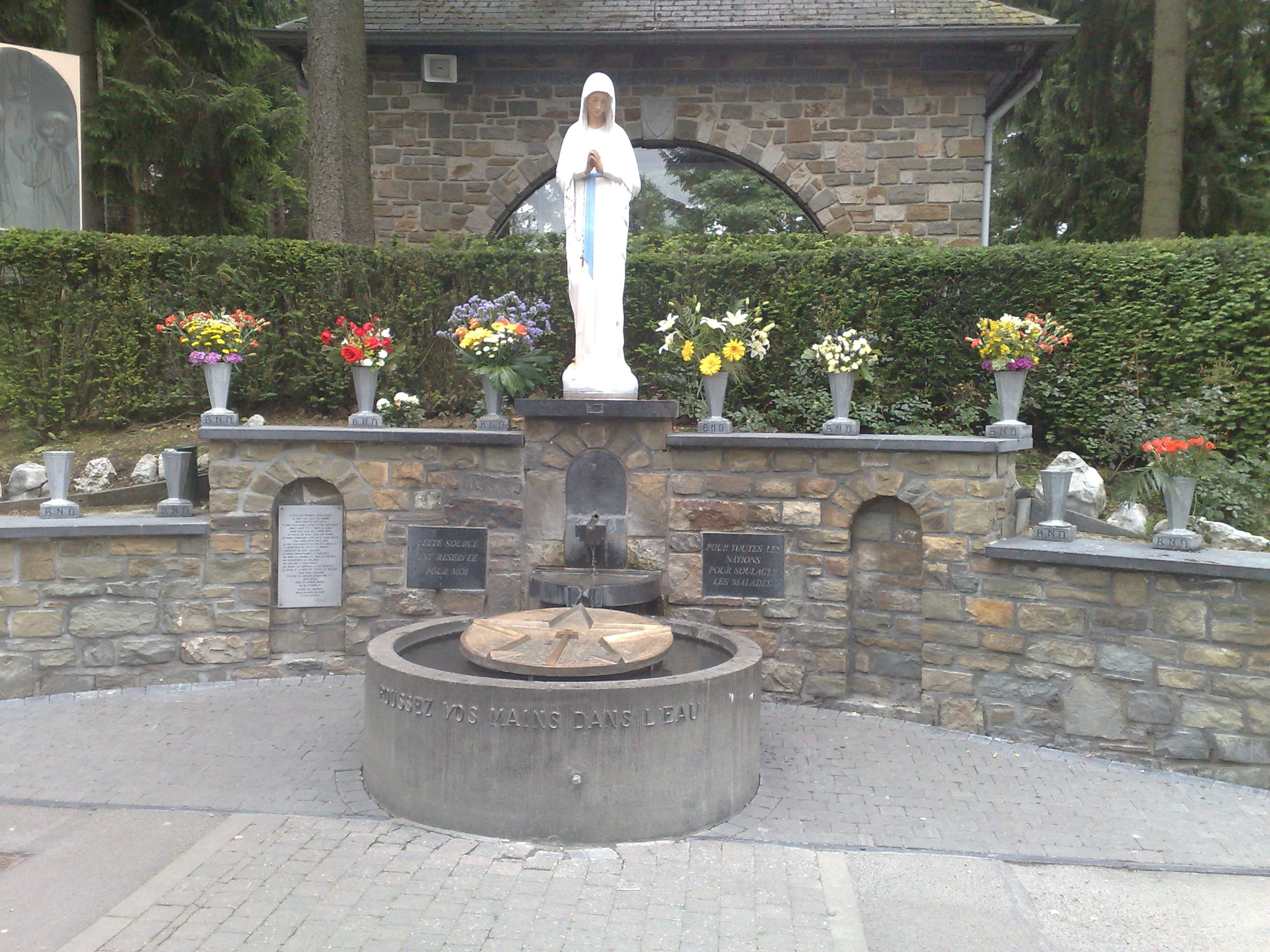
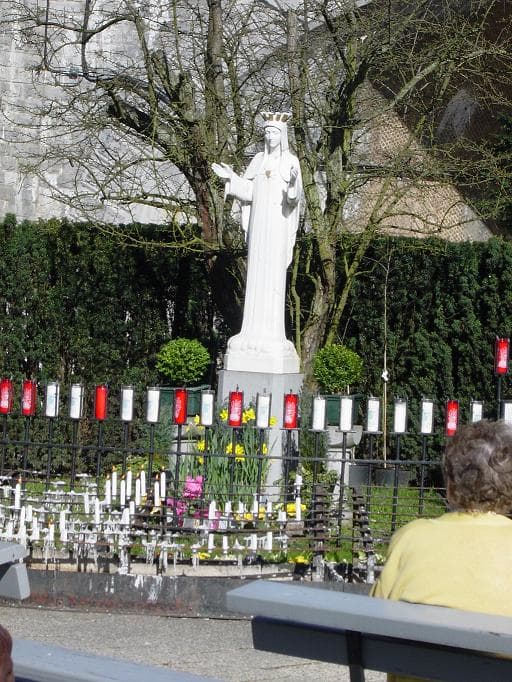
    A small Marian shrine in the Ardennes where the Virgin appeared eight times to eleven-year-old Mariette Beco in early 1933. Identifying herself as the Virgin of the Poor, she led the girl to a forest spring 'reserved for all the nations, for the sick.' Around 250,000 pilgrims a year still walk the short path to the water.

  17. 17

    Site 17 · Tampaksiring, Bali, Indonesia

    Pura Tirta Empul

    A Balinese Hindu purification temple founded in AD 962 around a spring rising through clean white sand. Pilgrims perform melukat — passing in strict order under thirty spouts of holy water — to cleanse physical, emotional, and karmic ailments. The ritual remains a living daily practice.

  18. 18

    Site 18 · Lalish, Iraq

    Lalish — Tomb of Sheikh Adi ibn Musafir

    The holiest place of Yazidism, a narrow wooded valley north of Mosul. Pilgrims walk barefoot past the conical fluted spires of Sheikh Adi's tomb, bathe in the sacred springs Kaniya Sipî and Zimzim, and tie silk knots in the inner chamber. Every Yazidi is expected to come at least once in their life.

  19. 19

    Site 19 · Argolis, Greece

    Sanctuary of Asklepios at Epidaurus

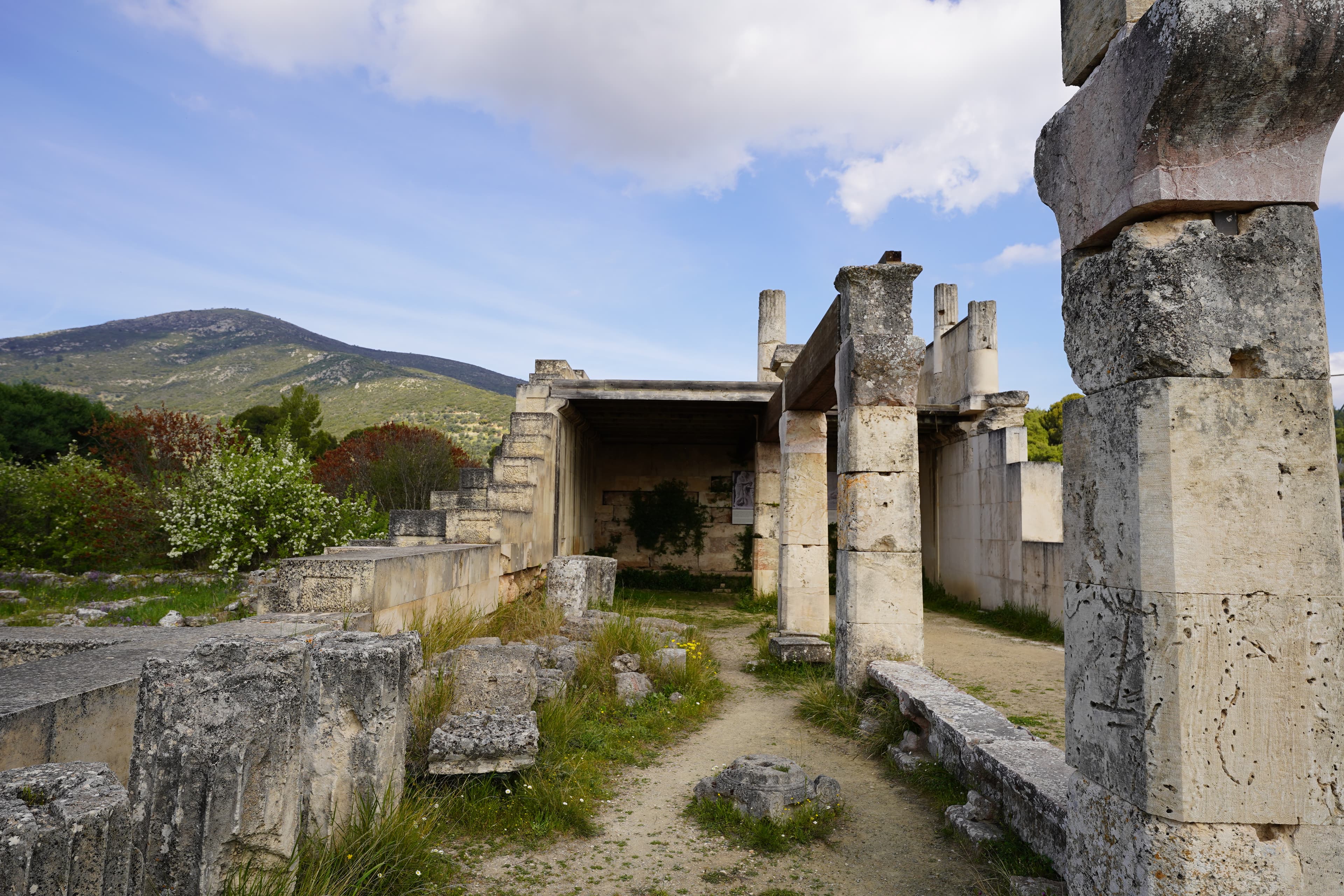
    The most famous classical healing temple. Pilgrims slept overnight in the abaton, dreaming a cure from the god Asklepios; over 70 healing inscriptions survive on stone, recording cases of paralysis, blindness, and chronic illness.

  20. 20

    Site 20 · Pamukkale, Türkiye

    Hierapolis — the Plutonion and thermal pools

    A Greco-Roman healing complex over carbonate hot springs. The Plutonion exhaled deadly CO₂ — the ancients' image of Pluto's gate to the underworld — while a few steps away the same waters healed. The Cleopatra Pool, with submerged Roman columns toppled by the 60 CE earthquake, still receives bathers today.

  21. 21

    Site 21 · Sainte-Anne-de-Beaupré, Quebec, Canada

    Sanctuaire Sainte-Anne-de-Beaupré

    North America's oldest pilgrimage site, on the Saint Lawrence shore. Pilgrimage began in 1658 after Breton mariners survived a storm; the labourer Louis Guimond reported the first healing while laying the chapel foundations. Twin pillars at the basilica entrance are hung floor to capital with crutches and prosthetics.

  22. 22

    Site 22 · Montreal, Quebec, Canada

    Saint Joseph's Oratory of Mount Royal

    The world's largest shrine to Saint Joseph, but its heart is a small votive chapel where thousands of crutches, canes, and braces line the walls. Brother André Bessette — a frail Holy Cross porter who anointed the sick with lamp oil and told them to ask Joseph for help — founded it in 1904 and was canonized in 2010.

Key questions

What pilgrims usually ask

What does Pilgrim Map mean by 'miraculous'?
We mean reports of cures that the sanctuary itself, or its tradition, regards as exceeding ordinary medical expectation — and that have been preserved in some form of record, whether the stone iamata of Epidauros, the Medical Bureau dossiers at Lourdes, the votive plaques at Sainte-Anne-de-Beaupré, or the oral testimonies at Tirta Empul and Lalish. We do not adjudicate the cures; we describe the places and how their traditions hold them.
How many cures have been formally recognised?
At Lourdes, the Catholic Church has formally declared 70 miraculous cures since 1858, drawn from more than 7,000 cases examined by the Lourdes Medical Bureau and the International Medical Committee of Lourdes (CMIL). Saint Joseph's Oratory in Montreal records thousands of unverified cures attributed to Brother André between 1904 and his death in 1937. The classical Asklepieia preserved hundreds of iamata; only fragments survive. Most sanctuaries do not maintain formal verification processes — the testimony is the record.
Is healing in non-Christian traditions different?
The mechanisms differ but the structure rhymes. Hindu pilgrims at Tirta Empul seek melukat — purification of mind and spirit at sacred springs — rather than declared cures. Yezidi pilgrims at Lalish wash in the White Spring and the Zamzam well as part of an embodied tradition older than Islam. The Roman Baths at Aquae Sulis combined Celtic and Roman water-cult, and pilgrims left curse tablets and votive offerings to the goddess Sulis-Minerva. Across traditions, the underlying practice is the same: bring the body to the place, follow the rite the place prescribes, and accept what follows.

Sources

Citations & further reading

The selections, dates, and traditions referenced on this page draw from the following sources. Where claims of healing, apparition, or relic provenance are made, we link to the institutional or scholarly source rather than presenting them as confirmed fact.

  1. [01]Constatations Médicales de Lourdes — Bureau Médical & Comité Médical Internationallourdes-france.org
  2. [02]Fátima Sanctuary — Apparitions and historyfatima.pt
  3. [03]Basilica of Our Lady of Knock — official historyknockshrine.ie
  4. [04]The Tilma of Juan Diego — research bibliographyBasilica de Guadalupe / virgendeguadalupe.org.mx
  5. [05]Sanctuaire Sainte-Anne-de-Beaupré — historiquesanctuairesainteanne.org
  6. [06]Saint Joseph's Oratory — Brother André and the curessaint-joseph.org
  7. [07]St. Winefride's Well — Cadw / Welsh Government heritage recordcadw.gov.wales
  8. [08]El Santuario del Señor de Chalma — INAH heritage recordMexicano del Patrimonio Cultural / mexicodesconocido.com.mx
  9. [09]St. Patrick's Purgatory, Lough Derg — officialloughderg.org
  10. [10]Holy wells of Ireland — Discovery Programme surveydiscoveryprogramme.ie
  11. [11]Aquae Sulis — Roman Baths archaeologyRoman Baths Museum / romanbaths.co.uk
  12. [12]Panagia of Tinos — Greek Orthodox historypanagiatinou.gr
  13. [13]Basilica of Esquipulas — official historyesquipulas.com.gt
  14. [14]Walsingham — England's Nazareth, historywalsinghamanglican.org.uk
  15. [15]Sanctuaire de Banneux Notre-Dame — apparitions and the springbanneux-nd.be
  16. [16]Pura Tirta Empul — UNESCO Cultural Landscape of Bali (subak)whc.unesco.org/en/list/1194
  17. [17]Lalish and the Yazidi tradition — Cambridge encyclopaedia of religionCambridge University Press
  18. [18]Sanctuary of Asklepios at Epidauros — UNESCO World Heritagewhc.unesco.org/en/list/491
  19. [19]Hierapolis-Pamukkale — UNESCO World Heritagewhc.unesco.org/en/list/485
  20. [20]Apparitions and miraculous cures: a comparative literature reviewCambridge University Press / Religion, Brain & Behavior