Tateyama
Tateyama — sacred traditions and public stories
Understand sacred places, explore living traditions, and learn how to engage respectfully with Pilgrim Map.
Access has not been verified. Check current local guidance before planning a visit.
Toyama, Japan
Read the sourcesVisit essentials
A quick read before you go
- Access
- Tateyama town and the Alpine Route operators publish current transport and seasonal access…
- Etiquette
- Follow shrine instructions and keep to designated paths.
Overview
Tateyama is a mountain group in Japan’s Northern Alps and a historic centre of mountain worship. Oyama, Onanji and Fujinooritate belong to the landscape covered here; the entry does not stand for one summit shrine alone.
Why this place is sacred
The Tateyama Museum explains a religious landscape in which volcanic terrain could evoke hell and elevated places the Pure Land. Pilgrimage, mandalas and the communities of Ashikuraji and Iwakuraji helped people interpret the mountain through death, judgment and renewal.
Experience and orientation
Follow shrine instructions and keep to designated paths.
Context and lineage
Tateyama town preserves the public foundation story of Saeki Ariyori. Following a white hawk into the mountains, he encounters and wounds a bear. Pursuing it to a cave, he discovers Amida bearing the arrow: the bear was a sacred manifestation, and the hawk is identified with Fudō. Ariyori receives religious instruction, takes the name Jikō and opens the mountain to religious practice.
This is the tradition’s account of a hunter becoming a religious founder, rather than a verified report of supernatural events.
Traditions and practice
Historic pilgrims encountered the mountain through lodgings, religious images and guided interpretation. Today the museum provides context for those traditions, while shrine worship continues within the mountain landscape. The modern Alpine Route is a transport system, not the historical pilgrimage in its entirety.
Buddhist mountain worship
ActiveThe Tateyama Museum explains a religious landscape in which volcanic terrain could evoke hell and elevated places the Pure Land. Pilgrimage, mandalas and the communities of Ashikuraji and Iwakuraji helped people interpret the mountain through death, judgment and renewal.
Perspectives and open questions
Tateyama Museum provides the principal cultural account used here. The visitor section identifies what still needs local confirmation.
Plan your visit
Access and arrival
Tateyama town and the Alpine Route operators publish current transport and seasonal access information. Confirm exact opening and closing dates for your intended year; they are not established by this cultural guide. Mountain weather can disrupt travel. No dependable mobile coverage or emergency response time was verified; obtain current safety advice before leaving transport-served areas.
Respectful visit
Follow shrine instructions and keep to designated paths. Do not collect plants or stones. Volcanic gas closures take precedence over older accounts of religious routes through Jigokudani.
Location
Map loads as you approach this section.
Pilgrim reflections
A portrait of encounter, not a score
Pilgrims describe what they felt, how present they could become, and whether the place would shape a journey. There are no stars and no ranking of traditions.
No reviewed reflections yet
The first pilgrims can help describe the character of being here.
Share a reflection
Available after an account-backed “Been there.” Every reflection is reviewed before publication.
Nearby sacred places
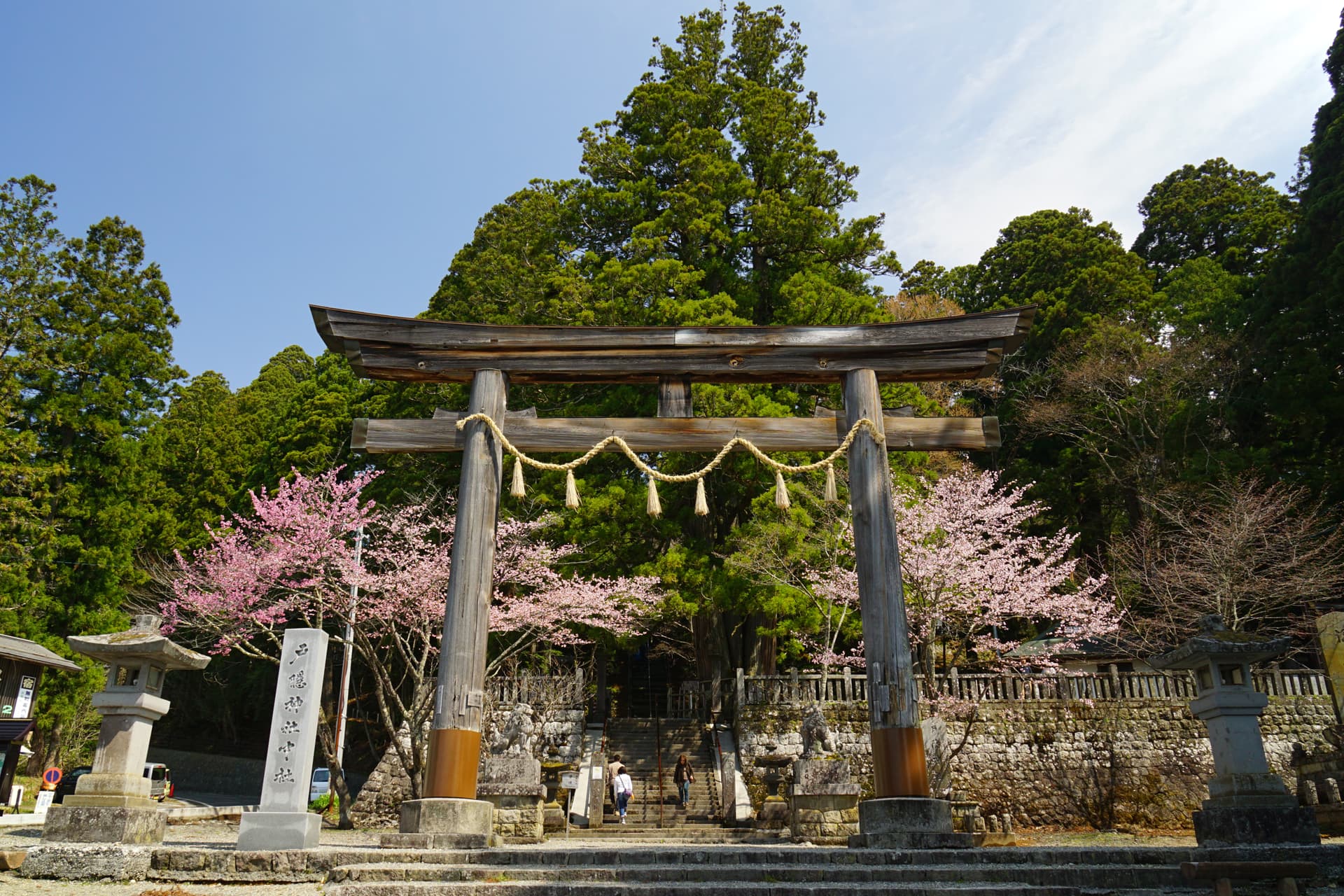
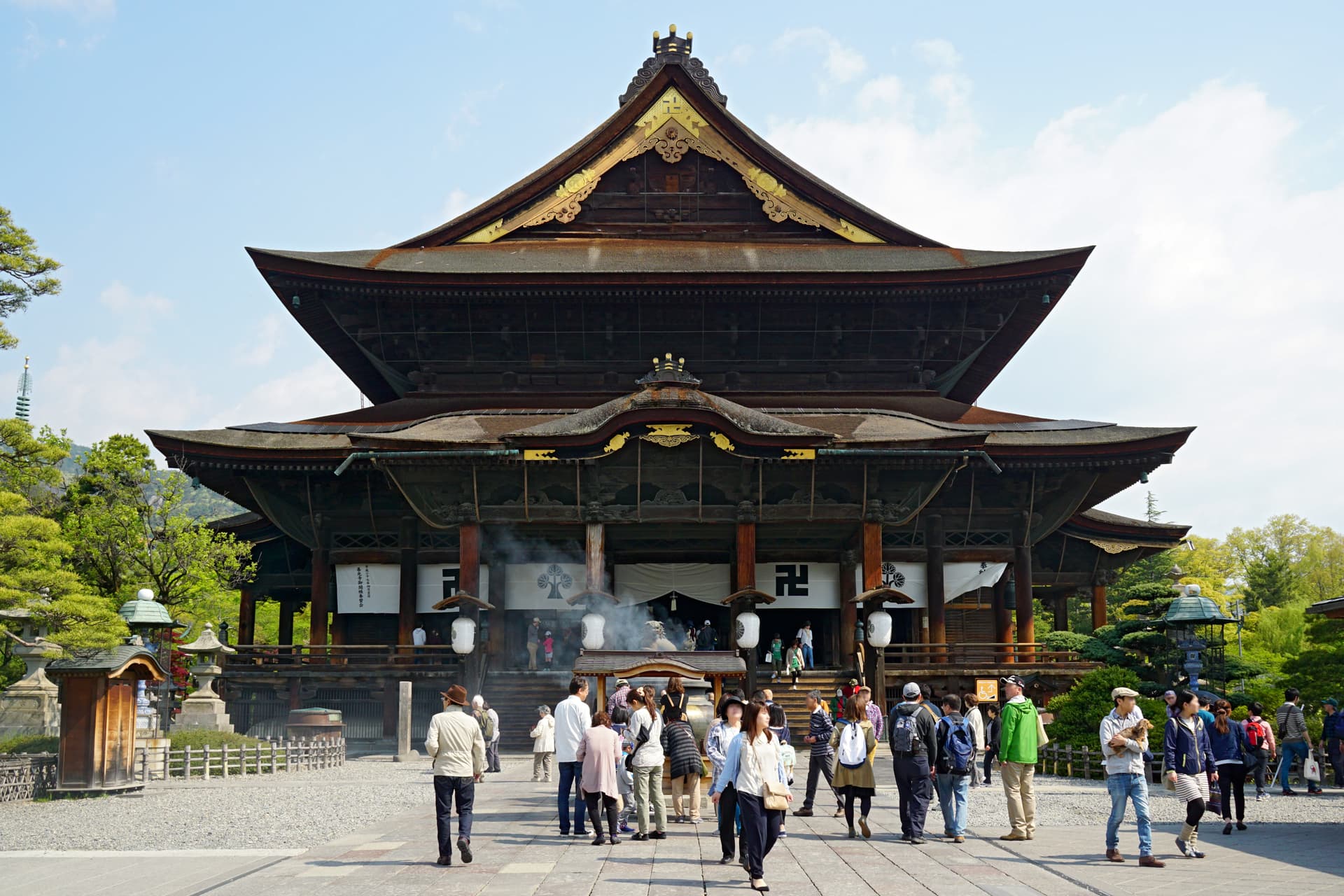
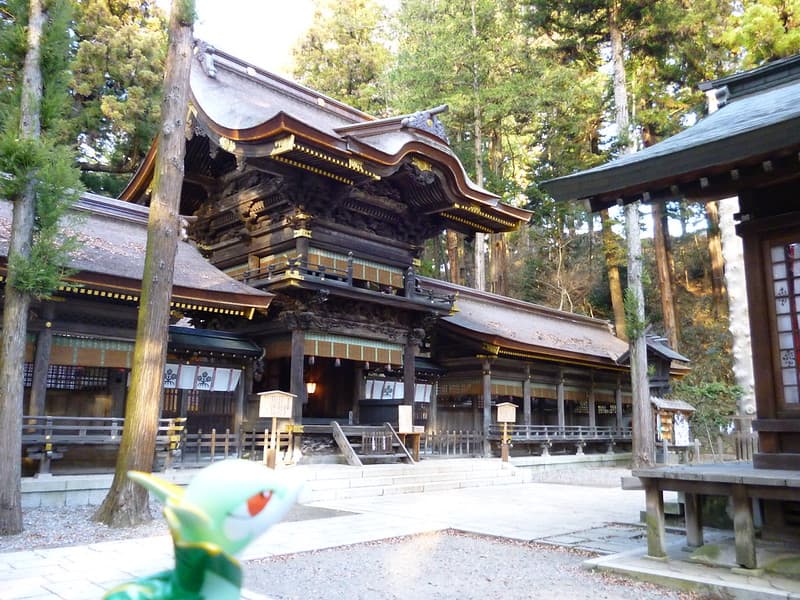
Explore other sacred places in the region. Proximity does not establish access or travel time; check each place’s guidance.

References
Sources consulted for this page. Source categories describe the publication, not a guarantee that every claim is verified. Traditional accounts and outside interpretations may differ.
- 01Culture and history — Tateyama MuseumSource contextSupports: lead, sacred, practice. Scope and attribution are preserved in the claim map.
- 02Tateyama foundation tradition — Tateyama TownofficialSupports: story. Scope and attribution are preserved in the claim map.
- 03Rules and etiquette — Tateyama KurobeSource contextSupports: boundary, access. Scope and attribution are preserved in the claim map.
- 04Volcanic hazard map — Tateyama TownofficialSupports: boundary, access. Scope and attribution are preserved in the claim map.
- 05Geographic identity cross-check — Wikidata / Wikipedia geographic referenceSource contextCoordinate and identity cross-check only. Not evidence of religious status or access rights.
Pilgrim glossary
- Pure Land
- A Buddhist tradition focused on rebirth in Amida Buddha's western paradise through devotional practice.
Share a photo
Help visitors recognize Tateyama. Every submission is reviewed before publication.