Pilgrimage · Japan · Shikoku

Shikoku 88 Temple Pilgrimage

四国八十八ヶ所霊場

Eighty-eight temples around an island, a circuit walked beside Kūkai across thirteen centuries.

Stations
88 of 88
Distance
1,200 km
Traditional duration
30–60 days on foot; widely walked in segments over many years
Founded
Traditionally 9th century (Kūkai); formal 88-temple sequence fixed in the Edo period
Focus
Kūkai (Kōbō Daishi) — the unseen companion of every henro
Best season
March through May; September through November

Key questions

What is Shikoku 88 Temple Pilgrimage?
Shikoku 88 Temple Pilgrimage is a Buddhism pilgrimage route in Japan, Shikoku. Eighty-eight temples around an island, a circuit walked beside Kūkai across thirteen centuries
How many stations are on Shikoku 88 Temple Pilgrimage?
This guide currently maps 88 stations, with 88 total sites noted in the route metadata.
When is the best time to walk Shikoku 88 Temple Pilgrimage?
March through May; September through November

Opening

The Shikoku circuit traces the perimeter of Japan's smallest main island — twelve hundred kilometers of road, mountain pass, river crossing, and seacoast linking eighty-eight temples to Kūkai, the Heian-period priest known after his death as Kōbō Daishi. The route does not begin or end where the founder's body rests on Mount Kōya in Wakayama; it begins at Ryōzen-ji in Tokushima, on the eastern flank of the island, and circles clockwise through Kōchi, Ehime, and Kagawa before returning. Most who walk it walk alone, but no Shikoku pilgrim is held to be walking by themselves. The phrase carved on every henro's wooden staff — dōgyō ninin, 'two walking together' — names the unseen companion: Kūkai, present in the staff itself, walking beside you the whole way.

Origins

Kūkai was born in 774 in what is now Kagawa, on the northern coast of Shikoku, and as a young man wandered the island's mountains and shores in ascetic practice before traveling to Tang-dynasty China and returning with what would become the Shingon school of esoteric Buddhism. Tradition holds that he founded the eighty-eight stations himself, designing the circuit to pass through eighty-eight afflictions enumerated in Buddhist teaching. Historically the route's earliest documented form dates to the medieval period, and the canonical eighty-eight-temple sequence we know today was fixed in the Edo period (17th–19th centuries), when guidebooks and stamp books made the pilgrimage accessible to lay walkers. The figure of Emon Saburō appears in the foundational legend: a wealthy farmer who refused alms to a wandering monk — Kūkai in disguise — and afterward lost all eight of his children to misfortune. He set out around the island in pursuit of the monk, dying on his twenty-first attempt at the mountain temple of Shōzan-ji (#12), where Kūkai met him at last. Pilgrims still leave name slips at Shōzan-ji's gate marked for Emon Saburō, the first henro.

Why pilgrims walk it

People walk Shikoku for almost every reason there is — to recover from a death, to mark a retirement, to ask for healing, to fulfill a vow made at a hospital bed, to atone for something, to find work, to find quiet. The pilgrimage holds practitioners and atheists alike: scholars who came for the cultural history and stayed three weeks past their planned return; unemployed twentysomethings sleeping in temple alms-shelters and walking with what they carry; middle-aged women in wide hats moving in pairs of two and three; bus tours descending in groups of fifty for an hour at each temple. The shared logic across these reasons is the figure of Kūkai. To walk Shikoku is to put oneself within the orbit of a man who has been read in Japan for thirteen centuries as the one who gives shelter to the lost. The osettai tradition — the practice by which residents of the island offer pilgrims tea, fruit, lodging, money, prayer, sometimes simply a chair to sit on — is itself a way the islanders give to Kūkai in the form of those who walk with him. Refusing osettai is considered impolite; the giver, by long convention, is making merit too.

Significance

Shikoku is the longer and more demanding sibling of the Kannon circuits, and where Bandō and Saigoku run along the inhabited spine of central Honshu, Shikoku takes its pilgrims through a landscape that remains, after twelve hundred years, largely rural. The path crosses several long mountain stretches — including the climbs to Yokomine-ji and Unpen-ji — and sections of seacoast along Cape Muroto and Cape Ashizuri where the route runs for tens of kilometers without a temple. The pilgrimage is the foundational reference point for almost every other Buddhist circuit in Japan: the white hakui coat, the kongō-zue staff, the stamp book, the sedge hat, the practice of leaving osamefuda name-slips in the offering box — all originate or were standardized here. A walker who completes Shikoku has, by tradition, settled an account; pilgrims often go on to climb Mount Kōya at the end to thank Kūkai at his okunoin (inner sanctum), where he is held to be in eternal meditation rather than dead. In recent decades the pilgrimage has become quietly international: walkers from Korea, France, Australia, Brazil, and the United States now make up a small but visible share of the henro on the road in any given season.

The route

88 stations on the map

Click any marker to open that station. Numbered pins follow the traditional route order.

Stations

Walk the route in order

Each station opens onto its own page — origins, the experience of arrival, what is held there. Stations not yet on Pilgrim Map will appear here as their pages are completed.

  1. 1

    Station 1

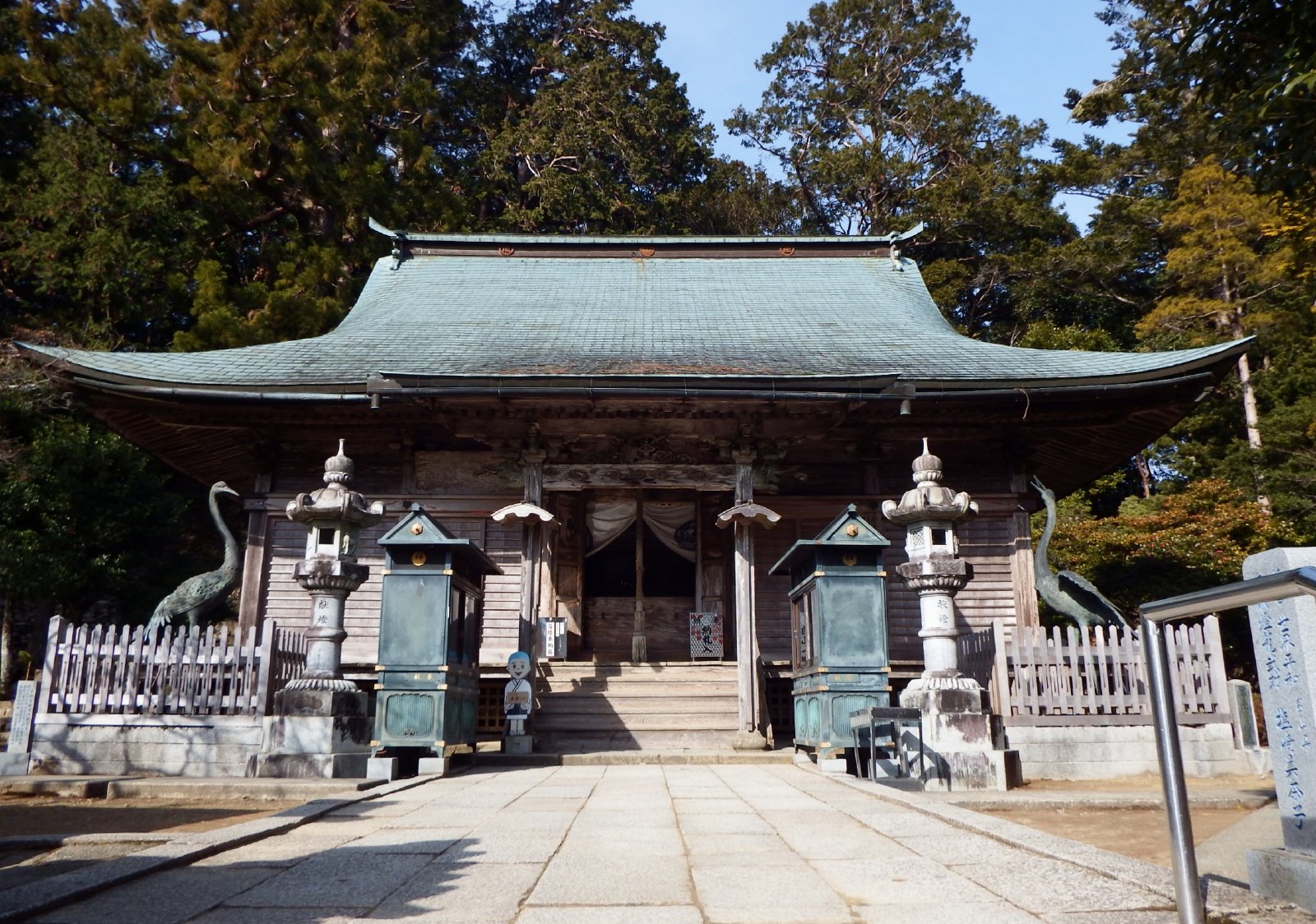
    Ryōzen-ji (霊山寺)

    Naruto, Naruto, Tokushima

    Ryōzen-ji (霊山寺) in Naruto, Naruto, Tokushima, Japan.

  2. 2

    Station 2

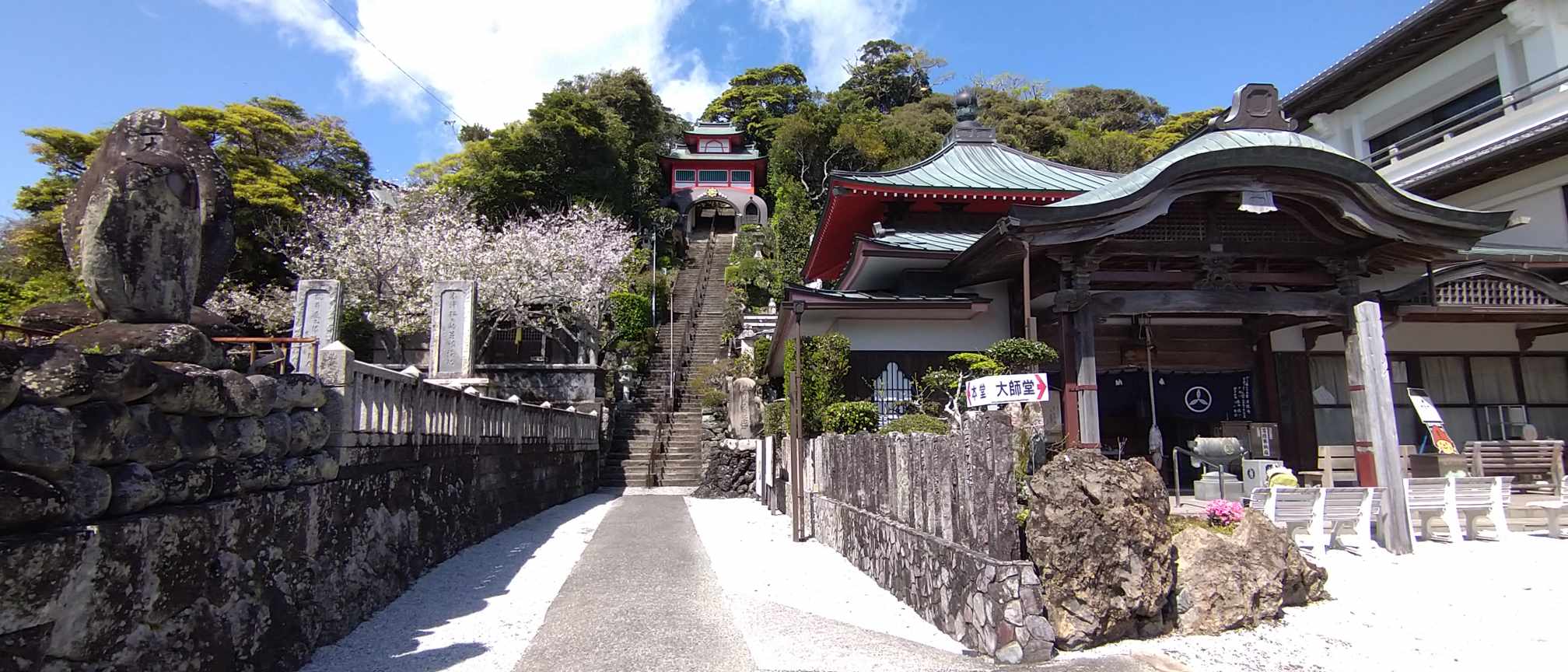
    Gokuraku-ji (極楽寺)

    Naruto, Naruto, Tokushima

    Gokuraku-ji (極楽寺) in Naruto, Naruto, Tokushima, Japan.

  3. 3

    Station 3

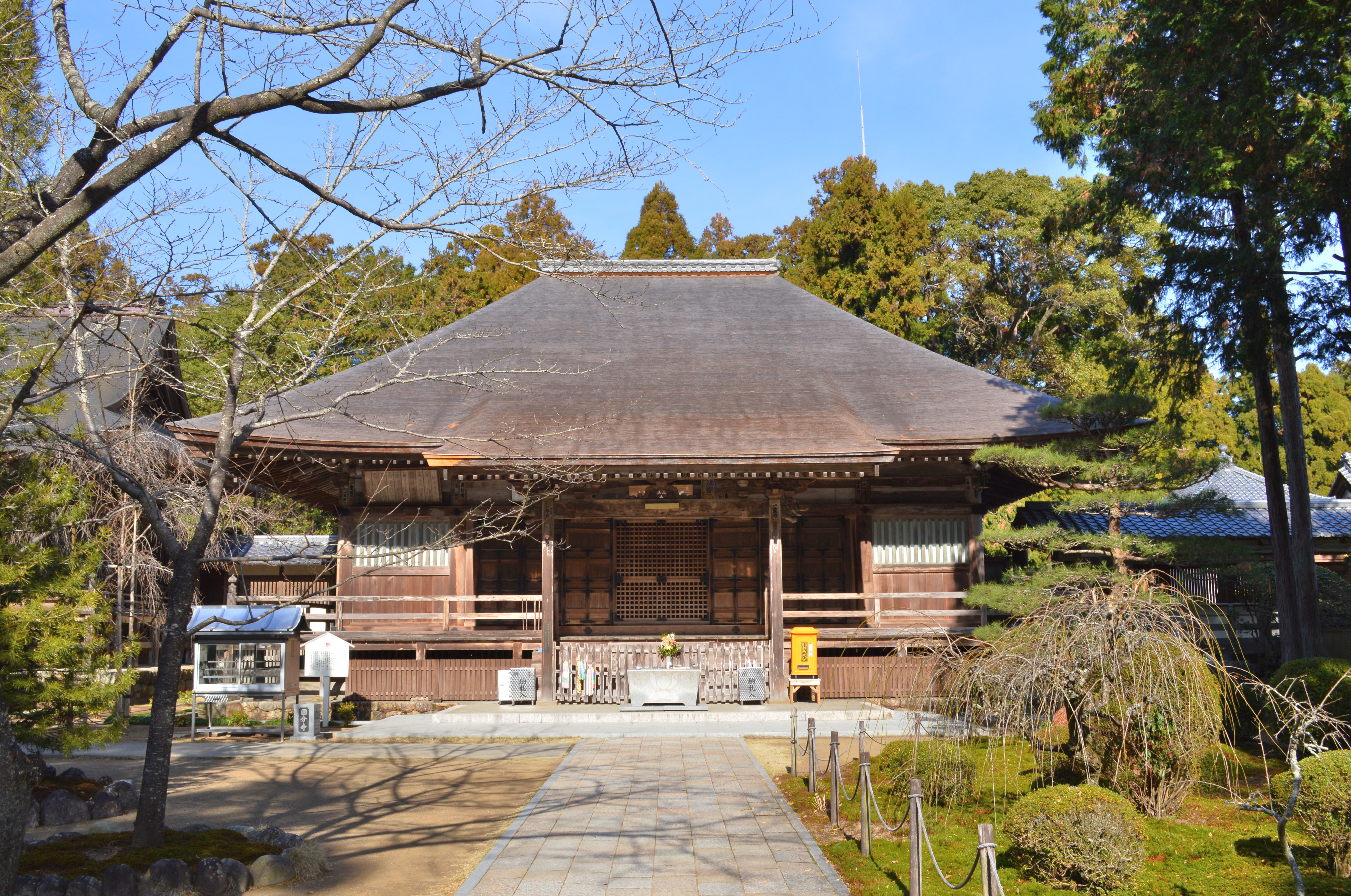
    Konsen-ji (金泉寺)

    Itano, Itano, Tokushima

    Konsen-ji (金泉寺) in Itano, Itano, Tokushima, Japan.

  4. 4

    Station 4

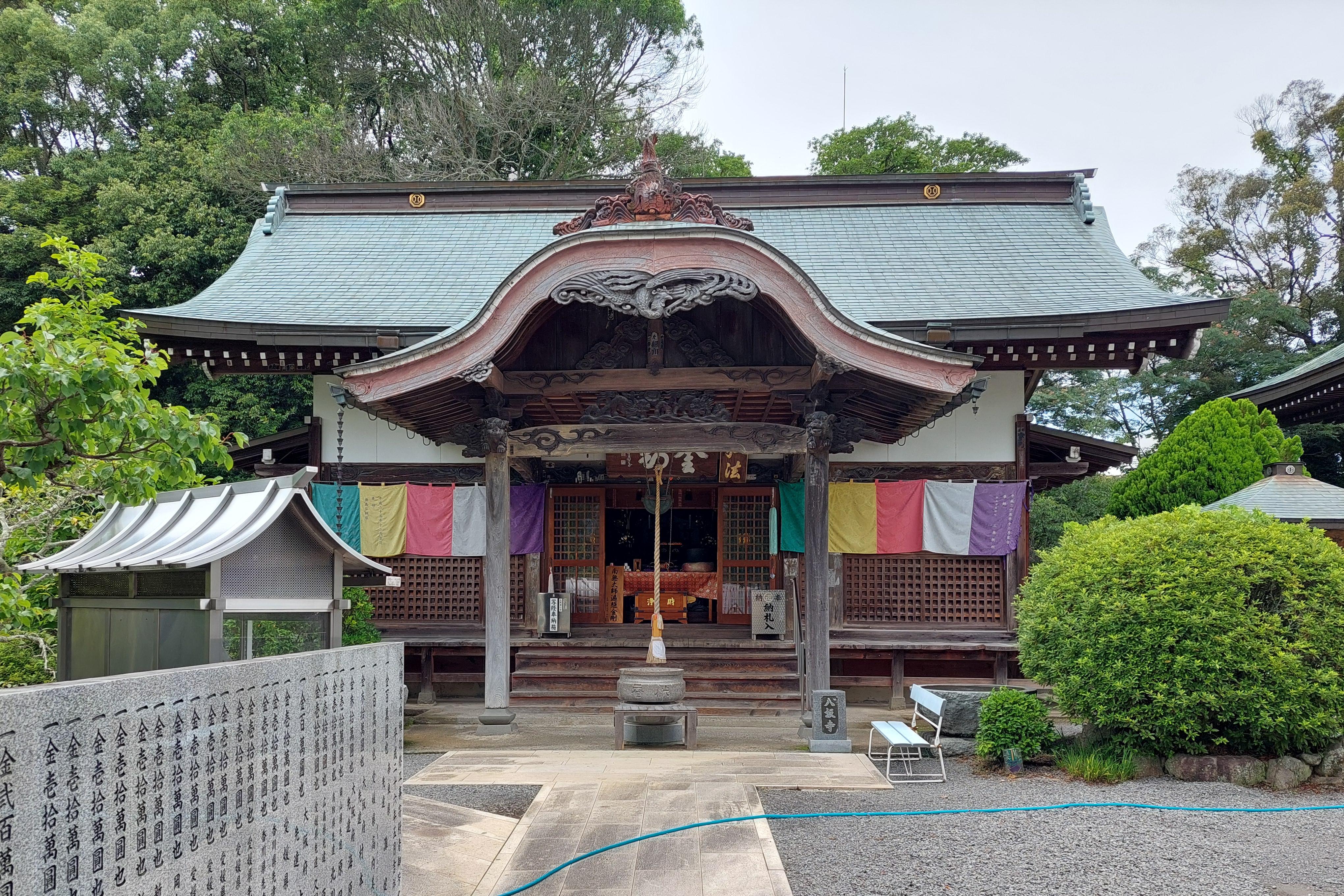
    Dainichi-ji (大日寺)

    Itano, Itano, Tokushima

    Dainichi-ji (大日寺) in Itano, Itano, Tokushima, Japan.

  5. 5

    Station 5

    Jizō-ji (地蔵寺)

    Itano, Itano, Tokushima

    Jizō-ji (地蔵寺) in Itano, Itano, Tokushima, Japan.

  6. 6

    Station 6

    Anraku-ji (安楽寺)

    Kamiita, Kamiita, Tokushima

    Anraku-ji (安楽寺) in Kamiita, Kamiita, Tokushima, Japan.

  7. 7

    Station 7

    Jūraku-ji (十楽寺)

    Awa, Awa, Tokushima

    Jūraku-ji (十楽寺) in Awa, Awa, Tokushima, Japan.

  8. 8

    Station 8

    Kumadani-ji (熊谷寺)

    Awa, Awa, Tokushima

    Kumadani-ji (熊谷寺) in Awa, Awa, Tokushima, Japan.

  9. 9

    Station 9

    Hōrin-ji (法輪寺)

    Awa, Awa, Tokushima

    Hōrin-ji (法輪寺) in Awa, Awa, Tokushima, Japan.

  10. 10

    Station 10

    Kirihata-ji (切幡寺)

    Awa, Awa, Tokushima

    Kirihata-ji (切幡寺) in Awa, Awa, Tokushima, Japan.

  11. 11

    Station 11

    Fujii-dera (藤井寺)

    Yoshinogawa, Yoshinogawa, Tokushima

    Fujii-dera (藤井寺) in Yoshinogawa, Yoshinogawa, Tokushima, Japan.

  12. 12

    Station 12

    Shōsan-ji (焼山寺)

    Kamiyama, Kamiyama, Tokushima

    Shōsan-ji (焼山寺) in Kamiyama, Kamiyama, Tokushima, Japan.

  13. 13

    Station 13

    Dainichi-ji (大日寺)

    Tokushima, Tokushima, Tokushima

    Dainichi-ji (大日寺) in Tokushima, Tokushima, Tokushima, Japan.

  14. 14

    Station 14

    Jōraku-ji (常楽寺)

    Tokushima, Tokushima, Tokushima

    Jōraku-ji (常楽寺) in Tokushima, Tokushima, Tokushima, Japan.

  15. 15

    Station 15

    Awa Kokubun-ji (阿波国分寺)

    Tokushima, Tokushima, Tokushima

    Awa Kokubun-ji (阿波国分寺) in Tokushima, Tokushima, Tokushima, Japan.

  16. 16

    Station 16

    Kannon-ji (観音寺)

    Tokushima, Tokushima, Tokushima

    Kannon-ji (観音寺) in Tokushima, Tokushima, Tokushima, Japan.

  17. 17

    Station 17

    Ido-ji (井戸寺)

    Tokushima, Tokushima, Tokushima

    Ido-ji (井戸寺) in Tokushima, Tokushima, Tokushima, Japan.

  18. 18

    Station 18

    Onzan-ji (恩山寺)

    Komatsushima, Komatsushima, Tokushima

    Onzan-ji (恩山寺) in Komatsushima, Komatsushima, Tokushima, Japan.

  19. 19

    Station 19

    Tatsue-ji (立江寺)

    Komatsushima, Komatsushima, Tokushima

    Tatsue-ji (立江寺) in Komatsushima, Komatsushima, Tokushima, Japan.

  20. 20

    Station 20

    Kakurin-ji (鶴林寺)

    Katsuura, Katsuura, Tokushima

    Kakurin-ji (鶴林寺) in Katsuura, Katsuura, Tokushima, Japan.

  21. 21

    Station 21

    Tairyū-ji (太龍寺)

    Anan, Anan, Tokushima

    Tairyū-ji (太龍寺) in Anan, Anan, Tokushima, Japan.

  22. 22

    Station 22

    Byōdō-ji (平等寺)

    Anan, Anan, Tokushima

    Byōdō-ji (平等寺) in Anan, Anan, Tokushima, Japan.

  23. 23

    Station 23

    Yakuō-ji (薬王寺)

    Minami, Minami, Tokushima

    Yakuō-ji (薬王寺) in Minami, Minami, Tokushima, Japan.

  24. 24

    Station 24

    Hotsumisaki-ji (最御崎寺)

    Muroto, Muroto, Kōchi

    Hotsumisaki-ji (最御崎寺) in Muroto, Muroto, Kōchi, Japan.

  25. 25

    Station 25

    Shinshō-ji (津照寺)

    Muroto, Muroto, Kōchi

    Shinshō-ji (津照寺) in Muroto, Muroto, Kōchi, Japan.

  26. 26

    Station 26

    Kongōchō-ji (金剛頂寺)

    Muroto, Muroto, Kōchi

    Kongōchō-ji (金剛頂寺) in Muroto, Muroto, Kōchi, Japan.

  27. 27

    Station 27

    Kōnomine-ji (神峰寺)

    Yasuda, Yasuda, Kōchi

    Kōnomine-ji (神峰寺) in Yasuda, Yasuda, Kōchi, Japan.

  28. 28

    Station 28

    Dainichi-ji (大日寺)

    Kōnan, Kōnan, Kōchi

    Dainichi-ji (大日寺) in Kōnan, Kōnan, Kōchi, Japan.

  29. 29

    Station 29

    Tosa Kokubun-ji (土佐国分寺)

    Nankoku, Nankoku, Kōchi

    Tosa Kokubun-ji (土佐国分寺) in Nankoku, Nankoku, Kōchi, Japan.

  30. 30

    Station 30

    Zenrakuji (善楽寺)

    Kōchi, Kōchi, Kōchi

    Zenrakuji (善楽寺) in Kōchi, Kōchi, Kōchi, Japan.

  31. 31

    Station 31

    Chikurin-ji (竹林寺)

    Kōchi, Kōchi, Kōchi

    Chikurin-ji (竹林寺) in Kōchi, Kōchi, Kōchi, Japan.

  32. 32

    Station 32

    Zenjibu-ji (禅師峰寺)

    Nankoku, Nankoku, Kōchi

    Zenjibu-ji (禅師峰寺) in Nankoku, Nankoku, Kōchi, Japan.

  33. 33

    Station 33

    Sekkei-ji (雪蹊寺)

    Kōchi, Kōchi, Kōchi

    Sekkei-ji (雪蹊寺) in Kōchi, Kōchi, Kōchi, Japan.

  34. 34

    Station 34

    Tanema-ji (種間寺)

    Haruno, Haruno, Kōchi

    Tanema-ji (種間寺) in Haruno, Haruno, Kōchi, Japan.

  35. 35

    Station 35

    Kiyotaki-ji (清滝寺)

    Tosa, Tosa, Kōchi

    Kiyotaki-ji (清滝寺) in Tosa, Tosa, Kōchi, Japan.

  36. 36

    Station 36

    Shōryū-ji (青竜寺)

    Tosa, Tosa, Kōchi

    Shōryū-ji (青竜寺) in Tosa, Tosa, Kōchi, Japan.

  37. 37

    Station 37

    Iwamoto-ji (岩本寺)

    Shimanto, Shimanto, Kōchi

    Iwamoto-ji (岩本寺) in Shimanto, Shimanto, Kōchi, Japan.

  38. 38

    Station 38

    Kongōfuku-ji (金剛福寺)

    Tosashimizu, Tosashimizu, Kōchi

    Kongōfuku-ji (金剛福寺) in Tosashimizu, Tosashimizu, Kōchi, Japan.

  39. 39

    Station 39

    Enkōji (延光寺)

    Sukumo, Sukumo, Kōchi

    Enkōji (延光寺) in Sukumo, Sukumo, Kōchi, Japan.

  40. 40

    Station 40

    Kanjizai-ji (観自在寺)

    Ainan, Ainan, Ehime

    Kanjizai-ji (観自在寺) in Ainan, Ainan, Ehime, Japan.

  41. 41

    Station 41

    Ryuukou-ji (竜光寺)

    Uwajima, Uwajima, Ehime

    Ryuukou-ji (竜光寺) in Uwajima, Uwajima, Ehime, Japan.

  42. 42

    Station 42

    Butsumoku-ji (佛木寺)

    Uwajima, Uwajima, Ehime

    Butsumoku-ji (佛木寺) in Uwajima, Uwajima, Ehime, Japan.

  43. 43

    Station 43

    Meiseki-ji (明石寺)

    Seiyo, Seiyo, Ehime

    Meiseki-ji (明石寺) in Seiyo, Seiyo, Ehime, Japan.

  44. 44

    Station 44

    Daihō-ji (大宝寺)

    Kumakōgen, Kumakōgen, Ehime

    Daihō-ji (大宝寺) in Kumakōgen, Kumakōgen, Ehime, Japan.

  45. 45

    Station 45

    Iwaya-ji [ja] (岩屋寺)

    Kumakōgen, Kumakōgen, Ehime

    Iwaya-ji [ja] (岩屋寺) in Kumakōgen, Kumakōgen, Ehime, Japan.

  46. 46

    Station 46

    Jōruri-ji (浄瑠璃寺)

    Matsuyama, Matsuyama, Ehime

    Jōruri-ji (浄瑠璃寺) in Matsuyama, Matsuyama, Ehime, Japan.

  47. 47

    Station 47

    Yasaka-ji (八坂寺)

    Matsuyama, Matsuyama, Ehime

    Yasaka-ji (八坂寺) in Matsuyama, Matsuyama, Ehime, Japan.

  48. 48

    Station 48

    Sairin-ji (西林寺)

    Matsuyama, Matsuyama, Ehime

    Sairin-ji (西林寺) in Matsuyama, Matsuyama, Ehime, Japan.

  49. 49

    Station 49

    Jōdo-ji (浄土寺)

    Matsuyama, Matsuyama, Ehime

    Jōdo-ji (浄土寺) in Matsuyama, Matsuyama, Ehime, Japan.

  50. 50

    Station 50

    Hanta-ji (繁多寺)

    Matsuyama, Matsuyama, Ehime

    Hanta-ji (繁多寺) in Matsuyama, Matsuyama, Ehime, Japan.

  51. 51

    Station 51

    Ishite-ji (石手寺)

    Matsuyama, Matsuyama, Ehime

    Ishite-ji (石手寺) in Matsuyama, Matsuyama, Ehime, Japan.

  52. 52

    Station 52

    Taisan-ji (太山寺)

    Matsuyama, Matsuyama, Ehime

    Taisan-ji (太山寺) in Matsuyama, Matsuyama, Ehime, Japan.

  53. 53

    Station 53

    Enmyō-ji (圓明寺)

    Matsuyama, Matsuyama, Ehime

    Enmyō-ji (圓明寺) in Matsuyama, Matsuyama, Ehime, Japan.

  54. 54

    Station 54

    Enmei-ji (延命寺)

    Imabari, Imabari, Ehime

    Enmei-ji (延命寺) in Imabari, Imabari, Ehime, Japan.

  55. 55

    Station 55

    Nankōbō (南光坊)

    Imabari, Imabari, Ehime

    Nankōbō (南光坊) in Imabari, Imabari, Ehime, Japan.

  56. 56

    Station 56

    Taisan-ji (泰山寺)

    Imabari, Imabari, Ehime

    Taisan-ji (泰山寺) in Imabari, Imabari, Ehime, Japan.

  57. 57

    Station 57

    Eifuku-ji (栄福寺)

    Imabari, Imabari, Ehime

    Eifuku-ji (栄福寺) in Imabari, Imabari, Ehime, Japan.

  58. 58

    Station 58

    Senyū-ji (仙遊寺)

    Imabari, Imabari, Ehime

    Senyū-ji (仙遊寺) in Imabari, Imabari, Ehime, Japan.

  59. 59

    Station 59

    Iyo Kokubun-ji (伊予国分寺)

    Imabari, Imabari, Ehime

    Iyo Kokubun-ji (伊予国分寺) in Imabari, Imabari, Ehime, Japan.

  60. 60

    Station 60

    Yokomine-ji (横峰寺)

    Saijō, Saijō, Ehime

    Yokomine-ji (横峰寺) in Saijō, Saijō, Ehime, Japan.

  61. 61

    Station 61

    Kōon-ji (香園寺)

    Saijō, Saijō, Ehime

    Kōon-ji (香園寺) in Saijō, Saijō, Ehime, Japan.

  62. 62

    Station 62

    Hōju-ji (宝寿寺)

    Saijō, Saijō, Ehime

    Hōju-ji (宝寿寺) in Saijō, Saijō, Ehime, Japan.

  63. 63

    Station 63

    Kichijō-ji (吉祥寺)

    Saijō, Saijō, Ehime

    Kichijō-ji (吉祥寺) in Saijō, Saijō, Ehime, Japan.

  64. 64

    Station 64

    Maegami-ji (前神寺)

    Saijō, Saijō, Ehime

    Maegami-ji (前神寺) in Saijō, Saijō, Ehime, Japan.

  65. 65

    Station 65

    Sankaku-ji (三角寺)

    Shikokuchūō, Shikokuchūō, Ehime

    Sankaku-ji (三角寺) in Shikokuchūō, Shikokuchūō, Ehime, Japan.

  66. 66

    Station 66

    Unpen-ji (雲辺寺)

    Miyoshi, Miyoshi, Tokushima

    Unpen-ji (雲辺寺) in Miyoshi, Miyoshi, Tokushima, Japan.

  67. 67

    Station 67

    Daikō-ji (大興寺)

    Mitoyo, Mitoyo, Kagawa

    Daikō-ji (大興寺) in Mitoyo, Mitoyo, Kagawa, Japan.

  68. 68

    Station 68

    Jinne-in (神恵院)

    Kan'onji, Kan'onji, Kagawa

    Jinne-in (神恵院) in Kan'onji, Kan'onji, Kagawa, Japan.

  69. 69

    Station 69

    Kannon-ji (観音寺)

    Kan'onji, Kan'onji, Kagawa

    Kannon-ji (観音寺) in Kan'onji, Kan'onji, Kagawa, Japan.

  70. 70

    Station 70

    Motoyama-ji (本山寺)

    Mitoyo, Mitoyo, Kagawa

    Motoyama-ji (本山寺) in Mitoyo, Mitoyo, Kagawa, Japan.

  71. 71

    Station 71

    Iyadani-ji (弥谷寺)

    Mitoyo, Mitoyo, Kagawa

    Iyadani-ji (弥谷寺) in Mitoyo, Mitoyo, Kagawa, Japan.

  72. 72

    Station 72

    Mandara-ji (曼荼羅寺)

    Zentsūji, Zentsūji, Kagawa

    Mandara-ji (曼荼羅寺) in Zentsūji, Zentsūji, Kagawa, Japan.

  73. 73

    Station 73

    Shusshakaji (出釈迦寺)

    Zentsūji, Zentsūji, Kagawa

    Shusshakaji (出釈迦寺) in Zentsūji, Zentsūji, Kagawa, Japan.

  74. 74

    Station 74

    Kōyama-ji (甲山寺)

    Zentsūji, Zentsūji, Kagawa

    Kōyama-ji (甲山寺) in Zentsūji, Zentsūji, Kagawa, Japan.

  75. 75

    Station 75

    Zentsū-ji (善通寺)

    Zentsūji, Zentsūji, Kagawa

    Zentsū-ji (善通寺) in Zentsūji, Zentsūji, Kagawa, Japan.

  76. 76

    Station 76

    Konzō-ji (金倉寺)

    Zentsūji, Zentsūji, Kagawa

    Konzō-ji (金倉寺) in Zentsūji, Zentsūji, Kagawa, Japan.

  77. 77

    Station 77

    Dōryū-ji (道隆寺)

    Tadotsu, Tadotsu, Kagawa

    Dōryū-ji (道隆寺) in Tadotsu, Tadotsu, Kagawa, Japan.

  78. 78

    Station 78

    Gōshō-ji (郷照寺)

    Utazu, Utazu, Kagawa

    Gōshō-ji (郷照寺) in Utazu, Utazu, Kagawa, Japan.

  79. 79

    Station 79

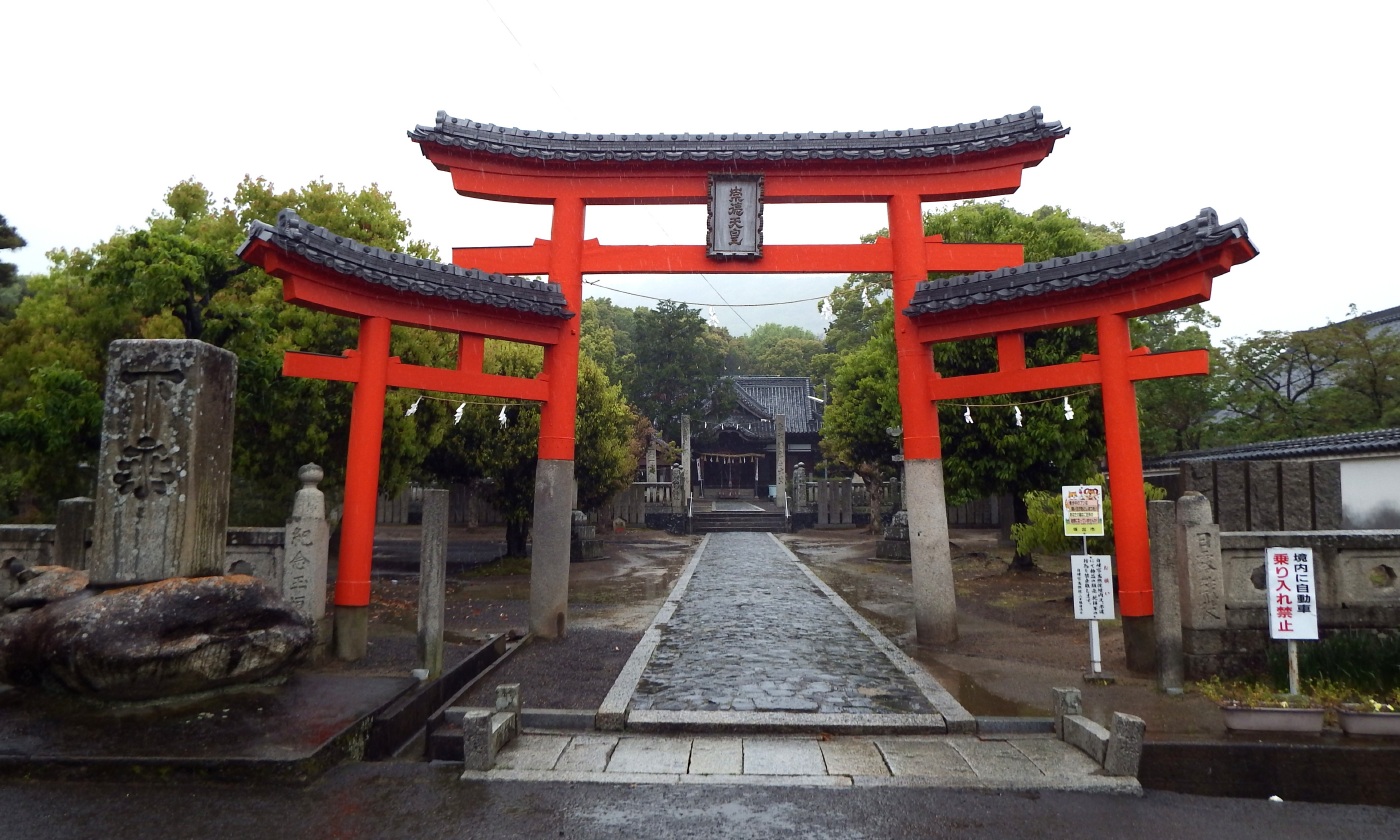
    Tennō-ji (天皇寺)

    Sakaide, Sakaide, Kagawa

    Tennō-ji (天皇寺) in Sakaide, Sakaide, Kagawa, Japan.

  80. 80

    Station 80

    Sanuki Kokubun-ji (讃岐国分寺)

    Takamatsu, Takamatsu, Kagawa

    Sanuki Kokubun-ji (讃岐国分寺) in Takamatsu, Takamatsu, Kagawa, Japan.

  81. 81

    Station 81

    Shiromine-ji (白峯寺)

    Sakaide, Sakaide, Kagawa

    Shiromine-ji (白峯寺) in Sakaide, Sakaide, Kagawa, Japan.

  82. 82

    Station 82

    Negoro-ji (根香寺)

    Takamatsu, Takamatsu, Kagawa

    Negoro-ji (根香寺) in Takamatsu, Takamatsu, Kagawa, Japan.

  83. 83

    Station 83

    Ichinomiya-ji (一宮寺)

    Takamatsu, Takamatsu, Kagawa

    Ichinomiya-ji (一宮寺) in Takamatsu, Takamatsu, Kagawa, Japan.

  84. 84

    Station 84

    Yashima-ji (屋島寺)

    Takamatsu, Takamatsu, Kagawa

    Yashima-ji (屋島寺) in Takamatsu, Takamatsu, Kagawa, Japan.

  85. 85

    Station 85

    Yakuri-ji (八栗寺)

    Takamatsu, Takamatsu, Kagawa

    Yakuri-ji (八栗寺) in Takamatsu, Takamatsu, Kagawa, Japan.

  86. 86

    Station 86

    Shido-ji (志度寺)

    Sanuki, Sanuki, Kagawa

    Shido-ji (志度寺) in Sanuki, Sanuki, Kagawa, Japan.

  87. 87

    Station 87

    Nagao-ji (長尾寺)

    Sanuki, Sanuki, Kagawa

    Nagao-ji (長尾寺) in Sanuki, Sanuki, Kagawa, Japan.

  88. 88

    Station 88

    Ōkubo-ji (大窪寺)

    Sanuki, Sanuki, Kagawa

    Ōkubo-ji (大窪寺) in Sanuki, Sanuki, Kagawa, Japan.

Walking it today

A full circuit on foot averages thirty to sixty days depending on pace, season, and the pilgrim's tolerance for long days. Most contemporary henro complete the route in segments — kugiri uchi — returning over years to walk one prefecture at a time. The traditional direction is clockwise (jun-uchi); reversing direction (gyaku-uchi), particularly in a Year of the Monkey, is held to redouble the merit. Begin at Ryōzen-ji (#1) in Naruto, where the office sells the full pilgrim's kit — coat, staff, stamp book, sedge hat, name-slips, candles, incense, and the small bell henro carry to announce themselves at each temple. Spring (March–May) and autumn (September–November) are the principal walking seasons; midsummer is dangerously hot, and the high-mountain temples in Ehime can be impassable in deep winter. Mobile signal is reliable along most populated stretches but unreliable on the long mountain crossings of Tokushima and Kōchi. Plan to reach each temple's stamp office (nōkyōjo) before 17:00. Affordable lodging — minshuku, business hotels, and temple shukubō — is available in towns; remote stretches require pre-arranging accommodations or carrying a tent.

Attire and practice

The customary attire — white hakui coat, conical sedge hat (sugegasa), wooden staff (kongō-zue) — is widely worn and easily acquired at Temple #1. The staff is treated as Kūkai himself: it is washed before its owner's feet at each lodging, leaned upright in a place of honor, and never laid flat. At each temple the routine is to wash hands and mouth at the chōzuya, ring the bell at the bell tower, light a candle and three sticks of incense before the main hall, drop osamefuda (name slips with one's name, address, and a written wish) in the offering box, recite the Heart Sutra and the temple's mantras at both the main hall and the daishi-dō, then proceed to the office for the stamp. The full sequence at each temple takes ten to thirty minutes; pilgrims who hurry through often discover by the third week that they were missing the substance of what they came for.

Sources

  • Reader, Ian. Making Pilgrimages: Meaning and Practice in Shikoku. University of Hawaii Press, 2005.
  • Statler, Oliver. Japanese Pilgrimage. William Morrow, 1983.
  • Shinno, Toshikazu. 'Journeys, Pilgrimages, Excursions: Religious Travels in the Premodern Period.' Monumenta Nipponica, 2002.