//Japan

    Japan

    104 sites38 regions

    Aichi Prefecture

    1 site

    Atsuta Shrine - Shinto sacred site
    Shinto

    Atsuta Shrine

    Nagoya, Aichi Prefecture, Japan

    Atsuta Shrine houses Kusanagi-no-tsurugi, the Grass-Cutting Sword—one of three sacred objects that legitimize Japan's Imperial throne. The sword has not been seen publicly since the 7th century. Found by the god Susanoo in the tail of an eight-headed serpent, passed to Amaterasu, and inherited by the legendary warrior Yamato Takeru, it represents the martial virtue of Japan itself. Nine million pilgrims visit annually, making Atsuta second only to Ise Grand Shrine in Shinto sanctity. The treasure hall displays over 4,000 artifacts, including 174 Important Cultural Properties.

    Akita Prefecture

    1 site

    Ōyu Stone Circles - Jomon sacred site
    Jomon

    Ōyu Stone Circles

    Kazuno, Akita Prefecture, Japan

    On a plateau above the Oyu River in northern Japan, two stone circles have watched the summer solstice sun set along the same axis for 4,000 years. The Manza circle spans 46 meters; the smaller Nonakado reaches 42 meters. Both contain sundial-like stonework pointing to the moment when the year's longest day ends. For the Jomon people who built them, these circles served as cemetery, calendar, and place of ceremony where earth and sky aligned.

    Aomori Prefecture

    6 sites

    Komakino Stone Circle - Jomon sacred site
    Jomon

    Komakino Stone Circle

    Aomori, Aomori Prefecture, Japan

    Four thousand years ago, Jomon communities leveled a hilltop and arranged nearly three thousand stones in a configuration so distinctive that archaeologists named it the 'Komakino style'—a vertical arrangement with flanking flat stones found at no other site in Japan. More than a hundred burial pits lie beneath the circles, marking this ridge as a threshold between worlds where the living gathered to honor their dead.

    Mt. Iwaki - undefined sacred site

    Mt. Iwaki

    Hirosaki, Aomori Prefecture, Japan

    Mt. Iwaki is a site of sacred significance. Approximate coordinates: 40.65611, 140.30278. Located in 弘前市, Japan.

    Ōmori Katsuyama Stone Circle - Jomon sacred site
    Jomon

    Ōmori Katsuyama Stone Circle

    Hirosaki, Aomori Prefecture, Japan

    Three thousand years ago, the Jomon people positioned this stone circle with extraordinary precision: on the shortest day of the year, the setting sun descends directly behind the summit of Mount Iwaki. This alignment was no accident. The ellipse of 77 stone assemblages, the large ceremonial dwelling on the exact axis between circle and mountain, the 250 mysterious disc-shaped stones—all speak to a community that understood their place within a cosmos shaped by sacred peak and turning sun.

    Osore-zan Boto-ji - undefined sacred site

    Osore-zan Boto-ji

    Mutsu, Aomori Prefecture, Japan

    Mt. Osore is a site of sacred significance. Approximate coordinates: 41.32706, 141.09026. Located in むつ市, Japan.

    Sannai-Maruyama Site - Jomon sacred site
    Jomon

    Sannai-Maruyama Site

    Aomori, Aomori Prefecture, Japan

    For seventeen centuries, the Jomon people lived at Sannai-Maruyama, cultivating chestnuts, trading jade across hundreds of kilometers, and building structures that still challenge our assumptions about prehistoric societies. The reconstructed six-pillar building towers 15 meters over the 42-hectare site, its purpose debated but its scale undeniable. Aligned burial rows and planned settlement layout reveal a community that understood sacred geography. This is not merely archaeology; this is encounter with 80 generations of human continuity.

    Tomb of Christ, Shingo - undefined sacred site

    Tomb of Christ, Shingo

    Shingo, Aomori Prefecture, Japan

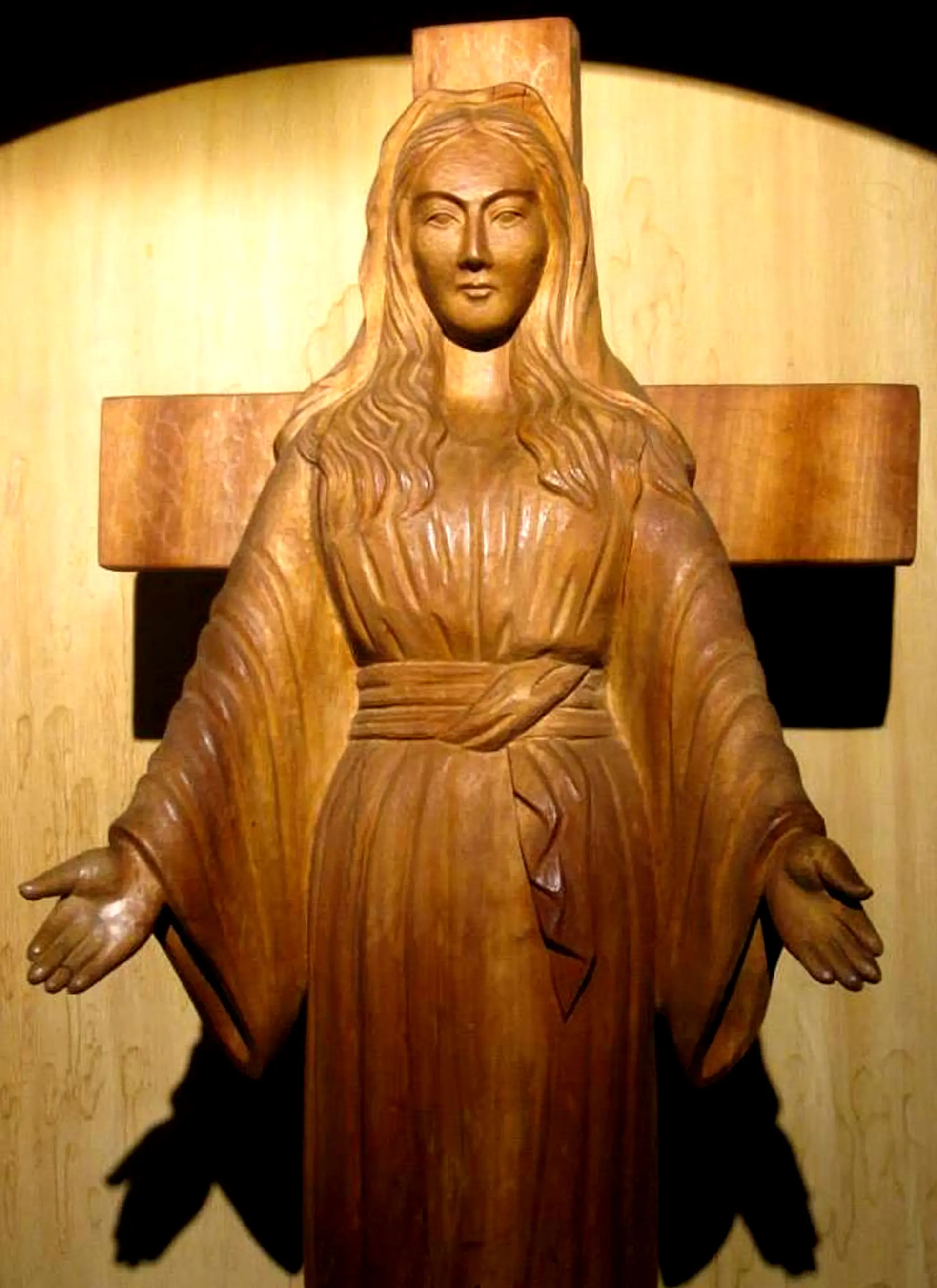
    Tomb of Christ, Shingo, Japan is a site of sacred significance. Approximate coordinates: 40.45405, 141.14869. Located in 新郷村, 三戸郡, Japan.

    Chiba Prefecture

    1 site

    Katori Shrine - Shinto sacred site
    Shinto

    Katori Shrine

    Katori, Chiba Prefecture, Japan

    Katori Shrine enshrines Futsunushi, the deity of swords and victory who pacified Japan for the heavenly lineage. Here, in the 15th century, a warrior named Iizasa Chōisai Ienao received divine transmission of martial secrets after a thousand days of practice—founding Katori Shinto-ryu, one of Japan's oldest martial arts. Today, practitioners must still sign a blood oath to the shrine deities before training. Alongside Kashima and Ise, Katori held the prestigious Jingū designation, marking it as one of Japan's three most sacred shrines.

    Ehime Prefecture

    2 sites

    Ishiteji Temple - Buddhism sacred site
    Buddhism

    Ishiteji Temple

    Matsuyama, Ehime Prefecture, Japan

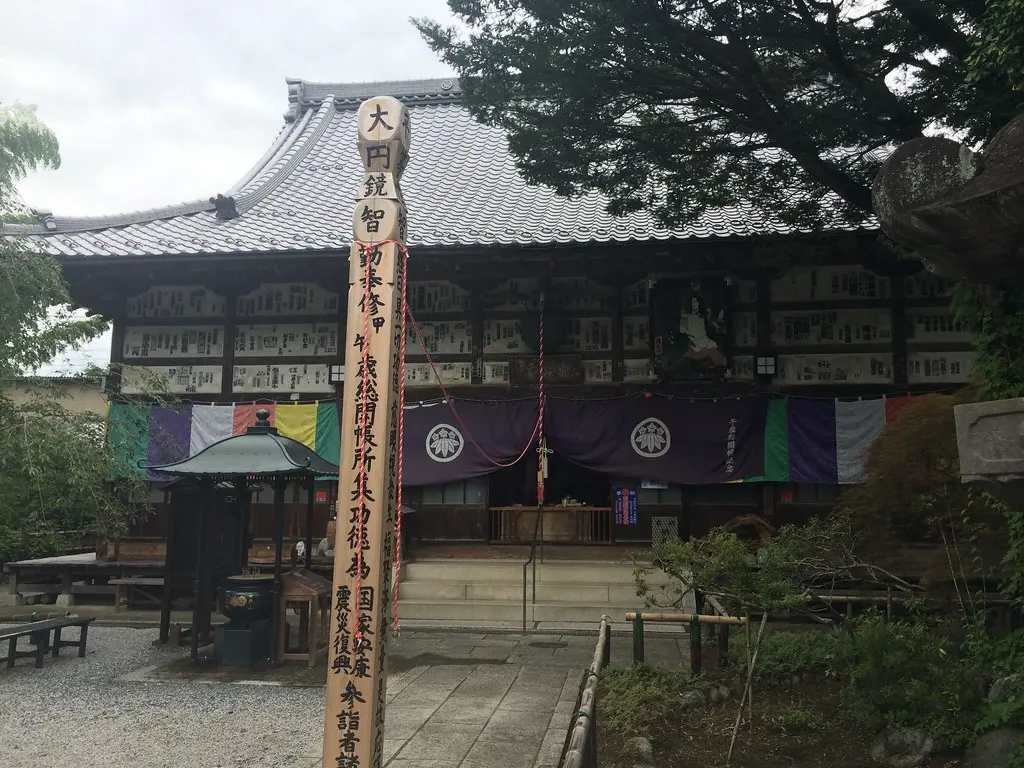
    Ishiteji Temple, Matsuyama is a temple of sacred significance. Approximate coordinates: 33.84790, 132.79647. Attributes: built, cultural, pilgrimage. Tradition: Buddhism. Associated figure: Kūkai. Located in 松山市, Japan.

    Mt. Ishizuchi - undefined sacred site

    Mt. Ishizuchi

    Saijo, Ehime Prefecture, Japan

    Mt. Ishizuchi is a site of sacred significance. Approximate coordinates: 33.77192, 133.11193. Located in 西条市, Japan.

    Fukui Prefecture

    1 site

    Daihonzan Eiheiji (Eihei Temple) - Buddhism sacred site
    Buddhism

    Daihonzan Eiheiji (Eihei Temple)

    Eiheiji Town, Fukui Prefecture, Japan

    Hidden in the cedar forests of Fukui Prefecture, Eiheiji stands as one of the two head temples of Soto Zen Buddhism. Here, over one hundred monks maintain the same rigorous practice that founder Dogen Zenji established in 1244: rising before dawn for zazen, treating every action as meditation, embodying the principle that practice and enlightenment are one.

    Fukuoka Prefecture

    1 site

    Okinoshima Island - undefined sacred site

    Okinoshima Island

    Munakata, Fukuoka Prefecture, Japan

    Okinoshima Island, Japan is a site of sacred significance. Approximate coordinates: 34.24470, 130.10559. Located in 宗像市, Japan.

    Fukushima Prefecture

    1 site

    Mt. Bandai - undefined sacred site

    Mt. Bandai

    Inawashiro, Fukushima Prefecture, Japan

    Mt. Bandai is a site of sacred significance. Approximate coordinates: 37.60097, 140.07218. Located in 猪苗代町, 耶麻郡, Japan.

    Hiroshima Prefecture

    1 site

    Miyajima Island - undefined sacred site

    Miyajima Island

    Hatsukaichi, Hiroshima Prefecture, Japan

    Miyajima Island is a site of sacred significance. Approximate coordinates: 34.29583, 132.31972. Located in 廿日市市, Japan.

    Hokkaido

    1 site

    Oshoro stone circle, Otaru - undefined sacred site

    Oshoro stone circle, Otaru

    Otaru, Hokkaido, Japan

    Oshoro stone circle, Otaru, Hokkaido is a site of sacred significance. Approximate coordinates: 43.19969, 140.87493. Located in 小樽市, 後志総合振興局, Japan.

    Hokkaidō

    2 sites

    Fugoppe Cave - Zoku-Jomon sacred site
    Zoku-Jomon

    Fugoppe Cave

    Yoichi, Hokkaidō, Japan

    Carved into the walls of a small sea-facing cave near Yoichi, approximately 800 petroglyphs have puzzled scholars since their discovery in 1950. The images—human figures with wings or horns, boats, fish, marine creatures—date to roughly 2,000 years ago, created by a people whose identity remains unknown. The 'winged man' figures have become iconic in Hokkaido. This is one of only two petroglyph caves in all of Japan, preserving evidence of a spiritual tradition that appeared briefly and then vanished.

    Washinoki Stone Circle - Jomon sacred site
    Jomon

    Washinoki Stone Circle

    Mori, Hokkaidō, Japan

    Beneath a highway tunnel in southwestern Hokkaido lies Japan's largest stone circle, a 4,000-year-old Jomon burial site that was nearly destroyed by modern construction. Discovered in 2003, the Washinoki Stone Circle contains 602 carefully arranged stones in a double-ring formation, with outer stones aligned on their long axes and inner stones pointing toward the center. The volcanic ash that buried it for centuries preserved evidence of sophisticated ritual architecture.

    Hokkaido Prefecture

    1 site

    Chijin Yama stone ring, Otaru - undefined sacred site

    Chijin Yama stone ring, Otaru

    Otaru, Hokkaido Prefecture, Japan

    Chijin Yama stone ring, Otaru, Hokkaido is a stone ring of sacred significance. Approximate coordinates: 43.19730, 140.87125. Attributes: built, cultural, archaeological. Located in 小樽市, 後志総合振興局, Japan.

    Hyogo Prefecture

    2 sites

    Ishi-no-Hoden - undefined sacred site

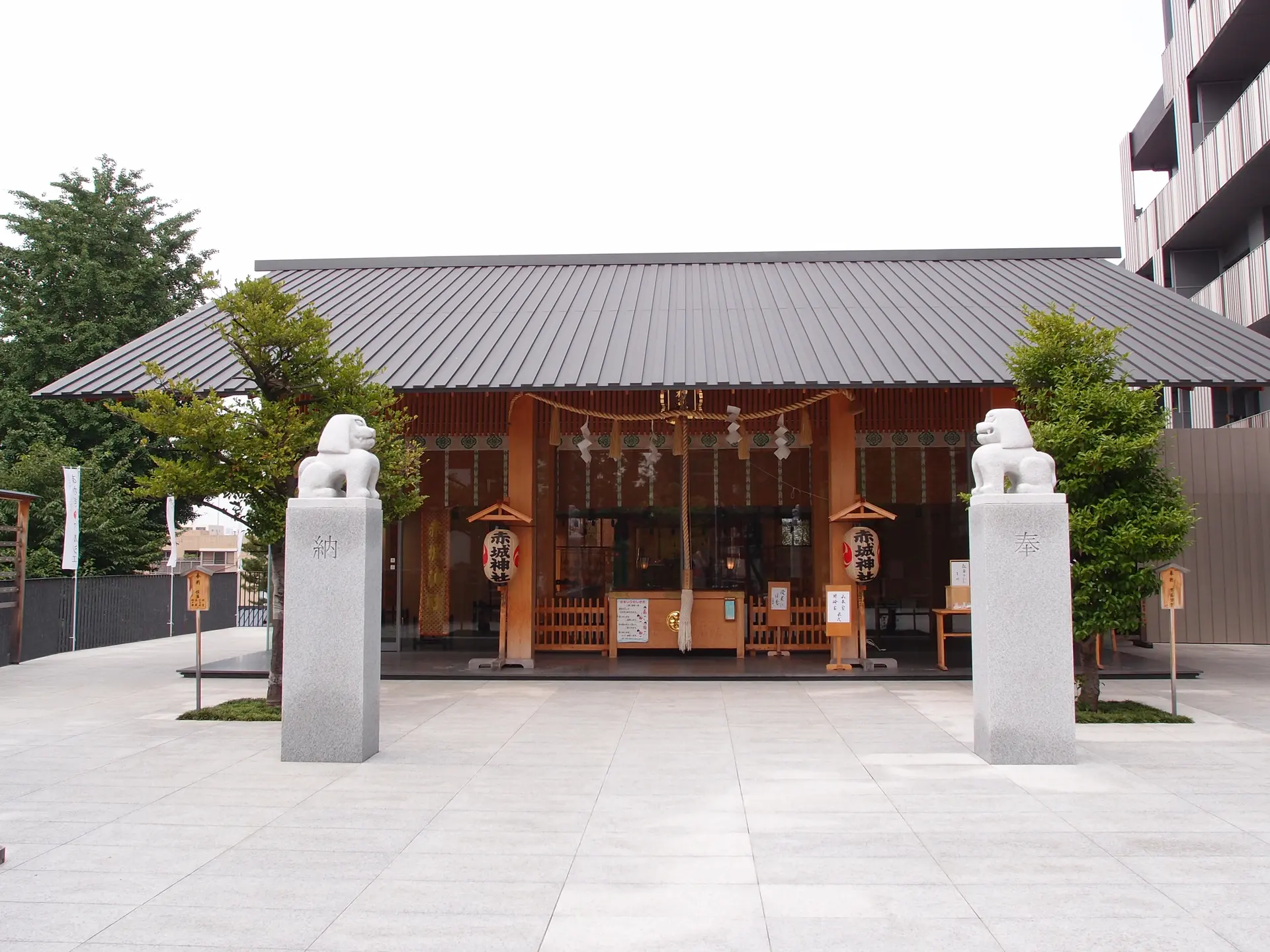
    Ishi-no-Hoden

    Takasago, Hyogo Prefecture, Japan

    Ishi-no-Hoden, Himeji is a megalith of sacred significance. Approximate coordinates: 34.78258, 134.79509. Attributes: natural, cultural, archaeological. Located in 高砂市, Japan.

    Izanagi Shinto Shrine - Shinto sacred site
    Shinto

    Izanagi Shinto Shrine

    Awaji, Hyogo Prefecture, Japan

    Izanagi Jingū (伊弉諾神宮) is a Shinto shrine in the Taga neighborhood of the city of Awaji in Hyōgo Prefecture, Japan. It is the ichinomiya of former Awaji Province. The main festival of the shrine is held annually on April 22.

    Ibaraki Prefecture

    1 site

    Kashima Shrine - Shinto sacred site
    Shinto

    Kashima Shrine

    Kashima, Ibaraki Prefecture, Japan

    For over two millennia, Kashima Shrine has enshrined Takemikazuchi, the god of thunder and martial power born from the blood of Izanagi's sword. Legendary swordsmen trained here before battle, and today martial arts dojos across Japan display the deity's name. The shrine's deer, ancestors of Nara's famous sacred deer, wander the grounds as divine messengers. Deep in the shrine forest, a stone called Kaname-ishi is said to pin down the cosmic catfish whose thrashing causes earthquakes—Japan's spiritual protection against seismic disaster.

    Ishikawa Prefecture

    1 site

    Mt. Haku - undefined sacred site

    Mt. Haku

    Hakusan, Ishikawa Prefecture, Japan

    Mt. Haku is a site of sacred significance. Approximate coordinates: 36.15535, 136.76116. Located in 白山市, Japan.

    Iwate Prefecture

    2 sites

    Goshono Site - Jomon sacred site
    Jomon

    Goshono Site

    Ichinohe, Iwate Prefecture, Japan

    For forty generations, Jomon communities gathered at this river terrace to tend their dead and feed their fires. The earthen mounds along the settlement's southern edge hold evidence of repeated ceremonies: burned animal bones, charred nuts, clay figurines—offerings made across eight centuries. At the center of the village, two stone-outlined burial grounds marked where the living gathered to honor ancestors. Today, reconstructed earthen-roof dwellings bring the settlement back to life.

    Yubunezawa Stone Circle - Jomon sacred site
    Jomon

    Yubunezawa Stone Circle

    Takizawa, Iwate Prefecture, Japan

    Four thousand years ago, Jomon peoples of northern Japan established this ground exclusively for the dead and for ceremony. No homes stood here, no everyday debris accumulated—only the careful placement of nine hundred stones over ancestral graves. The vernal equinox sunset aligns with Mount Yachiyama on the horizon, suggesting that spring's return was marked in this place where the boundary between living and dead grew thin.

    Kagawa Prefecture

    3 sites

    Kotohira shrine, Kotohira - Shinto sacred site
    Shinto

    Kotohira shrine, Kotohira

    Kotohira, Kagawa Prefecture, Japan

    Kotohira shrine, Kotohira, Japan is a shinto shrine of sacred significance. Approximate coordinates: 34.18400, 133.80954. Attributes: built, cultural, pilgrimage, ceremonial. Tradition: Shinto. Associated figure: Konpira. Mythological context: Shinto. Located in 琴平町, 仲多度郡, Japan.

    Motoyamaji Temple - undefined sacred site

    Motoyamaji Temple

    Mitoyo, Kagawa Prefecture, Japan

    Motoyamaji Temple, Motoyama is a site of sacred significance. Approximate coordinates: 34.13975, 133.69411. Located in 三豊市, Japan.

    Yakuriji Temple - undefined sacred site

    Yakuriji Temple

    Takamatsu, Kagawa Prefecture, Japan

    Yakuriji Temple, Yakuri is a site of sacred significance. Approximate coordinates: 34.35969, 134.13985. Located in 高松市, Japan.

    Kagoshima Prefecture

    3 sites

    Kirishima Shrine - undefined sacred site

    Kirishima Shrine

    Kirishima, Kagoshima Prefecture, Japan

    Mt. Kirishima is a site of sacred significance. Approximate coordinates: 31.91706, 130.88004. Located in 霧島市, Japan.

    Mt. Kaimon - undefined sacred site

    Mt. Kaimon

    Ibusuki, Kagoshima Prefecture, Japan

    Mt. Kaimon is a site of sacred significance. Approximate coordinates: 31.18083, 130.52583. Located in 指宿市, Japan.

    Yakushima Island - Nature Worship sacred site
    Nature Worship

    Yakushima Island

    Yakushima, Kagoshima Prefecture, Japan

    Yakushima Island in Yakushima, Kagoshima Prefecture, Japan.

    Kochi Prefecture

    1 site

    Kongofukuji Temple - Buddhism sacred site
    Buddhism

    Kongofukuji Temple

    Tosashimizu, Kochi Prefecture, Japan

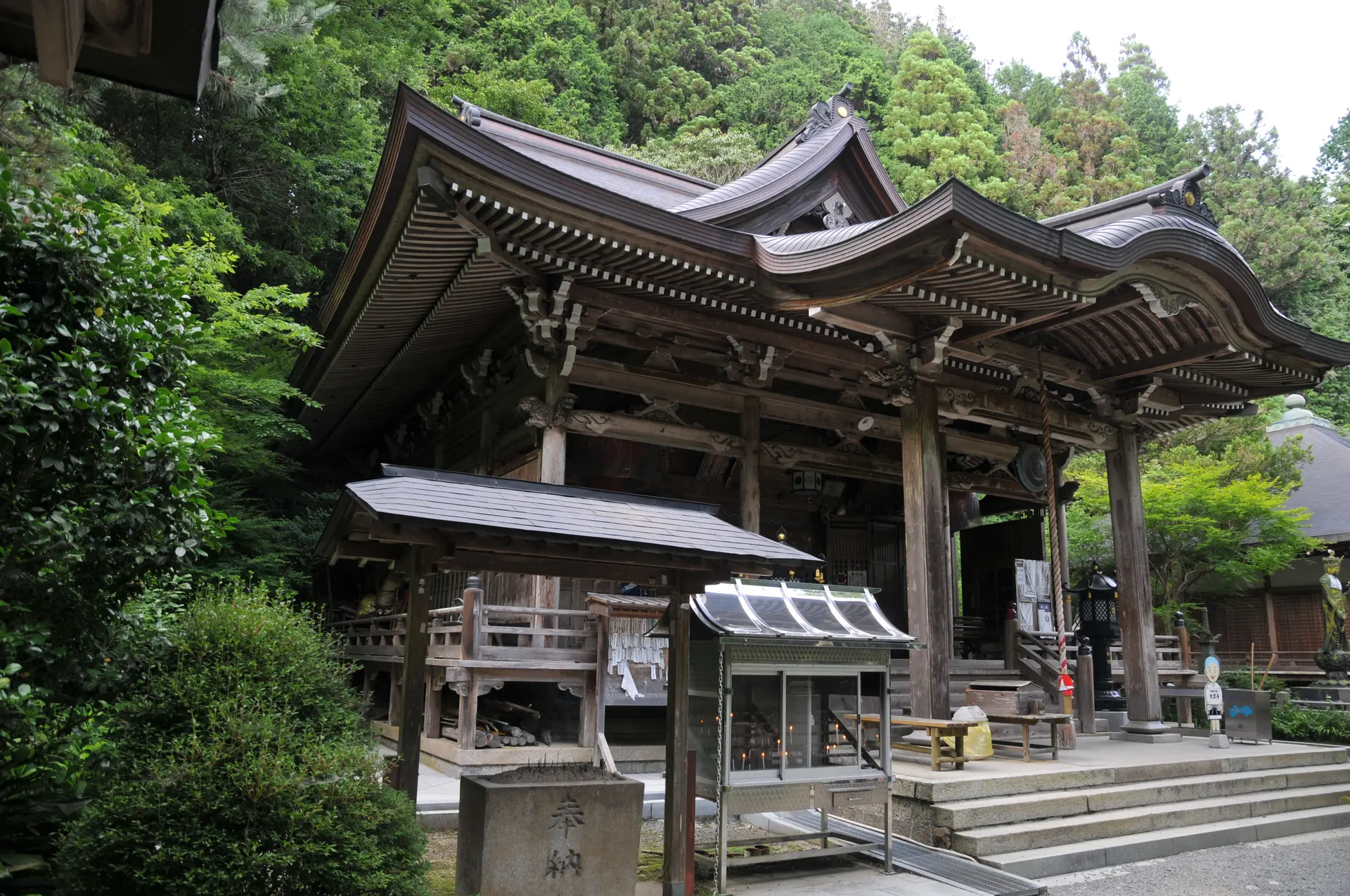
    Kongofukuji Temple, Tosashimizu is a buddhist temple of sacred significance. Approximate coordinates: 32.72557, 133.01867. Attributes: built, cultural, pilgrimage. Tradition: Buddhism. Associated figure: Kobo Daishi (Kukai). Located in 土佐清水市, Japan.

    Kumamoto Prefecture

    1 site

    Mt. Aso - undefined sacred site

    Mt. Aso

    Minamiaso, Kumamoto Prefecture, Japan

    Mt. Aso is a site of sacred significance. Approximate coordinates: 32.88692, 131.08411. Located in 阿蘇市, Japan.

    Kyoto

    1 site

    Tenryu-ji Temple - Rinzai Zen Buddhism sacred site
    Rinzai Zen Buddhism

    Tenryu-ji Temple

    Kyoto, Kyoto, Japan

    Tenryu-ji Temple in Kyoto, Kyoto, Japan.

    Kyoto Prefecture

    10 sites

    Atago Shrine (Atago Jinja) - Shinto sacred site
    Shinto

    Atago Shrine (Atago Jinja)

    Kyoto, Kyoto Prefecture, Japan

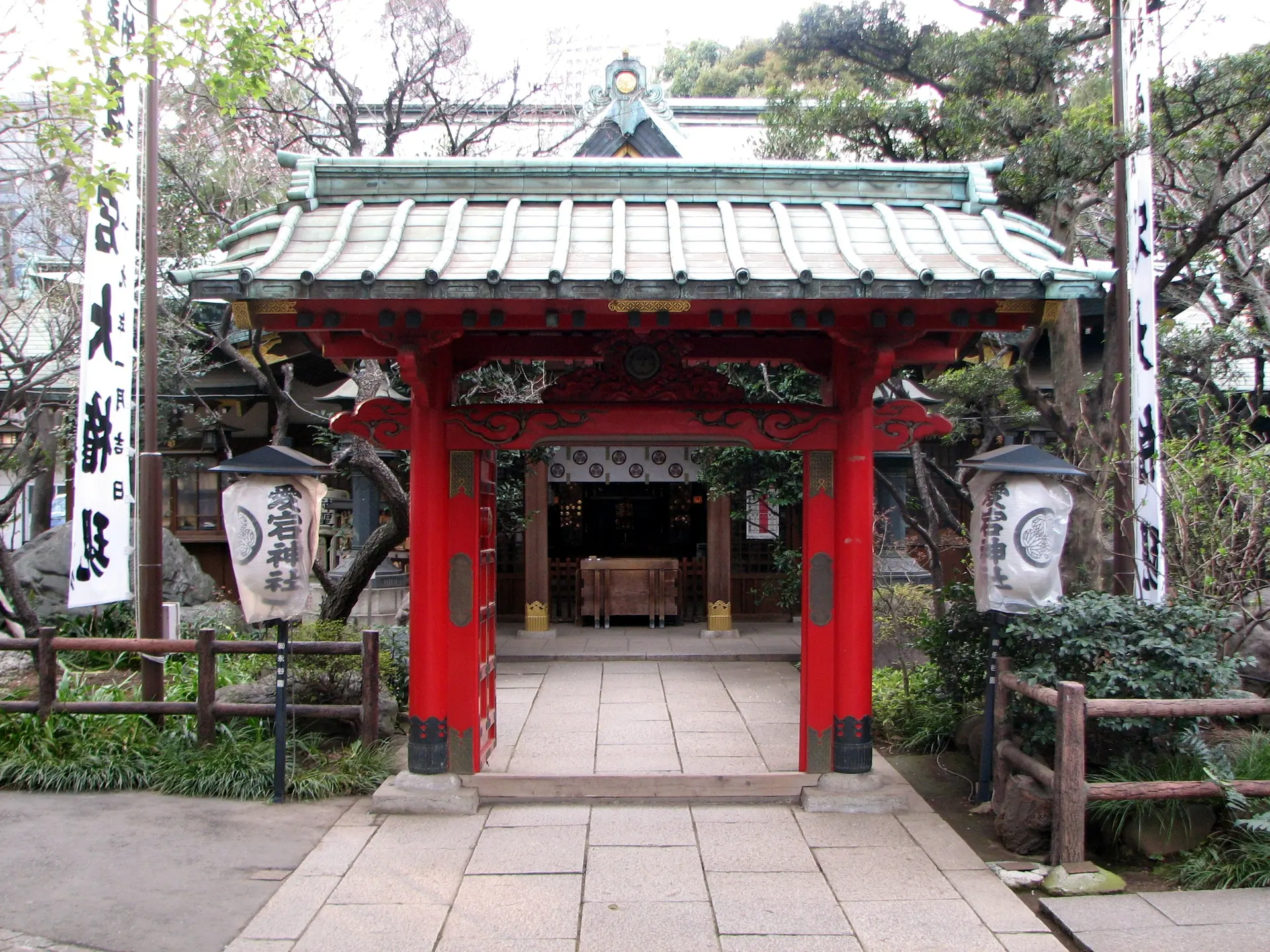
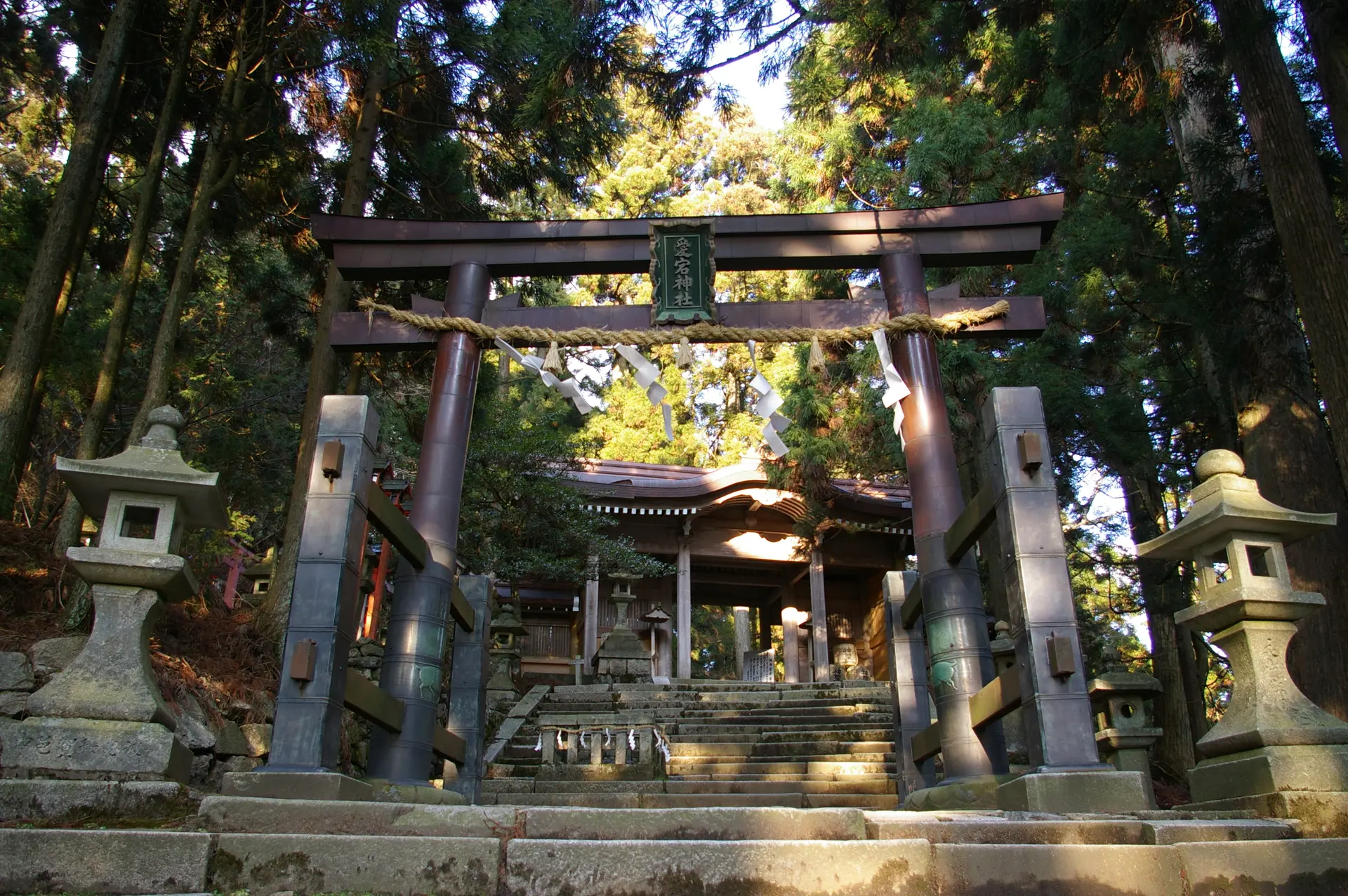
    Atago Shrine crowns Mount Atago at 924 meters, the highest point surrounding Kyoto. As head shrine of approximately 900 Atago shrines across Japan, it anchors the nation's network of fire prevention worship. Here, the fire god Kagutsuchi is honored not as destroyer but as guardian. The demanding climb to reach the shrine transforms pilgrims before they receive the mountain's protective blessing.

    Atago Shrine (Atago Jinja) - Shinto sacred site
    Shinto

    Atago Shrine (Atago Jinja)

    Kyoto, Kyoto Prefecture, Japan

    Atago Shrine crowns Mount Atago at 924 meters, the highest point surrounding Kyoto. As head shrine of approximately 900 Atago shrines across Japan, it anchors the nation's network of fire prevention worship. Here, the fire god Kagutsuchi is honored not as destroyer but as guardian. The demanding climb to reach the shrine transforms pilgrims before they receive the mountain's protective blessing.

    Atago Shrine (Atago Jinja) - Shinto sacred site
    Shinto

    Atago Shrine (Atago Jinja)

    Kyoto, Kyoto Prefecture, Japan

    Atago Shrine crowns Mount Atago at 924 meters, the highest point surrounding Kyoto. As head shrine of approximately 900 Atago shrines across Japan, it anchors the nation's network of fire prevention worship. Here, the fire god Kagutsuchi is honored not as destroyer but as guardian. The demanding climb to reach the shrine transforms pilgrims before they receive the mountain's protective blessing.

    Fushimi Inari-taisha - Shinto sacred site
    Shinto

    Fushimi Inari-taisha

    Kyoto, Kyoto Prefecture, Japan

    Since 711 CE, pilgrims have climbed sacred Mount Inari through tunnels of vermilion torii gates—each one donated by someone whose prayers were answered, or who hoped they would be. As the head shrine of over 30,000 Inari shrines across Japan, Fushimi Inari-taisha stands at the center of worship for prosperity, abundant harvests, and worldly success. Fox messengers guard the paths. The mountain trail winds past countless smaller shrines where incense smoke rises and bells ring softly, ascending toward the summit where the deity dwells.

    Kifune Shrine - Shinto sacred site
    Shinto

    Kifune Shrine

    Kyoto, Kyoto Prefecture, Japan

    Kifune Shrine in Kyoto, Kyoto Prefecture, Japan.

    Kiyomizu-dera Temple - Buddhism sacred site
    Buddhism

    Kiyomizu-dera Temple

    Kyoto, Kyoto Prefecture, Japan

    On the forested slopes of Mount Otowa in eastern Kyoto, a vast wooden stage juts out over the valley—built without a single nail, supported by pillars of four-hundred-year-old zelkova, defying gravity and time. Kiyomizu-dera, the Temple of Pure Water, takes its name from the sacred spring that has flowed here since before Kyoto was a capital. For over 1,250 years, pilgrims have climbed this hillside to drink from its three streams and stand suspended between earth and heaven.

    Kurama-dera Temple - Buddhism sacred site
    Buddhism

    Kurama-dera Temple

    Kyoto, Kyoto Prefecture, Japan

    Kurama-dera Temple is a temple of sacred significance. Approximate coordinates: 35.11798, 135.77098. Attributes: built, cultural, pilgrimage. Tradition: Buddhism. Associated figure: Bishamonten. Mythological context: Japanese Buddhism. Located in 京都市, Japan.

    Mt. Atago - undefined sacred site

    Mt. Atago

    Kyoto, Kyoto Prefecture, Japan

    Mt. Atago is a site of sacred significance. Approximate coordinates: 31.30760, 130.92343. Located in 肝付町, 肝属郡, Japan.

    Ryoan-ji - undefined sacred site

    Ryoan-ji

    Kyoto, Kyoto Prefecture, Japan

    Ryoan-ji is a site of sacred significance. Approximate coordinates: 35.03449, 135.71826. Located in 京都市, Japan.

    Toji - Buddhism sacred site
    UNESCO
    Buddhism

    Toji

    Kyoto, Kyoto Prefecture, Japan

    For over 1,200 years, Tō-ji has been the beating heart of Shingon Buddhism—the esoteric tradition that Kūkai brought from China in the 9th century. The 57-meter five-story pagoda, Japan's tallest wooden structure, has become a symbol of Kyoto itself. Inside the Lecture Hall, 21 Buddhist statues form a three-dimensional mandala—the universe as understood in esoteric Buddhism made physical and walkable. On the 21st of each month, the Kobo-san market honors Kūkai with over 1,000 stalls.

    Mie Prefecture

    2 sites

    Ise - Shinto sacred site
    Shinto

    Ise

    Ise, Mie Prefecture, Japan

    Ise may refer to:

    Meoto Iwa - Shinto sacred site
    Shinto

    Meoto Iwa

    Ise, Mie Prefecture, Japan

    Two rocks rise from the sea at Futami, joined by a massive shimenawa rope weighing over one ton. The larger represents Izanagi, the smaller Izanami—the divine couple whose union created Japan according to Shinto myth. On summer solstice mornings, the rising sun appears between them directly over distant Mount Fuji, linking creator deities, sun goddess, and sacred mountain in a single luminous moment. This is where pilgrims have purified themselves before approaching Ise Grand Shrine for centuries.

    Miyazaki Prefecture

    2 sites

    Amanoiwato Shrine - Shinto sacred site
    Shinto

    Amanoiwato Shrine

    Takachiho, Miyazaki Prefecture, Japan

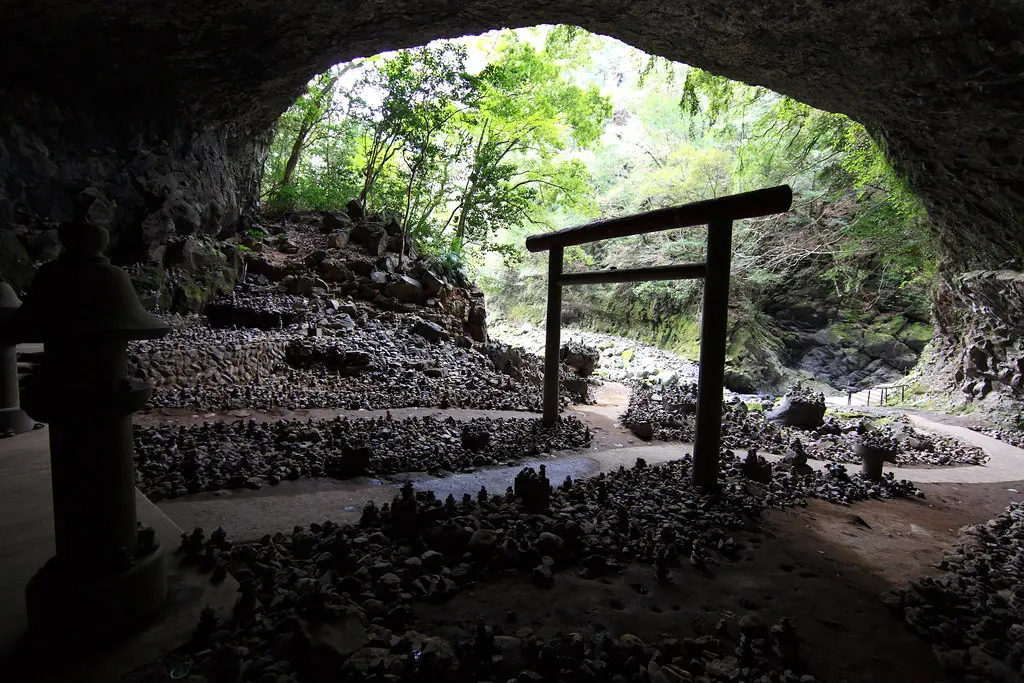
    In a forested gorge in Kyushu's Takachiho region, pilgrims have gathered for centuries at the cave where Amaterasu, the sun goddess and ancestress of Japan's Imperial line, hid from the world. The darkness that fell when she withdrew—and the wild dance that drew her back—gave birth to kagura, the sacred performance tradition still enacted here through winter nights. Priests guide visitors to view the cave, while nearby, stone cairns rise by the thousands where eight million kami once gathered.

    Takachiho Gorge - Shinto sacred site
    Shinto

    Takachiho Gorge

    Takachiho, Miyazaki Prefecture, Japan

    In this volcanic gorge where sheer basalt cliffs rise 80 meters above an emerald river, Japan's creation mythology takes physical form. Here the Sun Goddess Amaterasu hid herself in a cave, plunging all realms into darkness. Here the eight million kami gathered and danced to lure her out. Here her grandson Ninigi descended from heaven to establish divine rule on earth. The Manai Falls still pour where legend says heavenly water first touched the world.

    Nagano Prefecture

    6 sites

    Akyū Ruins - Jomon sacred site
    Jomon

    Akyū Ruins

    Hara, Nagano Prefecture, Japan

    Six thousand years ago, the Jomon people gathered here to tend sacred fires beneath the gaze of Mount Tateshina. At the heart of their ceremonial ground stood a single stone, deliberately aligned toward the mountain they venerated. Today the ruins lie buried beneath a highway, preserved for eternity—but above them, a quiet forest holds the memory of what once made this ridge a place where worlds could meet.

    Mt. Asama - undefined sacred site

    Mt. Asama

    Komoro, Nagano Prefecture, Japan

    Mt. Asama is a site of sacred significance. Approximate coordinates: 31.78518, 130.49296. Located in 薩摩川内市, Japan.

    Mt. Ontake - undefined sacred site

    Mt. Ontake

    Otaki, Nagano Prefecture, Japan

    Mt. Ontaki is a site of sacred significance. Approximate coordinates: 35.89333, 137.47917. Located in 木曽町, 木曽郡, Japan.

    Nagano - undefined sacred site

    Nagano

    Nagano, Nagano Prefecture, Japan

    Nagano may refer to:

    Suwa-taisha - Shinto sacred site
    Shinto

    Suwa-taisha

    Suwa, Nagano Prefecture, Japan

    Suwa-taisha predates shrine architecture itself. Four shrines encircle Lake Suwa in Nagano Prefecture, but their sacred objects are not artifacts—they are Mount Moriya and ancient yew and cedar trees. This represents Shinto at its most primal: direct encounter with kami dwelling in landscape. Every six years, the Onbashira Festival renews this connection as communities drag massive sacred pillars from the mountains, a tradition documented for over 1,200 years. Head shrine of more than 10,000 affiliated Suwa shrines across Japan.

    Togakushi Shrine - Shinto sacred site
    Shinto

    Togakushi Shrine

    Nagano, Nagano Prefecture, Japan

    Mount Togakushi is literally the 'Hidden Door'—the cave entrance that the god Tajikarao threw across the heavens after pulling the sun goddess Amaterasu from her hiding place. Five shrines scatter across this sacred mountain, each enshrining a deity who helped restore light to the world. The pilgrimage to Okusha, the most remote shrine, passes through an avenue of 400-year-old cedars that create a natural cathedral. Ninja once trained in these forested slopes. Today, the mountain draws pilgrims seeking the power of the gods who overcame cosmic darkness.

    Nara Prefecture

    12 sites

    Asuka-dera - Buddhism sacred site
    Buddhism

    Asuka-dera

    Asuka, Nara Prefecture, Japan

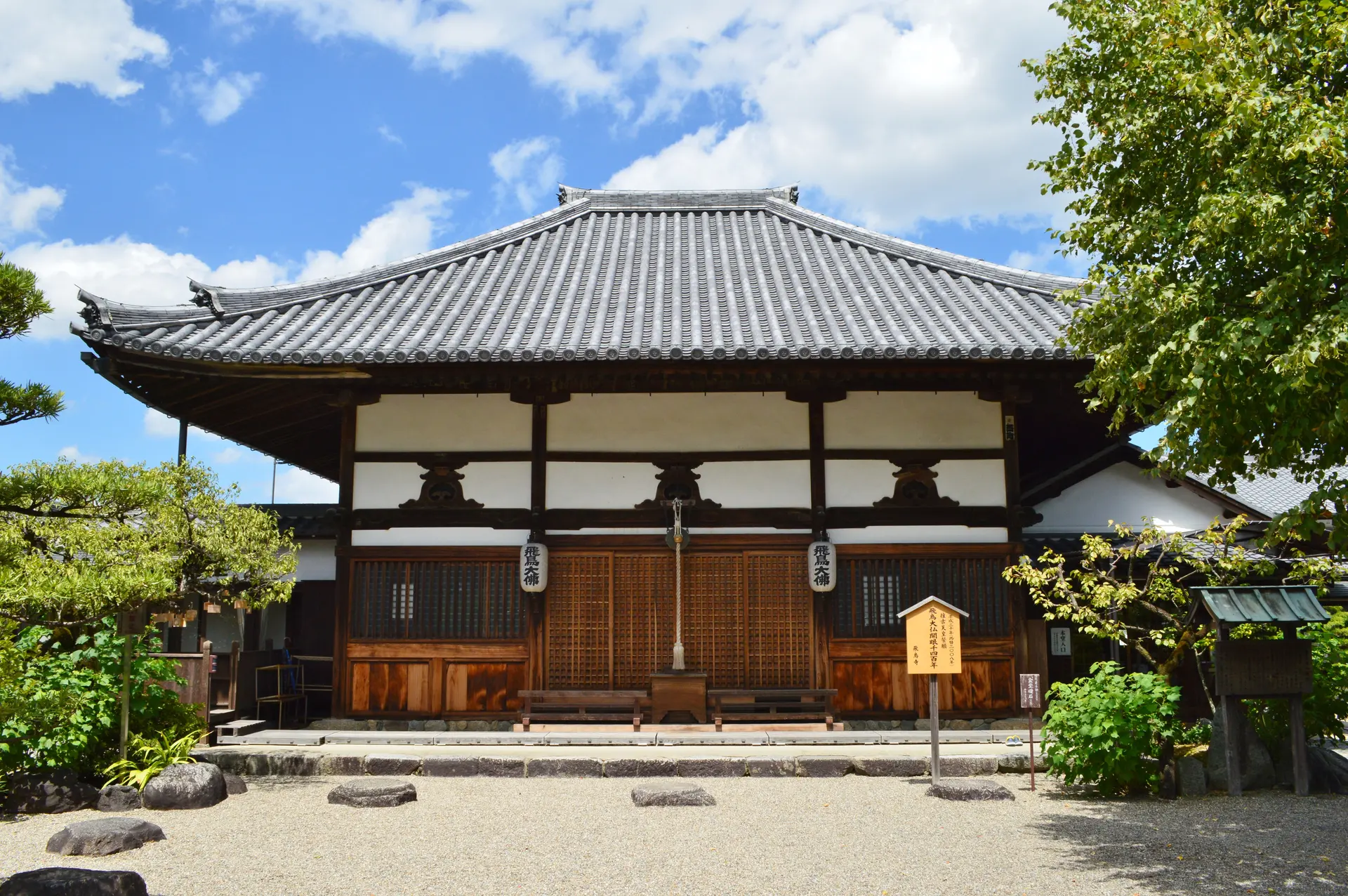
    In a quiet valley surrounded by rice fields, Japan's oldest surviving Buddha statue has watched from the same location for over 1,400 years. Asuka-dera marks where Buddhism transformed from a foreign import to an established Japanese institution. When the Soga clan built this temple in 588 CE using Korean craftsmen, they created Japan's first full-scale Buddhist complex. The Great Buddha's face bears the scars of fire and time—half original bronze, half later repair—yet continues to receive devotees at the birthplace of institutional Buddhism in Japan.

    Hase-dera Shingon Buddhist Temple - Shingon Buddhism sacred site
    Shingon Buddhism

    Hase-dera Shingon Buddhist Temple

    Sakurai, Nara Prefecture, Japan

    Hase-dera (長谷寺) is the main temple of the Buzan sect of Shingon Buddhism. The temple is located in Sakurai, Nara Prefecture, Japan. The Main Hall is a National Treasure of Japan.

    Horyuji - Buddhism sacred site
    UNESCO
    Buddhism

    Horyuji

    Ikaruga, Nara Prefecture, Japan

    The pagoda and main hall of Hōryū-ji have stood for over 1,300 years—the oldest surviving wooden structures on earth. Founded by Prince Shōtoku in 607 CE to fulfill his father's dying wish, the temple became Japan's first UNESCO World Heritage Site and remains a living repository of Buddhist practice. Within its halls and treasure houses, over 180 National Treasures preserve the artistic flowering of early Japanese Buddhism. In the octagonal Yumedono, a hidden Buddha awaits those who visit during its brief seasonal openings.

    Ishibutai Kofun - Shinto sacred site
    Shinto

    Ishibutai Kofun

    Asuka, Nara Prefecture, Japan

    Ishibutai Kofun, Asuka is a tumulus of sacred significance. Approximate coordinates: 34.46685, 135.82615. Attributes: built, cultural, archaeological. Tradition: Shinto. Located in 明日香村, 高市郡, Japan.

    Masuda Iwafune - undefined sacred site

    Masuda Iwafune

    Kashihara, Nara Prefecture, Japan

    Masuda Iwafune, Asuka is a monolith of sacred significance. Approximate coordinates: 34.47058, 135.78867. Attributes: built, cultural, archaeological. Located in 橿原市, Japan.

    Mount Miwa - Shinto sacred site
    Shinto

    Mount Miwa

    Sakurai, Nara Prefecture, Japan

    Mount Miwa does not house a deity. The mountain is the deity. This 467-meter peak in the Nara Basin represents the oldest stratum of Japanese spirituality, a form of worship so ancient it predates shrine buildings entirely. At Omiwa Shrine, there is no main hall because none is needed. Worshippers pray through a distinctive three-part torii gate directly toward the sacred peak, whose forests have never been logged throughout recorded history.

    Mt. Katsuragi - undefined sacred site

    Mt. Katsuragi

    Gose, Nara Prefecture, Japan

    Mt. Katsuragi is a site of sacred significance. Approximate coordinates: 34.45520, 135.68287. Located in 千早赤阪村, 南河内郡, Japan.

    Mt. Omine (Mount Sanjō) - undefined sacred site

    Mt. Omine (Mount Sanjō)

    Tenkawa, Nara Prefecture, Japan

    Mt. Omine/Mt. Sanjogatake is a site of sacred significance. Approximate coordinates: 34.25238, 135.94094. Located in 天川村, 吉野郡, Japan.

    Mt. Yoshino - undefined sacred site

    Mt. Yoshino

    Yoshino, Nara Prefecture, Japan

    Mt. Yoshino is a site of sacred significance. Approximate coordinates: 34.36040, 135.86697. Located in 吉野町, 吉野郡, Japan.

    Okadera Buddhist Temple - undefined sacred site

    Okadera Buddhist Temple

    Asuka, Nara Prefecture, Japan

    Okadera Buddhist Temple, Asuka is a site of sacred significance. Approximate coordinates: 34.47178, 135.82826. Located in 明日香村, 高市郡, Japan.

    Sakafuneishi Site - Ancient Japanese sacred site
    Ancient Japanese

    Sakafuneishi Site

    Asuka, Nara Prefecture, Japan

    In the hills of Asuka, Japan's ancient capital, water once flowed through a turtle-shaped stone basin in ceremonies conducted for Empress Saimei nearly fourteen centuries ago. The purpose of these water rituals remains debated—purification, harvest blessing, rain-making—but their sophistication is undeniable. Above the turtle monument, the enigmatic Sakafuneishi stone has puzzled scholars for generations, its carved channels and basins defying definitive interpretation.

    Todaiji - Buddhism sacred site
    UNESCO
    Buddhism

    Todaiji

    Nara, Nara Prefecture, Japan

    In 752 CE, Emperor Shōmu consecrated a bronze Buddha of unprecedented scale—15 meters tall, cast from nearly all the copper in Japan—to bring peace to a nation wracked by plague and disaster. Today, Tōdai-ji's Great Buddha sits within one of the world's largest wooden buildings, visited by millions who come to stand before the cosmic Buddha Vairocana. Sacred deer wander the grounds as divine messengers. In March, the Omizutori ceremony draws sacred water in fire-lit rituals unchanged since 752 CE.

    Oita Prefecture

    2 sites

    Beppu - undefined sacred site

    Beppu

    Beppu, Oita Prefecture, Japan

    Beppu (別府市, Beppu-shi) is a city in Ōita Prefecture on the island of Kyushu, Japan. As of November 30, 2023, the city had a population of 113,045 in 62,702 households, and a population density of 900 persons per km2. The total area of the city is 125.34 km2 (48.39 sq mi). Beppu is famous for its hot springs. In 2024, Beppu celebrated its centenary as a city.

    Usa Jingu - Shinto sacred site
    Shinto

    Usa Jingu

    Usa, Oita Prefecture, Japan

    In 749 CE, when Emperor Shōmu consecrated the Great Buddha at Tōdai-ji, a deity traveled from Kyushu to Nara for the ceremony—the first time a Shinto god participated in Buddhist ritual. That deity was Hachiman, and his journey from Usa Jingū in the first-ever mikoshi procession established the template for over a thousand years of Shinto-Buddhist synthesis. Today, Usa Jingū leads over 40,000 affiliated Hachiman shrines, the largest shrine network dedicated to a single deity in Japan.

    Okayama Prefecture

    2 sites

    Kibitsu Jinja Shinto Shrine - Shinto sacred site
    Shinto

    Kibitsu Jinja Shinto Shrine

    Okayama, Okayama Prefecture, Japan

    Kibitsu Jinja Shinto Shrine, Okayama is a shinto shrine of sacred significance. Approximate coordinates: 34.67073, 133.85060. Attributes: built, cultural, ceremonial. Tradition: Shinto. Located in 岡山市, Japan.

    Yuga Shinto Shrine - undefined sacred site

    Yuga Shinto Shrine

    Kurashiki, Okayama Prefecture, Japan

    Yuga Shinto Shrine, Kurashiki is a site of sacred significance. Approximate coordinates: 34.50594, 133.85101. Located in 倉敷市, Japan.

    Okinawa Prefecture

    1 site

    Sonohyan-utaki - Ryukyuan sacred site
    Ryukyuan

    Sonohyan-utaki

    Naha, Okinawa Prefecture, Japan

    At the threshold of Shuri Castle, a coral limestone gate opens onto a sacred grove that cannot be entered. For five centuries, Ryukyuan kings prayed here before every journey beyond the palace walls, and here the High Priestess received her first blessing. The stone gate is not a passage for humans but a threshold for communication with the divine realm within. Today, practitioners still come to pray at this UNESCO World Heritage site where Ryukyuan spirituality persists.

    Osaka Prefecture

    1 site

    Sumiyoshi-taisha - Shinto sacred site
    Shinto

    Sumiyoshi-taisha

    Osaka, Osaka Prefecture, Japan

    When Izanagi purified himself in the sea after his journey to the underworld, three deities emerged from the waters—the Sumiyoshi Sanjin, gods of the sea who have protected sailors and fishermen for two millennia. Sumiyoshi-taisha, their head shrine, leads approximately 2,300 affiliated shrines nationwide. The steep-arched Taiko Bridge marks the passage from mundane to sacred realm. The shrine's architectural style—Sumiyoshi-zukuri—predates Buddhist influence, preserving indigenous Japanese sacred building traditions from before continental contact.

    Saitama Prefecture

    1 site

    Mitsumine Jingu (Mitsumine Grand Shrine) - Shinto sacred site
    Shinto

    Mitsumine Jingu (Mitsumine Grand Shrine)

    Chichibu, Saitama Prefecture, Japan

    High in the Chichibu mountains, Mitsumine Shrine guards nearly two thousand years of worship at a place where wolves once guided a lost prince to safety. At 1,100 meters elevation, the shrine honors both Japan's creator deities and the now-extinct wolves revered as divine messengers. Stone wolf guardians stand where other shrines place lion-dogs, and pilgrims still seek the protection that Edo-period devotees traveled days to receive.

    Shiga Prefecture

    3 sites

    Enryaku-ji temple and Mt. Hiei - undefined sacred site

    Enryaku-ji temple and Mt. Hiei

    Otsu, Shiga Prefecture, Japan

    Mt. Hiei is a site of sacred significance. Approximate coordinates: 35.06890, 135.83033. Located in 京都市, Japan.

    Hiyoshi Taisha - Shinto sacred site
    Shinto

    Hiyoshi Taisha

    Otsu, Shiga Prefecture, Japan

    At the foot of sacred Mount Hiei, Hiyoshi Taisha has served as spiritual guardian for over two thousand years. The shrine protects against evil from the northeast—the demon gate direction in East Asian cosmology—and leads a network of 3,800 affiliated shrines across Japan. Monkeys, considered divine messengers since ancient times, appear throughout the complex as protectors. In April, the Sanno Festival reenacts divine marriage and birth with mikoshi processions that have continued for nearly a millennium.

    Mii-dera - Buddhism sacred site
    Buddhism

    Mii-dera

    Otsu, Shiga Prefecture, Japan

    Mii-dera has earned its nickname—the Phoenix Temple—through seven destructions and seven risings. The sacred spring that gave the temple its name (Temple of Three Wells) provided the first bath water for three emperors in the 7th century. Today, visitors can still hear the ancient water bubbling within the Akaiya Well House. The temple serves as the head of Tendai Buddhism's Jimon sect and Temple 14 on the Saigoku Kannon Pilgrimage. Its evening bell, ranked among the Eight Views of Ōmi, has echoed across Lake Biwa for over a millennium.

    Shimane Prefecture

    2 sites

    Inasa Beach - Shinto sacred site
    Shinto

    Inasa Beach

    Izumo, Shimane Prefecture, Japan

    In Japanese mythology, a god descended from heaven at this beach, thrust his sword into the sand, and demanded that the ruler of the earthly realm cede power to the sun goddess's descendants. The negotiation that followed shaped Japan's spiritual cosmos. Today, the eight million kami of Japan are believed to arrive at this same shore each autumn to convene their divine council at nearby Izumo Taisha. The rock called Bentenjima marks where worlds still meet.

    Izumo Taisha (Izumo Grand Shrine) - Shinto sacred site
    Shinto

    Izumo Taisha (Izumo Grand Shrine)

    Izumo, Shimane Prefecture, Japan

    Izumo Taisha (Izumo Grand Shrine) in Izumo, Shimane Prefecture, Japan.

    Shizuoka Prefecture

    1 site

    Mt. Fuji - undefined sacred site

    Mt. Fuji

    Fujinomiya, Shizuoka Prefecture, Japan

    Mt. Fuji is a site of sacred significance. Approximate coordinates: 35.36056, 138.72778. Located in 富士宮市, Japan.

    Tochigi Prefecture

    14 sites

    Futarasan Shrine (Nikkō Futarasan Jinja) - Shinto sacred site
    Shinto

    Futarasan Shrine (Nikkō Futarasan Jinja)

    Nikko, Tochigi Prefecture, Japan

    Futarasan Shrine connects three sacred spaces in a vertical axis of worship: the main shrine at the base of Mount Nantai, the Chuguji by Lake Chuzenji, and the summit Okumiya. Founded by Shodo Shonin in 782 CE, it represents one of Japan's purest expressions of mountain worship, where the land itself is understood as divine. UNESCO recognizes it as part of a sacred landscape of outstanding universal value.

    Futarasan Shrine (Nikkō Futarasan Jinja) - Shinto sacred site
    Shinto

    Futarasan Shrine (Nikkō Futarasan Jinja)

    Nikko, Tochigi Prefecture, Japan

    Futarasan Shrine connects three sacred spaces in a vertical axis of worship: the main shrine at the base of Mount Nantai, the Chuguji by Lake Chuzenji, and the summit Okumiya. Founded by Shodo Shonin in 782 CE, it represents one of Japan's purest expressions of mountain worship, where the land itself is understood as divine. UNESCO recognizes it as part of a sacred landscape of outstanding universal value.

    Futarasan Shrine (Nikkō Futarasan Jinja) - Shinto sacred site
    Shinto

    Futarasan Shrine (Nikkō Futarasan Jinja)

    Nikko, Tochigi Prefecture, Japan

    Futarasan Shrine connects three sacred spaces in a vertical axis of worship: the main shrine at the base of Mount Nantai, the Chuguji by Lake Chuzenji, and the summit Okumiya. Founded by Shodo Shonin in 782 CE, it represents one of Japan's purest expressions of mountain worship, where the land itself is understood as divine. UNESCO recognizes it as part of a sacred landscape of outstanding universal value.

    Futarasan Shrine (Nikkō Futarasan Jinja) - Shinto sacred site
    Shinto

    Futarasan Shrine (Nikkō Futarasan Jinja)

    Nikko, Tochigi Prefecture, Japan

    Futarasan Shrine connects three sacred spaces in a vertical axis of worship: the main shrine at the base of Mount Nantai, the Chuguji by Lake Chuzenji, and the summit Okumiya. Founded by Shodo Shonin in 782 CE, it represents one of Japan's purest expressions of mountain worship, where the land itself is understood as divine. UNESCO recognizes it as part of a sacred landscape of outstanding universal value.

    Futarasan Shrine (Nikkō Futarasan Jinja) - Shinto sacred site
    Shinto

    Futarasan Shrine (Nikkō Futarasan Jinja)

    Nikko, Tochigi Prefecture, Japan

    Futarasan Shrine connects three sacred spaces in a vertical axis of worship: the main shrine at the base of Mount Nantai, the Chuguji by Lake Chuzenji, and the summit Okumiya. Founded by Shodo Shonin in 782 CE, it represents one of Japan's purest expressions of mountain worship, where the land itself is understood as divine. UNESCO recognizes it as part of a sacred landscape of outstanding universal value.

    Mt. Nantai - undefined sacred site

    Mt. Nantai

    Nikko, Tochigi Prefecture, Japan

    Mt. Nantai is a site of sacred significance. Approximate coordinates: 36.76810, 139.48731. Located in 日光市, Japan.

    Nikkō Tōshō-gū - Shinto sacred site
    Shinto

    Nikkō Tōshō-gū

    Nikko, Tochigi Prefecture, Japan

    Nikko Toshogu is the mausoleum and shrine of Tokugawa Ieyasu, the warlord who unified Japan and founded a dynasty that ruled for 300 years of peace. After his death in 1616, Ieyasu was deified as a kami and enshrined in this complex of overwhelming beauty, built by 127,000 craftsmen with over 5,000 carvings. UNESCO recognizes it as 'an outstanding example of architectural and artistic genius.'

    Nikkō Tōshō-gū - Shinto sacred site
    Shinto

    Nikkō Tōshō-gū

    Nikko, Tochigi Prefecture, Japan

    Nikko Toshogu is the mausoleum and shrine of Tokugawa Ieyasu, the warlord who unified Japan and founded a dynasty that ruled for 300 years of peace. After his death in 1616, Ieyasu was deified as a kami and enshrined in this complex of overwhelming beauty, built by 127,000 craftsmen with over 5,000 carvings. UNESCO recognizes it as 'an outstanding example of architectural and artistic genius.'

    Nikkō Tōshō-gū - Shinto sacred site
    Shinto

    Nikkō Tōshō-gū

    Nikko, Tochigi Prefecture, Japan

    Nikko Toshogu is the mausoleum and shrine of Tokugawa Ieyasu, the warlord who unified Japan and founded a dynasty that ruled for 300 years of peace. After his death in 1616, Ieyasu was deified as a kami and enshrined in this complex of overwhelming beauty, built by 127,000 craftsmen with over 5,000 carvings. UNESCO recognizes it as 'an outstanding example of architectural and artistic genius.'

    Nikkō Tōshō-gū - Shinto sacred site
    Shinto

    Nikkō Tōshō-gū

    Nikko, Tochigi Prefecture, Japan

    Nikko Toshogu is the mausoleum and shrine of Tokugawa Ieyasu, the warlord who unified Japan and founded a dynasty that ruled for 300 years of peace. After his death in 1616, Ieyasu was deified as a kami and enshrined in this complex of overwhelming beauty, built by 127,000 craftsmen with over 5,000 carvings. UNESCO recognizes it as 'an outstanding example of architectural and artistic genius.'

    Nikkō Tōshō-gū - Shinto sacred site
    Shinto

    Nikkō Tōshō-gū

    Nikko, Tochigi Prefecture, Japan

    Nikko Toshogu is the mausoleum and shrine of Tokugawa Ieyasu, the warlord who unified Japan and founded a dynasty that ruled for 300 years of peace. After his death in 1616, Ieyasu was deified as a kami and enshrined in this complex of overwhelming beauty, built by 127,000 craftsmen with over 5,000 carvings. UNESCO recognizes it as 'an outstanding example of architectural and artistic genius.'

    Rinnō-ji - Buddhism sacred site
    Buddhism

    Rinnō-ji

    Nikko, Tochigi Prefecture, Japan

    Rinnoji Temple stands as the Buddhist heart of Nikko's sacred landscape, founded in 766 CE by Shodo Shonin. The Sanbutsudo, eastern Japan's largest wooden building, houses three massive gold-leafed Buddha statues representing the mountain kami of Nikko in Buddhist form. This profound synthesis of Shinto and Buddhist traditions has continued for over 1,250 years.

    Rinnō-ji - Buddhism sacred site
    Buddhism

    Rinnō-ji

    Nikko, Tochigi Prefecture, Japan

    Rinnoji Temple stands as the Buddhist heart of Nikko's sacred landscape, founded in 766 CE by Shodo Shonin. The Sanbutsudo, eastern Japan's largest wooden building, houses three massive gold-leafed Buddha statues representing the mountain kami of Nikko in Buddhist form. This profound synthesis of Shinto and Buddhist traditions has continued for over 1,250 years.

    Rinnō-ji - Buddhism sacred site
    Buddhism

    Rinnō-ji

    Nikko, Tochigi Prefecture, Japan

    Rinnoji Temple stands as the Buddhist heart of Nikko's sacred landscape, founded in 766 CE by Shodo Shonin. The Sanbutsudo, eastern Japan's largest wooden building, houses three massive gold-leafed Buddha statues representing the mountain kami of Nikko in Buddhist form. This profound synthesis of Shinto and Buddhist traditions has continued for over 1,250 years.

    Tokyo

    2 sites

    Meiji Shrine - Shinto sacred site
    Shinto

    Meiji Shrine

    Tokyo, Tokyo, Japan

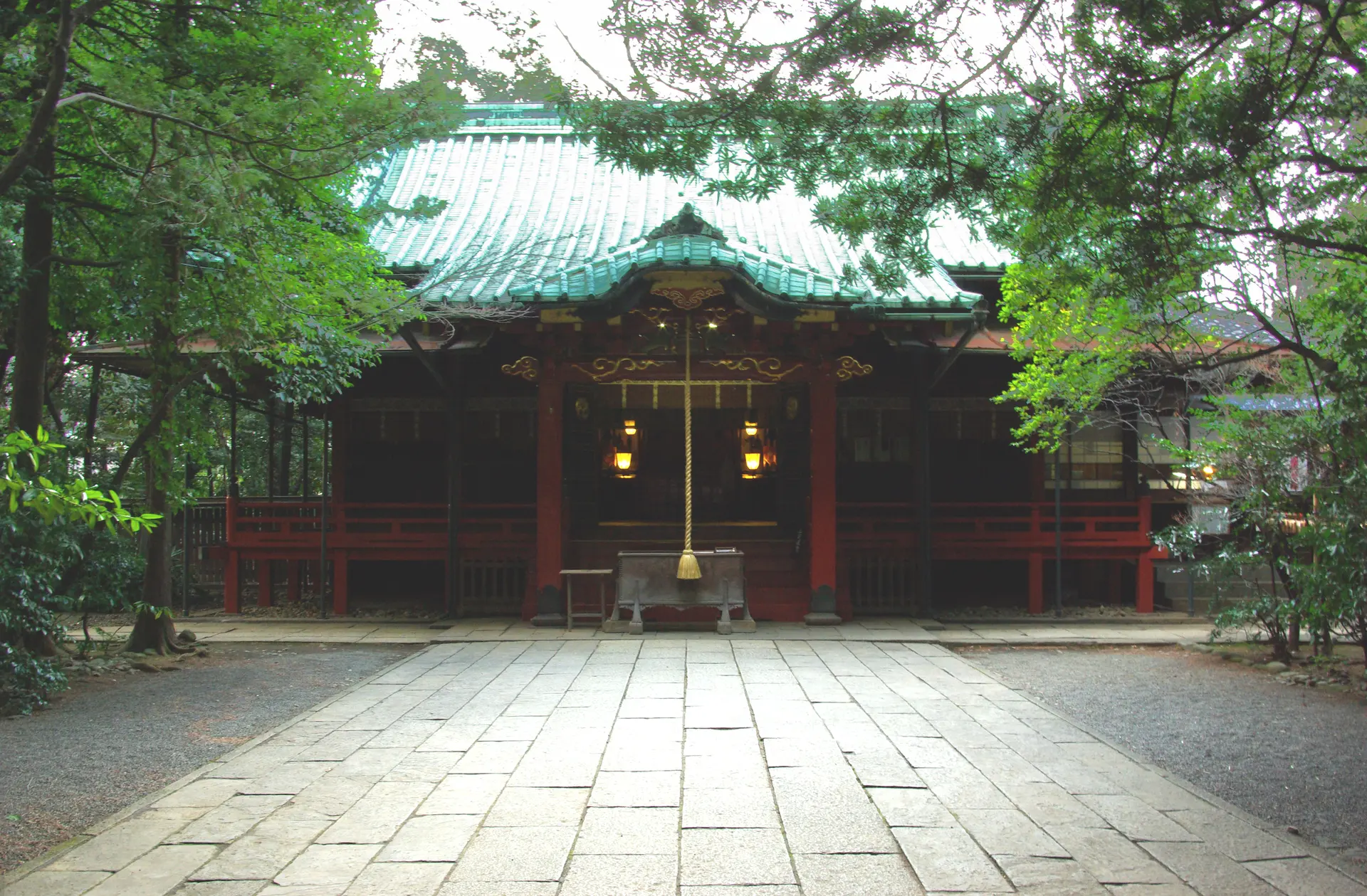
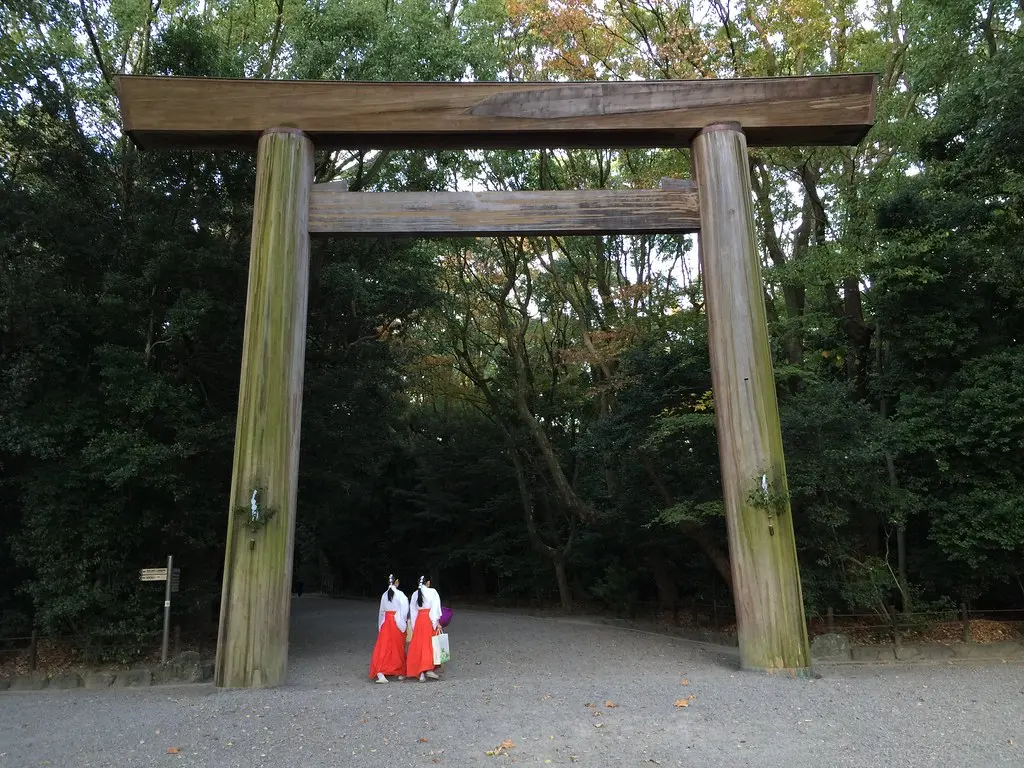
    Rising from the heart of Tokyo, Meiji Shrine offers one of the world's most dramatic sacred thresholds. Step through the massive torii gate and the city dissolves—replaced by a forest planted over a century ago by 110,000 volunteers. At its center, a shrine honors the spirits of Emperor Meiji and Empress Shoken, the imperial couple who shepherded Japan from isolation into modernity.

    Tabata Stone Circle - Jomon sacred site
    Jomon

    Tabata Stone Circle

    Machida, Tokyo, Japan

    Five minutes from a Tokyo train station, a ring of stones marks where Jomon peoples gathered three thousand years ago. They built their ceremonial circle directly over the graves of thirty ancestors, aligning it so the winter solstice sun would set precisely over Mount Hirugatake in the Tanzawa range. It remains the only Jomon period stone circle in the Tokyo metropolitan area—a quiet reminder that the sacred can persist beneath modern landscapes.

    Wakayama Prefecture

    6 sites

    Hiro Shrine - Shinto sacred site
    Shinto

    Hiro Shrine

    Nachikatsuura, Wakayama Prefecture, Japan

    At the base of Japan's tallest single-drop waterfall, Hirou Shrine offers something rare: direct worship of natural phenomenon. Here there is no temple building to pray before, only the 133-meter cascade itself serving as the divine body of the kami. This is nature worship in its purest form.

    Kongobu-ji Temple (Mt. Koya) - undefined sacred site

    Kongobu-ji Temple (Mt. Koya)

    Koya, Wakayama Prefecture, Japan

    Mt. Koya is a site of sacred significance. Approximate coordinates: 34.18380, 135.60443. Located in 高野町, 伊都郡, Japan.

    Kumano Hayatama Taisha - Shinto sacred site
    UNESCO
    Shinto

    Kumano Hayatama Taisha

    Shingū, Wakayama Prefecture, Japan

    Kumano Hayatama Taisha (熊野速玉大社) is a Shinto shrine located in Shingu, Wakayama Prefecture, on the shores of the Kumanogawa in the Kii Peninsula of Japan. It is included as part of the Kumano Sanzan in the UNESCO World Heritage site "Sacred Sites and Pilgrimage Routes in the Kii Mountain Range". The three Kumano Sanzan shrines are the Sōhonsha ("head shrines") of all Kumano shrines, lie at between 20 and 40 km of distance one from the other and are connected by the pilgrimage route known as "Kumano Sankeimichi" (熊野参詣道).

    Kumano Hongū Taisha - Shinto sacred site
    UNESCO
    Shinto

    Kumano Hongū Taisha

    Tanabe, Wakayama Prefecture, Japan

    Kumano Hongū Taisha (熊野本宮大社) is a Shinto shrine located in the jurisdiction of Tanabe, Wakayama, deep in the rugged mountains of the southeast Kii Peninsula of Japan. It is included as part of the Kumano Sanzan in the World Heritage Site "Sacred Sites and Pilgrimage Routes in the Kii Mountain Range". The main deity enshrined is Kumano Gongen (熊野権現). All of the ancient Kumano Kodō routes lead to the Grand Shrine. It was originally located at present Ōyunohara (大斎原), on a sandbank at the confluence of the Kumano River and Otonashi River. In 1889, it was partially destroyed in a flood and the remaining shrine buildings were relocated at its present site in 1891. Of the original five main pavilions only three were rebuilt. Four deities were moved there and the other eight are still enshrined there in two stone monuments. In 2000, the largest torii shrine gate in the world (33.9 meters tall and 42 meters wide) was erected at the entrance to the Oyunohara sandbank. It is an official gateway that designates the entrance to a sacred area. It signifies the division of the secular and the spiritual worlds. This torii is called Otorii (o means "great") and is made of steel weighing 172 tons, which took about six months to make and another six months to assemble.

    Kumano-Nachi Grand Shrine - Shinto sacred site
    Shinto

    Kumano-Nachi Grand Shrine

    Nachikatsuura, Wakayama Prefecture, Japan

    One of the three great Kumano shrines, Kumano Nachi Taisha rises on Mt. Nachi above Japan's tallest waterfall. Here nature worship became formalized Shinto, drawing emperors from Kyoto who walked for weeks through mountain passes to seek blessings from the kami of these sacred heights.

    Seigantoji (Seiganto Temple) - Buddhism sacred site
    Buddhism

    Seigantoji (Seiganto Temple)

    Nachikatsuura, Wakayama Prefecture, Japan

    High on Mt. Nachi in Wakayama Prefecture, the three-story vermillion pagoda of Seigantoji frames one of the most iconic views in Japan: the 133-meter Nachi Falls cascading behind it. This temple marks the beginning of the Saigoku Kannon Pilgrimage, drawing seekers for over a thousand years to where Buddhist devotion meets the raw power of falling water.

    Yamagata Prefecture

    3 sites

    Dewa Shrine and Mt. Haguro - undefined sacred site

    Dewa Shrine and Mt. Haguro

    Tsuruoka, Yamagata Prefecture, Japan

    Mt. Haguro is a site of sacred significance. Approximate coordinates: 38.70247, 139.98292. Located in 鶴岡市, Japan.

    Mount Yudono - Shugendo sacred site
    Shugendo

    Mount Yudono

    Tsuruoka, Yamagata Prefecture, Japan

    At the culmination of the Dewa Sanzan pilgrimage, where seekers symbolically die and are reborn across three sacred mountains, Mount Yudono guards the final mystery. The shrine has no building because the sacred object needs no shelter: a massive rust-red rock from which hot spring water perpetually flows. What happens when barefoot pilgrims walk across this warm, wet stone is protected by a tradition of strict secrecy maintained for over a millennium: speak not, hear not.

    Mt. Chokai - undefined sacred site

    Mt. Chokai

    Yuza, Yamagata Prefecture, Japan

    Mt. Chokai is a site of sacred significance. Approximate coordinates: 39.09917, 140.05083. Located in 遊佐町, 飽海郡, Japan.

    Pilgrim MapPilgrim Map

    A compass for the soul, guiding you to sacred places across the world.

    Browse Sacred Sites

    Explore

    Learn

    © 2025 Pilgrim Map. Honoring all spiritual traditions and sacred paths.

    Data sources: Wikipedia, OpenStreetMap, and community contributions. Site information is provided for educational and spiritual exploration purposes.

    Made with reverence for all paths