Key questions
- What is Ashtavinayak Yatra?
- Ashtavinayak Yatra is a Hinduism pilgrimage route in India, Maharashtra. A complete eight-temple circuit through Maharashtra that begins at Morgaon, honors distinct forms of Ganesha, and traditionally returns to Morgaon to close the journey
- How many stations are on Ashtavinayak Yatra?
- This guide currently maps 8 stations, with 8 total sites noted in the route metadata.
- When is the best time to walk Ashtavinayak Yatra?
- Use the route guide and individual station pages to plan around local weather, access, and temple or shrine hours.
Opening
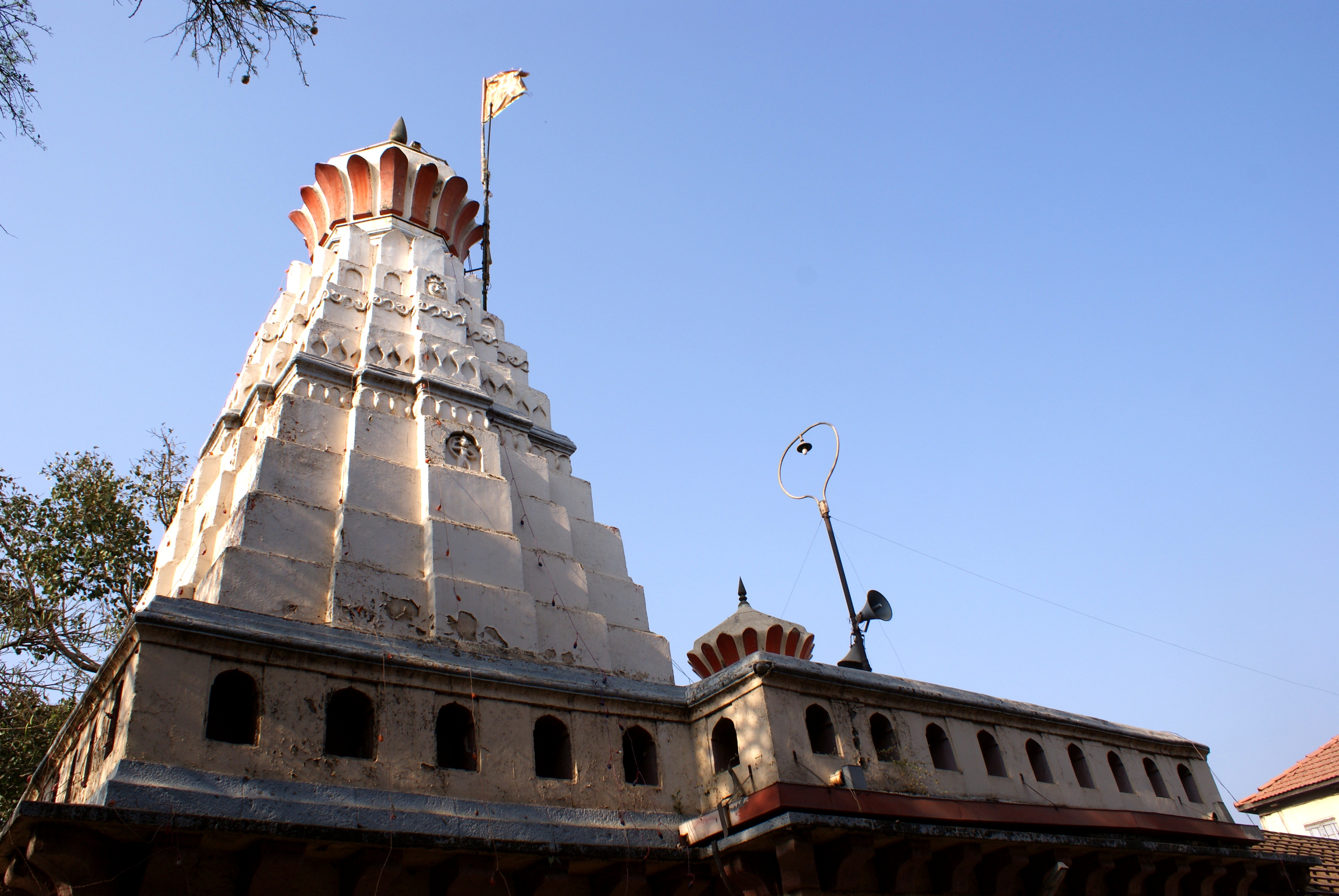
The Ashtavinayak Yatra gathers eight Ganesha temples across Maharashtra into one devotional circuit. Its geography is not a straight line: the journey moves between Pune, Ahilyanagar, and Raigad districts, then closes by returning to the Mayureshwar temple at Morgaon where it began. Each shrine is associated with a distinct form and local sacred narrative, yet the pilgrimage is understood through the set as a whole rather than through any one temple alone.
This page maps every canonical shrine in the traditional sequence: Mayureshwar at Morgaon, Siddhivinayak at Siddhatek, Ballaleshwar at Pali, Varadvinayak at Mahad, Chintamani at Theur, Girijatmaj at Lenyadri, Vighneshwar at Ozar, and Mahaganpati at Ranjangaon. The final return to Morgaon completes the circuit but does not create an additional site record.
Origins
The eight temples do not share one construction date or one architectural history. Their identities are carried through regional Ganesha traditions and site-specific narratives, while surviving buildings reflect rebuilding and patronage across different periods. Maharashtra's official tourism material describes Morgaon as both the beginning and the end of the yatra and identifies Ranjangaon as the final distinct temple before that return.
Because sacred narrative and building history are not the same thing, this guide treats legendary accounts as living devotional traditions rather than as independently dated events. The route's coherence comes from the recognized group of eight forms and the practiced order of visitation, not from a claim that all eight structures were founded together.
Why pilgrims walk it
Devotees undertake the circuit to seek Ganesha's blessing at the beginning of an undertaking, to pray through obstacles, or to fulfill a vow. The repeated movement from one form of Ganesha to another gives the journey a cumulative rhythm: each temple has its own name, iconography, and local story, while the return to Morgaon restores the pilgrim to the point of departure.
Many visitors now travel by car, hired vehicle, or organized coach rather than walking the whole circuit. The pilgrimage still asks for patience. Queues, puja schedules, the climb to the cave temple at Lenyadri, and the time needed to move respectfully through active worship spaces shape the experience more than the number of kilometers alone.
Significance
Ashtavinayak is one of Maharashtra's most recognizable regional pilgrimage circuits and a major expression of devotion to Ganesha. Its importance lies in the relationship among eight living temples: the yatra makes a network from shrines that otherwise have separate local histories. Morgaon's special role as both opening and closing point gives the circuit a deliberately circular form.
The route also brings together different landscapes and temple forms. Lenyadri is reached through a rock-cut cave setting and a substantial stair ascent, while several other shrines stand within towns or villages. These differences are part of the pilgrimage rather than deviations from it.