Country guide

Italy

65 sacred sites across 7 regions.

Apulia

2 sites

Campania

5 sites

Basilica of Our Lady of Mount Carmel
Christianity

Basilica of Our Lady of Mount Carmel

Naples, Campania, Italy

Basilica of Our Lady of Mount Carmel in Naples, Campania, Italy.

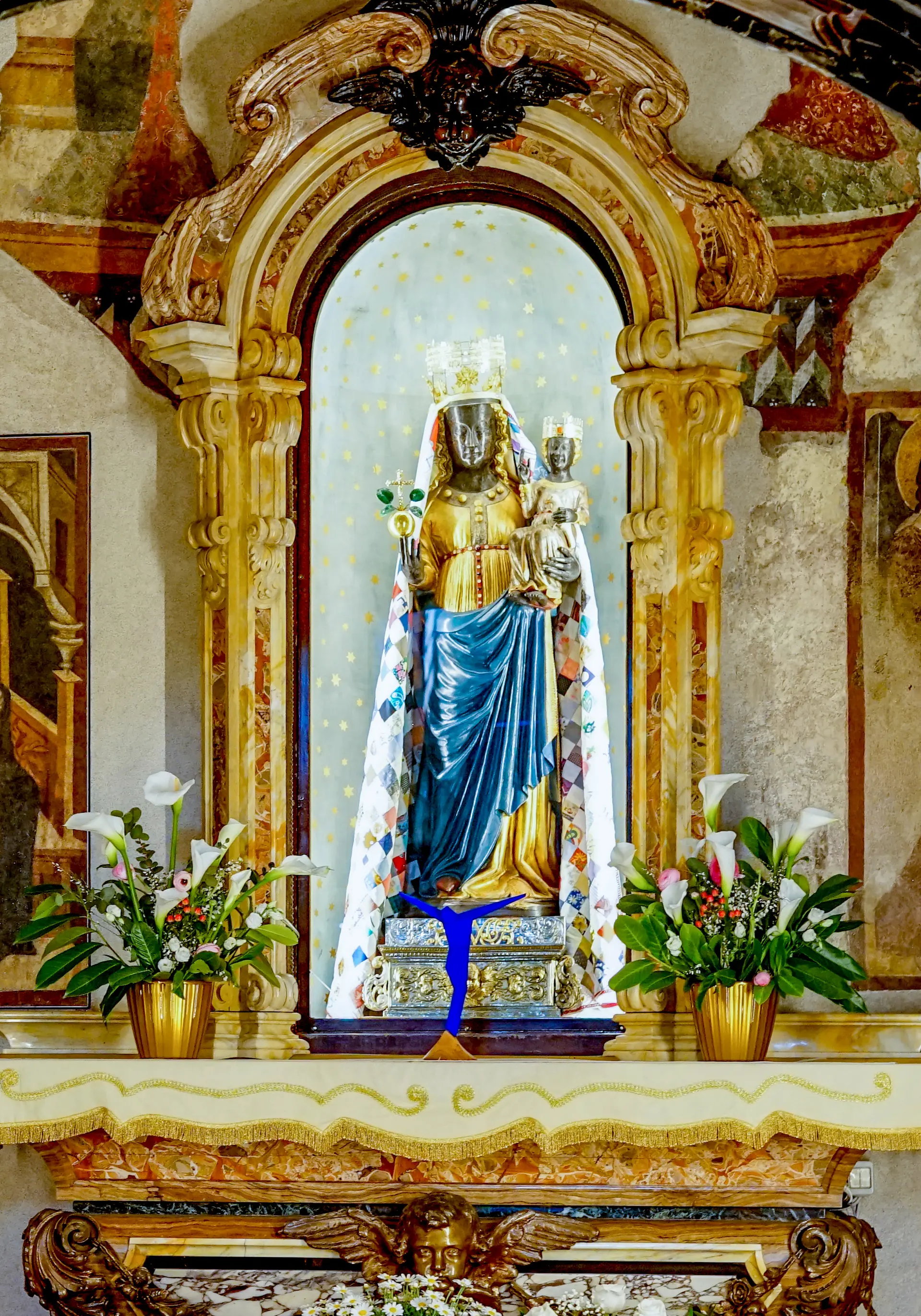
Black Madonna of Naples
Christian

Black Madonna of Naples

Naples, Campania, Italy

Black Madonna shrine known for Madonna dell'Arco and other local Black Madonnas

Madonna di Montevergine (Mamma Schiavona)
Christianity

Madonna di Montevergine (Mamma Schiavona)

Mercogliano, Campania, Italy

Madonna di Montevergine (Mamma Schiavona) in Mercogliano, Campania, Italy.

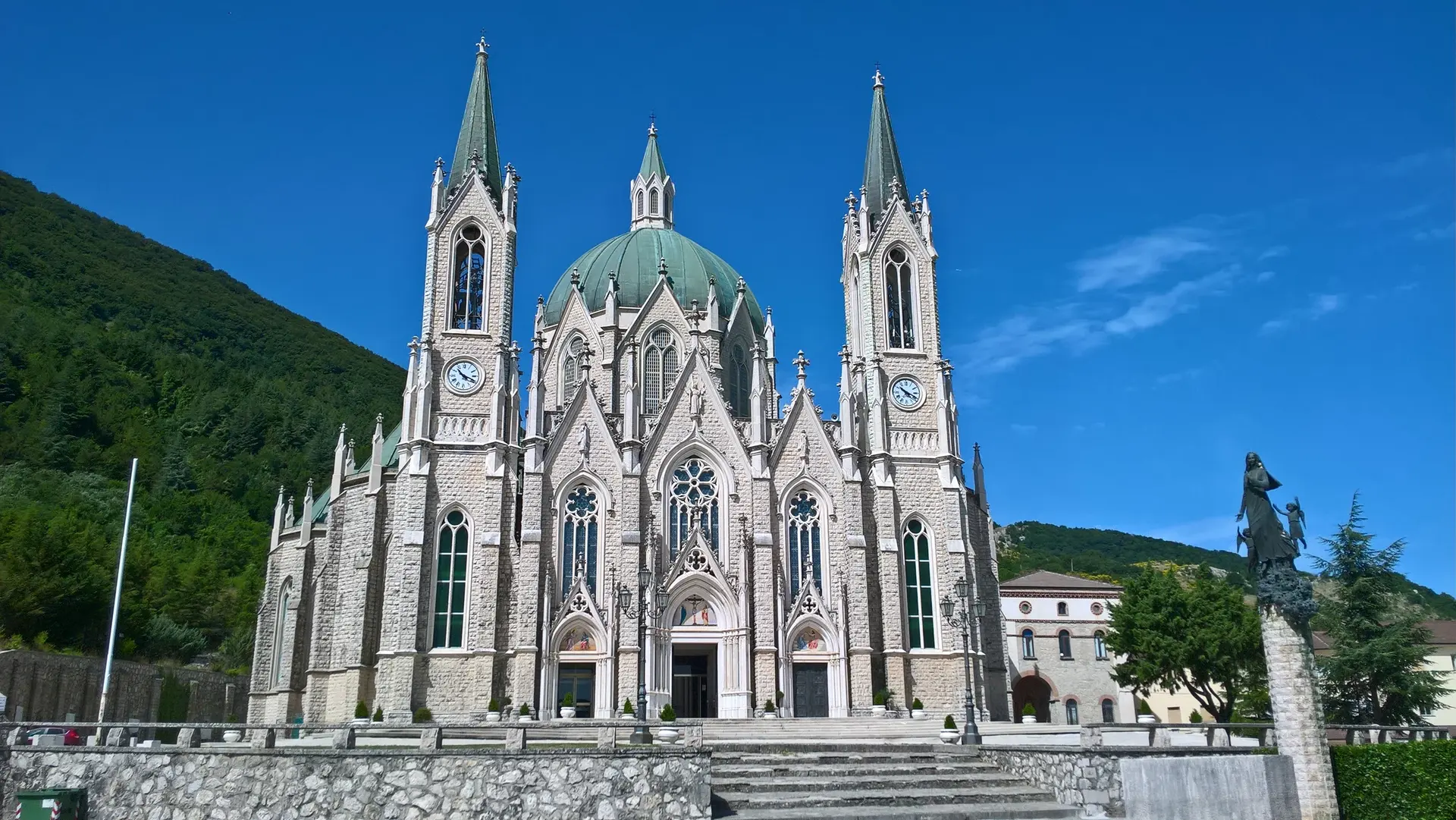
Sanctuary of Montevergine
Christianity

Sanctuary of Montevergine

Mercogliano, Campania, Italy

Sanctuary of Montevergine in Mercogliano, Campania, Italy.

The Ruins of Paestum (Basilica of Hera)
Ancient Greek

The Ruins of Paestum (Basilica of Hera)

Capaccio Paestum, Campania, Italy

Paestum is a site of sacred significance. Approximate coordinates: 40.41927, 15.00544. Paestum ( PEST-əm, US also PEE-stəm, Latin: [ˈpae̯stũː]) was a major ancient Greek city on the coast of the Tyrrhenian Sea, in Magna Graecia. The ruins of Paestum are famous for their three ancient Greek temples in the Doric order dating from about 550 to 450 BCE that are in an excellent state of preservation. The city walls and amphitheatre are largely intact, and the bottom of the walls of many other structures remain, as well as paved roads. The site is open to the public, and there is a modern national museum within it, which also contains the finds from the associated Greek site of Foce del Sele. Paestum was established around 600 BCE by settlers from Sybaris, a Greek colony in southern Italy, under the name of Poseidonia (Ancient Greek: Ποσειδωνία). The city thrived as a Greek settlement for about two centuries, witnessing the development of democracy. In 400 BCE, the Lucanians seized the city. Romans took over in 273 BCE, renaming it Paestum and establishing a Latin colony. Later, its decline ensued from shifts in trade routes and the onset of flooding and marsh formation. As Pesto or Paestum, the town became a bishopric (now only titular), but it was abandoned in the Early Middle Ages, and left undisturbed and largely forgotten until the eighteenth century. Today the remains of the city are found in the modern frazione of Paestum, which is part of the comune of Capaccio Paestum in the Province of Salerno in the region of Campania, Italy. The modern settlement, directly to the south of the archaeological site, is a popular seaside resort with long sandy beaches. The Paestum railway station on the Naples-Salerno-Reggio Calabria railway line is directly to the east of the ancient city walls. Located in Capaccio Paestum, Campania, Italy.

Lazio

16 sites

Alatri acropoli
Ancient Roman

Alatri acropoli

Alatri, Lazio, Italy

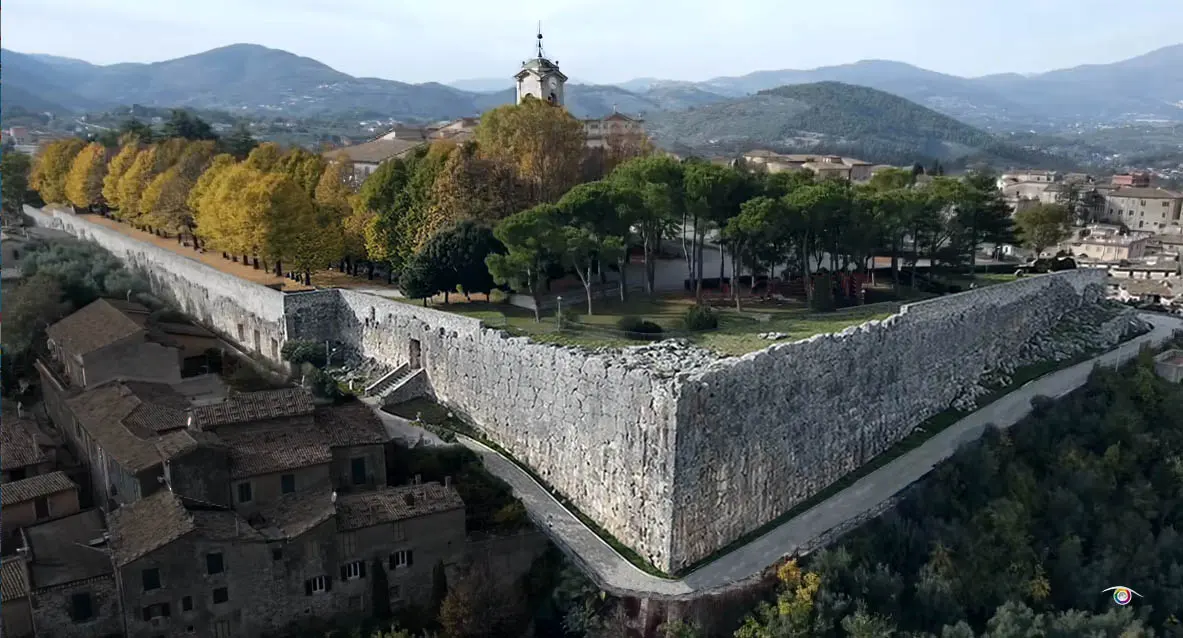
Alatri acropoli is a acropolis of sacred significance. Approximate coordinates: 41.72462, 13.34415. Attributes: built, cultural, archaeological. Located in Alatri, Lazio, Italy.

Basilica di San Clemente, Rome, Italy
Christianity

Basilica di San Clemente, Rome, Italy

Rome, Lazio, Italy

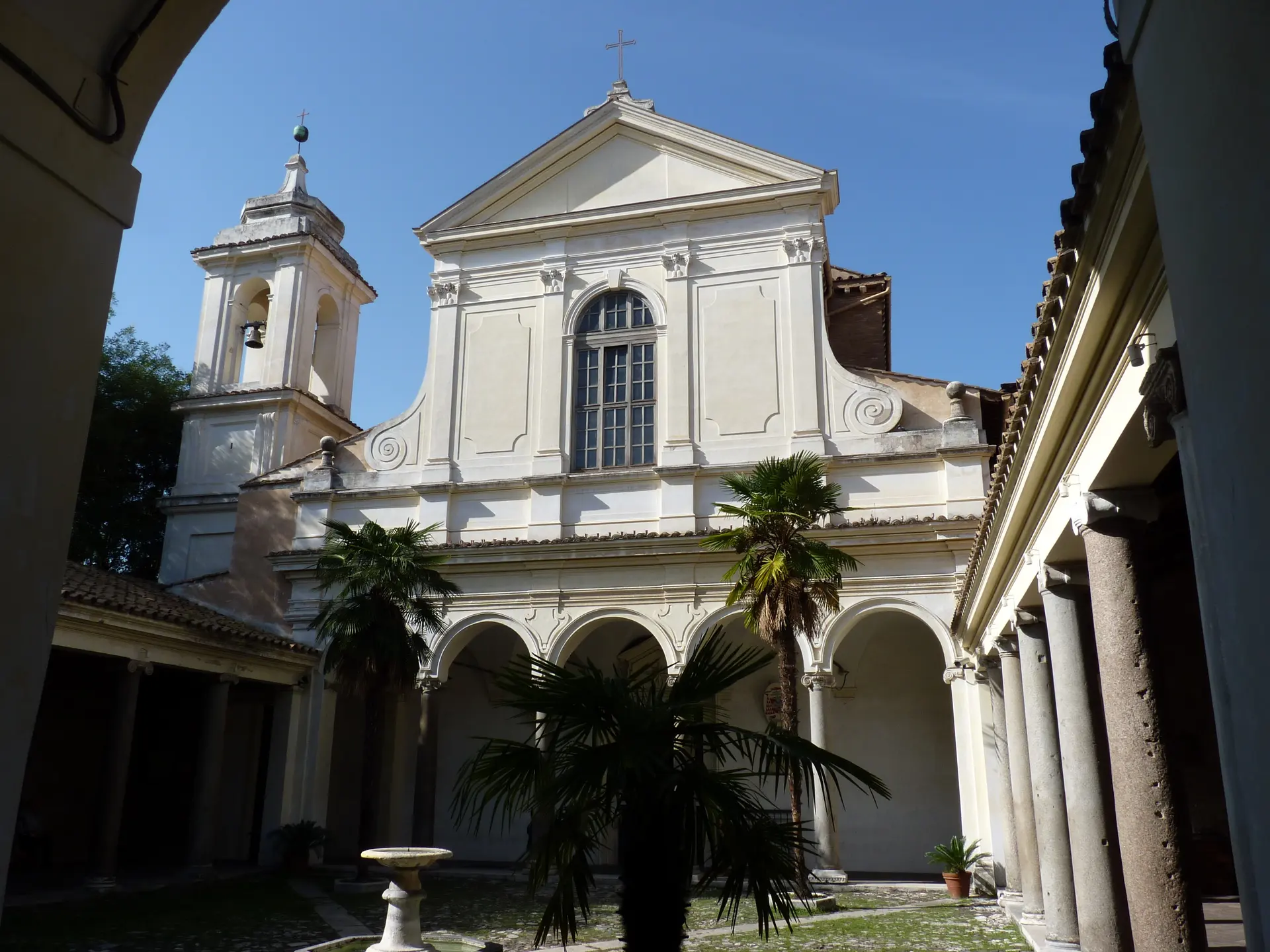
Basilica di San Clemente, Rome, Italy is a basilica of sacred significance. Approximate coordinates: 41.88933, 12.49758. Attributes: built, cultural, archaeological, pilgrimage. Tradition: Christianity. Associated figure: Saint Clement. Located in Roma, Lazio, Italy.

Basilica di Sant’ Agostino, Rome, Italy
Christianity

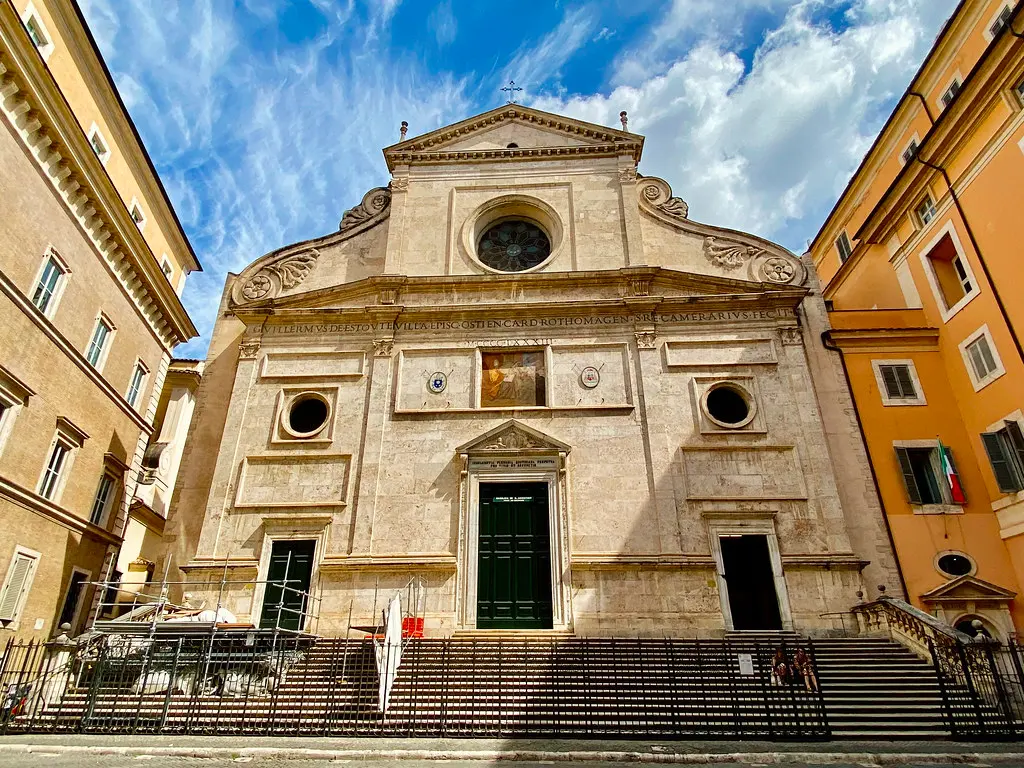
Basilica di Sant’ Agostino, Rome, Italy

Rome, Lazio, Italy

Basilica di Sant’ Agostino, Rome, Italy is a basilica of sacred significance. Approximate coordinates: 41.90084, 12.47428. Attributes: built, cultural, pilgrimage. Tradition: Christianity. Associated figure: St. Augustine. Located in Roma, Lazio, Italy.

Basilica di Santa Cecilia in Trastevere, Rome, Italy
Christianity

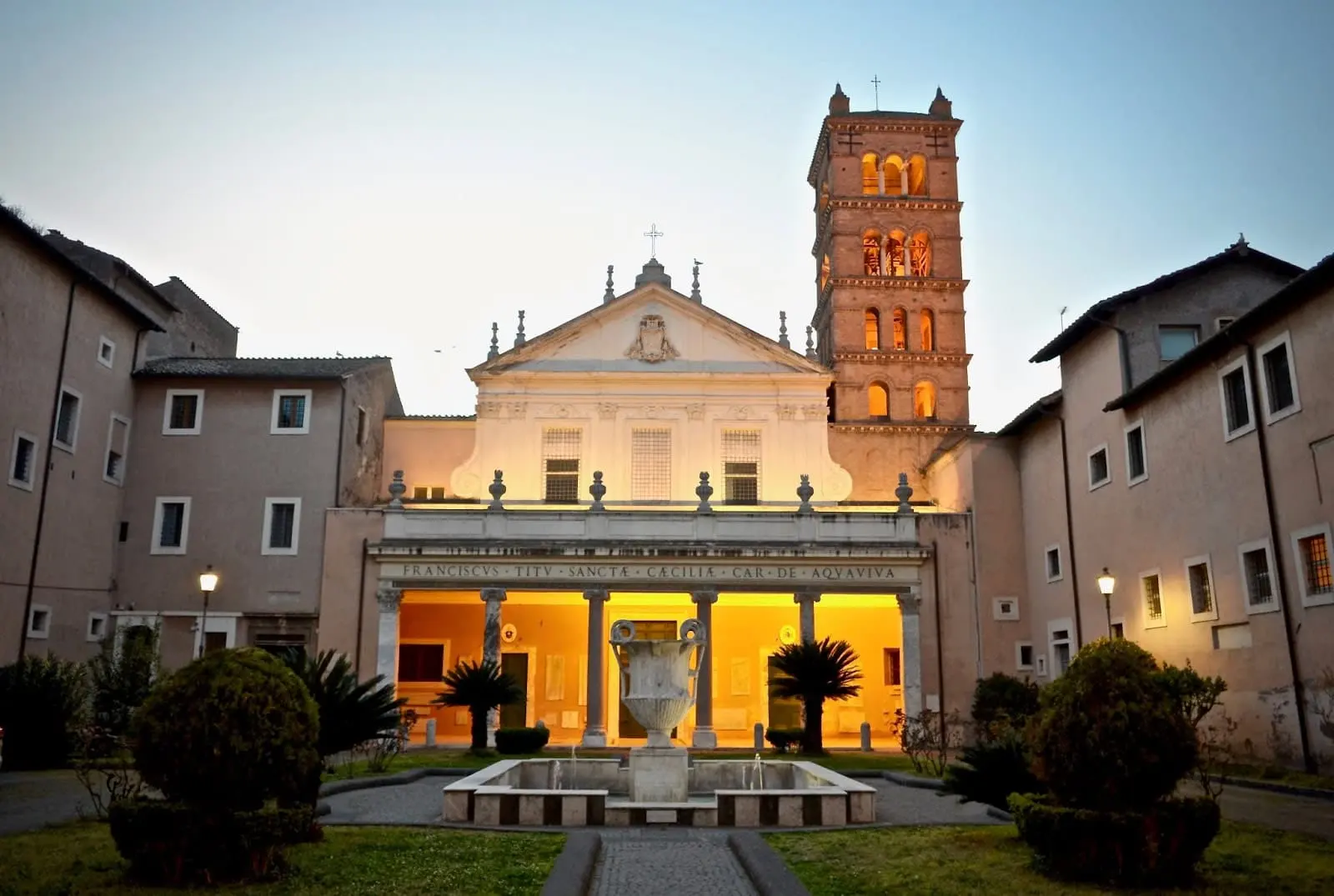
Basilica di Santa Cecilia in Trastevere, Rome, Italy

Rome, Lazio, Italy

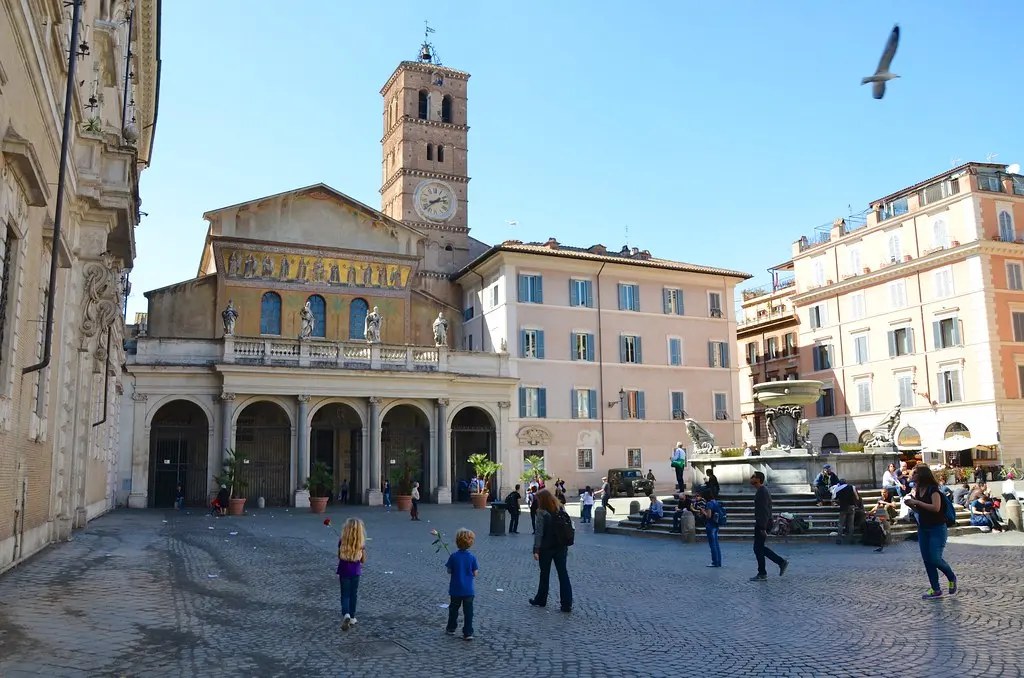
Basilica di Santa Cecilia in Trastevere, Rome, Italy is a basilica of sacred significance. Approximate coordinates: 41.88719, 12.47657. Attributes: built, cultural, pilgrimage. Tradition: Christianity. Associated figure: Saint Cecilia. Located in Roma, Lazio, Italy.

Basilica di Santa Maria in Trastevere, Rome, Italy
Christianity

Basilica di Santa Maria in Trastevere, Rome, Italy

Rome, Lazio, Italy

Basilica di Santa Maria in Trastevere, Rome, Italy is a basilica of sacred significance. Approximate coordinates: 41.88947, 12.46966. Attributes: built, cultural, pilgrimage. Tradition: Christianity. Associated figure: Virgin Mary. Located in Roma, Lazio, Italy.

Basilica of Saint Mary Major, Rome, Italy
Christianity

Basilica of Saint Mary Major, Rome, Italy

Rome, Lazio, Italy

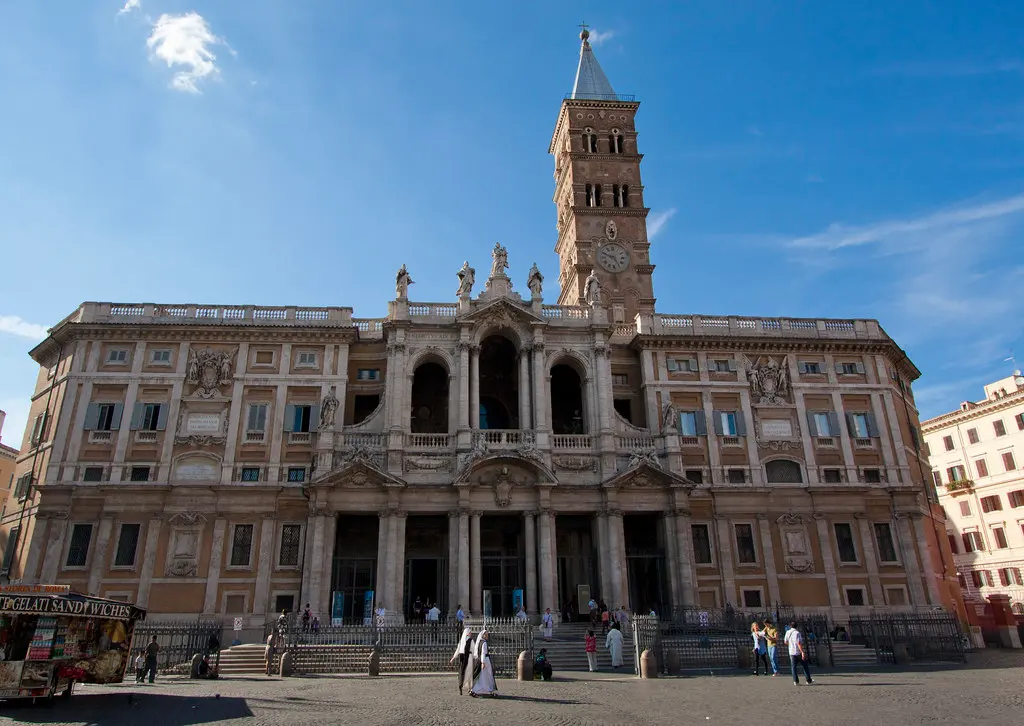
Basilica of Saint Mary Major, Rome, Italy is a site of sacred significance. Approximate coordinates: 41.89760, 12.49841. Located in Roma, Lazio, Italy.

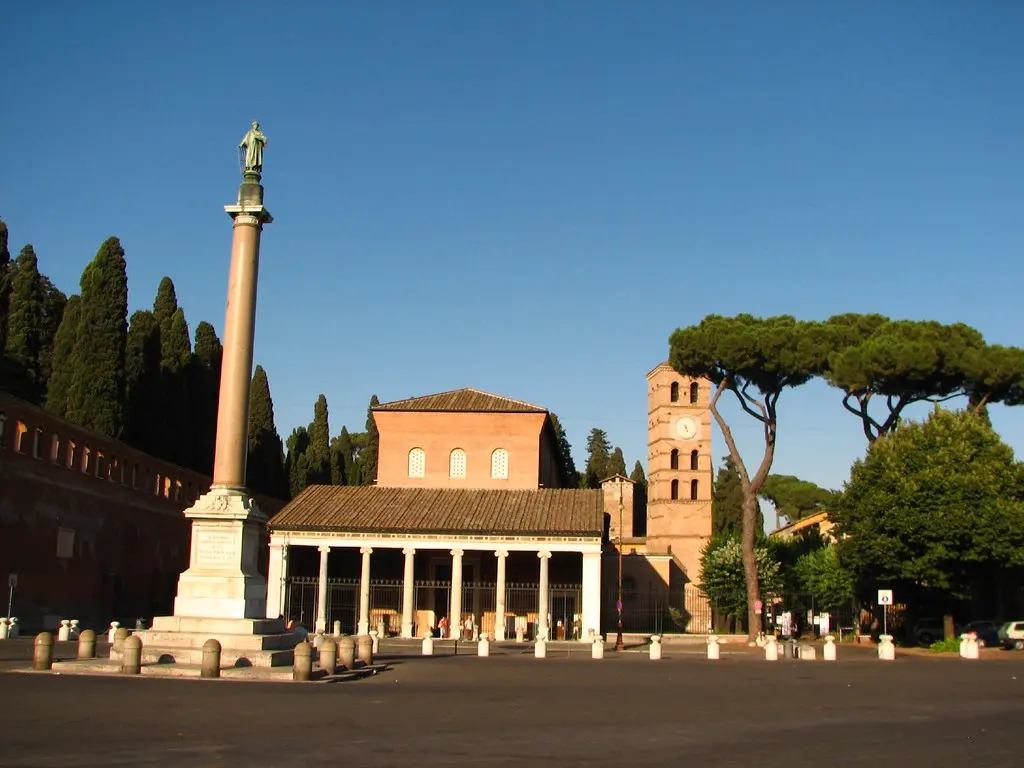
Basilica of St. Lawrence Outside the Walls, Rome, Italy
Christianity

Basilica of St. Lawrence Outside the Walls, Rome, Italy

Rome, Lazio, Italy

Basilica of St. Lawrence Outside the Walls, Rome, Italy is a site of sacred significance. Approximate coordinates: 41.90253, 12.52056. Located in Roma, Lazio, Italy.

Basilica of St. Mary of Minerva, Rome, Italy
Christianity

Basilica of St. Mary of Minerva, Rome, Italy

Rome, Lazio, Italy

Basilica of St. Mary of Minerva, Rome, Italy is a site of sacred significance. Approximate coordinates: 41.89799, 12.47802. Located in Roma, Lazio, Italy.

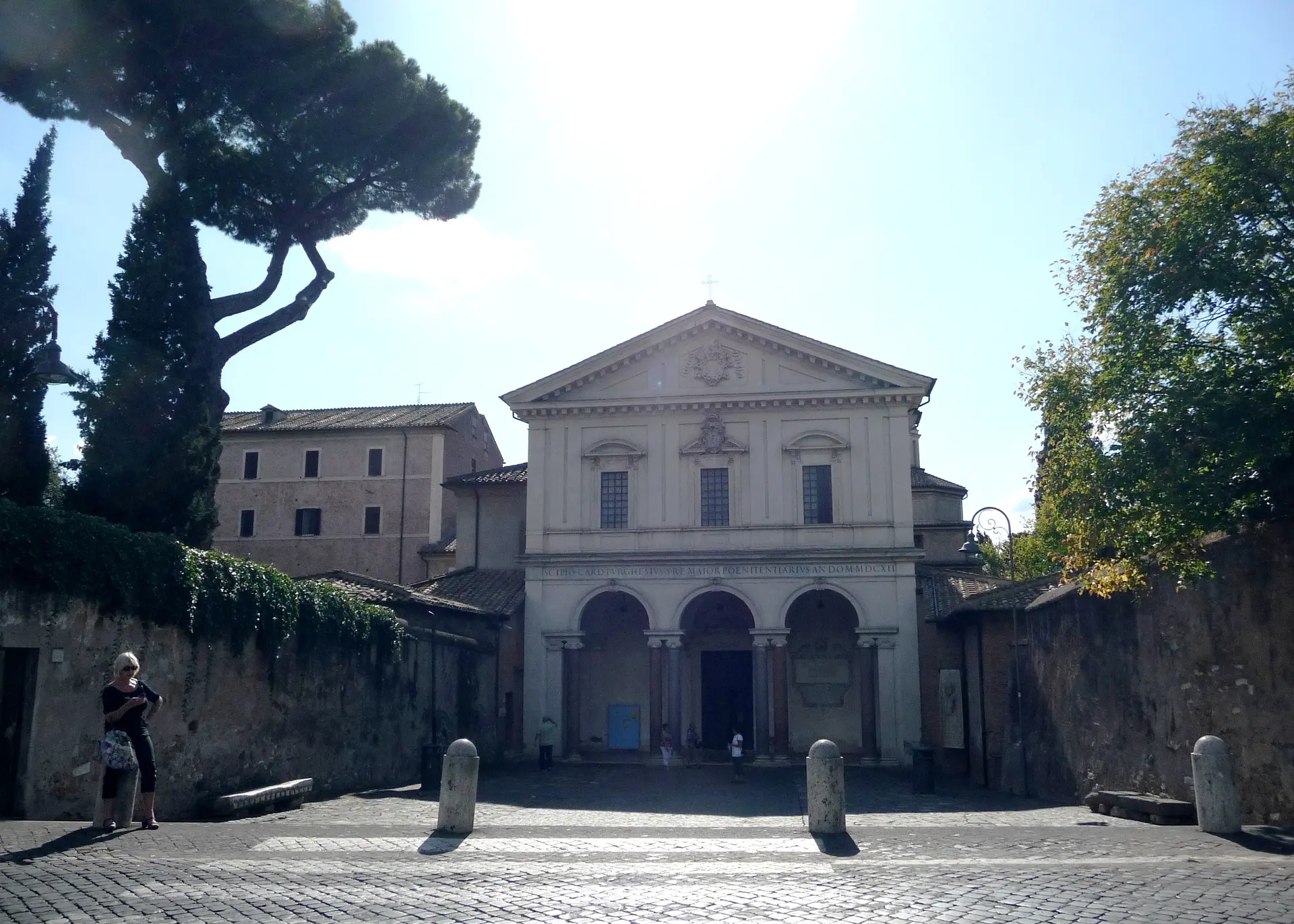
Basilica of St. Sebastian Outside the Walls, Rome, Italy
Christianity

Basilica of St. Sebastian Outside the Walls, Rome, Italy

Rome, Lazio, Italy

Basilica of St. Sebastian Outside the Walls, Rome, Italy is a site of sacred significance. Approximate coordinates: 41.85585, 12.51585. Located in Roma, Lazio, Italy.

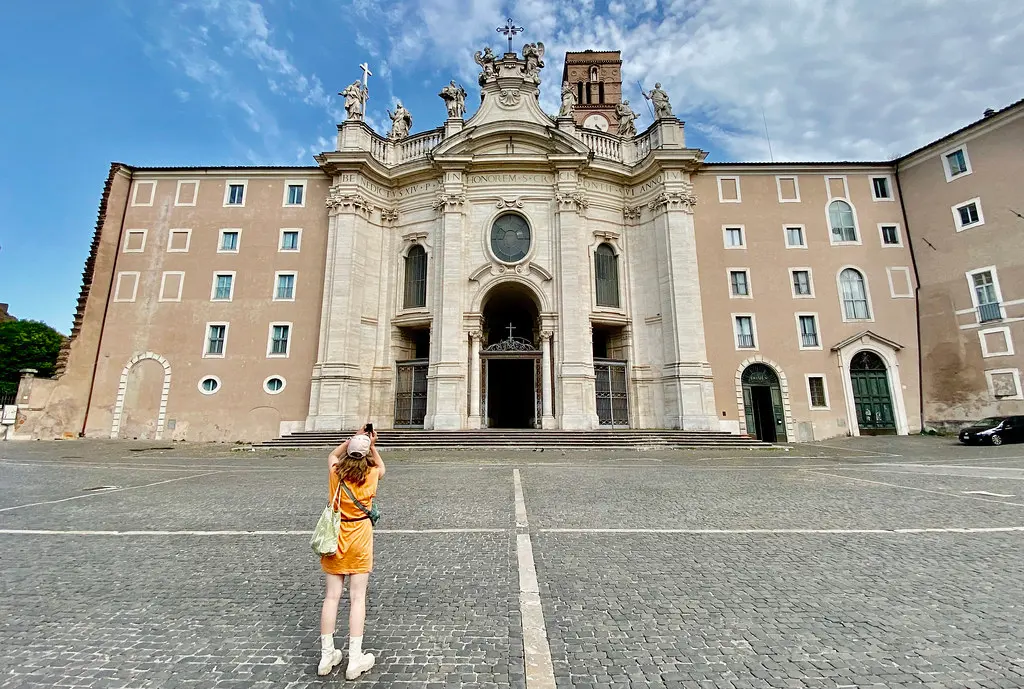
Basilica of the Holy Cross in Jerusalem, Rome, Italy
Christianity

Basilica of the Holy Cross in Jerusalem, Rome, Italy

Rome, Lazio, Italy

Basilica of the Holy Cross in Jerusalem, Rome, Italy is a basilica of sacred significance. Approximate coordinates: 41.88824, 12.51584. Attributes: built, cultural, pilgrimage. Tradition: Christianity. Associated figure: Holy Cross. Located in Roma, Lazio, Italy.

Basilica Parrocchiale di Santa Maria del Popolo, Rome, Italy
Christianity

Basilica Parrocchiale di Santa Maria del Popolo, Rome, Italy

Rome, Lazio, Italy

Basilica Parrocchiale di Santa Maria del Popolo, Rome, Italy is a basilica of sacred significance. Approximate coordinates: 41.91149, 12.47666. Attributes: built, cultural. Tradition: Christianity. Associated figure: Virgin Mary. Located in Roma, Lazio, Italy.

Mausoleo di Santa Costanza, Rome, Italy
Christianity

Mausoleo di Santa Costanza, Rome, Italy

Rome, Lazio, Italy

Mausoleo di Santa Costanza, Rome, Italy is a mausoleum of sacred significance. Approximate coordinates: 41.92264, 12.51744. Attributes: built, cultural. Tradition: Christianity. Associated figure: Santa Costanza. Located in Roma, Lazio, Italy.

Monte Cassino
Christianity

Monte Cassino

Cassino, Lazio, Italy

Monte Cassino is a site of sacred significance. Approximate coordinates: 41.49033, 13.81339. The Abbey of Monte Cassino (today usually spelled Montecassino) is a Catholic, Benedictine monastery on a rocky hill about 130 kilometres (80 mi) southeast of Rome, in the Latin Valley. Located on the site of the ancient Roman town of Casinum, it is the first house of the Benedictine Order, having been established by Benedict of Nursia himself around 529. It was for the community of Monte Cassino that the Rule of Saint Benedict was composed. The first monastery on Monte Cassino was sacked by the invading Lombards around 570 and abandoned. Of the first monastery almost nothing is known. The second monastery was established by Petronax of Brescia around 718, at the suggestion of Pope Gregory II and with the support of the Lombard Duke Romuald II of Benevento. It was directly subject to the pope and many monasteries in Italy were under its authority. In 883, the monastery was sacked by Saracens and abandoned again. The community of monks resided first at Teano and then from 914 at Capua before the monastery was rebuilt in 949. During the period of exile, the Cluniac Reforms were introduced into the community. The 11th and 12th centuries were the abbey s golden age. It acquired a large secular territory around Monte Cassino, the so-called Terra Sancti Benedicti ( Land of Saint Benedict ), which it heavily fortified with castles. It maintained good relations with the Eastern Church, even receiving patronage from Byzantine emperors. It encouraged fine art and craftsmanship by employing Byzantine artisans. In 1057, Pope Victor II recognised the abbot of Monte Cassino as having precedence over all other abbots. Many monks rose to become bishops and cardinals, and three popes were drawn from the abbey: Stephen IX (1057–58), Victor III (1086–87) and Gelasius II (1118–19). During this period, a monastic chronicle, Chronica sacri monasterii casinensis, was written by two of its own, Cardinal Leo of Ostia and Peter the Deacon (who also compiled the cartulary). By the 13th century, the monastery s decline had set in. In 1239, the Emperor Frederick II garrisoned troops in it during his war with the Papacy. In 1322, Pope John XXII elevated the abbey into a bishopric but this was suppressed in 1367. The buildings were destroyed by an earthquake in 1349, and in 1369 Pope Urban V demanded a contribution from all Benedictine monasteries to fund the rebuilding. In 1454, the abbey was placed in commendam and in 1504 was made subject to the Abbey of Santa Giustina in Padua. In 1799, Monte Cassino was sacked again by French troops during the French Revolutionary Wars. The abbey was dissolved by the Italian government in 1866. The building became a national monument with the monks as custodians of its treasures. In 1944, during World War II, it was the site of the Battle of Monte Cassino, when the building was destroyed by Allied bombing. It was rebuilt after the war. After the reforms of the Second Vatican Council the monastery was one of the few remaining territorial abbeys within the Catholic Church. On 23 October 2014, Pope Francis applied the norms of the motu proprio Ecclesia Catholica of Paul VI (1976) to the abbey, removing from its jurisdiction all 53 parishes and reducing its spiritual jurisdiction to the abbey itself — while retaining its status as a territorial abbey. The former territory of the Abbey, except the land on which the abbey church and monastery sit, was transferred to the diocese of Sora-Cassino-Aquino-Pontecorvo. Pope Francis at the same time appointed Father Donato Ogliari as the new Abbot who will serve as the 192nd successor of Saint Benedict. As of 2015, the monastic community consists of 13 monks. Ogliari was succeeded as abbot by Antonio Luca Fallica in 2023. Located in Cassino, Lazio, Italy.

Pantheon, Rome, Italy
Multi-faith

Pantheon, Rome, Italy

Rome, Lazio, Italy

Pantheon, Rome, Italy is a site of sacred significance. Approximate coordinates: 41.89861, 12.47687. Located in Roma, Lazio, Italy.

San Nicola in Carcere, Rome, Italy
Christianity

San Nicola in Carcere, Rome, Italy

Rome, Lazio, Italy

San Nicola in Carcere, Rome, Italy is a site of sacred significance. Approximate coordinates: 41.89113, 12.48002. Located in Roma, Lazio, Italy.

Tempio di Portuno, Rome, Italy
Ancient Roman

Tempio di Portuno, Rome, Italy

Rome, Lazio, Italy

Tempio di Portuno, Rome, Italy is a site of sacred significance. Approximate coordinates: 41.88924, 12.48092. Located in Roma, Lazio, Italy.

Piedmont

1 sites

Sardegna

1 sites

Sardinia

33 sites

Altare prenuragico di Monte d’Accoddi
Prehistoric

Altare prenuragico di Monte d’Accoddi

Sassari, Sardinia, Italy

Altare prenuragico di Monte d’Accoddi is a prehistoric altar of sacred significance. Approximate coordinates: 40.79067, 8.44898. Attributes: built, cultural, archaeological, ceremonial. Located in Sassari, Sardigna/Sardegna, Italy.

Altare Rupestre di Santo Stefano
Multi-faith

Altare Rupestre di Santo Stefano

Oscheri/Oschiri, Sardinia, Italy

Altare Rupestre di Santo Stefano is a altar of sacred significance. Approximate coordinates: 40.72749, 9.10729. Attributes: built, cultural, archaeological, ceremonial. Located in Oscheri/Oschiri, Sardigna/Sardegna, Italy.

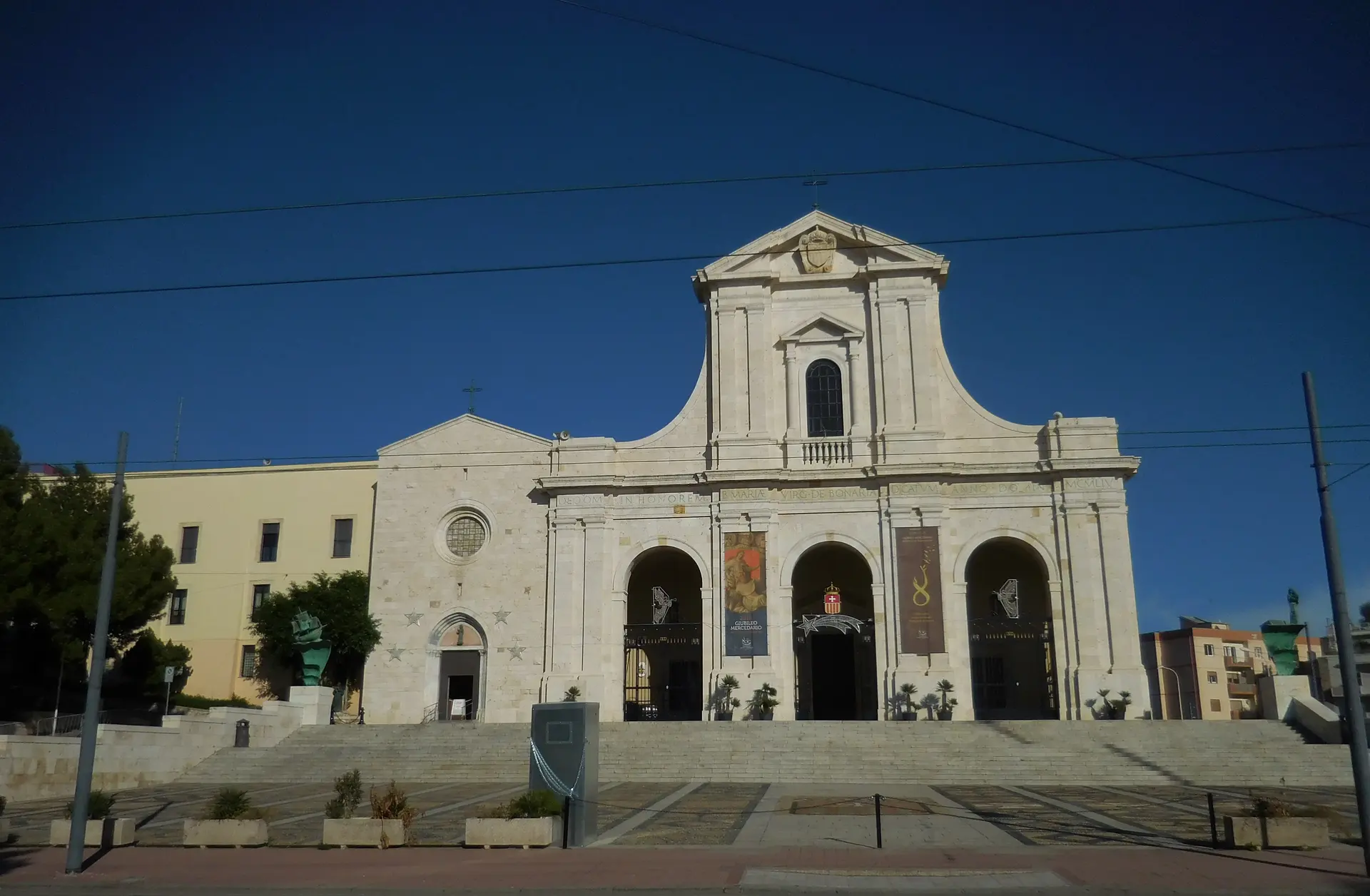
Basilica Santuario Nostra Signora di Bonaria
Christianity

Basilica Santuario Nostra Signora di Bonaria

Cagliari, Sardinia, Italy

Basilica Santuario Nostra Signora di Bonaria is a basilica of sacred significance. Approximate coordinates: 39.20840, 9.12553. Attributes: built, cultural, pilgrimage. Tradition: Christianity. Associated figure: Nostra Signora di Bonaria. Located in Casteddu/Cagliari, Sardigna/Sardegna, Italy.

Chiesa di Nostra Signora di Tergu
Christianity

Chiesa di Nostra Signora di Tergu

Zelgu/Tergu, Sardinia, Italy

Chiesa di Nostra Signora di Tergu is a church of sacred significance. Approximate coordinates: 40.87100, 8.72054. Attributes: built, cultural. Tradition: Christianity. Associated figure: Nostra Signora. Located in Zelgu/Tergu, Sardigna/Sardegna, Italy.

Church of the Holy Trinity Saccargia (Basilica della Santissima Trinita de Saccargia)
Christianity

Church of the Holy Trinity Saccargia (Basilica della Santissima Trinita de Saccargia)

Codronzanu/Codrongianos, Sardinia, Italy

Church of the Holy Trinity Saccargia (Basilica della Santissima Trinita de Saccargia) is a church of sacred significance. Approximate coordinates: 40.67117, 8.68932. Attributes: built, cultural. Tradition: Christianity. Associated figure: Holy Trinity. Located in Codronzanu/Codrongianos, Sardigna/Sardegna, Italy.

Coddu Vecchiu Grave
Prehistoric

Coddu Vecchiu Grave

Alzachèna/Arzachena, Sardinia, Italy

Coddu Vecchiu Grave is a grave of sacred significance. Approximate coordinates: 41.05023, 9.35581. Attributes: built, cultural, archaeological. Located in Alzachèna/Arzachena, Sardigna/Sardegna, Italy.

Complesso Nuragico di Malchittu
Prehistoric

Complesso Nuragico di Malchittu

Alzachèna/Arzachena, Sardinia, Italy

Complesso Nuragico di Malchittu is a nuragic complex of sacred significance. Approximate coordinates: 41.07904, 9.41052. Attributes: built, cultural, archaeological. Tradition: Nuragic. Located in Alzachèna/Arzachena, Sardigna/Sardegna, Italy.

Complesso Nuragico Romanzesu
Prehistoric

Complesso Nuragico Romanzesu

Bitzi/Bitti, Sardinia, Italy

Complesso Nuragico Romanzesu is a nuragic complex of sacred significance. Approximate coordinates: 40.53054, 9.32560. Attributes: built, cultural, archaeological, ceremonial. Tradition: Nuragic. Located in Bitzi/Bitti, Sardigna/Sardegna, Italy.

Complesso Prenuragico di Monte Baranta
Prehistoric

Complesso Prenuragico di Monte Baranta

Alghero, Sardinia, Italy

Complesso Prenuragico di Monte Baranta is a prehistoric complex of sacred significance. Approximate coordinates: 40.63209, 8.39729. Attributes: built, cultural, archaeological. Located in S'Ulumedu/Olmedo, Sardigna/Sardegna, Italy.

Dolmen Ciuledda
Prehistoric

Dolmen Ciuledda

Luras, Sardinia, Italy

Dolmen Ciuledda is a dolmen of sacred significance. Approximate coordinates: 40.94210, 9.17825. Attributes: built, cultural, archaeological. Located in Luras, Sardigna/Sardegna, Italy.

Dolmen di Billella o Bilella
Prehistoric

Dolmen di Billella o Bilella

Luras, Sardinia, Italy

Dolmen di Billella o Bilella is a dolmen of sacred significance. Approximate coordinates: 40.93729, 9.16022. Attributes: built, cultural, archaeological. Located in Luras, Sardigna/Sardegna, Italy.

Dolmen di Ladas
Prehistoric

Dolmen di Ladas

Luras, Sardinia, Italy

Dolmen di Ladas is a dolmen of sacred significance. Approximate coordinates: 40.94397, 9.17876. Attributes: built, cultural, archaeological. Located in Luras, Sardigna/Sardegna, Italy.

Dolmen Sa Coveccada
Prehistoric

Dolmen Sa Coveccada

Mores, Sardinia, Italy

Dolmen Sa Coveccada is a dolmen of sacred significance. Approximate coordinates: 40.50820, 8.86671. Attributes: built, cultural, archaeological. Located in Mores, Sardigna/Sardegna, Italy.

Domus de janas, Sas Concas
Prehistoric

Domus de janas, Sas Concas

Onieri/Oniferi, Sardinia, Italy

Domus de janas, Sas Concas is a necropolis of sacred significance. Approximate coordinates: 40.29151, 9.17240. Attributes: built, cultural, archaeological. Located in Onieri/Oniferi, Sardigna/Sardegna, Italy.

Fonte Sacra Su Tempiesu
Prehistoric

Fonte Sacra Su Tempiesu

Orune, Sardinia, Italy

Fonte Sacra Su Tempiesu is a spring of sacred significance. Approximate coordinates: 40.40949, 9.41054. Attributes: built, cultural, archaeological. Located in Orune, Sardigna/Sardegna, Italy.

Giant’s Grave of Sa Domu e s’Orcu
Prehistoric

Giant’s Grave of Sa Domu e s’Orcu

Quartùcciu/Quartucciu, Sardinia, Italy

Giant’s Grave of Sa Domu e s’Orcu is a grave of sacred significance. Approximate coordinates: 39.25753, 9.35972. Attributes: built, cultural, archaeological. Located in Quartùcciu/Quartucciu, Sardigna/Sardegna, Italy.

Necropoli di Li Muri
Prehistoric

Necropoli di Li Muri

Alzachèna/Arzachena, Sardinia, Italy

Necropoli di Li Muri is a site of sacred significance. Approximate coordinates: 41.07015, 9.32158. Located in Alzachèna/Arzachena, Sardigna/Sardegna, Italy.

Necropolis di Montessu
Prehistoric

Necropolis di Montessu

Sa Baronia/Villaperuccio, Sardinia, Italy

Necropolis di Montessu is a site of sacred significance. Approximate coordinates: 39.13111, 8.67153. Located in Sa Baronia/Villaperuccio, Sardigna/Sardegna, Italy.

Necropolis of Pranu Mutteddu
Prehistoric

Necropolis of Pranu Mutteddu

Goni, Sardinia, Italy

Necropolis of Pranu Mutteddu is a site of sacred significance. Approximate coordinates: 39.56776, 9.26908. Located in Goni, Sardigna/Sardegna, Italy.

Nuraghe Arrubiu
Nuragic Religion

Nuraghe Arrubiu

Arrolli/Orroli, Sardinia, Italy

Nuraghe Arrubiu is a site of sacred significance. Approximate coordinates: 39.66233, 9.29311. The Nuraghe Arrubiu is one of the largest nuraghes in Sardinia. It is in Orroli, in the province of South Sardinia. Its name means red nuraghe in the Sardinian language, which derives from the basalt stones it had been built with. The structure was built during the fifteenth century BC; the main tower originally reached a height of between 25 and 30 metres, making it one of the tallest structures in Bronze Age Europe. The main structure, which is made up of five towers, is protected by two secondary walls, making a total of 21 towers. The area covered by the complex is ca. 3000 square metres. The nuraghe was also provided with a complex drainage system that provided the cistern with water. Located in Arrolli/Orroli, Sardigna/Sardegna, Italy.

Nuraghe of Saint Constantine, Sa domo de su re (The house of the king)
Nuragic Religion

Nuraghe of Saint Constantine, Sa domo de su re (The house of the king)

Turalva/Torralba, Sardinia, Italy

Nuraghe Santu Antine, Torralba is a site of sacred significance. Approximate coordinates: 40.48649, 8.76993. Located in Turalva/Torralba, Sardigna/Sardegna, Italy.

Pozzo Sacro di Santa Vittoria

Pozzo Sacro di Santa Vittoria

Ìsili/Isili, Sardinia, Italy

Pozzo Sacro di Santa Vittoria is a site of sacred significance. Approximate coordinates: 39.71185, 9.10250. Located in Serri, Sardigna/Sardegna, Italy.

Sacred Well of Saint Christina
Nuragic Water Cult

Sacred Well of Saint Christina

Paulle/Paulilatino, Sardinia, Italy

Pozzo Sacro di Santa Cristina is a site of sacred significance. Approximate coordinates: 40.06141, 8.73283. Located in Paulle/Paulilatino, Sardigna/Sardegna, Italy.

Temple of Antas
Nuragic Ancestor Cult

Temple of Antas

Frùmini Majori/Fluminimaggiore, Sardinia, Italy

Temple of Antas is a site of sacred significance. Approximate coordinates: 39.39402, 8.50020. The Temple of Antas is an ancient Carthaginian-Roman temple in the commune of Fluminimaggiore, southern Sardinia, Italy. It is located in an area colonised by the Carthaginians and then by the Romans, attracted by its silver and lead deposits. It consists of a Roman temple, under whose steps are the remains of the Carthaginian one, which was dedicated to the god Sid Addir, a later incarnation of the local god Sardus Pater Babai, the main male divinity of the Nuragic civilization. The original temple had been built around 500 BC over a sacred limestone outcrop, and restored around 300 BC. The Roman temple was built by emperor Augustus (27 BC - 14 AD) and restored under Caracalla (213-217 AD). Its remains were discovered in 1836 by general Alberto La Marmora, and rebuilt to the current status in 1967. The fore section of the temple includes six columns, with a height of some 8 metres, with Ionic capitals. Originally a triangular pediment was also present. The cella was accessed through two side openings and had a mosaic-covered pavement, part of which has been preserved. The temple was provided with two square reservoirs, which housed the water for the sacred rites of purification. It is likely that a statue of the Sardus Pater was housed in the cella. According to the size of the only remain found, a finger, it has been estimated that it was some 3 metres high. The archaeological area of temple includes a small necropolis, remains of an ancient Nuragic village (13th-10th centuries BC), Roman quarries of limestone and an ancient path connecting the temple to a sacred cave where the water cult was practised. Located in Frùmini Majori/Fluminimaggiore, Sardigna/Sardegna, Italy.

The Giants' Tomb of Barranc Mannu, Sa Tuerredda
Nuragic Burial and Ancestor Cult

The Giants' Tomb of Barranc Mannu, Sa Tuerredda

Santadi, Sardinia, Italy

Tomba di giganti di Barrancu Mannu is a site of sacred significance. Approximate coordinates: 39.09668, 8.76915. Located in Santadi, Sardigna/Sardegna, Italy.

The Giants' Tomb of Li Lolghi
Nuragic Burial Traditions

The Giants' Tomb of Li Lolghi

Alzachèna/Arzachena, Sardinia, Italy

Tomba dei Gigante di Li Lolghi is a site of sacred significance. Approximate coordinates: 41.06672, 9.33353. Located in Alzachèna/Arzachena, Sardigna/Sardegna, Italy.

The Giants' Tomb of Madau
Nuragic Collective Burial and Symbolic Traditions

The Giants' Tomb of Madau

Orgòsolo/Orgosolo, Sardinia, Italy

Tombe dei Giganti Madau, Fonni is a site of sacred significance. Approximate coordinates: 40.12238, 9.33071. Located in Orgòsolo/Orgosolo, Sardigna/Sardegna, Italy.

The Giants' Tomb of Osono
Nuragic Burial and Sanctuary Practices

The Giants' Tomb of Osono

Triei, Sardinia, Italy

Tomba dei Giganti Osono is a site of sacred significance. Approximate coordinates: 40.03499, 9.61664. Located in Triei, Sardigna/Sardegna, Italy.

The Giants' Tomb of Pascaredda
Gallura Nuragic Burial Traditions

The Giants' Tomb of Pascaredda

Caragnani/Calangianus, Sardinia, Italy

Tomba di giganti di Pascaredda is a site of sacred significance. Approximate coordinates: 40.90803, 9.17425. Located in Caragnani/Calangianus, Sardigna/Sardegna, Italy.

The Giants' Tomb of S'Ena'e Thomes
Nuragic Egalitarian Burial

The Giants' Tomb of S'Ena'e Thomes

Durgali/Dorgali, Sardinia, Italy

Tomba dei Giganti S’Ena’e Thomes is a site of sacred significance. Approximate coordinates: 40.37899, 9.51535. Located in Durgali/Dorgali, Sardigna/Sardegna, Italy.

The Giants' Tomb of Su Mont'e s'Abe
Gallura Nuragic Burial Traditions

The Giants' Tomb of Su Mont'e s'Abe

Olbia, Sardinia, Italy

Tomba dei Giganti Su Mont’e s’Abe is a site of sacred significance. Approximate coordinates: 40.87559, 9.48418. Located in Olbia, Sardigna/Sardegna, Italy.

The Giants' Tomb—The Ogre House
Nuragic Burial and Bull Cult

The Giants' Tomb—The Ogre House

Siddi, Sardinia, Italy

Tomba dei Gigante Sa Domu ‘e S’Orcu is a site of sacred significance. Approximate coordinates: 39.68610, 8.87115. Located in Siddi, Sardigna/Sardegna, Italy.

Tomb of Giants and Nuraghe Imbertighe
Nuragic Burial Traditions

Tomb of Giants and Nuraghe Imbertighe

Bòrore/Borore, Sardinia, Italy

Tomb of Giants and Nuraghe Imbertighe is a site of sacred significance. Approximate coordinates: 40.20812, 8.80659. Located in Bòrore/Borore, Sardigna/Sardegna, Italy.

Sicily

7 sites

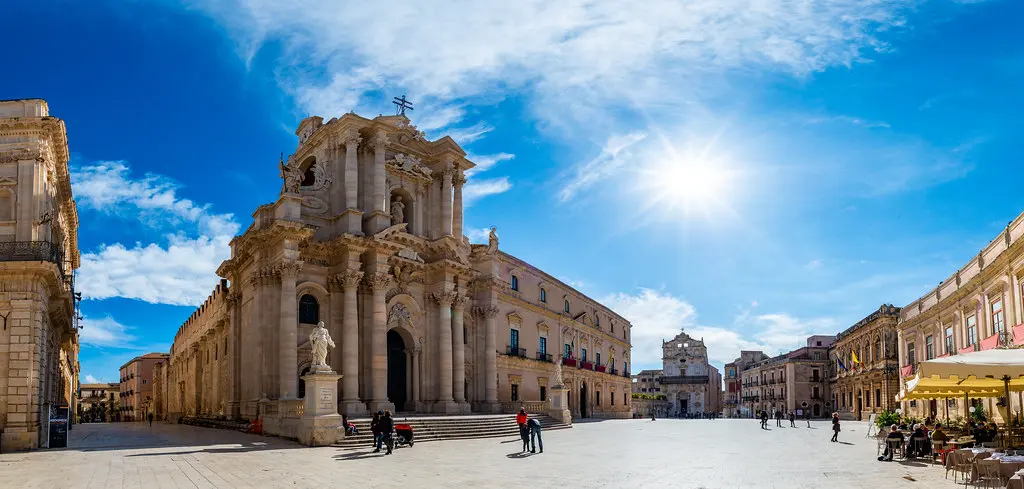
Cathedral of Syracuse
Feast of Saint Lucy (Santa Lucia) on December 13th - Syracuse's patron saint

Cathedral of Syracuse

Syracuse (Siracusa), Sicily, Italy

Cathedral of Syracuse in Syracuse (Siracusa), Sicily, Italy.

Doric Temple of Segesta
Possible Elymian open-air worship ceremonies

Doric Temple of Segesta

Calatafimi Segesta, Sicily, Italy

Tempio di Segesta is a site of sacred significance. Approximate coordinates: 37.94142, 12.83246. Located in Calatafimi Segesta, Sicilia, Italy.

Selinunte Archeological Park
Worship of Demeter and Kore (Persephone) - goddesses of fertility and the agricultural cycle

Selinunte Archeological Park

Castelvetrano, Sicily, Italy

Parco Archeologico di Selinunte is a site of sacred significance. Approximate coordinates: 37.58369, 12.82501. Located in Castelvetrano, Sicilia, Italy.

Temple of Apollo, Syracuse
Worship of Apollo as god of prophecy, music, healing, and protection

Temple of Apollo, Syracuse

Syracuse, Sicily, Italy

Temple of Apollo, Syracuse is a site of sacred significance. Approximate coordinates: 37.06388, 15.29304. Located in Siracusa, Sicilia, Italy.

Temple of Concordia
Worship of unknown Greek deity (possibly the Dioscuri or Demeter and Persephone)

Temple of Concordia

Agrigento, Sicily, Italy

Temple of Concordia is a site of sacred significance. Approximate coordinates: 37.28968, 13.59203. Located in Agrigento, Sicilia, Italy.

The Sanctuary of Saint Rosalia
The Acchianata - annual barefoot pilgrimage on the night of September 3-4

The Sanctuary of Saint Rosalia

Palermo, Sicily, Italy

Santuario di Santa Rosalia is a site of sacred significance. Approximate coordinates: 38.16796, 13.35182. Located in Palermo, Sicilia, Italy.

The Sanctuary of Tindari
Annual feast of the Madonna Bruna on September 7-8

The Sanctuary of Tindari

Patti, Sicily, Italy

Santuario Maria Ss.ma del Tindari is a site of sacred significance. Approximate coordinates: 38.14129, 15.04634. Located in Patti, Sicilia, Italy.