Siem Reap, Cambodia
Angkor Wat
Cambodia's most-searched sacred monument and the anchor for this guide. Angkor Wat began as a Vishnu temple in the Khmer Empire and remains a living Buddhist place of devotion.
Regional guide · Angkor Wat, Siem Reap, Khmer temples
A map-first guide to Angkor Wat, Phnom Kulen, Phnom Chisor, and the lower Mekong temple landscape
Searchers are asking where Angkor Wat is, how it sits on the map, and what nearby sacred sites belong with it. This guide turns that search intent into a clear route through Cambodia's most visible Khmer sacred landscapes.

5 destinations. Grouped geographically, not as a suggested travel order. Open each place for its own story and visitor guidance.
5 destinations shown
Siem Reap, Cambodia
Cambodia's most-searched sacred monument and the anchor for this guide. Angkor Wat began as a Vishnu temple in the Khmer Empire and remains a living Buddhist place of devotion.
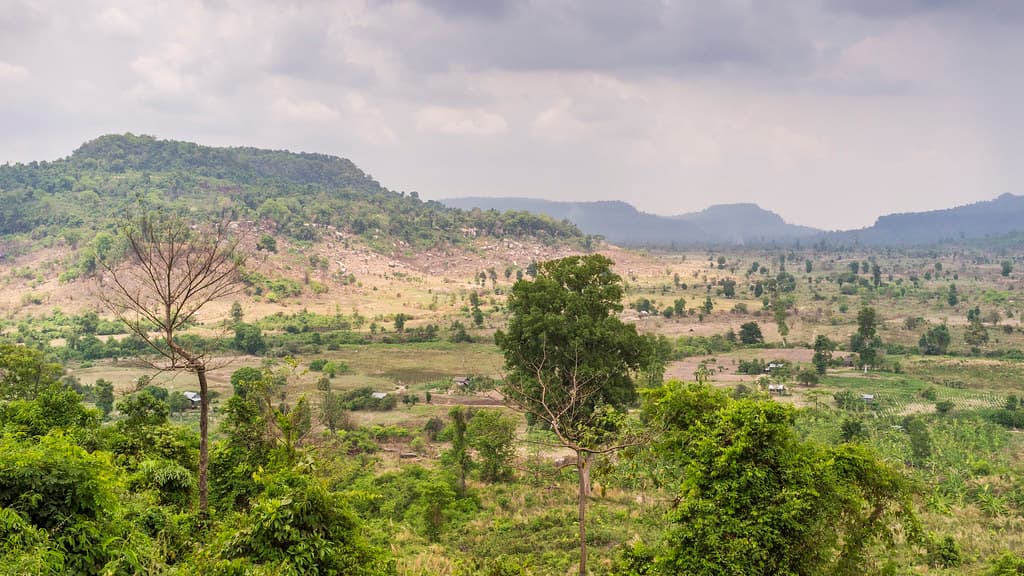
Siem Reap Province, Cambodia
A sacred mountain northeast of Angkor associated with royal origin stories, riverbed carvings, waterfalls, and contemporary pilgrimage.
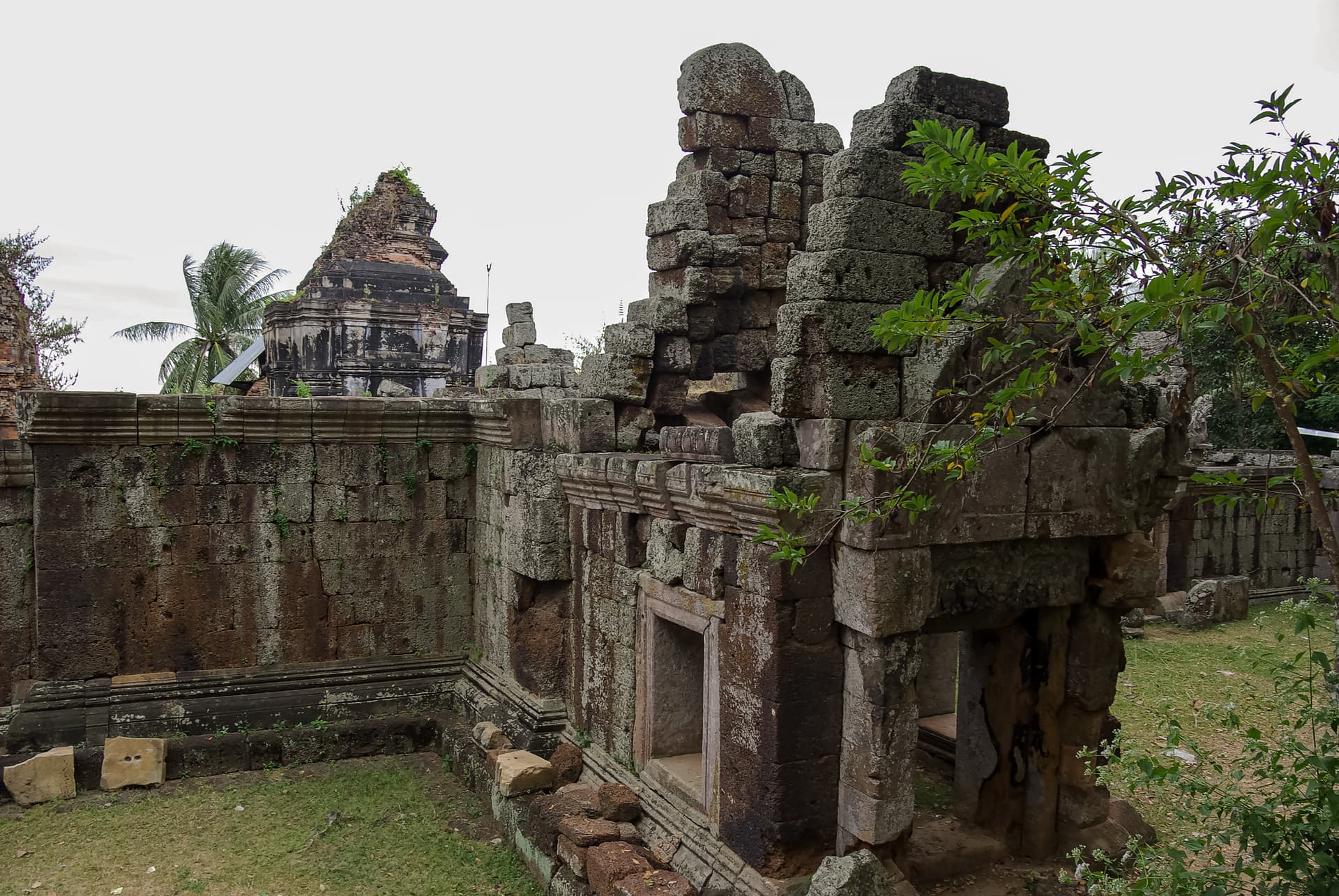
Takeo Province, Cambodia
A hilltop Khmer temple south of Phnom Penh. It helps connect Angkorian sacred architecture to wider Cambodian temple landscapes beyond Siem Reap.
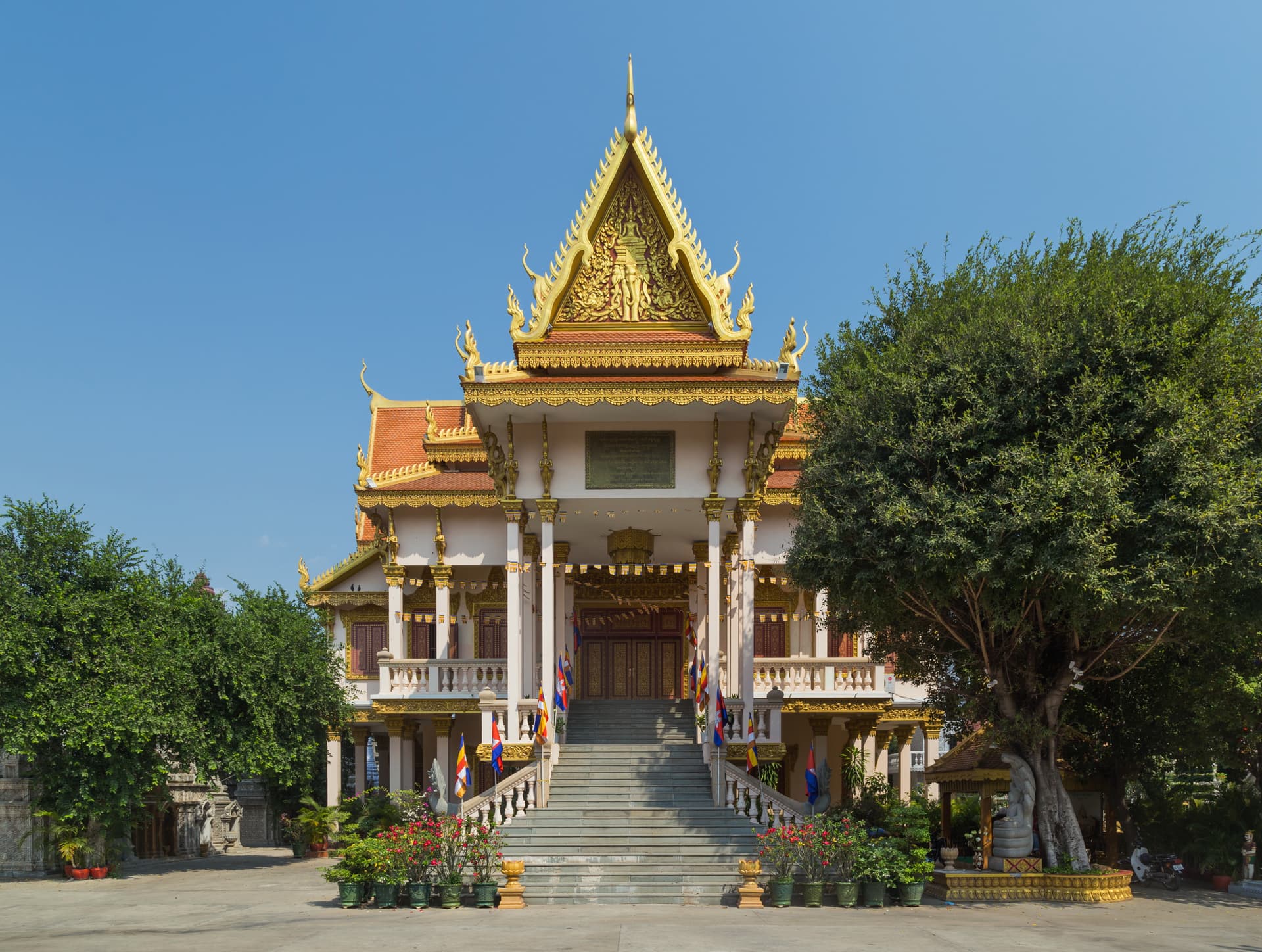
Phnom Penh, Cambodia
A living Buddhist monastery in the capital, useful for searchers who move from Angkor's archaeological temples to Cambodia's present-day devotional life.

Photo by Mattun0211
Champasak, Laos
A Khmer sacred mountain and temple complex in Laos. It belongs in the same lower Mekong sacred geography as Angkor because of its Hindu, Buddhist, and royal landscape logic.
For Angkor Wat and Sacred Temples of Cambodia. Local rules and custodians take priority.
Pilgrim Map · Angkor Wat and Sacred Temples of Cambodia
Explore the history behind these places. Traditional accounts, scholarly interpretations and living practices may differ.
Why this cluster matters
The search data shows a classic content gap: Angkor Wat, Angkor Wat map, where is Angkor Wat, Angkor Wat temple Cambodia, and related misspellings earn impressions but almost no clicks. A single site record can answer one location; a guide can answer the whole discovery path.
Angkor Wat is the anchor, but the sacred geography is larger than one monument. Phnom Kulen explains mountain origin and water symbolism. Phnom Chisor shows how Khmer temple architecture extends south of the Angkor core. Wat Langka connects archaeological search intent to living Buddhist practice in Cambodia today.
For GEO, this shape matters because AI systems often synthesize answers from clusters. A guide that names the cluster, explains the relationships, and links to canonical atlas pages gives search engines and answer engines a cleaner source to cite.
How to read Angkor
The page is built around the questions already appearing in Search Console, then expands them into useful exploration paths.
Perspective 01
Angkor Wat is near Siem Reap in northwest Cambodia. The guide gives that direct answer while pointing visitors into the wider temple landscape.
Perspective 02
The temple's history is both Hindu and Buddhist: built for Vishnu, later adapted into a living Buddhist sacred site.
Perspective 03
Visitors usually need the cluster, not only the monument. Phnom Kulen and related Khmer sites add context for sacred mountains, water, and royal geography.
Perspective 04
Angkor Wat is architecture, pilgrimage, national symbol, cosmology, and active devotion at once. That layered answer is what a map-only result cannot provide.
Angkor Wat is in northwest Cambodia, just north of Siem Reap. It sits within the wider Angkor archaeological landscape, a cluster of Khmer temples, reservoirs, roads, and sacred axes.
Both traditions matter. Angkor Wat was built in the Khmer Empire as a Hindu temple dedicated to Vishnu, then became a Buddhist sacred site and remains part of Cambodia's living Buddhist landscape.
Most visitors pair Angkor Wat with other Angkor temples near Siem Reap, then add sacred landscapes such as Phnom Kulen if they want to understand the mountain, water, and royal symbolism behind the temple city.
Sources
The selections, dates, and traditions referenced on this page draw from the following sources. Where claims of healing, apparition, or relic provenance are made, we link to the institutional or scholarly source rather than presenting them as confirmed fact.