Key questions
- What is Kumano Kodo — Nakahechi and Kumano Sanzan?
- Kumano Kodo — Nakahechi and Kumano Sanzan is a Shinto and Buddhism pilgrimage network collection in Japan, Wakayama Prefecture, Kii Peninsula. Sacred oji thresholds lead through the Kii mountains toward Kumano's three grand shrines, river, waterfall, and layered traditions of death, rebirth, and renewal
- How many sacred sites are included in Kumano Kodo — Nakahechi and Kumano Sanzan?
- This guide currently maps 8 selected sacred sites across the wider network.
- When is the best time to explore Kumano Kodo — Nakahechi and Kumano Sanzan?
- Spring and autumn are often favored, but current weather, closures, daylight, and lodging must be checked
Opening
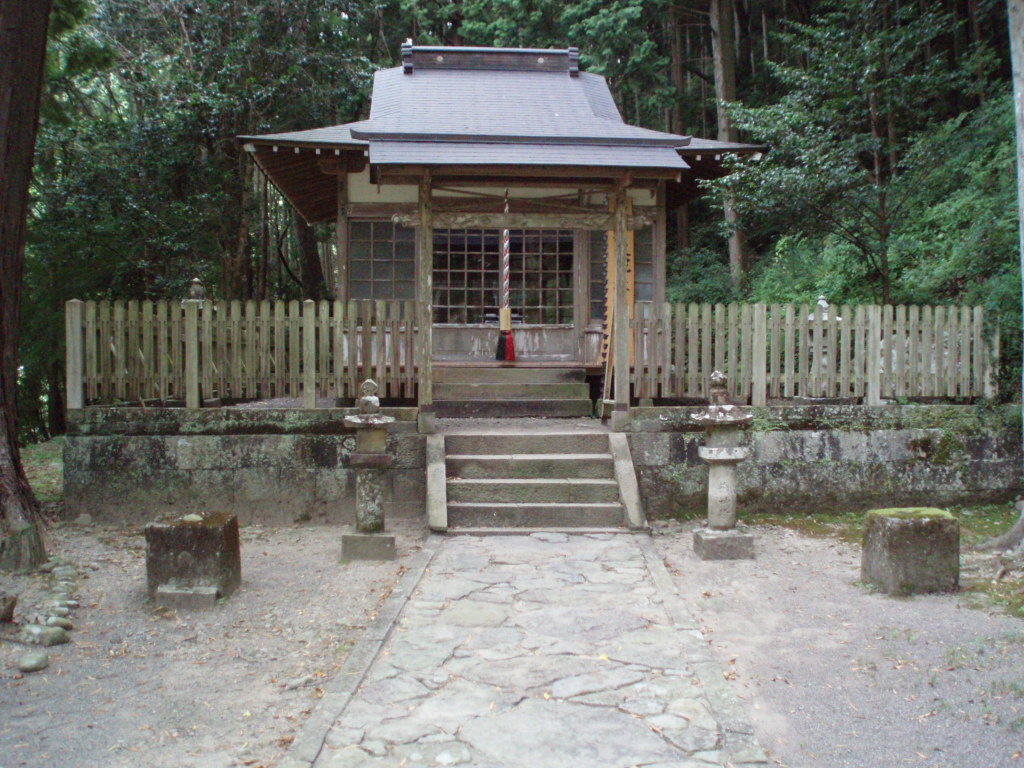
The Nakahechi is the best-known western approach into the Kumano sacred landscape. Takijiri marks entry into the mountains; Chikatsuyu, Tsugizakura, and Hosshinmon preserve successive places of worship, rest, purification, memory, and threshold. Beyond Hongu, the historic network branches toward Hayatama by the Kumano River and toward Nachi by mountain paths.
Origins
Kumano pilgrimage developed through relationships among kami worship, Buddhist Pure Land ideas, imperial and aristocratic journeys, Shugendō, local communities, and the material mountain, river, forest, and waterfall landscape. UNESCO recognizes the network as a cultural landscape; the page keeps received shrine traditions distinct from documented chronology.
Why pilgrims walk it
Pilgrims have walked for purification, prayer, vows, encounter with Kumano deities, Buddhist ideas of death and rebirth, ascetic training, and renewal. Modern walkers also enter a living landscape of shrines and communities, not simply a heritage trail.
Significance
Oji are not decorative waymarkers: they are subsidiary shrines or sacred sites that historically protected and guided pilgrims. The three Kumano grand shrines and Nachi Falls anchor different relationships with mountain, river, sea, and vertical descent. Together they reveal why the network cannot be reduced to a single straight line.