Ayers Rock (Uluru)
Sacred rock of the Anangu, where Dreamtime ancestors left marks that remain
Understand sacred places, explore living traditions, and learn how to engage respectfully with Pilgrim Map.
Access has not been verified. Check current local guidance before planning a visit.
Macdonnell Region, Northern Territory, Australia

Visit essentials
A quick read before you go
- Duration
- 2-3 days to include Kata Tjuta, guided tours, and meaningful engagement with culture
- Etiquette
- This is someone else's sacred place.
Overview
Some places are sacred because humans built temples there. Uluru is different. This is a sacred place because the law is written in the rock itself—the marks of ancestral beings who created the world in the Dreamtime, whose actions are recorded in every cave, fissure, and feature visible today. For over 30,000 years, the Anangu—the Pitjantjatjara and Yankunytjatjara peoples—have known Uluru as a living presence where Tjukurpa continues.
They are the direct descendants, they say, of the beings who created the land. Their responsibility is to care for it. Tjukurpa is not mythology; it is law. It governs relationships between people, animals, and land. It prescribes ceremonies and ethics. It is transmitted through story, art, and ritual from generation to generation. Uluru is one of the places where multiple Tjukurpa paths converge—over forty sacred sites and eleven Dreamtime trails meet here.
The rock records the deeds of Kuniya, the python woman who traveled here to nest and whose battle with Liru, the venomous snake, left scars visible today. It records the journeys of the Mala men, the hare-wallaby people who came for ceremony. Each mark has meaning; each meaning is part of the law. For decades, tourists climbed Uluru. The Anangu asked them not to. 'Climbing is not prohibited,' read the old signs. 'We ask you not to climb.'
Many climbed anyway. On October 26, 2019, the climb closed permanently. The decision honored what traditional owners had long requested: recognition that their sacred site should not be ascended. The ban was not new restriction but belated respect. What remains for visitors is not less but more.
The rock reveals itself to those who walk around its base, who learn from Anangu guides, who watch the color change from grey to orange to red as light shifts, who understand that this is not their place to conquer but someone else's sacred ground to approach with humility. One of the oldest continuous human cultures on Earth has cared for this place since before the pyramids, before Stonehenge, before agriculture transformed every other inhabited continent.
They ask only that visitors respect what they have always known: some things are not for climbing.
Why this place is sacred
What makes Uluru sacred? The question assumes a Western framework—that some places are sacred and others are not, that sacredness is added to locations through human activity or divine designation. The Anangu understanding is different. In Tjukurpa, the world was originally featureless. Ancestral beings traveled across the land, and their actions created everything: rocks, waterholes, plants, animals, people. Their journeys are recorded in the landscape.
Uluru is not a place where something sacred happened; it is sacred because the law is physically present in the rock. The marks visible today—caves, fissures, grooves, overhangs—record specific Dreamtime events. Kuniya's battle with Liru left scars that have not healed because Dreamtime is not past but present. The distinction between sacred and secular does not apply; there is only Tjukurpa, and Uluru is one of the places where Tjukurpa is most visibly manifest.
For visitors, the rock teaches a different relationship to land. The color changes at sunrise and sunset—grey to orange to deep red—remind watchers that the rock is not static but responsive. It shifts with light as if alive. The scale—348 meters above the plain, with most of its mass below ground—creates presence that photographs cannot convey. And the knowledge that climbing is now prohibited, that traditional owners have authority over their sacred site, changes what visiting means.
This is not a tourist attraction but someone's sacred place. Approach accordingly. The response of visitors who engage respectfully suggests something real. Uluru affects people in ways that exceed scenic interest. Whether this reflects the rock's inherent qualities, the accumulated devotion of 30,000 years, or the power of approaching someone else's sacred place with genuine humility, the pattern is consistent: people come away changed.
Living expression of Tjukurpa where ancestral beings' Dreamtime actions remain physically present.
Continuous Aboriginal sacred connection for 30,000+ years. European contact 1873 (William Gosse). Tourism development through 20th century. Return to Aboriginal ownership 1985. UNESCO World Heritage (natural) 1987, (cultural) 1994. Joint management established. Climbing banned October 26, 2019.
Experience and orientation
You arrive across the desert. For hours, the landscape has been flat, red, sparse—the vast center of Australia that most visitors never see. Then Uluru appears on the horizon, singular and unmistakable. The rock's isolation, its absence of neighboring formations, makes its presence more dramatic. It does not compete with a range; it simply is. The first viewing often happens at sunset. Viewing areas fill with visitors as the light changes.
The rock shifts through colors that seem impossible—grey to orange to a red so deep it appears to glow from within. The silence of the desert amplifies the visual experience. Stars emerge in numbers that city dwellers have forgotten exist. Dawn offers a different sequence, the colors running in reverse as the sun rises. Many visitors find these liminal moments—the transitions of light—most affecting. But the rock reveals more to those who walk.
The base walk (10.6 km) circuits the rock at ground level, passing sacred sites (some closed, clearly marked), waterholes, caves with rock art, and the interpretive signs that explain what can appropriately be shared. Anangu guides lead tours that provide cultural context no sign can convey. They explain whose stories belong to which features, which areas are sacred-secret (accessible only to initiated persons), why the climbing ban matters. They share art that expresses Tjukurpa in forms visitors can receive.
The Cultural Centre near the base offers deeper engagement: interpretive displays, Anangu-owned art centers, an opportunity to understand before walking. Those who visit the Cultural Centre before walking the base find their experience enriched. Kata Tjuta—the rock domes 40 kilometers west—completes the sacred landscape. These formations are particularly sacred to initiated men; some stories cannot be shared with women or uninitiated. The Valley of the Winds walk passes through the domes on trails that the Anangu permit.
What you cannot do is climb. The path that tourists once ascended is visible but closed. This is not loss but recognition—recognition that visiting someone's sacred place does not include conquering it.
Uluru-Kata Tjuta National Park, 20 km from Yulara resort. Multiple sunrise and sunset viewing areas with parking. Base walk (10.6 km) starts from multiple points. Cultural Centre near Mutitjulu waterhole. Kata Tjuta 40 km west, accessible by road.
Context and lineage
In Anangu understanding, the world was originally featureless until ancestral beings traveled across it during the Dreamtime, creating everything through their actions. Uluru records multiple creation journeys. Kuniya, the python woman, traveled from the east to lay her eggs near Uluru. When Liru, the venomous snake, killed her nephew, Kuniya fought him in grief and rage. Their battle left marks visible today—the scars and grooves on the rock that record the Dreamtime event.
The Mala men, the hare-wallaby people, journeyed to Uluru from the west for a ceremony. Their path is recorded in the landscape. Other ancestral beings—Lungkata (the blue-tongue lizard man), Itjaritjari (the marsupial mole)—also left their marks. These are not myths but law; the marks are not metaphors but evidence. For over 30,000 years, the Anangu have maintained this understanding, transmitting Tjukurpa through oral tradition, ceremony, and art.
European contact came in 1873 when explorer William Gosse, seeing the rock from a distance, named it 'Ayers Rock' for the South Australian Premier—a name imposed without consultation that persists alongside the original name. Through the 20th century, tourism grew while traditional owners watched climbers ascend their sacred site. In 1985, ownership was returned to the Anangu, who leased it back to the government for joint management.
In 2019, after years of asking tourists not to climb, the traditional owners exercised their authority and closed the climb permanently.
Uluru's significance extends through one of the oldest continuous human cultures on Earth. The Anangu connection to this land predates every other cultural monument known. The Tjukurpa tradition that makes Uluru sacred connects to the broader system of Aboriginal law and spirituality that governed the Australian continent before European contact.
Kuniya
Liru
Anangu traditional owners
Traditions and practice
Anangu practice traditional ceremonies at Uluru according to Tjukurpa. These ceremonies are private, conducted at specific sacred sites for specific purposes. Initiation ceremonies determine which knowledge individuals can receive. Traditional fire management maintains the land. Art expresses Tjukurpa stories—some that can be shared, others that remain sacred-secret.
Anangu jointly manage the national park with Parks Australia. They guide visitors on cultural tours, explaining what can appropriately be shared. They operate art centers where visitors can purchase authentic work. They maintain the authority to determine site access—demonstrated by the 2019 climbing ban.
Begin at the Cultural Centre to understand Tjukurpa before walking. Join an Anangu-led tour for cultural context no sign provides. Walk the full base circuit (allow 3-4 hours). Watch sunrise and sunset from designated viewing areas. Visit the art centers at the Cultural Centre and in Yulara to see contemporary Anangu expression of Tjukurpa. Visit Kata Tjuta if time permits.
Anangu Tjukurpa
ActiveTjukurpa is the foundation of Anangu culture—law, spirituality, ethics, and relationship to land, ancestors, and each other. It encompasses Dreamtime creation narratives, ceremonial practice, and ongoing responsibility for country. Tjukurpa has governed Anangu life for over 30,000 years.
Traditional ceremonies at sacred sites (private). Land management according to ancestral knowledge. Art expressing Tjukurpa stories. Transmission of law and story to younger generations. Joint management of the national park.
Dreamtime creation narratives
ActiveThe Dreamtime (Tjukurpa) narratives explain how ancestral beings created the world through their journeys and actions. Uluru records multiple Dreamtime paths. The stories are not mythology but history and law.
Oral transmission of stories. Some stories publicly shareable; others sacred-secret. Art expressing narratives. The physical marks on the rock are read as records of specific events.
Perspectives and open questions
Uluru exists at the intersection of one of Earth's oldest continuous human cultures and modern awareness that traditional owners have authority over their sacred sites.
Scholarly perspective
Archaeological evidence confirms human presence at Uluru for at least 30,000 years, making it one of the longest continuously occupied sites on Earth. Scholars recognize Tjukurpa as a sophisticated legal, spiritual, and ecological framework—not 'myth' but living law. The dual UNESCO World Heritage listing (natural 1987, cultural 1994) acknowledges both geological significance and the living cultural tradition. The 2019 climbing ban is studied as an example of traditional owner authority being respected.
Living and traditional perspectives
For Anangu, Uluru is not primarily an object of study but a living presence where Tjukurpa continues. They describe themselves as the direct descendants of the ancestral beings who created the land. Their responsibility—transmitted for over 30,000 years—is to care for the country according to Tjukurpa. They do not merely live near Uluru; they belong to it. The 2019 climbing ban was not about tourist management but about traditional owners determining appropriate behavior at their sacred site.
Alternative interpretations
Some New Age frameworks describe Uluru as an 'energy vortex' or 'Earth's navel.' These interpretations are not part of Anangu tradition and can be problematic when they override or dismiss Aboriginal understanding. Visitors are encouraged to engage with Anangu perspectives rather than imposing external frameworks. The site does not need your spiritual interpretation; it already has meaning to its traditional owners.
Open questions
Much Tjukurpa knowledge is appropriately restricted to initiated persons—sacred-secret material that outsiders are not meant to know. This is not information loss but appropriate respect for the tradition's own categories. What visitors can learn is what the Anangu choose to share.
Plan your visit
Access and arrival
Yulara (Ayers Rock Resort) is the only accommodation near Uluru—camping to luxury lodges, all managed by Voyages Indigenous Tourism Australia. Book well in advance for peak periods. Alice Springs (450 km) is the nearest alternative.
Respectful visit
Practical clothing for desert conditions. Sun protection essential (hat, sunscreen, sunglasses). Good walking shoes for base walk. Layers for cool mornings and evenings.
Permitted in most areas. Prohibited at specific sacred sites marked with signs. Never photograph Aboriginal people without permission. Commercial photography requires permits.
Not practiced by visitors. Do not leave anything at the rock—no crystals, no prayers, no offerings. Take nothing, leave nothing.
Climbing permanently prohibited. Do not enter closed areas. Do not photograph restricted sites. Do not remove rocks, soil, plants, or artifacts. Do not touch rock art. Stay on marked trails.
Do not enter closed areas—they are closed for sacred reasons. Do not photograph sacred sites marked with prohibition signs. Do not remove rocks, soil, plants, or artifacts. Do not touch rock art. Do not impose your own spiritual frameworks; engage with Anangu understanding.
Current practical details
Address
Uluru, Petermann NT 0872, Australia
Hours, fees, and access can change — verify on the official source before you travel. Practical details last checked Jun 2026.
Location
Map loads as you approach this section.
Pilgrim reflections
A portrait of encounter, not a score
Pilgrims describe what they felt, how present they could become, and whether the place would shape a journey. There are no stars and no ranking of traditions.
No reviewed reflections yet
The first pilgrims can help describe the character of being here.
Share a reflection
Available after an account-backed “Been there.” Every reflection is reviewed before publication.
Nearby sacred places
Explore other sacred places in the region. Proximity does not establish access or travel time; check each place’s guidance.

Kata Tjuṯa
Yulara / Mutitjulu, Northern Territory, Northern Territory, Australia
30.2 km away
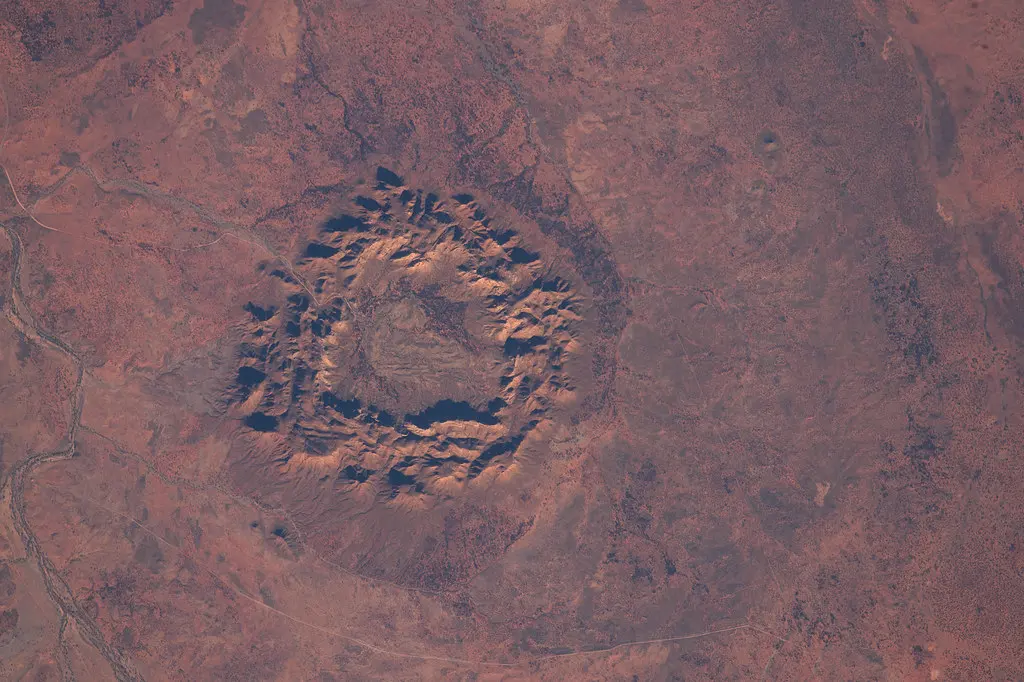
Gosses Bluff Crater, Australia
Macdonnell Region, Northern Territory, Australia
212.8 km away

Chambers Pillar Historical Reserve
Hugh / Alice Springs region, Northern Territory, Northern Territory, Australia
287.9 km away

Simpsons Gap
Alice Springs / Tjoritja, Northern Territory, Northern Territory, Australia
326.3 km away
Photo gallery
3 curated photos
Share a photo
Help visitors recognize Ayers Rock (Uluru). Every submission is reviewed before publication.