All pilgrimages

Pilgrimage · Japan · Yamagata Prefecture

Dewa Sanzan Pilgrimage

出羽三山

Three sacred mountains encountered as present, past, and future in a living pilgrimage of symbolic death and rebirth.

Stations
3 of 3
Traditional duration
Often completed over several days, with seasonal access determining whether all three mountains can be visited
Founded
Living mountain tradition with ancient and medieval layers; foundation stories are devotional traditions
Focus
A pilgrimage of rebirth through the present, past, and future
Best season
Summer to early autumn for all three mountains; Haguro is accessible year-round

The traditional sequence begins at Haguro, continues to Gassan and Yudono, and symbolically returns to Haguro; modern itineraries are not always one continuous trail.

Complete route · all 3 core stations mapped

Key questions

What is Dewa Sanzan Pilgrimage?
Dewa Sanzan Pilgrimage is a Shugendō and Shinto-Buddhist mountain worship pilgrimage route in Japan, Yamagata Prefecture. Three sacred mountains encountered as present, past, and future in a living pilgrimage of symbolic death and rebirth
How many stations are on Dewa Sanzan Pilgrimage?
This guide currently maps 3 stations, with 3 total sites noted in the route metadata.
When is the best time to walk Dewa Sanzan Pilgrimage?
Summer to early autumn for all three mountains; Haguro is accessible year-round

Opening

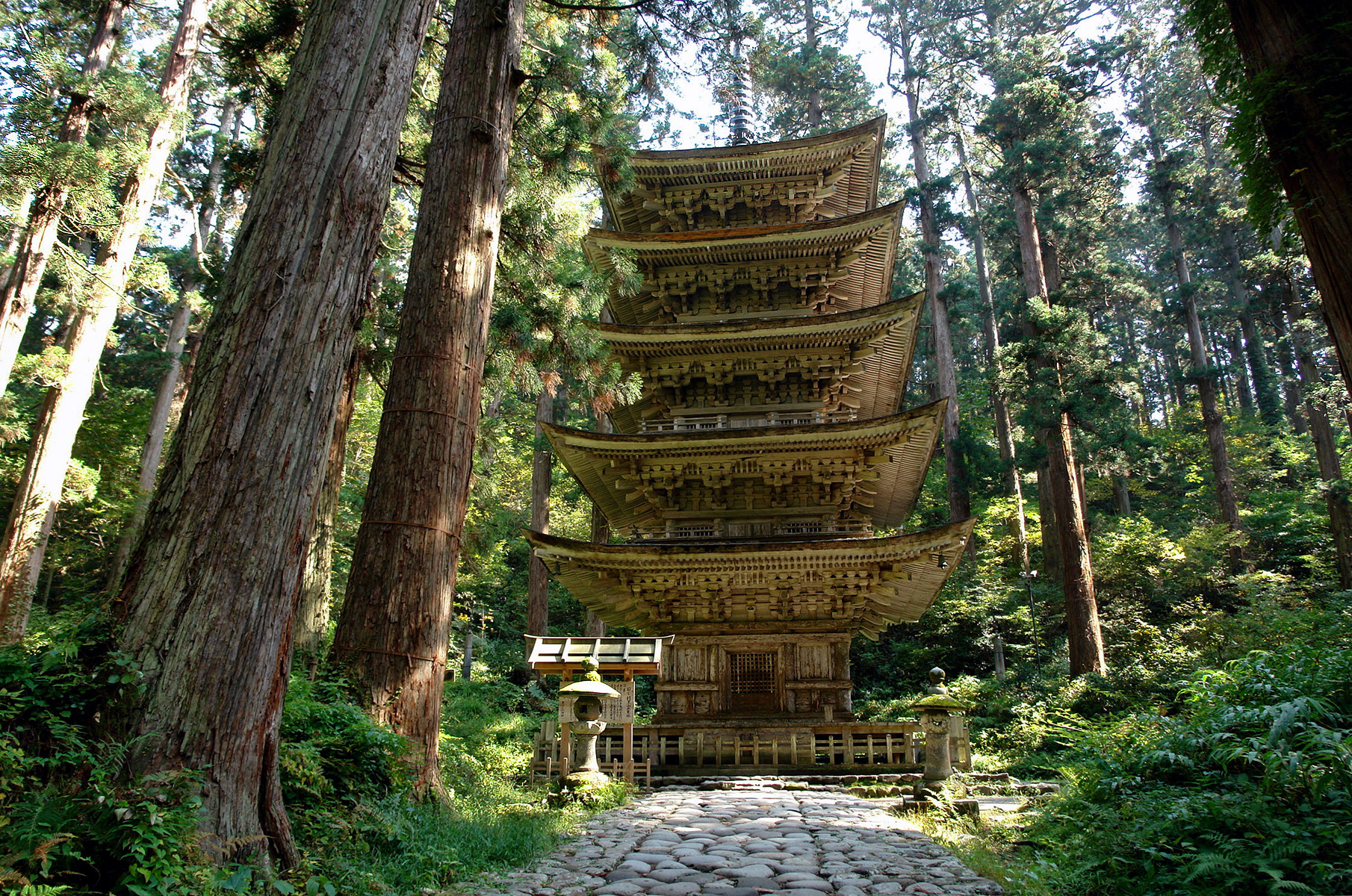
Dewa Sanzan brings Mount Haguro, Mount Gassan, and Mount Yudono into one sacred geography in central Yamagata. The official Dewa Sanzan account describes Haguro as the present, Gassan as the past and realm of ancestors, and Yudono as the future and rebirth. The three stations are ordered here according to that traditional journey, while the map avoids implying that every contemporary pilgrim follows one uninterrupted footpath.

Origins

Mountain ascetics and lay pilgrims have approached the Dewa mountains across many centuries. The tradition carries Shugendō, Buddhist, and Shinto histories, including periods of religious separation and institutional change. Foundation narratives and honji-suijaku correspondences belong to the tradition's own historical and devotional language; they should not be flattened into a single modern category.

Why pilgrims walk it

Pilgrims come for prayer, ascetic training, remembrance, renewal, and the inherited symbolism of passing through present, past, and future. Haguro is the threshold and the place of return. Gassan deepens the journey through a seasonal high-mountain encounter, and Yudono is approached as a culminating sacred mystery.

Significance

The route is one of Japan's most distinctive living mountain pilgrimages. Its cedar stair, summit landscapes, pilgrim lodgings, ascetic cuisine, shrine communities, and yamabushi practice form a connected culture rather than a list of scenic summits.

The route

3 stations on the map

Click any marker to open that station. Numbered pins follow the traditional route order.

Loading map...

Walking it today

Haguro is open year-round, while Gassan and Yudono are seasonal and mountain conditions can change quickly. Use current Dewa Sanzan and transport guidance for opening periods, buses, lodging, equipment, and training programs. Do not connect the three map pins as an assumed walking line; choose an established itinerary or qualified local guide.

Attire and practice

Follow shrine and guide instructions, dress for mountain weather, and give religious practice priority over photography. At Yudono, respect the prohibition on photographing or describing the sacred object and do not publish what custodians ask visitors to keep unspoken.

Respectful visitation

Before visiting the stations

This route belongs to a living tradition. Use the route notes here together with the broader Shinto shrine etiquette guide, and follow local signs or custodians at each station.

Sources

Sources consulted when researching this page. Independent verification by readers is welcome.

  1. 01Dewa Sanzan: The Three Sacred Mountains of DewaDewa Sanzan official destination and practice guidehigh-reliability
  2. 02Mt. HaguroDewa Sanzan official destination and practice guidehigh-reliability
  3. 03Mt. GassanDewa Sanzan official destination and practice guidehigh-reliability
  4. 04Mt. YudonoDewa Sanzan official destination and practice guidehigh-reliability