Nepal
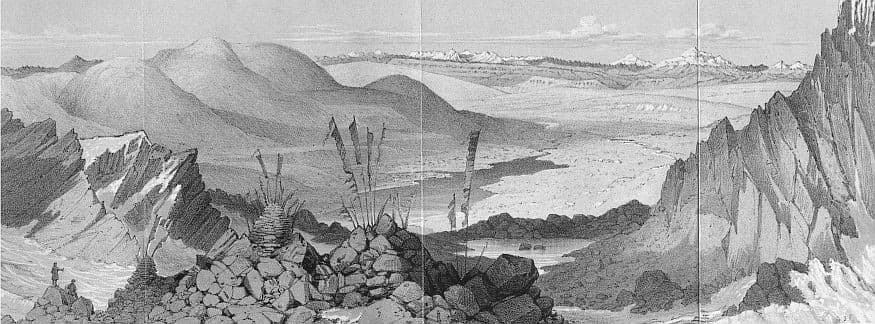
Gosaikunda
Sacred lake
Nepal’s public Shiva account connects the lake with protection from cosmic poison and water released by a trident. Pilgrimage requires separate, current mountain preparation.
Sacred water
18 lakes and lake landscapes · Public stories · Living traditions
Meet sacred lakes through the people, stories and practices that give them meaning. This collection invites learning, pilgrimage where welcomed, and respect for places that remain closed.
18 destinations. Grouped geographically, not as a suggested travel order. Open each place for its own story and visitor guidance.
18 destinations shown
Nepal
Sacred lake
Nepal’s public Shiva account connects the lake with protection from cosmic poison and water released by a trident. Pilgrimage requires separate, current mountain preparation.
India
Sacred lake
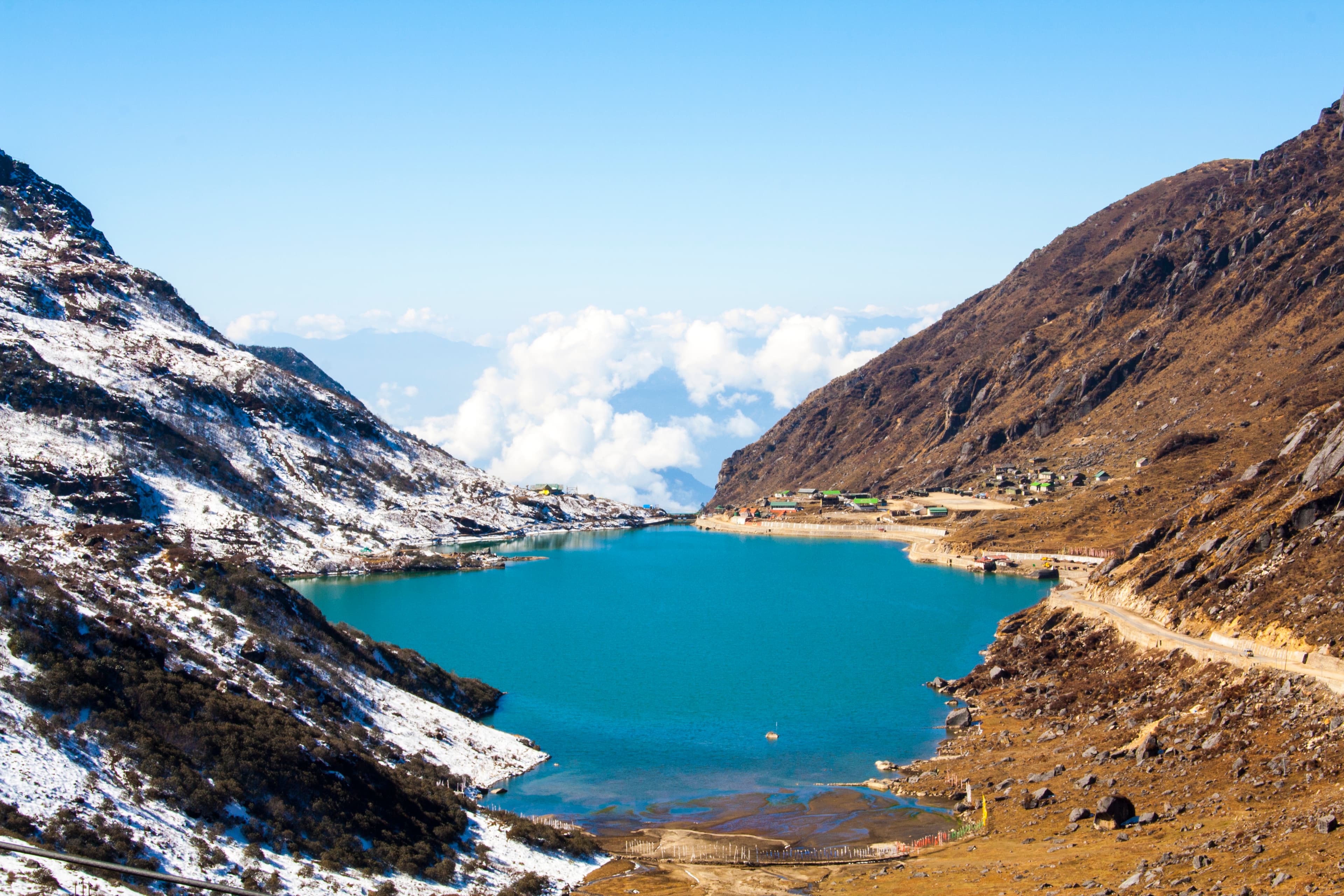
Locally recorded stories tell of a lake that moves when its waters are mistreated. Buddhist, Hindu and Lepcha relationships belong to this forested Sikkim setting.
China
Sacred lake
The Ramayana’s account of Brahma creating Manasa sits within a wider Kailash pilgrimage landscape. Different traditions hold distinct relationships with these waters.
China
Sacred lake
Public Tibetan Buddhist accounts connect this lake with visions and the search for Dalai Lama incarnations. Cultural significance does not establish present public access.
India
Sacred lake
Shiva devotion connects the lake, mountain and annual pilgrimage in Himachal Pradesh. Confirm the current pilgrimage arrangements before planning a journey.
China
Mountain and lake
This existing combined landscape holds the Bon relationship of Father Targo and Mother Dangra. Lake-goddess traditions and archaeological remains remain distinguishable.
China
Sacred lake
A named regional tale presents Nam Tsho as a goddess in relationship with mountain deities. Buddhist and Bon sources preserve different layers of the lake’s history.
India
Sacred lake
Brahma’s lotus and the story of Savitri connect the lake with Pushkar’s ghats and temples. The lake has its own profile, separate from neighboring shrines.
India
Sacred lake
A sacred lake in Sikkim with locally documented religious associations. Public stories, conservation and current access requirements need to be understood separately.
China
Sacred lake
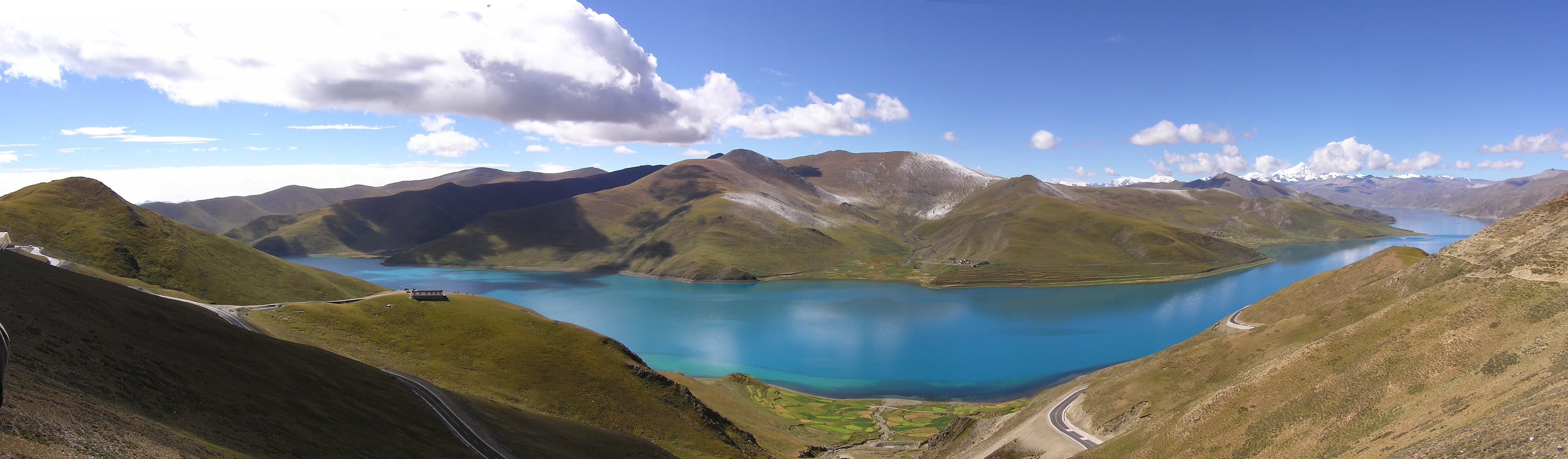
Public Buddhist stories connect the lake with a goddess and nearby Samding with the Dorje Pakmo lineage. The lake and monastery have distinct histories.
Mauritius
Sacred lake
Mauritian Hindu pilgrimage connects Grand Bassin with the Ganges through devotional memory and the bringing of Ganges water in 1972.
South Africa
Sacred lake
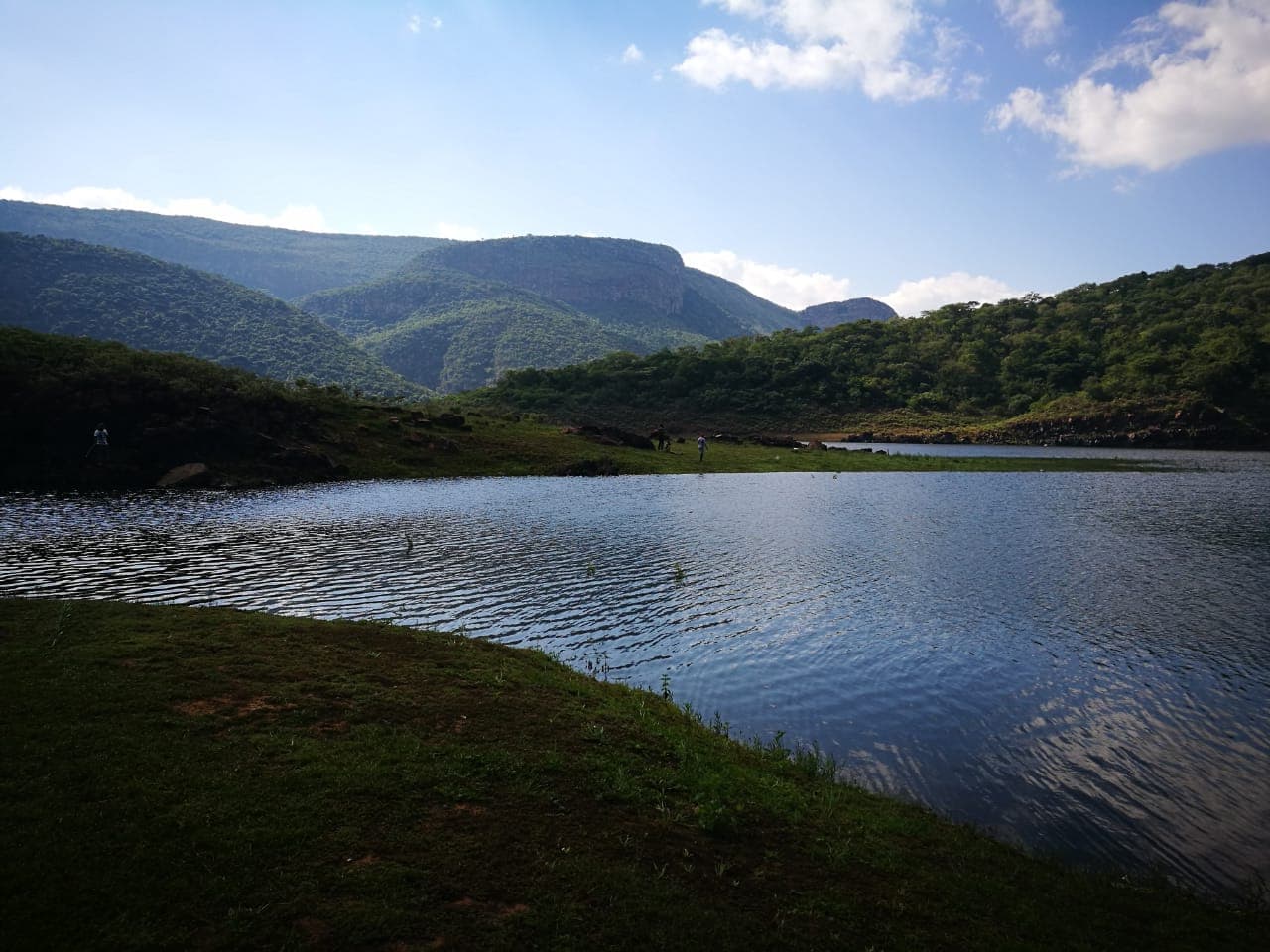
VhaVenda traditions and custodial relationships shape the lake’s meaning. Respect local boundaries; this guide does not supply a route or ceremonial instructions.
Guatemala
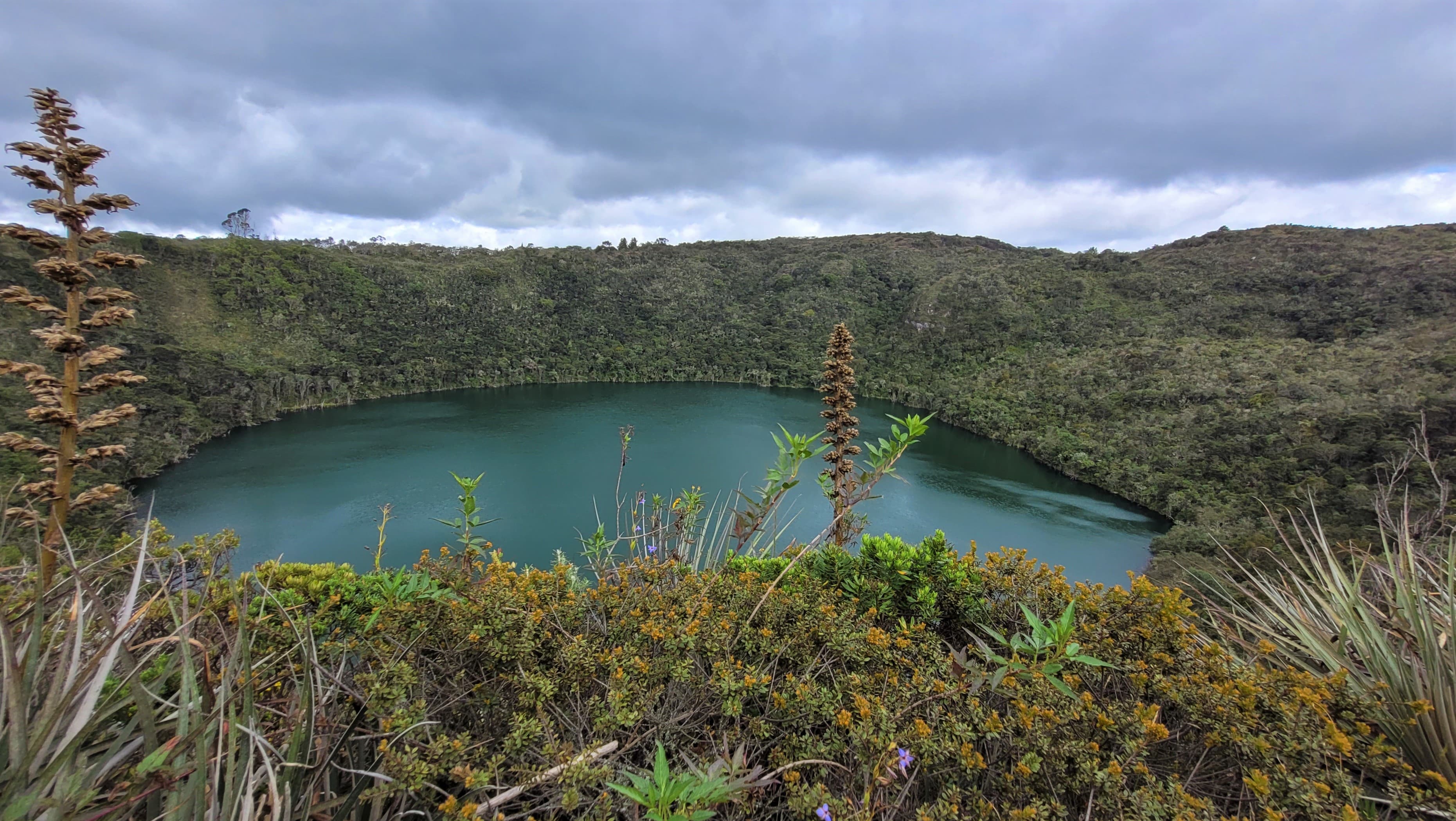
Sacred lake
A Mam story tells of water leaving a place where it was not respected. The crater lake remains a place of rain petition; visits do not grant access to ceremonies.
Colombia
Sacred lake
Muisca offerings and the cacica story reach beyond the search for El Dorado. The profile distinguishes colonial transmission, museum interpretation and reserve rules.
Peru / Bolivia
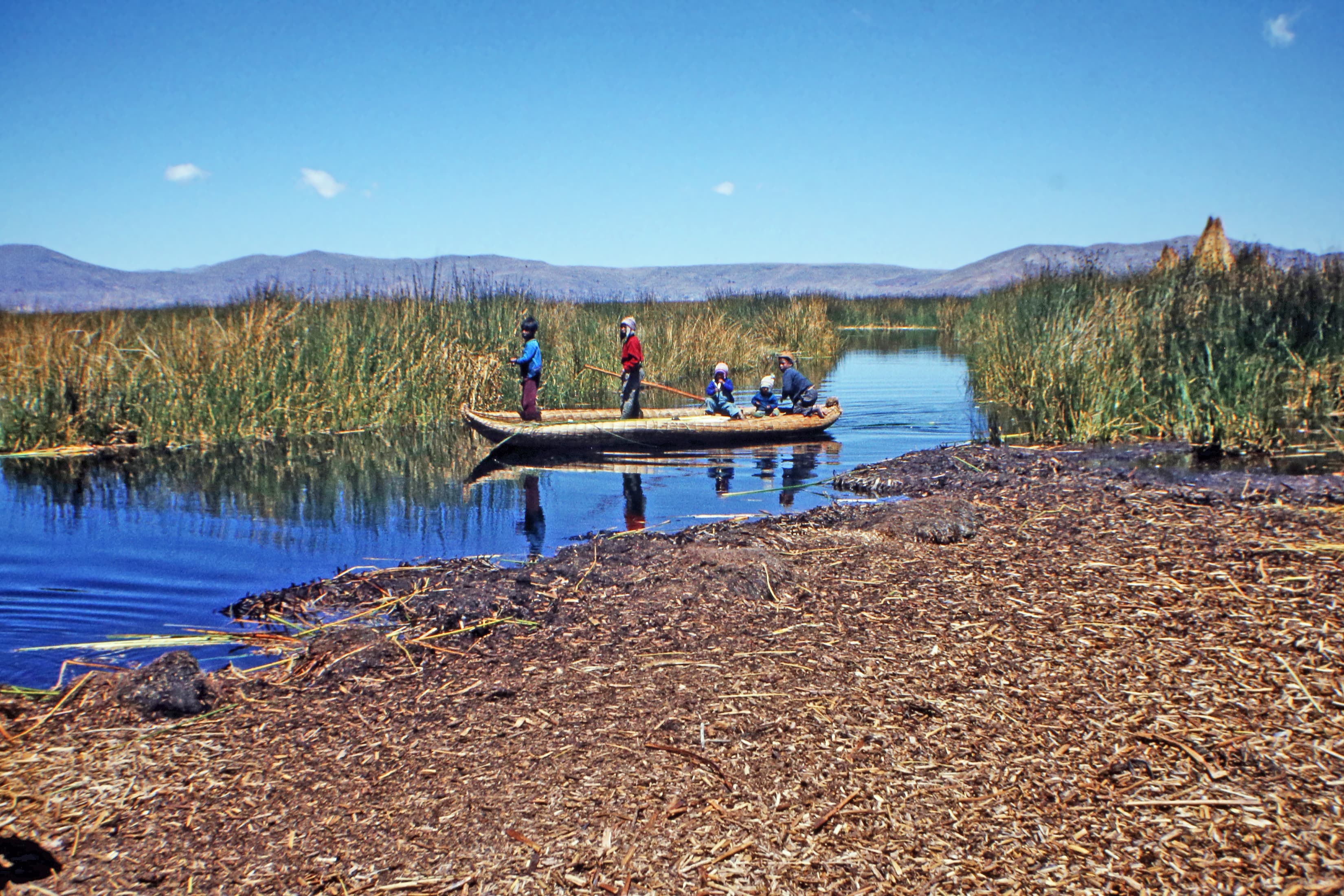
Sacred lake
Distinct creation accounts and underwater offerings illuminate an inhabited lake shared by Peru and Bolivia. Island communities retain their own histories and visitor boundaries.
United States
Sacred lake
Taos Pueblo’s sacred lake is closed to the public. Its public land-return history offers a way to learn while respecting private traditions and protected lands.
United States
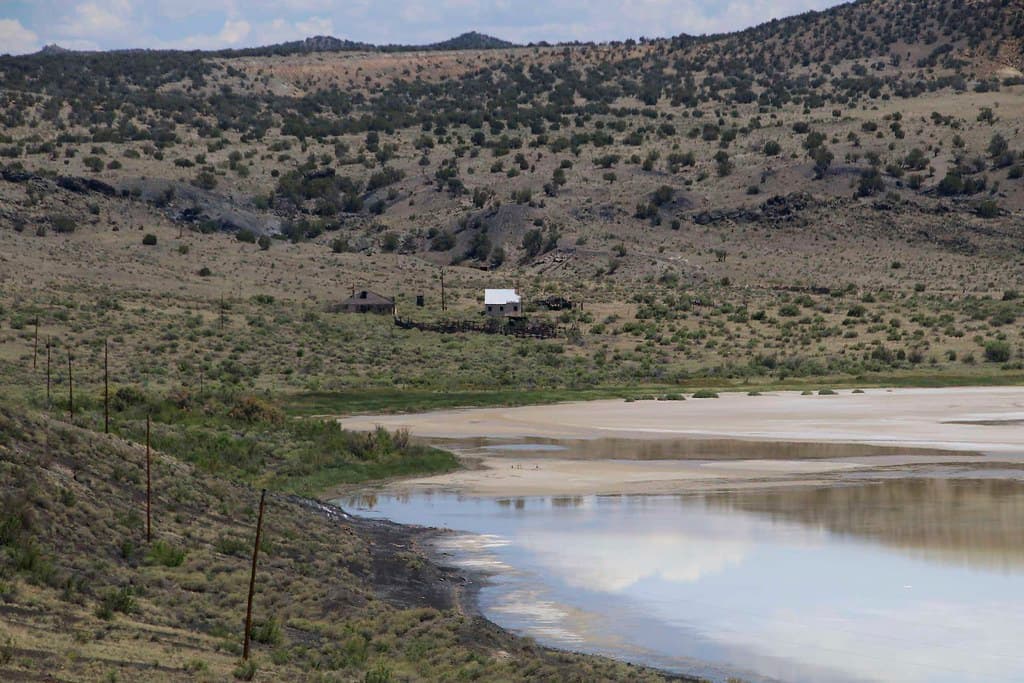
Sacred lake
Public tribal testimony describes Salt Mother, pilgrimage and the surrounding Sanctuary. No visitor route or permission to gather salt is implied.
Ireland
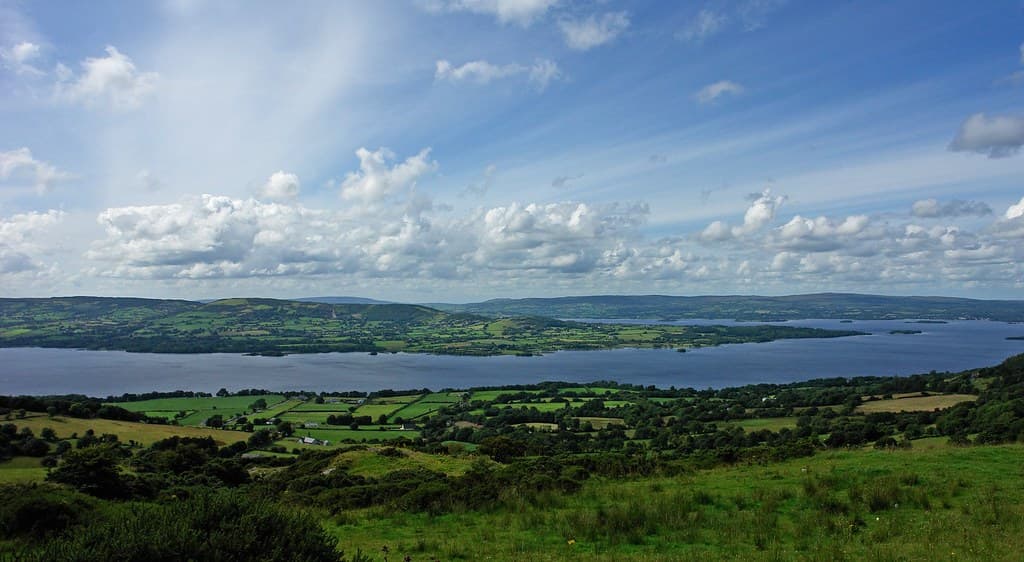
Sacred lake
The Donegal lake is associated with St Patrick’s Purgatory and organized pilgrimage on Station Island. The sanctuary’s programme has specific preparation and device restrictions.
For Sacred Lakes: Stories, Pilgrimage and Care. Local rules and custodians take priority.
Pilgrim Map · Sacred Lakes: Stories, Pilgrimage and Care
Explore the history behind these places. Traditional accounts, scholarly interpretations and living practices may differ.
Selection and meaning
A lake may be understood as a divine presence, a place of beginnings, a source of ceremonial materials or the setting of a pilgrimage. Those meanings belong to particular communities. They are not interchangeable expressions of one universal water religion.
This collection brings together 18 lakes and lake landscapes with published cultural profiles. It is not exhaustive, and its order is not a hierarchy of holiness. Lake records remain distinct from nearby temples and island sanctuaries; the existing Mount Targo and Lake Dangra profile explicitly covers a paired landscape.
The linked sources include community statements, religious retellings, historical texts, scholarship and official visitor guidance. A named narrative can be meaningful without being treated as physical history. Where public sources differ, the profiles identify the version they follow.
Ways of understanding
Let each place’s context guide your attention.
Perspective 01
Creation and migration accounts can explain a relationship with water. Preserve their tellers and settings instead of joining different versions into a new story.
Perspective 02
A journey to water may involve prayer, fasting or a calendar of observances. Reading about a practice does not make participation appropriate for every visitor.
Perspective 03
Custodians decide what may be shared and where visitors may go. A public cultural account can introduce a place whose land or ceremonies remain private.
Perspective 04
Keep materials out of lakes, leave offerings undisturbed and follow designated paths. Conservation and religious responsibility can meet without becoming the same thing.
Before making plans
Begin with the relevant community, sanctuary or visitor manager’s current instructions. A tour booking, park ticket or nearby public road does not override a cultural boundary. At closed places, learning through publicly shared history is a complete and respectful encounter.
Check access, transport, weather and programme requirements for the exact destination and date. High-altitude lakes and remote shorelines need preparation beyond a cultural guide. Map pins mark approximate locations and do not define safe routes.
Ask before photographing people or religious activity. Do not enter water, gather salt, move offerings or stage a ritual because a profile describes others doing so. An invitation is specific to the people, place and occasion that give it.
This is a curated collection, not a ranking of holiness. Each entry has a published profile and source-linked cultural context. The collection is selective: absence does not diminish a lake’s significance to its community.
No. Taos Blue Lake is closed to the public. Other places require current permission or locally arranged access. A cultural profile and a map location do not grant permission to enter, attend ceremonies or gather materials.
Do not infer permission from a lake’s sacred status. Swimming is prohibited at places including Khecheopalri and Chicabal. Follow current local rules and do not copy an offering practice from a story or leave objects in the water.
Accounts are attributed to named public sources. Different versions remain distinct, and religious narratives are not presented as scientific explanations. Private traditions are not reconstructed to fill gaps in a profile.
Restricted places and places without sufficiently established visitor access are omitted from the guide map. Other pins provide geographic orientation only, not trailheads or recommended routes. Mount Targo and Lake Dangra remain one combined landscape profile.
Sources
The selections, dates, and traditions referenced on this page draw from the following sources. Where claims of healing, apparition, or relic provenance are made, we link to the institutional or scholarly source rather than presenting them as confirmed fact.