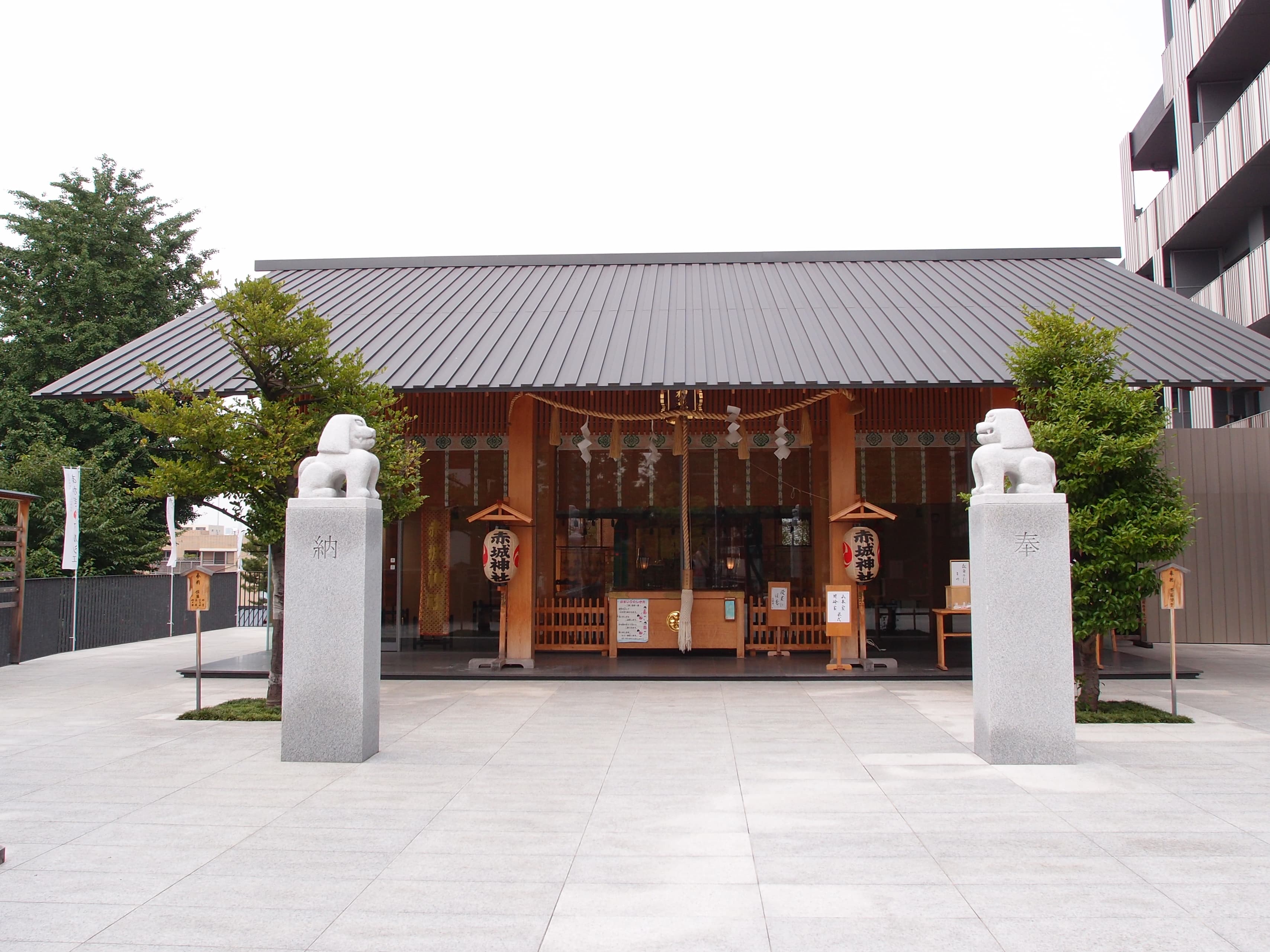
Shinjuku City, Tokyo, Japan
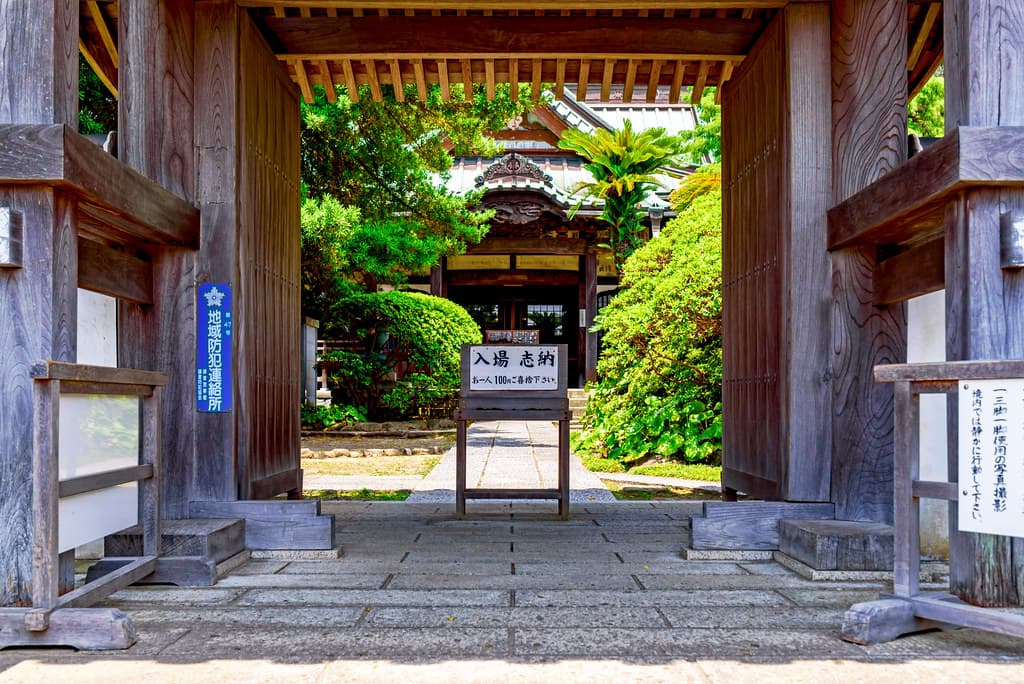
Akagi Shrine
Shinto Shrine
Akagi Shrine (赤城神社) is an active Shinto sacred place in Tokyo. The record is grounded in an exact Google Place ID, nearby coordinates, institutional or reference evidence,...
Country guide
One of the clearest countries in the atlas for combining pilgrimage routes, local temple networks, and major heritage destinations. Move between route logic and place logic.
10 circuits on Pilgrim Map. Each one threads many sites into one journey.
Kantō
Thirty-three temples to Kannon across the eastern plain, a circuit of compassion shaped by twelfth-century warriors and walked still.
33 traditional route stations
Shikoku
Eighty-eight temples around an island, a circuit walked beside Kūkai across thirteen centuries.
88 traditional route stations
Kansai
The oldest Kannon circuit in Japan — thirty-three temples across western Honshu, walked since the eighth century.
33 traditional route stations
Kansai
A modern Kansai Kannon circuit organized in 1932 to make the old route walkable for working pilgrims.
33 traditional route stations
Kantō
Thirty-four temples in a single Saitama valley — the third leg that makes the Hyakkasho complete.
34 traditional route stations
Chūgoku
A modern Kannon circuit across western Honshu, established in 1981 to honor temples that lay outside the great medieval routes.
33 traditional route stations
Wakayama Prefecture, Kii Peninsula
Sacred oji thresholds lead through the Kii mountains toward Kumano's three grand shrines, river, waterfall, and layered traditions of death, rebirth, and renewal.
8 traditional route stations
Yamagata Prefecture
Three sacred mountains encountered as present, past, and future in a living pilgrimage of symbolic death and rebirth.
3 traditional route stations
Fujiyoshida and Mount Fuji, Yamanashi Prefecture
Oshi lodging, the northern Sengen shrine, the mountain, and a summit sanctuary reveal Mount Fuji as a living ascent of worship rather than only a climb.
4 traditional route stations
Kudoyama and Koyasan, Wakayama Prefecture
Stone choishi lead from Jison-in through a shrine-linked mountain landscape to Daimon and Koyasan's great precincts.
7 traditional route stations
A short selection of Japanese sacred places from the atlas.
9 destinations shown
Shinjuku City, Tokyo, Japan
Shinto Shrine
Akagi Shrine (赤城神社) is an active Shinto sacred place in Tokyo. The record is grounded in an exact Google Place ID, nearby coordinates, institutional or reference evidence,...
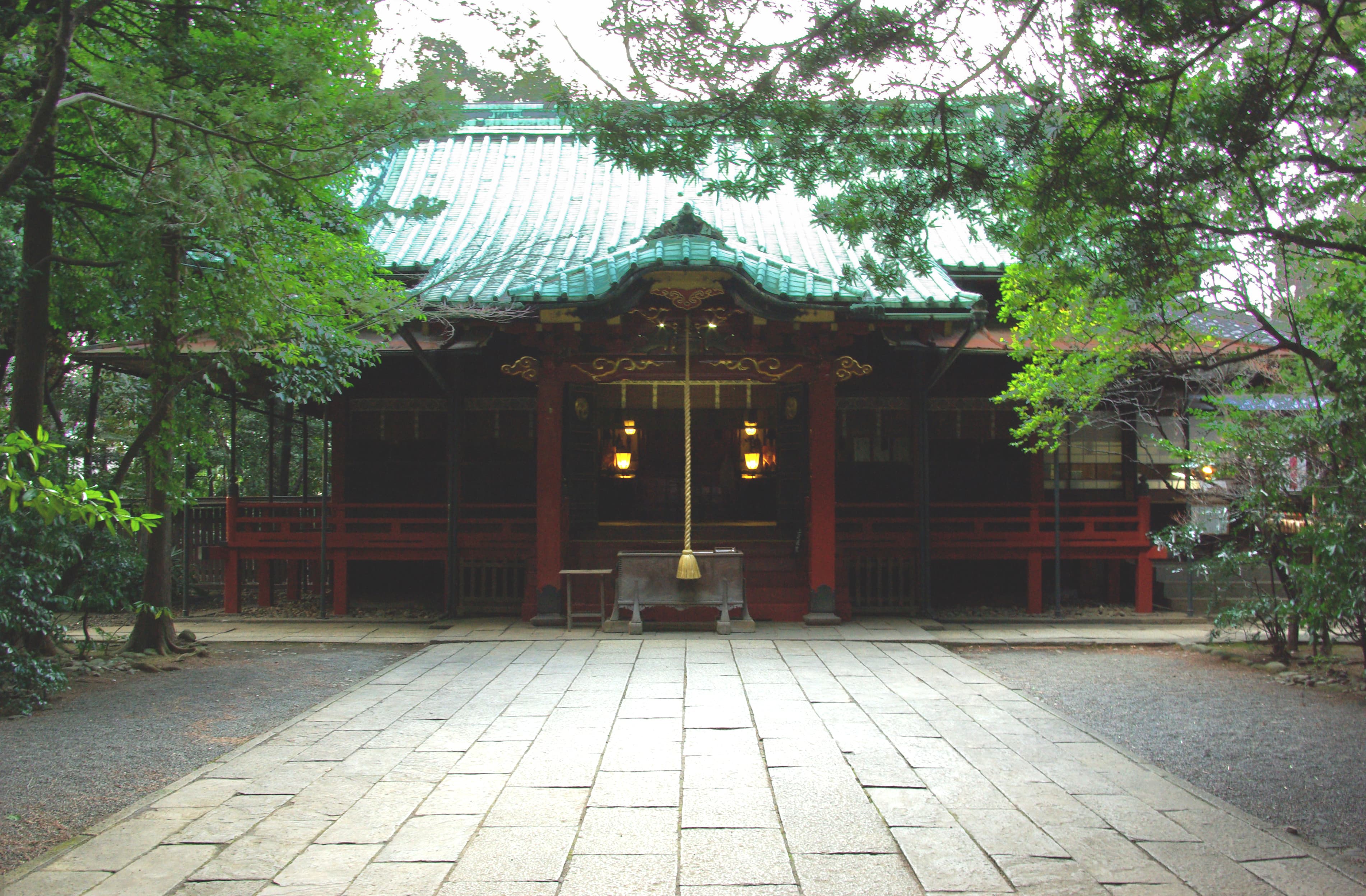
Minato City, Tokyo, Japan
Shinto Shrine
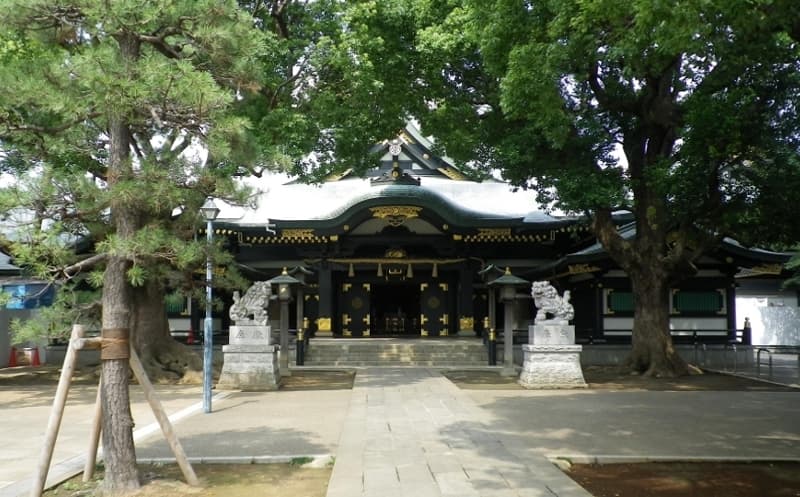
Akasaka Hikawa Shrine (赤坂氷川神社) is an active Shinto sacred place in Tokyo. The record is grounded in an exact Google Place ID, nearby coordinates, institutional or...
Yokoze, Saitama Prefecture, Japan
Buddhist Temple
Akechi-ji is the ninth station of the Chichibu 34 Kannon Pilgrimage in Yokoze, Saitama....
Yuzawadai, Akita Prefecture, Japan
Convent
In the hills of Yuzawadai outside Akita City, the Institute of the Handmaids of the Sacred Heart of Jesus in the Holy Eucharist preserves a wooden statue of Mary that,...
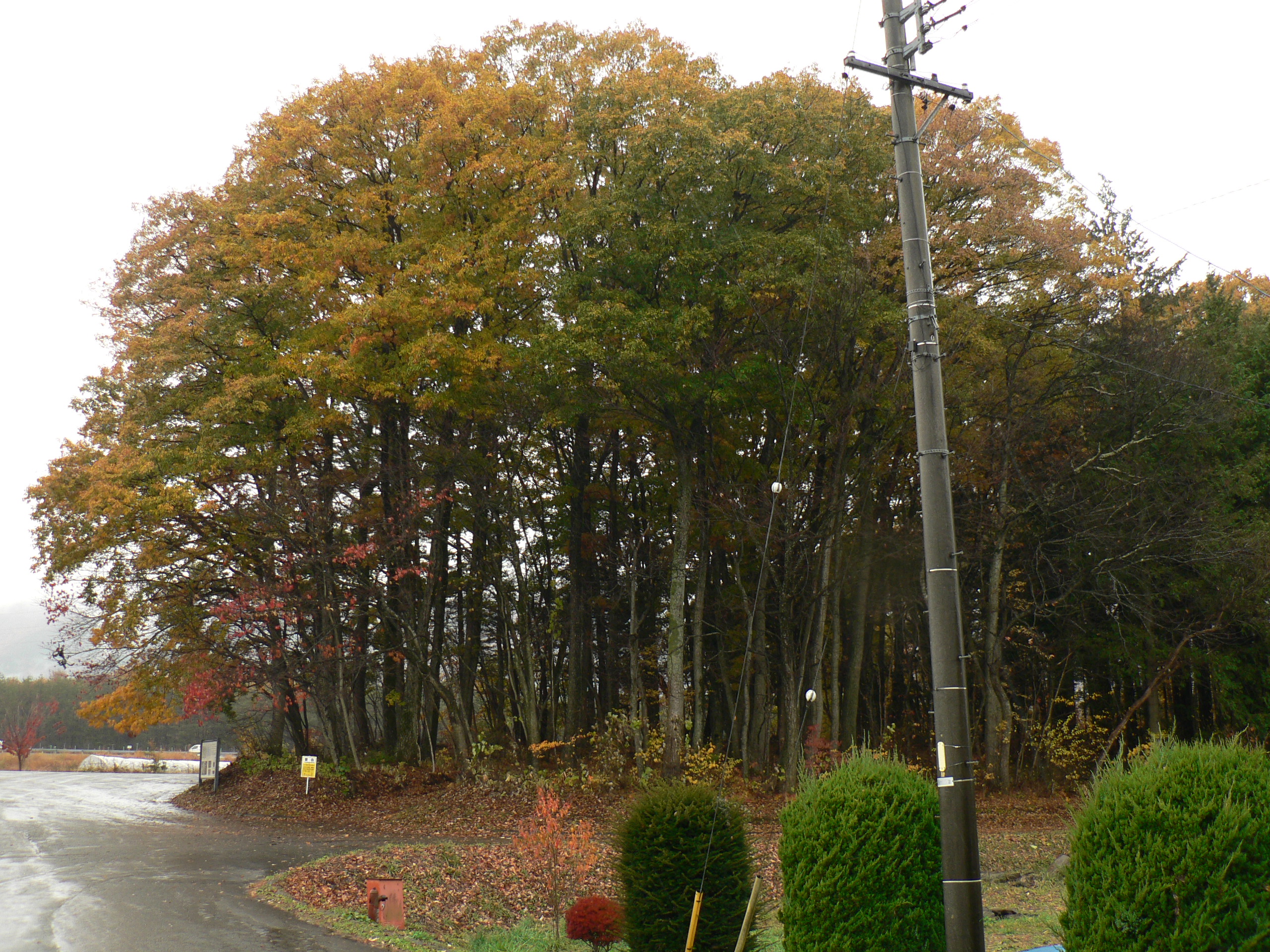
Hara, Nagano Prefecture, Japan
Stone Circle
Six thousand years ago, the Jomon people gathered here to tend sacred fires beneath the gaze of Mount Tateshina....
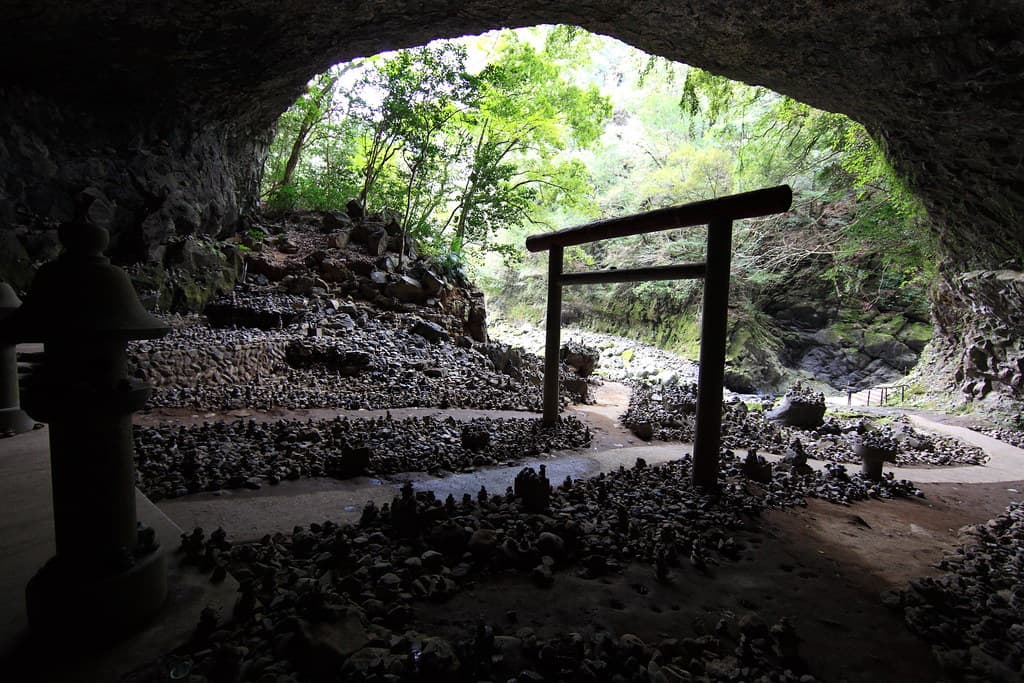
Takachiho, Miyazaki Prefecture, Japan
Shinto Shrine
In a forested gorge in Kyushu's Takachiho region, pilgrims have gathered for centuries at the cave where Amaterasu, the sun goddess and ancestress of Japan's Imperial...
Kamakura, Kanagawa Prefecture, Japan
Temple
An'yō-in is the third station of the Bandō Sanjūsankasho — a small Jōdo-shū temple in Kamakura founded as Hōjō Masako's grief-prayer for her husband Minamoto no Yoritomo,...
Shinjuku City, Tokyo, Japan
Shinto Shrine
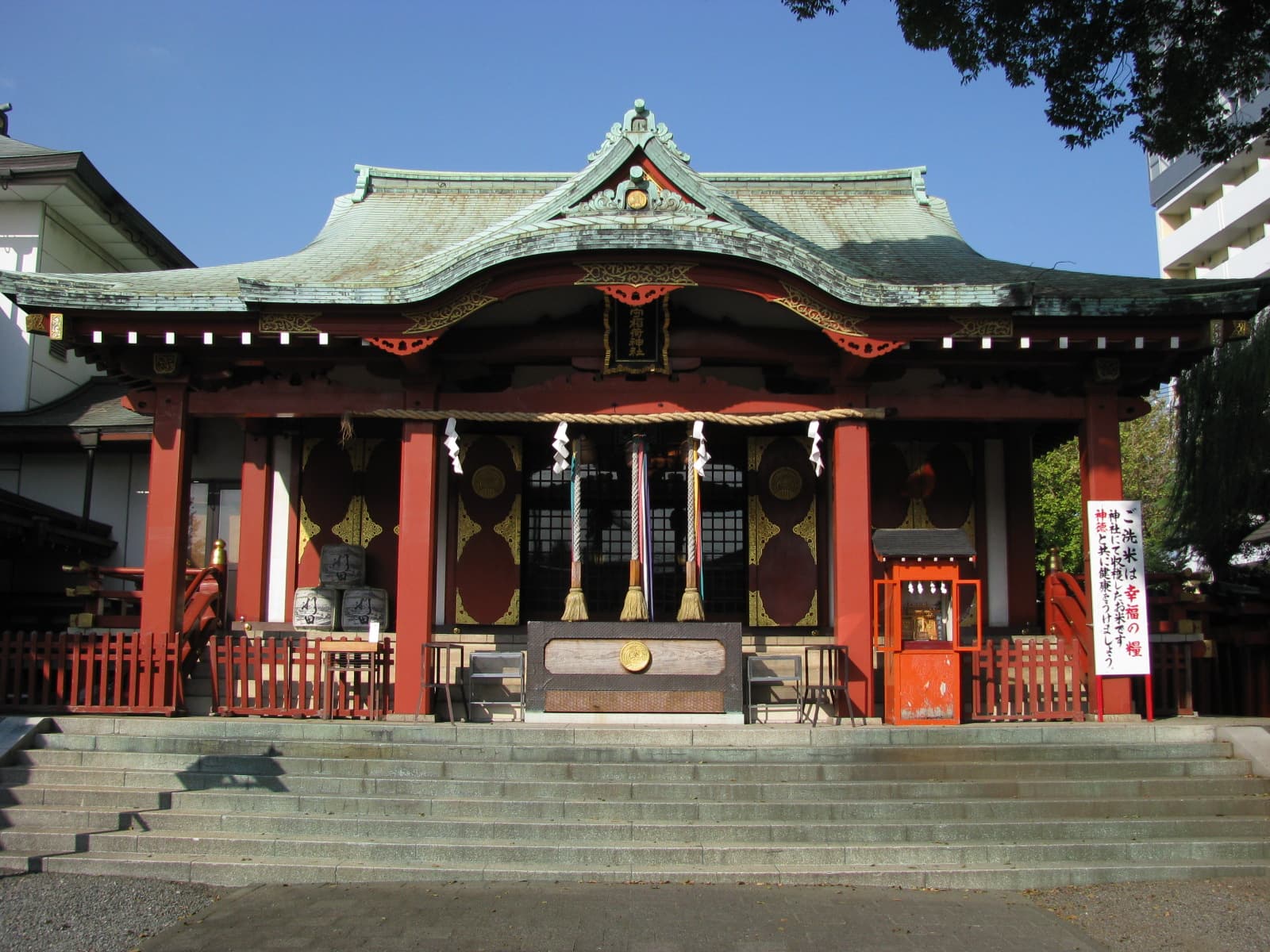
Ana-hachimangu Shrine (穴八幡宮) is an active Shinto sacred place in Tokyo. The record is grounded in an exact Google Place ID, nearby coordinates, institutional or reference...
Ota City, Tokyo, Japan
Shinto Shrine
Anamori Inari Shrine (穴守稲荷神社) is an active Shinto sacred place in Tokyo. The record is grounded in an exact Google Place ID, nearby coordinates, institutional or reference...
For Japan. Local rules and custodians take priority.
Pilgrim Map · Japan



.jpg)

