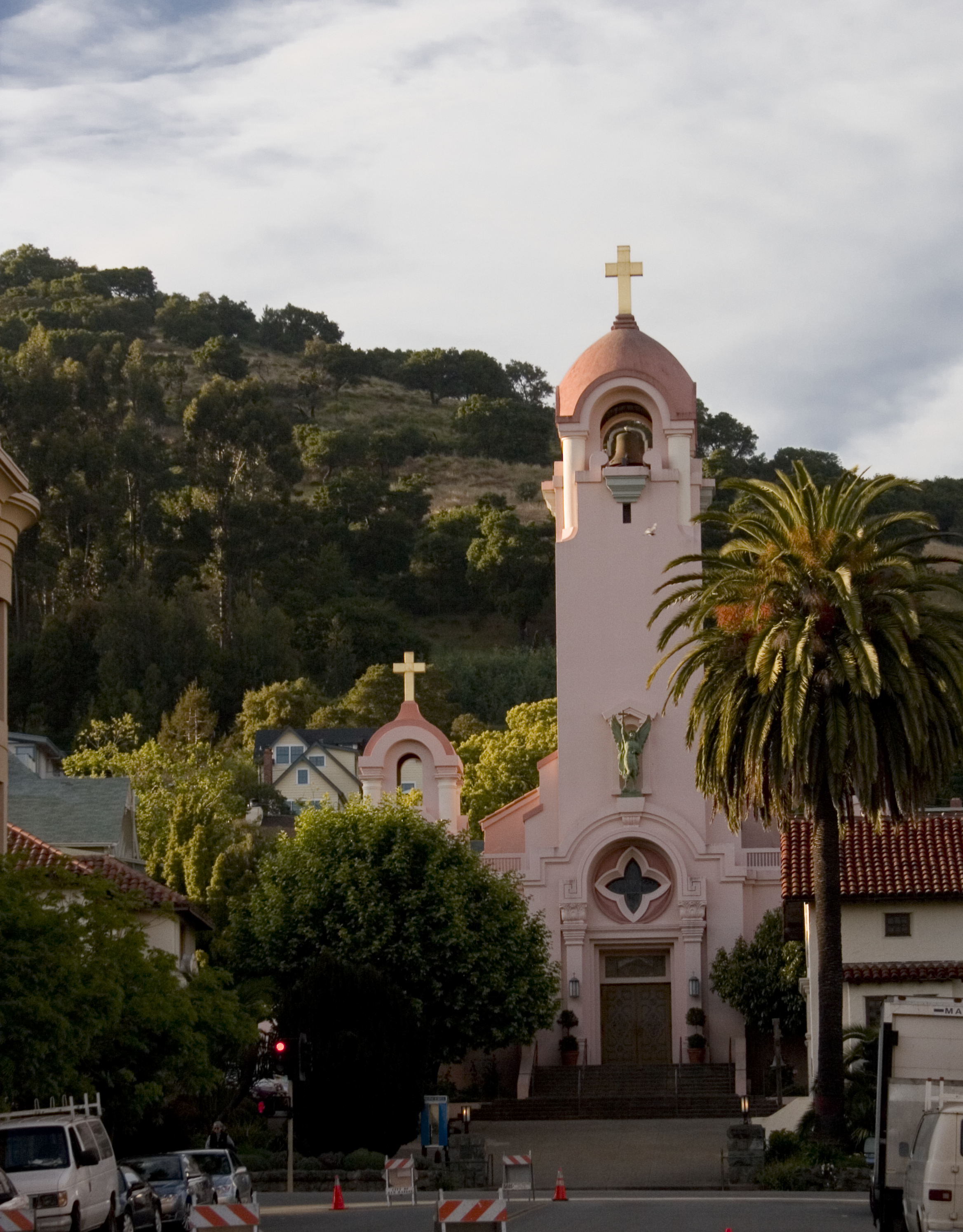
Key questions
- What is California Mission Trail?
- California Mission Trail is a Christianity pilgrimage route in United States, California. Twenty-one surviving mission sites from San Diego to Sonoma, approached as living churches, Indigenous homelands, and places shaped by colonization
- How many stations are on California Mission Trail?
- This guide currently maps 21 stations, with 21 total sites noted in the route metadata.
- When is the best time to walk California Mission Trail?
- Spring and autumn; summer heat and traffic exposure vary sharply by segment
Opening
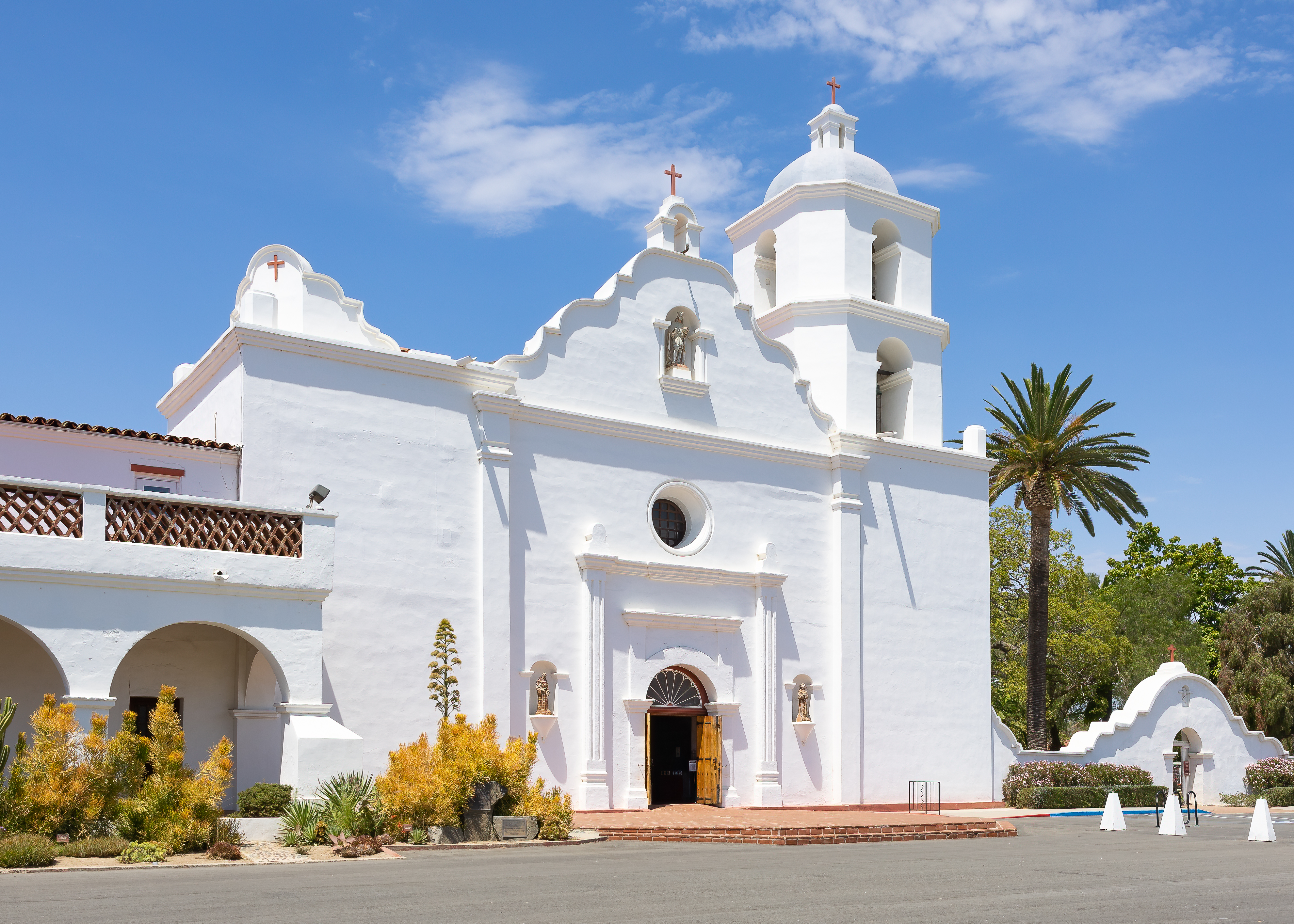
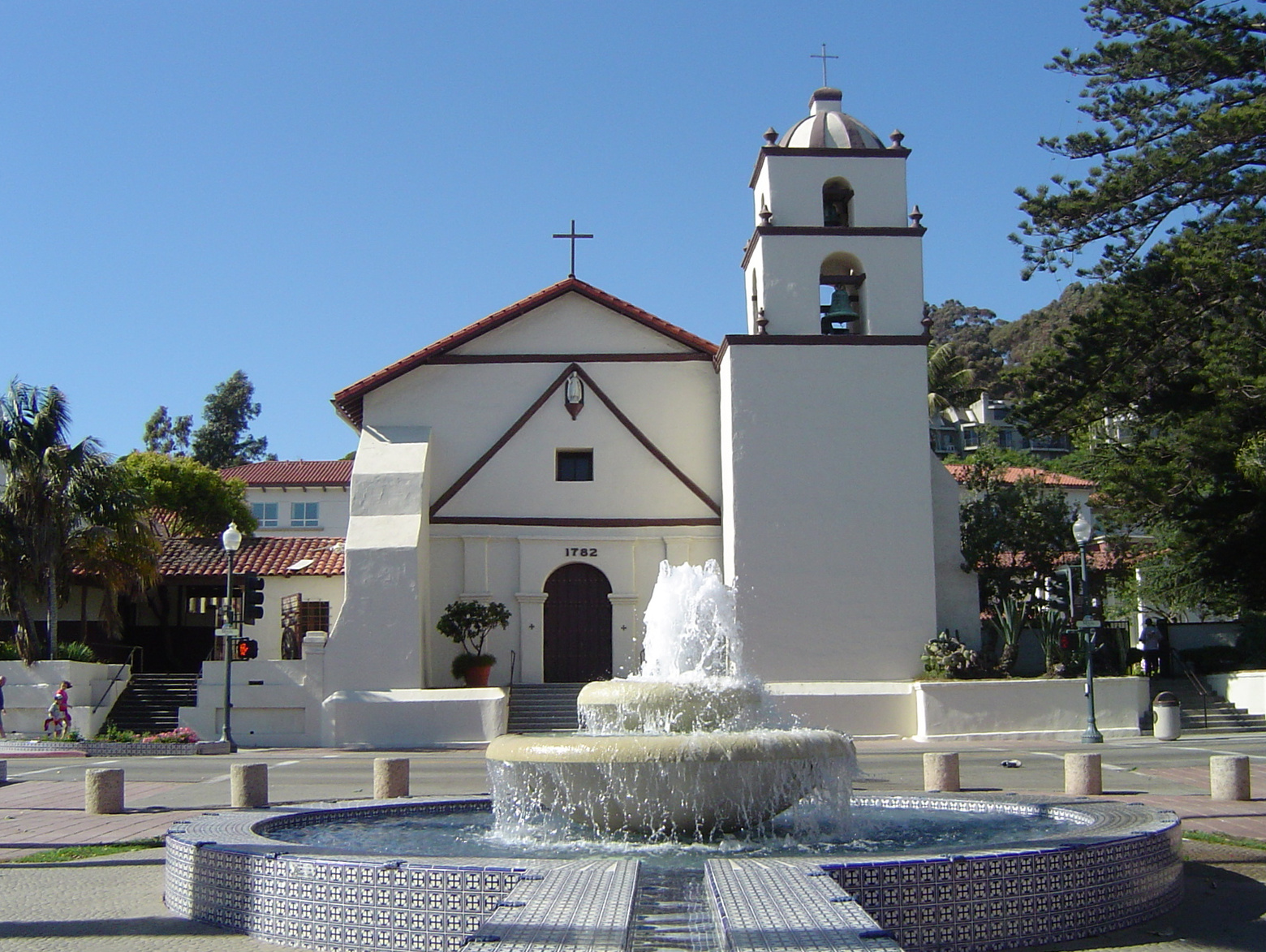
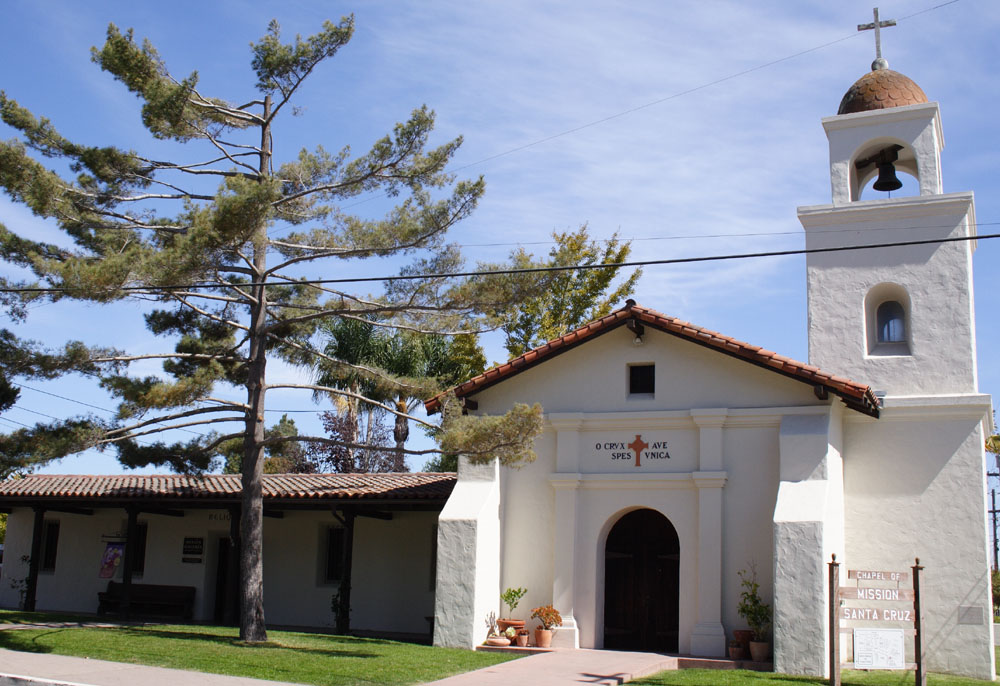
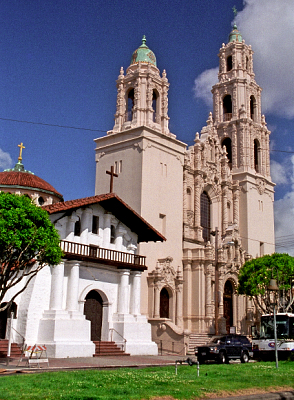
The modern trail connects twenty-one mission sites along roughly 800 miles of California, from San Diego north to Sonoma. It does not pass through empty historical scenery: every stop stands on the homeland of a specific Indigenous people, and many remain active parishes, museums, cemeteries, or state historic properties. A responsible journey therefore holds Catholic devotion, architecture, Native survival, forced labor, disease, displacement, and continuing community life together rather than reducing the route to a romantic chain of bells.
Origins
Spain established the Alta California mission system between 1769 and 1823 as part of a colonial program involving missions, presidios, and pueblos. Franciscan evangelization took place within coercive systems that confined many Native people, extracted labor, disrupted languages and lifeways, and contributed to catastrophic population loss. Mission communities were never uniform, and descendant nations continue to document distinct experiences at each place. The present walking and cycling trail is a modern reconstruction using roads and paths near the historical corridor; it is not an intact eighteenth-century footpath.
Why pilgrims walk it
Some walkers make a Catholic pilgrimage between working churches; others travel for family history, architecture, California history, or sustained reflection on colonization and survival. These purposes can coexist only when visitors do not treat Indigenous pain as atmosphere. At each stop, locally posted interpretation and guidance from affiliated tribes and descendant communities should take precedence over generic mission narratives.
Significance
The twenty-one missions shaped California's colonial geography and remain prominent religious and heritage sites. Their significance also includes the lives of Native people who built, labored, worshipped, resisted, fled, died, and maintained community through and beyond the mission period. Presenting the chain responsibly requires naming both the Catholic institutions that continue at many sites and the unequal colonial system in which they were founded.