Lourdes, France
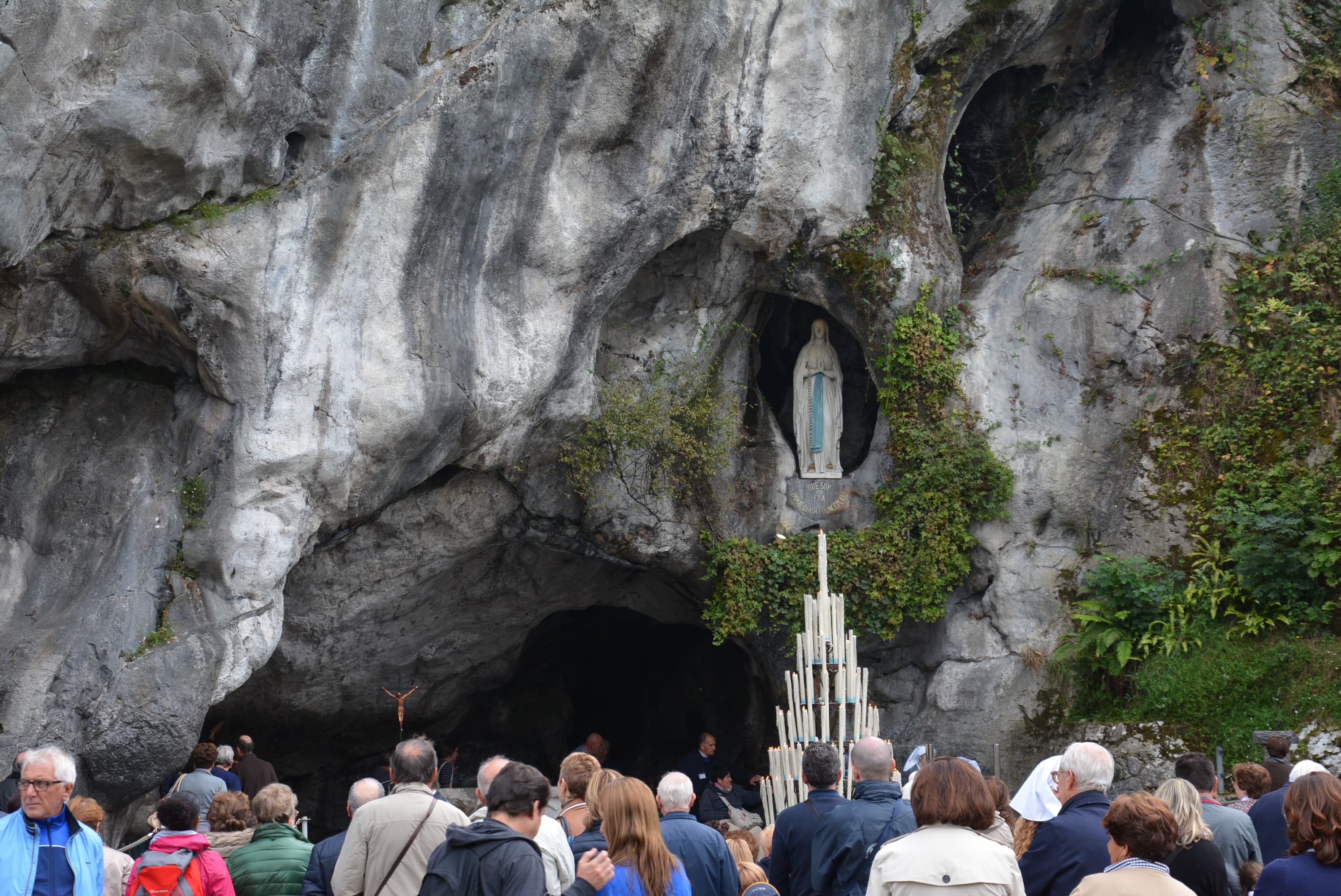
Lourdes / Massabielle spring
Grotto
Major Catholic pilgrimage spring associated with Bernadette Soubirous and the reported Marian apparitions of 1858. Water remains central to devotion.
Sacred water · Worldwide
Lourdes · Tirta Empul · Lalish · Te Waikoropupū
Explore springs where communities gather, remember, pray and care for sacred water. Follow the sources behind each place, from living sanctuaries to ancient wells and fountains.
96 destinations. Grouped geographically, not as a suggested travel order. Open each place for its own story and visitor guidance.
96 destinations shown
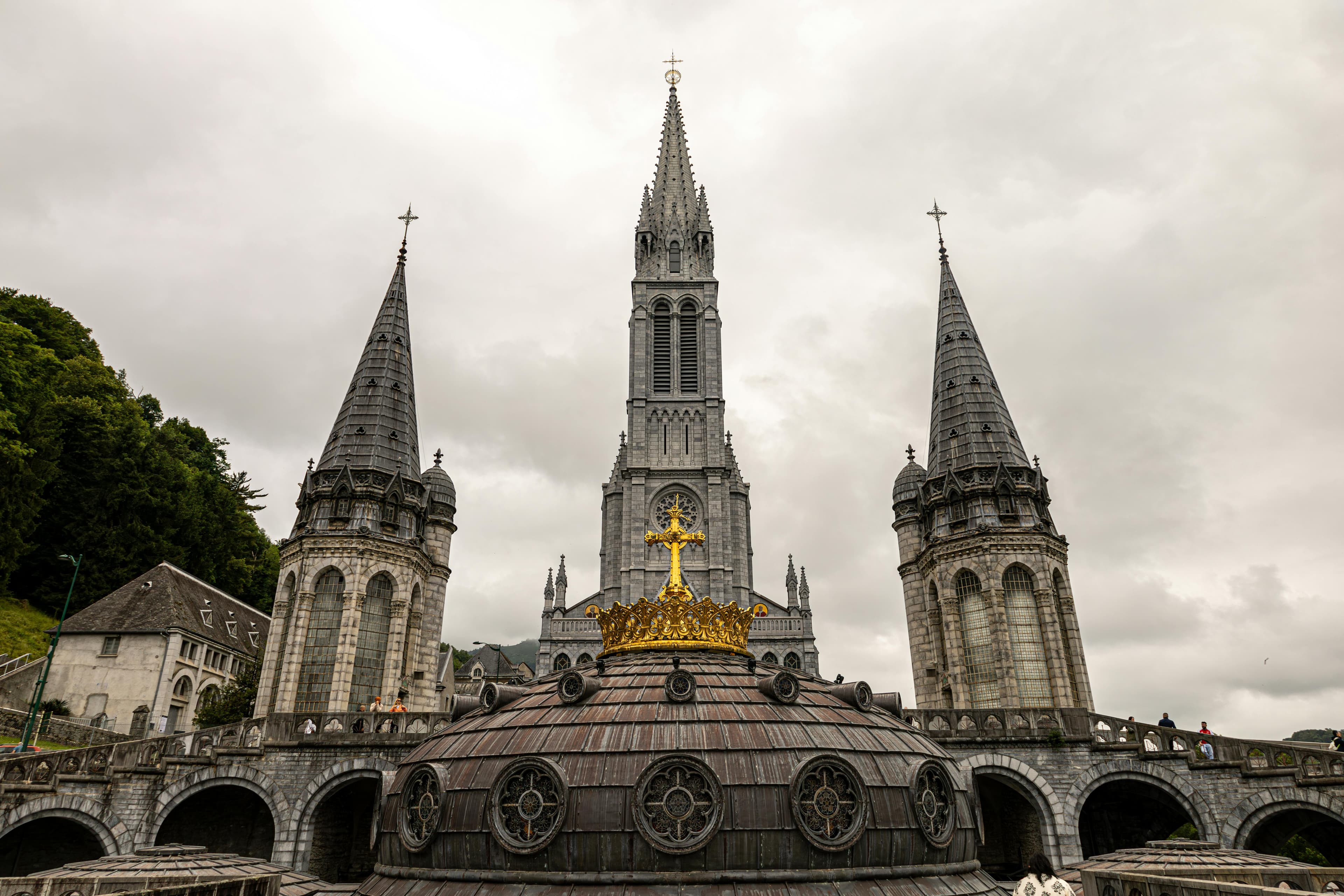
Lourdes, France
Grotto
Major Catholic pilgrimage spring associated with Bernadette Soubirous and the reported Marian apparitions of 1858. Water remains central to devotion.
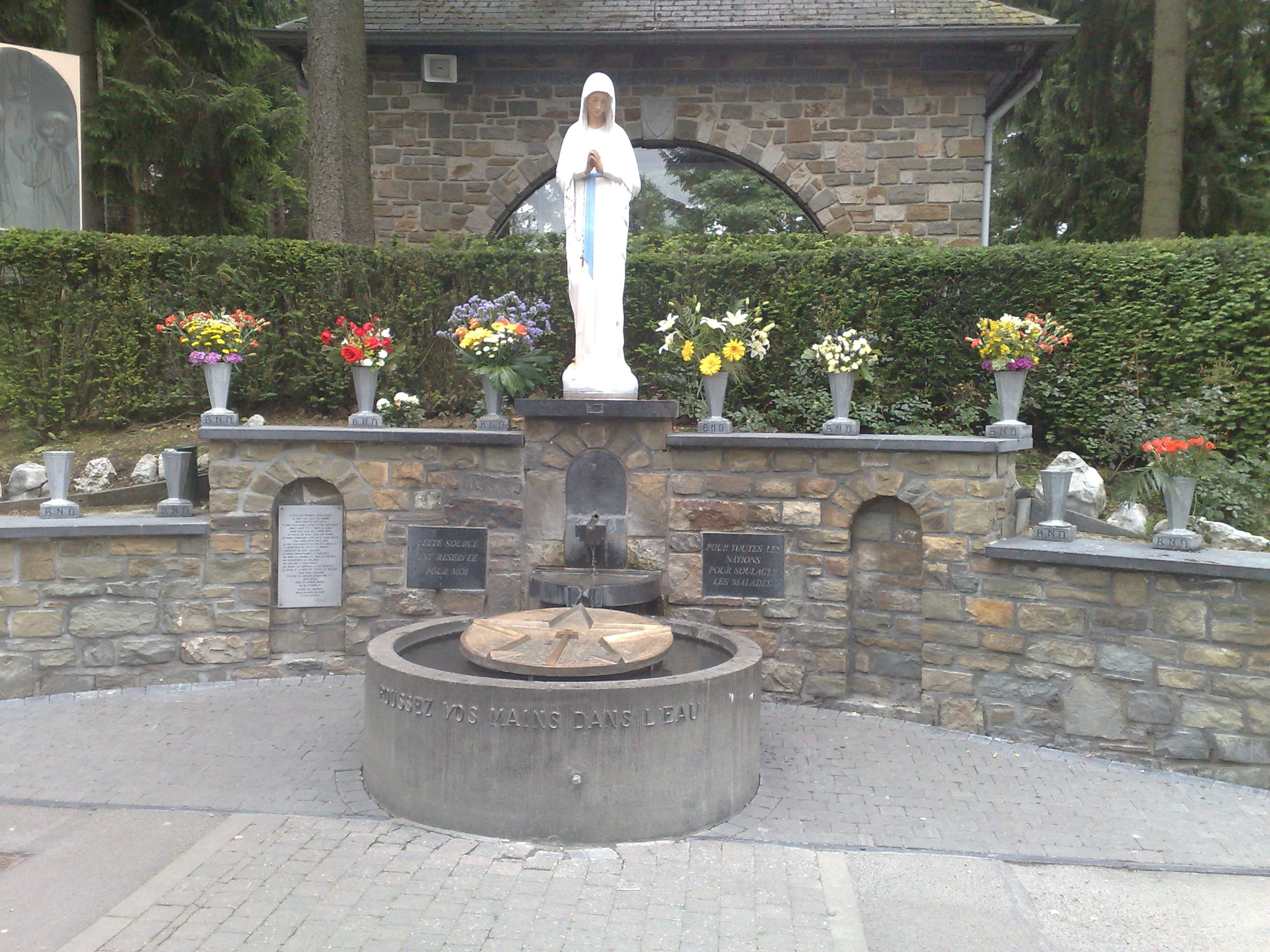
Banneux, Belgium
Church
Central to the Virgin of the Poor devotion arising from reported apparitions in 1933; the sanctuary explains its meaning for pilgrims.
Glastonbury, England, UK
Sacred Spring
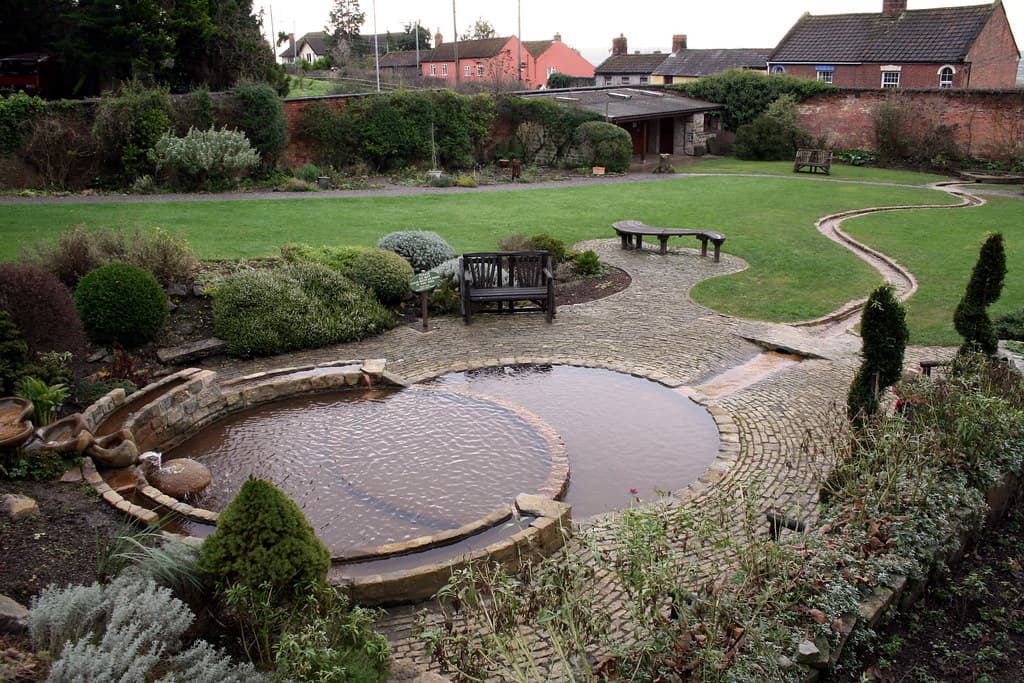
Living spiritual sanctuary welcoming multiple faiths; associated with Glastonbury’s Christian, Grail, and contemporary spiritual traditions. Ancient-continuity claims require separate scrutiny.
Glastonbury, England, UK
Temple
Contemporary sacred-water temple with shrines, prayer, and meditation; distinct from neighboring Chalice Well.
Bath, England, UK
Thermae
The spring lay within the Roman temple precinct and supplied the baths; a major archaeological example of water-centered worship.
Holywell, Wales, UK
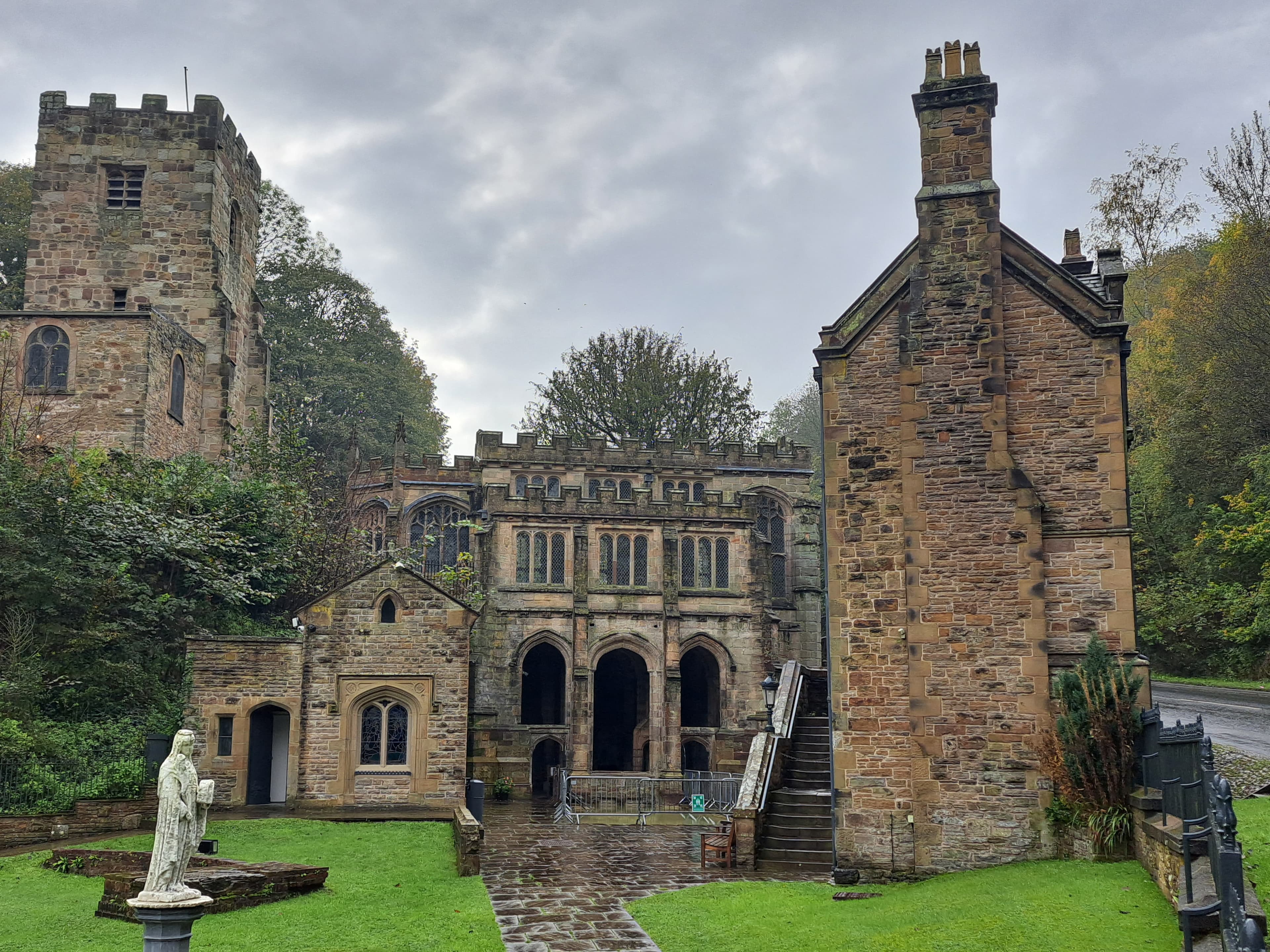
Long-established Christian pilgrimage associated with Winefride and Beuno; Cadw documents pilgrimage since at least 1115.
St Davids, Wales, UK
Associated with Non, mother of St David, and the traditional birthplace of Wales’s patron saint.
Llangybi, Gwynedd, Wales, UK
Beyond Llangybi’s churchyard and a marshy field, the spring is enclosed by two stone chambers. A later caretaker’s cottage stands beside them. This is Ffynnon Gybi in Gwynedd, one of several Welsh wells bearing Cybi’s name, each with its own local history.
Penmon, Anglesey, Wales, UK
A small chamber shelters the spring north of Penmon’s church. The holy well belongs to a wider monastic landscape, but has its own place in devotion: pilgrims still gather here for prayer and the blessing of water.
Cornwall, England, UK
Madron’s holy well is a small stone-lined spring in wet woodland near the village. A watercourse connects it to the nearby roofless chapel, where a trough received water for baptism and healing devotion.
Callington, Cornwall, England, UK
Dupath Well stands on a working farm near Callington. Its granite well-house encloses a spring once sought by people hoping for healing, with an interior basin and an overflow trough outside.
Black Isle, Scotland, UK
Munlochy’s Clootie Well is a woodland spring on the Black Isle. Cloth tied to surrounding branches makes personal petitions visible in a place whose use and interpretation have changed over time.
Near Kildare town, Ireland
Holy Well
Living Brigid devotion, with prayer, reflection, and ritual supported by the nearby Brigidine community.
Ballysteen, County Clare, Ireland
St Brigid’s Well near Liscannor occupies a well-house below a hillside cemetery. Rosaries, remembrance cards and small devotional objects make it a place of personal petition and thanksgiving.
Near Sligo, Ireland
Living Catholic place of prayer and pilgrimage, particularly associated with Garland Sunday.
Near Ardfert, County Kerry, Ireland
Tobar na Molt lies in a small sanctuary at Tubrid near Ardfert. The spring, chapel and carved altar belong to a continuing Catholic pilgrimage tradition centred on the remembered baptism of Saint Brendan.
Delphi, Greece
Ancient Sacred Precinct
Supplied water for purification of priests and visitors entering Apollo’s sanctuary.
Ancient Corinth, Greece
Connected with the nymph Peirene; archaeological research places Corinthian water sources within the ancient cult of nymphs.
Oropos, Greece
Healing and Oracular Sanctuary
Part of the sanctuary of the healing hero Amphiaraos, alongside its temple and baths.
Ortigia, Syracuse, Sicily, Italy
Connected to the Greek myth of the nymph Arethusa and Alpheus; an enduring sacred-mythological landmark of Syracuse.
Campello sul Clitunno, Umbria, Italy
Ancient sacred waters associated with the god Clitumnus and religious festivals.
Paulilatino, Sardinia, Italy
Sacred Well
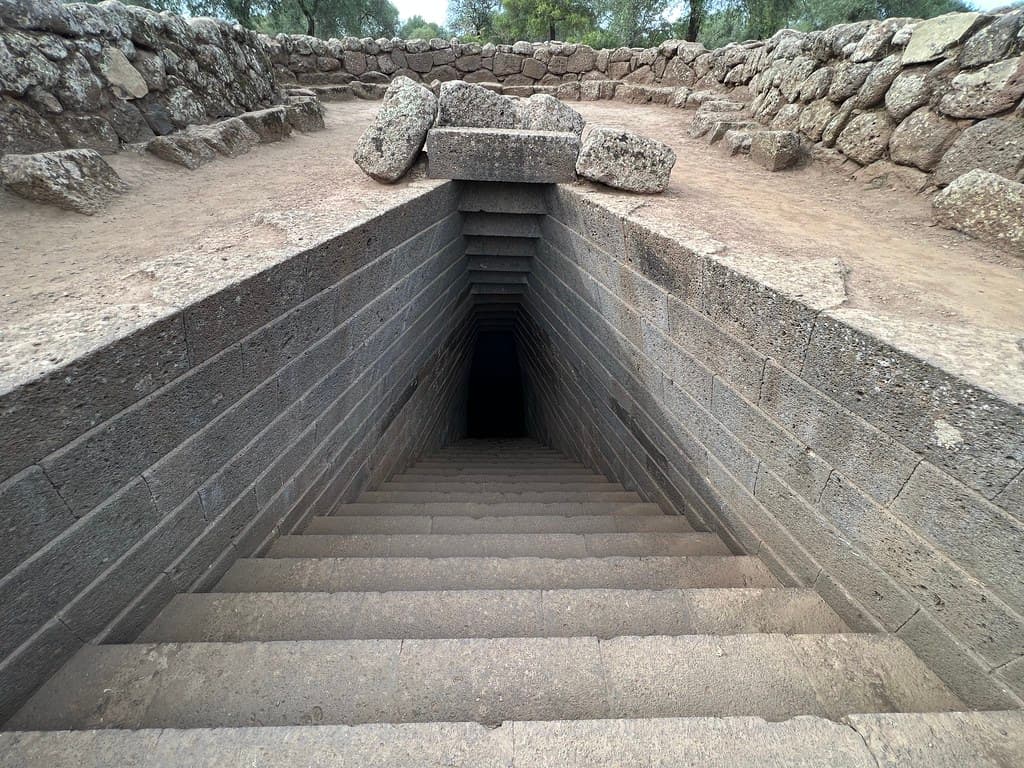
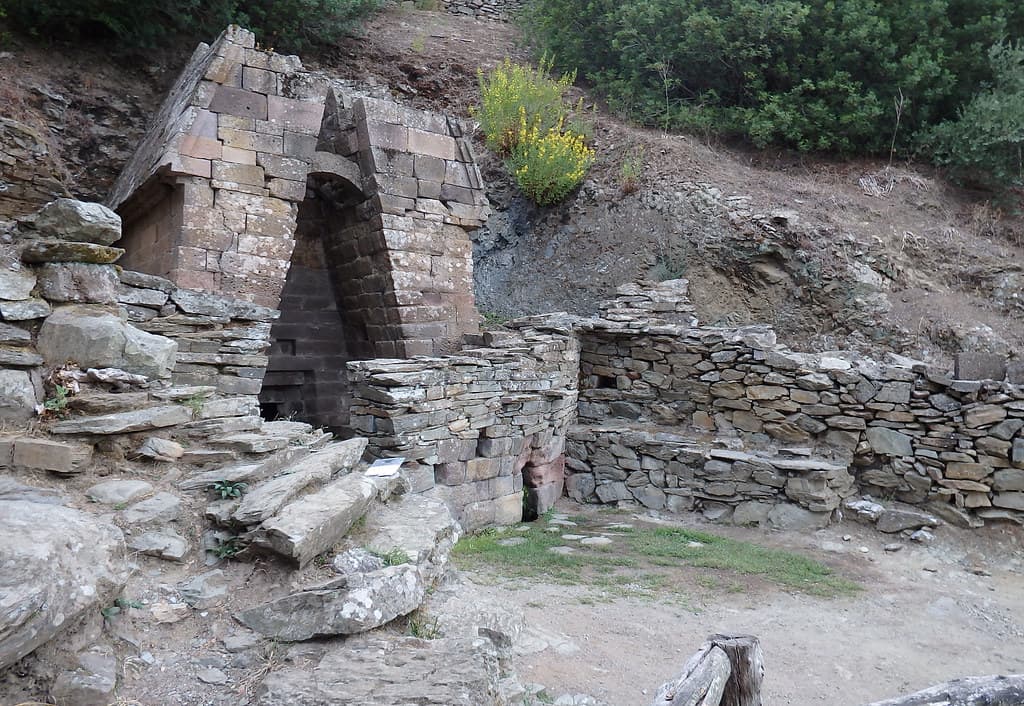
Monumental prehistoric water sanctuary; precise astronomical and ritual interpretations should not be treated as settled.
Orune, Sardinia, Italy
Sacred Well
Exceptional surviving architecture devoted to the worship of water.
Bitti, Sardinia, Italy
Nuragic Complex
The sanctuary’s well temple and stepped ceremonial spaces provide evidence for collective water rites.
San Casciano dei Bagni, Tuscany, Italy
Etruscan-Roman sanctuary whose bronze votive discoveries document devotion at the thermal source.
Caravaggio, Lombardy, Italy
Church
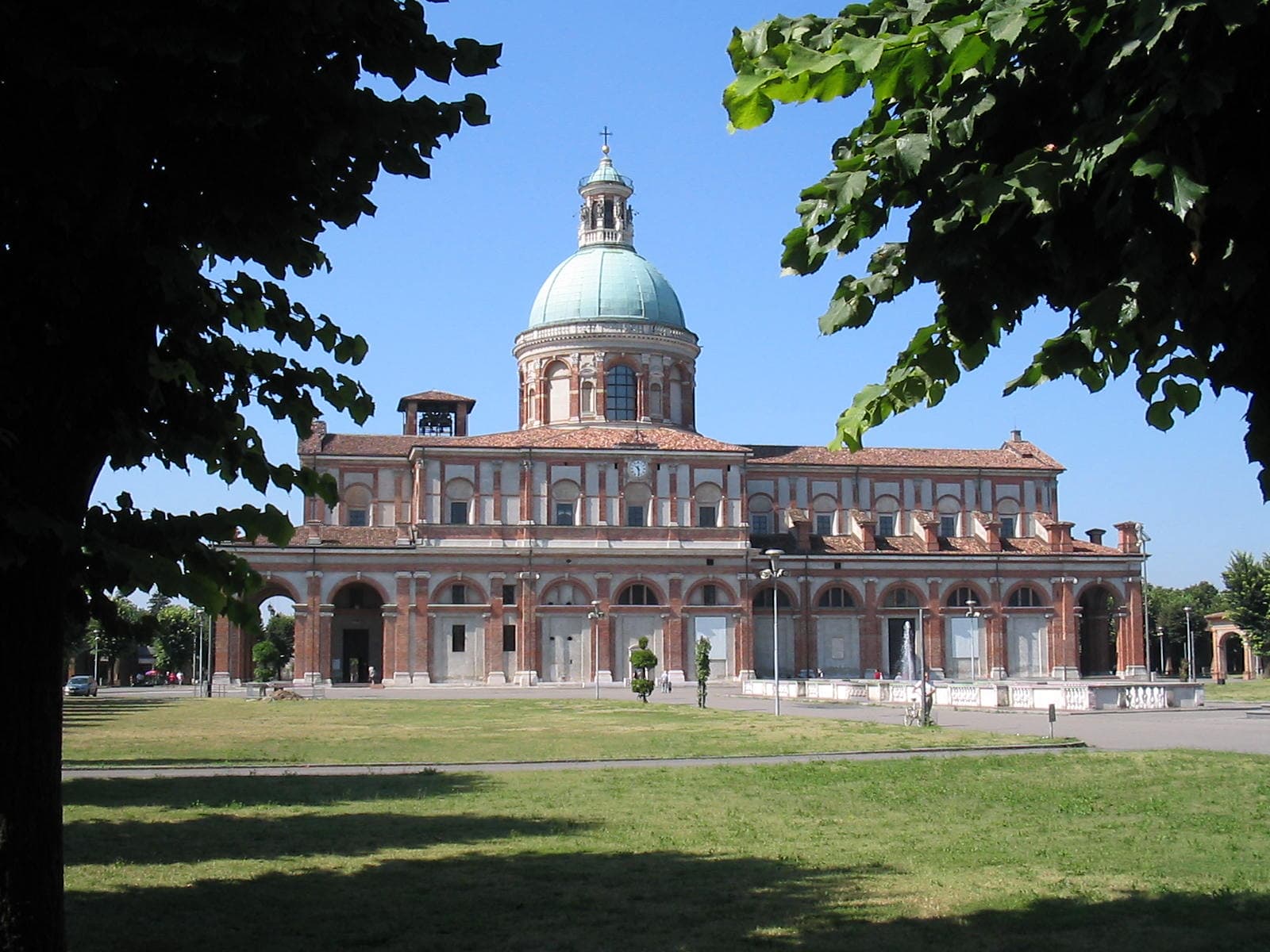
Catholic pilgrimage source associated with the reported apparition to Giannetta de’ Vacchi in 1432.
Source-Seine, Burgundy, France
Ancient sanctuary of Sequana, evidenced by inscriptions and votive offerings; the cult was centered on the river’s source.
Chamalières, France
Gallo-Roman devotional site with extensive wooden offerings seeking divine healing; principally an archaeological entry today.
San Andrés de Teixido, Galicia, Spain
Important feature of the sanctuary’s pilgrimage and folk-religious traditions.
Covadonga, Asturias, Spain
Associated with the Virgin of Covadonga and marriage folklore; a constructed devotional fountain, not seven separate springs.
Belgrade Fortress, Serbia
Orthodox sacred-water shrine associated with St Petka, within the Ružica church and chapel complex.
Near Diveyevo, Russia
Living Russian Orthodox devotion associated with Seraphim of Sarov; specifically this spring, not every spring around Diveyevo.
Mecca, Saudi Arabia
Central to Islamic pilgrimage and the tradition of Hajar and Ismail. Included for religious significance while explicitly distinguished from a surface spring.
Sheikhan, Kurdistan Region, Iraq
Central Yazidi sacred waters; the White Spring and the spring beneath Sheikh Adi’s sanctuary belong to Lalish’s religious geography. Counted together.
Nazareth, Israel
Associated with an Orthodox Annunciation tradition. The spring and the public monument called Mary’s Well should not be confused.
Ein Karem, Jerusalem
Part of the Christian sacred landscape of Mary’s visit to Elizabeth; the association is devotional tradition.
Silwan / City of David area, East Jerusalem
Biblical tradition locates Solomon’s anointing here; an important intersection of water engineering, Jerusalem history, and religious memory.
Israeli-occupied Golan Heights
Ancient sanctuary of Pan at a Jordan headwater; the archaeological cult association is the basis for inclusion.
Jericho, West Bank, Palestine
Associated with the biblical account of Elisha’s purification of the water; also foundational to Jericho’s settlement history.
Mount Lebanon, Lebanon
Sacred landscape connected with Adonis and a nearby temple of Aphrodite/Astarte.
Istanbul, Türkiye
Longstanding Marian holy-spring devotion associated with the Life-Giving Source.
Nurata / Nurota, Uzbekistan
Major local Islamic pilgrimage complex organized around a revered spring.
Bukhara, Uzbekistan
Sacred Site
Associated with the tradition that the prophet Job brought forth water; an important sacred-water monument in Bukhara.
Near Ardakan, Yazd, Iran
Shrine
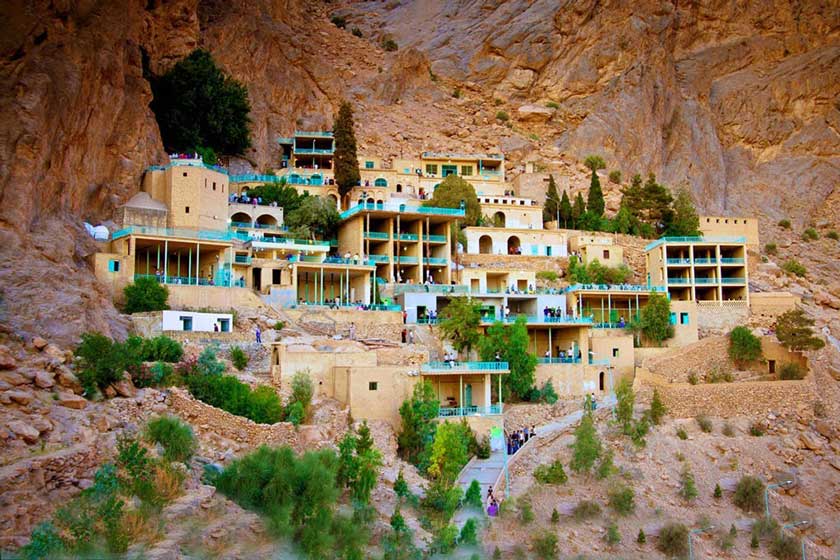
Important Zoroastrian pilgrimage sanctuary; flowing water is central to the shrine’s identity and devotional narrative.
Tulmulla, Indian-administered Kashmir
A major Kashmiri Pandit sanctuary of Ragnya Devi. Color-change interpretations belong to religious belief, not demonstrated prophecy.
Mustang, Nepal
Sacred to Hindus and Buddhists; bathing at the spouts forms part of pilgrimage. One complex, not 108 separate entries.
Badrinath, Uttarakhand, India
Temple
Associated with Agni and ritual bathing before worship at Badrinath.
Yamunotri, Uttarakhand, India
Part of the pilgrimage landscape of the goddess Yamuna; Surya Kund is distinct from the river’s glacial origin.
Near Manali, Himachal Pradesh, India
Associated with the sage Vashisht and the village’s temple tradition.
Parvati Valley, Himachal Pradesh, India
Important in both Hindu and Sikh sacred narratives, including traditions concerning Shiva-Parvati and Guru Nanak.
Rajgir, Bihar, India
Established Hindu pilgrimage bathing site, associated with sacred and healing-water beliefs.
Kodagu, Karnataka, India
Revered birthplace of the Kaveri, particularly important in Kodava and wider Hindu religious life.
Birbhum, West Bengal, India
Connected with the Bakreshwar Shiva temple and a Shakti pilgrimage landscape.
Chakwal district, Punjab, Pakistan
Hindu sanctuary linked to the tradition of Shiva’s tears; the pool is integral to the temple complex’s identity.
Hasan Abdal, Punjab, Pakistan
Major Sikh pilgrimage site associated with Guru Nanak, water provision, and the handprint tradition.
Near Trincomalee, Sri Lanka
Sacred-water traditions include Hindu associations with Ravana and Buddhist connections. Religious ownership and heritage interpretation are contested.
Jaffna Peninsula, Sri Lanka
Closely associated with Naguleswaram Shiva temple, Nagula Muni, and Hindu ritual observance.
Parvati Valley, Himachal Pradesh, India
Hindu sacred landscape associated with Shiva; official regional documentation identifies both the holy place and natural spring.
Near McLeod Ganj, Himachal Pradesh, India
Sacred to Shiva and the serpent deity Bhagsunag; distinct from the nearby waterfall.
Uttarkashi district, Uttarakhand, India
Ritual bathing stop on the Gangotri pilgrimage route.
Near Sudh Mahadev, Jammu region, India
Associated with Parvati and a Shiva-Parvati shrine. This is the Jammu-area spring, not the similarly named Kedarnath-route site.
Godavari, Lalitpur, Nepal
Pilgrimage spring in a landscape of Shaivite shrines; separate from India’s Godavari river-source traditions.
Mount Abu, Rajasthan, India
Associated with Vashistha and the ashram’s sacred narratives; distinct from the glacial Gaumukh near Gangotri.
Bidar, Karnataka, India
Sikh pilgrimage source associated with Guru Nanak’s provision of water.
Aliabad, Bidar, Karnataka, India
Associated with the Ishvara/Rameshvara temple and traditions of Rama’s worship; its name expresses purification from sin.
Tampaksiring, Bali, Indonesia
One of Bali’s best-known living Hindu water sanctuaries, with spring water central to melukat purification.
Tampaksiring, Bali, Indonesia
Balinese Hindu spring sanctuary with different ritual uses for its waters; counted as one temple complex.
Sebatu, Bali, Indonesia
Sacred spring associated with the Markandeya tradition and worship of Shiva and Vishnu. Not the Gunung Kawi rock-cut monuments at Tampaksiring.
Sedit, Bangli, Bali, Indonesia
Temple
Living melukat sanctuary with water outlets assigned different religious purposes.
Karangasem, Bali, Indonesia
Sacred water used in Balinese Hindu ceremonies; the royal garden and the sacred spring should be distinguished.
Mount Penanggungan, East Java, Indonesia
Temple
Important Javanese sacred-water architecture, with a continuing cultural and religious legacy.
Mount Penanggungan, East Java, Indonesia
Temple
Historic Javanese temple-bathing complex retaining original sacred sculptures.
Kiyomizu-dera, Kyoto, Japan
Temple
Foundational to the temple’s history and its Kannon devotion; the temple explicitly identifies the source as a spring.
Kumano, Wakayama, Japan
Closely integrated with Kumano pilgrimage and ritual purification traditions.
Matsuyama, Ehime, Japan
Important mythological association with Ōkuninushi and Sukunahikona; included for religious narrative, not as a primarily devotional modern bathhouse.
Matsue, Shimane, Japan
Associated with divine bathing traditions and Izumo’s sacred landscape; modern use is chiefly as a spa destination.
Kamakura, Japan
Ritual money washing expresses devotion to Benzaiten and Ugafukujin; a clear living example of spring-centered religious practice.
Tibet Autonomous Region, China
Tibetan Buddhist sacred spring in a landscape associated with Padmasambhava and Yeshe Tsogyal.
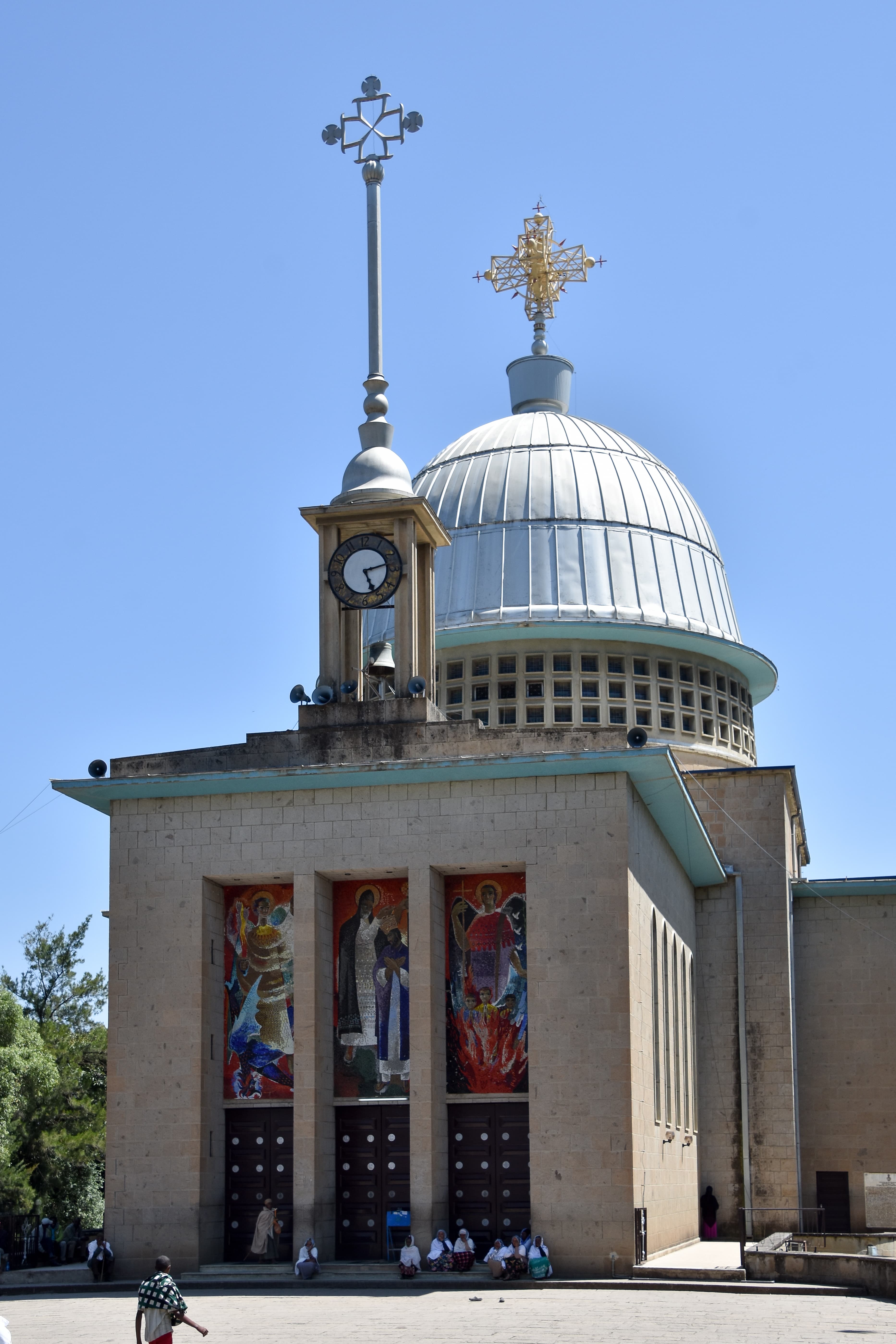
Oromia, Ethiopia
Monastery
Ethiopian Orthodox holy water associated with Tekle Haymanot’s retreat and a continuing pilgrimage tradition.
Gish Abay, Ethiopia
Ethiopian Orthodox sacred geography associates the waters with the paradisal Gihon. This is a religious source tradition, not a claim to settle the Nile’s hydrological origin.
Eastern Desert, Egypt
The Coptic Church identifies it as the water source used by St Paul the Hermit, linking it directly to the saint’s life.
Near Fez, Morocco
Saint-associated Moroccan bathing and pilgrimage traditions coexist with modern spa use. Religious history should be separated from medical claims.
Near Fez, Morocco
Springs historically associated with a marabout and saint-centered local traditions; now also a developed thermal destination.
Arizona, United States
A sacred place for multiple local Native communities; despite its English name, it is not an excavated well.
Palm Springs, California, United States
Central to the identity and sacred traditions of the Agua Caliente Band of Cahuilla Indians.
San Marcos, Texas, United States
Sacred waters in Coahuiltecan tradition, with contemporary ceremonial and cultural stewardship.
New Braunfels, Texas, United States
Identified by the Indigenous Cultures Institute as a sacred-water site supporting Coahuiltecan ceremonies.
Austin, Texas, United States
A living Coahuiltecan sacred-water place alongside its better-known public recreational role.
San Antonio, Texas, United States
Identified as yana wana in the Institute’s account of Coahuiltecan sacred sites and ceremonies.
Near Cusco, Peru
Archaeological Site
Inca water sanctuary, interpreted as a place of water worship rather than merely a royal bathing facility.
Oropesa, Cusco region, Peru
Important Inca sacred-water landscape combining ceremonial, agricultural, and domestic hydraulic functions.
Ocuilan, near Chalma, Mexico
Sacred stop on the Chalma pilgrimage, associated with purification bathing, devotional offerings, and dances.
Golden Bay, Aotearoa New Zealand
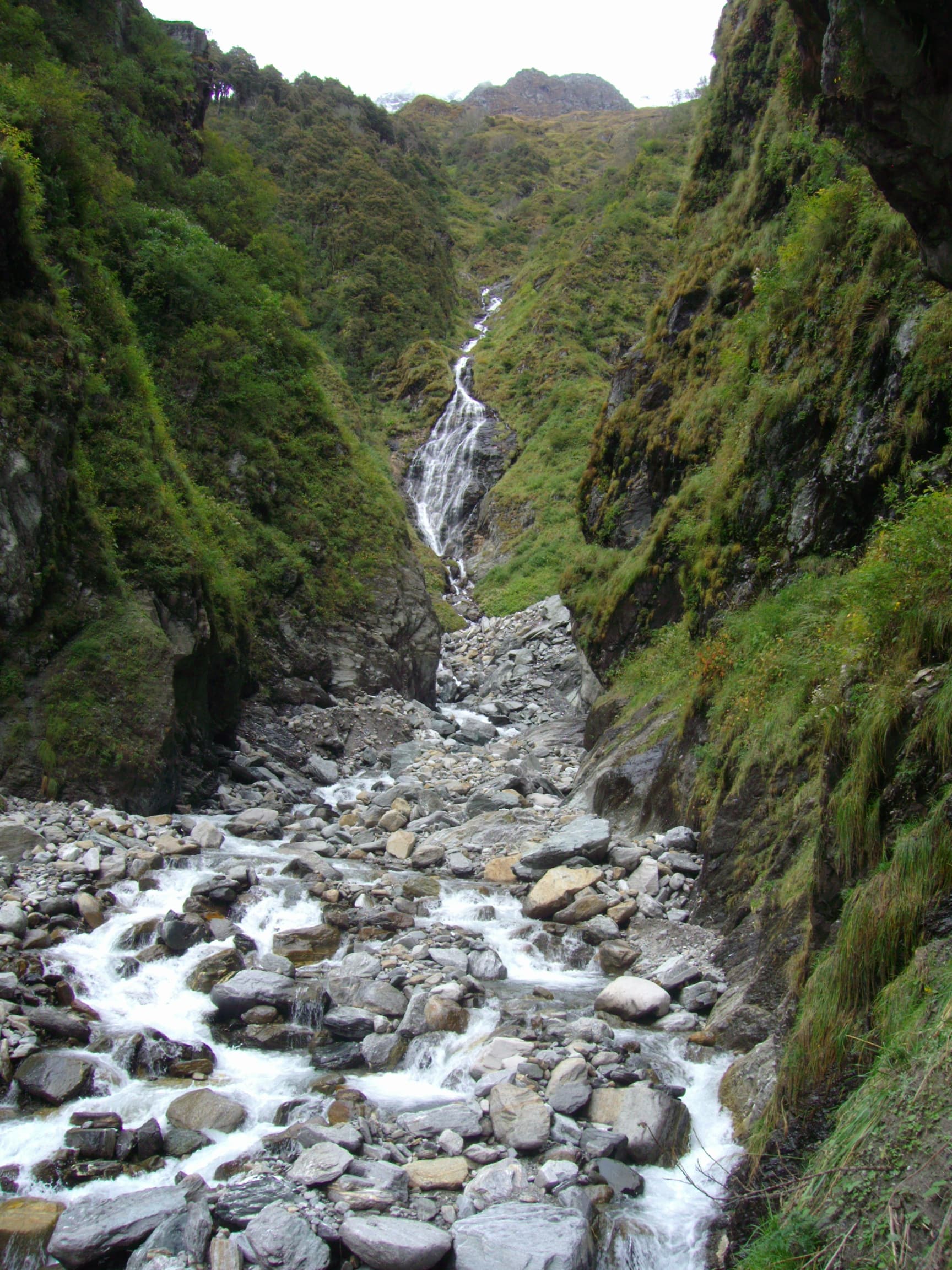
Wāhi tapu and taonga within the sacred geography and guardianship of mana whenua. Community authority is essential to interpretation.
Rotorua, Aotearoa New Zealand
Taonga of Ngāti Rangiwewehi, with community history and enduring connections to the place.
South Australia, Australia
Sacred cultural landscape of Lower Southern Arrernte and Wangkangurru peoples, associated with numerous stories and songlines.
South Australia, Australia
Arabana cultural landscape with documented sacred associations. The complex is one entry, not separate counts for each pool.
For 96 sacred springs and holy wells. Local rules and custodians take priority.
Pilgrim Map · 96 sacred springs and holy wells
Explore the history behind these places. Traditional accounts, scholarly interpretations and living practices may differ.
Water and belonging
A spring can sustain a settlement and hold a community's stories at the same time. At Lourdes, water belongs to the sanctuary's account of Bernadette and Mary. At a Balinese purification sanctuary, it participates in a different religious life, with its own custodians and forms of preparation. Their shared element does not make their traditions interchangeable.
Holy wells often preserve several layers of memory. The saint's life may be older than the masonry now visible; a recorded folk custom may differ from present practice. At Dupath, even the duel story has conflicting endings. Keeping those versions distinct preserves the history of the telling as well as the place itself.
Sources in this collection include religious custodians, Indigenous organisations, heritage registers, museums and scholarship. They support the existence and meaning of a tradition. An account of a cure is not, by itself, clinical evidence; an ancient sacred association does not establish uninterrupted worship or present access.
Distinct relationships
Read each place in the terms used by its community and sources.
Perspective 01
Holy wells can hold petitions, thanksgiving and local accounts of a saint's presence. Personal offerings deserve privacy and care.
Perspective 02
Ritual contact with water can be one part of a larger pilgrimage. Participation, dress and access depend on the custodians of that particular sanctuary.
Perspective 03
Bath's Sacred Spring and Sardinia's well temples preserve material evidence of earlier religious life. Conservation boundaries protect what remains.
Perspective 04
Community accounts of sacred water carry responsibilities as well as stories. Public interpretation does not grant permission to enter, conduct ceremonies or reproduce restricted knowledge.
Planning a visit
Use the regional list to find places and their sources. A map pin locates a registered place; it is not a route, an entry permit or an assurance of safe access. Springs can lie within working farms, active shrines, protected habitats or archaeological sites.
Check the custodian's current opening arrangements and accessibility guidance before setting out. Leave the water, stonework and personal offerings undisturbed unless a specific practice is welcomed. Ask before photographing worshippers, and accept that observing respectfully may mean remaining outside a boundary.
A documented relationship with a religious or cultural community: a saint's story, a ritual of purification, a pilgrimage, an ancient sanctuary, or a place in Indigenous sacred geography. Clear water, thermal warmth and popularity alone do not establish sacred significance.
This is a geographically broad editorial collection, not a ranking of spiritual importance or healing effectiveness. The sources document different traditions and histories; they do not provide a common measure by which to rank them.
The collection includes natural cold and thermal springs, spring-fed holy wells, pools and constructed spring sanctuaries. Zamzam is a well, included as a closely related sacred-water place. A complex is counted once even when it contains several outlets. Glastonbury's Red and White Springs are distinct sources and separately managed sacred places.
Consult the custodian's current instructions. Sacred significance does not establish drinking-water safety or permission to enter a pool. At Te Waikoropupū Springs, the Department of Conservation prohibits all contact with the water. At other places, ritual contact takes a specific form under local guidance.
The rules differ by place. Forestry and Land Scotland permits only small, appropriate biodegradable cloth offerings at Munlochy Clootie Well. That guidance does not apply to every holy well. At Tobar na Molt, Kerry's diocese records damage from scratching crosses into carved figures. Follow each place's current instructions and avoid recreating a historical custom without permission.
Not necessarily. The collection includes archaeological sanctuaries as well as living places of worship. A documented ancient ritual is part of a site's history, not an invitation to perform it today. Individual place pages distinguish historical evidence from current practice where this is established.
28 of these 96 selections currently resolve to a PilgrimMap place page. Some links cover a host sanctuary. The other selections retain a short sourced introduction while their visitor details are being researched. A listing is not confirmation that a site is currently accessible; consult its cited custodian or heritage authority before travelling.
Sources
The selections, dates, and traditions referenced on this page draw from the following sources. Where claims of healing, apparition, or relic provenance are made, we link to the institutional or scholarly source rather than presenting them as confirmed fact.