All pilgrimages

Pilgrimage · India · Punjab, Bihar, and Maharashtra

Five Takhts of Sikhism

ਪੰਜ ਤਖ਼ਤ ਸਾਹਿਬਾਨ

Five living seats of Sikh authority connected by devotion and history rather than by one prescribed road.

Sacred sites
5 mapped
Traditional duration
No single canonical duration or required order
Founded
The institutions have distinct histories connected with Sikh Gurus and community authority
Focus
Darshan, Gurbani, prayer, remembrance, seva, and encounter with the five seats of authority

The finite five-Takht set is complete; one duplicate Patna record is explicitly excluded pending identity reconciliation.

Key questions

What is Five Takhts of Sikhism?
Five Takhts of Sikhism is a Sikhism pilgrimage network collection in India, Punjab, Bihar, and Maharashtra. Five living seats of Sikh authority connected by devotion and history rather than by one prescribed road
How many sacred sites are included in Five Takhts of Sikhism?
This guide currently maps 5 selected sacred sites across the wider network.
When is the best time to explore Five Takhts of Sikhism?
Use the route guide and individual station pages to plan around local weather, access, and temple or shrine hours.

Opening

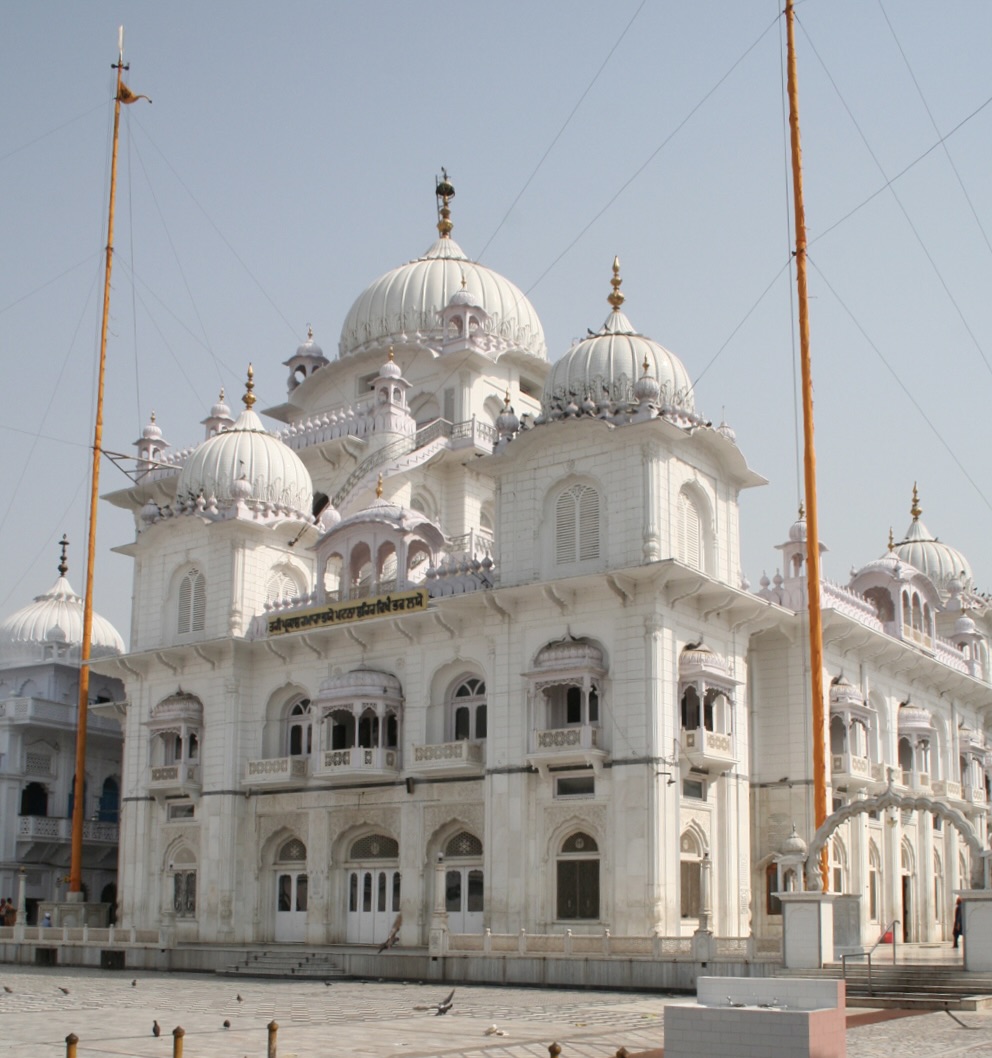
The five Takhts are Sri Akal Takht Sahib in Amritsar, Takht Sri Patna Sahib, Takht Sri Kesgarh Sahib at Anandpur Sahib, Takht Sachkhand Sri Hazur Sahib at Nanded, and Takht Sri Damdama Sahib at Talwandi Sabo. Pilgrim Map presents the complete set as a collection and does not invent a single road, duration, or ritual sequence connecting them.

Origins

Each Takht has its own historical relationship to Sikh Gurus, scripture, community deliberation, and authority. Their identities should be learned through Sikh custodians and scholarship. The collection format keeps each institution distinct while making the five-part relationship visible.

Why pilgrims walk it

People visit for darshan, Gurbani, kirtan, prayer, remembrance, teaching, vows, and seva. A journey to all five may be deeply devotional, but completion is not framed here as a passport-style achievement.

Significance

The Takhts are living institutions, not five interchangeable monuments. Together they connect important places in Sikh history and contemporary authority across Punjab, Bihar, and Maharashtra.

The network

5 sacred sites on the map

The Takhts are widely separated. No direct walking or driving route is implied between pins.

Loading map...

Sacred sites

The five Takhts

Numbering follows the SGPC's published list for a stable presentation; it is not a prescribed pilgrimage order.

Walking it today

Plan each Takht independently using current custodian information for ceremonies, security, lodging, transport, and major gatherings. Long-distance links require ordinary travel planning; the map deliberately draws no route line.

Attire and practice

Cover the head, remove shoes, wash as directed, dress modestly, and enter without tobacco, alcohol, or intoxicants. Follow sevadars, ask before photography, give the Guru Granth Sahib priority, and receive langar and karah prasad respectfully without waste.

Respectful visitation

Before visiting the sacred sites

Use the route notes here together with the broader respectful visitation guide, and follow local signs or custodians at each station.

Sources

Sources consulted when researching this page. Independent verification by readers is welcome.

  1. 01Holy TakhatsShiromani Gurdwara Parbandhak Committeehigh-reliability
  2. 02Gurdwara and the Five TakhtsShiromani Gurdwara Parbandhak Committeehigh-reliability
  3. 03SGPC contacts — five Takht SahibansShiromani Gurdwara Parbandhak Committeehigh-reliability