Aoraki / Mount Cook
Aoraki / Mount Cook — sacred traditions and public stories
Understand sacred places, explore living traditions, and learn how to engage respectfully with Pilgrim Map.
Access has not been verified. Check current local guidance before planning a visit.
Canterbury, New Zealand
Read the sourcesVisit essentials
A quick read before you go
- Access
- The Department of Conservation visitor centre at Aoraki / Mount Cook village provides current…
- Etiquette
- Respect the request not to stand on the ancestor’s head.
Overview
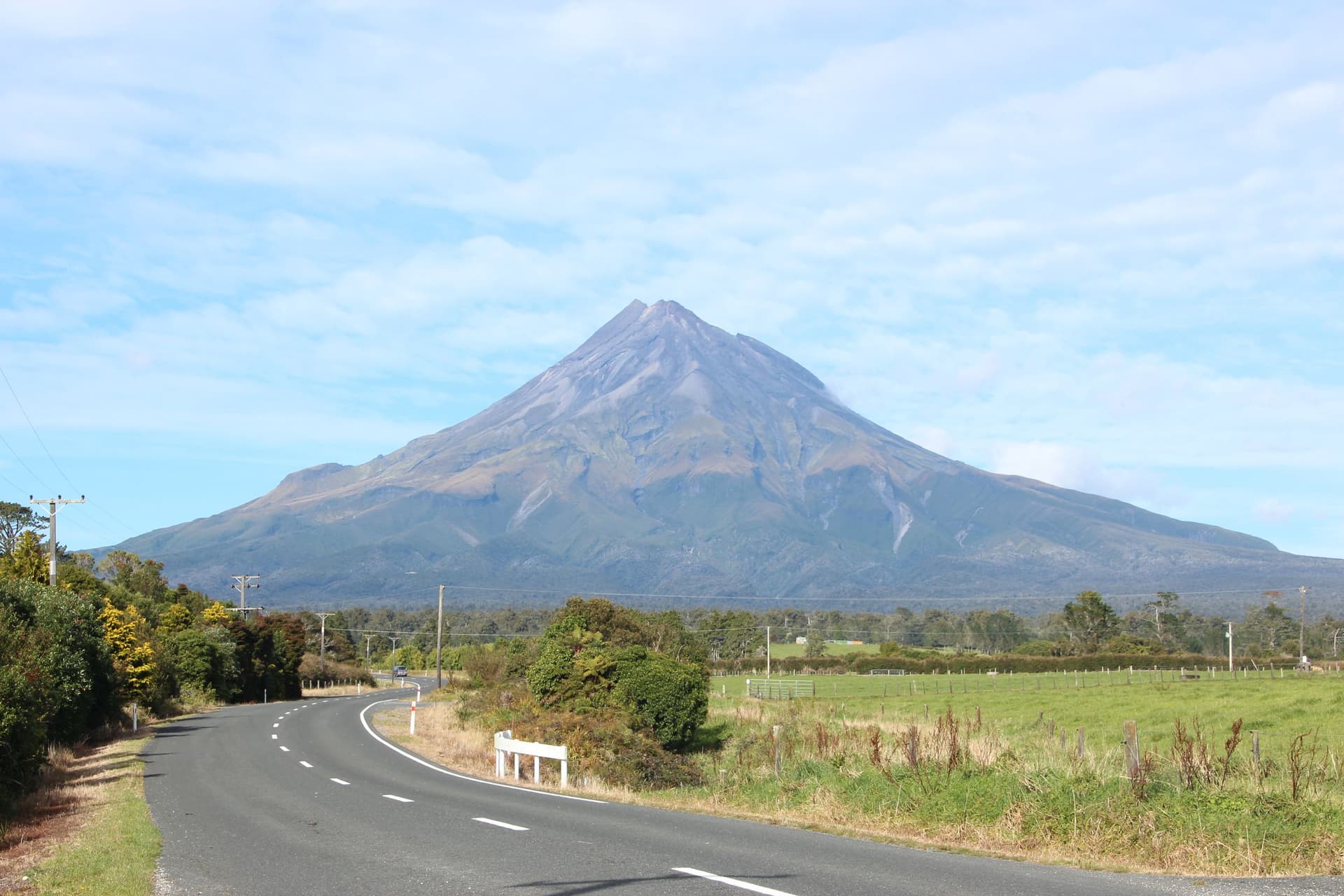
Aoraki is an ancestor in Ngāi Tahu tradition and the highest mountain in Aotearoa New Zealand. The national-park landscape is also a place of whakapapa: relationships among people, land and generations.
Why this place is sacred
Ngāi Tahu’s own accounts make the ancestral relationship central. The mountain is not simply a symbol chosen for its height. That relationship informs requests for respect, including the understanding of the summit as the ancestor’s head.
Experience and orientation
Respect the request not to stand on the ancestor’s head.
Context and lineage
In the account published by Ngāi Tahu, Aoraki and his brothers travel by canoe to visit Papatūānuku. An error in the words needed for their return leaves the canoe overturned. The brothers climb onto it and become stone, with Aoraki rising highest. The account connects the mountains with the form of the South Island. Other Ngāi Tahu traditions preserve different narrative connections; this telling is attributed rather than presented as the only version.
Traditions and practice
Ngāi Tahu writing and cultural education keep the relationship with Aoraki present in contemporary life. Visitors can learn through public interpretation without assuming a right to conduct ceremonies or reproduce karakia.
Indigenous traditions
ActiveNgāi Tahu’s own accounts make the ancestral relationship central. The mountain is not simply a symbol chosen for its height. That relationship informs requests for respect, including the understanding of the summit as the ancestor’s head.
Perspectives and open questions
Te Rūnanga o Ngāi Tahu provides the principal cultural account used here. The visitor section identifies what still needs local confirmation.
Plan your visit
Access and arrival
The Department of Conservation visitor centre at Aoraki / Mount Cook village provides current local information. Valley walks and alpine expeditions demand different preparation; this page does not provide a summit route. Confirm track closures, weather and emergency arrangements directly with DOC. No reliable mountain-wide mobile coverage or evacuation time was verified, and seasonal dates depend on the specific facility or route.
Respectful visit
Respect the request not to stand on the ancestor’s head. Ask permission before photographing cultural observances and follow current conservation guidance. Appreciation from the valley is a meaningful way to encounter the mountain.
Location
Map loads as you approach this section.
Pilgrim reflections
A portrait of encounter, not a score
Pilgrims describe what they felt, how present they could become, and whether the place would shape a journey. There are no stars and no ranking of traditions.
No reviewed reflections yet
The first pilgrims can help describe the character of being here.
Share a reflection
Available after an account-backed “Been there.” Every reflection is reviewed before publication.
Nearby sacred places
Explore other sacred places in the region. Proximity does not establish access or travel time; check each place’s guidance.

References
Sources consulted for this page. Source categories describe the publication, not a guarantee that every claim is verified. Traditional accounts and outside interpretations may differ.
- 01Aoraki public account — Te Rūnanga o Ngāi TahuSource contextSupports: lead, sacred, story, practice. Scope and attribution are preserved in the claim map.
- 02Respecting Aoraki, a tipuna mauka — Te Rūnanga o Ngāi TahuSource contextSupports: sacred, practice, boundary. Scope and attribution are preserved in the claim map.
- 03Historic Aoraki / Mount Cook — Department of ConservationofficialSupports: lead, boundary. Scope and attribution are preserved in the claim map.
- 04Aoraki visitor centre — Department of ConservationofficialSupports: access. Scope and attribution are preserved in the claim map.
- 05Geographic identity cross-check — Wikidata / Wikipedia geographic referenceSource contextCoordinate and identity cross-check only. Not evidence of religious status or access rights.
Share a photo
Help visitors recognize Aoraki / Mount Cook. Every submission is reviewed before publication.