← All guides

10 places · Solstice & equinox

Where the sun meets the sacred

Newgrange · Stonehenge · Mnajdra · Chankillo · Ise

A passage admits the first light of midwinter. A temple doorway frames the changing year. Discover ten sacred places shaped by seasonal light, from ancient monuments to living places of worship.

Stonehenge · Photo by K. Mitch Hodge

Explore the places

10 destinations. Grouped geographically, not as a suggested travel order. Open each place for its own story and visitor guidance.

10 destinations shown

Britain & Ireland

  • County Meath, Ireland

    Newgrange

    December solstice · Sunrise · Chamber illumination

    A roof box above the entrance admits the rising midwinter sun into the burial chamber over several mornings around the solstice. Notice the separate openings for people and sunlight. The illumination is documented; the builders’ precise religious beliefs remain uncertain.
  • Orkney, Scotland

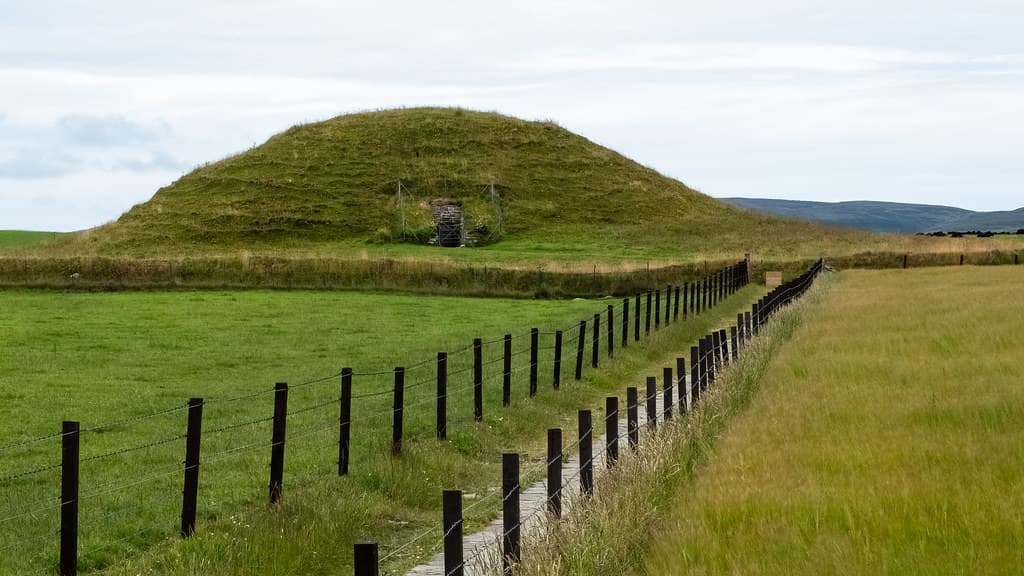
    Maeshowe

    December solstice · Sunset · Chamber illumination

    The low setting sun reaches the back of the burial chamber through its entrance passage. Illumination extends roughly three weeks either side of the solstice: a midwinter season rather than a single-day signal. Notice how the passage connects the chamber to the evening horizon.

  • Wiltshire, England

    Stonehenge

    June sunrise & December sunset · Solstice axis

    The main axis joins midsummer sunrise and midwinter sunset. Carefully shaped and positioned stones frame that relationship, although fallen stones have altered the winter view. Imagine a line continuing through the monument into the surrounding landscape.

  • County Meath, Ireland

    Loughcrew — Cairn T

    March & September equinoxes · Sunrise

    Cairn T faces equinox sunrise, admitting light into its decorated chamber. Watch where illumination meets the worked stone. Heritage Ireland identifies the alignment, but the carvings should not be presented as a deciphered solar code. Check current chamber access before travelling.

Mediterranean & Egypt

  • Qrendi, Malta

    Mnajdra — South Temple

    Both equinoxes & solstices · Sunrise

    Equinox sunrise lights the central passage; solstice light reaches particular parts of the doorway and passage. Notice how one entrance produces different seasonal effects. Heritage Malta considers intentional orientation very probable while acknowledging uncertainty.

  • Luxor, Egypt

    Karnak

    December solstice · Sunrise · Temple axis

    The winter-solstice sun aligns with the temple complex’s principal axis. Notice the relationship between successive architectural spaces and approaching light. Egypt’s heritage authorities document the event; it does not establish the same alignment for every building or phase.

The Americas

  • Casma Valley, Peru

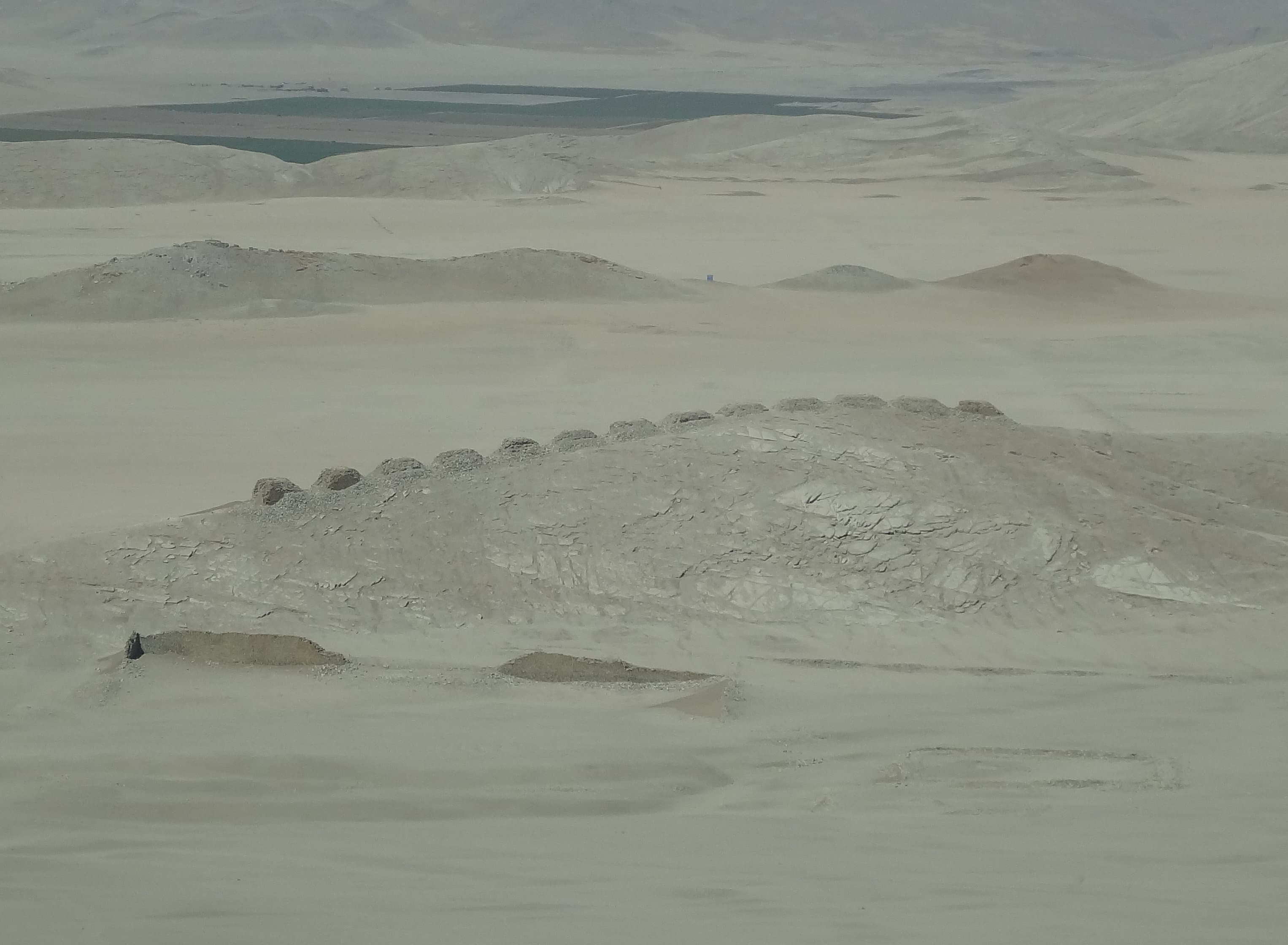
    Chankillo

    Solstices, equinoxes & the annual solar cycle

    Thirteen towers form a horizon calendar, tracking sunrise and sunset from designated observation points throughout the year. UNESCO describes a ceremonial centre probably dedicated to a solar cult. Notice the whole sequence of towers and gaps, rather than a single isolated marker.

    Visitor details not yet availableSource 7
  • Hovenweep, United States

    Hovenweep Castle

    Solstices & equinoxes · Interior light markers

    Light entering a doorway marks interior corners and doorways at seasonal turning points. NPS identifies possible domestic, communal and spiritual uses for this Ancestral Puebloan structure. Observe from marked trails: do not enter or touch the fragile buildings.

  • Yucatán, Mexico

    Chichén Itzá — Temple of Kukulcán

    Around both equinoxes · Seasonal light & shadow

    Sunlight and shadow create a serpent-like figure along El Castillo’s staircase balustrade. The effect extends beyond the equinox dates. Its appearance alone does not establish that the building was designed to identify the precise astronomical equinox.

Japan

  • Ise, Japan

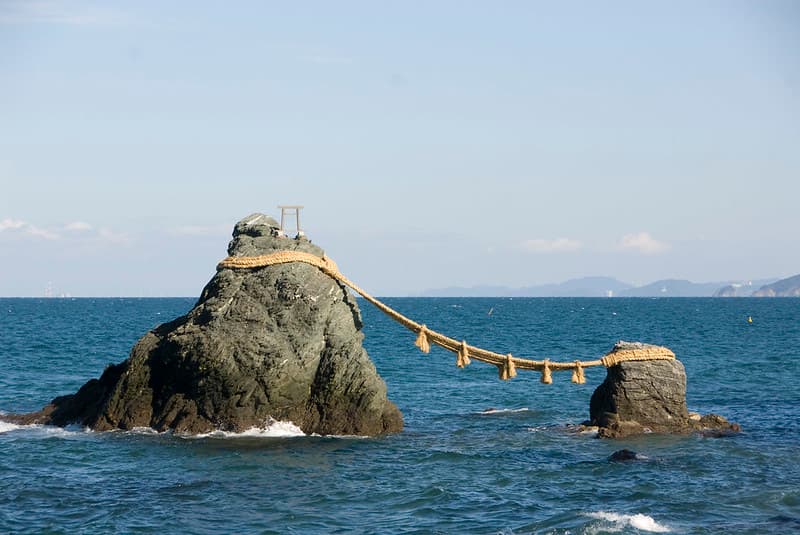
    Meoto Iwa & Futami Okitama Shrine

    Around the June solstice · Sunrise · Living Shinto practice

    The sun rises between the paired offshore rocks during a broader summer window, and the shrine maintains a solstice observance. This is a natural sacred landscape, not evidence of an engineered prehistoric instrument. Give worshippers and shrine activities priority over photography.

Visitor checklist

For Where the sun meets the sacred. Local rules and custodians take priority.

Stories and traditions

Explore the history behind these places. Traditional accounts, scholarly interpretations and living practices may differ.

The horizon completes the place

Reading the light

At some sacred places, the sun becomes part of the architecture. A narrow opening brings daylight into an enclosed chamber; a sequence of towers makes the changing sunrise position visible across the year. The passage, doorway, rock or tower is one part of the relationship. The horizon, and the place from which a person watches, completes it.

These ten places offer different ways to encounter seasonal light. Some preserve convincing evidence of intentional solar design; others combine observable effects with interpretations that remain debated. At living places of worship, sunlight belongs to traditions that continue today. We can often establish where the light falls more confidently than we can explain what it meant to the people who first watched it.

Ways to begin

Choose the encounter that interests you

The same seasonal turning point can be experienced through very different places and traditions.

Perspective 01

Light in a burial chamber

Newgrange receives December sunrise; Maeshowe receives the setting sun. At Loughcrew, equinox light enters Cairn T’s decorated chamber. Notice how each passage connects an enclosed space to the sky.

Perspective 02

An architectural axis

Stonehenge joins June sunrise and December sunset. Karnak’s principal axis receives winter-solstice light. At Mnajdra, one doorway produces different equinox and solstice effects.

Perspective 03

A horizon calendar

At Chankillo, thirteen towers and their gaps track the sun throughout the year. UNESCO describes a ceremonial centre probably dedicated to a solar cult; its calendrical function is better established than its full religious meaning.

Perspective 04

Living seasonal worship

Meoto Iwa belongs to the sacred landscape of Futami Okitama Shrine. Sunrise between the rocks occurs within a broader summer window, and the shrine maintains a solstice observance. Worshippers’ needs take priority.

What the light can tell us

Observation and interpretation

A striking effect deserves careful description. At Chichén Itzá, stepped forms generate a serpent-like figure through sunlight and shadow, but the effect extends beyond the equinox dates. At Mnajdra, Heritage Malta regards intentional orientation as very probable while retaining uncertainty. Neither example justifies treating every alignment as a precise one-day instrument.

At Hovenweep, NPS describes light marking interior corners and doorways and identifies possible domestic, communal and spiritual functions. The site’s modern name, Castle, is not evidence of royalty. Respect for descendant communities also means recognising that public astronomical research does not disclose the whole meaning of a place.

The burial chambers of Newgrange, Maeshowe and Loughcrew invite reflection on light and mortality. Their alignments do not supply a complete account of the builders’ theology, and decorated stones should not be presented as a deciphered solar code. Let the evidence support the description without requiring every tradition to share one explanation.

Make room for the season

Planning your visit

Treat this guide as an introduction to the phenomena rather than a dated event calendar. Exact astronomical dates, opening arrangements and access to viewing positions need checking for the year of travel. Many effects extend over several days or weeks; clear skies are never guaranteed. June and December describe the events consistently across hemispheres.

Newgrange’s solstice chamber places are allocated through an official lottery. Heritage Malta organises seasonal sunrise events, while chamber access at Loughcrew needs checking before travel. Stay on marked trails at Hovenweep and follow shrine instructions at Futami Okitama. A destination’s map pin does not identify an authorised solar viewpoint.

Arrive with time to look at the whole setting. Give people at worship privacy and space, and leave fragile structures untouched. The place can still reward attention when clouds obscure the sun or the most familiar viewing position is unavailable.

Questions before you go

Which sites should I choose for a solstice or equinox visit?

For December light entering a burial chamber, start with Newgrange at sunrise or Maeshowe at sunset. Loughcrew marks equinox sunrise, while Mnajdra has both equinox and solstice effects. Stonehenge follows a solstice axis; Chankillo tracks the annual solar cycle. Meoto Iwa offers a natural summer sunrise setting within living Shinto practice. Each place has different access arrangements.

Does the effect happen only on the exact astronomical date?

Often it extends over several days or weeks. Maeshowe receives midwinter light for roughly three weeks either side of the December solstice. Chichén Itzá’s serpent-like effect extends beyond the equinox dates, and sunrise between the Meoto Iwa rocks has a broader summer window. Consult the custodian’s current guidance before booking travel.

Were all these places deliberately built as solar calendars?

No. Stonehenge’s principal solar axis and Chankillo’s calendrical function have strong support. Heritage Malta considers Mnajdra’s intentional orientation very probable while acknowledging uncertainty. A visible effect alone does not establish its original meaning. Meoto Iwa is a natural sacred landscape with living seasonal worship.

Can visitors enter the chambers or watch every alignment?

An alignment does not establish public access. Newgrange allocates solstice chamber places through an official lottery; check current arrangements with Heritage Ireland. Check chamber access at Loughcrew and current bookings at other sites. At Hovenweep, stay on marked trails and do not enter or touch structures. Follow shrine guidance at Futami Okitama and give worshippers space.

Why use June and December rather than summer and winter throughout?

Season names depend on the hemisphere. The June solstice falls in northern summer and southern winter; December reverses that relationship. Month names help compare this international collection. Exact dates and local event arrangements must be checked for the year of travel.

Does every selection have a PilgrimMap page and map point?

Nine selections link to existing atlas destinations. Cairn T, Mnajdra’s South Temple, Hovenweep Castle and El Castillo are covered through their broader destinations. Chankillo remains in the guide with a UNESCO source, but has no matching published atlas page or map point. Map pins orient you to destinations, not precise solar viewpoints or permitted access.

Sources

Citations & further reading

The selections, dates, and traditions referenced on this page draw from the following sources. Where claims of healing, apparition, or relic provenance are made, we link to the institutional or scholarly source rather than presenting them as confirmed fact.

  1. [01]Newgrange winter-solstice illumination and access— Heritage Ireland
  2. [02]Maeshowe: history and midwinter sunset— Historic Environment Scotland
  3. [03]Understanding Stonehenge and its solstice axis— English Heritage
  4. [04]Loughcrew Megalithic Cemetery and Cairn T— Heritage Ireland
  5. [05]Mnajdra: seasonal illumination and intentionality— Heritage Malta
  6. [06]The solar alignment at Karnak Temple (Arabic)— Egyptian Ministry of Tourism and Antiquities
  7. [07]Chankillo Archaeoastronomical Complex— UNESCO World Heritage Centre
  8. [08]Hovenweep Castle: light markers and conservation— National Park Service
  9. [09]El Castillo: calendrical and astronomical interpretations (Spanish)— INAH
  10. [10]Meoto Iwa: seasonal sunrise guidance— Ise City Tourism Association
  11. [11]Brú na Bóinne: winter-solstice background— World Heritage Ireland
  12. [12]Solstice at Stonehenge— English Heritage
  13. [13]Loughcrew highlights— Heritage Ireland
  14. [14]Equinox and solstice at Ħaġar Qim and Mnajdra (PDF)— Heritage Malta
  15. [15]Futami Okitama Shrine and its living traditions— Ise City Tourism Association