All pilgrimages

Pilgrimage · Taiwan · Miaoli to Yunlin and return

Baishatun Mazu Pilgrimage

白沙屯媽祖進香

A vast annual Mazu procession whose endpoints are fixed but whose road, stops, and pace unfold through divination.

Stations
2 of 2
Distance
400 km
Traditional duration
Determined annually through divination and the procession's unfolding route
Focus
Accompanying Baishatun Mazu from Gongtian Temple to Beigang Chaotian Temple and home

Only the fixed origin and destination are mapped. The route and intermediate stops vary each year and should not be represented as permanent stations.

Complete route · all 2 core stations mapped

Key questions

What is Baishatun Mazu Pilgrimage?
Baishatun Mazu Pilgrimage is a Chinese folk religion pilgrimage route in Taiwan, Miaoli to Yunlin and return. A vast annual Mazu procession whose endpoints are fixed but whose road, stops, and pace unfold through divination
How many stations are on Baishatun Mazu Pilgrimage?
This guide currently maps 2 stations, with 2 total sites noted in the route metadata.
When is the best time to walk Baishatun Mazu Pilgrimage?
Use the route guide and individual station pages to plan around local weather, access, and temple or shrine hours.

Opening

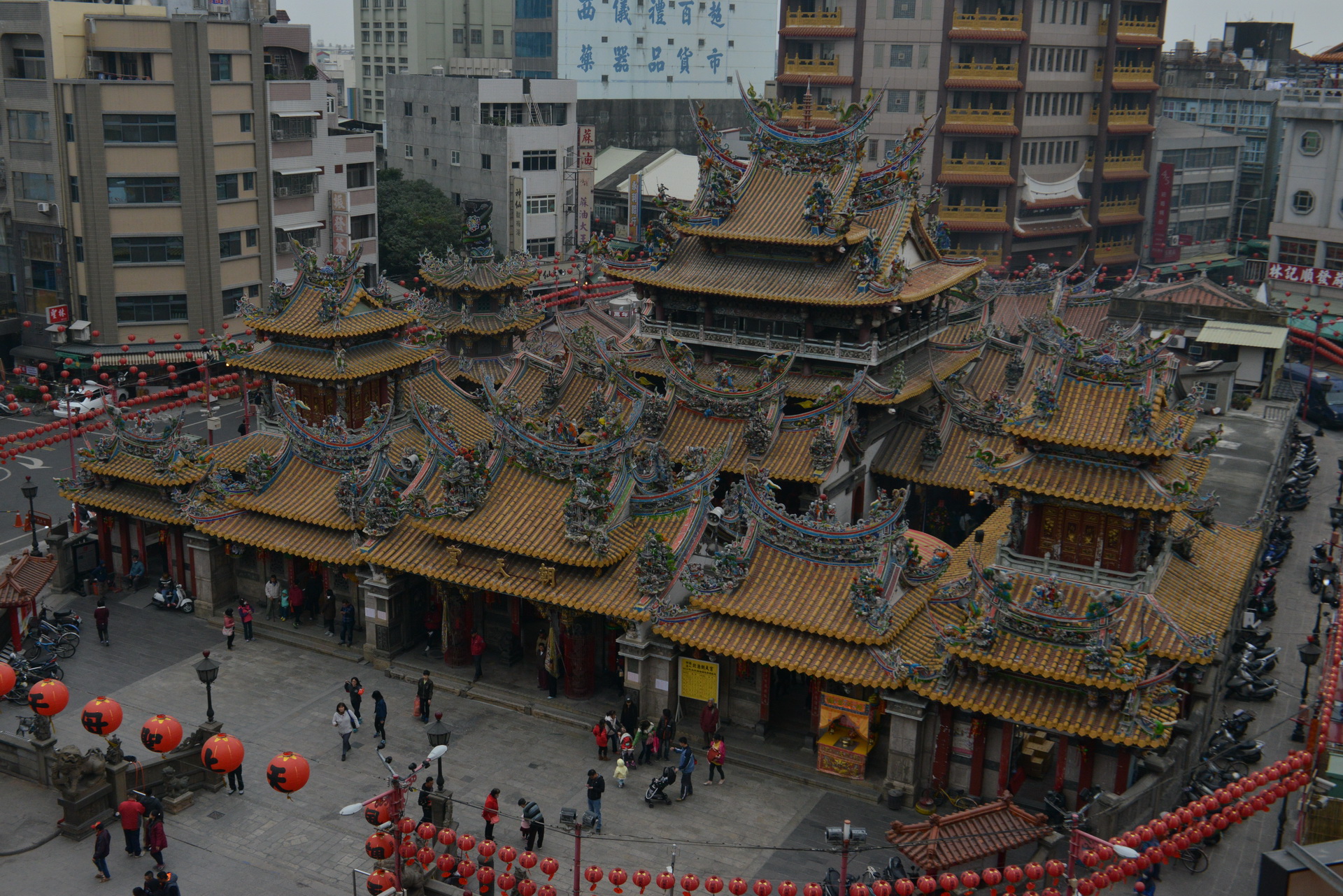
The Baishatun Mazu pilgrimage begins at Gongtian Temple in Miaoli, travels on foot to Beigang Chaotian Temple in Yunlin, and returns home. Its defining feature is not a fixed trail: the palanquin's direction, pauses, crossings, and daily progress are understood through divination. Pilgrim Map therefore marks the two permanent temples and leaves the moving route unmapped.

Origins

The pilgrimage belongs to Taiwan's living Mazu traditions and is recognized in the government's religious cultural record. Ritual preparation, departure, arrival, incense renewal, and return give the journey structure, while local hospitality and spontaneous participation shape each year's passage.

Why pilgrims walk it

Participants accompany Mazu in devotion, fulfill vows, seek protection or blessing, serve fellow pilgrims, and join a temporary community formed on the road. Many enter or leave the procession at different points; participation is not defined by completing a standardized stage list.

Significance

The pilgrimage is renowned for the autonomy of the palanquin's movement and for the enormous volunteer and hospitality network that emerges around it. Treating its uncertainty as a route-data gap would miss the religious form itself: variability is central, not accidental.

The route

2 stations on the map

Click any marker to open that station. Numbered pins follow the traditional route order.

Loading map...

Walking it today

Use Gongtian Temple's current announcements and official public-safety information for each year's dates, registration, route updates, crowd measures, and transport. Conditions can change hour by hour. Do not rely on a past GPS track as a forecast and do not block the palanquin, ritual teams, residents, emergency access, or traffic control.

Attire and practice

Follow the procession organizers and temple communities. Ask before photographing close ritual activity or individuals, keep offerings and participation within locally guided practice, carry your own essentials, and receive hospitality without treating it as a commercial entitlement.

Respectful visitation

Before visiting the stations

Use the route notes here together with the broader respectful visitation guide, and follow local signs or custodians at each station.

Sources

Sources consulted when researching this page. Independent verification by readers is welcome.

  1. 01Baishatun Mazu Foot PilgrimageTaiwan Ministry of the Interiorhigh-reliability
  2. 02Baishatun Gongtian TempleBaishatun Gongtian Templehigh-reliability
  3. 03Beigang Chao-Tian TempleTaiwan Bureau of Cultural Heritagehigh-reliability