All pilgrimages

Pilgrimage · Italy · Aosta Valley to Lazio

Via Francigena — Italian Section

Via Francigena in Italia

A curated sacred-site spine along the Italian Via Francigena, descending from the Alps through the Po Valley and Tuscany toward Rome.

Stations
12 of 12
Founded
Recorded by Archbishop Sigeric in the 10th century; modern route revived in the late 20th century
Focus
Pilgrimage toward the tombs of Peter and Paul in Rome
Best season
Late spring and early autumn; Alpine crossings and summer heat require separate planning

A curated set of major sacred places, not the full official stage list; the Rome endpoint remains a documented coverage gap.

Complete route · all 12 core stations mapped

Key questions

What is Via Francigena — Italian Section?
Via Francigena — Italian Section is a Christianity pilgrimage route in Italy, Aosta Valley to Lazio. A curated sacred-site spine along the Italian Via Francigena, descending from the Alps through the Po Valley and Tuscany toward Rome
How many stations are on Via Francigena — Italian Section?
This guide currently maps 12 stations, with 12 total sites noted in the route metadata.
When is the best time to walk Via Francigena — Italian Section?
Late spring and early autumn; Alpine crossings and summer heat require separate planning

Opening

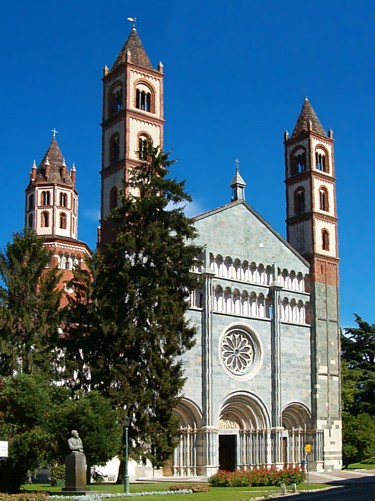
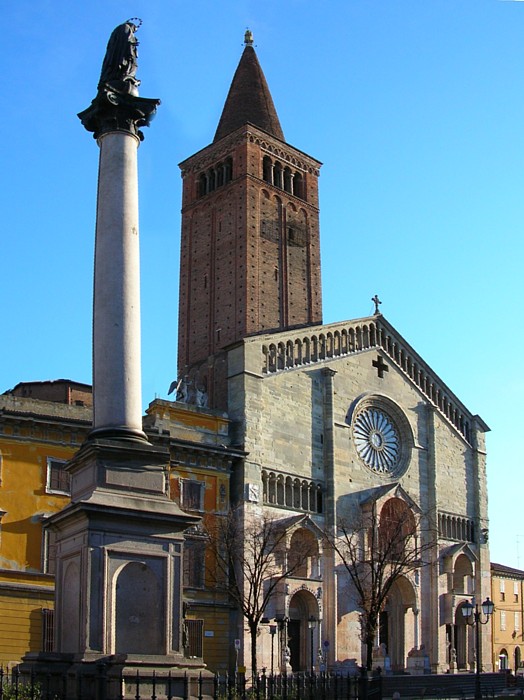
The full Via Francigena enters Italy over the Great Saint Bernard Pass and continues to Rome. This page maps twelve major churches and cathedral cities already represented in Pilgrim Map, from Aosta through Vercelli, Pavia, Lucca, Siena, Bolsena, Viterbo, and Sutri. It is an editorial spine for understanding sacred places along the road, not a substitute for the official stage-by-stage route or current safety information.

Origins

In 990, Archbishop Sigeric of Canterbury recorded stopping places on his return journey from Rome. That itinerary became a key documentary reference for the modern Via Francigena, though medieval travelers used a network of roads rather than one permanently fixed trail. The route was certified as a Cultural Route of the Council of Europe in 1994 and is maintained today through national and regional partners.

Why pilgrims walk it

Pilgrims walk toward Rome for prayer at the apostolic tombs, for a long physical retreat, or as a cultural journey through landscapes shaped by hospitality and movement. Many complete the route in sections over several years. Credentials and stamps give the journey a shared structure without prescribing a single spiritual intention.

Significance

The road linked northern Europe with Rome and passed through monasteries, hospitals, cathedral towns, markets, and mountain crossings. Its importance lies less in a single preserved medieval line than in the durable network of places that received travelers and carried religious, artistic, and civic exchange.

The route

12 stations on the map

Click any marker to open that station. Numbered pins follow the traditional route order.

Loading map...

Stations

Walk the route in order

Each station opens onto its own page. Origins, the experience of arrival, what is held there. Stations not yet on Pilgrim Map will appear here as their pages are completed.

Walking it today

Use the European Association of the Via Francigena Ways for current stages, GPX files, credentials, and route notices. The twelve mapped sites here omit many official stages and currently stop before Rome. Verify seasonal Alpine conditions, water availability, road exposure, and local opening hours before setting out.

Attire and practice

Carry clothing suitable for active churches and remove hats where requested. Pilgrim credentials do not grant access outside posted hours. Attend services only as a respectful participant, keep distance from liturgy and confession, and ask before photographing people.

Respectful visitation

Before visiting the stations

This route belongs to a living tradition. Use the route notes here together with the broader Christian pilgrimage etiquette guide, and follow local signs or custodians at each station.

Sources

Sources consulted when researching this page. Independent verification by readers is welcome.

  1. 01Via FrancigenaEuropean Association of the Via Francigena Wayshigh-reliability
  2. 02Via Francigena — Cultural Route of the Council of EuropeCouncil of Europehigh-reliability
  3. 03Via Francigena North — Lazio stagesItalian National Tourist Boardhigh-reliability