Mt. Yoshino
Birthplace of Shugendo where 30,000 sacred cherry trees bloom
Understand sacred places, explore living traditions, and learn how to engage respectfully with Pilgrim Map.
Access has not been verified. Check current local guidance before planning a visit.
Yoshino, Nara Prefecture, Japan
Read the sources
Visit essentials
A quick read before you go
- Duration
- Half day minimum; full day recommended to explore upper zones.
- Etiquette
- Standard temple etiquette applies at Kinpusen-ji and other religious sites.
Overview
In the 7th century, En no Gyoja—En the Ascetic—came to these mountains seeking spiritual power. Through intense practice he attained what Japanese tradition calls shugendo, awakening through the path of training, summoned the fierce blue Zao Gongen, a deity unknown elsewhere in Buddhism, and founded a mountain-ascetic tradition sustained for over 1,300 years.
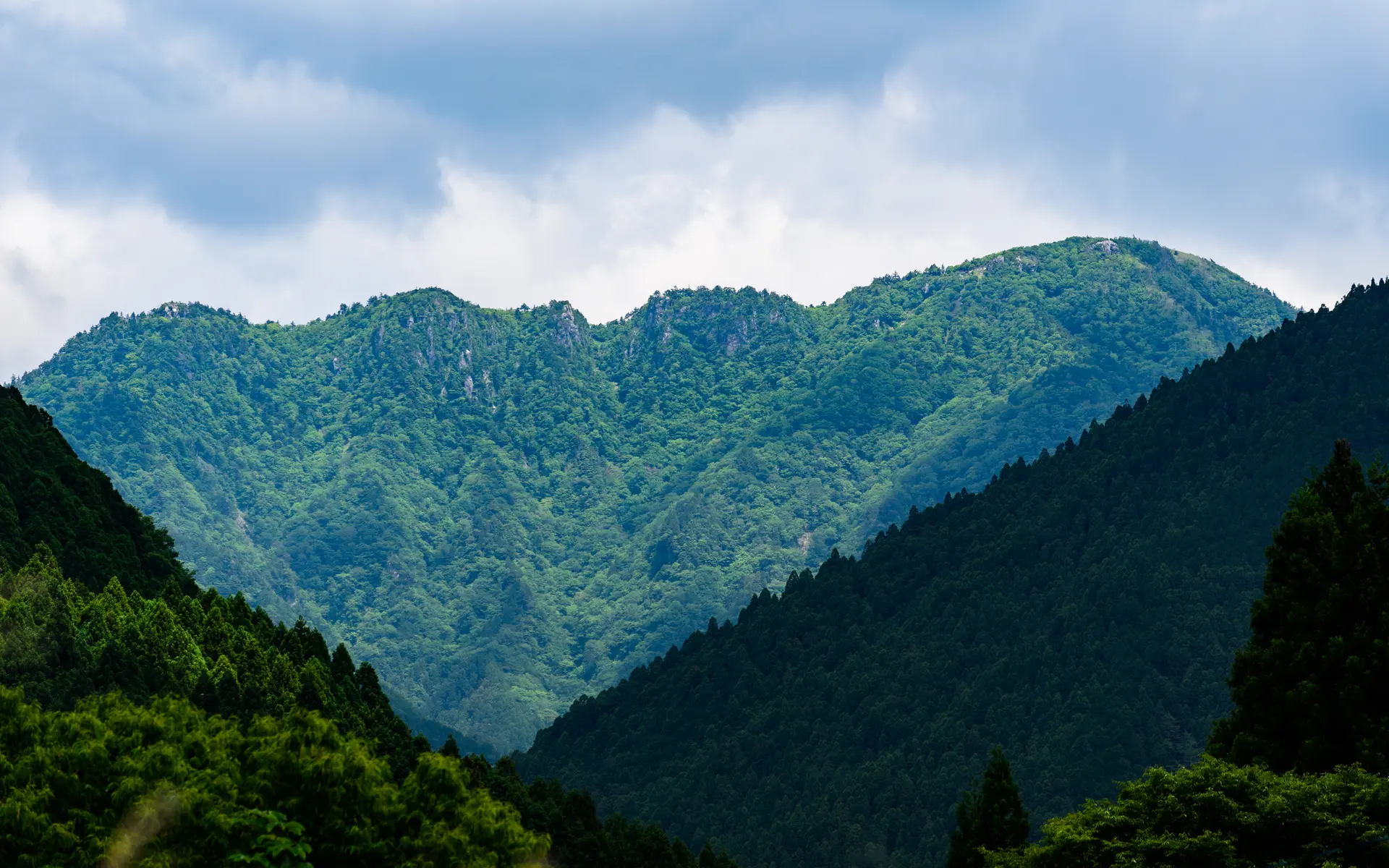
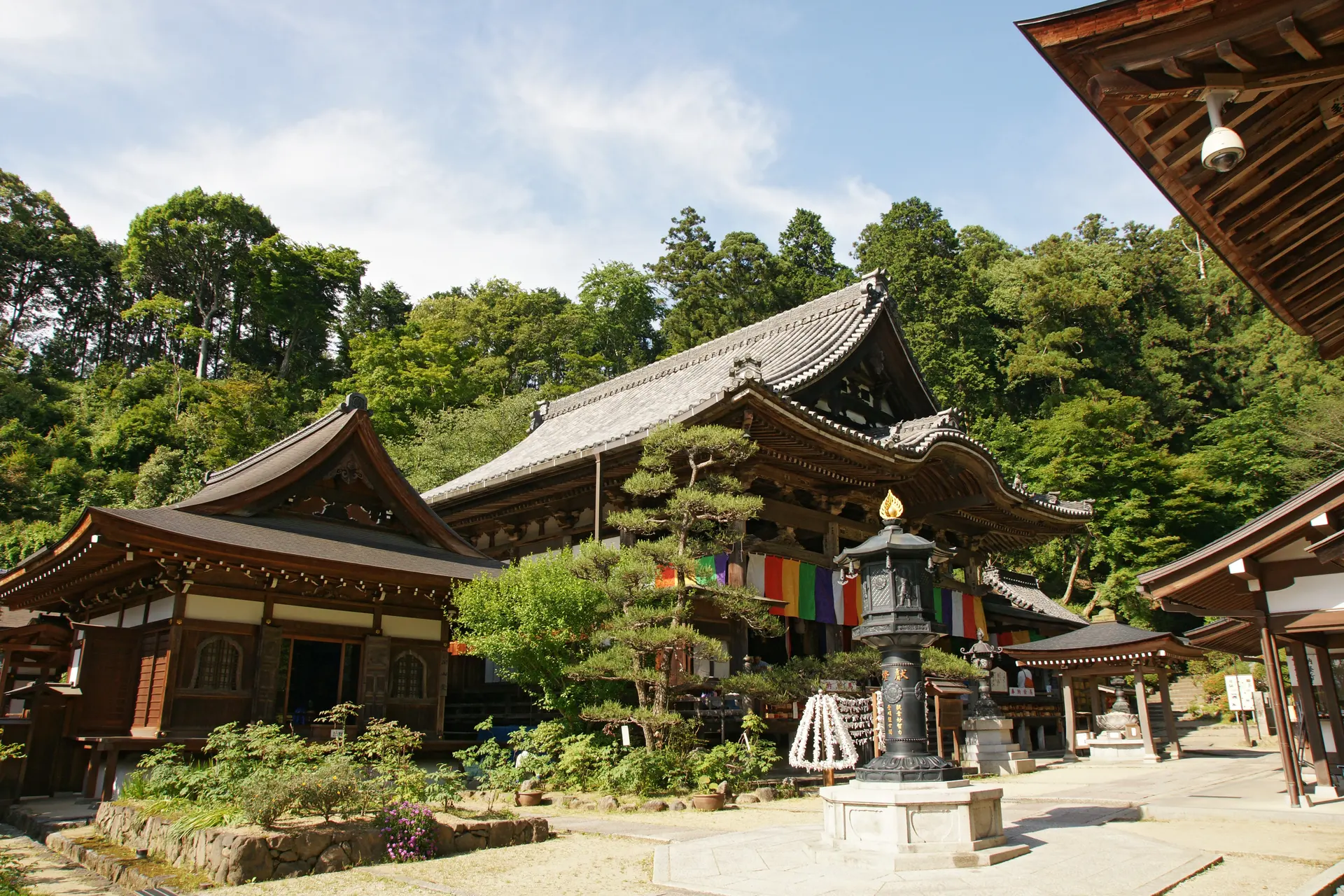
Yoshinoyama, Mount Yoshino, became its sacred heart. Kinpusen-ji's main hall, Japan's second-largest wooden building, holds massive Zao Gongen statues shown only during special periods. The mountain begins the Omine Okugakemichi, the ancient and demanding pilgrimage route to Kumano Sanzan.
Devotees planted cherry trees sacred to Zao Gongen until over 30,000 covered four elevation zones. Their April bloom climbs the mountain over three weeks in pink clouds: beauty inseparable from devotion, each tree a votive offering and visible prayer.
Why this place is sacred
The thinness at Yoshino operates through multiple overlapping registers. Most fundamentally, this is where Shugendo began—where En no Gyoja's practices coalesced into a distinct spiritual path. The tradition he founded synthesized folk religion, Taoism, esoteric Buddhism, and Shinto into something new: a path of awakening through direct physical engagement with mountains understood as sacred.
Zao Gongen himself embodies this synthesis. A fierce blue figure trampling demonic forces, he appears in no Indian or Chinese Buddhist scriptures—he was born here, summoned by En no Gyoja's practice, representing something purely Japanese. His presence at Yoshino is not simply historical but believed to be ongoing; the mountain is under his protection.
The cherry trees add another dimension. Each was planted as an offering to Zao Gongen, accumulating over centuries until the entire mountain became a living prayer. When the blossoms appear, they do so in a progression determined by elevation—first the lower slopes (Shimo Senbon), then middle (Naka Senbon), upper (Kami Senbon), and finally the highest area (Oku Senbon). Over three weeks, the bloom rises like a slow tide of pink.
This combination creates an unusual experience. During cherry blossom season, crowds arrive for aesthetic appreciation—and encounter a sacred mountain that has been continuously recognized as such for over 1,300 years. Yamabushi practitioners in their distinctive garb move among the tourists. The conch shells sound. The temporal tourism dissolves into something deeper.
The Omine Okugakemichi trail beginning at Yoshino extends this thinness into a demanding pilgrimage. Those who walk the full route to Kumano cross mountains that Shugendo practitioners have traversed for centuries, following paths worn by feet seeking transformation.
En no Gyoja established Mount Yoshino as a center for Shugendo training in the 7th century, recognizing the mountain's spiritual power and making it the foundation for his new tradition of mountain asceticism.
From its 7th century origins, Yoshino developed into the primary center of Shugendo, with Kinpusen-ji Temple serving as headquarters. The practice of planting cherry trees as offerings to Zao Gongen accumulated over centuries into the current landscape of over 30,000 trees. The mountain was designated a National Place of Scenic Beauty and National Historic Site in 1924, and received UNESCO World Heritage status in 2004 as part of the Sacred Sites and Pilgrimage Routes in the Kii Mountain Range.
Experience and orientation
Cherry blossom season at Yoshino creates an experience unlike anywhere else in Japan. From early to mid-April, over 30,000 trees bloom in succession up the mountainside, creating what appears to be clouds of pink settling on the slopes. The phenomenon is genuinely overwhelming—photographs cannot capture the scale of beauty covering an entire mountain.
But the crowds match the blossoms. Yoshino during peak bloom is one of Japan's most visited destinations, with paths packed and accommodation booked months in advance. This is both challenge and teaching: the impermanence of beauty, the human desire to witness it, the strange community of thousands gathered for flowers.
Outside cherry season, a different Yoshino emerges. The sacred landscape becomes visible without the distraction of pink—the ancient cedars, the temple architecture, the paths worn by centuries of pilgrimage. Kinpusen-ji's Zao-do (Main Hall), the second largest wooden building in Japan, demands attention it may not receive during flower season. Inside, the massive Zao Gongen statues—revealed only during special opening periods—present a fierce blue deity in a form found nowhere else.
Encounters with yamabushi practitioners offer glimpses of the living tradition. In their distinctive clothing with conch shells and staffs, these mountain ascetics practice the same tradition En no Gyoja founded. Seeing them move through the same landscape, performing the same practices, creates a collapse of centuries.
The autumn brings its own beauty as the cherry trees that bloomed pink in spring turn red and gold. Winter reveals the mountain's bones. Each season offers a different Yoshino, and serious visitors return across the year.
Visitors typically arrive at Yoshino Station and can take a ropeway or walk up to the main temple and town area. The mountain extends upward in zones: Shimo Senbon (lower), Naka Senbon (middle), Kami Senbon (upper), and Oku Senbon (innermost). A half day allows for the main temple and lower areas; a full day permits exploration to the upper zones. Serious pilgrims may continue on the Omine Okugakemichi trail to Kumano.
Context and lineage
In the 7th century, the ascetic En no Gyoja (En no Ozunu) came to these mountains seeking spiritual power. Through rigorous practice, he attained awakening and summoned Zao Gongen—a fierce blue deity who appears in no other Buddhist tradition—to protect the dharma. En no Gyoja is credited with founding Shugendo, the 'path of training and testing,' which synthesizes elements of folk religion, Taoism, esoteric Buddhism, and Shinto into a unique tradition of mountain spirituality.
Mount Yoshino serves as the historical headquarters of Shugendo, with Kinpusen-ji Temple as its primary institution. The tradition continues through various yamabushi groups maintaining practice on the mountain and along the Omine Okugakemichi pilgrimage trail.
En no Gyoja (En no Ozunu)
Legendary founder of Shugendo who achieved awakening at Mount Yoshino in the 7th century
Zao Gongen
Fierce blue deity summoned by En no Gyoja; central object of worship in Shugendo
Traditions and practice
Traditional Shugendo practice involves mountain asceticism: climbing sacred peaks, standing under waterfalls, fasting, chanting mantras, and performing fire rituals. The Omine Okugakemichi pilgrimage trail connecting Yoshino to Kumano represents a multi-day journey through challenging mountain terrain that has served as the core training path for Shugendo practitioners.
Yamabushi groups continue to practice on Mount Yoshino, and visitors may encounter them performing rituals or moving in procession. Some organizations offer programs introducing aspects of Shugendo practice to interested outsiders. Kinpusen-ji Temple offers special viewings of the Zao Gongen statues during specific periods. The pilgrimage trail remains open to those prepared for its demands.
Visit Kinpusen-ji Temple and allow its massive Zao-do to create proper context for understanding Yoshino's sacred significance. If the Zao Gongen statues are being shown, prioritize this rare opportunity. Walk upward through the cherry tree zones regardless of season, feeling the mountain's geography. For deeper engagement, research Shugendo organizations that offer introductory programs.
Shugendo
ActiveMount Yoshino is the birthplace and primary center of Shugendo, the Japanese tradition of mountain asceticism founded by En no Gyoja in the 7th century. Kinpusen-ji Temple serves as headquarters of this tradition, which synthesizes folk religion, Taoism, esoteric Buddhism, and Shinto into a unique spiritual path.
Shugendo practice centers on mountain asceticism: climbing sacred peaks, waterfall purification, fasting, chanting mantras and sutras, and fire rituals. The Omine Okugakemichi pilgrimage trail from Yoshino to Kumano represents the tradition's core training path. Yamabushi practitioners continue these practices today.
Cherry Blossom Veneration
ActiveThe over 30,000 cherry trees on Mount Yoshino were planted over centuries as votive offerings to Zao Gongen. Cherry wood was used to carve images of the deity, creating association between the tree and the divine. The annual blooming is understood not merely as aesthetic phenomenon but as sacred manifestation.
Viewing cherry blossoms (hanami) at Yoshino carries religious as well as aesthetic significance. The progression of blooming up the mountain creates a multi-week sacred season. The trees themselves are protected and maintained.
Perspectives and open questions
Mount Yoshino invites interpretation as the birthplace of Shugendo, as one of Japan's great natural wonders during cherry blossom season, and as a living demonstration of how beauty and sacredness interweave in Japanese tradition.
Scholarly perspective
Historians recognize En no Gyoja as a founding figure of Shugendo, though his historical reality is blended with legend. The tradition he initiated represents a significant development in Japanese religion, synthesizing multiple influences into a distinctive path. The cherry tree landscape demonstrates how aesthetic and religious values have merged in Japanese culture over centuries.
Living and traditional perspectives
In Shugendo understanding, Mount Yoshino is a place of active spiritual power where Zao Gongen continues to protect the dharma. The cherry trees are not merely beautiful but sacred to the deity, making the blossom season itself a form of divine manifestation. Yamabushi practitioners access spiritual transformation through the physical rigor of mountain practice.
Alternative interpretations
Some experience Mount Yoshino as a site of concentrated spiritual energy accessible regardless of religious framework, viewing the accumulation of sacred intention over centuries as creating power that visitors can sense.
Open questions
The historical reality of En no Gyoja—how much is genuine biography and how much later elaboration—remains uncertain. The origins of Zao Gongen iconography, unique to Japanese Buddhism, invite speculation. Pre-Shugendo sacred traditions at the mountain are poorly documented.
Plan your visit
Access and arrival
Various ryokan and minshuku on the mountain; essential to book months in advance for cherry blossom season. Off-season booking is easier.
Respectful visit
Comfortable hiking attire for mountain walking. Modest dress at temples.
Generally permitted outdoors. Check restrictions inside Kinpusen-ji. Ask permission before photographing yamabushi practitioners.
Standard temple offerings. Trees should not receive additional decorations.
{"Do not damage cherry trees","Standard temple etiquette at religious sites","Respect yamabushi practitioners if encountered"}
Cherry blossom season crowds can be extreme; book accommodation well in advance and expect packed conditions. The Omine Okugakemichi pilgrimage trail is demanding and requires proper preparation. Historically, portions of the trail were restricted to men; while this is changing, check current status before planning extended pilgrimage.
Current practical details
Address
Mount Yoshino, Yoshinoyama, Yoshino, Yoshino District, Nara 639-3115, Japan
Hours, fees, and access can change — verify on the official source before you travel. Practical details last checked Jun 2026.
Location
Map loads as you approach this section.
Pilgrim reflections
A portrait of encounter, not a score
Pilgrims describe what they felt, how present they could become, and whether the place would shape a journey. There are no stars and no ranking of traditions.
No reviewed reflections yet
The first pilgrims can help describe the character of being here.
Share a reflection
Available after an account-backed “Been there.” Every reflection is reviewed before publication.
Nearby sacred places
Explore other sacred places in the region. Proximity does not establish access or travel time; check each place’s guidance.

References
Sources consulted for this page. Source categories describe the publication, not a guarantee that every claim is verified. Traditional accounts and outside interpretations may differ.
- 01Mount Yoshino - JNTO — Japan National Tourism OrganizationofficialOfficial tourism information
- 02Yoshino - Tanabe City Kumano Tourism Bureau — Kumano Tourism BureauofficialRegional tourism authority
- 03Mount Yoshino - Wikipedia — Wikipedia contributorsencyclopediaComprehensive overview
- 04Cherry blossom viewing spot and sacred ground of Shugendo — ANAguideTravel guide with cultural context
Pilgrim glossary
- Dharma
- The teachings of the Buddha; also the universal law underlying them.
Share a photo
Help visitors recognize Mt. Yoshino. Every submission is reviewed before publication.