Country guide
Spain
Spain brings together sacred architecture, pilgrimage traditions, and landscapes shaped by memory, ritual, and local devotion.
184 sacred sites across 61 regions. Use the tradition links to narrow in.
Sacred journeys
Pilgrimages in Spain
Follow routes that connect sacred places across Spain. Mapped-place counts reflect the current atlas.
Christianity · Navarre, La Rioja, Castile and León, Galicia
Camino Francés
Camino Francés
Eleven mapped churches along the best-known Spanish approach to Santiago, presented as a partial sacred-site spine rather than a complete stage guide.
11 mapped places in Spain · 11-station pilgrimage
Christianity · Iberian Camino network
Camino de Santiago — Selected Sacred Sites
Caminos de Santiago
A cross-route collection of sacred places within the wider network of roads converging on Santiago de Compostela.
10 mapped places in Spain · 11-station pilgrimage
International routeChristianity · Basque Country, Cantabria, Asturias, Galicia
Camino del Norte
Camino del Norte / Camino de la Costa
A six-church coastal spine from Irún through Asturias, with the official route continuing across Galicia to Santiago.
6 mapped places in Spain · 6-station pilgrimage
Christianity · Northern Portugal to Galicia
Caminho Português (Central Route)
Caminho Português de Santiago — Caminho Central
The inland branch of the Portuguese Camino, running from Porto's granite cathedral north into Galicia.
2 mapped places in Spain · 7-station pilgrimage
International route
Browse by region
Explore Spain region by region
Open a regional guide to see its sacred sites, traditions, and map.
Show all 60 regions
Explore Spain by facet
Traditions
Physical forms
Dates connected to Spain
Upcoming festivals, feast days, and pilgrimages tied to Spain. Add any to your calendar, or see the full observance calendar.
Refine the atlas
Related Spain guides
Showing 1-48 of 184 sites in this country guide

Alhambra, Generalife and Albayzín
Granada, Granada, Spain
The Alhambra and Generalife were built by the Nasrid dynasty as an earthly rendering of jannah — water, geometry, and calligraphy composed as devotional architecture....
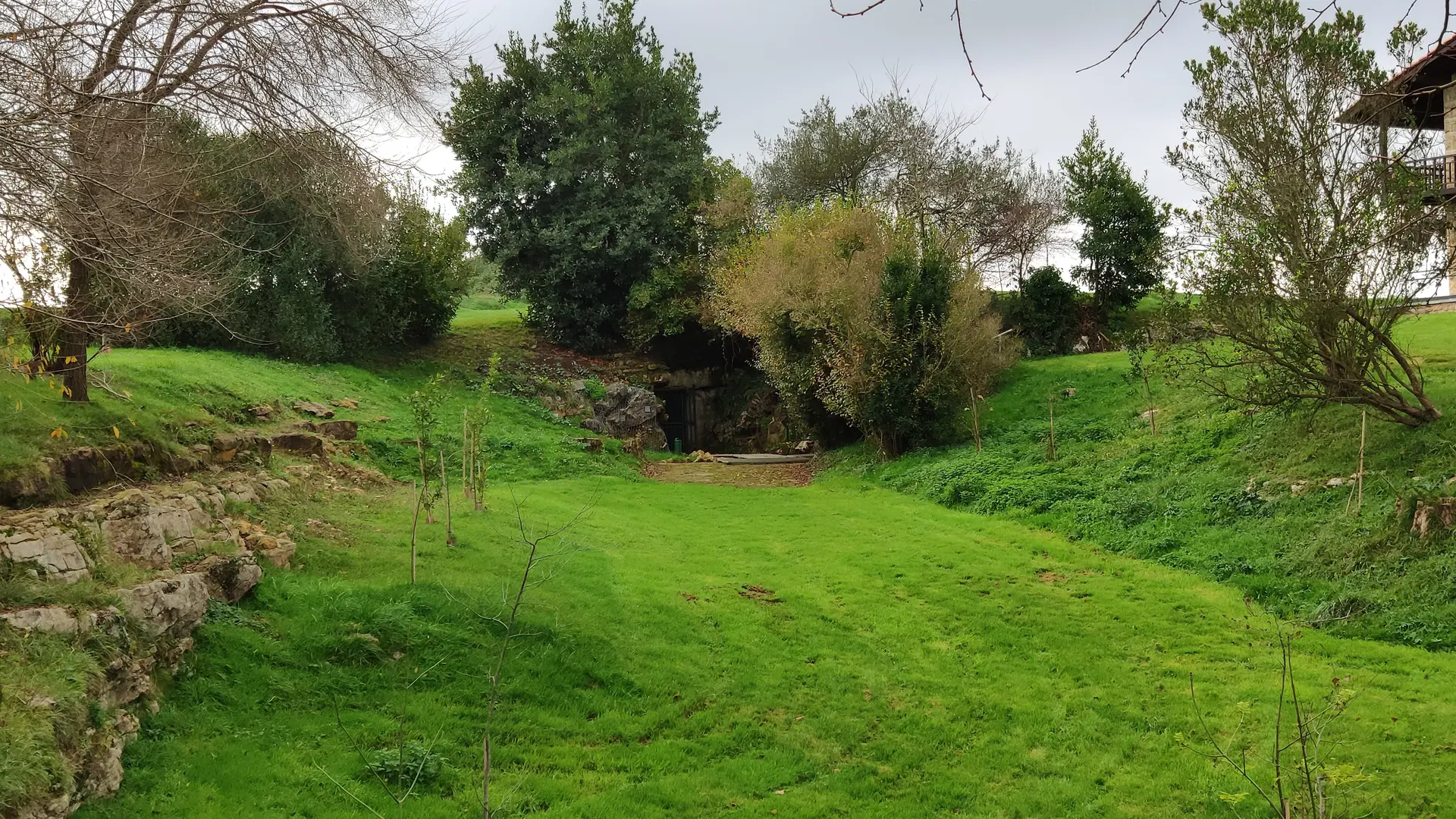
Altamira Cave
Santillana del Mar, Cantabria, Spain
Above Santillana del Mar in Cantabria, a cave ceiling holds bison, horses, and a doe painted in polychrome ochre and manganese, the oldest marks on its walls dated to more...
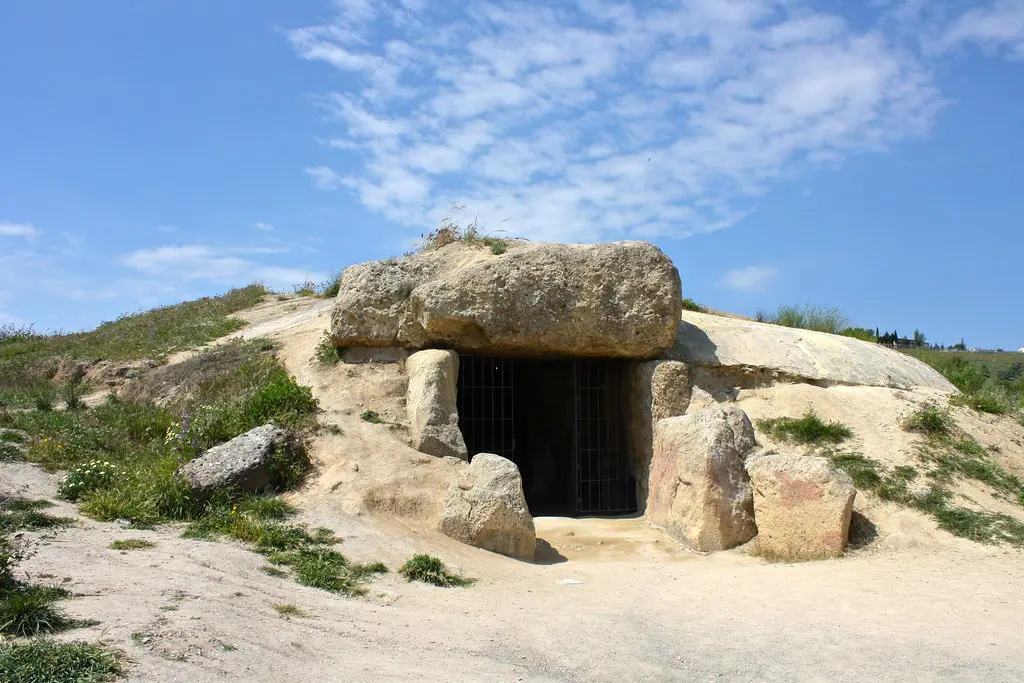
Antequera, Dolmen de Menga
Antequera, Málaga, Spain
In the Andalusian landscape near Antequera, three megalithic tombs demonstrate that 5,500 years ago, humans were already creating monuments of extraordinary ambition and...

Arantzazu Sanctuary
Oñati, Gipuzkoa, Spain
Tucked into a dramatic mountain gorge in the Basque hills above Oñati, Arantzazu is at once Spain's most architecturally radical Catholic basilica and the living heart of...

Astorga Cathedral (Catedral de Santa María)
Astorga, Astorga, Castilla y León (León), Spain
The record concerns a living church and pilgrimage site within Roman Catholic Christianity....

Ávila Cathedral
Ávila, Ávila, Spain
Ávila Cathedral rises where devotion and defense were never separate acts. Its granite apse, the cimorro, is built directly into the medieval city wall as one of its...
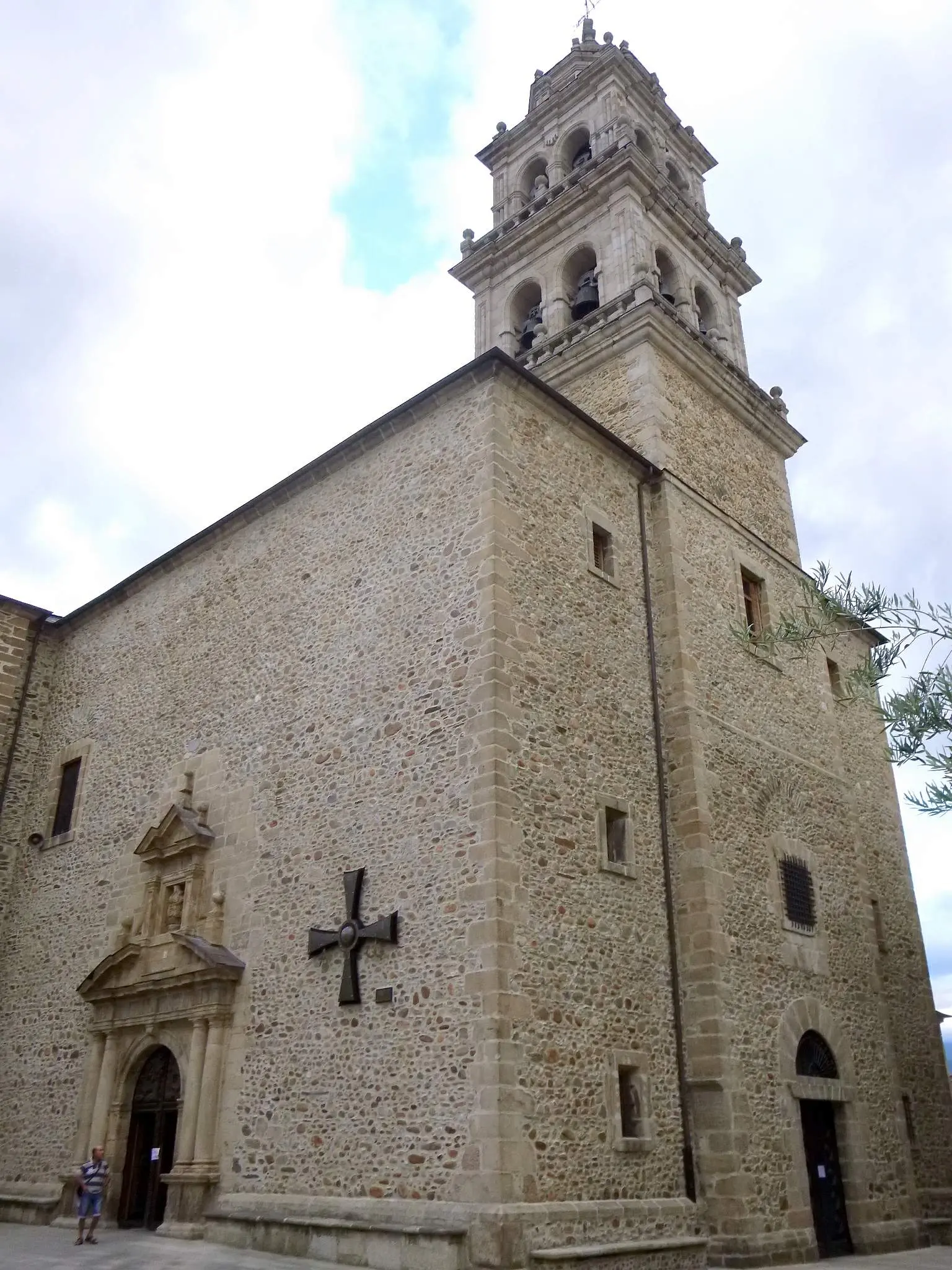
Basílica de Nuestra Señora de la Encina, Ponferrada
Ponferrada, Ponferrada, Castilla y León (León), Spain
Google Places, Wikidata, the supplied encyclopedic record, and a rights-cleared exact-subject image converge on the same place....

Basílica de Nuestra Señora del Pilar (Zaragoza)
Zaragoza, Zaragoza, Spain
Catholic tradition places the Virgin Mary's first apparition on 2 January AD 40 — while she was still living in Jerusalem — to the apostle James the Greater on the banks...

Basilica of Begoña
Bilbao, Biscay, Spain
On a hill above Bilbao's Old Town, the Basilica of Begoña has been the spiritual home of the Basque people since the medieval era....

Basilica of Saint Teresa, Alba de Tormes
Alba de Tormes, Salamanca, Spain
In the center of Alba de Tormes, two adjoining buildings tell one story split across three centuries....

Basilica of San Isidoro
León, León, Spain
On the edge of León's old town, this Romanesque church holds the relics of Saint Isidore of Seville alongside the tombs of eleven kings and twelve queens of León....

Basilica of San Vicente, Ávila
Ávila, Ávila, Spain
Just outside Ávila's medieval walls, the Basilica of San Vicente rises over the traditional site where three sibling martyrs, Vicente, Sabina, and Cristeta, were killed...
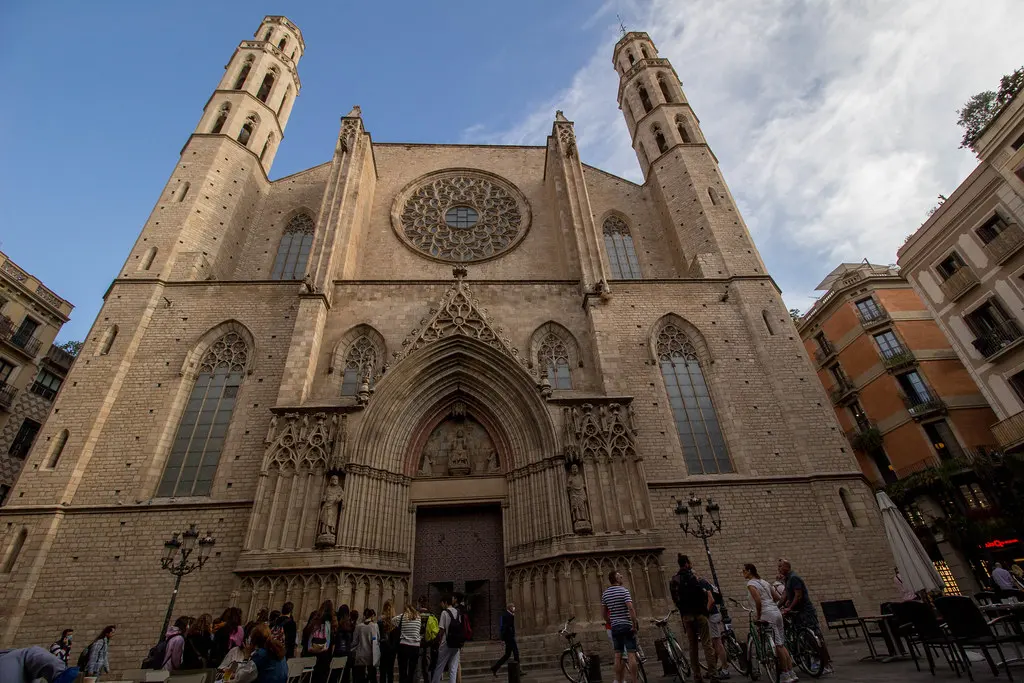
Basilica of Santa Maria del Mar
Barcelona, Barcelona, Spain
A soaring Catalan Gothic basilica in Barcelona's Born district, built between 1329 and 1384 not by nobility but by the sailors, fishermen, and bastaixos dockworkers of the...

Basilica of Santa María, Elche
Elche, Alicante, Spain
The Basilica of Santa María in Elche, southeastern Spain, is the home of the Misteri d'Elx — a fully sung medieval liturgical drama on the Assumption of the Virgin,...
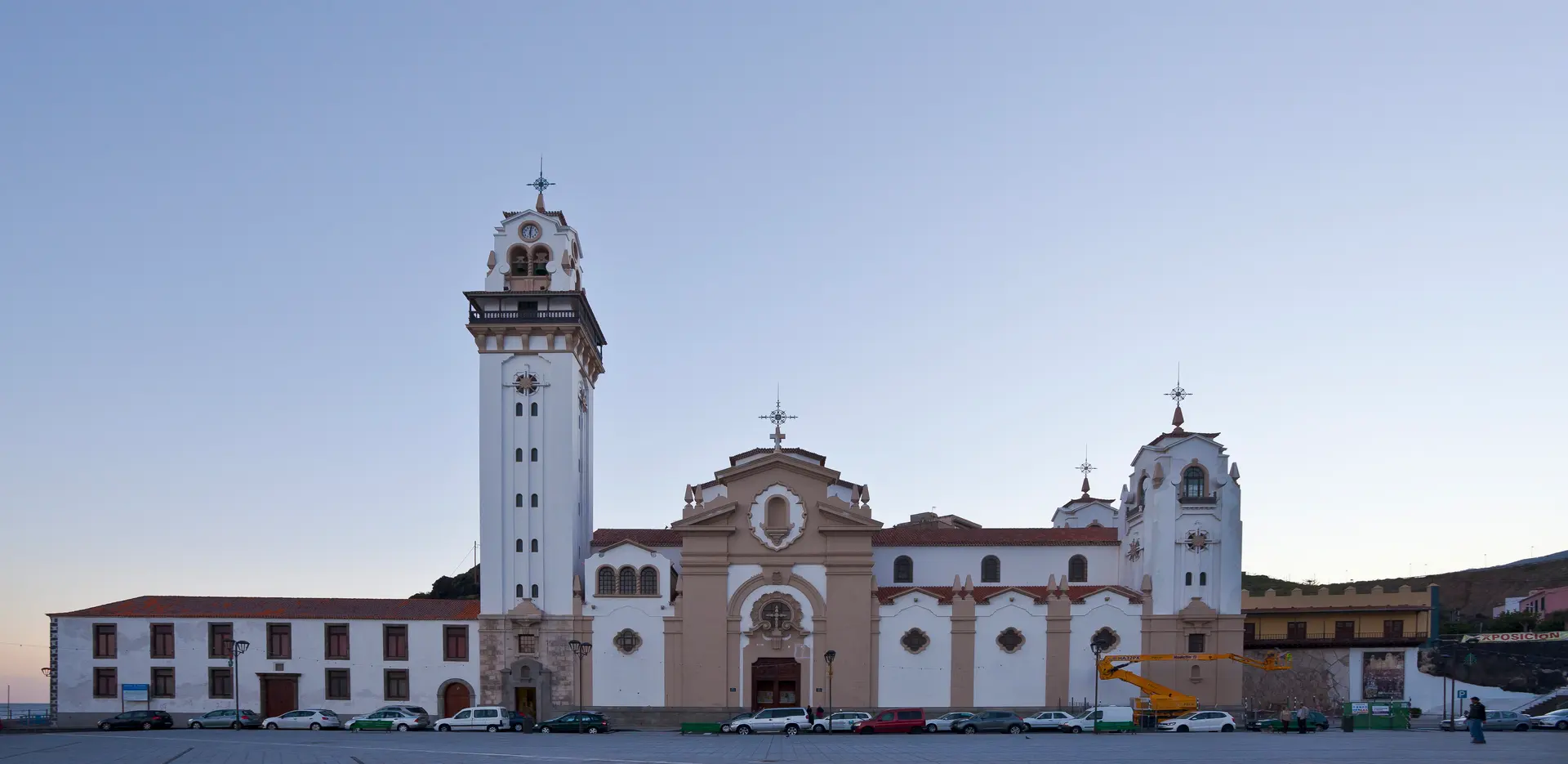
Basilica of the Royal Marian Shrine of Our Lady of Candelaria, Tenerife, Canary Islands, Spain
Candelaria, Santa Cruz de Tenerife, Spain
On Tenerife's Atlantic coast, the Basilica of Our Lady of Candelaria holds the patroness of the Canary Islands in a sanctuary built above the cave where the Guanche people...
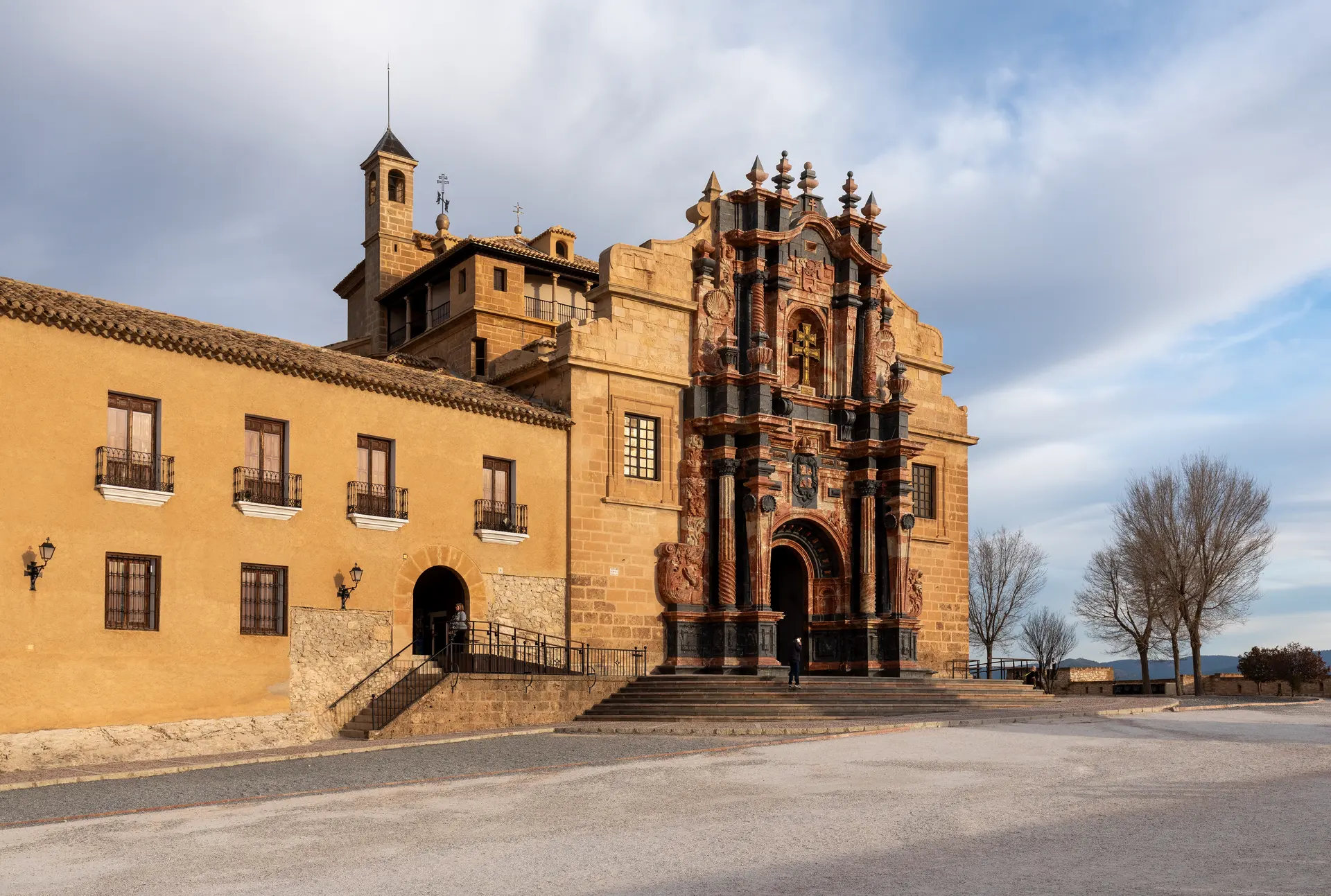
Basilica Shrine of Caravaca de la Cruz, Spain
Caravaca de la Cruz, Murcia, Spain
One of only five Catholic Holy Cities in the world, Caravaca de la Cruz holds a relic believed to contain a fragment of the True Cross....
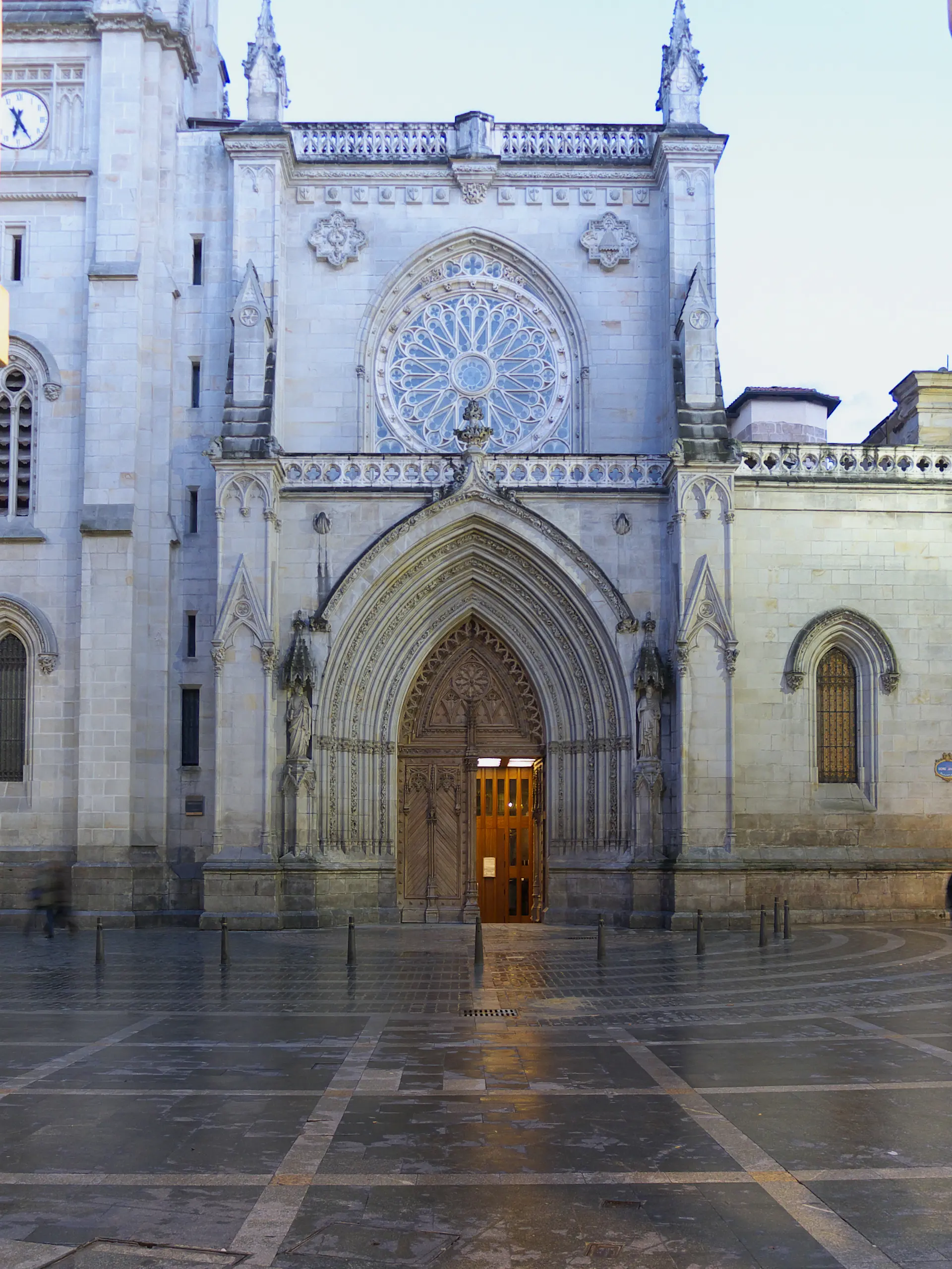
Bilbao Cathedral (Catedral de Santiago)
Bilbao, Bilbao, Basque Country (Bizkaia), Spain
The record concerns a living church and pilgrimage site within Roman Catholic Christianity....

Biniai Nou Hypogea
Maó, Balearic Islands, Spain
Two rock-cut burial chambers near Maó hold the oldest radiocarbon-dated human remains found on Menorca, roughly 2290-2030 BC....
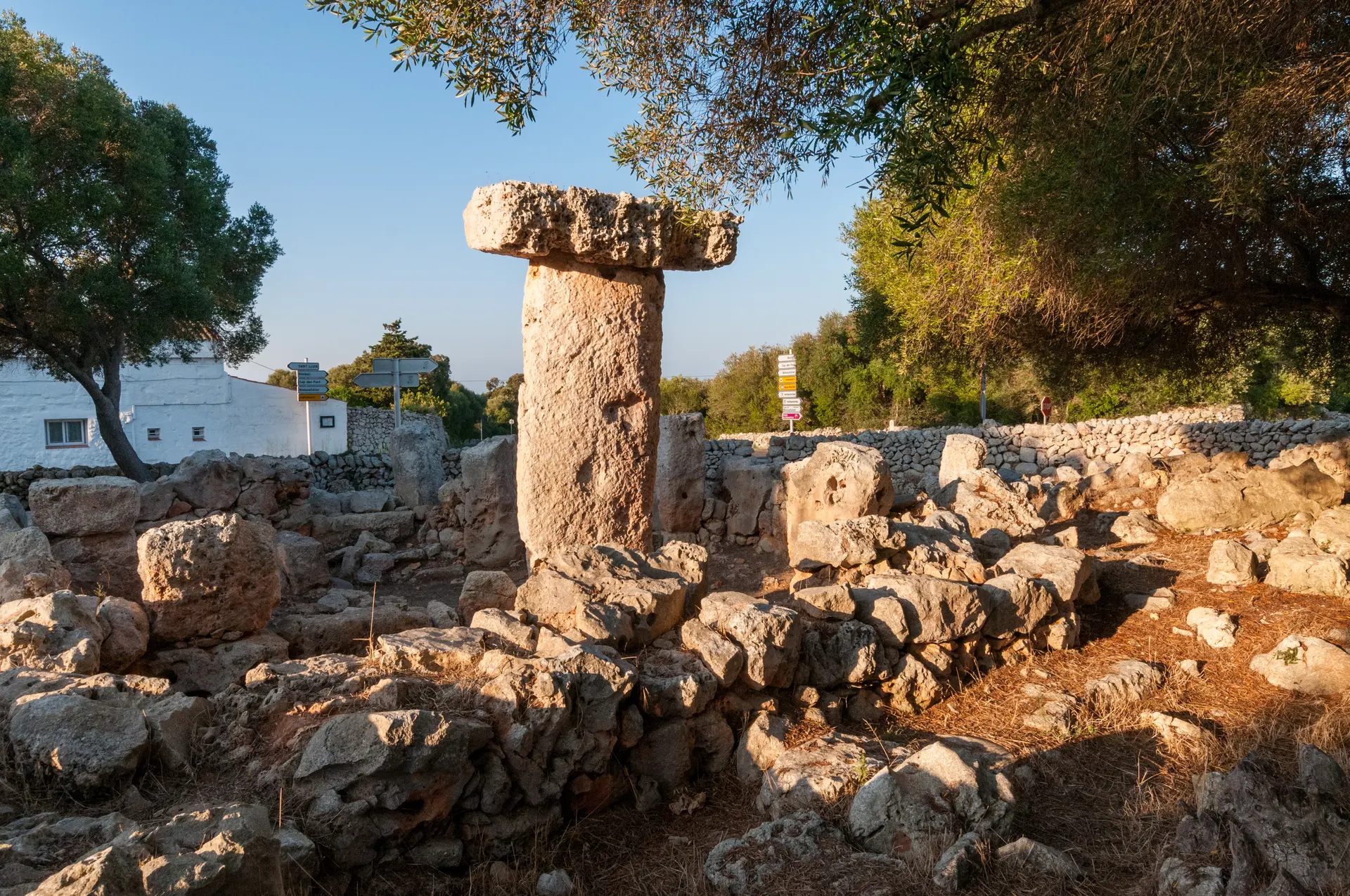
Binissafullet
Sant Lluís, Balearic Islands, Spain
Binissafullet is a Talayotic settlement near Sant Lluis in southeastern Menorca....

Burgos Cathedral
Burgos, Burgos, Spain
Burgos Cathedral rises in the heart of Castile, Spain's first Gothic church and the only Spanish cathedral designated as a standalone World Heritage Site....

Ca na Costa Megalithic Tomb
Es Pujols, Formentera, Balearic Islands, Spain
A stone chamber tomb on the edge of the Estany Pudent lagoon, Ca na Costa is the oldest confirmed megalithic monument in the Balearic Islands....

Cala Morell Necropolis
Ciutadella de Menorca, Balearic Islands, Spain
On the cliffs above Cala Morell, on the northern coast of Ciutadella de Menorca, fourteen caves were carved into the limestone as collective burial chambers, the earliest...

Calescoves Necropolis
Alaior, Balearic Islands, Spain
Calescoves is Menorca's largest prehistoric necropolis: roughly ninety to over a hundred burial caves (sources vary on the exact count) carved into the cliffs of a narrow...

Cancho Roano
Zalamea de la Serena, Badajoz, Spain
Cancho Roano stands in the Extremaduran plain as the best-preserved building of Tartessian civilization, an Iron Age Iberian culture shaped by strong Phoenician influence....
Capocorb Vell
Llucmajor, Balearic Islands, Spain
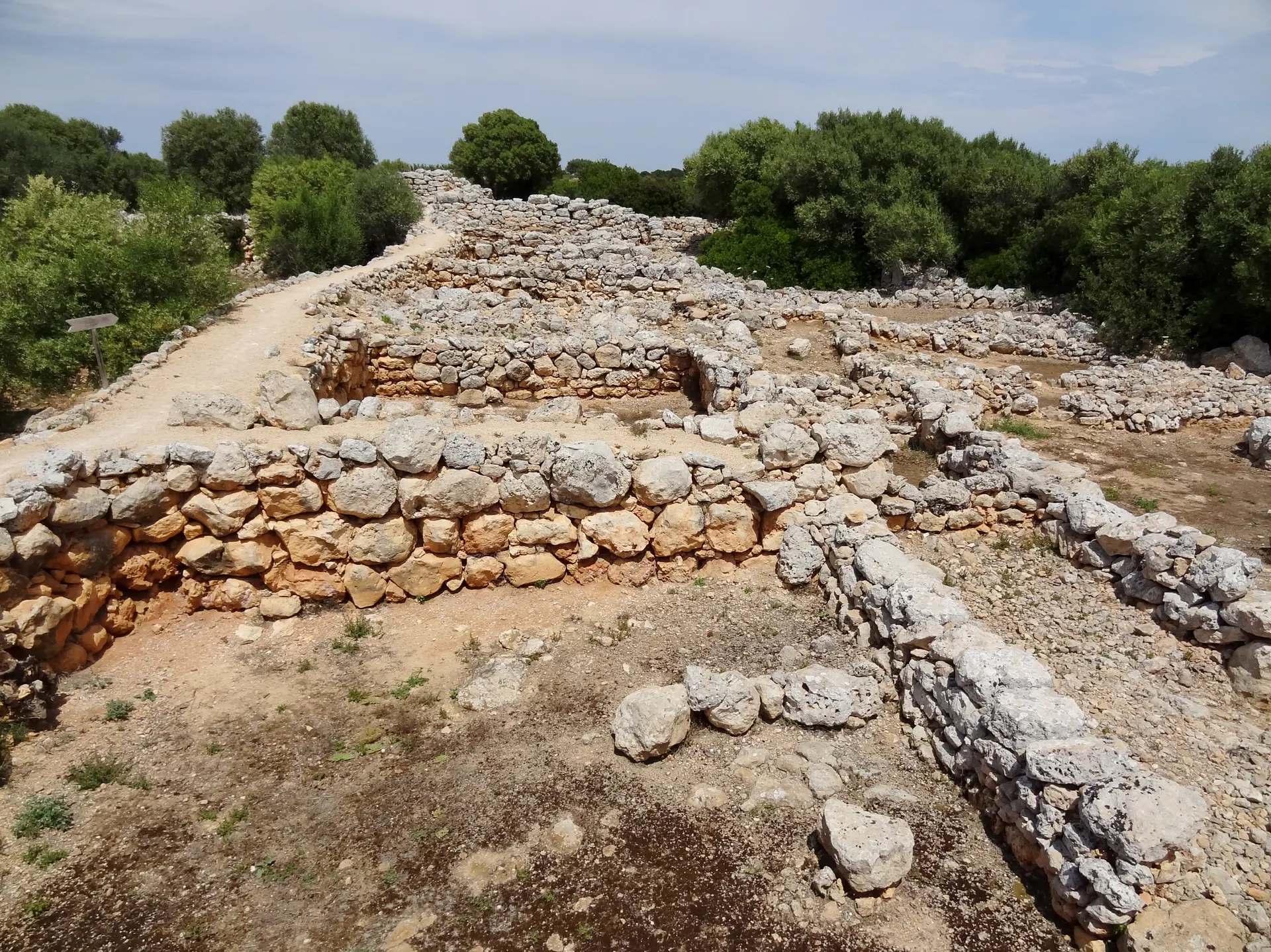
Capocorb Vell is a Talayotic settlement on Mallorca's south coast where five dry-stone towers and roughly two dozen dwellings survive well enough to walk through the...

Castro de Baroña
Porto do Son, A Coruña, Spain
Castro de Baroña is a fortified Iron Age settlement occupied roughly from the 1st century BC to the 1st century AD, its circular stone house foundations perched on a...

Cathedral of Lugo
Lugo, Lugo, Spain
Lugo Cathedral has kept the consecrated Host exposed on its altar, day and night, without interruption, for longer than anyone can fully document....

Cathedral of Menorca
Ciutadella de Menorca, Balearic Islands, Spain
The Cathedral of Menorca stands in the old town of Ciutadella, its Catalan Gothic nave begun in 1300 on the site of the city's principal mosque....

Cathedral of Murcia
Murcia, Murcia, Spain
Seat of the Diocese of Cartagena since 1291, the Cathedral of Murcia rises on the foundations of the city's former Great Mosque and holds, beneath its main altar, the...

Cathedral of Santa Maria of Ibiza
Eivissa, Balearic Islands, Spain
The Cathedral of Santa Maria of Ibiza stands at the highest point of Dalt Vila, Ibiza's fortified old town....
Cave of La Pileta
Benaoján, Málaga, Spain
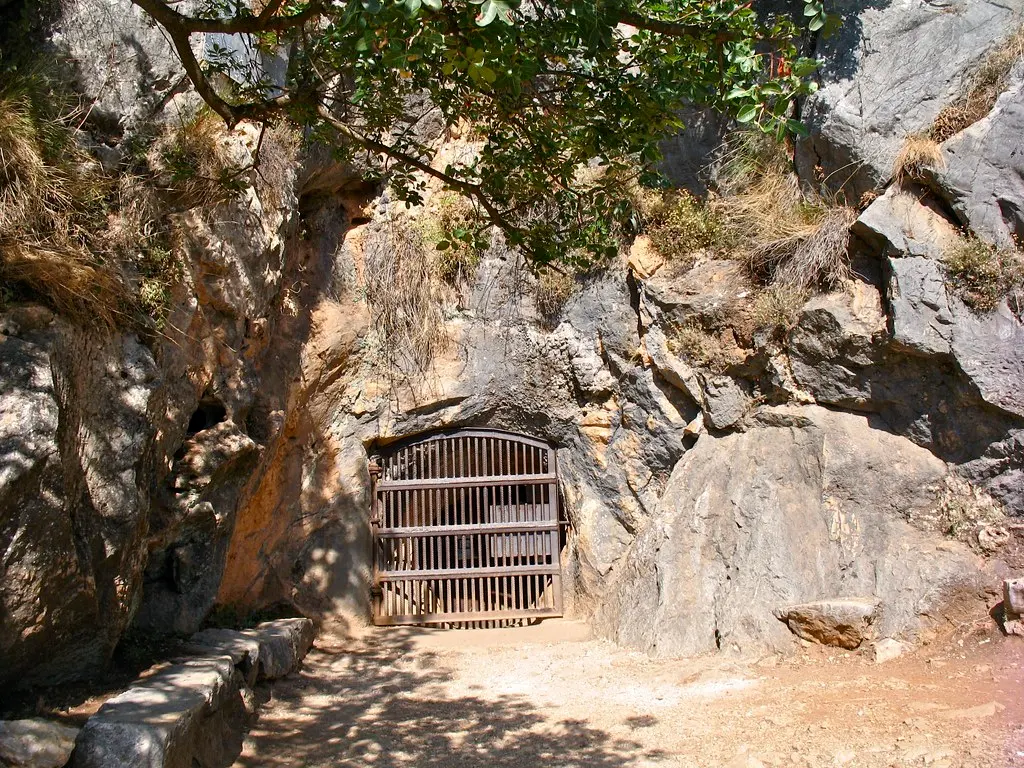
Discovered by a farmer searching for bat guano in 1905, Cueva de la Pileta in Málaga province holds hundreds of paintings and engravings made across an extraordinary span...

Cave of La Vieja, Alpera
Alpera, Albacete, Spain
Cueva de la Vieja is a UNESCO World Heritage rock art shelter on the slopes of Cerro del Bosque in Albacete, Spain, preserving more than a hundred painted figures spanning...
Cave of Los Letreros
Vélez-Blanco, Almería, Spain
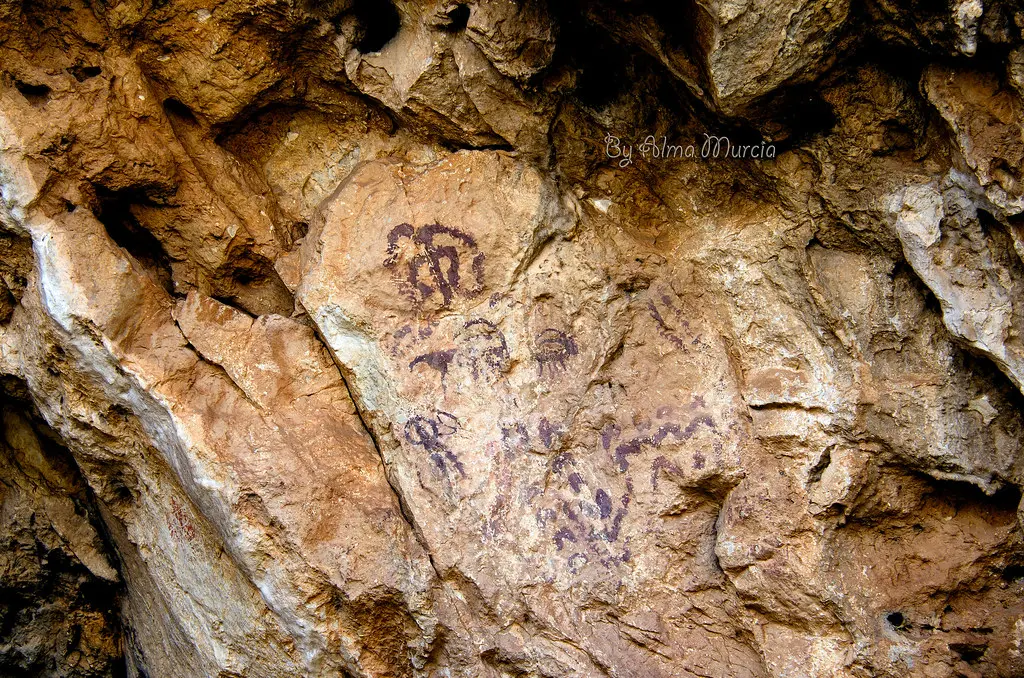
High on a cliff above Vélez-Blanco, Cueva de los Letreros holds around 174 red-ochre figures painted by Neolithic and Chalcolithic communities — among them the Indalo, a...

Cave of Saint Ignatius, Manresa
Catalonia, Spain
Within Manresa’s sanctuary complex, the small cave associated with Ignatius of Loyola remains a place of prayer....

Cave Sanctuary of Es Culleram
Sant Joan de Labritja, Balearic Islands, Spain
In the hills above Cala Sant Vicent, a natural cave subdivided by ancient water action became one of the western Mediterranean's most important Punic sanctuaries....
Church of El Pilar de la Mola
El Pilar de la Mola, Formentera, Balearic Islands, Spain
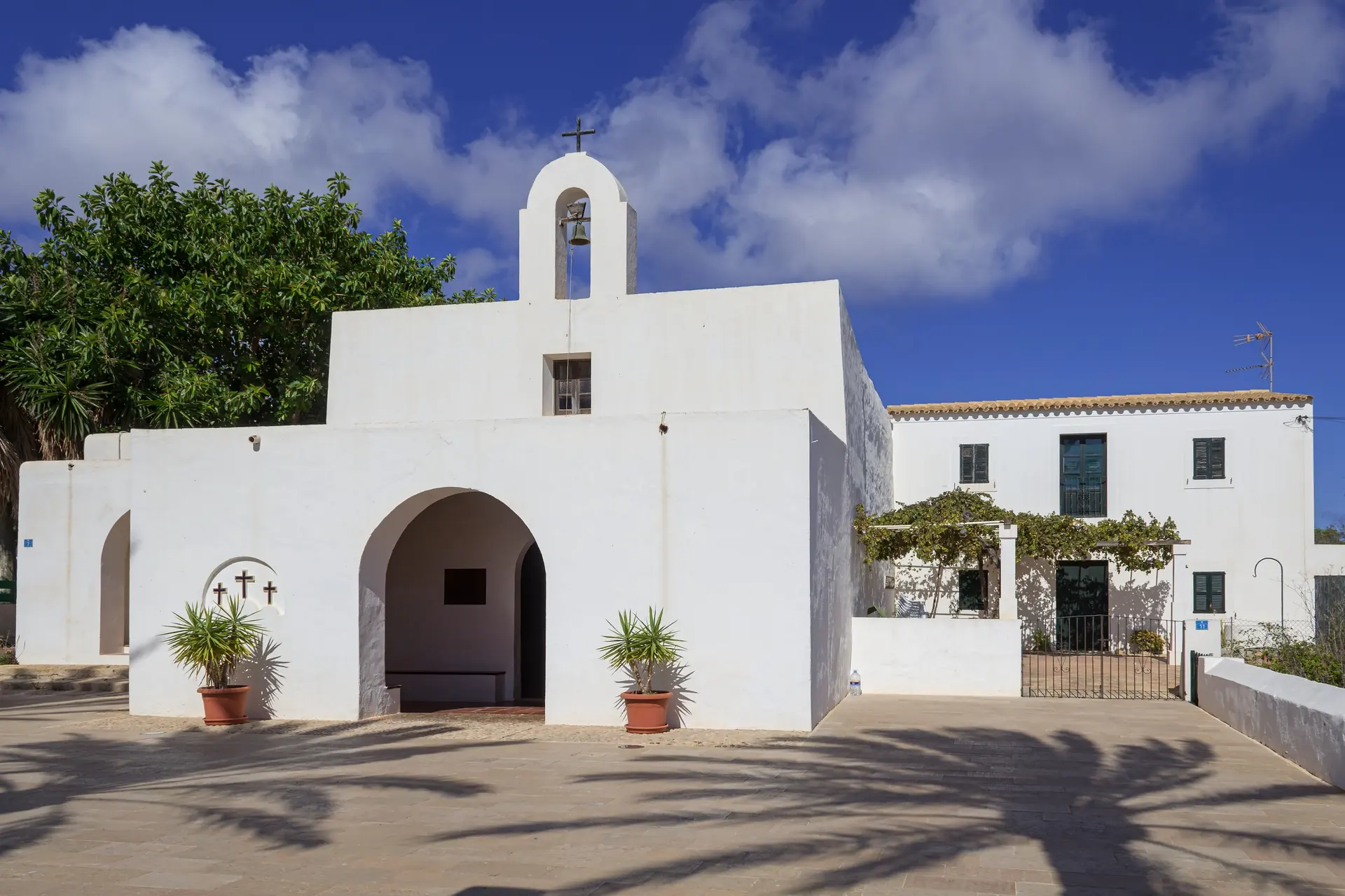
The Church of El Pilar de la Mola is the active Roman Catholic parish of the village on Formentera's eastern plateau....

Church of Saint Mary of Eunate
Muruzábal, Navarre, Spain
Off a quiet detour from the Camino Francés near Muruzábal, Eunate stands by itself in open farmland: an octagonal Romanesque church wrapped in a gallery of thirty-three...
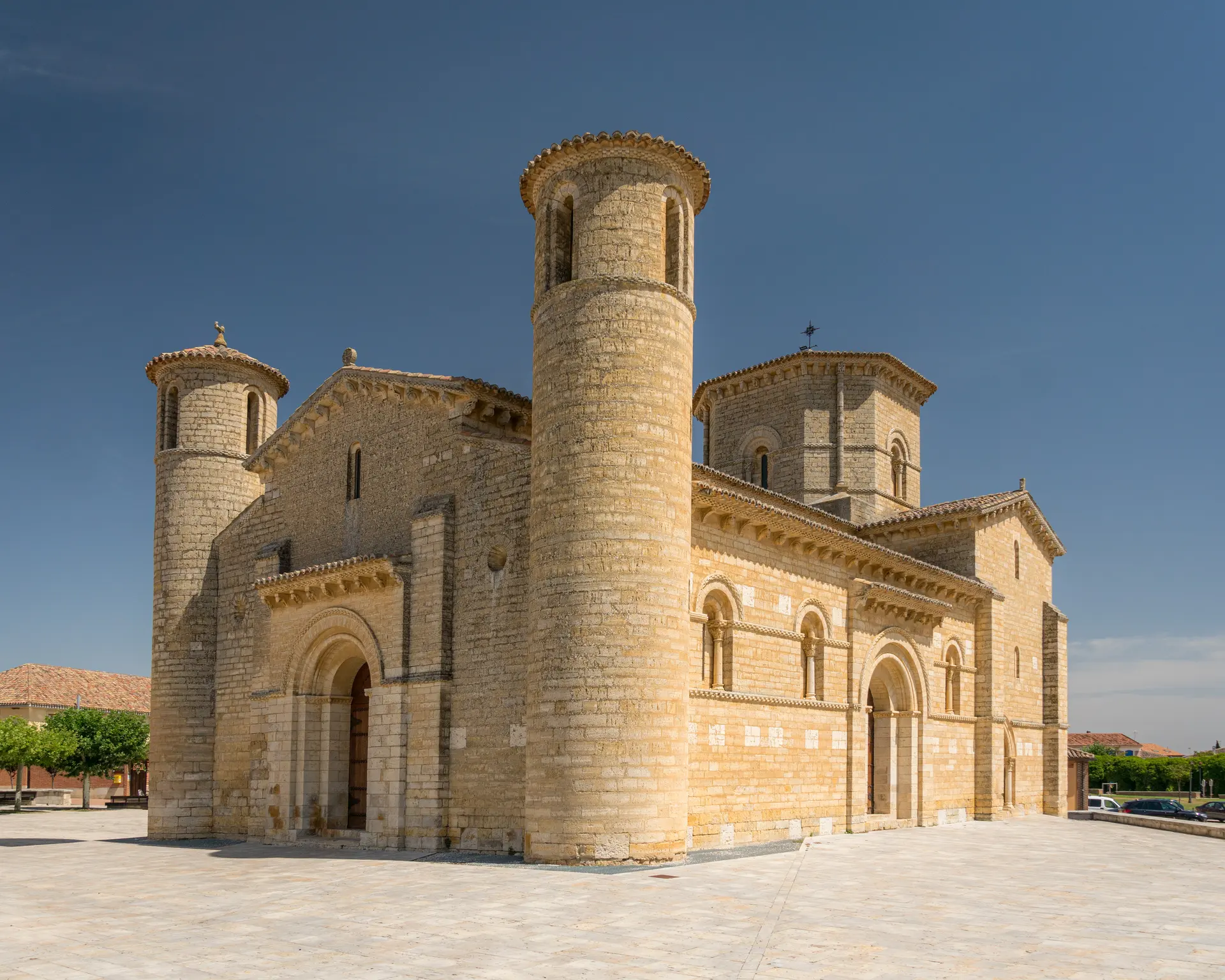
Church of San Martín de Tours
Frómista, Palencia, Spain
The Church of Saint Martin of Tours in Fromista is an eleventh-century Romanesque church standing directly on the Camino Frances....

Church of San Miguel de Lillo
Oviedo, Asturias, Spain
Consecrated in 848 by King Ramiro I and his wife Paterna as the chapel of their Monte Naranco palace complex, San Miguel de Lillo survives today only as its western third...

Church of Sant Antoni de Portmany
Sant Antoni de Portmany, Balearic Islands, Spain
Overlooking the harbor at the heart of Sant Antoni de Portmany, this fortified parish church has stood since the early 14th century, when the Archbishop of Tarragona...

Church of Sant Francesc Xavier
Sant Francesc Xavier, Formentera, Balearic Islands, Spain
The parish church of Sant Francesc Xavier is the plain, thick-walled heart of Formentera's capital, raised between 1726 and the late 1730s to serve a resettled island...
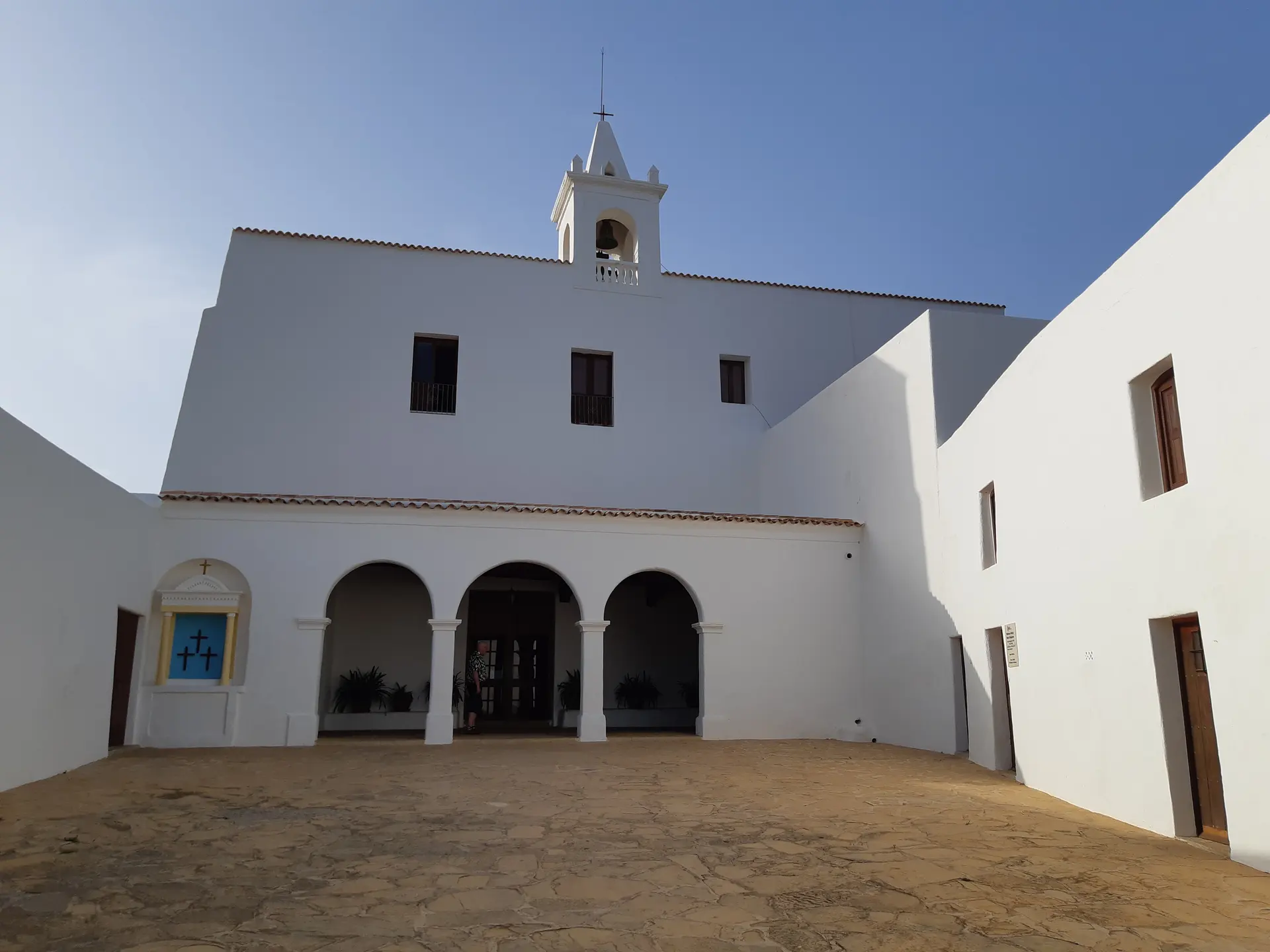
Church of Sant Miquel de Balansat
Sant Miquel de Balansat, Balearic Islands, Spain
The Church of Sant Miquel de Balansat is an active Roman Catholic parish dedicated to Saint Michael the Archangel....

Church of Santa María del Naranco
Oviedo, Asturias, Spain
Commissioned around 842 by King Ramiro I of Asturias as the ceremonial hall of his hillside palace, this two-story loggia building later became a Catholic church dedicated...

Church of the Pilgrim Virgin, Pontevedra
Pontevedra, Pontevedra, Spain
Built between 1778 and 1794, the Church of the Pilgrim Virgin takes the shape of a scallop shell — the emblem carried by every walker of the Camino de Santiago....

Claper des Gegant
Capdepera, Balearic Islands, Spain
Claper des Gegant, also called the Talaiot de s'Heretat, is a Talayotic-culture settlement above Canyamel in Capdepera, Mallorca — a fortified Bronze Age village whose...

Closos de Can Gaià
Felanitx, Balearic Islands, Spain
Closos de Can Gaià is a Bronze Age settlement near Portocolom, Mallorca, built from at least nine boat-shaped ('naveta') dwellings in cyclopean stone, occupied from...
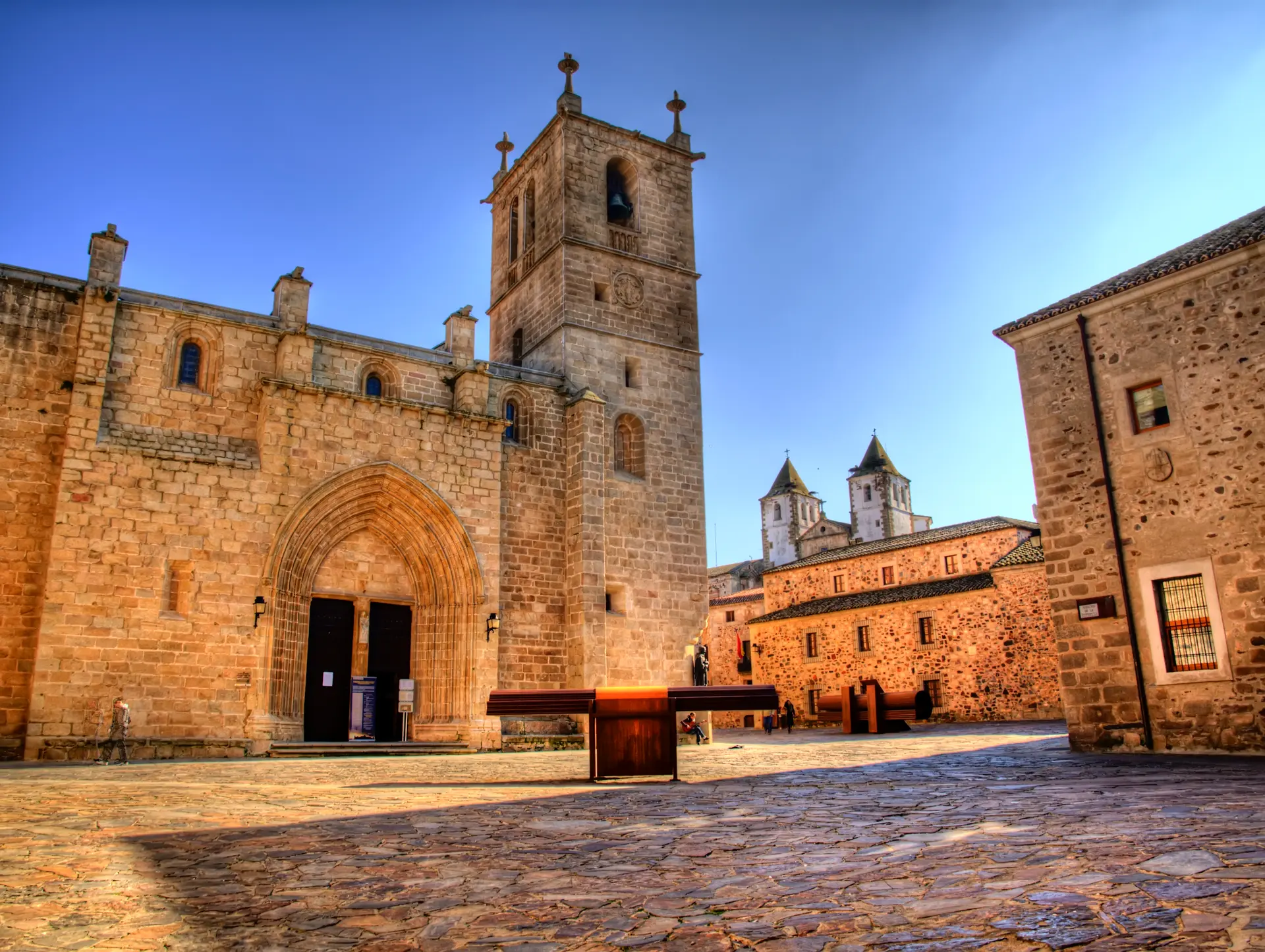
Co-Cathedral of Santa María, Cáceres
Cáceres, Extremadura, Spain
Co-Cathedral of Santa María, Cáceres is a living co-cathedral and historic pilgrimage church in Cáceres, Spain....

Convent of Saint Teresa, Ávila
Ávila, Ávila, Spain
A 17th-century Baroque church and convent raised over the room where Teresa of Ávila was born in 1515, now an active Discalced Carmelite site holding her relics in a crypt...
Showing 1-48 of 184 sites
Key questions
Spain sacred-site questions
What sacred sites can I explore in Spain?
Pilgrim Map lists sacred places in Spain across living worship sites, heritage landmarks, pilgrimage destinations, and culturally significant landscapes. The current guide lists 184 sites organized by region and tradition.
Which traditions are represented in Spain?
The most represented traditions include Christianity, Talayotic Culture, Prehistoric/Megalithic, Roman Catholic Christianity, Celtic and Prehistoric, Prehistoric.
How should I plan a sacred-site visit in Spain?
Start with regional clusters, compare nearby places on the map, then open individual site pages for coordinates, etiquette, and sacred context where available.
Can I view Spain sacred sites on a map?
Yes. Switch to map view to compare geographic clusters, then open individual site pages for coordinates, visiting context, and related places.