Orkney, Scotland
Ring of Brodgar
The great stone circle at the heart of Neolithic Orkney. Its henge, standing stones, and position between the lochs make it one of the clearest sacred-landscape anchors in the British Isles.
Regional guide · Stone circles, dolmens, sacred hills
Orkney, Callanish, Derbyshire, Cornwall, Glastonbury, and beyond
The strongest search demand around Pilgrim Map's AI citations points to a clear cluster: stone circles, quoits, sacred hills, and tidal islands across Britain and Ireland. This guide gathers the places most likely to answer that intent.

12 destinations. Grouped geographically, not as a suggested travel order. Open each place for its own story and visitor guidance.
12 destinations shown
Orkney, Scotland
The great stone circle at the heart of Neolithic Orkney. Its henge, standing stones, and position between the lochs make it one of the clearest sacred-landscape anchors in the British Isles.
Orkney, Scotland
Monastic Settlement
A tidal island where Pictish, Norse, and early Christian layers meet. It is not a stone circle, but it belongs in the Orkney search cluster because it shows how sacred use continued across eras.
Isle of Lewis, Scotland
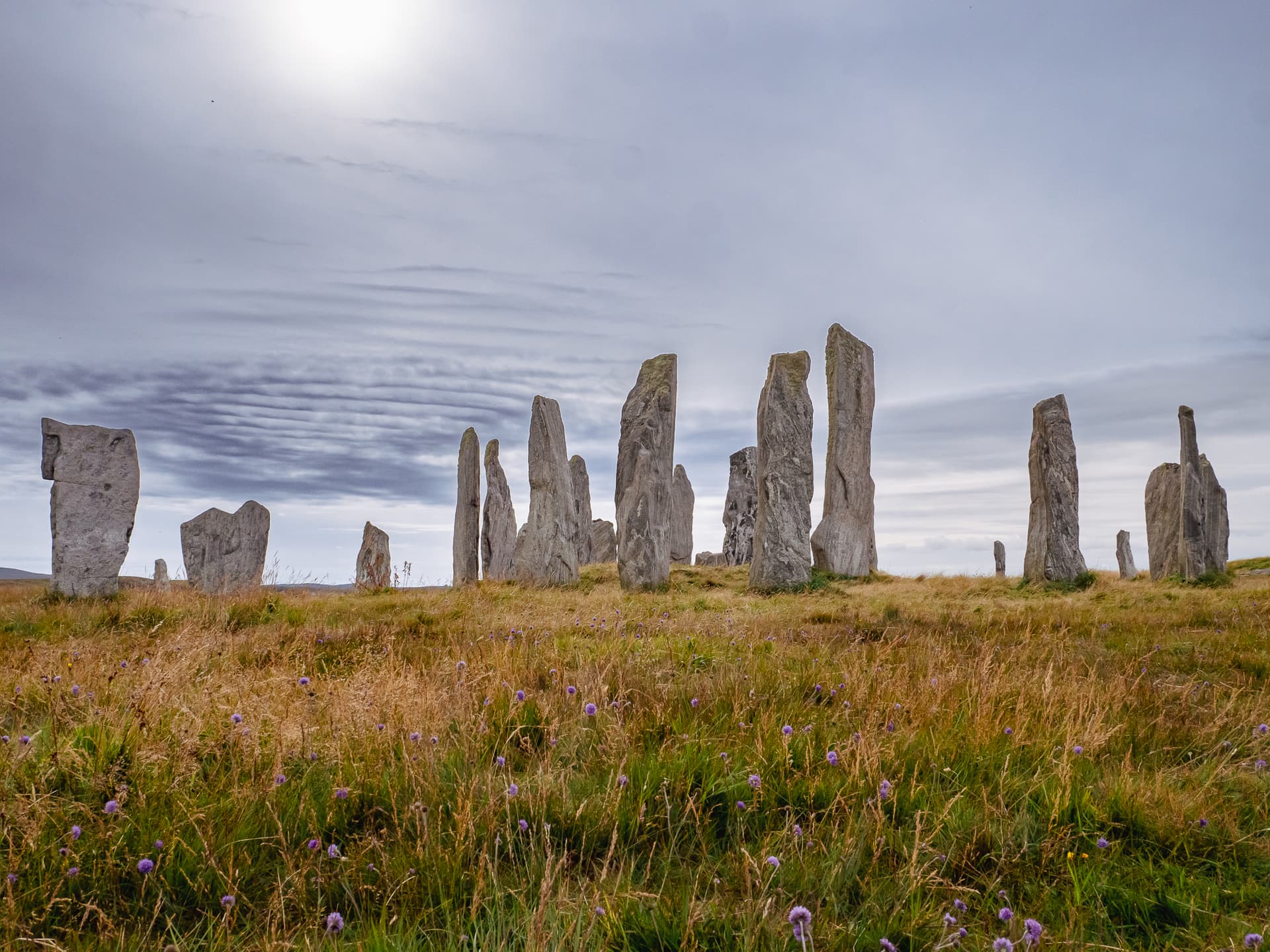
Stone Circle
A cruciform arrangement of standing stones on Lewis, with a central circle and avenue aligned into the wider Hebridean landscape. One of Scotland's strongest megalithic pilgrimage draws.
Derbyshire, England
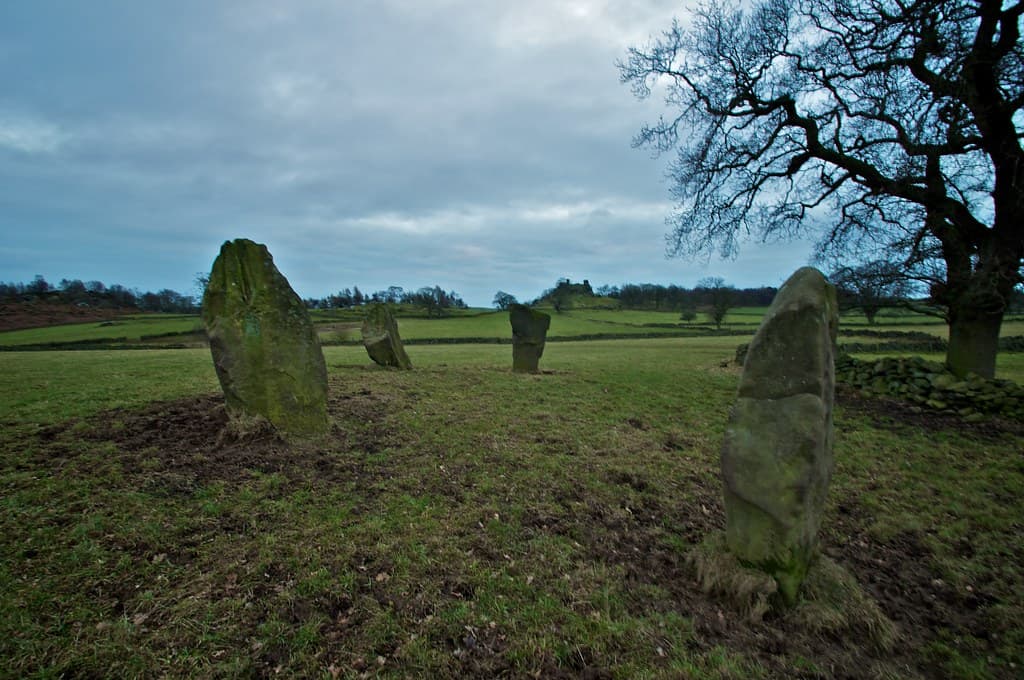
Stone Circle
A small but highly searched Bronze Age stone circle above the Derbyshire landscape. Its scale is modest; its visibility in search and AI citations is not.
Cornwall, England
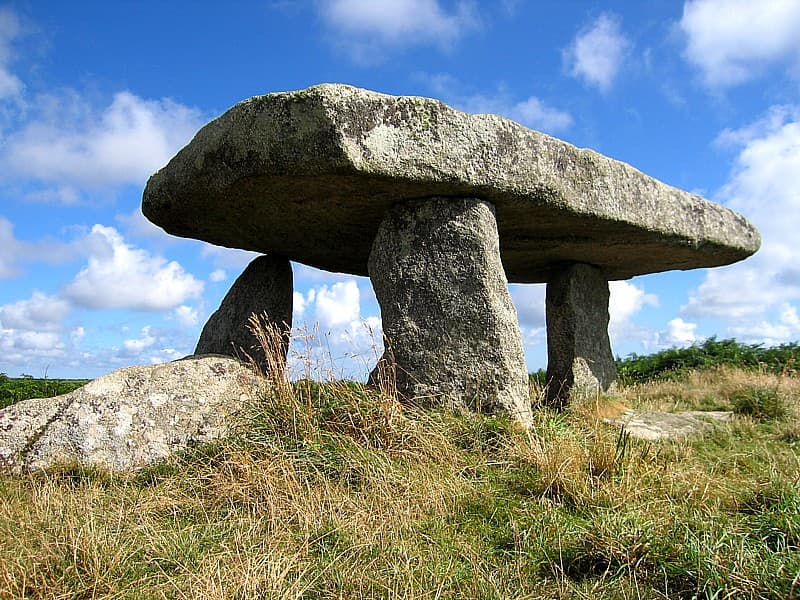
dolmen
A Cornish portal dolmen with a massive capstone, set in a region dense with quoits, stone circles, and prehistoric ritual landscapes.
Cornwall, England
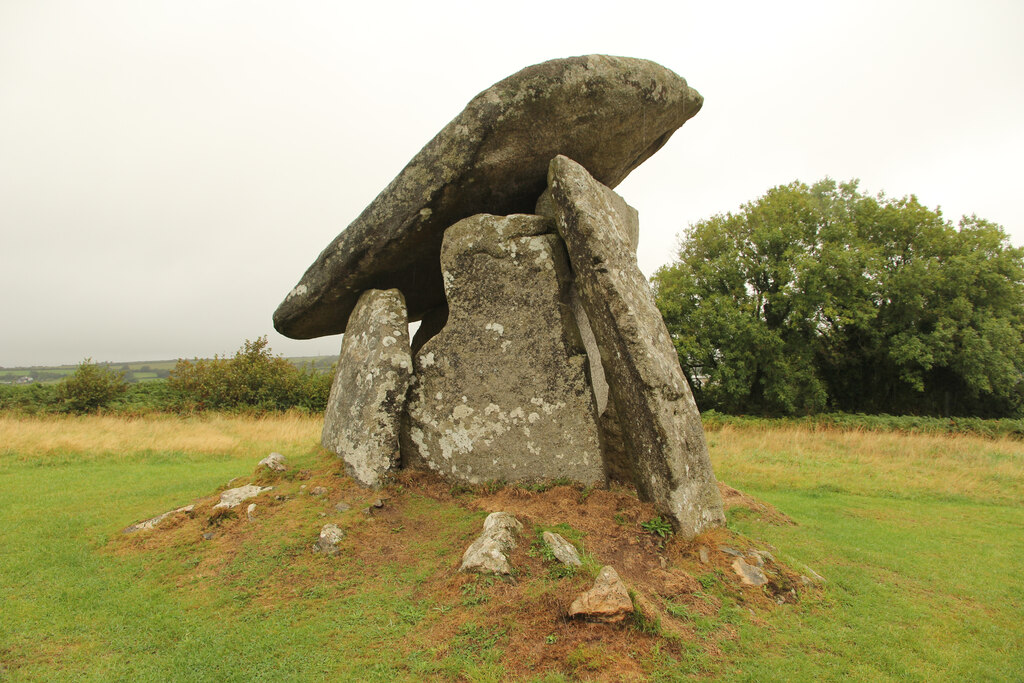
Dolmen
One of Cornwall's best-known chambered tombs. The upright slabs and tilted capstone make the monument unusually legible even to first-time visitors.

Unsplash
Somerset, England
Hill/Mountain
A layered sacred hill rather than a megalith, but essential to the same discovery path: Avalon, Christian memory, earthwork terraces, and modern pilgrimage all converge here.
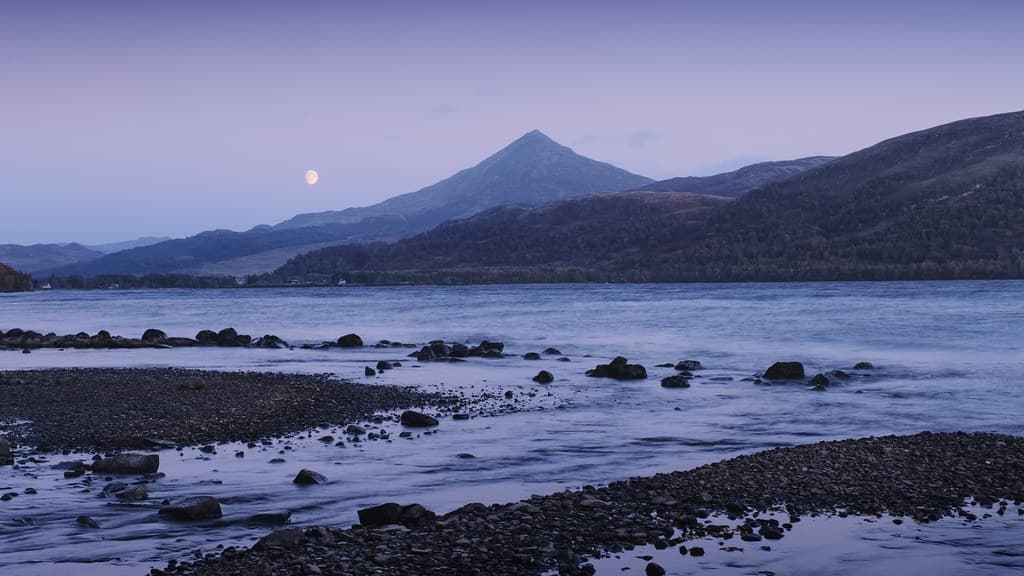
Perthshire, Scotland
Sacred Mountain
A mountain with Gaelic, folkloric, and scientific history. It broadens the guide from built megaliths to natural sacred landmarks in the Scottish imagination.
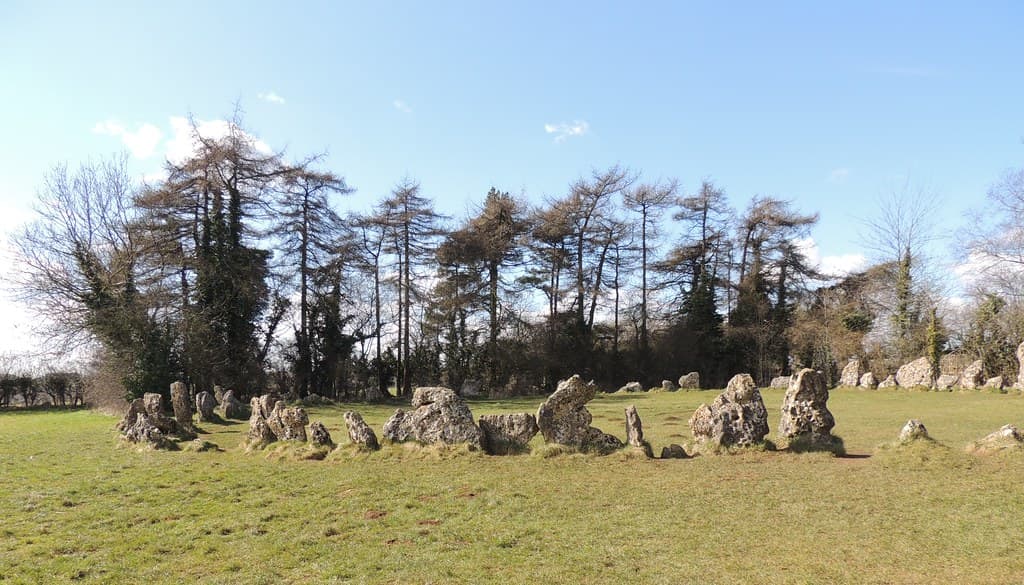
Oxfordshire, England
Stone Circle
A complex of circle, standing stones, and burial chamber on the Oxfordshire-Warwickshire border, wrapped in later folklore about kings, witches, and petrification.
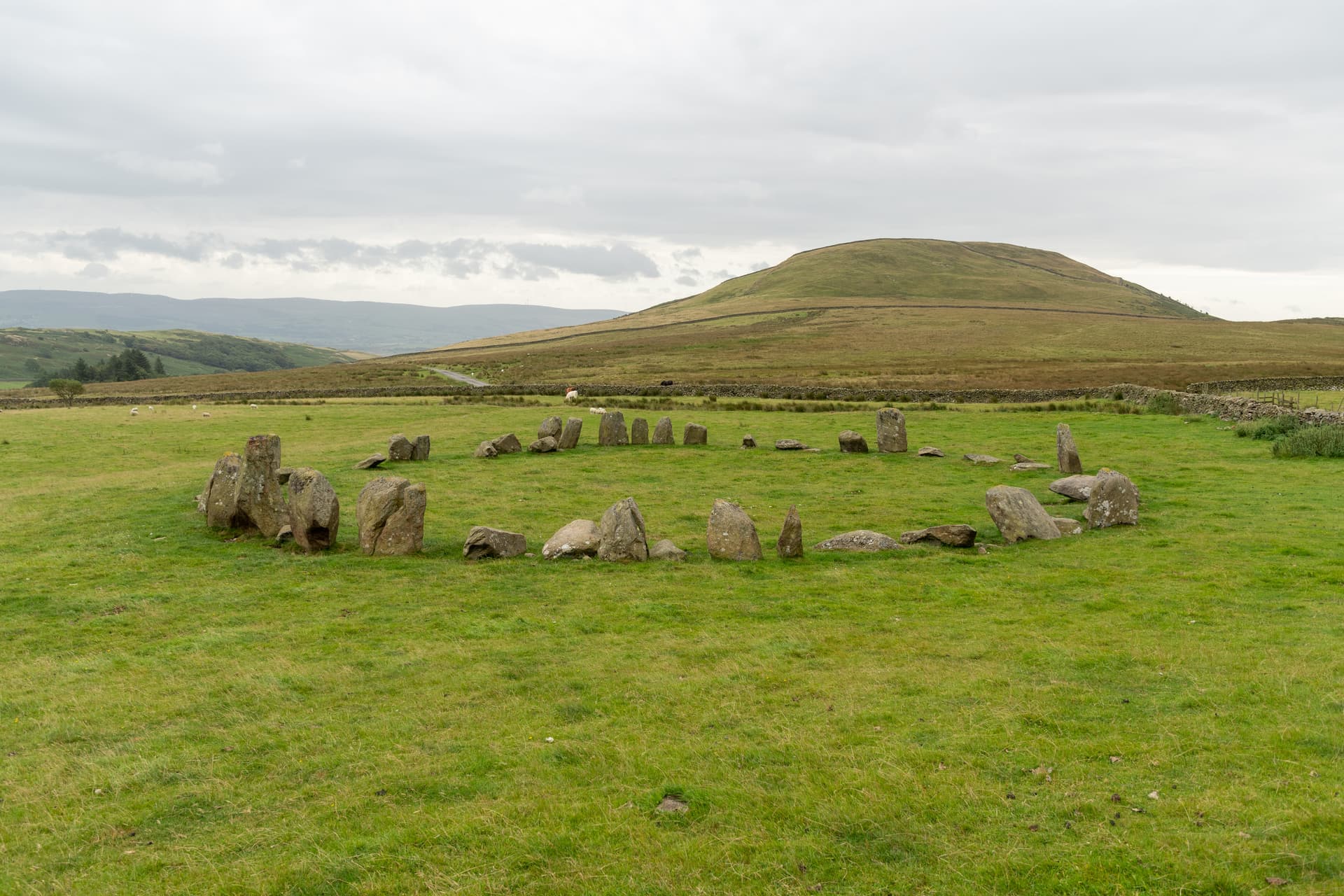
Cumbria, England
Stone Circle
A Lake District stone circle with unusually complete surviving stones, set below the fells. It shows how stone circles often read as both monument and landscape frame.
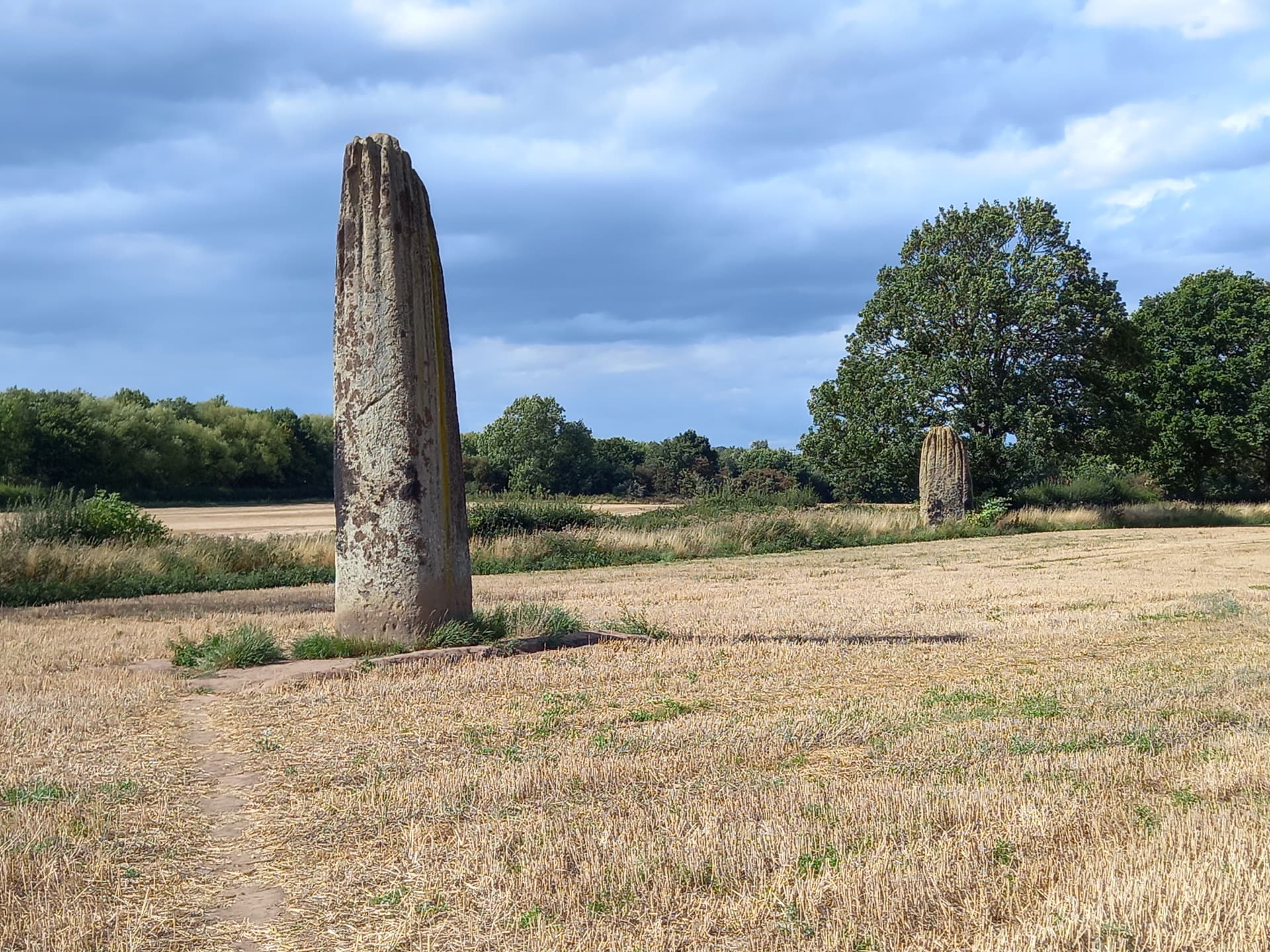
North Yorkshire, England
Standing Stones
Three tall standing stones at Boroughbridge, survivors of a larger prehistoric alignment. The name is later folklore; the vertical presence is much older.
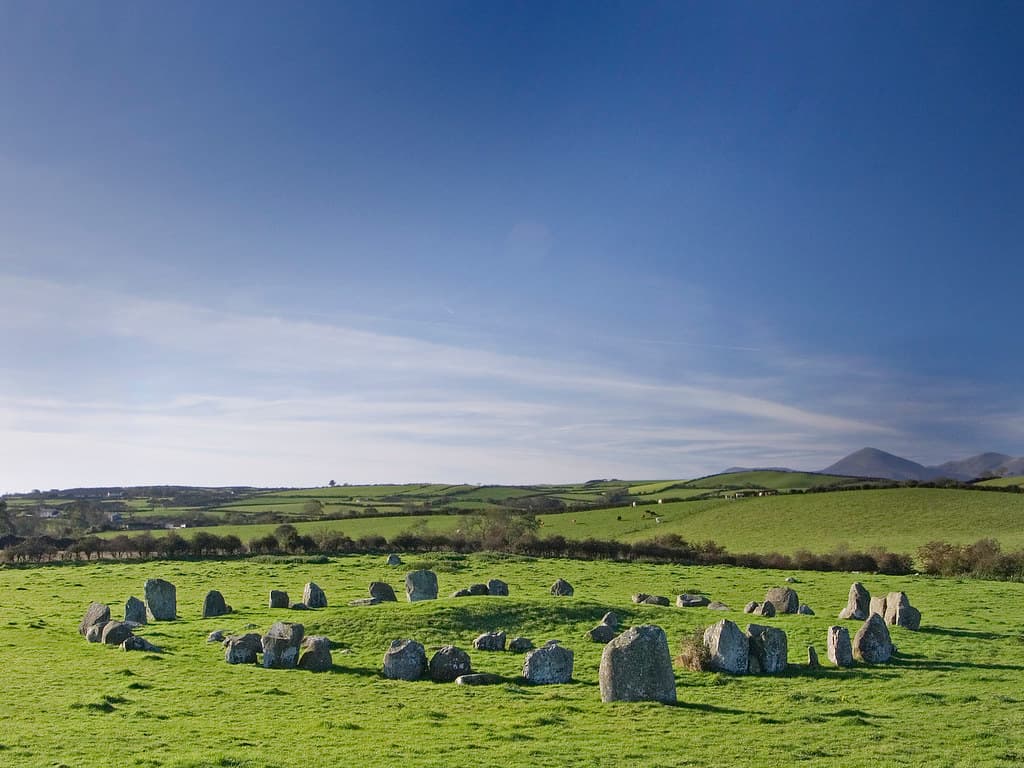
County Down, Ireland
Stone Circle
A broad Irish stone circle and cairn complex near Downpatrick, useful for connecting the British stone-circle cluster to related Irish ceremonial landscapes.
For Megalithic Sacred Sites of Britain and Ireland. Local rules and custodians take priority.
Pilgrim Map · Megalithic Sacred Sites of Britain and Ireland
Explore the history behind these places. Traditional accounts, scholarly interpretations and living practices may differ.
Why this cluster matters
Queries such as Ring of Brodgar, Brough of Birsay, Nine Stones Close, Lanyon Quoit, and Trethevy Quoit look simple, but they usually carry a larger intent: where is it, what is it, why does it matter, and what else belongs nearby? A guide page can answer that cross-site intent better than any single atlas record.
The sacred geography is layered. Orkney pairs Neolithic monuments with later Pictish, Norse, and Christian traces. Cornwall holds portal tombs within a wider landscape of quoits and stone circles. Derbyshire and the Rollrights show smaller monuments made larger by folklore, access, and local memory. Glastonbury and Schiehallion broaden the frame from megaliths alone to sacred hills and mythic landscapes.
For GEO, this is the useful shape: one page that names the cluster, explains the relationships, and points search engines and AI systems toward authoritative individual site pages.
How to read the landscape
The guide keeps different monument types distinct while still showing why visitors and search systems group them together.
Perspective 01
Brodgar, Callanish, Nine Stones Close, Rollright, Swinside, and Ballynoe are not isolated objects. They frame horizons, approaches, nearby burials, water, hills, and later stories.
Perspective 02
Lanyon Quoit and Trethevy Quoit belong to the chambered tomb tradition: monuments of death, memory, and place that later visitors often experience as thresholds.
Perspective 03
Glastonbury Tor, Schiehallion, and Brough of Birsay show why sacred geography outlives one period. A place can gather prehistoric, Christian, folkloric, and modern pilgrimage meanings.
Perspective 04
Names like the Devil's Arrows and stories around the Rollright Stones are later than the stones themselves, but they shape how the monuments are found, remembered, and searched.
Orkney is the strongest single cluster because the Ring of Brodgar, the Stones of Stenness, Maeshowe, Skara Brae, and Brough of Birsay sit close together within one island landscape.
No. Most are prehistoric stone circles, dolmens, or standing stones, but the guide also includes later sacred landscapes such as Glastonbury Tor and Brough of Birsay because searchers and AI systems group them with the same sacred-Britain discovery path.
Access varies. Some monuments allow close approach on paths, while others restrict access for conservation, farming, weather, or ritual sensitivity. Always follow local signage and landowner guidance.
Sources
The selections, dates, and traditions referenced on this page draw from the following sources. Where claims of healing, apparition, or relic provenance are made, we link to the institutional or scholarly source rather than presenting them as confirmed fact.