Key questions
- What is Lalibela New Jerusalem?
- Lalibela New Jerusalem is a Ethiopian Orthodox Tewahedo Christianity pilgrimage network collection in Ethiopia, Amhara. Eleven living churches hewn from rock and joined through trenches, passages, worship, and the sacred geography of a New Jerusalem
- How many sacred sites are included in Lalibela New Jerusalem?
- This guide currently maps 11 selected sacred sites across the wider network.
- When is the best time to explore Lalibela New Jerusalem?
- Current church, heritage, weather, and festival guidance must be checked directly
Opening
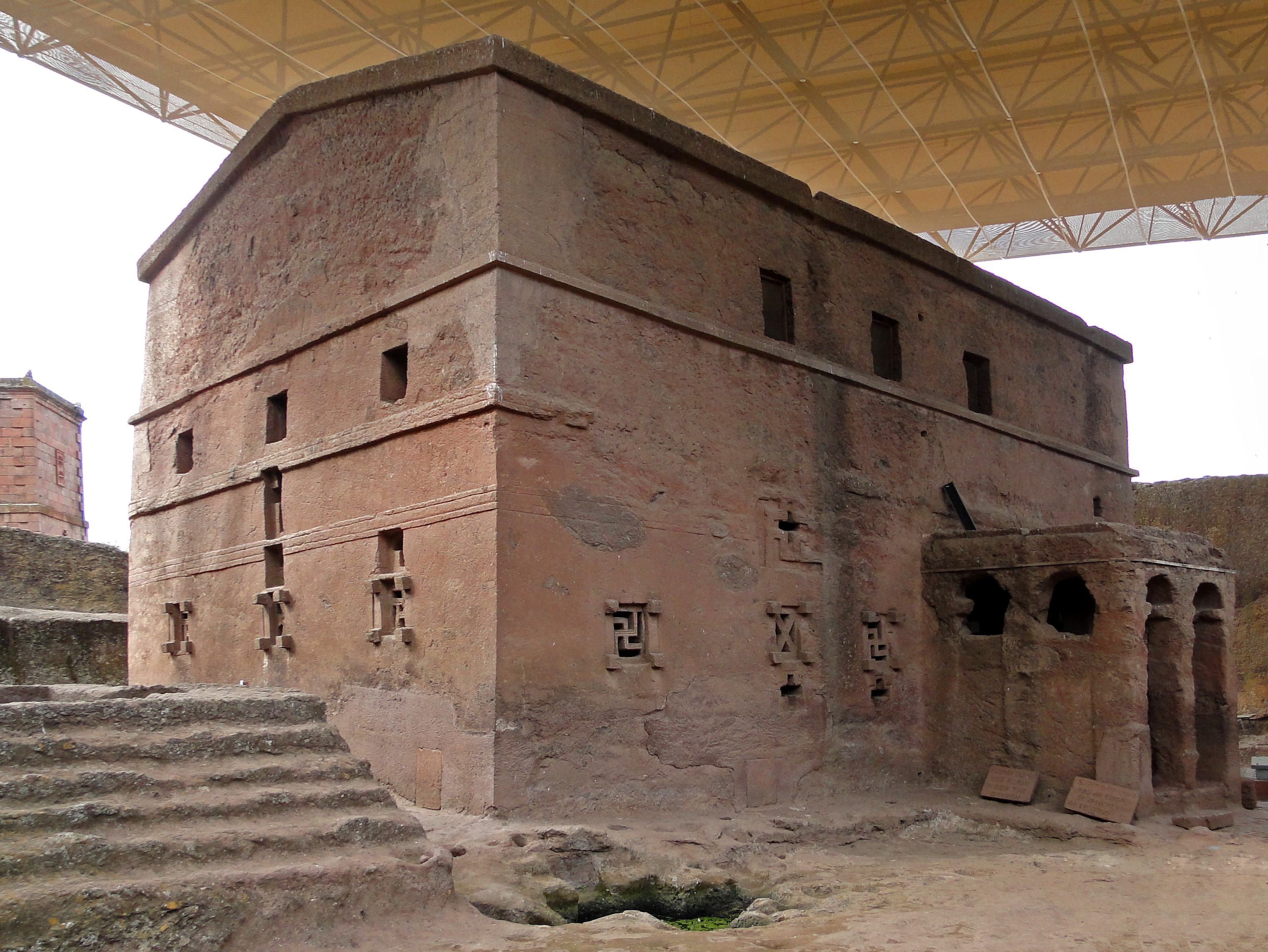
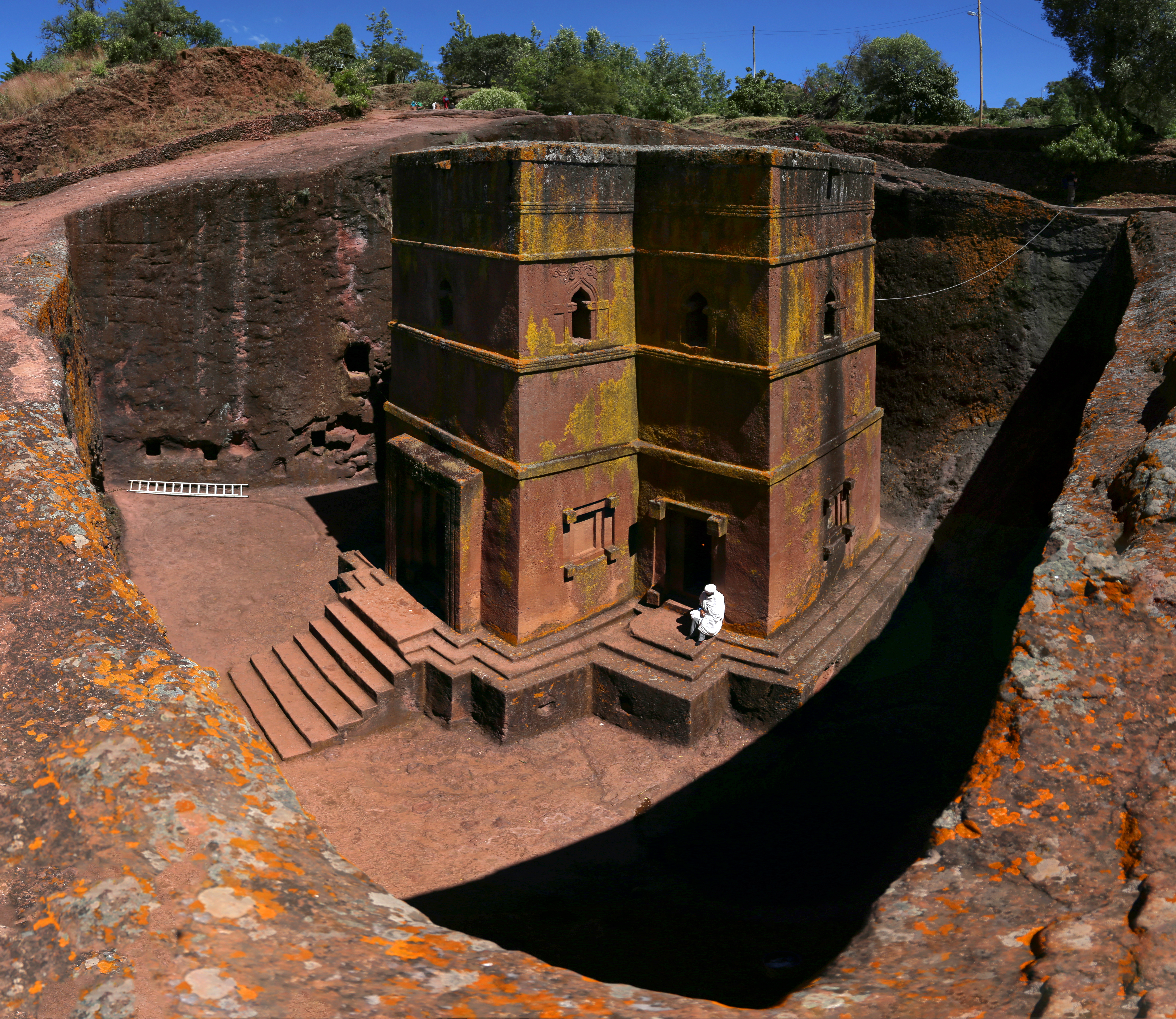
Lalibela's eleven medieval churches were cut from living rock and connected through trenches, drainage works, ceremonial passages, caves, and catacombs. UNESCO describes the complex as a New Jerusalem and a continuing place of Ethiopian Christian pilgrimage. This guide finally maps each protected church without treating them as interchangeable monuments.
Origins
The creation of the complex is attributed to King Lalibela's period and to a vision of a New Jerusalem when access to the Holy Land had become difficult. Sacred history, royal history, archaeology, architecture, and present worship overlap, but the guide keeps those forms of knowledge distinct.
Why pilgrims walk it
Pilgrims come for liturgy, prayer, feast days, blessing, memory, and movement through a living sacred landscape. The churches' relationships are carried by Ethiopian Orthodox practice and local custodians rather than by the numbering used on this page.
Significance
The eleven churches form an extraordinary artistic and devotional whole while remaining individually dedicated sacred places. Their rock-cut forms, passages, paintings, objects, clergy, worshippers, and continuing care cannot be reduced to architecture alone.