Key questions
- What is Sri Pada Pilgrimage?
- Sri Pada Pilgrimage is a Buddhism and shared multi-religious sacred traditions pilgrimage network collection in Sri Lanka, Sabaragamuwa Province. A night ascent toward a footprint shrine held sacred through Buddhist, Hindu, Muslim, and Christian traditions
- How many sacred sites are included in Sri Pada Pilgrimage?
- This guide currently maps 1 selected sacred sites across the wider network.
- When is the best time to explore Sri Pada Pilgrimage?
- Only within the currently declared pilgrimage season and suitable conditions
Opening
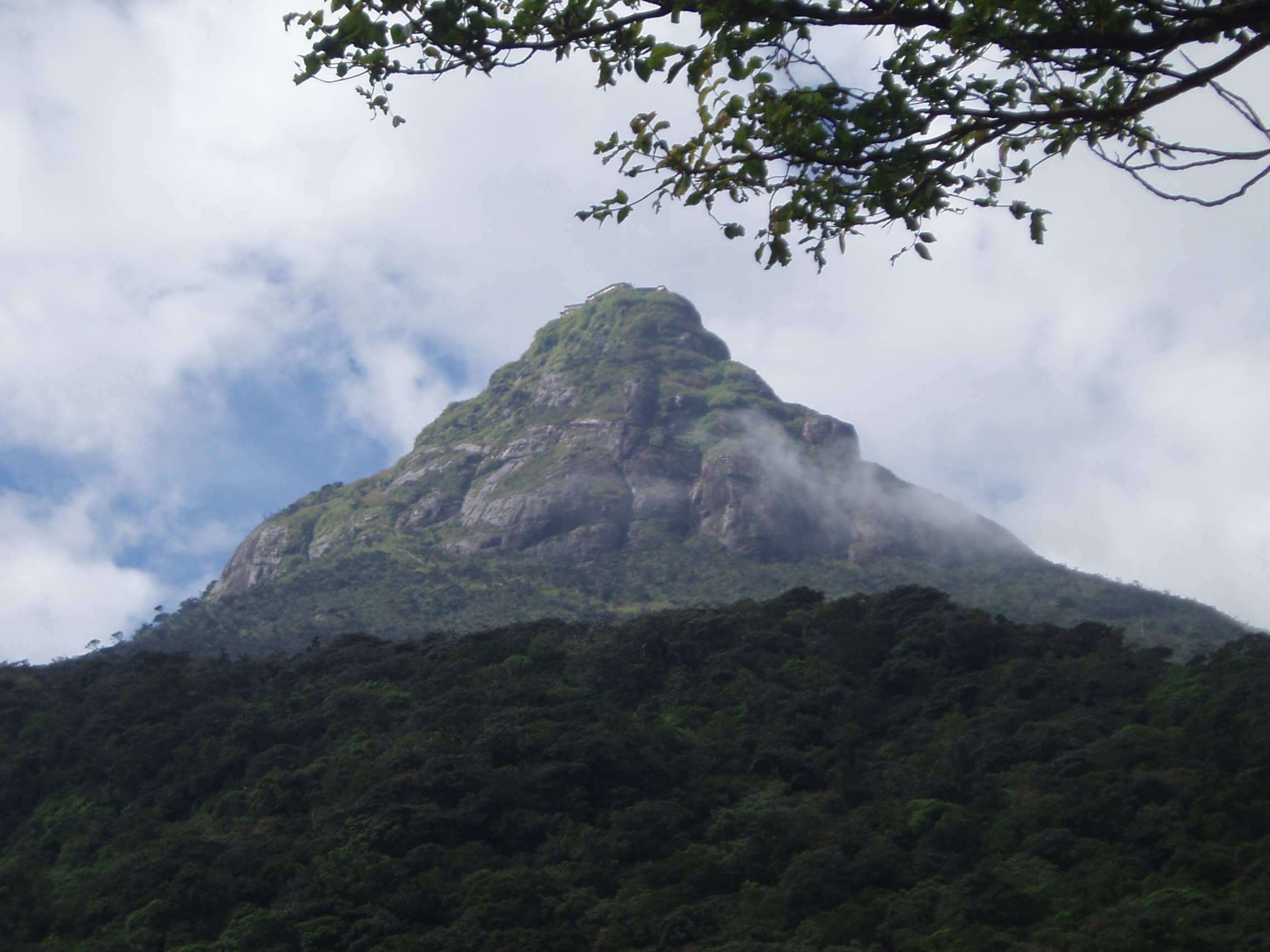
Sri Pada rises above Sri Lanka's central highlands as one of Asia's great shared pilgrimage mountains. Buddhist tradition venerates the summit imprint as the Buddha's footprint; Hindu, Muslim, and Christian traditions have associated it with Shiva, Adam, or Saint Thomas. The page keeps those interpretations attributed and maps the sanctuary without pretending that one approach represents every pilgrim.
Origins
Sri Lankan and UNESCO records describe long royal and community support for routes, rest houses, bridges, alms halls, and pilgrimage. Sacred narratives reach further back than the documentary record. Their meaning belongs to the communities that carry them and should not be rewritten as a competition over ownership of the footprint.
Why pilgrims walk it
People ascend for prayer, vows, merit, remembrance, inherited custom, and encounter with a place sacred across generations. The climb is also an act of patience and mutual care on narrow, crowded steps. Sunrise may be visually powerful, but it is not the pilgrimage's sole purpose.
Significance
Sri Pada joins a summit shrine, an arduous seasonal ascent, multi-religious interpretation, and a highly sensitive mountain environment. That combination makes care for worshippers and the landscape inseparable from the route's meaning.