Sekkei-ji
A Zen temple on a Shingon pilgrimage, where two lineages meet over Unkei's silent statues
Understand sacred places, explore living traditions, and learn how to engage respectfully with Pilgrim Map.
Access has not been verified. Check current local guidance before planning a visit.
Kōchi, Kochi Prefecture, Japan
Read the sources
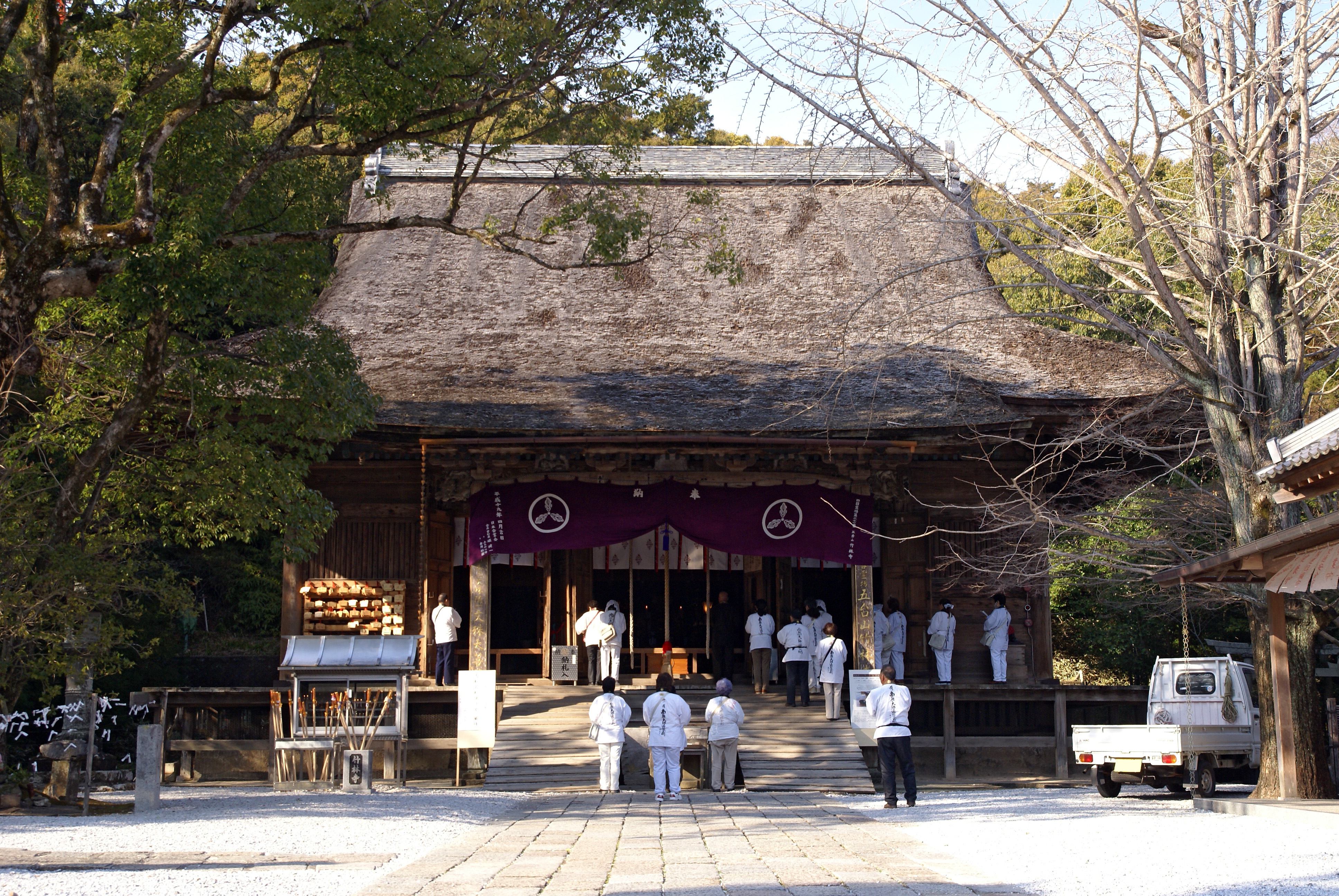
Image of Sekkei-ji (雪蹊寺). Image source · CC-BY-SA-3.0
Station 33 of 88
Shikoku 88 Temple PilgrimageVisit essentials
A quick read before you go
- Duration
- 30–45 minutes for the standard pilgrim ritual at both halls plus the nōkyō.
- Access
- Located approximately 2 km west of Katsurahama Beach in Kōchi City.
Overview
Sekkei-ji holds two sacred lineages, joined in 1599. Founded by Kūkai during the Enryaku era as Kōfuku-ji, it served the Shikoku route as Shingon for nearly eight hundred years. After Tosa warlord Chōsokabe Motochika died, his son Morichika made it the family bodaiji, converted the resident lineage to Myōshin-ji-school Rinzai Zen, and renamed it 'Snowy Cliff Temple' after his father's posthumous Buddhist name.
Today it is one of only two Rinzai temples on the Shikoku 88, with Fujii-dera, Temple 11. Pilgrims perform Shingon henro liturgy—Heart Sutra, Kōbō Daishi mantra, candles, and incense at Hondō and Daishi-dō—beside priests practicing zazen and Rinzai sūtras. The traditions share one precinct.
Sixteen Kamakura-period statues attributed to Unkei and his eldest son Tankei occupy the Hondō: a Yakushi Nyorai triad with Bishamonten and Kichijōten among them, all Important Cultural Properties of Japan. Their commission to a regional Tosa temple remains incompletely documented. Usually hidden in inner halls and shown only on special occasions, they connect this unseen Yakushi to the hands behind Tōdai-ji's great Niō.
Meiji-era haibutsu kishaku purges largely destroyed the temple; priest Yamamoto Taigen rebuilt it in 1884. Its grounds are compact and Zen-austere, the Chōsokabe grave nearby. Shikoku 88 convention permits the bell on entry only, never on leaving.
Why this place is sacred
What thins at Sekkei-ji is not air or season but lineage. The temple was founded as Shingon by Kūkai, converted to Rinzai Zen in 1599 under Chōsokabe patronage, and remains both — Shingon to the pilgrim, Zen to the resident priest. Some henro pilgrims describe this as itself a teaching: the Daishi's blessing is not contained by sectarian membership.
Standing at the Daishi-dō chanting the Kōbō Daishi mantra, knowing the priest behind you sits zazen at dawn, the boundary between esoteric mantra practice and direct Zen realization becomes thinner than the wall between the halls.
The sculptural layer is more material. Sixteen Kamakura-period statues by Unkei and Tankei rest in the temple — physical objects from one of the most spiritually charged ateliers in Japanese Buddhist history. Even when they are not on view, their presence is felt. The Yakushi Nyorai you address in the Hondō is, behind the screen, a face shaped in the early thirteenth century by hands that knew how to make wood look like it was about to breathe.
The Chōsokabe association adds a third layer: this is the funerary temple of a once-powerful warrior clan whose tomb sits a short walk from the gate. The pilgrim approaches a sacred site that is also a memento mori — quiet ground holding the memory of a family who shaped Tosa for two generations and lost it.
Founded as a Shingon temple (Kōfuku-ji) by Kūkai during the Enryaku era (782–806) for esoteric Buddhist practice and as a node on what would become the Shikoku pilgrimage circuit.
Renamed Keiun-ji in the Kamakura period; renamed Sekkei-ji in 1599 after Chōsokabe Motochika's posthumous Buddhist name and converted to Rinzai Zen of the Myōshin-ji school as the Chōsokabe family bodaiji. Largely destroyed during the Meiji haibutsu kishaku purges and rebuilt in 1884 by the priest Yamamoto Taigen. Functions today as a working Rinzai Zen temple and an active Shikoku 88 pilgrimage stop.
Experience and orientation
Pilgrims arrive at Sekkei-ji from Temple 32 Zenjibu-ji about six and a half kilometers east, often as part of a day that links three temples around Kōchi City and Katsurahama Beach. The Niōmon is modest. The grounds open quickly into a courtyard with the bonshō to one side, the chōzuya for hand-and-mouth washing, and the Hondō and Daishi-dō facing the visitor.
The ritual sequence is the standard Shikoku henro form. Ring the bonshō once on entering — never on leaving, as the convention holds. Wash hands and mouth at the chōzuya. Light a candle at the Hondō, placed back-to-front to avoid reaching across earlier flames; offer three sticks of incense; place a fudasho-fuda (the small slip with name and prayer) in the wooden box; chant the Heart Sutra and the Kōbō Daishi mantra, Namu Daishi Henjō Kongō. Repeat at the Daishi-dō.
Receive the nōkyō stamp at the temple office.
What is distinct at Sekkei-ji is what surrounds this ritual. The grounds carry a Zen austerity uncommon on the henro — fewer secondary halls, less ornament, the sculptural restraint of a Rinzai compound. Pilgrims who notice say the air feels different. The Unkei statues are usually not on view, but the temple's literature and signage make their presence known, and you stand in front of altars knowing what is behind them.
The Chōsokabe Motochika tomb is a short walk away for those who want to extend the visit into the political memory the temple still holds.
The temple sits on a flat parcel about two kilometers west of Katsurahama Beach in Kōchi City. The Niōmon faces south; the Hondō and Daishi-dō are arranged on a small central courtyard. Free parking is available on grounds; the bonshō is to the right of the entrance. Bus access is from JR Kōchi Station on the Kenken Bus Katsurahama line, alighting at Sekkei-ji-mae.
Context and lineage
Temple tradition holds that Kūkai founded the site during the Enryaku era and named it Kōfuku-ji ('Great Fortune Temple'). It was renamed Keiun-ji in the Kamakura period, when the Unkei-school statuary was apparently commissioned — though the precise circumstances of that commission to a regional Tosa temple remain unclear.
In 1599 the Tosa warlord Chōsokabe Motochika died; his son Morichika designated Keiun-ji as the family bodaiji, converted the resident lineage to Rinzai Zen, and renamed the temple Sekkei-ji after his father's posthumous Buddhist name. The Edo-period priest Tenshiki, working from this temple, became one of the founders of the Tosa Nangaku Confucian school.
The Meiji haibutsu kishaku purges destroyed most of the buildings; the priest Yamamoto Taigen rebuilt the temple in 1884, and it has functioned as both a Rinzai Zen residence and a Shikoku 88 pilgrimage stop since.
Resident lineage: Rinzai Zen, Myōshin-ji branch (since 1599). Pilgrimage liturgical lineage: Shingon (Kōbō Daishi henro tradition). Original founding lineage: Shingon. Edo-period intellectual lineage: Tosa Nangaku Neo-Confucianism (Tenshiki and successors).
Kūkai (Kōbō Daishi)
Founder of the original Shingon temple
Unkei
Sculptor
Tankei
Sculptor
Chōsokabe Motochika
Tosa warlord, posthumous patron
Chōsokabe Morichika
Patron, sectarian converter
Tenshiki
Edo-period head priest, scholar
Yamamoto Taigen
Restorer
Traditions and practice
Founders Day services for Chōsokabe Motochika as the bodaiji's central memorial; Rinzai-style zazen sessions and sūtra services led by the resident priests; goma-style and Yakushi Nyorai prayers carried over from the Shingon foundation in less formal settings. Special viewings of the Unkei-school statuary occur on rare occasions and require advance arrangement.
Pilgrims approach the Niōmon, ring the bonshō once on entering, wash hands and mouth at the chōzuya, light a candle and three sticks of incense at both halls, place a fudasho-fuda in the dedicated boxes, chant the Heart Sutra and the Kōbō Daishi mantra (Namu Daishi Henjō Kongō), and receive a nōkyō stamp at the temple office. Many pilgrims also pause at the Chōsokabe Motochika tomb a short walk from the temple.
If you arrive in the Shingon henro form, perform it as you have been performing it — the ritual does not change at Sekkei-ji. But allow a longer pause than usual. Notice the Zen austerity of the grounds. Stand for a few breaths in front of the closed Hondō knowing the Yakushi Nyorai behind the screen was carved by Unkei's atelier. If you sit, sit quietly; the temple's resident lineage is one in which silence carries weight.
Rinzai Zen Buddhism (Myōshin-ji school)
ActiveSekkei-ji is one of only two Rinzai Zen temples on the Shikoku 88 pilgrimage (the other is Fujii-dera, Temple 11), making it a notable break from the Shingon majority of the route. The conversion dates to 1599 under Chōsokabe patronage.
Zen-style sūtra services and zazen led by the resident priests; the resident lineage practices Rinzai liturgy while pilgrims perform the Shingon henro form.
Shingon Buddhism (henro layer)
ActiveFounded as a Shingon temple by Kūkai during the Enryaku era. Although the resident lineage shifted to Rinzai Zen, the temple remains an integral node of the Kōbō Daishi pilgrimage and the Daishi-dō is venerated in the Shingon henro manner.
Standard henro liturgy at both Hondō and Daishi-dō; Heart Sutra and Kōbō Daishi mantra chanted by visiting pilgrims.
Tosa Nangaku Neo-Confucianism (historical)
HistoricalDuring the Edo period the temple's head priest Tenshiki helped found the Tosa Nangaku (Southern School) of Neo-Confucianism, training scholars including Tani Jichū and Nonaka Kenzan. Sekkei-ji is sometimes called the birthplace of Nangaku.
No longer practiced at the temple; remembered as part of its intellectual heritage.
Perspectives and open questions
Sekkei-ji is read differently by different traditions: as a Shingon henro stop, as a Rinzai Zen temple, as a Chōsokabe memorial site, and as one of the great provincial holdings of Kei-school sculpture.
Scholarly perspective
Scholars regard Sekkei-ji's sixteen Unkei-school Important Cultural Properties as one of the most significant provincial holdings of Kamakura-period Buddhist sculpture. The temple is studied as a clear case of sectarian conversion under feudal patronage — a Kūkai-founded Shingon temple turned Rinzai bodaiji of the Chōsokabe — and as a documented example of the destruction and rebuilding of Buddhist institutions during the Meiji haibutsu kishaku.
Living and traditional perspectives
Within the Shikoku henro tradition, Sekkei-ji is understood primarily as a stop on the Kōbō Daishi pilgrimage circuit; its Zen affiliation is acknowledged but does not change the pilgrim's ritual approach. The local Kōchi tradition emphasizes the Chōsokabe family memory and the role of the Edo-period priest Tenshiki in seeding the Tosa Nangaku Confucian school.
Alternative interpretations
Some henro pilgrims interpret the Shingon-to-Zen lineage shift as itself a teaching — that the Daishi's blessing transcends sectarian boundaries — and read the temple as a meeting point of esoteric mantra practice (at the Daishi-dō) and Zen direct realization (in the resident lineage).
Open questions
The exact circumstances of Unkei and Tankei's residence at the temple in the Kamakura period — and how a regional Tosa temple came to host such a major sculptural commission — remain incompletely documented.
Plan your visit
Access and arrival
Located approximately 2 km west of Katsurahama Beach in Kōchi City. By bus: from JR Kōchi Station, take the Kenken Bus on the Katsurahama line and alight at Sekkei-ji-mae. By car: free parking on temple grounds. Walking pilgrims arrive from Temple 32 Zenjibu-ji (~6.5 km east) and continue to Temple 34 Tanema-ji (~6.5 km west).
No shukubō at Sekkei-ji itself. Pilgrim and standard lodging is available throughout Kōchi City, ten to fifteen minutes by bus or car. Most henro pilgrims base in Kōchi City for the cluster of temples 30–34.
Respectful visit
Modest, respectful clothing. Pilgrims commonly wear the white hakui and carry the kongō-zue staff and a nōkyōchō (stamp book). Remove hats and sunglasses inside halls.
Permitted on grounds and exterior of halls. Interior altar photography is not allowed. Unkei-school statuary on rare special viewings requires permission to photograph. Ask before photographing priests or pilgrims at prayer.
Standard henro offerings: a lit candle (placed back-to-front to avoid reaching over earlier candles), three sticks of incense, a fudasho-fuda placed in the dedicated box, and a coin offering in the saisen-bako. A printed Heart Sutra (kyōhon) is used for chanting.
Do not ring the bonshō on leaving. Tripods and drones generally require permission. Quiet conduct in and around the halls.
Do not ring the bonshō on leaving — this is a strict Shikoku 88 convention. Photography of altar interiors and the Unkei-school statuary (when on view) is not permitted. The Chōsokabe family grave nearby is an active memorial site; treat it with the respect due any cemetery.
Current practical details
Address
857-3 Nagahama, Kochi, 781-0270, Japan
Phone
Hours
Hours, fees, and access can change — verify on the official source before you travel. Practical details last checked Jun 2026.
Location
Map loads as you approach this section.
Pilgrim reflections
A portrait of encounter, not a score
Pilgrims describe what they felt, how present they could become, and whether the place would shape a journey. There are no stars and no ranking of traditions.
No reviewed reflections yet
The first pilgrims can help describe the character of being here.
Share a reflection
Available after an account-backed “Been there.” Every reflection is reviewed before publication.
Watch deeper
Films, episodes, and recorded talks for visitors who want more context before or after a visit. Speculative and alternative-history entries are labelled as perspectives, not as sources for established claims.
Nearby sacred places
Explore other sacred places in the region. Proximity does not establish access or travel time; check each place’s guidance.


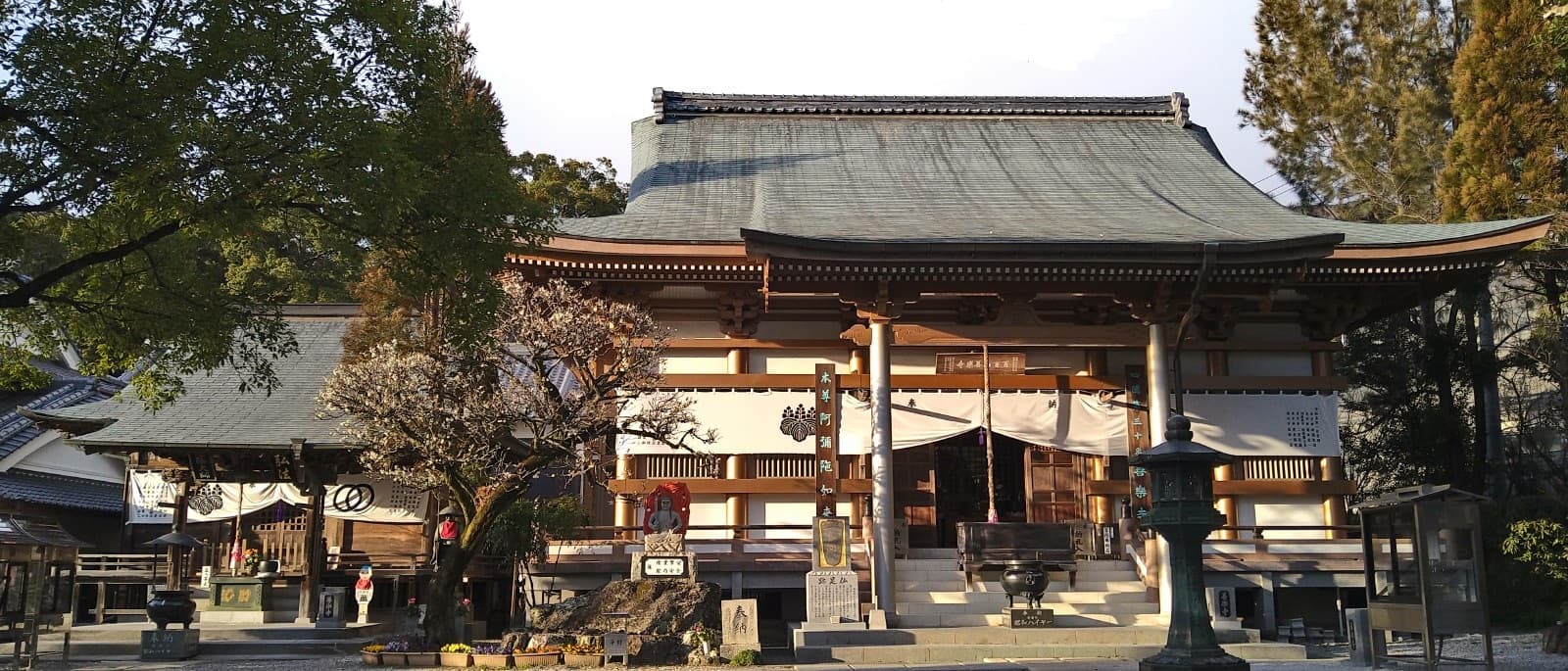
References
Sources consulted for this page. Source categories describe the publication, not a guarantee that every claim is verified. Traditional accounts and outside interpretations may differ.
- 01Sekkei-ji - Wikipedia — Wikipedia contributorsencyclopediaFoundational facts on history, sect, honzon
- 02Kofukuzan Kofukuin Sekkeiji – Shikoku 88 Temple Pilgrimage — Shikoku 88 ReijokaiofficialOfficial Shikoku 88 association entry
- 03Sekkeiji – Kochi City, Kochi Prefecture, Shikoku — Henro.org / David TurkingtonguidePilgrim-focused practical and historical detail
- 04Sekkeiji Temple, Temple No. 33 of the Sacred Temples of Shikoku — Shikoku Pilgrimage NewsguideClarifies Rinzai Myoshin-ji school affiliation
- 05More glimpses of unfamiliar Japan: Shikoku Pilgrimage Temple 33 Sekkeiji — OjisanjakeblogAtmosphere and Unkei sculpture detail
Pilgrim glossary
- Sutra
- A canonical Buddhist scripture, often chanted as part of practice.
- Mantra
- A sound, word, or phrase repeated as part of meditation or ritual.
- Shingon
- An esoteric Japanese Buddhist school emphasizing ritual, mantra, and mandala practice.
- Zen
- A Japanese Buddhist school emphasizing seated meditation and direct insight.
Share a photo
Help visitors recognize Sekkei-ji. Every submission is reviewed before publication.