Chikurin-ji
A Japanese Mt. Wutai for the bodhisattva of wisdom
Understand sacred places, explore living traditions, and learn how to engage respectfully with Pilgrim Map.
Access has not been verified. Check current local guidance before planning a visit.
Kōchi, Kochi Prefecture, Japan
Read the sources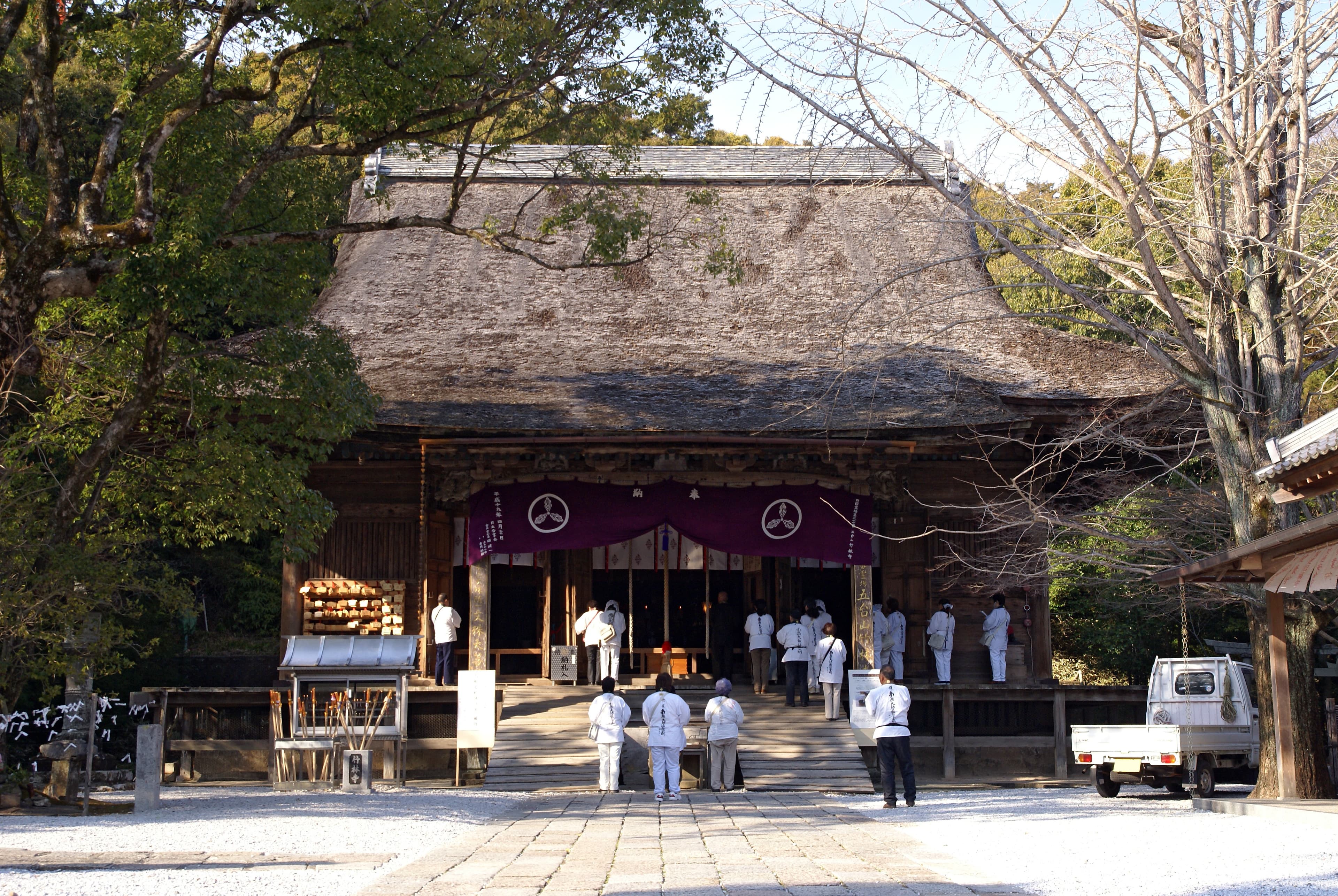
Image of Chikurin-ji (竹林寺). Image source · CC-BY-2.5
Station 31 of 88
Shikoku 88 Temple PilgrimageVisit essentials
A quick read before you go
- Duration
- 1.5 to 2 hours for the hondō and Daishi-dō ritual, the treasure hall, and the garden.
- Access
- From central Kōchi City: roughly 6 kilometres; MY-YU bus or taxi to Mt.
Overview
Chikurin-ji, temple 31 of the Shikoku 88 Pilgrimage, sits 145 metres up Mt. Godaisan as a living Shingon Chizan-ha centre dedicated to Monju Bosatsu. Temple tradition says Emperor Shōmu dreamed of China's Mt. Wutai, sent Gyōki to find its Japanese counterpart, and founded the temple in 724; the imperial dream, Gyōki carving, and Kūkai visit remain traditional accounts, while medieval activity is materially documented.
The Monju image is widely regarded as one of Japan's three renowned Monju statues, but its exact date and National Treasure versus Important Cultural Property classification are variably stated. The temple's wisdom devotion draws students and families. Its 1644 hondō, 31.2-metre 1980 hinoki pagoda, treasure hall, and Musō Kokushi-attributed garden—designated a National Place of Scenic Beauty—make the precinct both pilgrimage station and contemplative cultural landscape.
Why this place is sacred
Chikurin-ji maps China's Mañjuśrī mountain, Mt. Wutai, onto Japan through attributed imperial dream and Gyōki tradition; the Godaisan name inscribes that association in the landscape. Monju, traditionally the wisdom bodhisattva whose sword cuts discernment, gives the climb an intellectual register of study and clarity. The pagoda, 1644 hondō, garden, and treasure hall add distinct material layers. Read the layout as pilgrimage interpretation, not promised transformation.
Preserve the uncertain statue dating, variable designation language, and traditional Musō Kokushi attribution alongside documented heritage.
A Japanese Mañjuśrī sacred mountain founded by Gyōki under Emperor Shōmu's dream-vision command in 724, transposing the cosmology of Mt. Wutai onto the Japanese archipelago as a temple dedicated to the bodhisattva of wisdom.
Kūkai later visited and incorporated the temple into his Shikoku circuit. The five-storey pagoda was completed in early Kamakura style. Yamauchi Tadayoshi rebuilt the hondō in 1644. The garden was traditionally attributed to Musō Kokushi (1275–1351). The current pagoda is a 1980 reconstruction in hinoki cypress at 31.2 metres. The temple operates as a Shingon Chizan-ha precinct, with treasure hall, garden, and shukubō on site.
Experience and orientation
Arrive from Kōchi City by MY-YU bus, taxi, car, or the long henro climb from Zenrakuji. Visit the Main Hall for Monju Bosatsu, then the Daishi-dō and nōkyō office using the complete rite in the practice field. Give separate time to the paid Musō Kokushi-attributed garden and treasure hall, staying on marked paths and following image rules. The five-storey pagoda rises among bamboo, and clear-day views reach Kōchi City and Urado Bay.
The adjacent Makino Botanical Garden can extend the visit; the route then descends toward Zenjibu-ji.
From central Kōchi City, take the MY-YU bus or a taxi to Mt. Godaisan summit. By car, follow signs up the paid mountain road. Walking henro arrive on a long climb from Zenrakuji. The Makino Botanical Garden is immediately adjacent.
Context and lineage
Emperor Shōmu dreamed of Mt. Wutai in China, the classical sacred mountain of Mañjuśrī, and dispatched Gyōki Bosatsu to find its Japanese counterpart. Gyōki located Mt. Godai overlooking what would become Kōchi City and founded the temple in 724, carving the Monju honzon. Kūkai later visited and incorporated the temple into his Shikoku circuit. The five-storey pagoda was completed in early Kamakura period style. Yamauchi Tadayoshi, second daimyō of Tosa han, rebuilt the hondō and the Monju-dō in 1644.
The garden was traditionally attributed to Musō Kokushi (Musō Soseki, 1275–1351), the renowned Zen master and garden designer. The current pagoda is a faithful 1980 reconstruction at 31.2 metres in hinoki cypress.
Shingon Buddhism, Chizan-ha (Chisan-ha) sub-lineage. Temple 31 of the eighty-eight-temple Shikoku Pilgrimage. The garden is a designated National Place of Scenic Beauty.
Emperor Shōmu
Imperial commissioner
Gyōki Bosatsu
Founding monk and traditional sculptor of the honzon
Kūkai (Kōbō Daishi)
Heian-period incorporator
Yamauchi Tadayoshi
Edo-period rebuilder
Musō Kokushi (Musō Soseki)
Traditional designer of the garden
Traditions and practice
At each hall: bow, light one candle from a fresh flame, light three incense sticks, deposit a fudasho-fuda name slip, place a coin in the saisen-bako, ring the bell once if a small bell is provided, and chant. At the Main Hall, the Heart Sutra in full followed by the Monju Bosatsu mantra (Oṃ a ra ha sha nō). At the Daishi-dō, the Heart Sutra and the Kōbō Daishi mantra (Namu Daishi henjō kongō).
After both halls, take the nōkyōchō to the nōkyō office for the temple stamp.
Daily morning service is conducted by resident clergy. Major events follow the Shingon liturgical calendar; Monju-related observances are particularly active during exam season, when students and families travel to pray for academic success. The treasure hall and garden are open to paid public visit.
If exam preparation, study, or intellectual concern is part of why you are here, articulate it specifically before the Monju honzon — the temple is associated nationally with this kind of petition. After the ritual, allow at least fifteen minutes in the garden and another fifteen at the pagoda viewpoint. Students sometimes leave small written prayers or tablets; follow posted instructions if you wish to do so.
Shingon Buddhism (Chizan-ha)
ActiveTemple 31 of the eighty-eight-temple Shikoku Pilgrimage. The honzon Monju Bosatsu — bodhisattva of wisdom — makes Chikurin-ji especially associated with study, exam success, and intellectual formation. The temple is named after Mañjuśrī's classical site at Mt. Wutai in China; the Kōchi mountain was renamed Godaisan to invoke the same association.
Standard pilgrim ritual at the Main Hall (Monju Bosatsu) and Daishi-dō: candle, three incense, fudasho-fuda, Heart Sutra, Monju mantra, gohōgō to Kōbō Daishi, nōkyō stamp. Students from across Japan come to pray for academic success.
Perspectives and open questions
Chikurin-ji's traditional account places the founding under Emperor Shōmu's dream and Gyōki's site identification in 724; documentation and material remains demonstrate continuous high-status religious activity from at least the medieval period.
Scholarly perspective
The Emperor Shōmu / Gyōki / 724 founding is the temple's traditional account. Documentation and material remains demonstrate continuous high-status religious activity from at least the medieval period. The garden's Musō Kokushi attribution is traditional rather than independently documented but architecturally consistent with his style. The Monju statue's precise dating is debated by Buddhist art historians; the upper bound (Gyōki himself) is traditional rather than verifiable.
Living and traditional perspectives
Within Shingon, Chikurin-ji functions as a Japanese Mañjuśrī mountain, completing the cosmological mapping of Mt. Wutai onto the archipelago. The temple is the primary Shikoku station for petitions related to wisdom, study, and intellectual formation.
Alternative interpretations
Pilgrims sometimes read the wisdom-bodhisattva-on-the-mountain layout as a literal map of intellectual ascent: leave the city, rise to the pagoda, sit in the garden, descend transformed. The convergence of doctrinal centre, architectural distinction, and landscape design supports this reading.
Open questions
Original eighth-century site plan is partly conjectural. The Monju statue's precise dating is debated. Whether the National Treasure designation language used by some guides is strictly accurate or refers to a National Important Cultural Property remains variably stated; the cautious phrasing of 'one of Japan's three most renowned Monju Bosatsu statues' is the safer attribution.
Plan your visit
Access and arrival
From central Kōchi City: roughly 6 kilometres; MY-YU bus or taxi to Mt. Godaisan summit. By car: paid mountain road and parking. Walking henro arrive on a long climb from Zenrakuji. The Kōchi Prefectural Makino Botanical Garden adjoins the temple precinct.
The temple operates a shukubō on site for advance-booking pilgrim stays. Kōchi City offers extensive ryokan, minshuku, and modern hotel options at the mountain's foot.
Respectful visit
Modest casual; henro attire welcome. Sturdy shoes for the precinct's stone paths.
Outdoor temple grounds, pagoda, and most of the garden generally permitted; honzon and treasure-hall interiors typically not. Check posted signs.
Candle, three incense, fudasho-fuda, monetary offering. Students sometimes leave small written prayers or tablets — follow posted instructions.
Temple grounds: 08:00–17:00. Garden and treasure hall: 08:30–17:00. Maintain quiet in halls. Stay on paths in the garden.
Temple grounds: 08:00–17:00. Garden and treasure hall: 08:30–17:00. The garden is a designated National Place of Scenic Beauty — stay on paths. The honzon is typically not photographable. Avoid weekends and exam season for quieter visits.
Current practical details
Address
3577 Godaisan, Kochi, 781-8125, Japan
Phone
Hours
Hours, fees, and access can change — verify on the official source before you travel. Practical details last checked Jun 2026.
Location
Map loads as you approach this section.
Pilgrim reflections
A portrait of encounter, not a score
Pilgrims describe what they felt, how present they could become, and whether the place would shape a journey. There are no stars and no ranking of traditions.
No reviewed reflections yet
The first pilgrims can help describe the character of being here.
Share a reflection
Available after an account-backed “Been there.” Every reflection is reviewed before publication.
Watch deeper
Films, episodes, and recorded talks for visitors who want more context before or after a visit. Speculative and alternative-history entries are labelled as perspectives, not as sources for established claims.
Nearby sacred places
Explore other sacred places in the region. Proximity does not establish access or travel time; check each place’s guidance.


References
Sources consulted for this page. Source categories describe the publication, not a guarantee that every claim is verified. Traditional accounts and outside interpretations may differ.
- 01Godaisan Konjikiin Chikurinji – Shikoku 88 Temple Pilgrimage — Shikoku 88 Reijokai (Official Association)officialOfficial association page
- 02Chikurin-ji Temple — VISIT KOCHI JAPAN — Kōchi Visitors and Convention AssociationguideOfficial prefectural tourism
- 03Godaisan Chikurinji Temple — Must-See, Access, Hours & Price — GOOD LUCK TRIPguideVisiting hours, fees, garden and treasure hall details
- 04Temple 31, Chikurinji — Tourism SHIKOKU — Shikoku Tourism Promotion OfficeguideTourism authority
- 05Chikurinji – Kochi City, Kochi Prefecture, Shikoku — Henro.orgguideHenro reference
- 06Customs and Etiquette of the Shikoku Pilgrimage — Henro.orgguideEtiquette baseline
- 07Mt.Godai Chikurinji Temple — Tabiiro — TabiiroguideFounding under Emperor Shōmu, 1,300-year history
Pilgrim glossary
- Honzon
- The principal Buddhist deity enshrined as a temple's central object of worship.
- Bodhisattva
- An enlightened being who postpones full nirvana to help others toward awakening.
- Sutra
- A canonical Buddhist scripture, often chanted as part of practice.
- Mantra
- A sound, word, or phrase repeated as part of meditation or ritual.
- Shingon
- An esoteric Japanese Buddhist school emphasizing ritual, mantra, and mandala practice.
- Zen
- A Japanese Buddhist school emphasizing seated meditation and direct insight.
Share a photo
Help visitors recognize Chikurin-ji. Every submission is reviewed before publication.