Shiromine-ji
A Shingon mountain temple bound to the tomb of an exiled emperor
Understand sacred places, explore living traditions, and learn how to engage respectfully with Pilgrim Map.
Access has not been verified. Check current local guidance before planning a visit.
Sakaide, Kagawa Prefecture, Japan
Read the sources
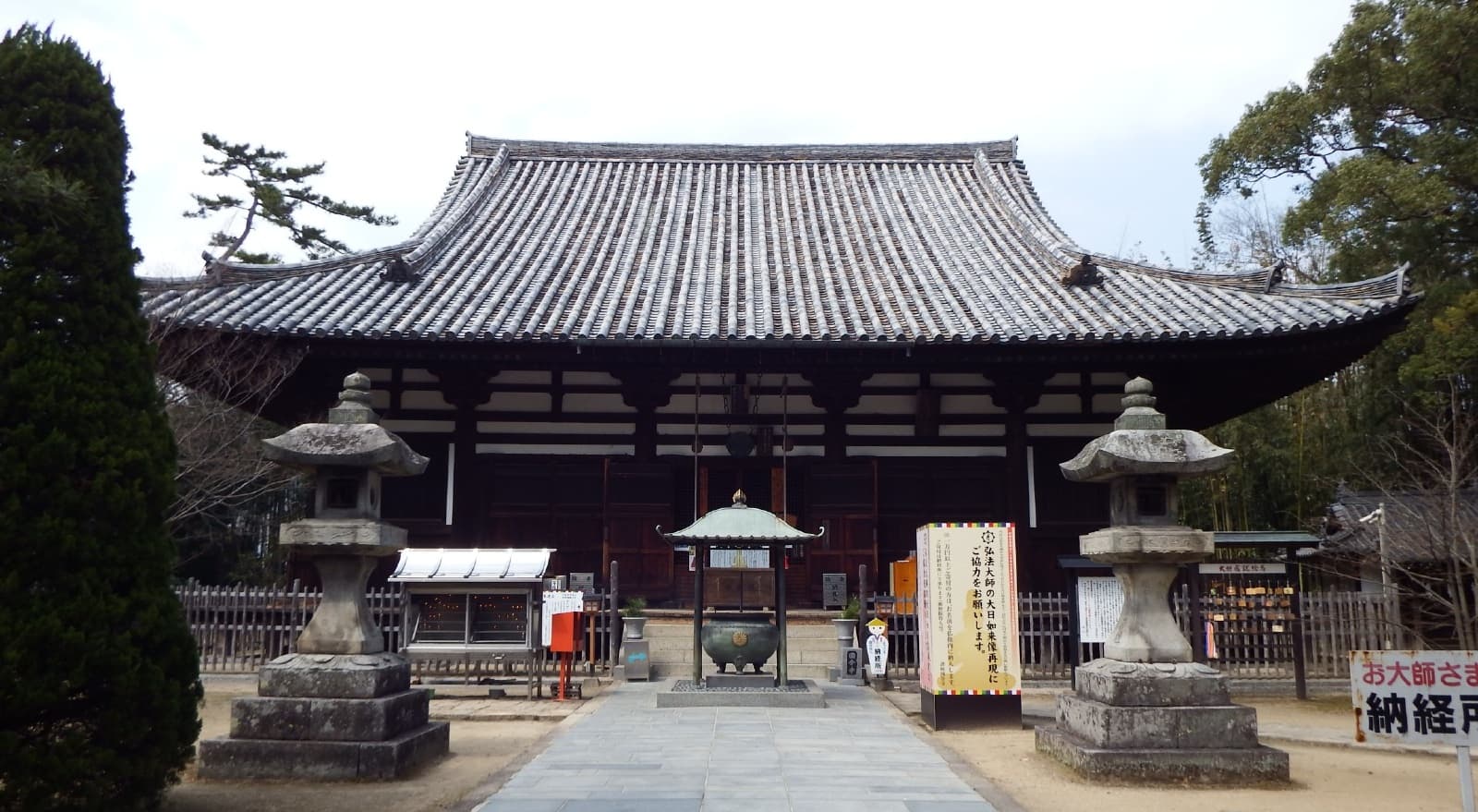
Image of Shiromine-ji (白峯寺). Image source · CC-BY-SA-3.0
Station 81 of 88
Shikoku 88 Temple PilgrimageVisit essentials
A quick read before you go
- Duration
- Sixty to ninety minutes, including a slow walk to and from the imperial mausoleum.
- Access
- By car: roughly 25–30 minutes from JR Sakaide Station via the Goshikidai Skyline.
Overview
Shiromine-ji adjoins something rare on the Shikoku route: the tomb of an emperor who died believing himself wronged. After the Hōgen Rebellion of 1156, the abdicated Emperor Sutoku was exiled to Sanuki and lived out his last years in defeat. He died in 1164. His body was bathed at the Yasoba Spring on Mt. Shiromine, cremated, and entombed in the cedar grove that now lies a short walk from the Daishi-dō.
Tradition records him as one of the Three Great Onryō of Japan — vengeful spirits whose pacification became a sustained religious project. Memorial rites for him have been held at Shiramine for centuries, and the proximity colours the whole precinct.
The temple itself is older than the mausoleum. Local tradition holds that Kūkai climbed Mt. Shiromine in 815, buried a wish-fulfilling jewel at the summit, and consecrated the mountain as a Shingon practice site. Decades later his nephew and disciple Enchin (Chishō Daishi) followed and built the formal halls. The principal image is a Senju Kannon, the Thousand-Armed Bodhisattva of compassion. Most surviving structures date to the seventeenth century, when the Takamatsu domain restored the precinct in the Edo period.
The walk to the mausoleum is the part many pilgrims remember. A cedar avenue, mossed stone steps, and the characteristic hush of a forested imperial precinct. The inner gate is administered by the Imperial Household Agency and not entered. From outside it, pilgrims bow once, in silence, and turn back.
The pairing of an imperial grief and a Kannon hall produces a meditation difficult to summarise: a vow of compassion that has held a complicated dead man for nearly nine centuries.
Why this place is sacred
What gives Shiromine-ji its weight is not a single feature but a layering: the Shingon esoteric foundation under Kūkai and Enchin; the eight-century memorial cult of Emperor Sutoku; the Edo-period restoration in dark, unpainted wood; the cedar avenue to the imperial tomb. Pilgrims who have walked the previous eighty temples often describe the precinct as one of the quietest on the route. Mist settles in the cedars in the early morning.
The bell at the entry is rung once on arrival and once on leaving.
Originally a Shingon mountain practice site established by Kūkai in 815 and developed by Enchin in the late ninth century. After 1164 the temple's purpose expanded to include memorial rites for the spirit of Emperor Sutoku.
The site moved from Shingon mountain hermitage to imperial memorial centre after Sutoku's burial. Edo-period reconstruction under the Takamatsu domain consolidated the present halls. The Imperial Household Agency took administrative responsibility for the mausoleum precinct in the modern period, separating it formally from the temple while leaving the ritual and atmospheric ties intact.
Experience and orientation
Pilgrims arrive most often by car along the Goshikidai Skyline or, less often, on foot from Kokubun-ji on the henro path. The first impression is of unpainted wood gone almost black with age, set among tall cedars that filter the light to a green dim.
Standard henro practice is followed at the Main Hall and Daishi-dō: a bow at the gate, hands and mouth purified at the chōzuya, candle and three sticks of incense lit, an osamefuda nameslip dropped, coins offered, the Heart Sutra recited, the Kōbō Daishi mantra sounded. Coastline glints between the trees from certain points along the ridge.
From the Daishi-dō, a path of stone steps and old cedars leads to the Shiramine no Misasagi, the imperial tomb of Emperor Sutoku. The path is short but feels longer. Visitors stop at the outer gate, bow, and do not pass the inner barrier. Most pilgrims describe the visit to the mausoleum as quieter than they expected and harder to leave than they planned.
The temple complex sits on a small saddle of the Goshikidai plateau. The Niō Gate opens onto a stepped approach; Main Hall and Daishi-dō are the central pair. The cedar path to the imperial mausoleum branches to the east, a few minutes' walk. Views of the Seto Inland Sea open from the ridge to the north.
Context and lineage
The founding tradition recounts Kūkai climbing Mt. Shiromine in 815 and burying a wish-fulfilling jewel — a nyoi-hōju — at the summit, consecrating the mountain as a Shingon site. His disciple Enchin (Chishō Daishi) followed and built the formal halls. After the Hōgen Rebellion of 1156, the abdicated Emperor Sutoku was exiled to Sanuki, where he died in 1164. His body was bathed at the Yasoba Spring, cremated, and entombed beside the temple.
To pacify his spirit, memorial rites became inseparable from the temple's identity, and from the late twelfth century onward Shiromine-ji functioned as both a Kannon hall and an imperial memorial site.
Shingon Buddhism (Kōyasan / Tōji esoteric tradition), with a parallel imperial-memorial dimension administered jointly by the temple and, in modern times, the Imperial Household Agency.
Kūkai (Kōbō Daishi)
Founder, esoteric consecrator
Enchin (Chishō Daishi)
Builder of the formal halls
Emperor Sutoku
Imperial enshrinee, one of the Three Great Onryō
Traditions and practice
Pilgrims follow the standard henro rite at each of the eighty-eight temples. At the Niō Gate, a bow before entering. At the chōzuya, water is poured over the left hand, then the right, then taken to rinse the mouth. At the Main Hall and the Daishi-dō, a candle is lit at the front of the candle-stand, three sticks of incense placed in the censer, a coin dropped, an osamefuda nameslip deposited, and the Heart Sutra (Hannya Shingyō) recited.
The Senju Kannon mantra (On bazara taramaki riku) is chanted at the Main Hall and the Kōbō Daishi mantra (Namu Daishi Henjō Kongō) at the Daishi-dō. After the rites, pilgrims receive the nōkyō calligraphy stamp at the temple office.
Daily Shingon liturgy continues at the temple. Memorial services for Emperor Sutoku are held annually. The Imperial Household Agency maintains the mausoleum precinct itself; the temple does not enter it.
If you arrive in the early morning, walk the full circuit of the precinct before chanting at the halls. The cedar avenue to Sutoku's tomb is best approached in silence, with whatever recollection feels honest about exile, defeat, or grief that has not been resolved. Pilgrims often pause at the outer gate of the mausoleum simply to listen.
Shingon Buddhism
ActiveFounded within the Shingon esoteric tradition through Kūkai's burial of a wish-fulfilling jewel on Mt. Shiromine in 815 CE. A member temple of the Shikoku 88.
Daily sutra services, esoteric rituals at the Daishi-dō, calligraphy stamps issued at the nōkyō office, pilgrim chanting of the Heart Sutra and Kōmyō Shingon mantra at the Main Hall and Daishi-dō.
Imperial / Goryō pacification cult of Emperor Sutoku
ActiveThe temple is bound to the memorial cult of Emperor Sutoku, exiled to Sanuki after the Hōgen Rebellion of 1156 and feared as one of Japan's Three Great Onryō. Memorial rites for him have been performed at Shiramine for centuries.
Imperial Household Agency-managed mausoleum visits; occasional state and temple memorial services.
Perspectives and open questions
Shiromine-ji is read in several registers — as a Shingon mountain temple, as a memorial centre for an exiled emperor, and as a layered Edo-period institution.
Scholarly perspective
Historians treat Shiromine-ji as a layered site: a ninth-century Shingon mountain temple in the Kūkai-Enchin lineage, recast in the late twelfth century as a memorial centre for the goryō (angry spirit) of Emperor Sutoku, and consolidated in its current Edo-period form under Takamatsu domain patronage.
Living and traditional perspectives
Local Sanuki tradition treats the entire Goshikidai plateau as an old sacred mountain landscape — one of Kūkai's tutelary ranges — with Shiromine, Negoro and Aomine as a triad of practice peaks.
Alternative interpretations
Within Shingon esoteric reading, the buried wish-fulfilling jewel at Mt. Shiromine functions as a dharmadhātu axis: the mountain itself becomes a relic of the cosmic Buddha Mahāvairocana. In this frame, Sutoku's onryō is gradually transformed, through ritual recitation, from vengeful spirit to protective deity.
Open questions
The exact location of the original buried wish-fulfilling jewel is undocumented. The political and religious motivations behind the rapid imperial enshrinement of Sutoku — whether genuine fear of curse, dynastic atonement, or both — remain debated.
Plan your visit
Access and arrival
By car: roughly 25–30 minutes from JR Sakaide Station via the Goshikidai Skyline. There is no regular public-transport access; pilgrims drive, taxi from Sakaide, or walk the henro path from Temple 80 (Kokubun-ji), a hilly 6.5 km. Combined visits with Negoro-ji along the Goshikidai ridge are common.
Most pilgrims stay in Sakaide or central Takamatsu. There is no shukubō (temple lodging) at Shiromine-ji.
Respectful visit
Modest dress. Pilgrims commonly wear the white hakui pilgrim vest, the wagesa sash, and the conical sugegasa hat. Hats and sunglasses are removed before the halls.
Permitted in the temple grounds. Restricted at the inner gate of the imperial mausoleum and during services. No flash inside the halls.
Incense, candles, coins, osamefuda, and rice are typical. Nōkyō fee is conventionally ¥500 per book.
Do not pass beyond the inner mausoleum gate. Do not touch statuary or rub gold leaf. Avoid loud conversation in the cedar avenue.
Do not pass beyond the inner gate of the imperial mausoleum. Speak quietly in the cedar avenue. The tomb is a place of state-administered reverence as well as of religious devotion; both registers are real.
Current practical details
Address
2635 Oumichō, Sakaide, Kagawa 762-0016, Japan
Phone
Hours
Hours, fees, and access can change — verify on the official source before you travel. Practical details last checked Jun 2026.
Location
Map loads as you approach this section.
Pilgrim reflections
A portrait of encounter, not a score
Pilgrims describe what they felt, how present they could become, and whether the place would shape a journey. There are no stars and no ranking of traditions.
No reviewed reflections yet
The first pilgrims can help describe the character of being here.
Share a reflection
Available after an account-backed “Been there.” Every reflection is reviewed before publication.
Watch deeper
Films, episodes, and recorded talks for visitors who want more context before or after a visit. Speculative and alternative-history entries are labelled as perspectives, not as sources for established claims.
Nearby sacred places
Explore other sacred places in the region. Proximity does not establish access or travel time; check each place’s guidance.

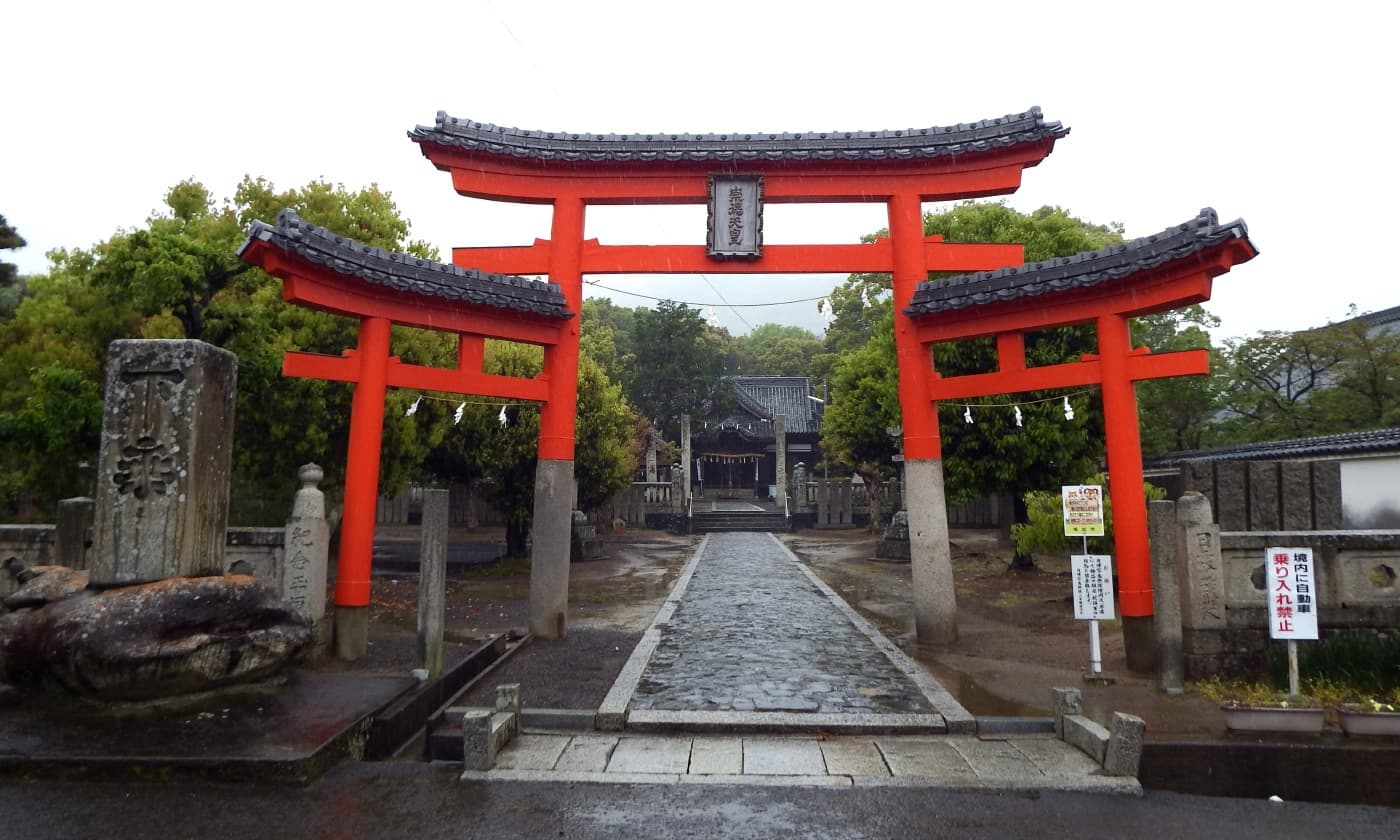

References
Sources consulted for this page. Source categories describe the publication, not a guarantee that every claim is verified. Traditional accounts and outside interpretations may differ.
- 01The 81st Temple Shiromineji Temple | Shikoku Henro pilgrimage — Sanuki History & Culture Guide (rekinabi-sanuki.net)guideLocal Kagawa government-affiliated cultural guide; covers founding by Kūkai (815) and Enchin's later building work, plus Emperor Sutoku context
- 02Ryoshozan Dorinin Shiromineji – Shikoku 88 Temple Pilgrimage — Shikoku 88 Temple Pilgrimage Reizōkai (88shikokuhenro.jp)officialOfficial pilgrimage association site
- 03Shiromineji Temple and Shiromine Imperial Mausoleum — Sakaide City TourismofficialCity tourism office; covers imperial mausoleum and access
- 04Shiromineji – Sakaide, Kagawa Prefecture — Henro.org (David Turkington)guideLong-respected English-language pilgrimage reference
- 05Customs and Etiquette of the Shikoku Pilgrimage — Henro.orgguidePilgrim ritual and etiquette reference
- 06Emperor Sutoku — WikipediaencyclopediaBackground on Sutoku as one of Japan's Three Great Onryō, exiled to Sanuki, buried at Shiramine
- 07Temple 81, Shiromine-ji — Japan AdventurerguideTravel-blog-style overview of buildings and atmosphere
Pilgrim glossary
- Kannon
- The bodhisattva of compassion, central to many East Asian pilgrimage routes.
- Bodhisattva
- An enlightened being who postpones full nirvana to help others toward awakening.
- Sutra
- A canonical Buddhist scripture, often chanted as part of practice.
- Mantra
- A sound, word, or phrase repeated as part of meditation or ritual.
- Shingon
- An esoteric Japanese Buddhist school emphasizing ritual, mantra, and mandala practice.
Share a photo
Help visitors recognize Shiromine-ji. Every submission is reviewed before publication.