Tradition guide
Korean Buddhism
Korean Buddhism sites connect places through shared lineage, practice, story, and pilgrimage across the global atlas.
36 sacred places share this lineage. Use the country links to narrow in.
Atlas summary
Korean Buddhism sacred sites overview
Korean Buddhism sacred sites connect places through shared lineage, ritual use, memory, and pilgrimage practice across the Pilgrim Map atlas.
Use this page to compare country clusters, common place types, UNESCO-tagged landmarks, and the map distribution before exploring individual site pages.
| Coverage | 36 Korean Buddhism sacred places in the current atlas. |
|---|---|
| Country clusters | |
| UNESCO heritage | 7 UNESCO-tagged Korean Buddhism sites appear in this browse view. |
By country
Refine the atlas
Related Korean Buddhism guides
Showing 1-36 of 36 sites in this tradition guide
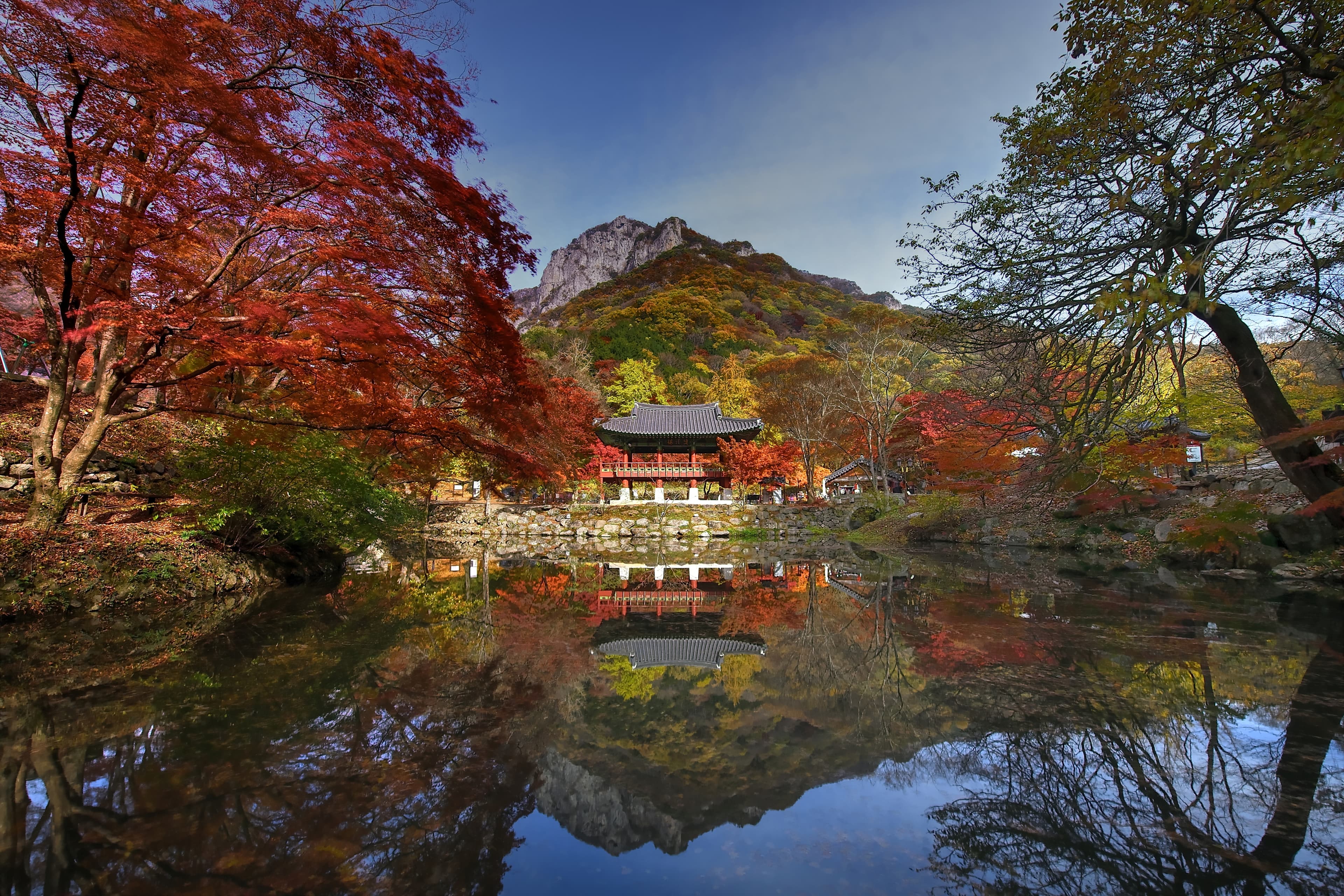
Baegyangsa Temple
Jangseong-gun, Jeollanam-do, South Korea
Baegyangsa’s public image often begins with Ssanggyeru Pavilion mirrored in a pond beneath Baegamsan cliffs....
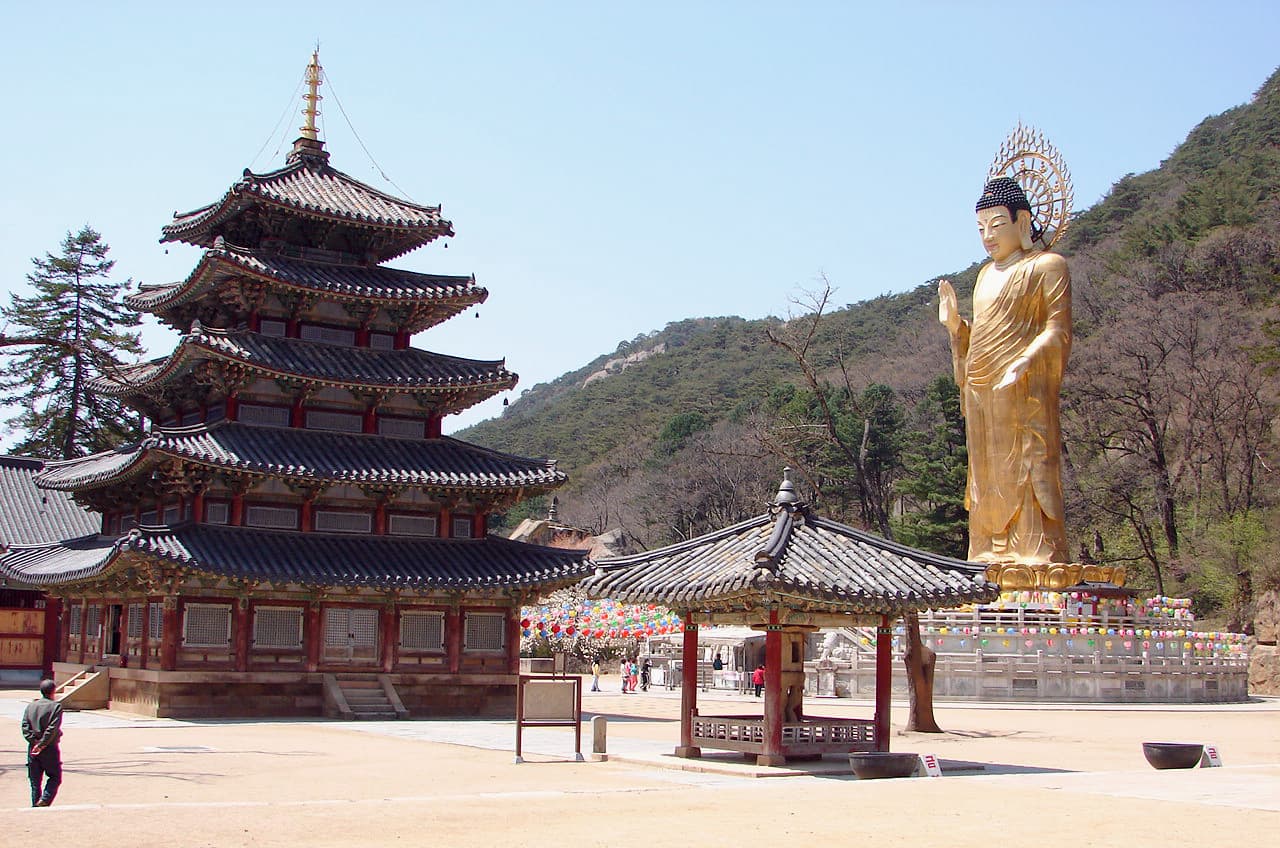
Beopjusa Temple
Boeun-gun, Chungcheongbuk-do, South Korea
Beopjusa Temple occupies a broad monastic precinct beneath Songnisan's peaks. Its living Buddhist community, Maitreya devotion, Palsangjeon wooden pagoda, and protected...
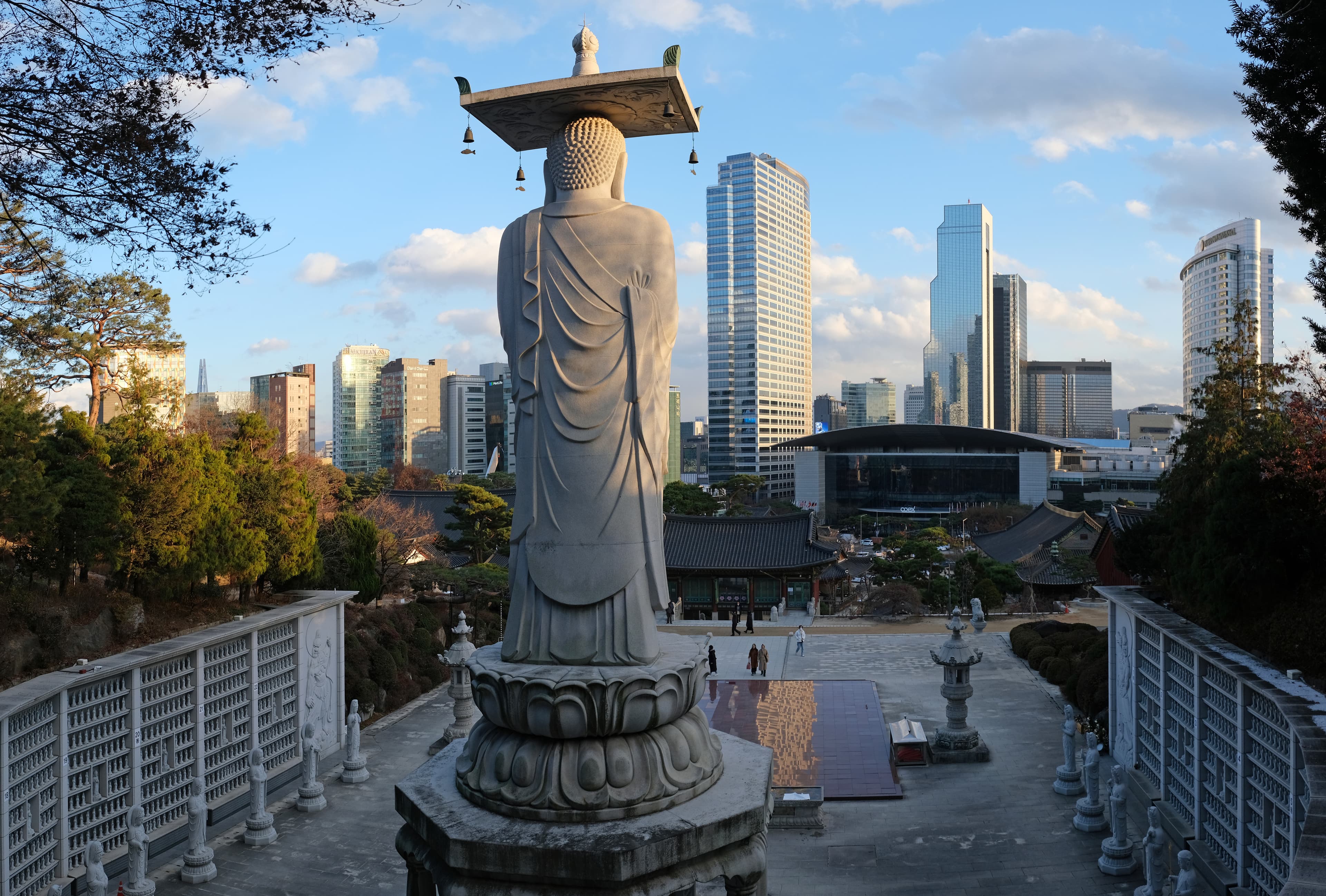
Bongeunsa Temple
Seoul, Seoul, South Korea
Bongeunsa faces one of Seoul’s most intensely commercial districts, but its identity is not simply “calm beside skyscrapers.” The temple preserves worship, a major...

Bongjeongsa Temple
Andong, Gyeongsangbuk-do, South Korea
Bongjeongsa rests below Mount Cheondeung near Andong, its compact courts holding both monastic life and some of Korea’s earliest surviving wooden architecture....
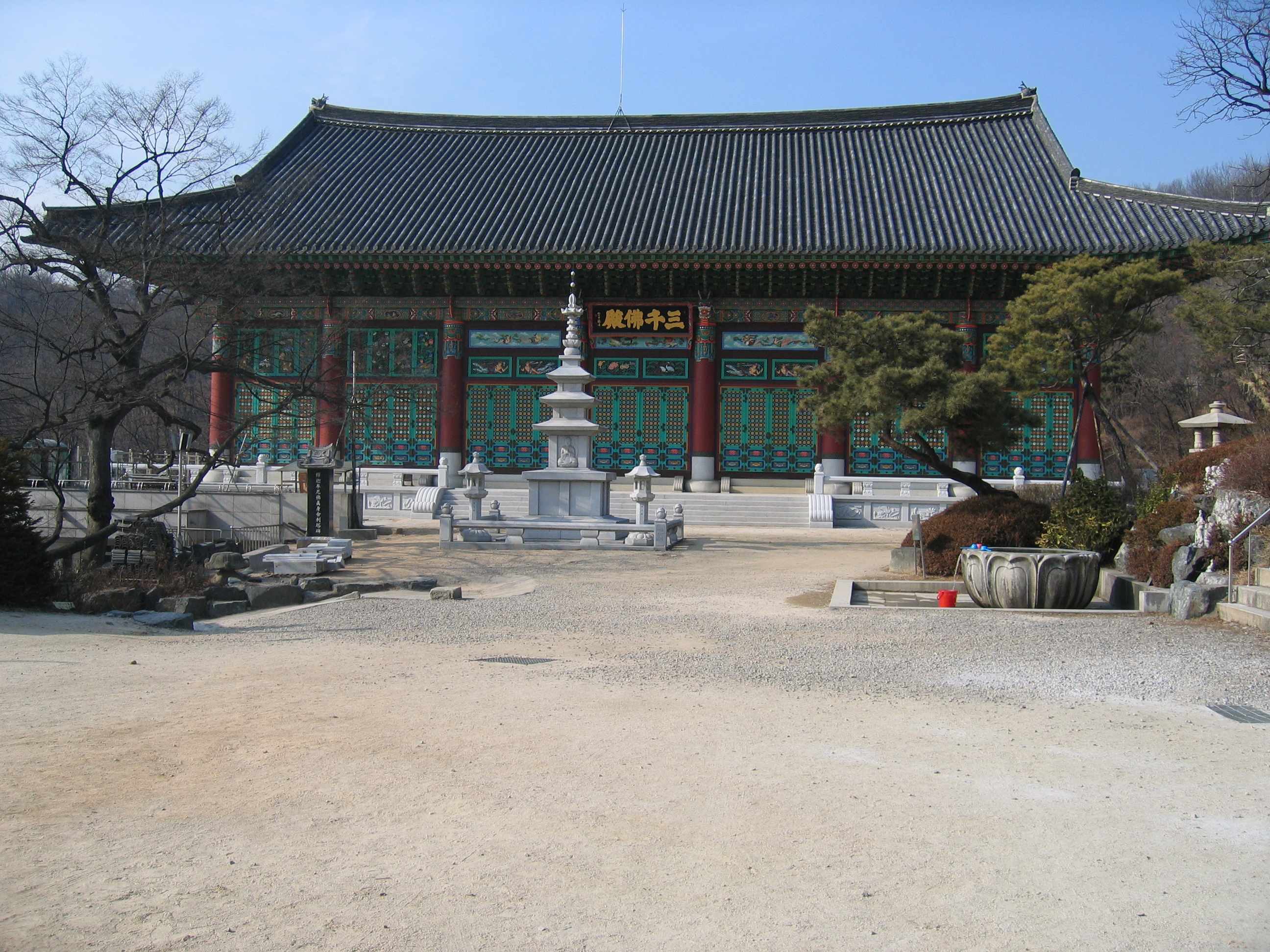
Bongwonsa Temple
Seoul, Seoul, South Korea
Bongwonsa rests on Ansan’s slope above western Seoul and serves as a center of the Taego Order....
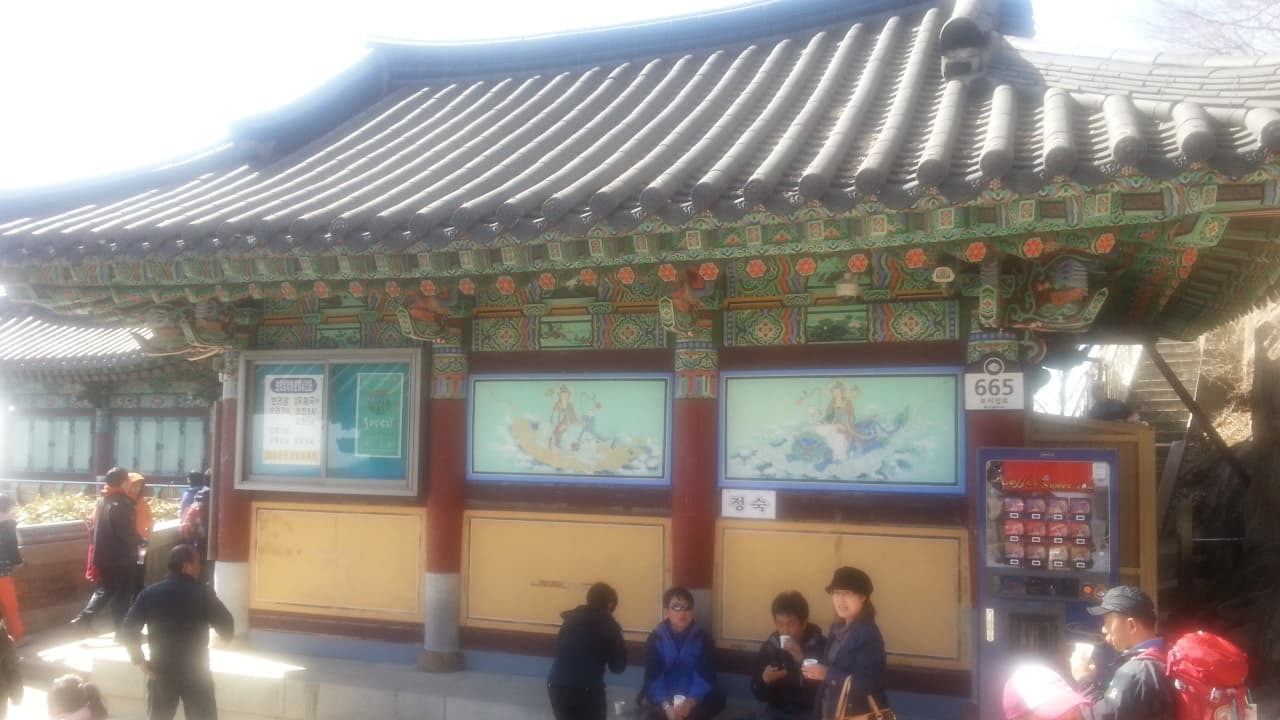
Boriam Hermitage
Namhae, Gyeongsangnam-do, South Korea
Boriam clings high on Geumsan above the islands and channels of Namhae. Its sacred identity is specific: Korean sources place it among the country’s foremost Gwaneum...

Buseoksa Temple
Yeongju, Gyeongsangbuk-do, South Korea
Buseoksa Temple rises in measured terraces on Bonghwangsan above Yeongju. Founded in the Silla period and closely associated with the monk Uisang, the active monastery...
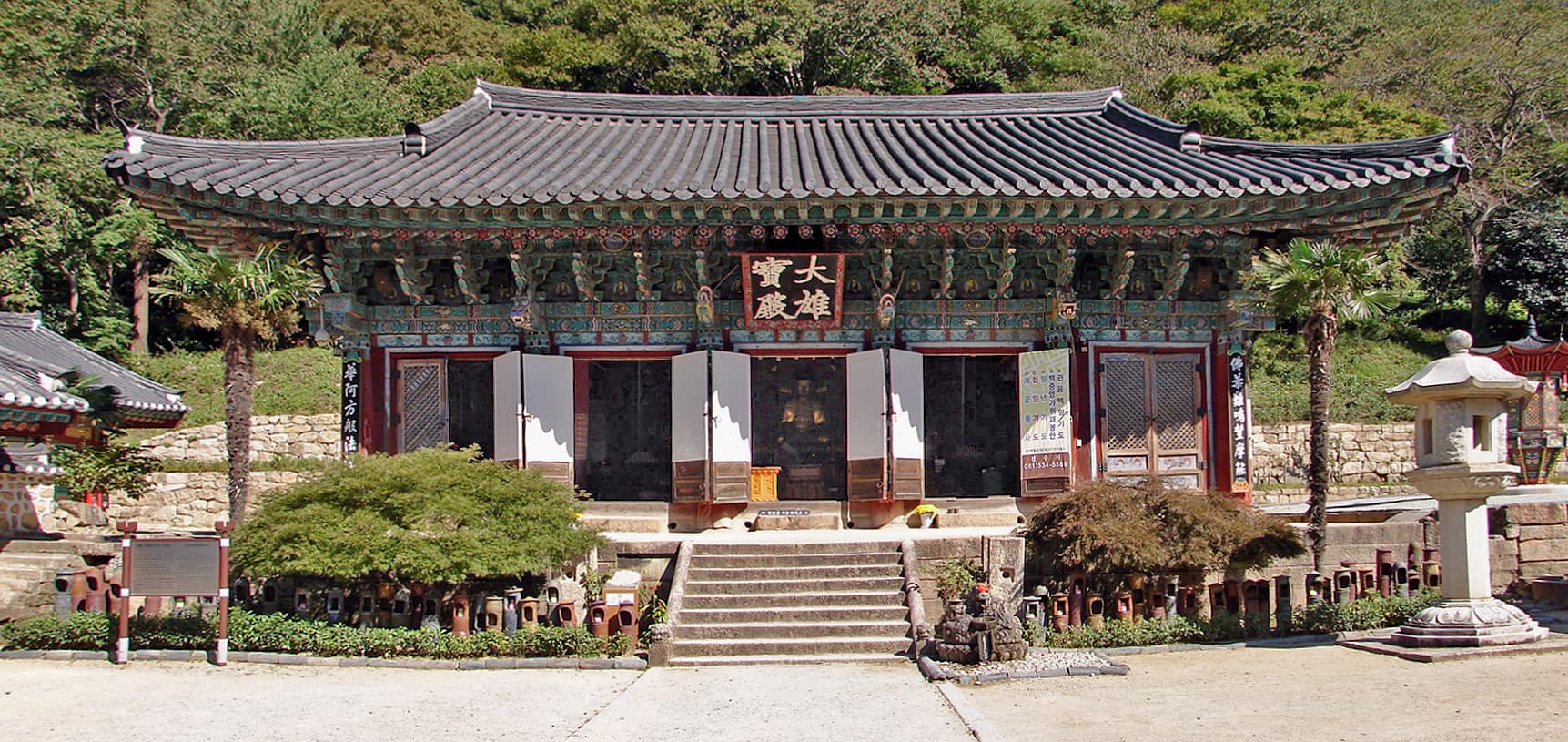
Daeheungsa Temple
Haenam, Jeollanam-do, South Korea
Daeheungsa spreads across a broad basin on Duryunsan rather than gathering into one tight axis....
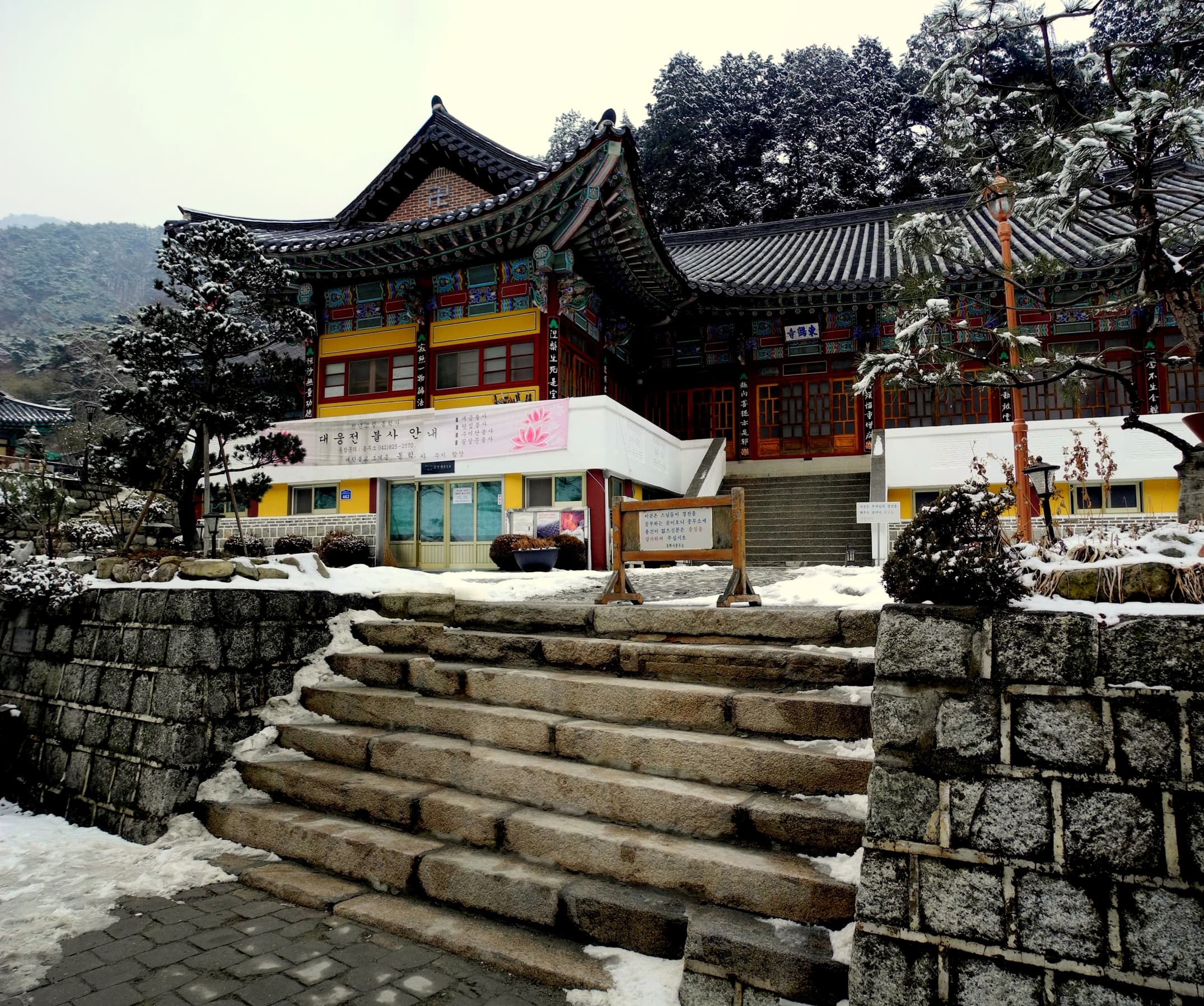
Donghaksa Temple
Gongju, Chungcheongnam-do, South Korea
Donghaksa’s spring approach can be crowded beneath a three-kilometre tunnel of cherry blossom, but the monastery’s deeper distinction is not seasonal....
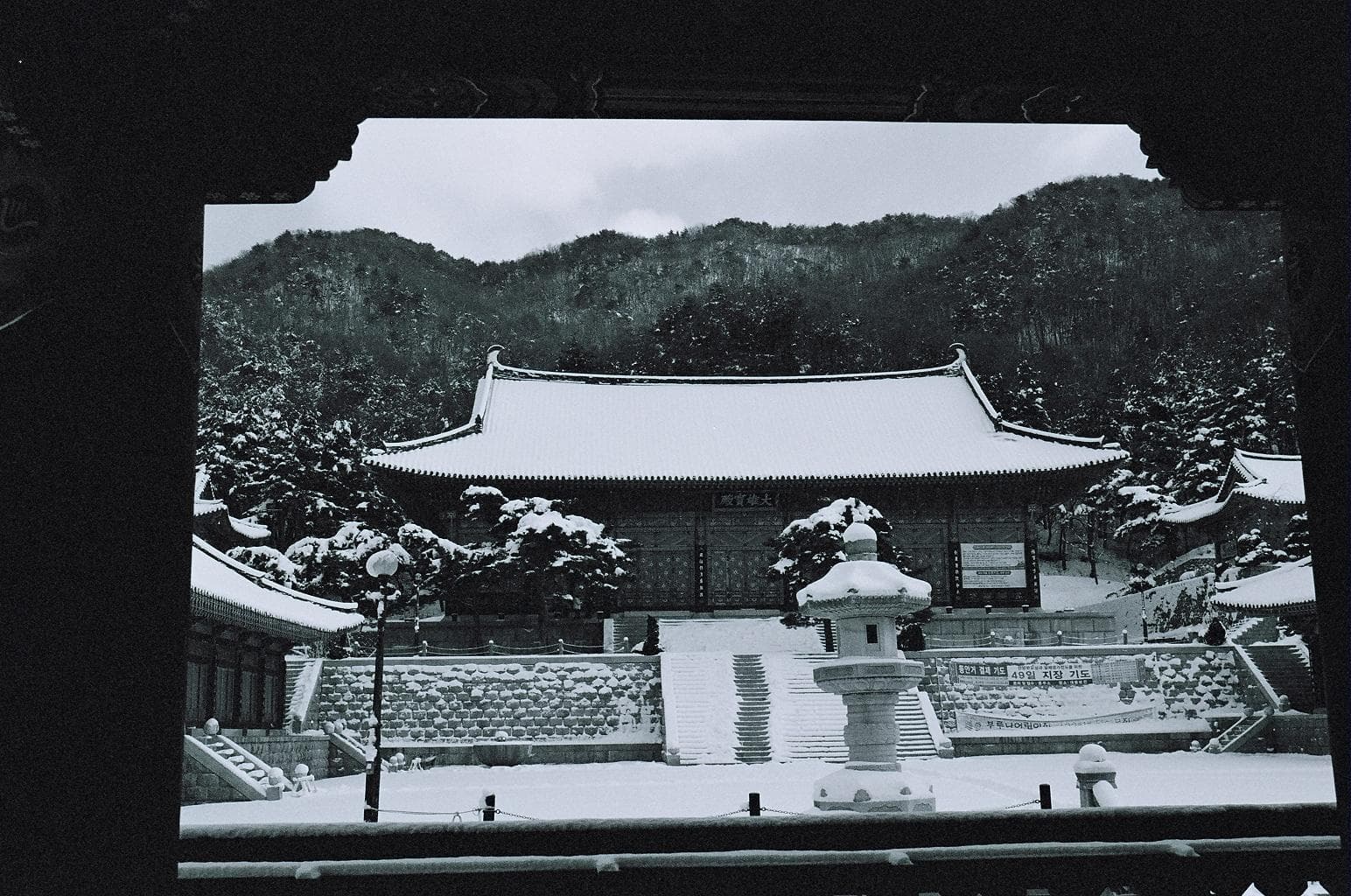
Gakwonsa Temple
Cheonan, Chungcheongnam-do, South Korea
Gakwonsa is a modern Buddhist temple on Taejosan, best known for a vast seated bronze Amitabha Buddha. The image is not simply a large tourist object....
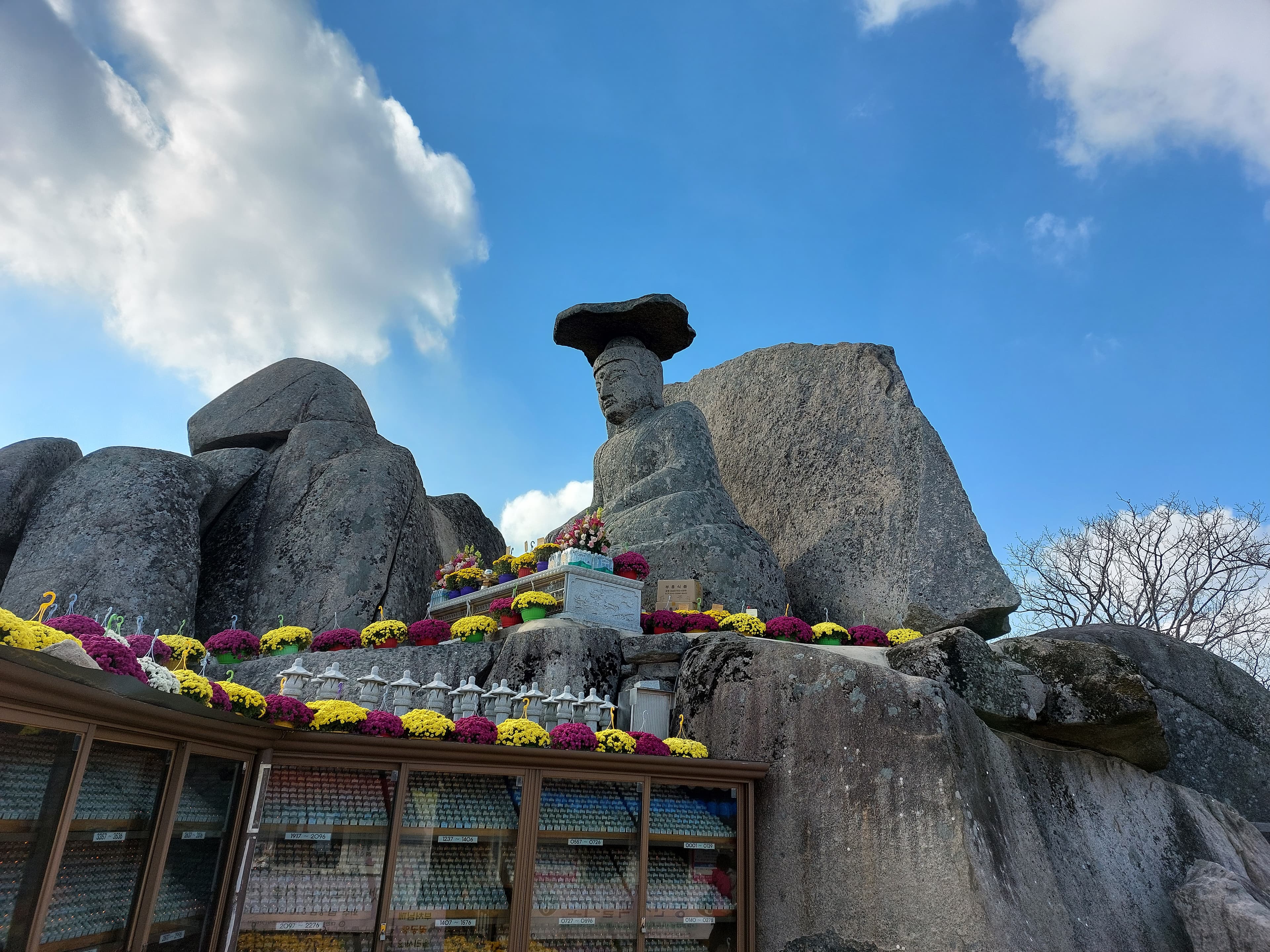
Gatbawi Buddha
Daegu, Gyeongsangbuk-do, South Korea
Gatbawi is the stone seated Buddha on Gwanbong, a Palgongsan summit associated with Seonbonsa....
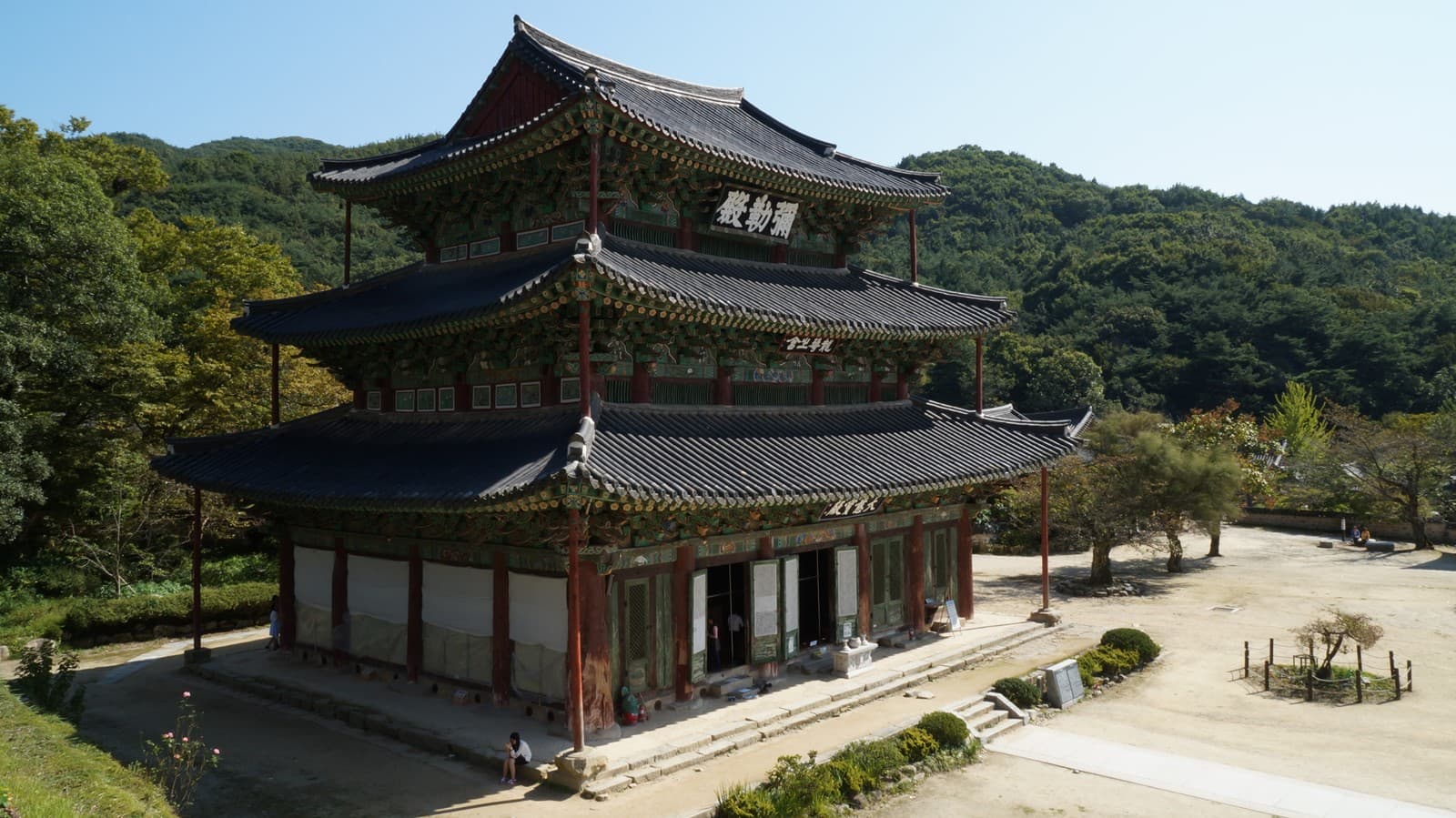
Geumsansa Temple
Gimje, Jeollabuk-do, South Korea
Geumsansa’s Mireukjeon is read upward. Its three exterior stories enclose one soaring interior centered on a standing Maitreya image....
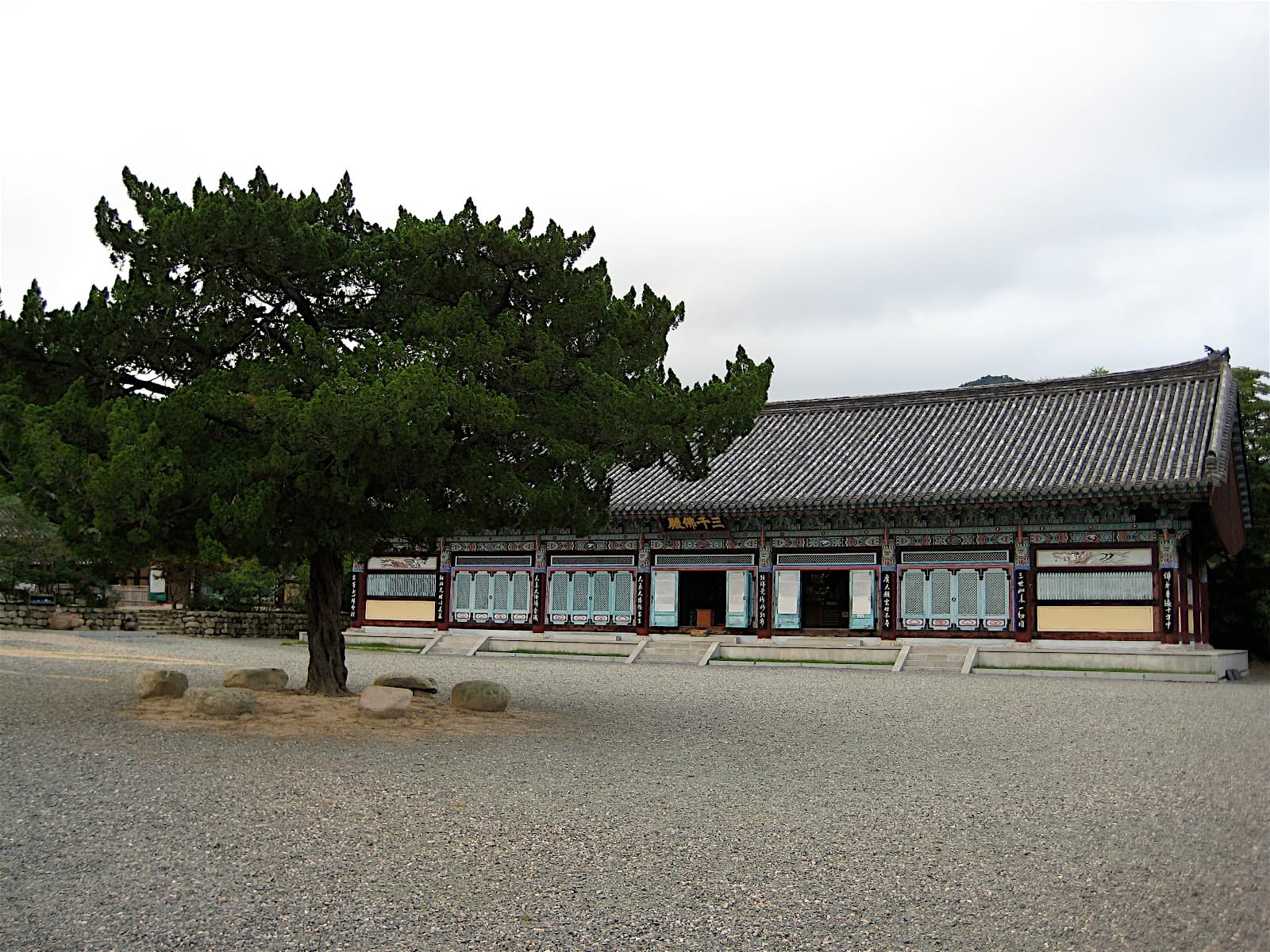
Girimsa Temple
Gyeongju, Gyeongsangbuk-do, South Korea
Girimsa opens into two different centers. Daejeokgwangjeon houses Vairocana, the Buddha associated with all-pervading illumination, while another court gathers a mature...
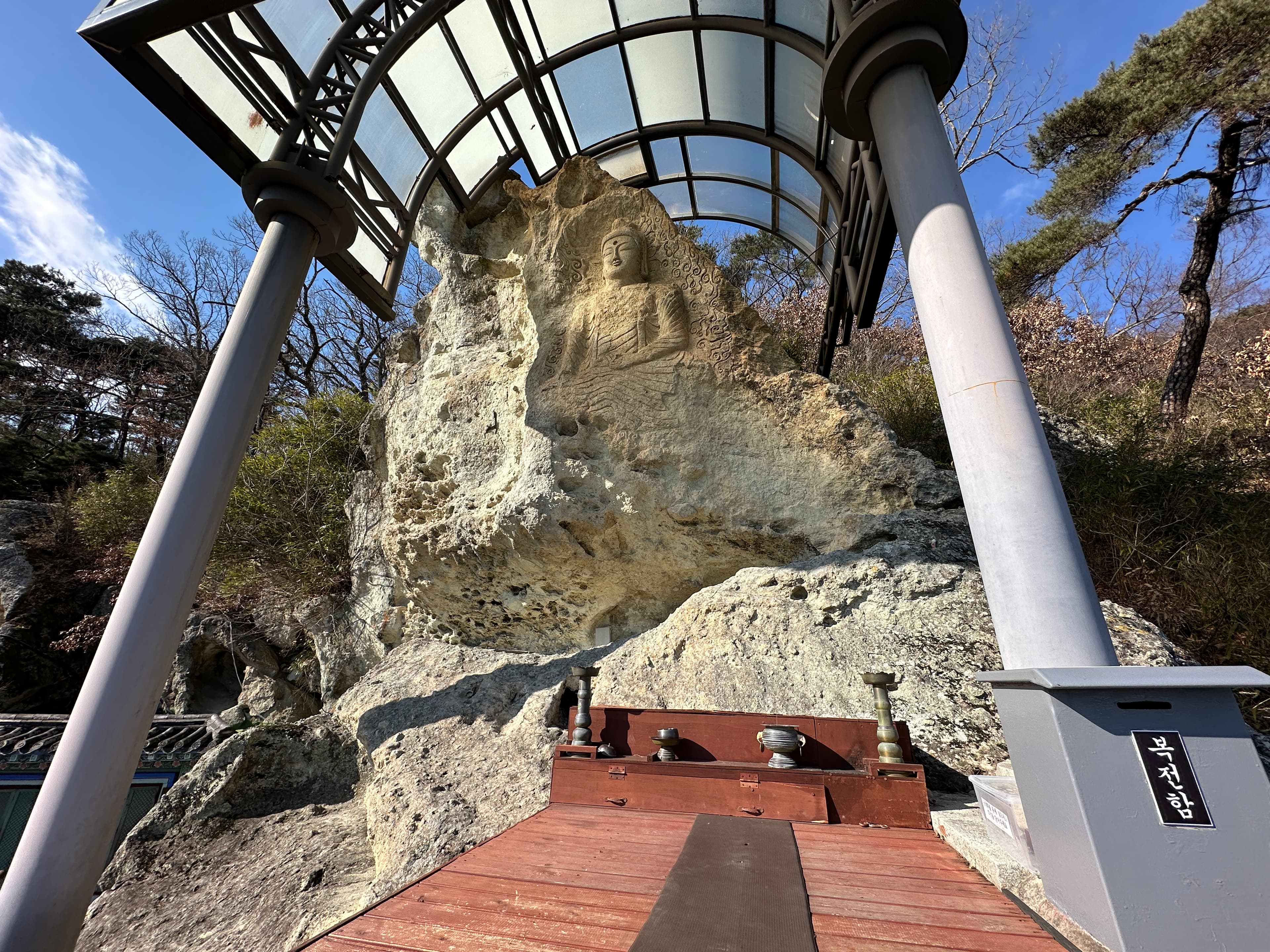
Golgulsa Temple
Gyeongju, Gyeongsangbuk-do, South Korea
Golgulsa is a living Jogye Buddhist temple built around a tuff cliff pierced by small cave halls....
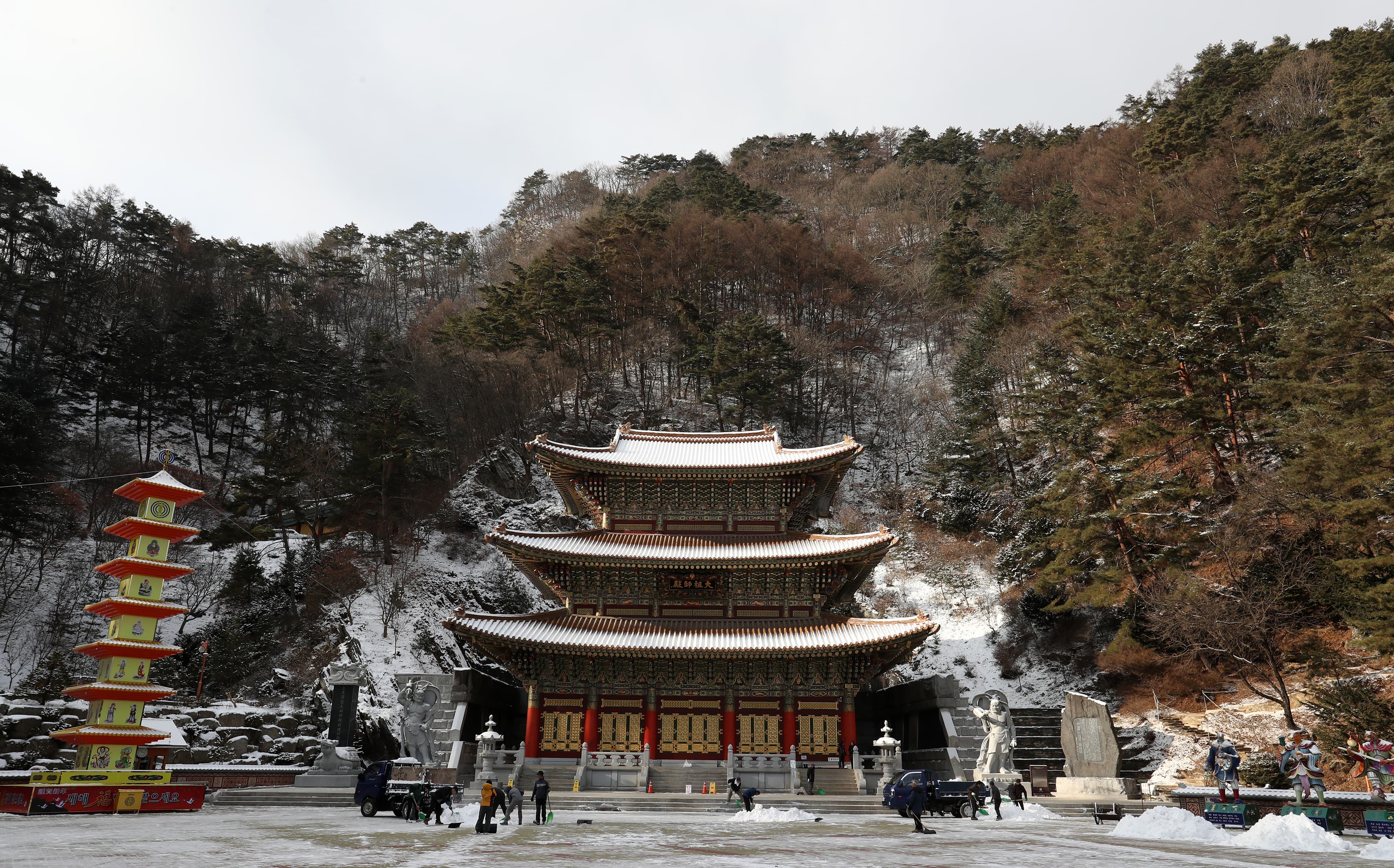
Guinsa Temple
Danyang-gun, Chungcheongbuk-do, South Korea
Guinsa does not present the weathered scale many visitors expect from a Korean mountain temple....
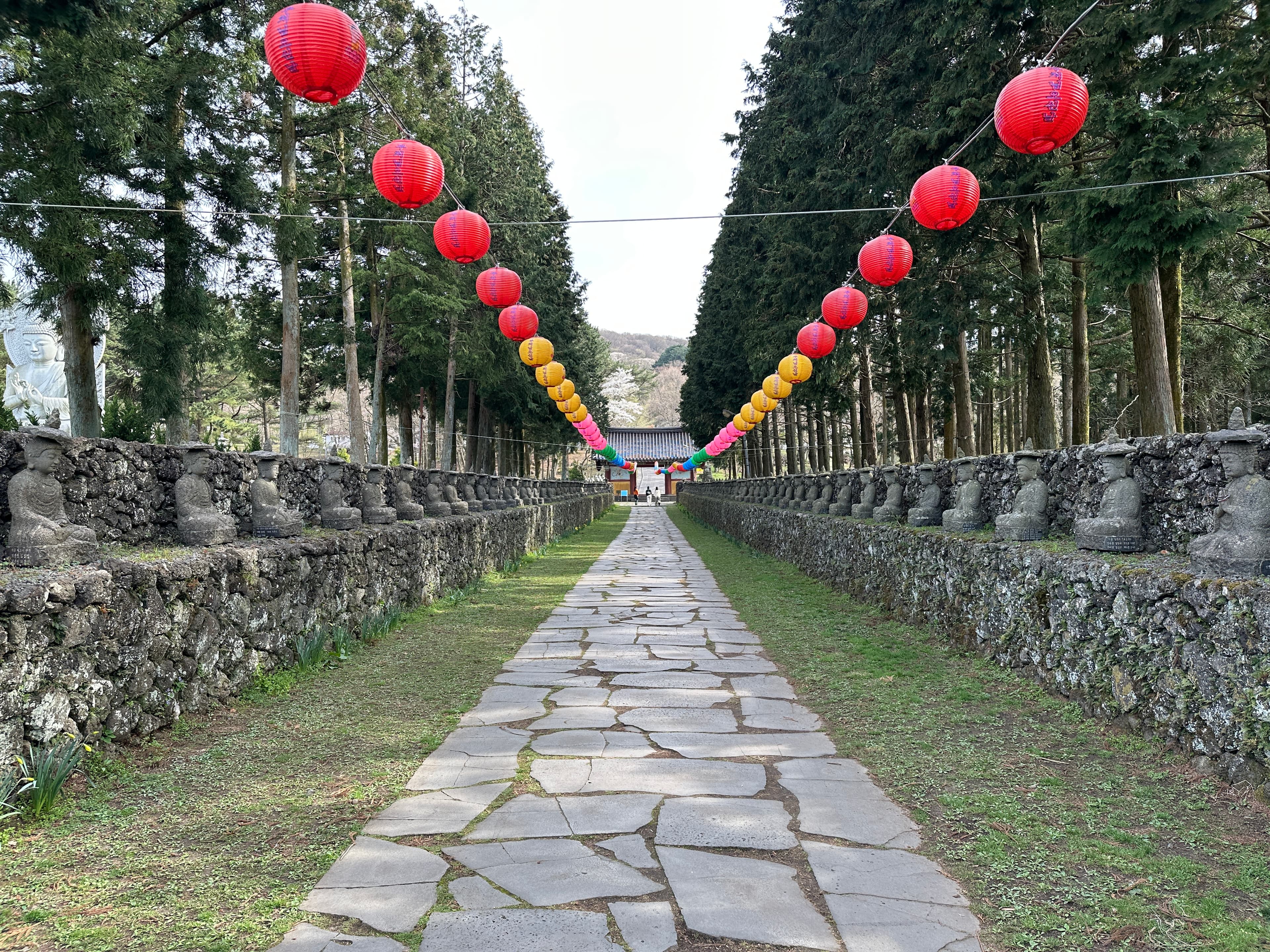
Gwaneumsa Temple
Cheju, Jeju-do, South Korea
Gwaneumsa is the principal temple of the Jogye Order’s twenty-third district on Jeju, set on Hallasan’s northern side rather than in the island’s urban core....
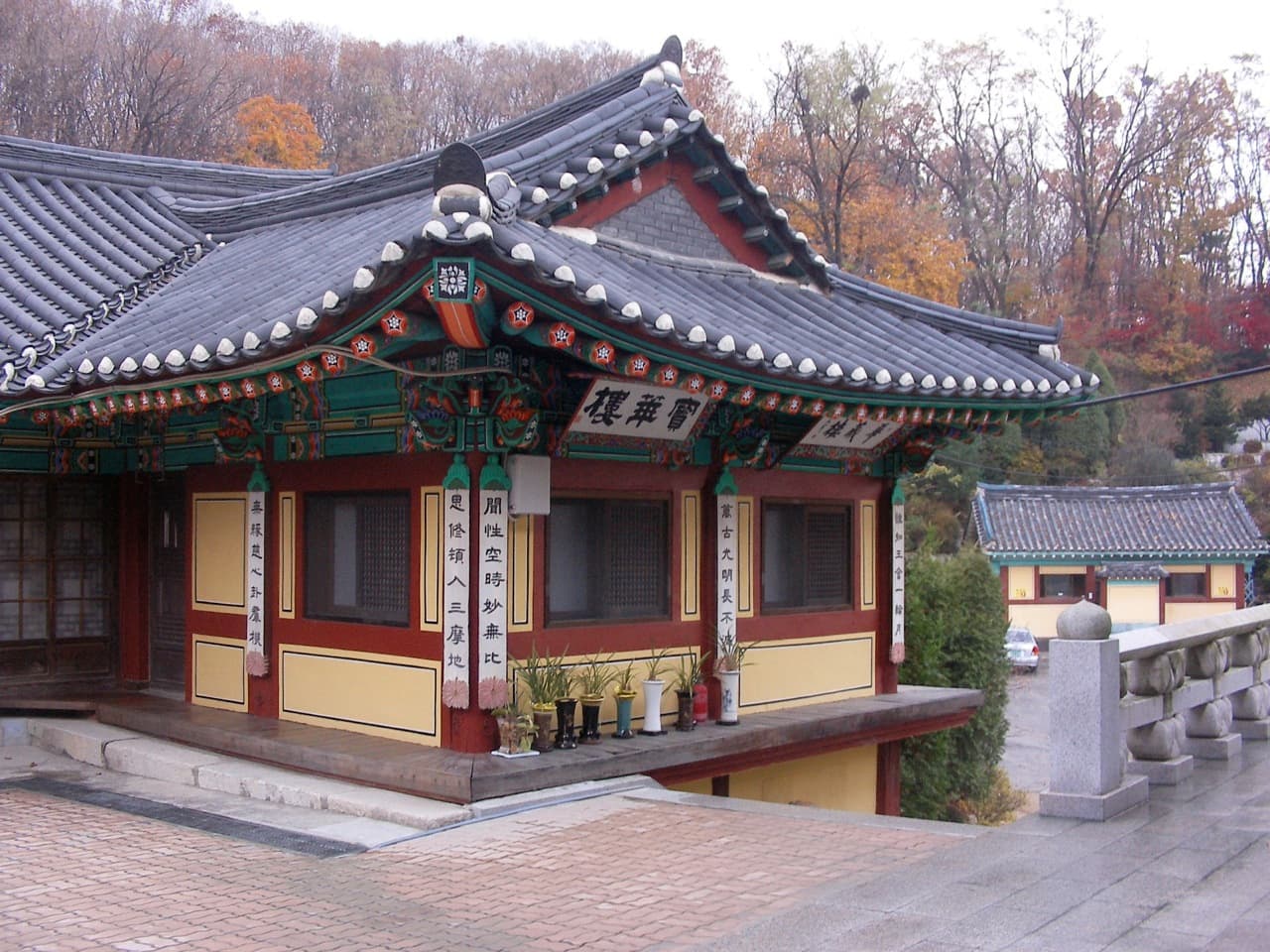
Hwagyesa Temple
Seoul, Seoul, South Korea
Hwagyesa occupies a wooded fold of Samgaksan on Seoul’s northern edge. Its current halls belong to a history of fire, immediate rebuilding, and later expansion, not to...

Jeondeungsa Temple
Ganghwa-gun, Incheon, South Korea
Jeondeungsa Temple is an active Korean Buddhist community inside Ganghwa's Samnangseong walls....
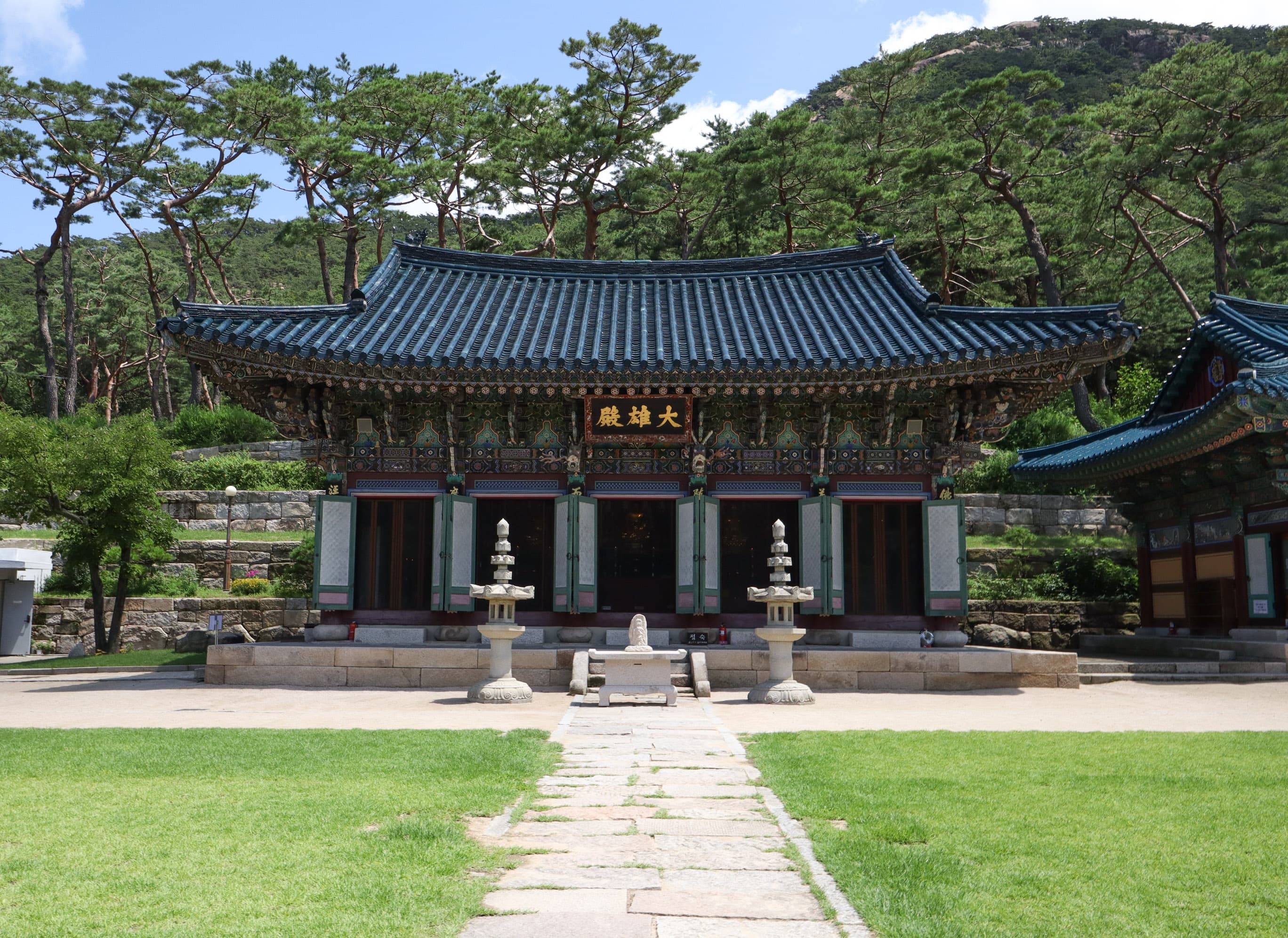
Jingwansa Temple
Seoul, Seoul, South Korea
Jingwansa stands where Seoul meets Bukhansan, but its sacred character is more specific than mountain quiet....
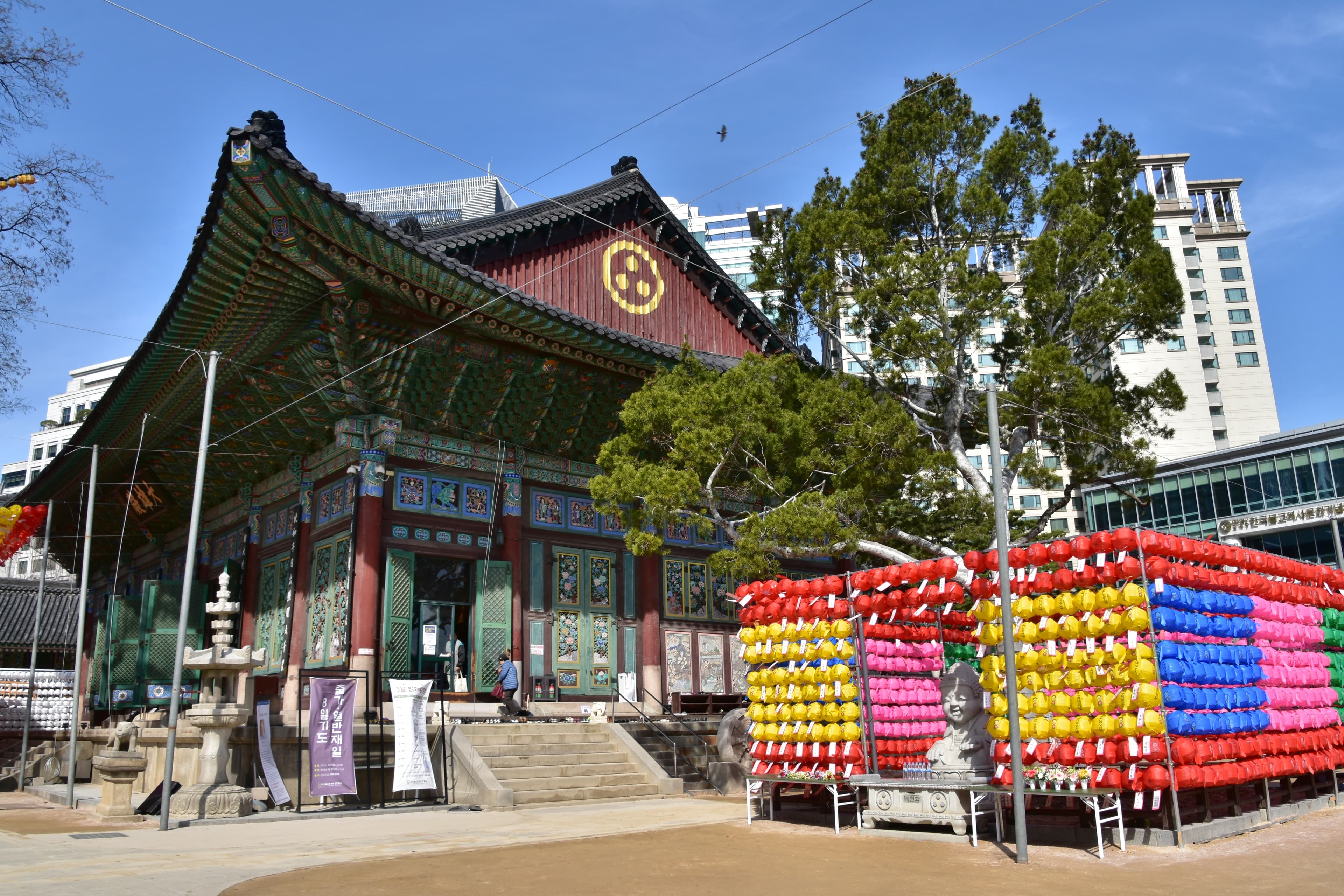
Jogyesa Temple
Seoul, Seoul, South Korea
Jogyesa sits among offices, traffic, shops, and civic life, yet it is not a retreat from the city....
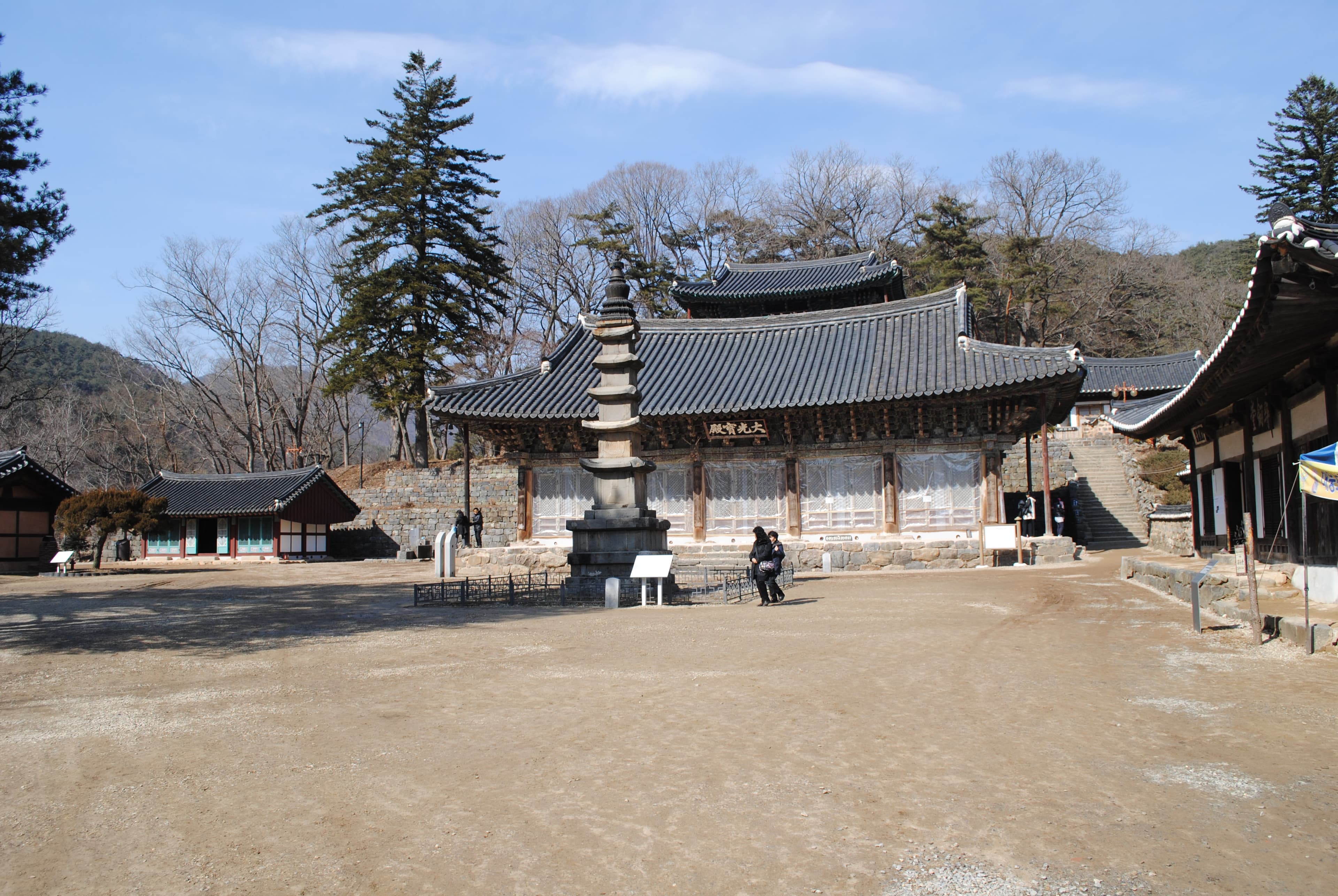
Magoksa Temple
Gongju, Chungcheongnam-do, South Korea
At Magoksa, Taegeukcheon bends through a wooded valley before the halls rise on Taehwasan....

Mihwangsa Temple
Haenam, Jeollanam-do, South Korea
Mihwangsa Temple is an active southern Buddhist precinct set against Dalmasan in Haenam....
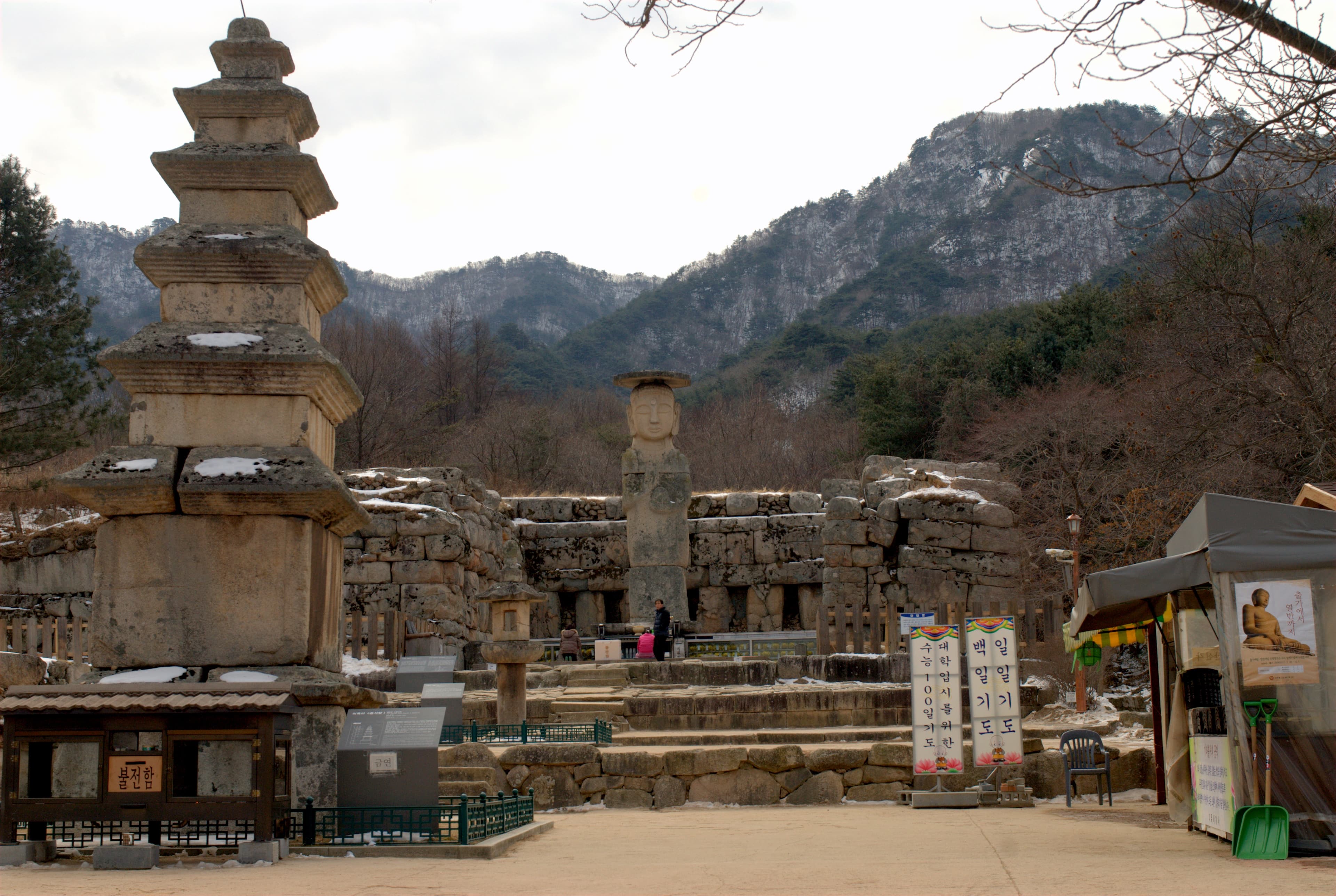
Mireuk-ri Temple Site
Cheongju, Chungcheongbuk-do, South Korea
Mireuk-ri Temple Site, officially Chungju Mireukdaewonji, preserves a Goryeo Buddhist complex in the Haneuljae basin....
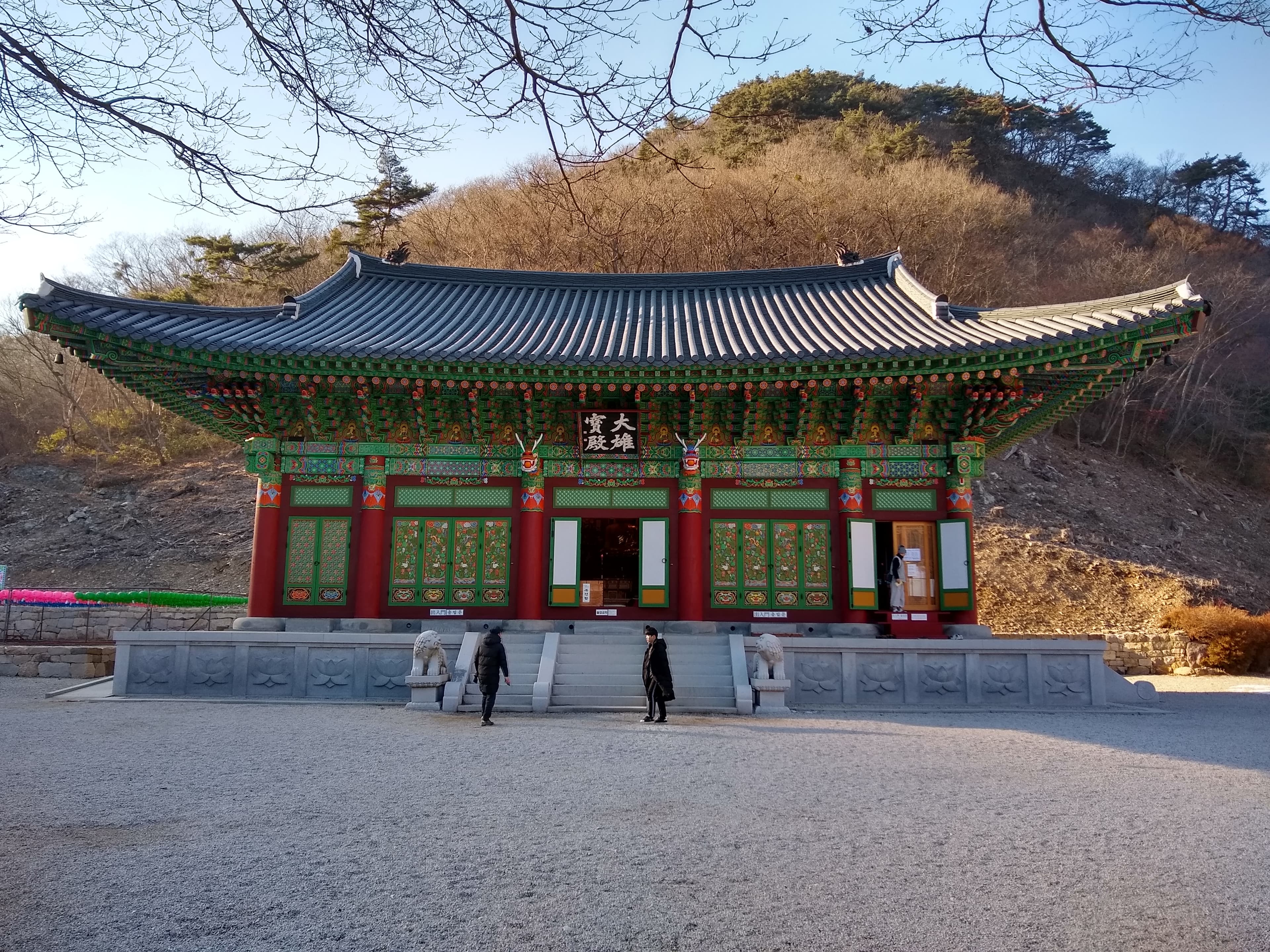
Naejangsa Temple
Jeongeup, Jeollabuk-do, South Korea
Naejangsa is famous when maples turn, but its strongest historical fact is not seasonal color....
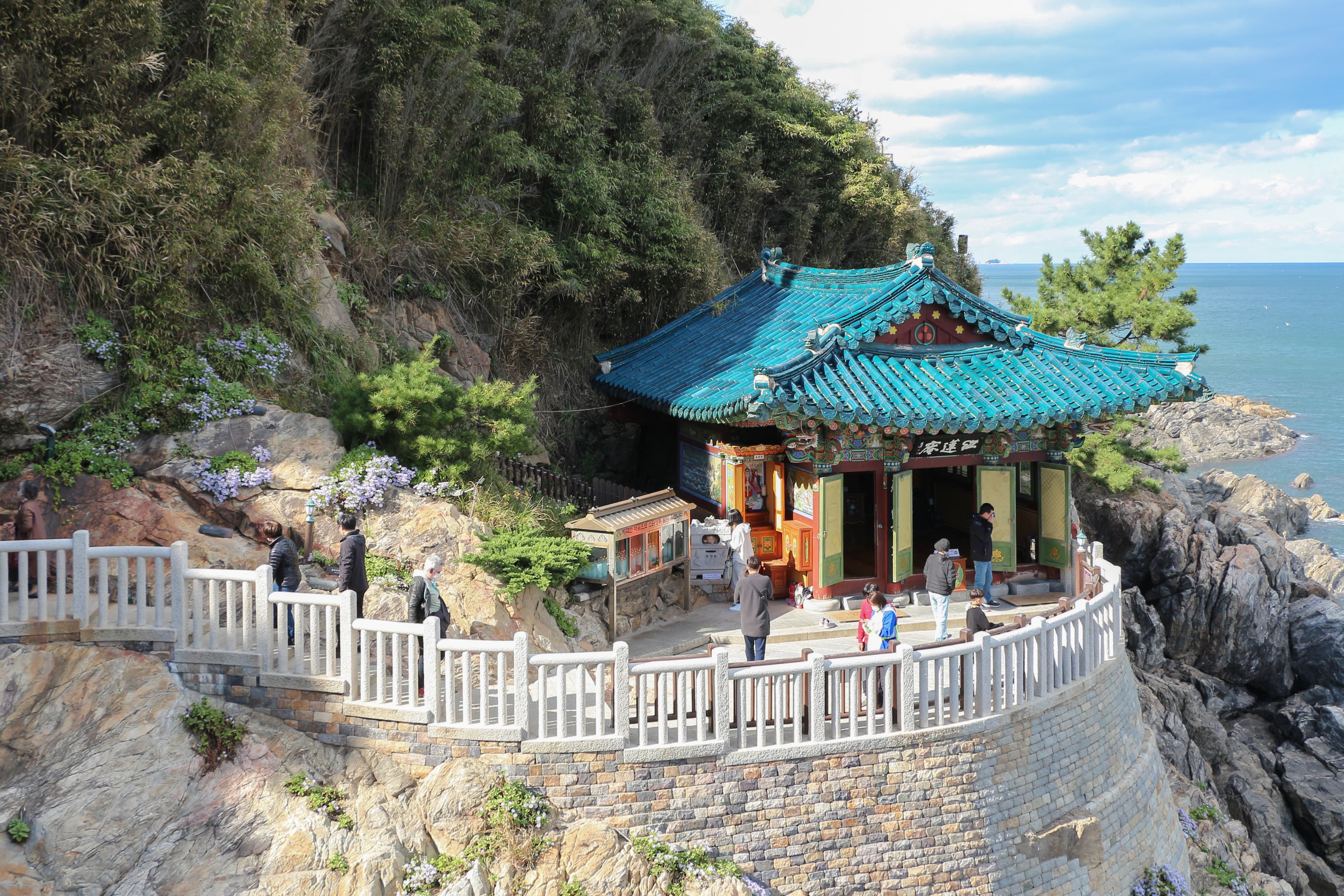
Naksansa Temple
Yangyang, Gangwon-do, South Korea
Naksansa faces the East Sea from a coastal slope where Avalokitesvara devotion has been cultivated for centuries....
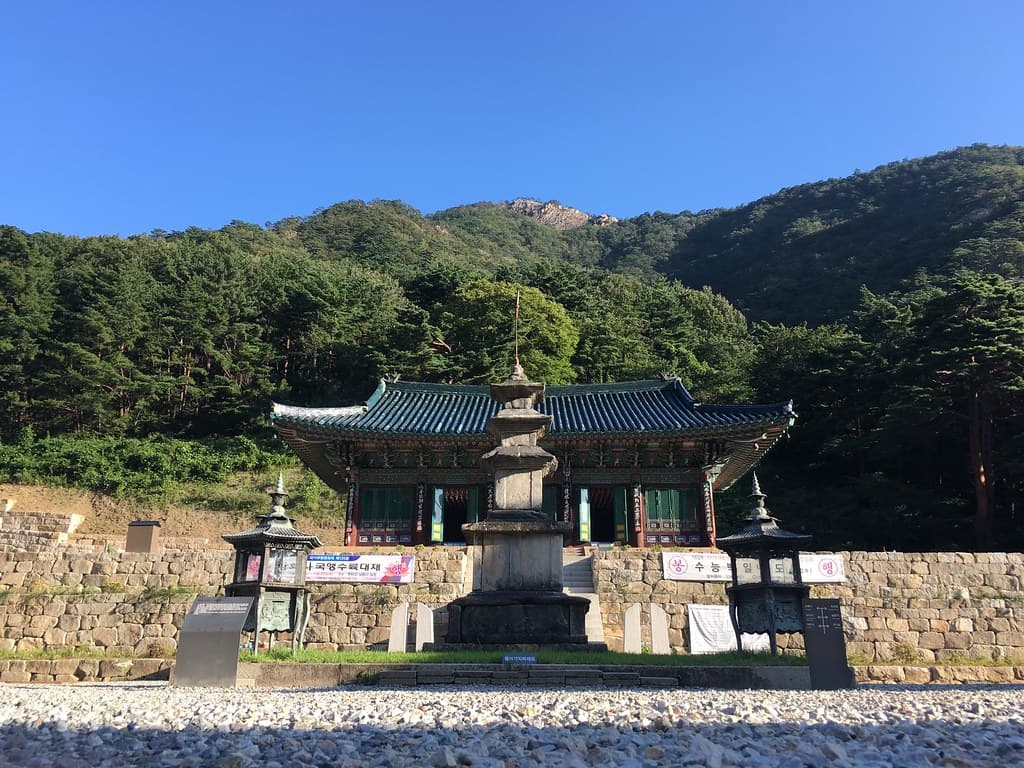
Samhwasa Temple
Donghae-si, Gangwon-do, South Korea
Samhwasa is small enough to be missed by people pressing deeper into Mureung Valley, yet its sacred field is unusually broad....

Seokguram Grotto
Gyeongju, Gyeongsangbuk-do, South Korea
Seokguram Grotto is an eighth-century Silla Buddhist sanctuary on Tohamsan, centered on a monumental seated Sakyamuni surrounded by stone reliefs....
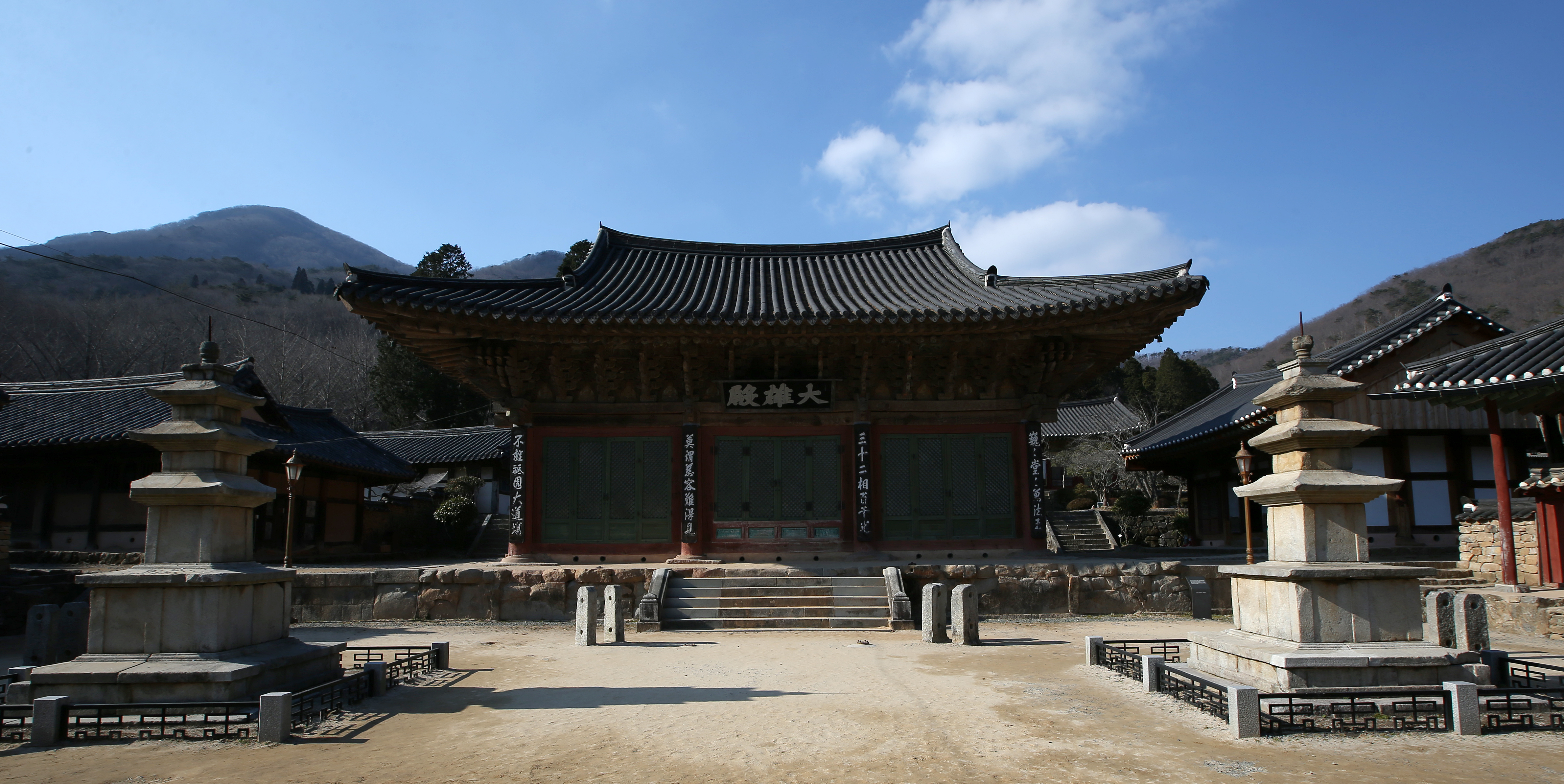
Seonamsa Temple
Suncheon, Jeollanam-do, South Korea
Seonamsa begins well before its first hall. A roughly one-kilometre path passes through old forest to Seungseongyo, the arched stone bridge carried by natural bedrock....
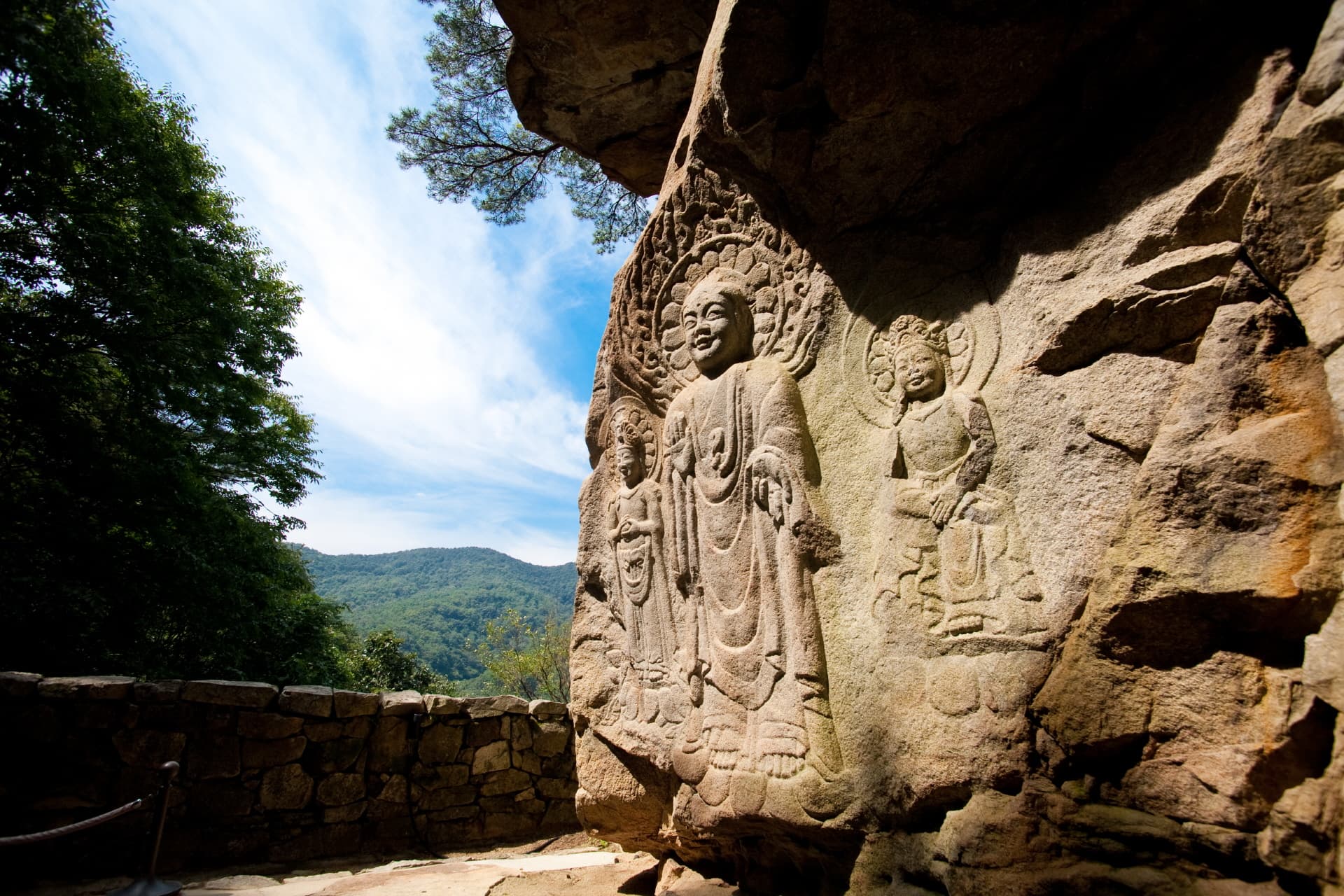
Seosan Rock-carved Buddha Triad
Sosan, Chungcheongnam-do, South Korea
The Seosan Rock-carved Buddha Triad is a protected Baekje-period Buddhist monument near the Bowonsa landscape....
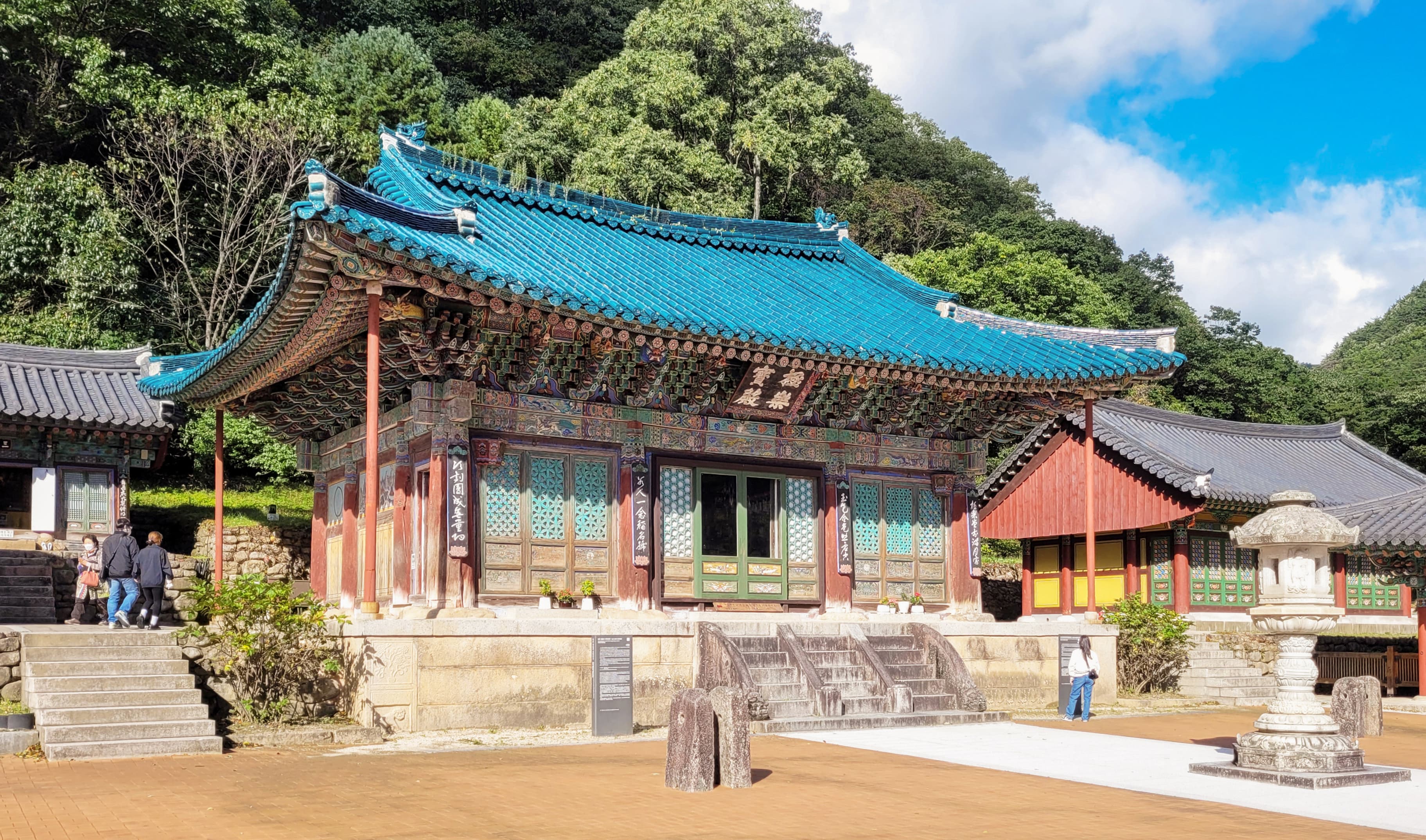
Sinheungsa Temple
Sokcho-si, Gangwon-do, South Korea
Sinheungsa stands near the main entrance to Seoraksan, where hikers, cable-car passengers, devotees, and resident Buddhists share the same approach....
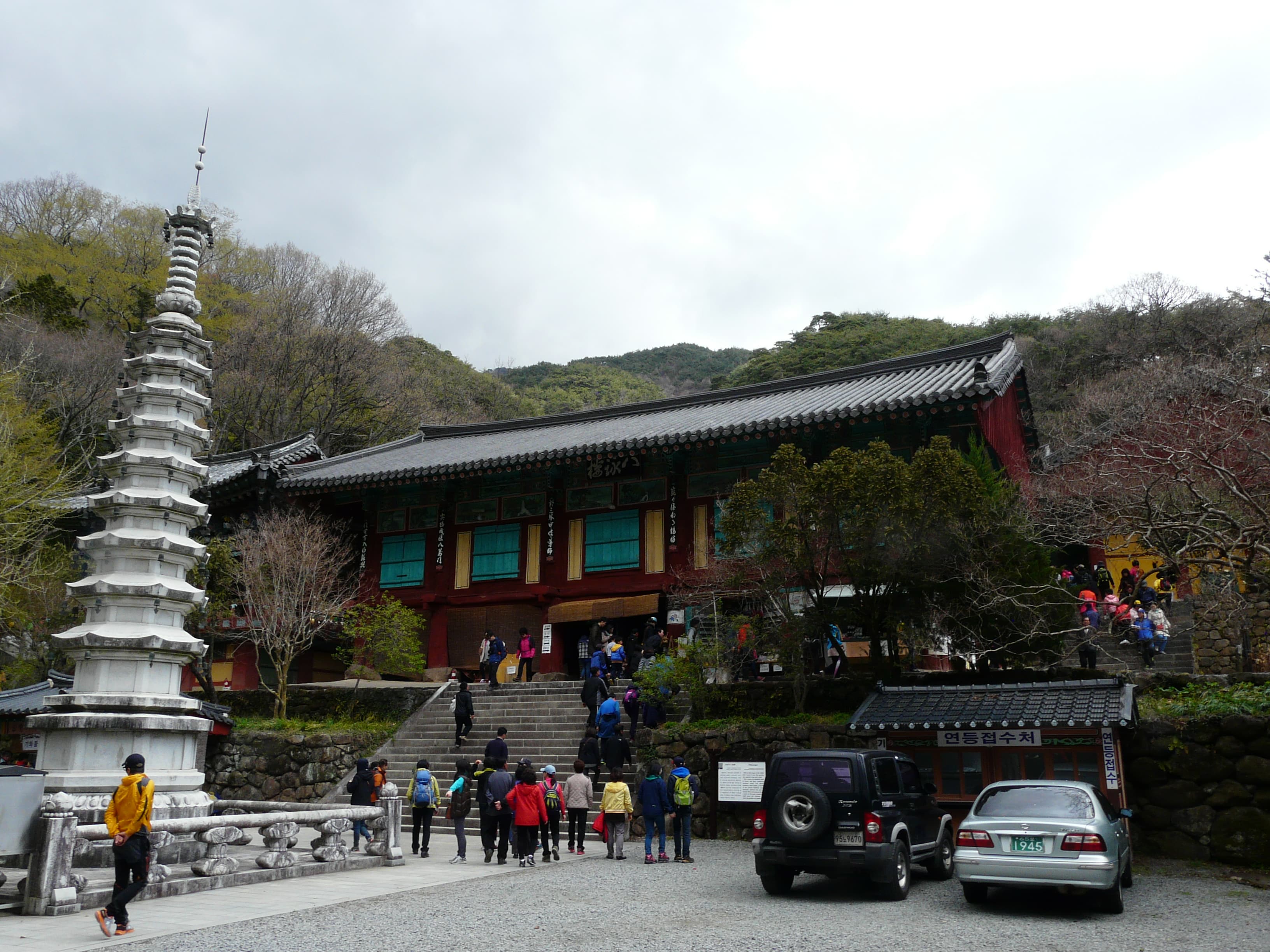
Ssanggyesa Temple
Hadong-gun, Gyeongsangnam-do, South Korea
Ssanggyesa is often approached beneath six kilometres of spring blossom, yet its name points inward to paired streams and its history points beyond a single season....
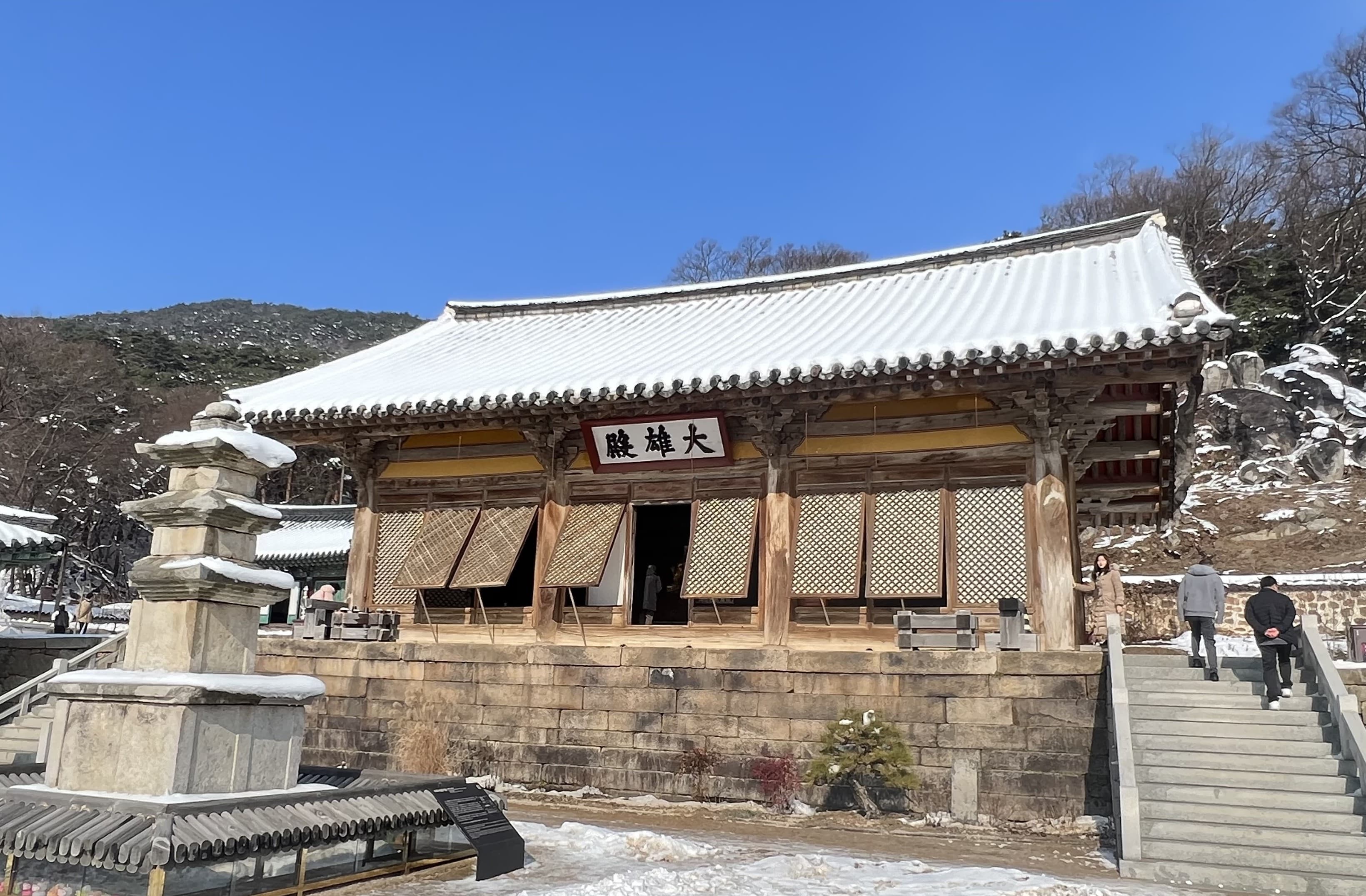
Sudeoksa Temple
Yesan-gun, Chungcheongnam-do, South Korea
Sudeoksa’s Daeungjeon does not need brilliant color to announce its importance. Built in 1308, its bracket work, measured bays, and deep roof preserve a rare Goryeo wooden...
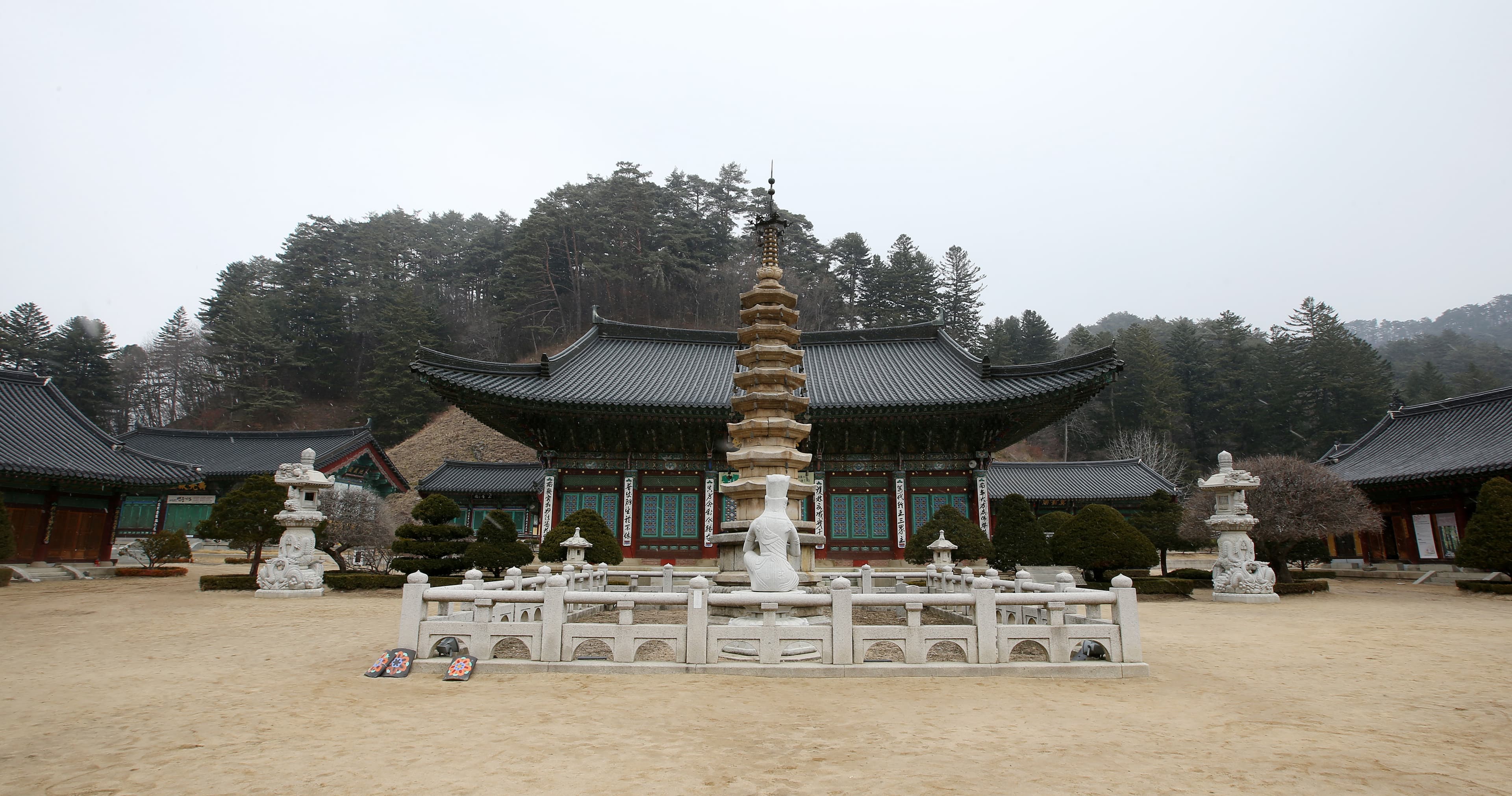
Woljeongsa Temple
Pyeongchang-gun, Gangwon-do, South Korea
Woljeongsa’s entrance is a long adjustment of sight and pace. Fir trunks rise in repeated verticals before the path reaches Geumganggyo and the main precinct; within the...
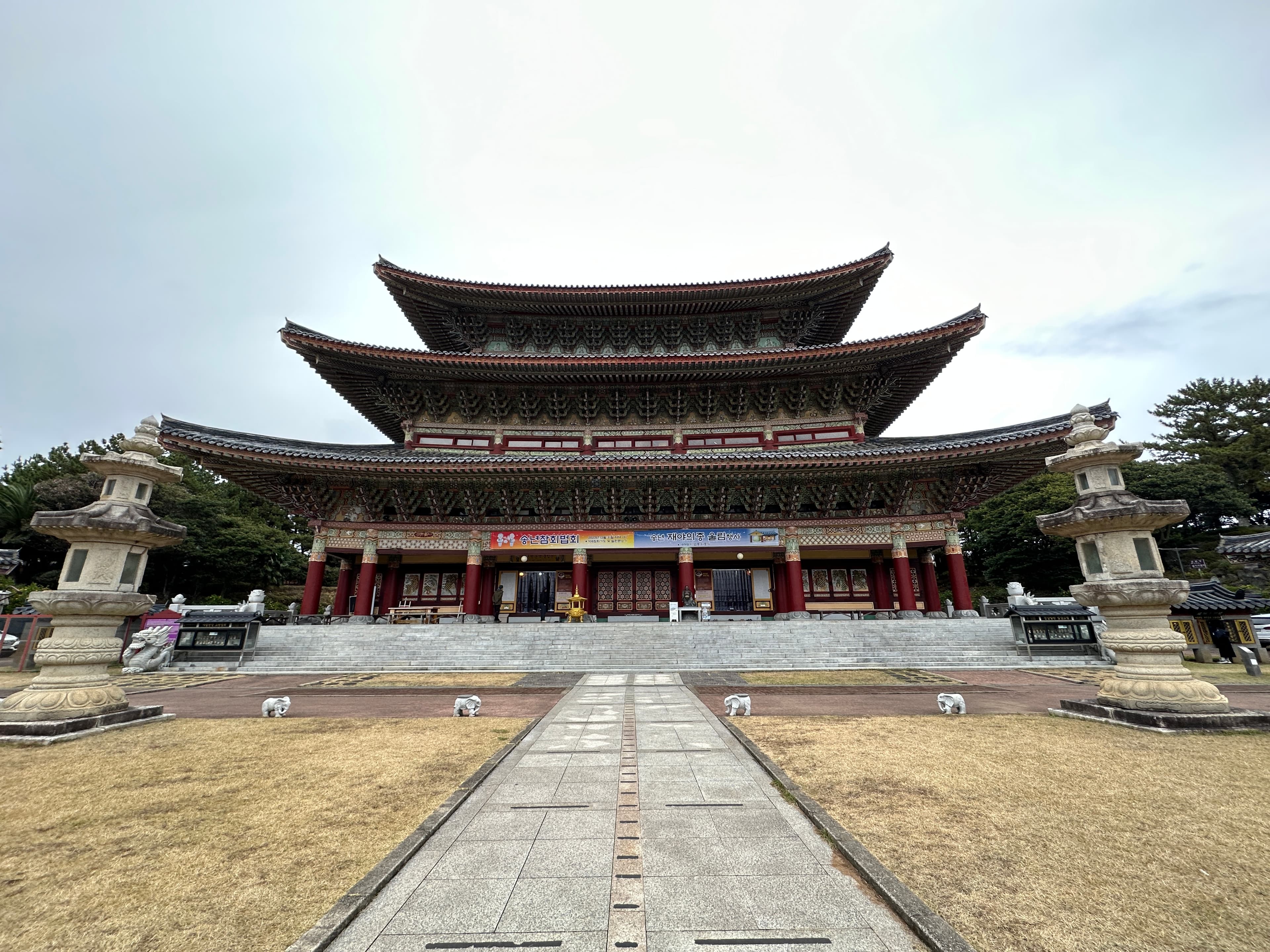
Yakcheonsa Temple
Seogwipo, Jeju-do, South Korea
Yakcheonsa grew from a small hermitage called Yaksuam into a large Buddhist complex on Jeju's southern side....

Yongmi-ri Stone Buddhas
Paju-si, Gyeonggi-do, South Korea
Behind Yongamsa Temple, two standing Buddhas occupy a gigantic rock surface without becoming mirror images....

Yongmunsa Temple
Yangpyeong, Gyeonggi-do, South Korea
Yongmunsa Temple is a working mountain sanctuary in Yangpyeong whose courtyard holds a protected ancient ginkgo....
Key questions
Korean Buddhism sacred-site questions
What are Korean Buddhism sacred sites?
Korean Buddhism sacred sites are places connected by shared lineage, practice, memory, ritual use, or pilgrimage tradition.
Where can I find Korean Buddhism sacred sites?
The strongest country clusters in this guide include South Korea.
What kinds of places are included?
The guide includes sacred landscapes, pilgrimage places, and ritual or historical sites where available.
Can I map Korean Buddhism sacred sites?
Yes. Compare country clusters and physical forms first, then open individual pages for coordinates, historical context, and visitor guidance.