Mireuk-ri Temple Site
A Goryeo Maitreya precinct beside the Haneuljae route
Understand sacred places, explore living traditions, and learn how to engage respectfully with Pilgrim Map.
Access has not been verified. Check current local guidance before planning a visit.
Cheongju, Chungcheongbuk-do, South Korea
Read the sources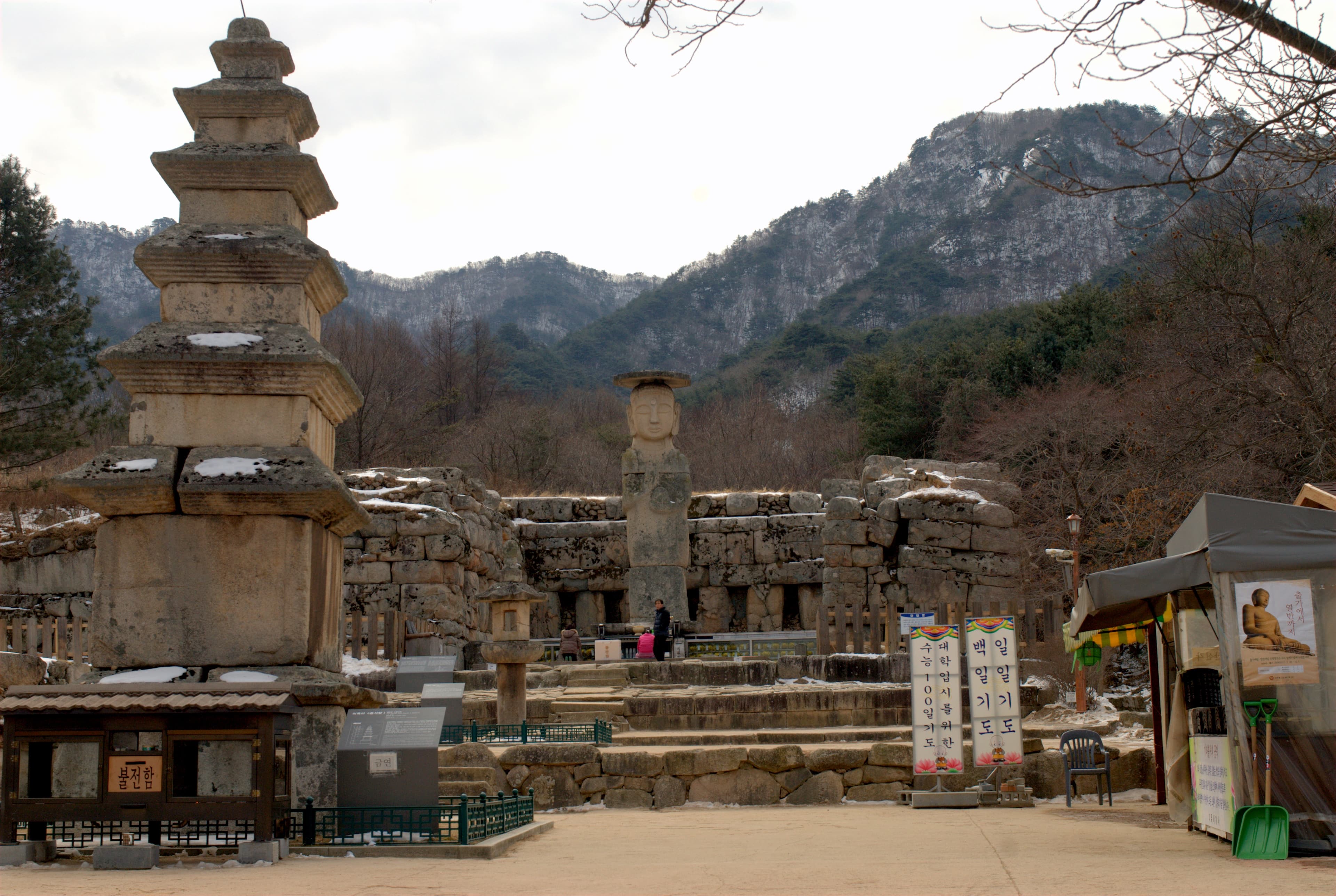
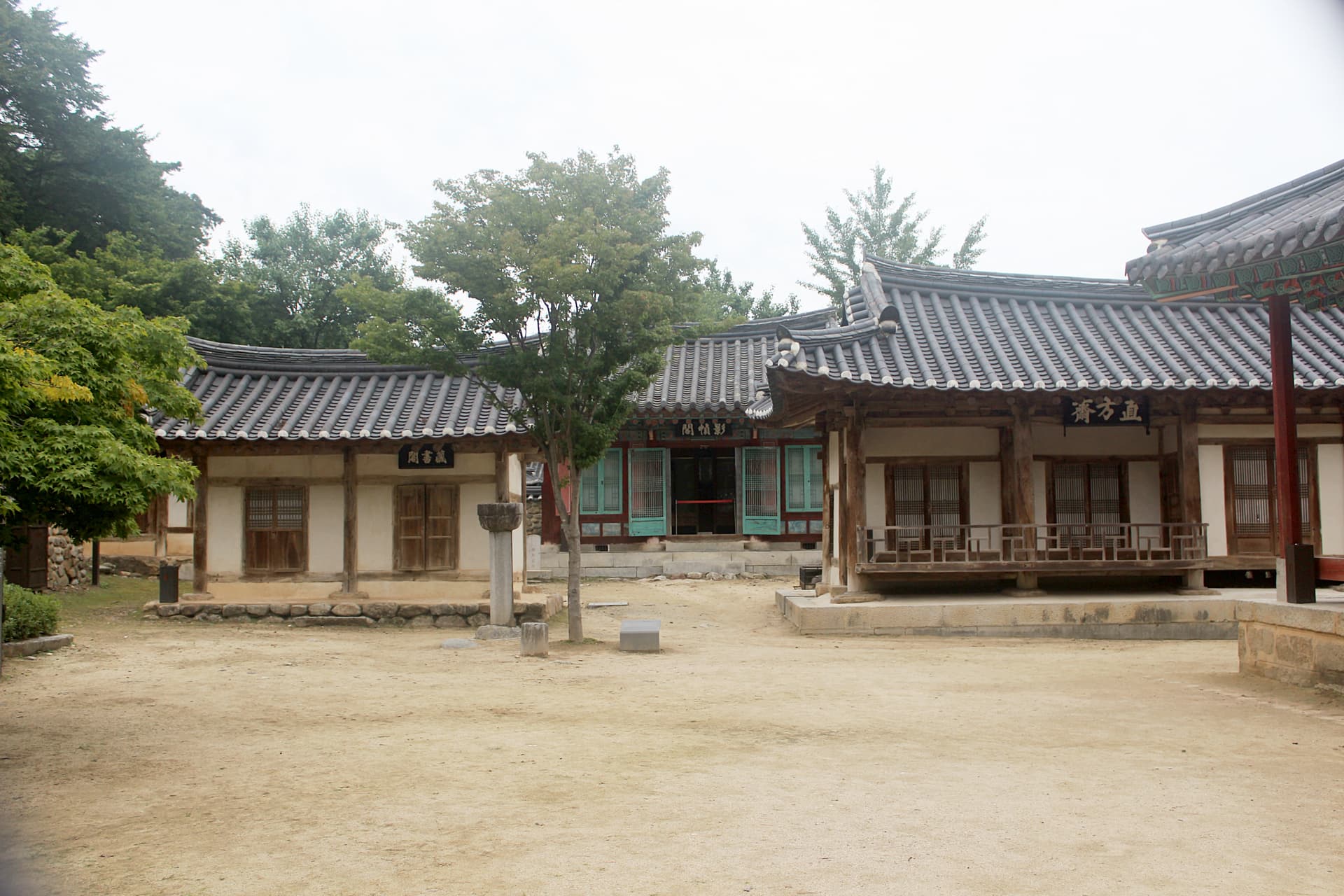
Mireuk-ri Temple Site in Chungju, North Chungcheong, South Korea. Image source · CC BY-SA 3.0
Visit essentials
A quick read before you go
- Duration
- Allow a calm, condition-aware visit.
- Access
- Prepare for the exact route described above.
Overview
The target metadata names Maitreya, not Avalokitesvara. Korea Tourism Organization records a received foundation legend in which Prince Maui dreams of Avalokitesvara and founds a temple while fleeing after Silla’s collapse. This origin story does not by itself redefine the central surviving program. Keeping legendary agency, devotional focus, and archaeological evidence separate prevents the two Buddhist figures from becoming one unsupported dedication.
Why this place is sacred
Academy of Korean Studies describes an unusual northern orientation and evidence that the complex combined temple functions with a station serving travelers across Haneuljae. Sacred practice and practical hospitality could therefore share the same corridor. The ruins invite attention to movement: pilgrims, officials, residents, monks, and other travelers may have crossed this mountain threshold for different reasons. Current research does not justify reconstructing their exact prayers or declaring every building ceremonial.
Original function follows the cited authorities.
Material continuity is not presumed.
Experience and orientation
The stone chamber around the standing image frames a future-oriented Buddhist vision in material form. Scholarly interpretation connects that ensemble to Maitreya’s Dragon Flower world, while excavation supplies more cautious evidence about layout and chronology. Visitors should hold both levels together. Architectural arrangement can express doctrine without proving that every excavated feature has a single meaning, and a powerful modern impression does not substitute for stratigraphy.
Use the verified public approach.
Context and lineage
Walk the designated route and read foundations before concentrating on the large image. Low stones can be structurally and archaeologically significant even when they appear ordinary. Do not climb walls, sit on pagoda elements, make rubbings, move fragments, or insert coins into masonry. Keep distance from any active investigation or conservation work. The mountain basin also creates weather and footing risks that are independent of heritage restrictions.
Korean Buddhism
Traditions and practice
A reflective visit might consider how expectation works in Maitreya belief: the future is invoked from a place whose buildings are largely past. Stand where the axis is legible, compare open foundations with the enclosed stone figure, and ask what forms of hope architecture can preserve after institutions change. This is an interpretive exercise, not a claim that the site predicts events, emanates energy, or guarantees spiritual transformation.
Current use remains custodian-led.
Attend quietly before drawing conclusions.
Korean Buddhism
HistoricalSacred meaning follows the documented local tradition.
Practice remains governed by present custodians.
Perspectives and open questions
Several disciplines illuminate this sacred place.
Scholarly perspective
Mireukdaewonji is archaeological rather than a verified active pilgrimage destination in this pass. Buddhist visitors may still pray, but no current named pilgrimage program met the evidence gate. Its significance lies in Maitreya devotion, route hospitality, Goryeo construction, received dynastic memory, and the ethics of encountering a ruin. No prevalent modern metaphysical effect was supported strongly enough to include. Researchers should preserve the distinction between standing remains, excavated traces, later reconstruction, and interpretive signage.
A visually convincing chamber does not make every stone original, while conservation work does not make the ensemble inauthentic. The exact heritage record is the controlling identity for future updates. The similarly famous Mireuksa complex in Iksan is a different site and must never supply this record’s history, photographs, or access information.
Living and traditional perspectives
Community meanings retain their own authority.
Open questions
Unsupported effects remain explicitly unverified.
Plan your visit
Access and arrival
Prepare for the exact route described above.
No lodging claim was researched.
Respectful visit
Dress for dignity and terrain.
Ask before recording people or ritual.
Use authorized channels only.
Obey every closure and barrier.
Do not invent or imitate rites.
Current practical details
Address
52-2 Mireuk-ri, Suanbo-myeon, Cheongju, Chungcheongbuk-do, South Korea
Phone
Hours, fees, and access can change — verify on the official source before you travel. Practical details last checked Jul 2026.
Location
Map loads as you approach this section.
Pilgrim reflections
A portrait of encounter, not a score
Pilgrims describe what they felt, how present they could become, and whether the place would shape a journey. There are no stars and no ranking of traditions.
No reviewed reflections yet
The first pilgrims can help describe the character of being here.
Share a reflection
Available after an account-backed “Been there.” Every reflection is reviewed before publication.
Nearby sacred places
Explore other sacred places in the region. Proximity does not establish access or travel time; check each place’s guidance.
References
Sources consulted for this page. Source categories describe the publication, not a guarantee that every claim is verified. Traditional accounts and outside interpretations may differ.
- 01Mireukdaewon Temple Site, Chungju — Korea Heritage ServiceofficialExact Historic Site record for Goryeo archaeology, area, ownership, management, and Chungju identity.
- 02Chungju Mireukdaewonji — Academy of Korean StudiesacademicScholarly synthesis of the north-facing plan, Mireukdang-inscribed tiles, stone Buddha, pagodas, temple, and lodging-station interpretation.
- 03Mireukdaewon Stone Temple Site — Korea Tourism OrganizationofficialExact tourism record for Haneuljae setting, excavation, designation, and received Prince Maui dream legend.
- 04Maitreya Dragon Flower World expressed at Mireukdaewonji — Korean Citation IndexacademicPeer-reviewed interpretation connecting the stone chamber and axial program with Maitreya belief.
- 05Chungju Mireukdaewonji — Google Maps place record — GoogleSource contextStrong exact identity and current practical record; its English locality typo is corrected by heritage authorities.
Share a photo
Help visitors recognize Mireuk-ri Temple Site. Every submission is reviewed before publication.