Country guide
South Korea
South Korea brings together sacred architecture, pilgrimage traditions, and landscapes shaped by memory, ritual, and local devotion.
78 sacred sites across 22 regions. Use the tradition links to narrow in.
Sacred journeys
Pilgrimages in South Korea
Follow routes that connect sacred places across South Korea. Mapped-place counts reflect the current atlas.
Browse by region
Explore South Korea region by region
Open a regional guide to see its sacred sites, traditions, and map.
Explore South Korea by facet
Traditions
Physical forms
Refine the atlas
Related South Korea guides
Showing 1-48 of 78 sites in this country guide
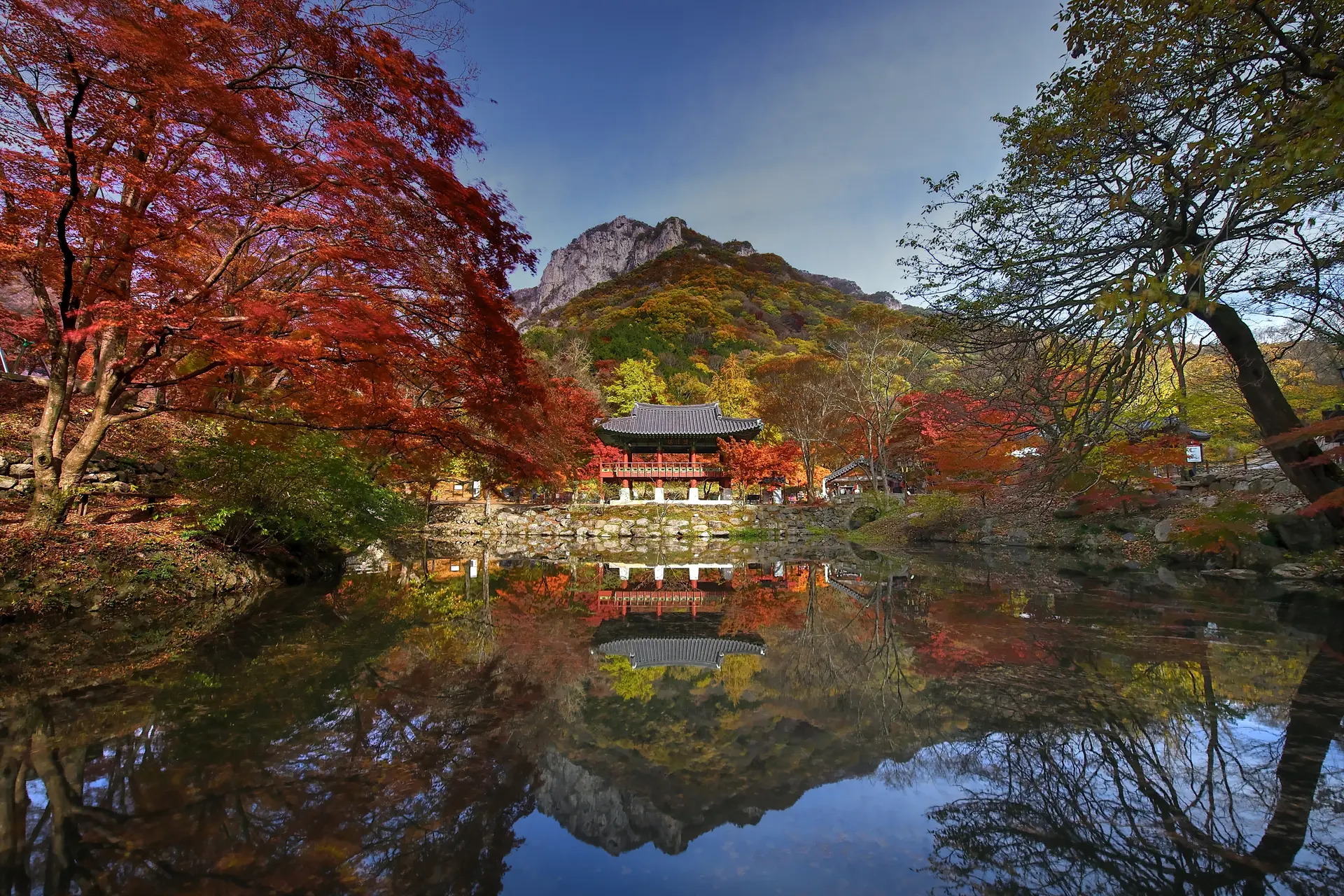
Baegyangsa Temple
Jangseong-gun, Jeollanam-do, South Korea
Baegyangsa’s public image often begins with Ssanggyeru Pavilion mirrored in a pond beneath Baegamsan cliffs....
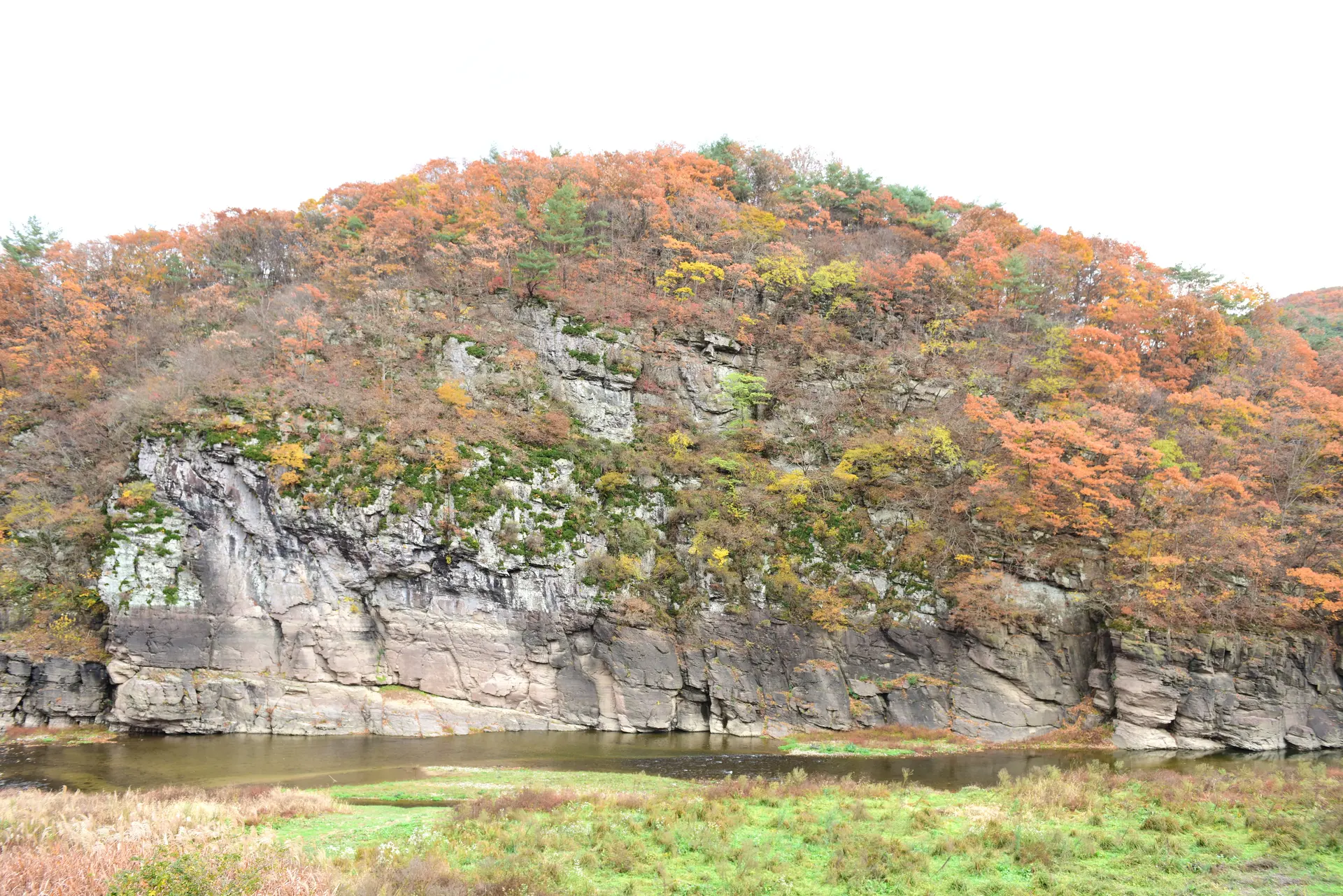
Bangudae Petroglyphs
Ulsan, Ulsan, South Korea
Bangudae Petroglyphs preserve a dense prehistoric rock-art panel beside the Daegokcheon stream near Ulsan....
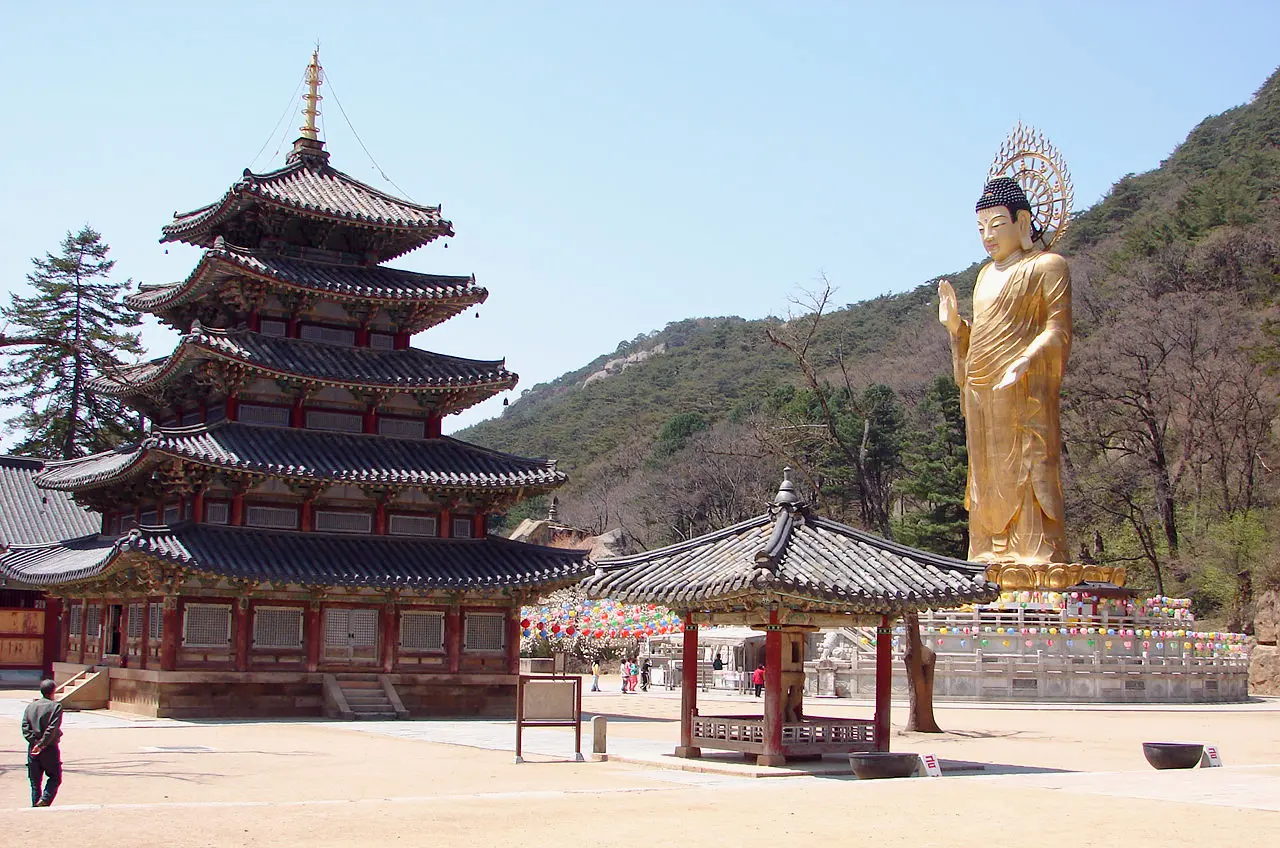
Beopjusa Temple
Boeun-gun, Chungcheongbuk-do, South Korea
Beopjusa Temple occupies a broad monastic precinct beneath Songnisan's peaks. Its living Buddhist community, Maitreya devotion, Palsangjeon wooden pagoda, and protected...
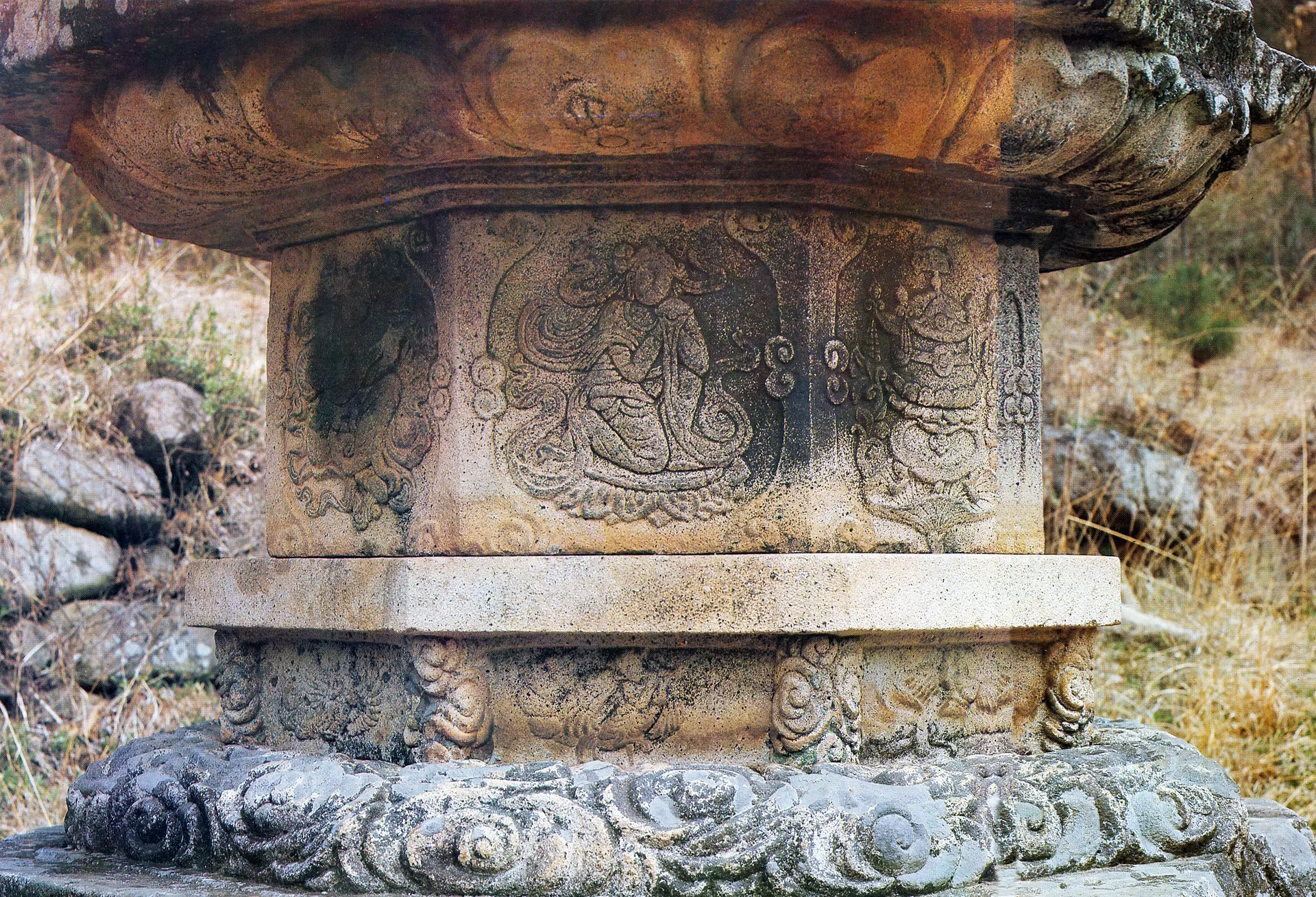
Bongamsa Temple, Mungyeong
Mungyeong, Mungyeong, Gyeongsangbuk-do, South Korea
Access is restricted: Bongamsa is normally closed to visitors and, according to Mungyeong's official information, opens to the public only on Buddha's Birthday....

Bongeunsa Temple
Seoul, Seoul, South Korea
Bongeunsa faces one of Seoul’s most intensely commercial districts, but its identity is not simply “calm beside skyscrapers.” The temple preserves worship, a major...

Bongjeongsa Temple
Andong, Gyeongsangbuk-do, South Korea
Bongjeongsa rests below Mount Cheondeung near Andong, its compact courts holding both monastic life and some of Korea’s earliest surviving wooden architecture....
Bongnimsa Temple Site, Changwon
Changwon, Changwon, Gyeongsangnam-do, South Korea
Bongnimsa Temple Site, Changwon is a protected archaeological temple site with relocated monuments in Changwon, South Korea....
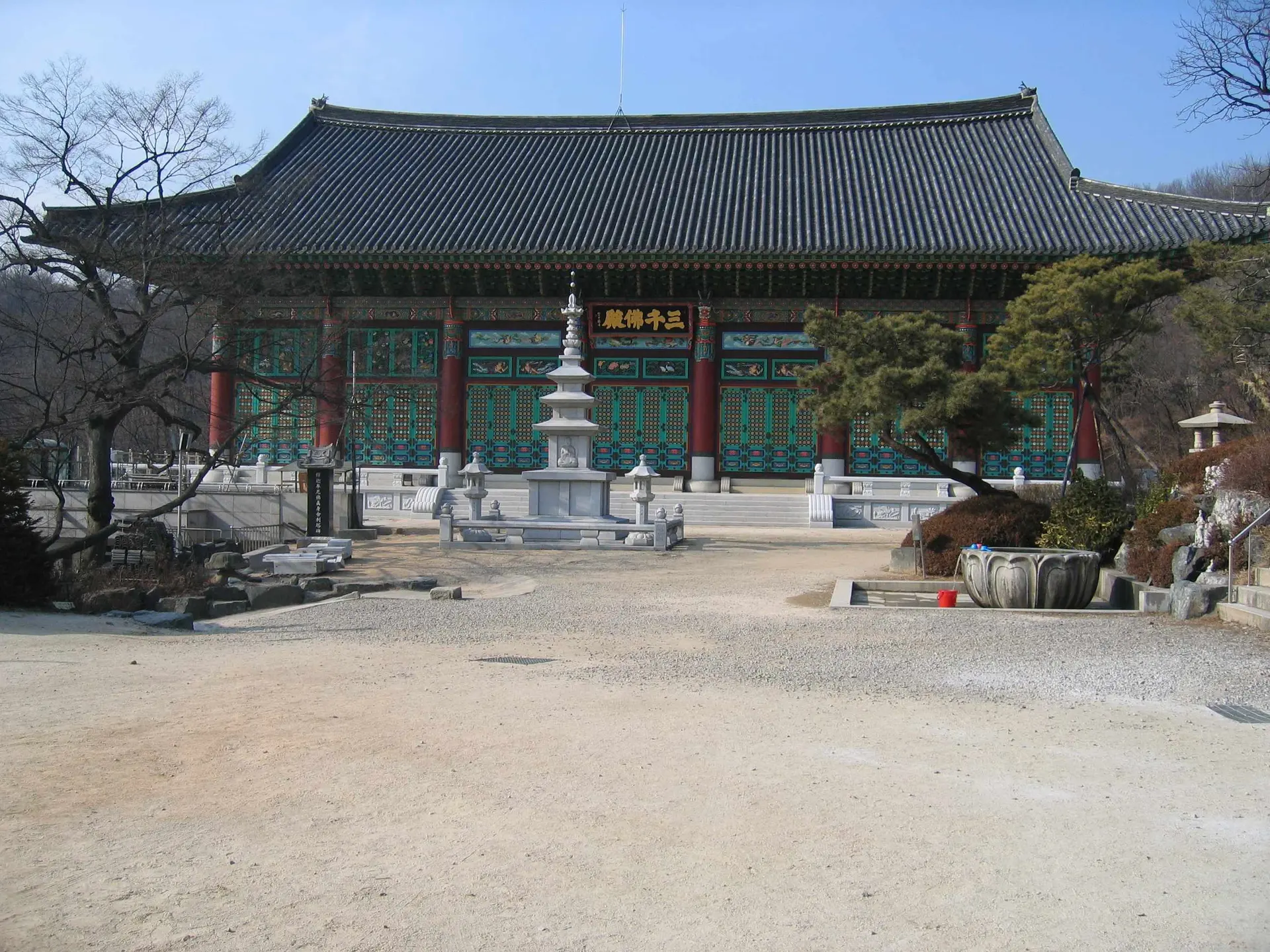
Bongwonsa Temple
Seoul, Seoul, South Korea
Bongwonsa rests on Ansan’s slope above western Seoul and serves as a center of the Taego Order....
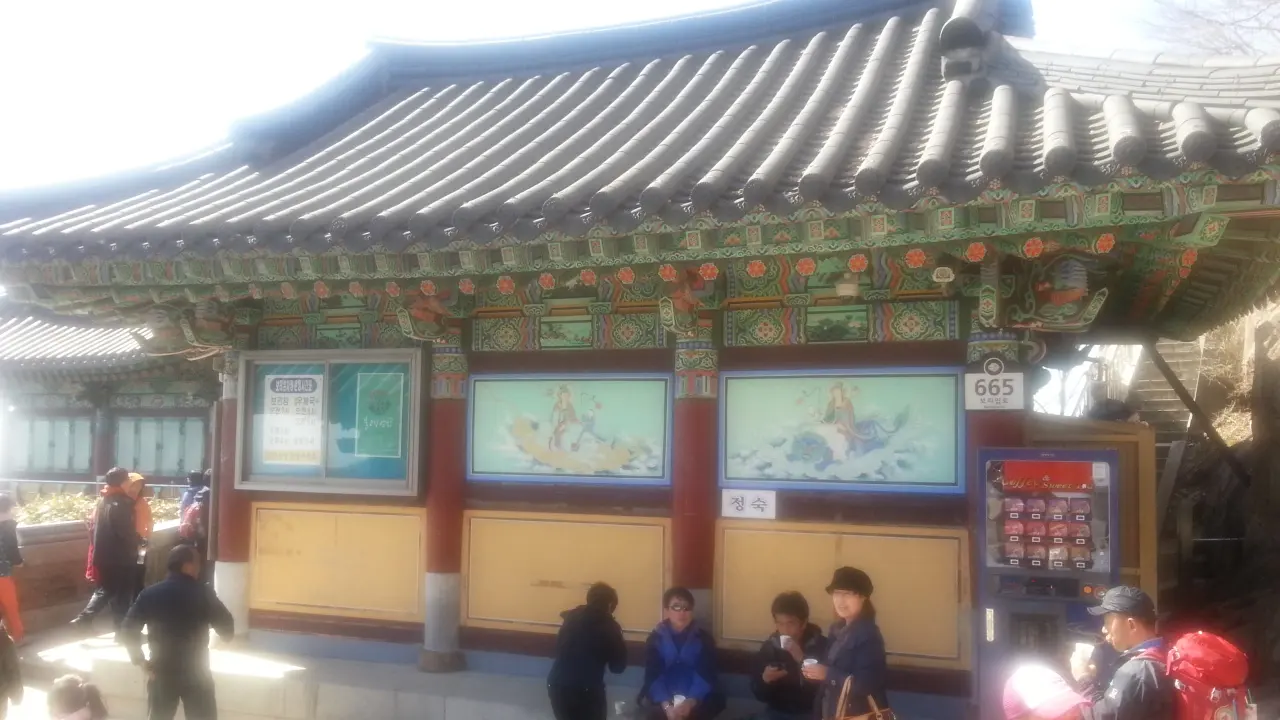
Boriam Hermitage
Namhae, Gyeongsangnam-do, South Korea
Boriam clings high on Geumsan above the islands and channels of Namhae. Its sacred identity is specific: Korean sources place it among the country’s foremost Gwaneum...

Borimsa Temple, Jangheung
Jangheung, Jangheung, Jeollanam-do, South Korea
Borimsa Temple, Jangheung is treated here as the exact whole-site entity in Jangheung, Jangheung, Jeollanam-do, South Korea, not as a route label or nearby point of...

Bulguksa Temple
Gyeongju-si, Gyeongsangbuk-do, South Korea
Bulguksa Temple rises on the slopes of Mount Tohamsan as a physical theology—Korean Buddhism made visible in stone....

Buseoksa Temple
Yeongju, Gyeongsangbuk-do, South Korea
Buseoksa Temple rises in measured terraces on Bonghwangsan above Yeongju. Founded in the Silla period and closely associated with the monk Uisang, the active monastery...
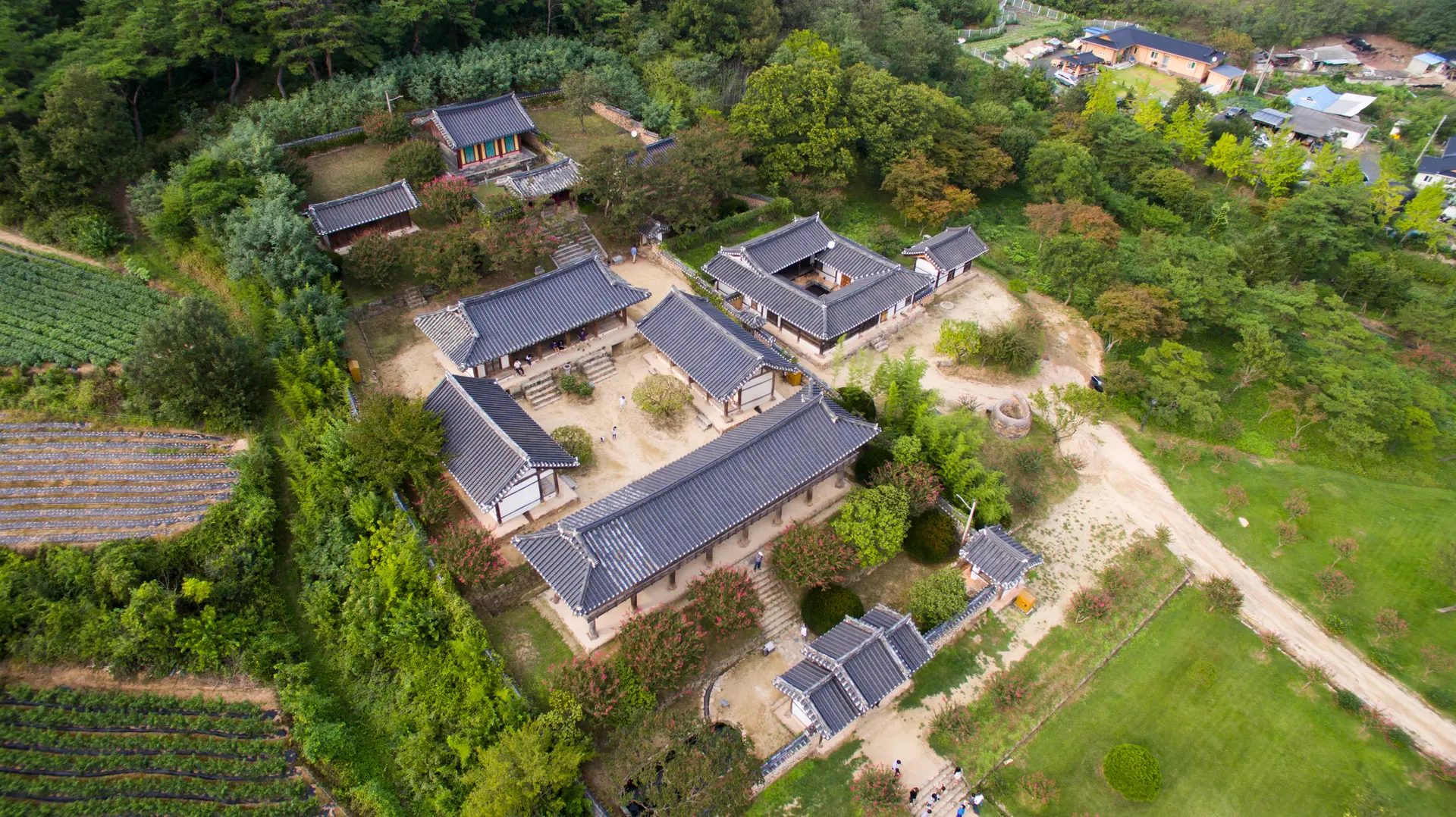
Byeongsan Seowon
Andong, Gyeongsangbuk-do, South Korea
Byeongsan Seowon joins the veneration of Ryu Seong-ryong and his son Ryu Jin with a durable tradition of Neo-Confucian study....
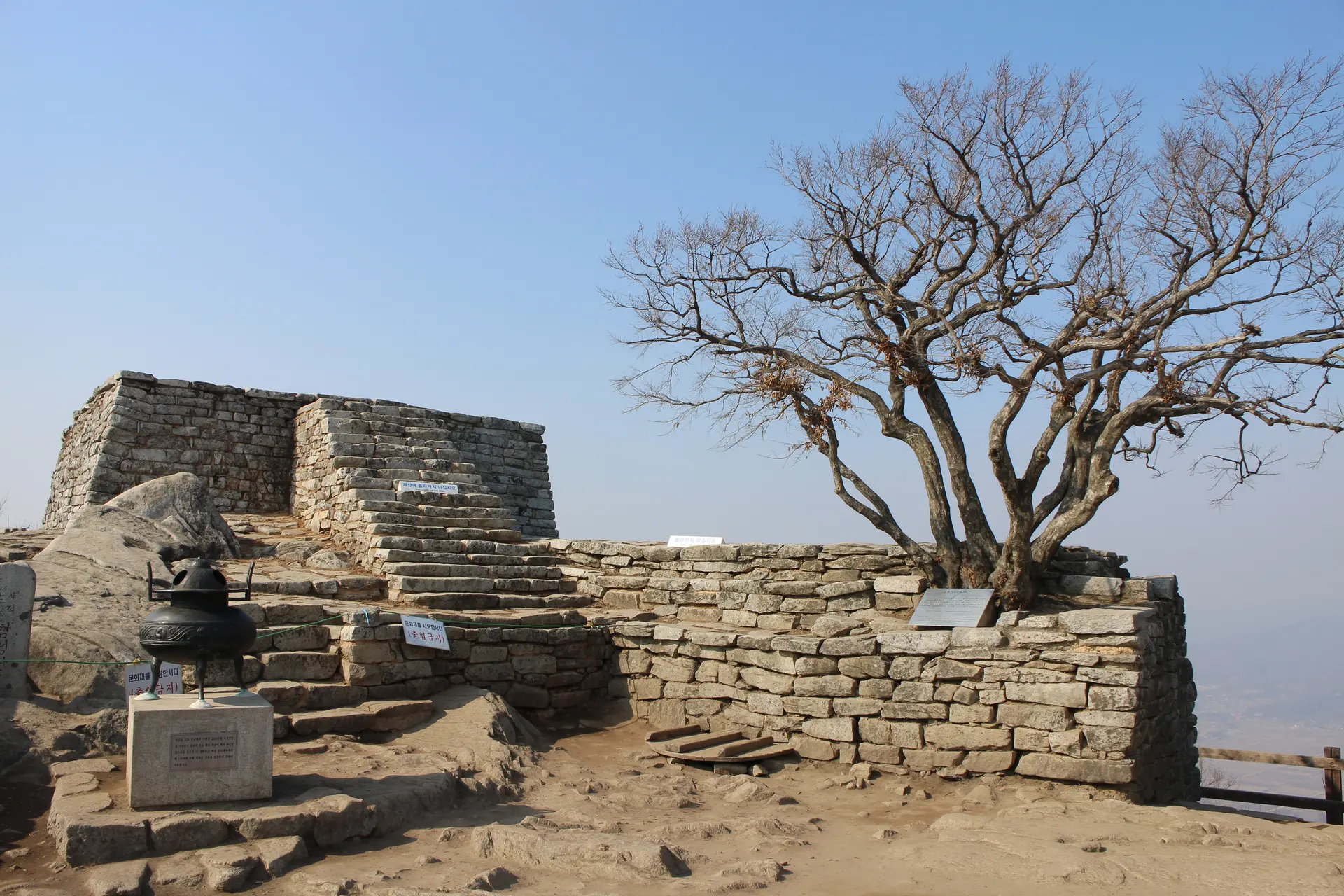
Chamseongdan Altar
Ganghwa-gun, Incheon, South Korea
Chamseongdan is a stone altar near the summit of Manisan where tradition says Dangun offered rites to Heaven....
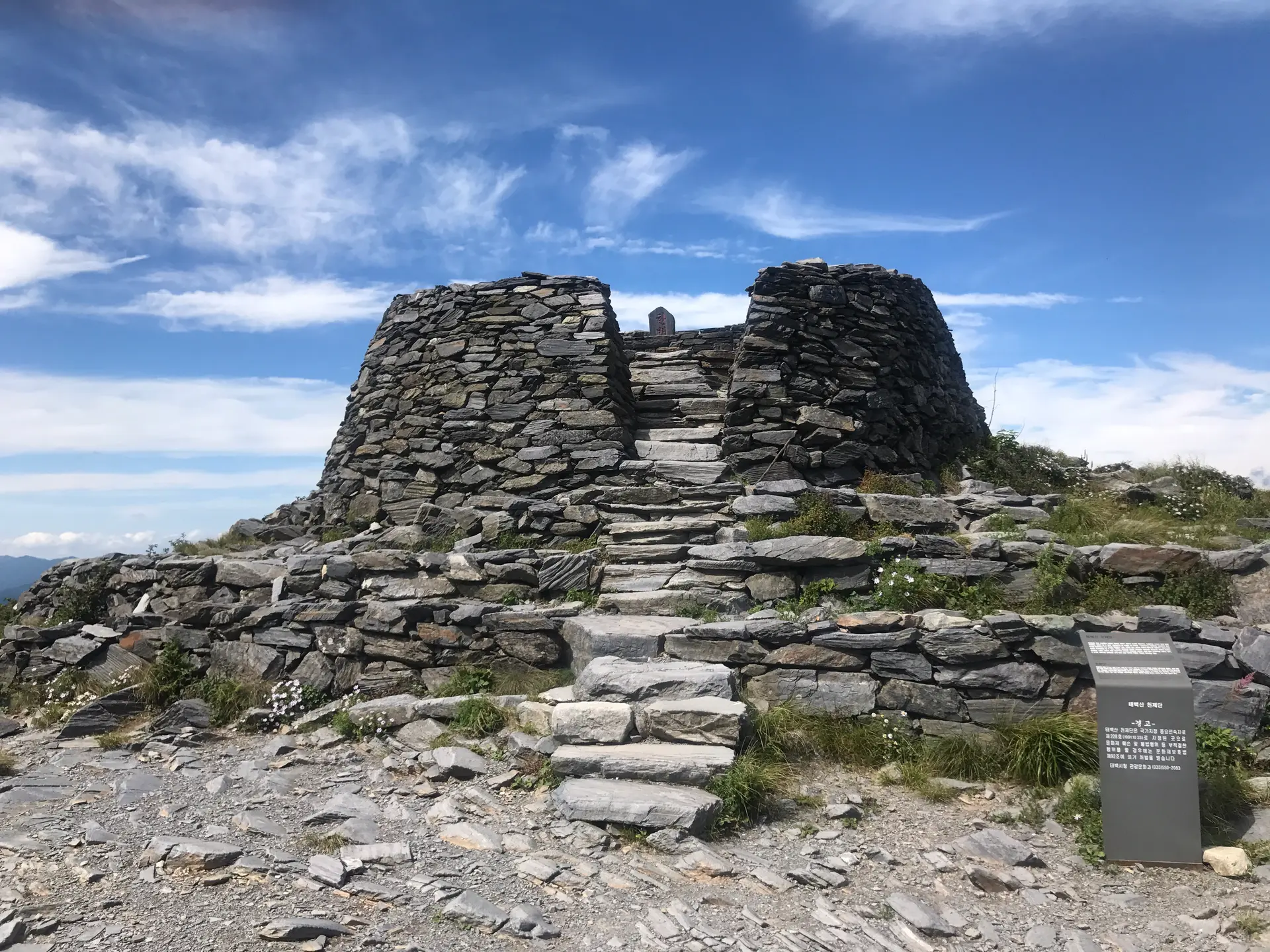
Cheonjedan Altars
Taebaek-si, Gangwon-do, South Korea
Cheonjedan is not one object but three summit altars on Taebaeksan: Cheonwangdan at the center, Janggundan to the north, and Hadan below to the south....
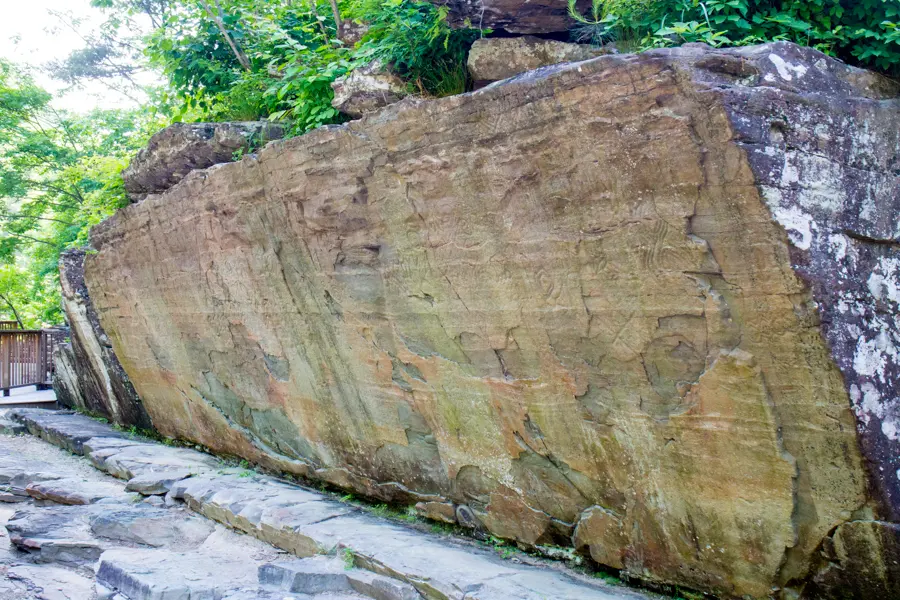
Cheonjeon-ri Petroglyphs
Ulsan, Ulsan, South Korea
Cheonjeon-ri is the northern rock panel of UNESCO’s two-component Petroglyphs along the Bangucheon Stream property. Ulsan documents a main face about 9.8 metres wide and 2....
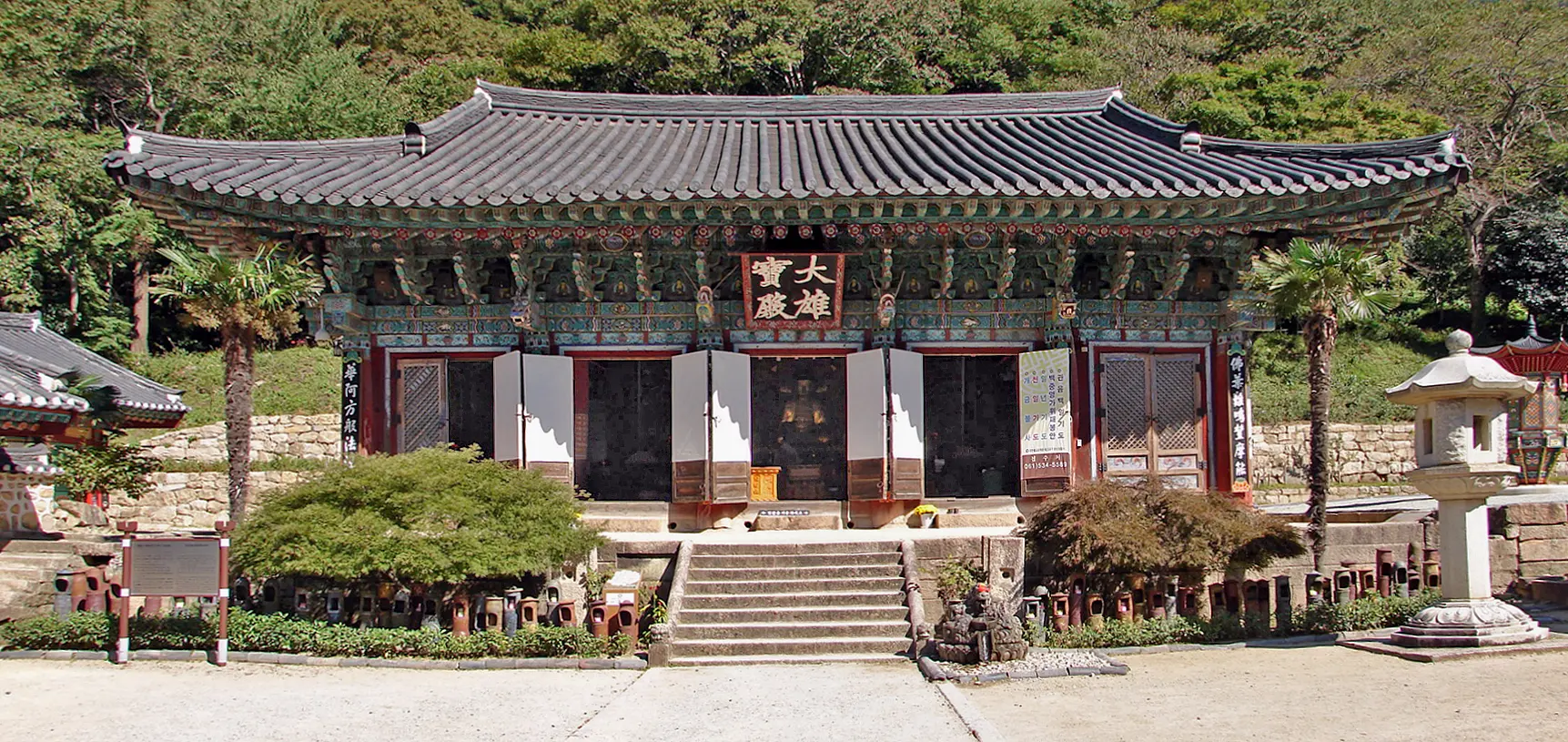
Daeheungsa Temple
Haenam, Jeollanam-do, South Korea
Daeheungsa spreads across a broad basin on Duryunsan rather than gathering into one tight axis....
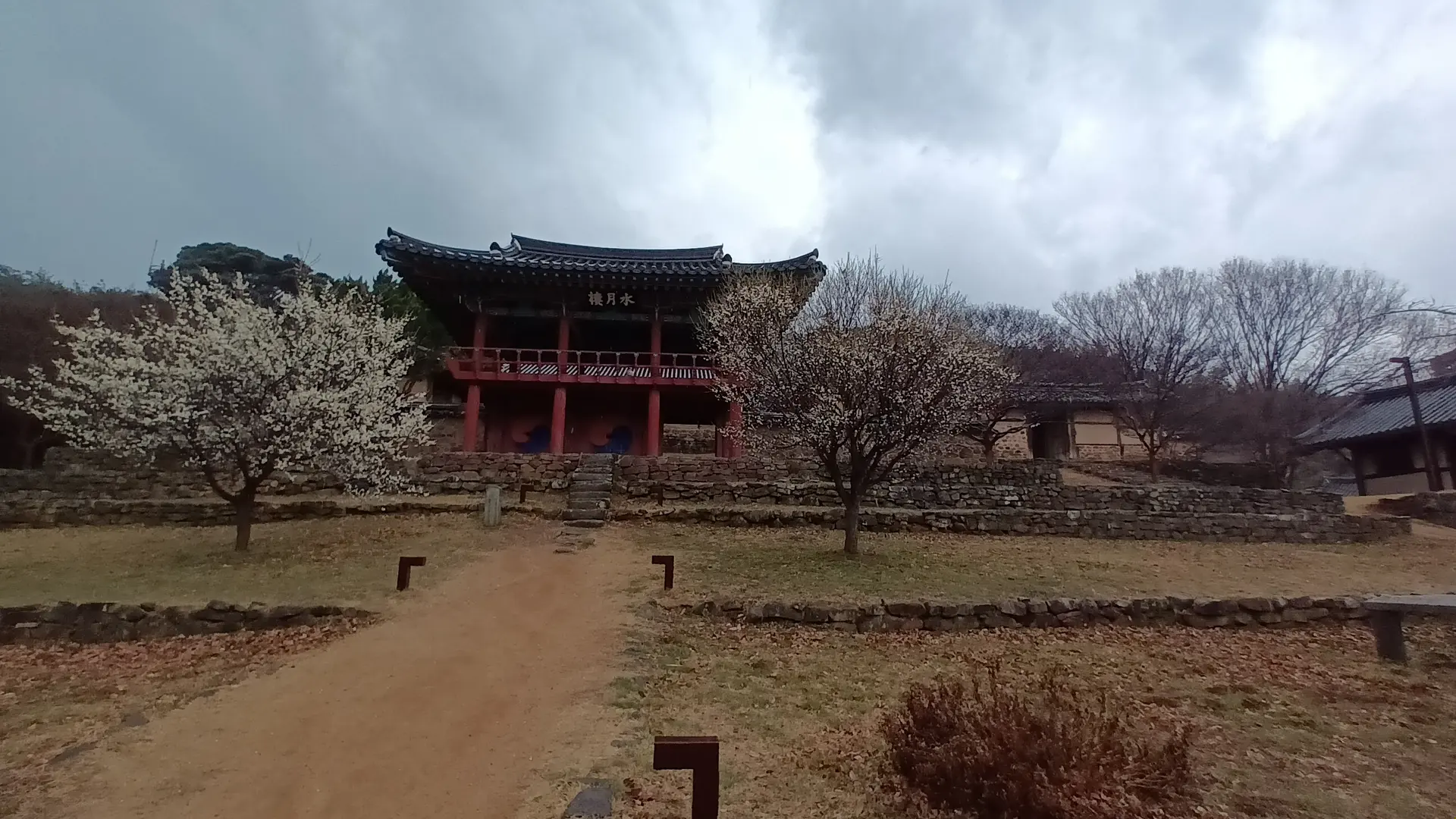
Dodong Seowon
Daegu, Daegu, South Korea
Dodong Seowon does not hide rupture. Scholars founded its predecessor in 1568; war destroyed it; a new academy rose at the current site in 1605 and received the name...
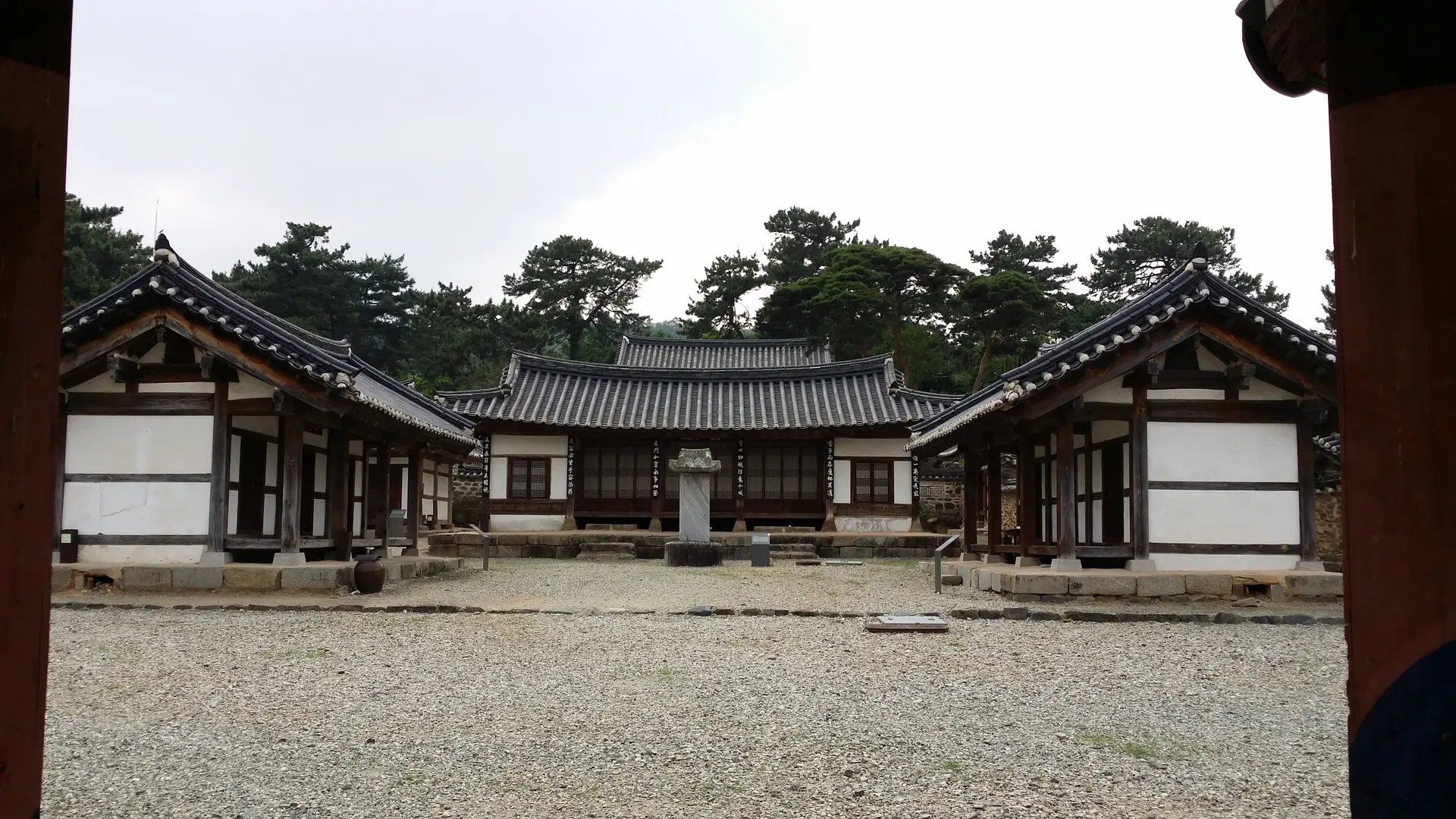
Donam Seowon
Nonsan, Chungcheongnam-do, South Korea
Donam Seowon is a center of yehak, the Korean Neo-Confucian study of propriety associated above all with Kim Jang-saeng....
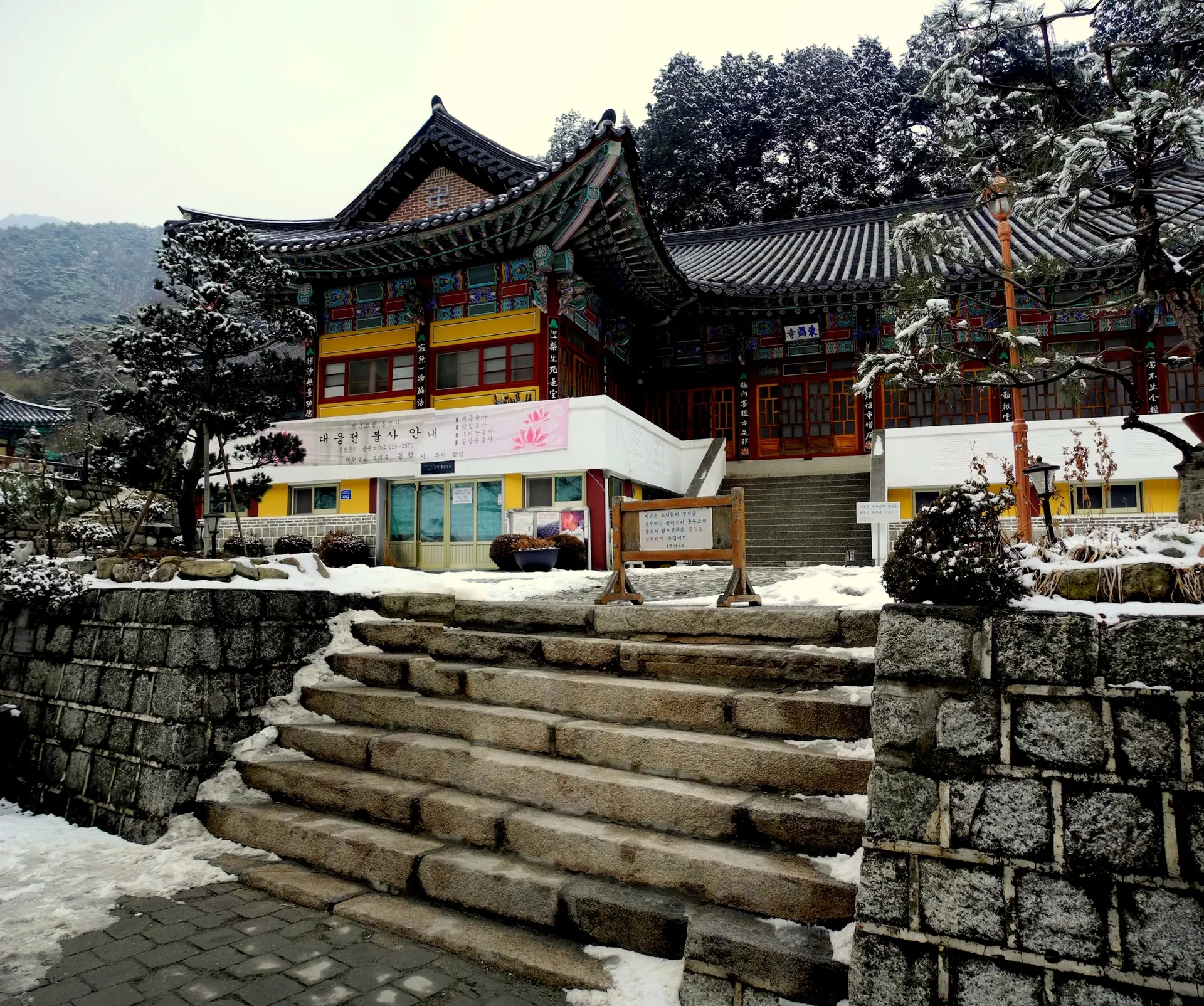
Donghaksa Temple
Gongju, Chungcheongnam-do, South Korea
Donghaksa’s spring approach can be crowded beneath a three-kilometre tunnel of cherry blossom, but the monastery’s deeper distinction is not seasonal....
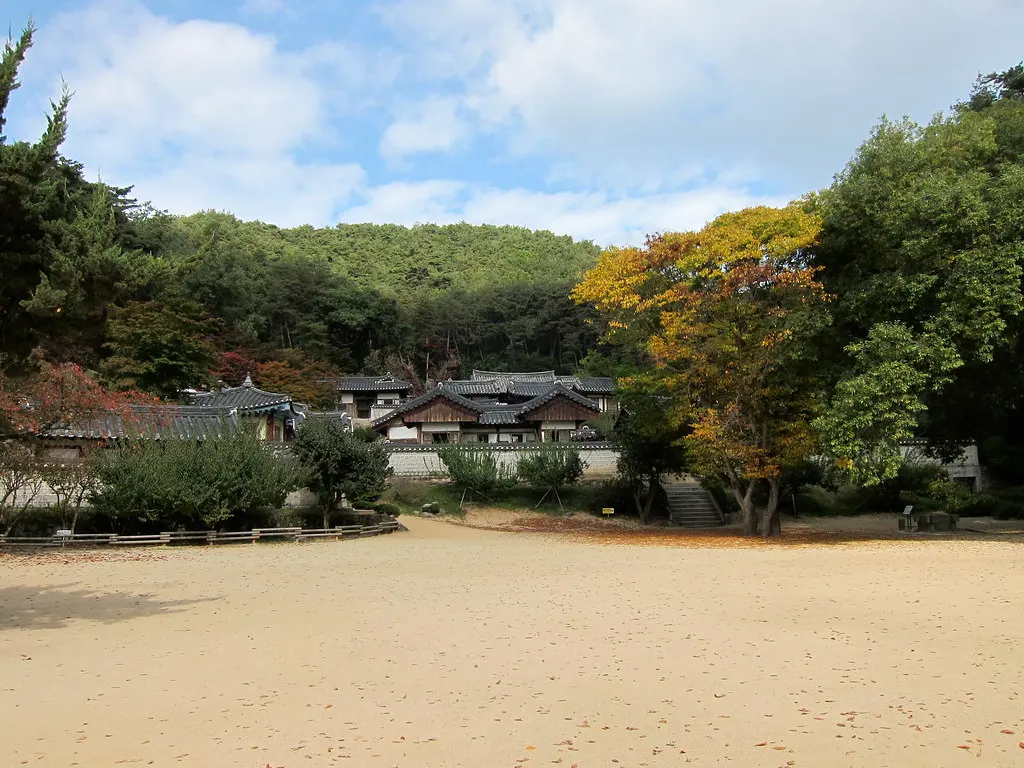
Dosan Seowon
Andong, Gyeongsangbuk-do, South Korea
Dosan Seowon contains two chronologies that should be walked separately. Yi Hwang designed Dosanseodang in 1561 as a modest place to study and teach....
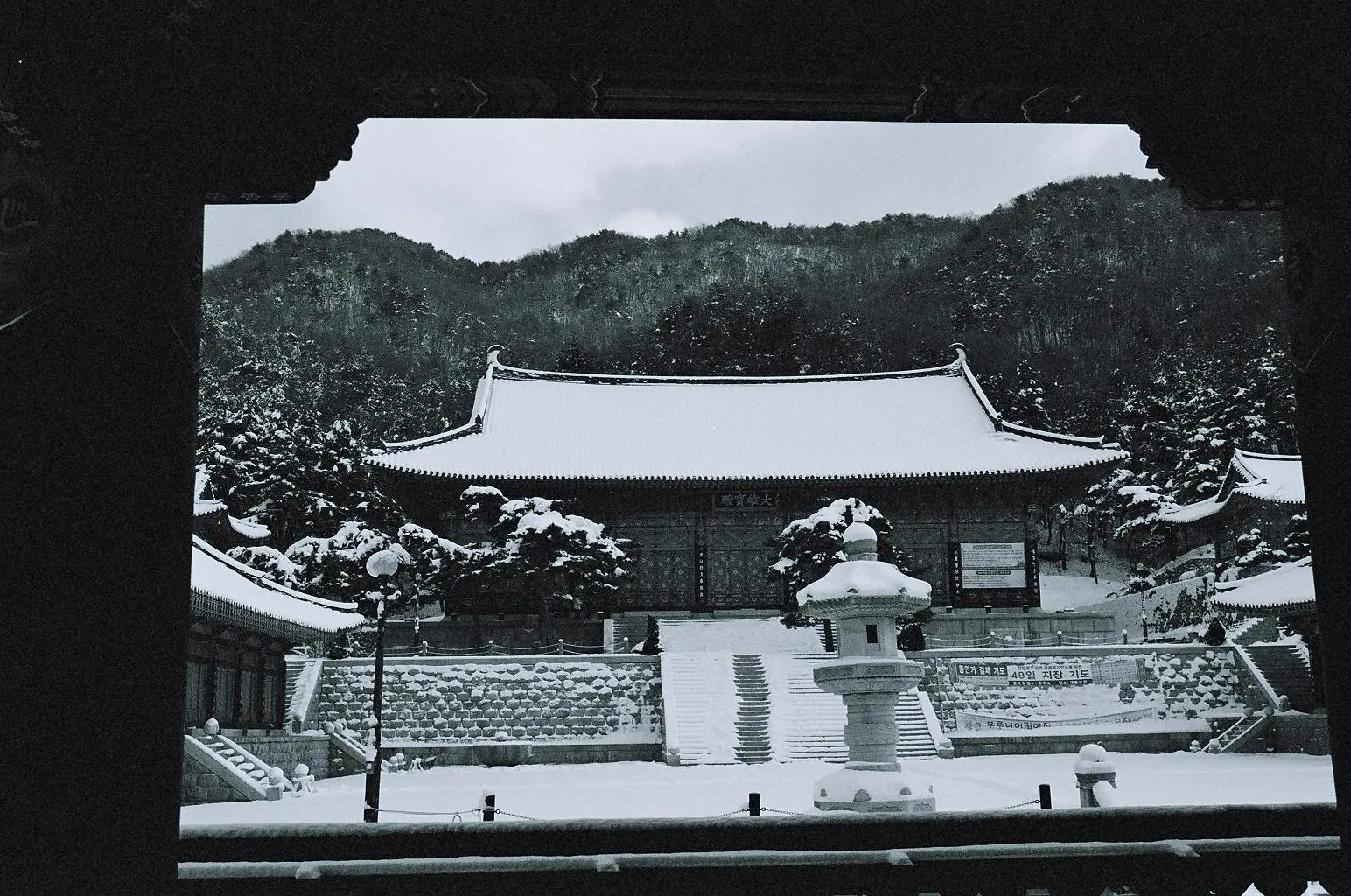
Gakwonsa Temple
Cheonan, Chungcheongnam-do, South Korea
Gakwonsa is a modern Buddhist temple on Taejosan, best known for a vast seated bronze Amitabha Buddha. The image is not simply a large tourist object....
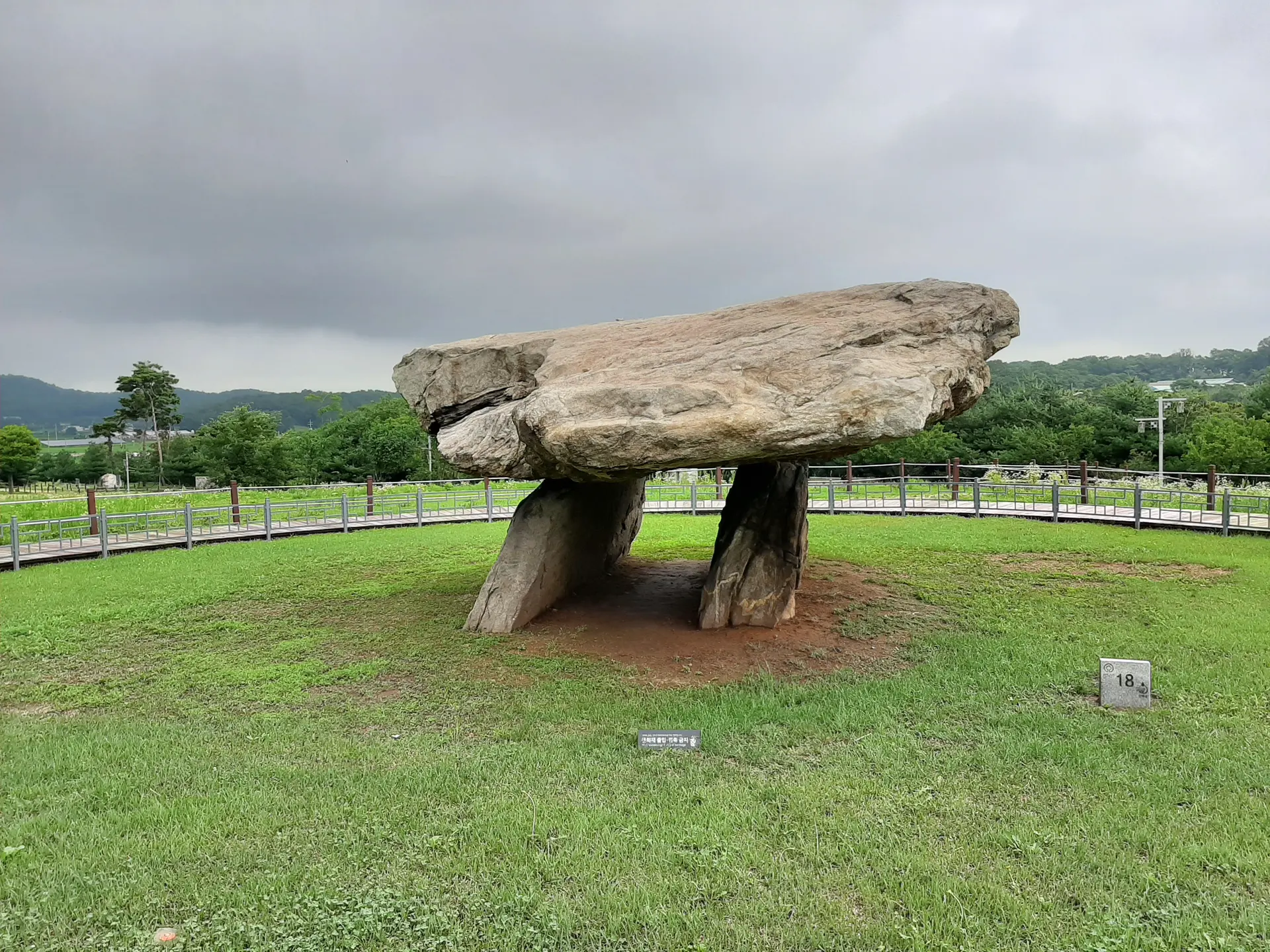
Ganghwa Dolmen Site
Ganghwa-gun, Incheon, South Korea
Ganghwa Dolmen Sites form the island component of UNESCO serial property 977. The famous Bugeun-ri table dolmen is one representative monument, not the entire component....
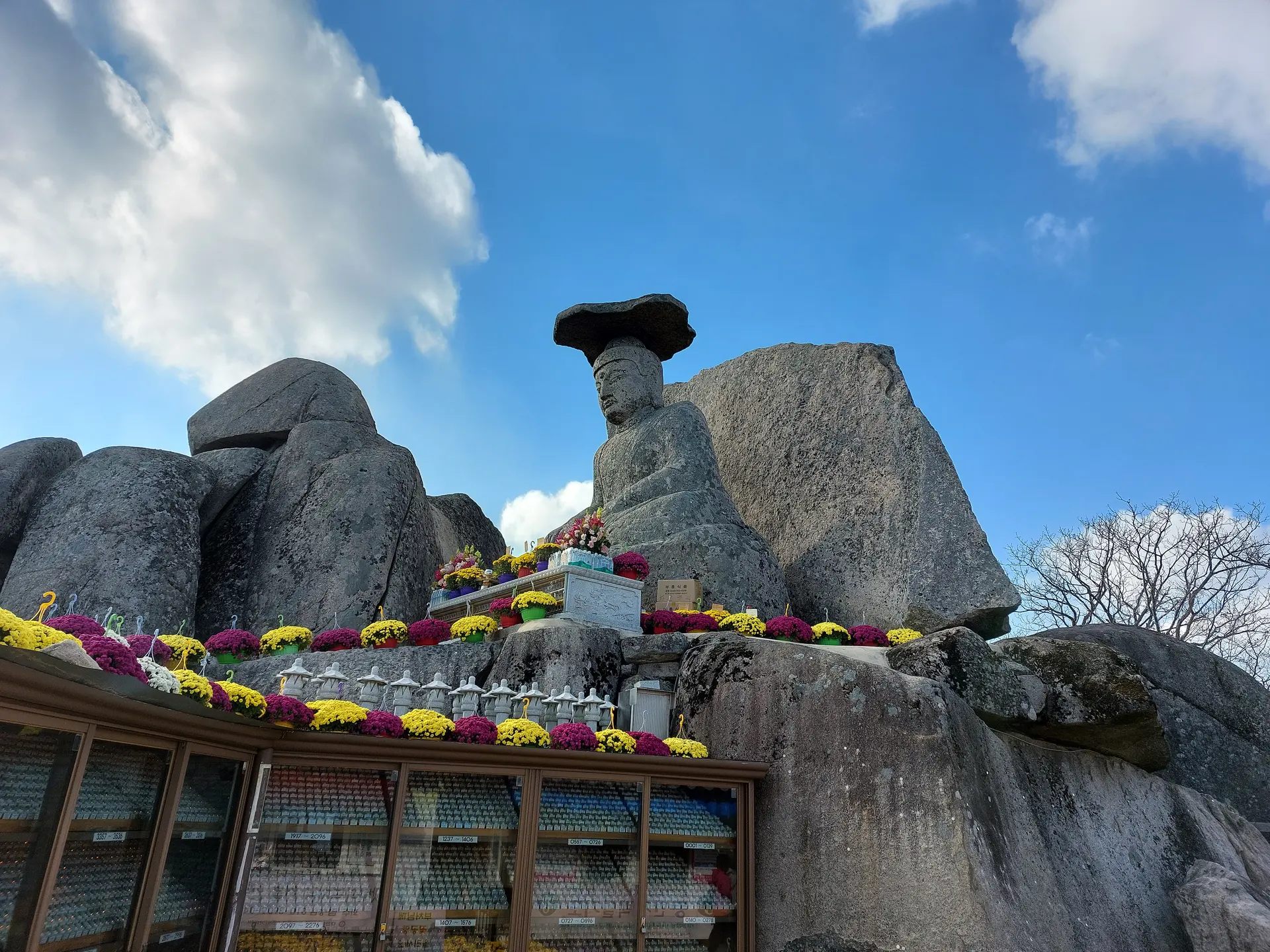
Gatbawi Buddha
Daegu, Gyeongsangbuk-do, South Korea
Gatbawi is the stone seated Buddha on Gwanbong, a Palgongsan summit associated with Seonbonsa....
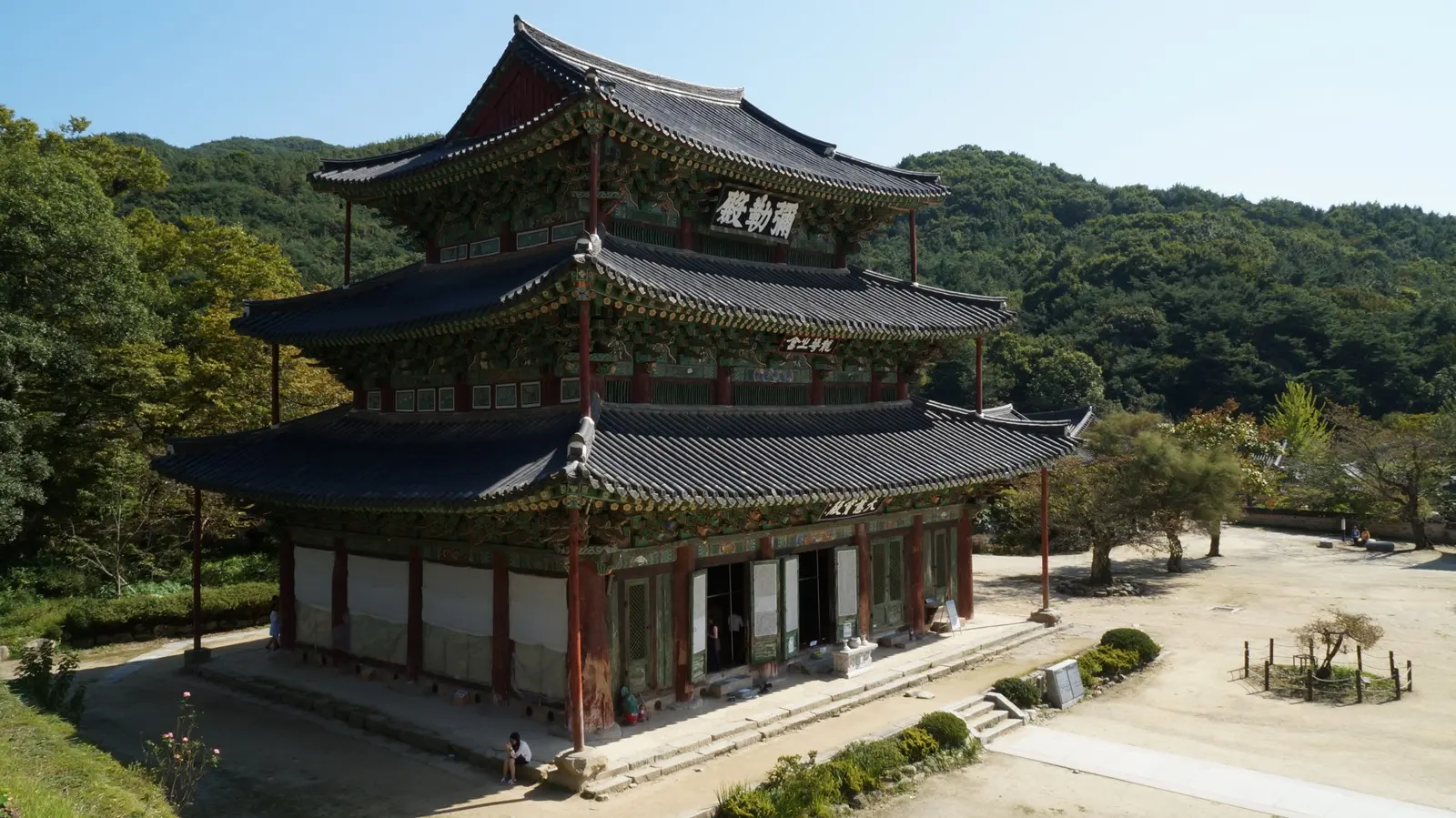
Geumsansa Temple
Gimje, Jeollabuk-do, South Korea
Geumsansa’s Mireukjeon is read upward. Its three exterior stories enclose one soaring interior centered on a standing Maitreya image....
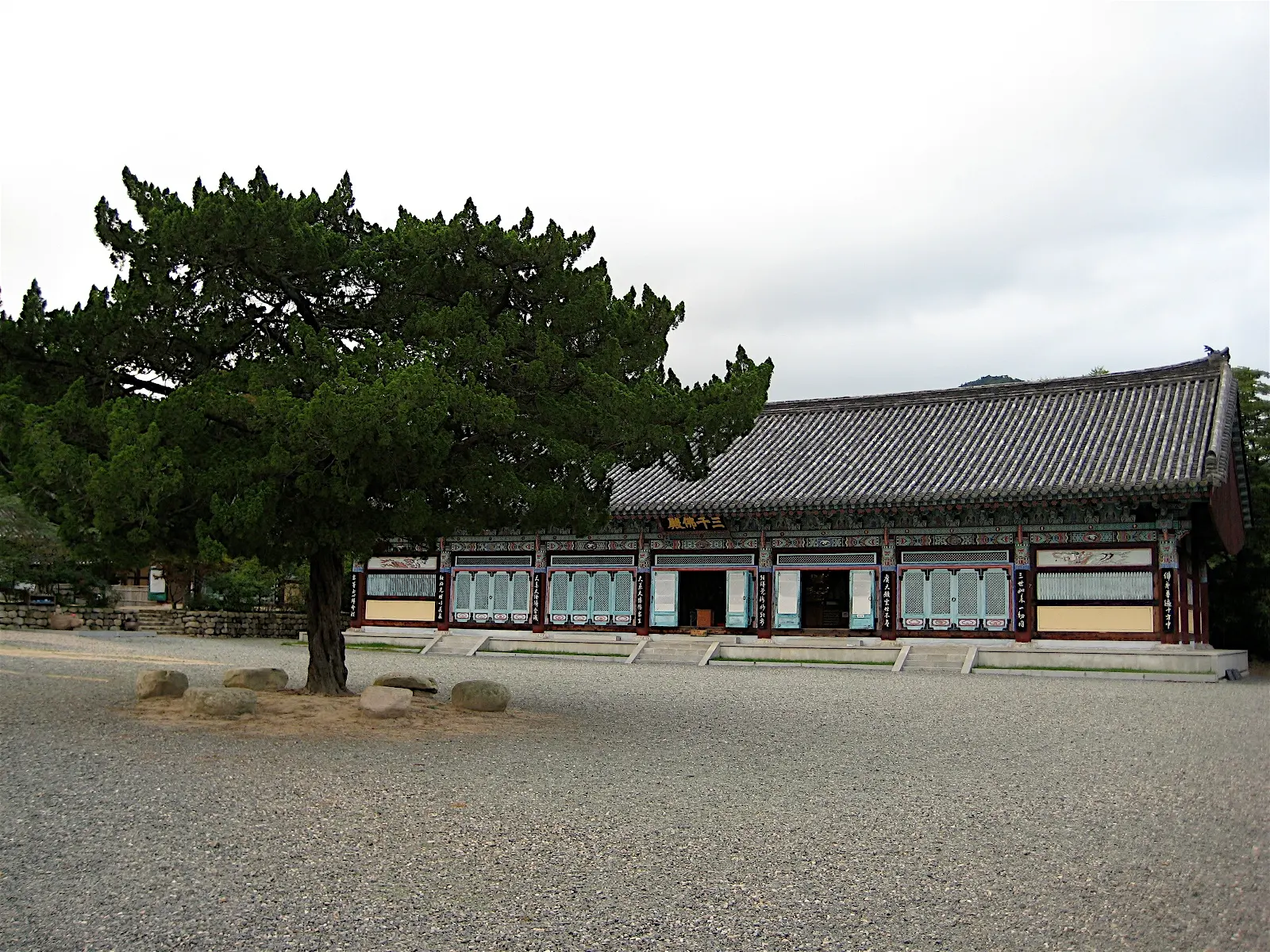
Girimsa Temple
Gyeongju, Gyeongsangbuk-do, South Korea
Girimsa opens into two different centers. Daejeokgwangjeon houses Vairocana, the Buddha associated with all-pervading illumination, while another court gathers a mature...
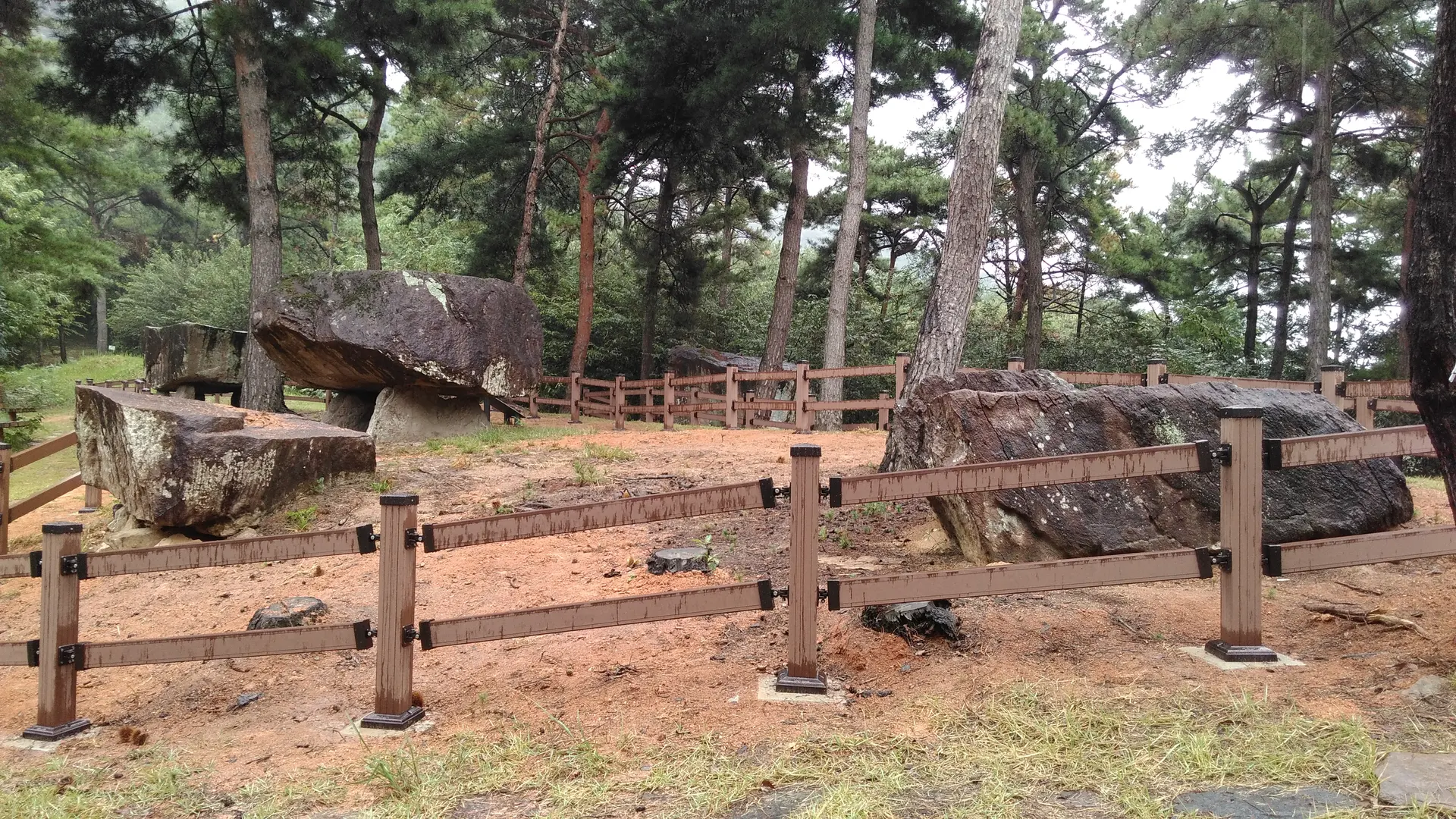
Gochang Dolmen Site
Kochang, Jeollabuk-do, South Korea
Gochang holds the largest and most varied component of UNESCO’s serial Gochang, Hwasun and Ganghwa Dolmen Sites....
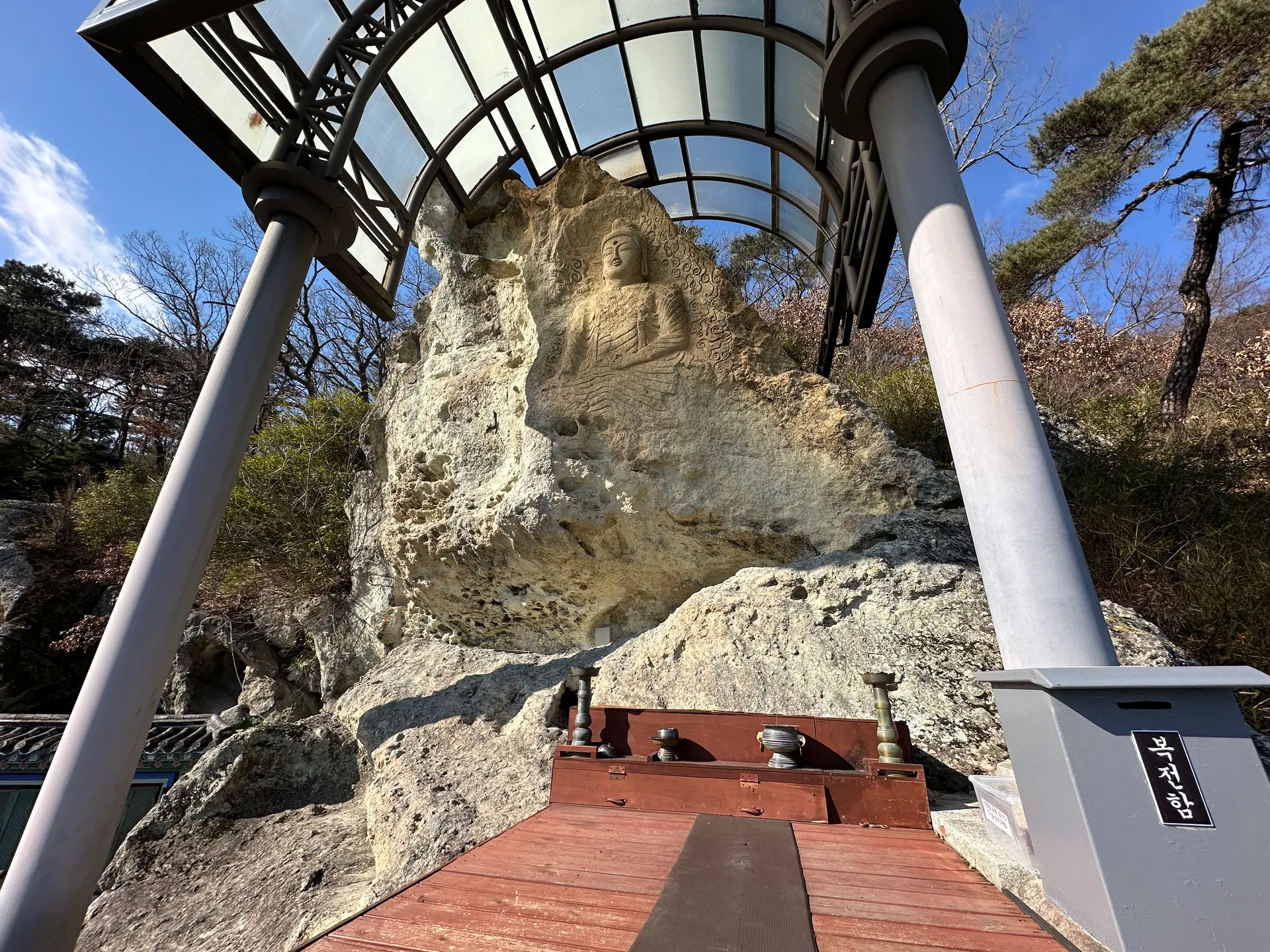
Golgulsa Temple
Gyeongju, Gyeongsangbuk-do, South Korea
Golgulsa is a living Jogye Buddhist temple built around a tuff cliff pierced by small cave halls....
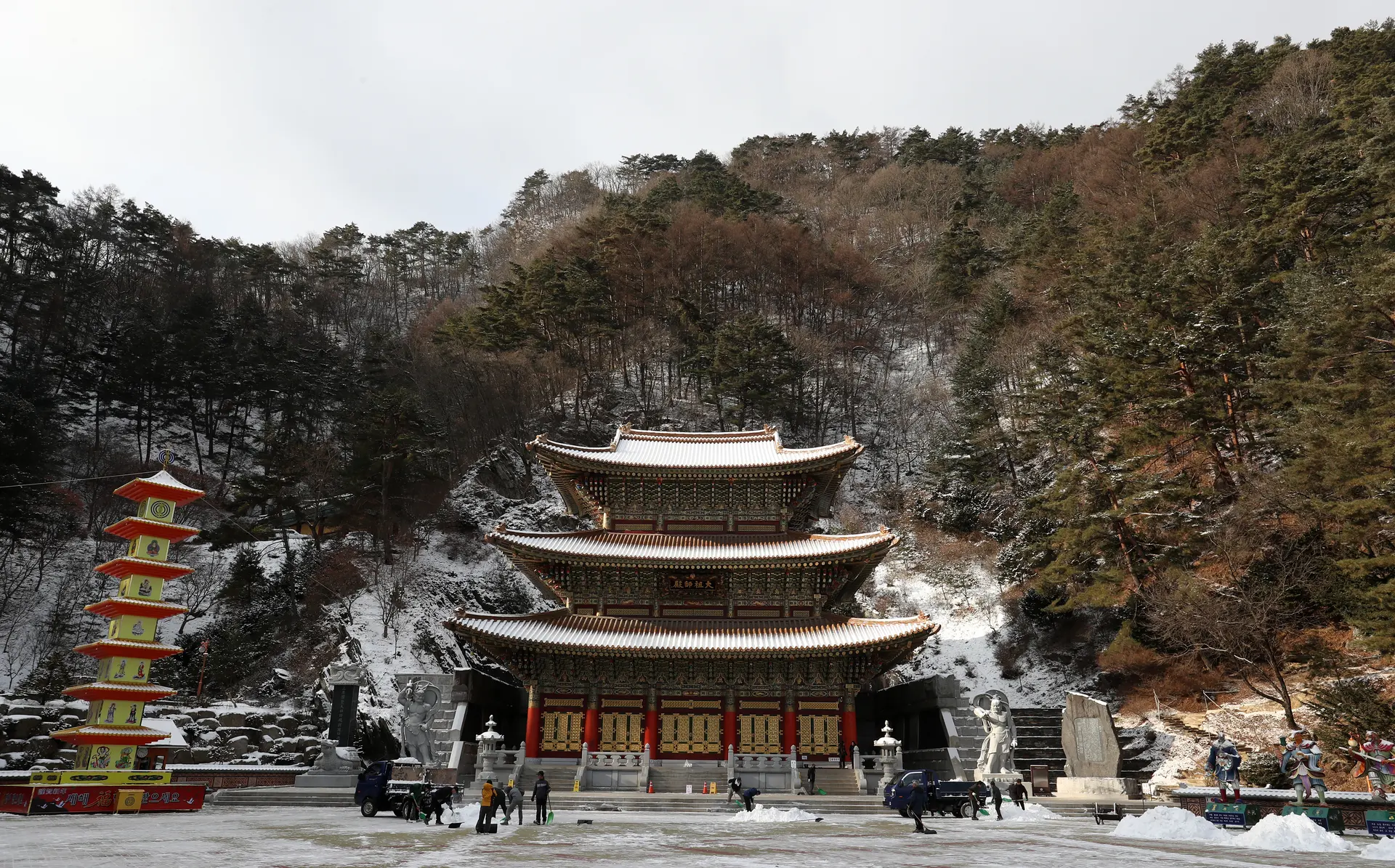
Guinsa Temple
Danyang-gun, Chungcheongbuk-do, South Korea
Guinsa does not present the weathered scale many visitors expect from a Korean mountain temple....
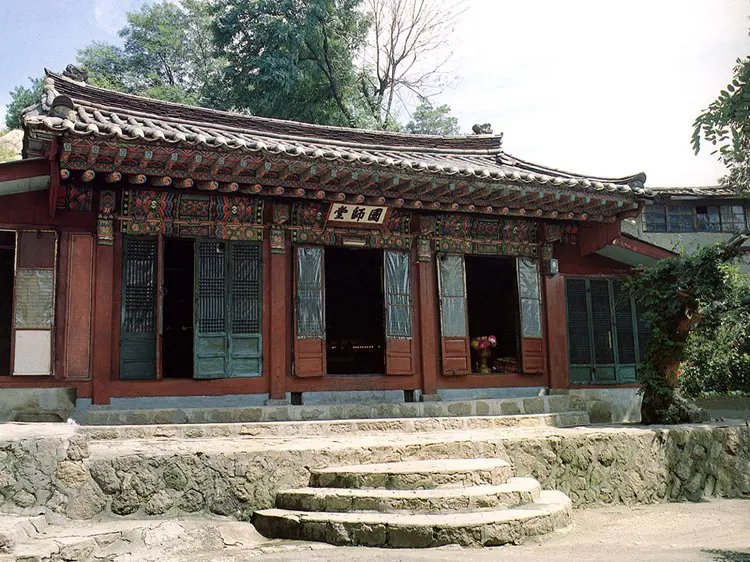
Guksadang Shrine
Seoul, Seoul, South Korea
Guksadang is an active shamanic ritual house on Inwangsan. Originally associated with Namsan and state reverence for its guardian, Mongmyeok Daewang, the building was...
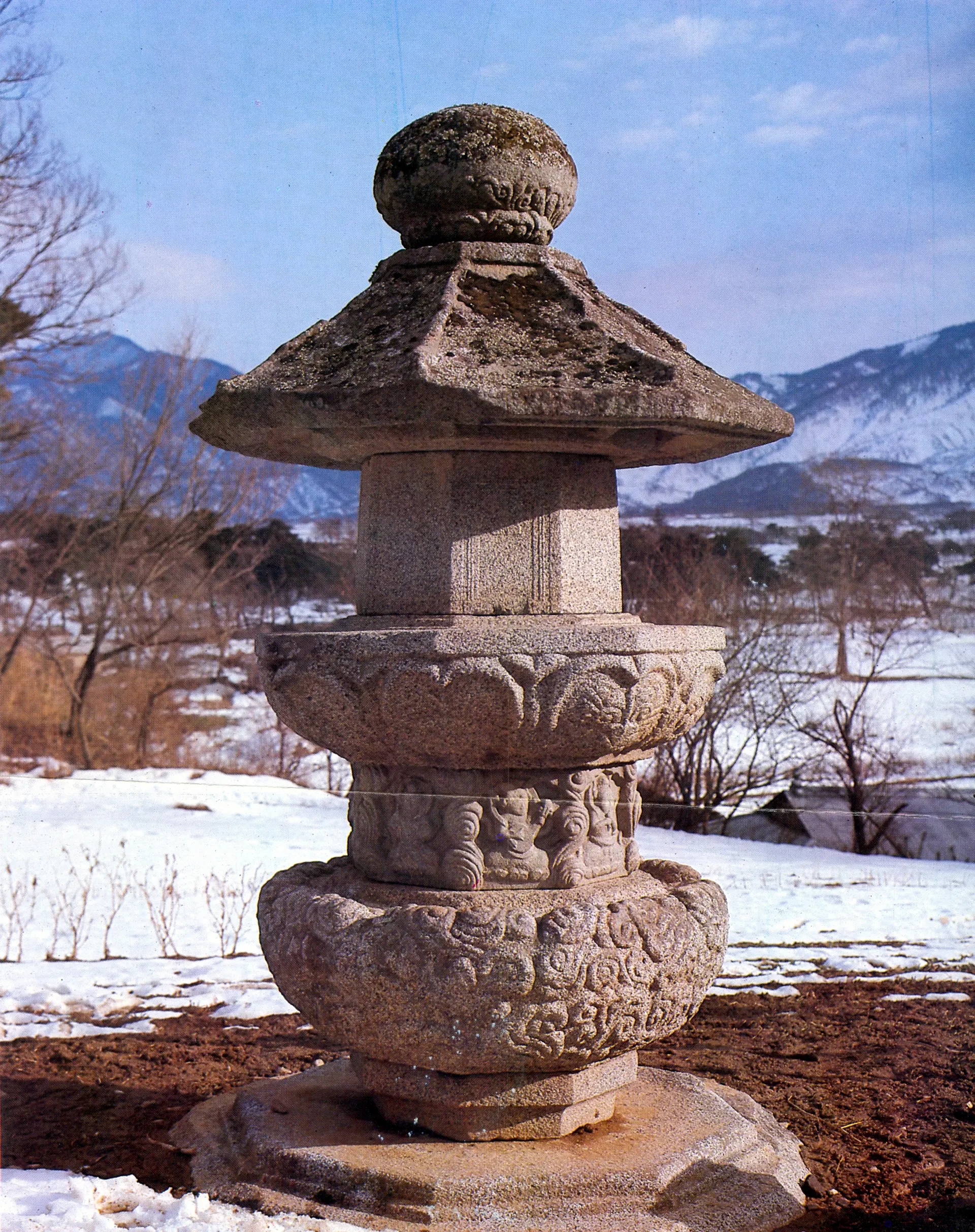
Gulsansa Temple Site, Gangneung
Gangneung, Gangneung, Gangwon-do, South Korea
Gulsansa Temple Site, Gangneung is a protected archaeological temple site within a living agricultural landscape in Gangneung, South Korea....
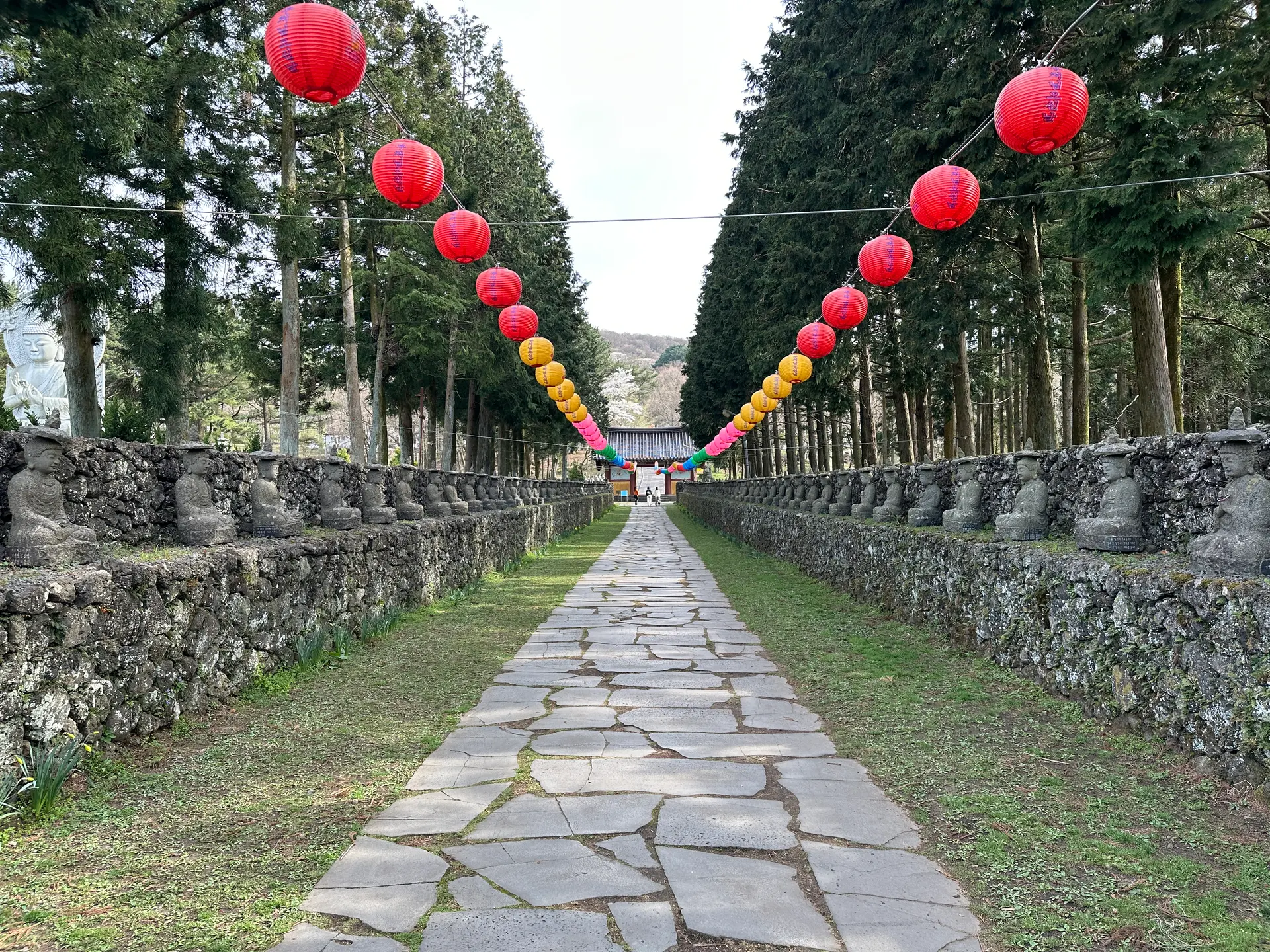
Gwaneumsa Temple
Cheju, Jeju-do, South Korea
Gwaneumsa is the principal temple of the Jogye Order’s twenty-third district on Jeju, set on Hallasan’s northern side rather than in the island’s urban core....
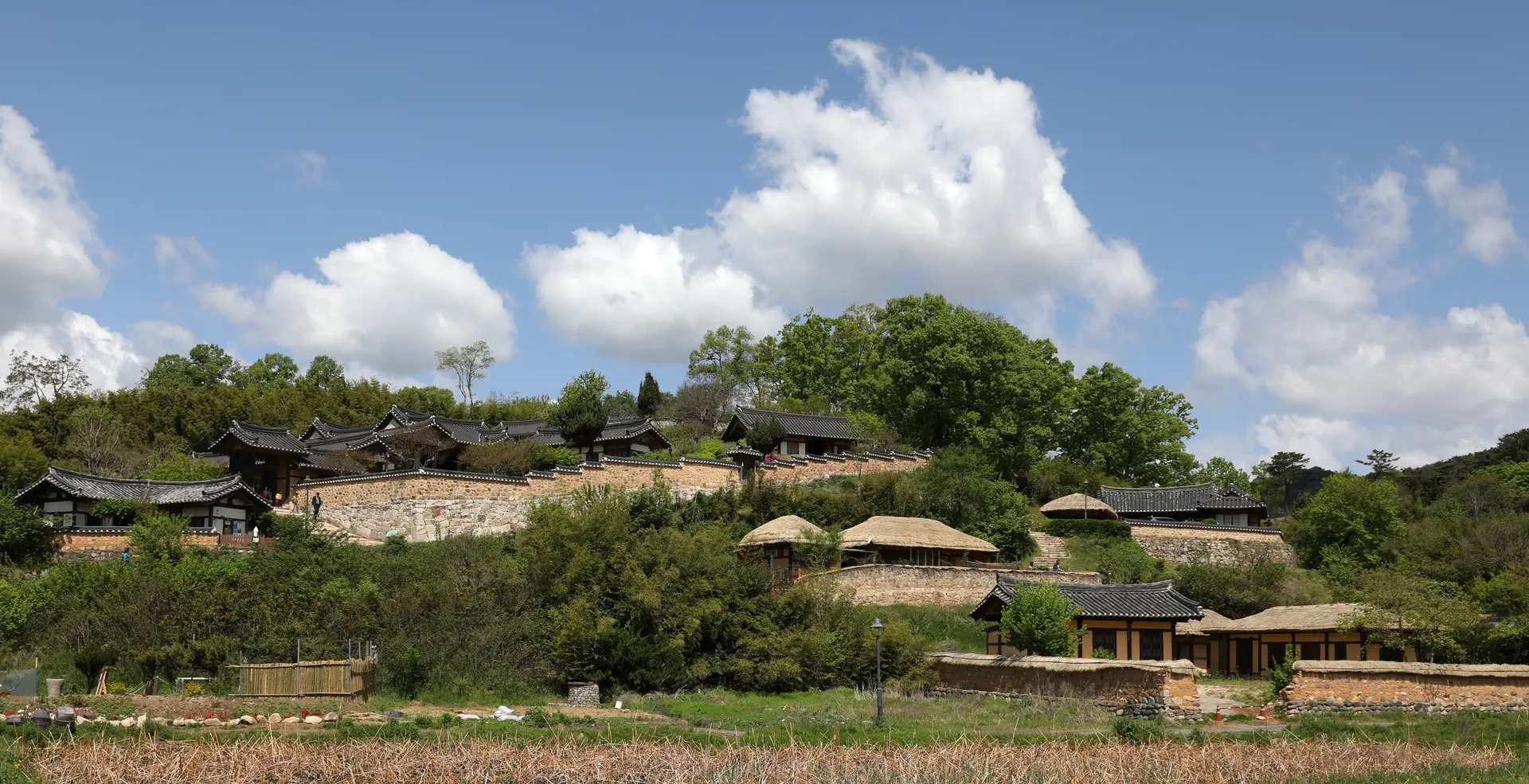
Gyeongju Historic Area
Gyeongju, Gyeongsangbuk-do, South Korea
For nearly a millennium, Gyeongju served as the capital of the Silla kingdom and the center of Korean Buddhism's golden age....
Haedong Yonggung-sa
Busan, Busan, South Korea
Haedong Yonggungsa occupies the rocky coast of Gijang, northeast of central Busan.
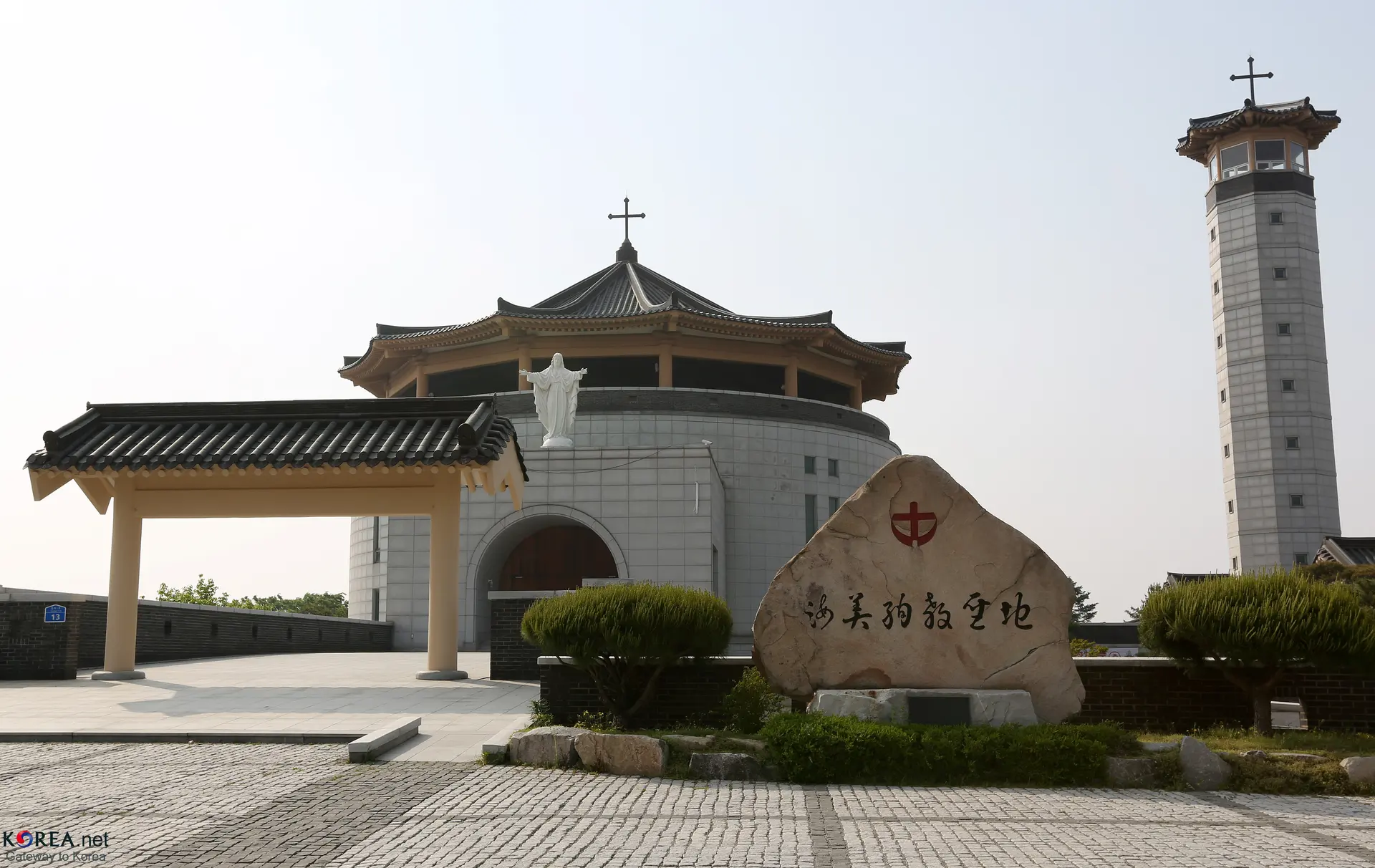
Haemi International Holy Ground
Sosan, Chungcheongnam-do, South Korea
Haemi International Holy Ground is a Catholic sanctuary built around the memory of believers imprisoned, killed, and buried in the Haemi area....
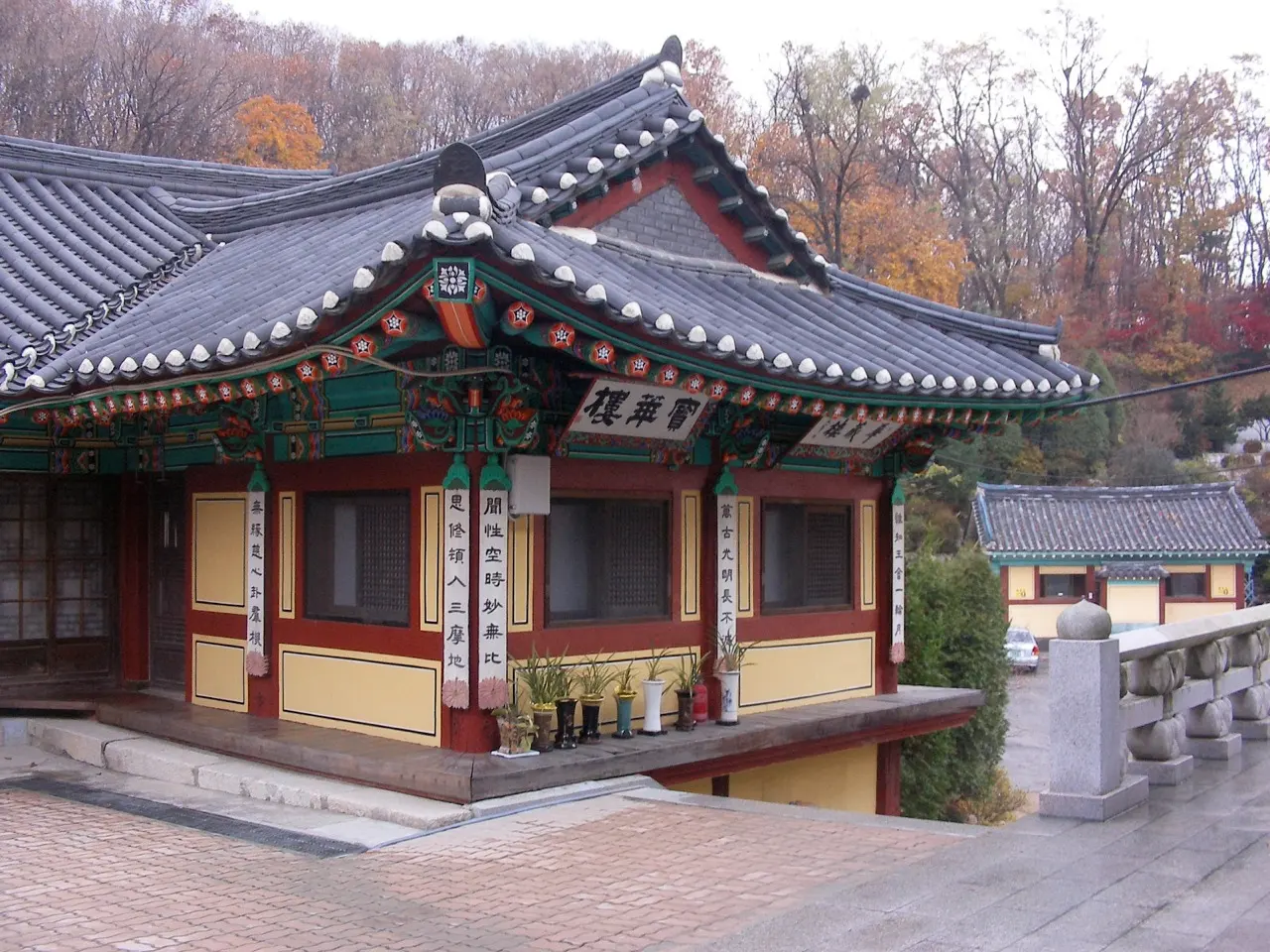
Hwagyesa Temple
Seoul, Seoul, South Korea
Hwagyesa occupies a wooded fold of Samgaksan on Seoul’s northern edge. Its current halls belong to a history of fire, immediate rebuilding, and later expansion, not to...
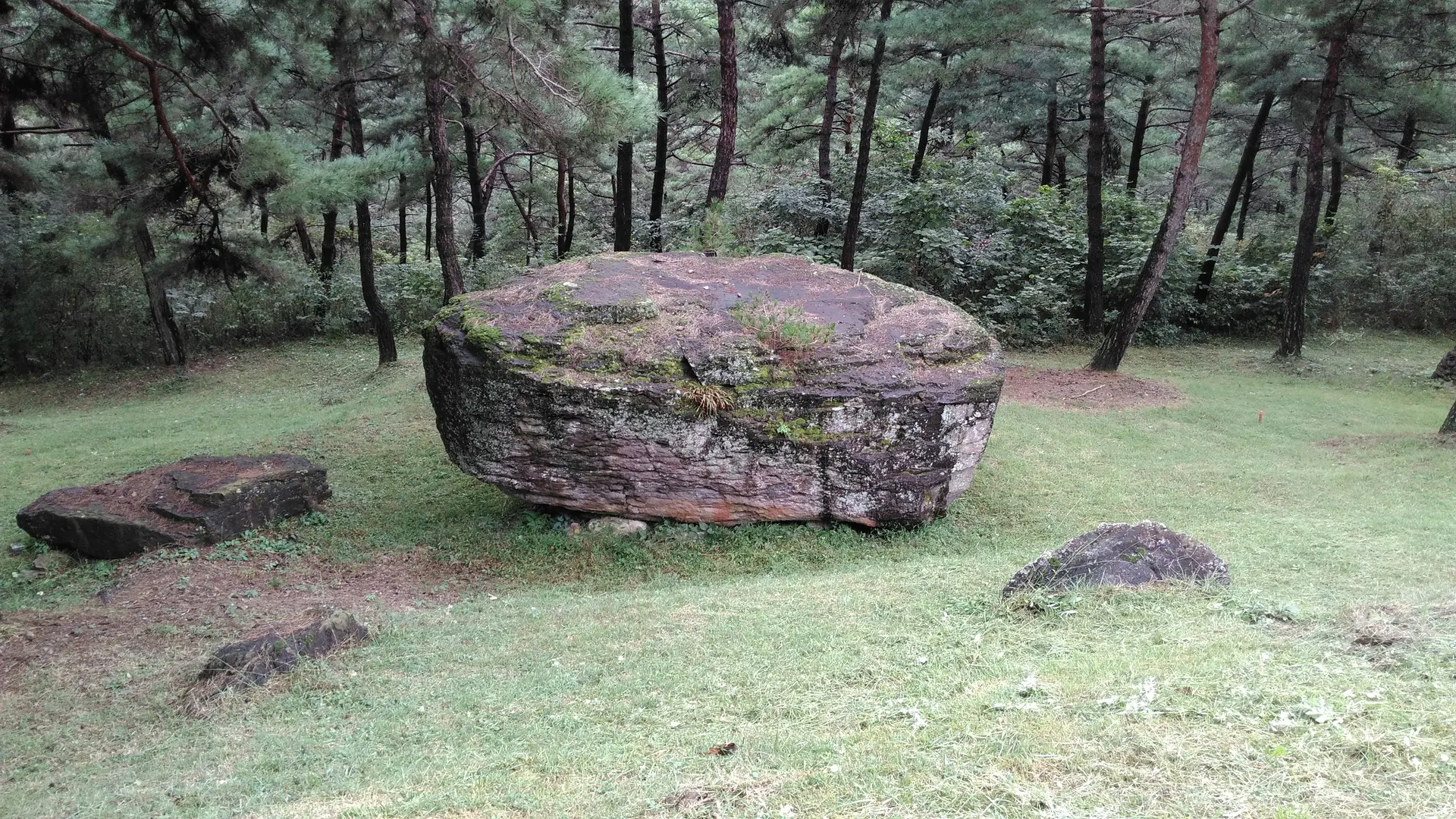
Hwasun Dolmen Site
Hwasun, Jeollanam-do, South Korea
Hwasun Dolmen Site is one component of UNESCO property 977, not a separate World Heritage inscription....
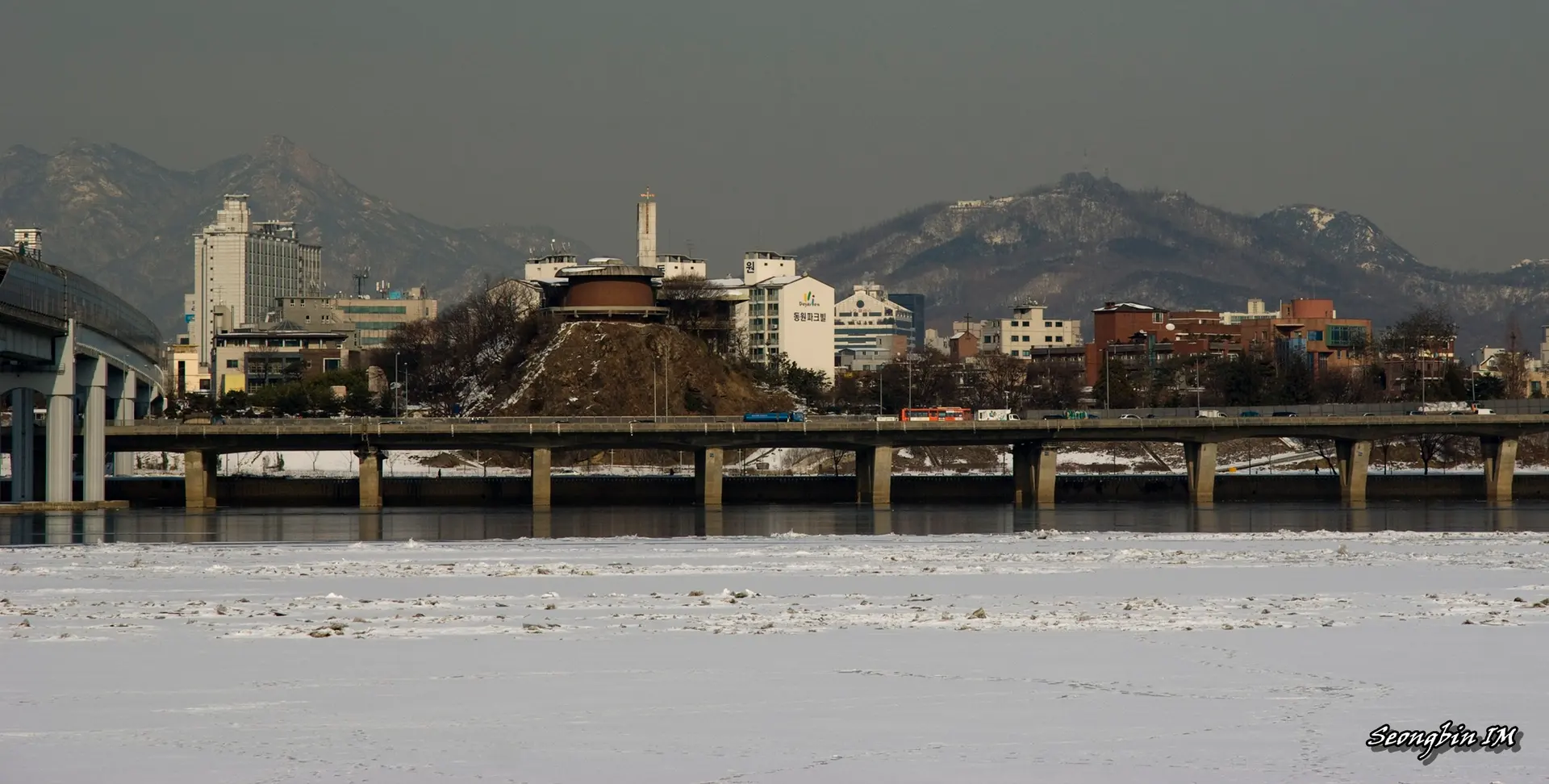
Jeoldusan Martyrs’ Shrine
Seoul, Seoul, South Korea
Jeoldusan remembers Catholics executed during the 1866 persecution. Its name, often translated through the violence of beheading, prevents the visitor from treating...

Jeondeungsa Temple
Ganghwa-gun, Incheon, South Korea
Jeondeungsa Temple is an active Korean Buddhist community inside Ganghwa's Samnangseong walls....
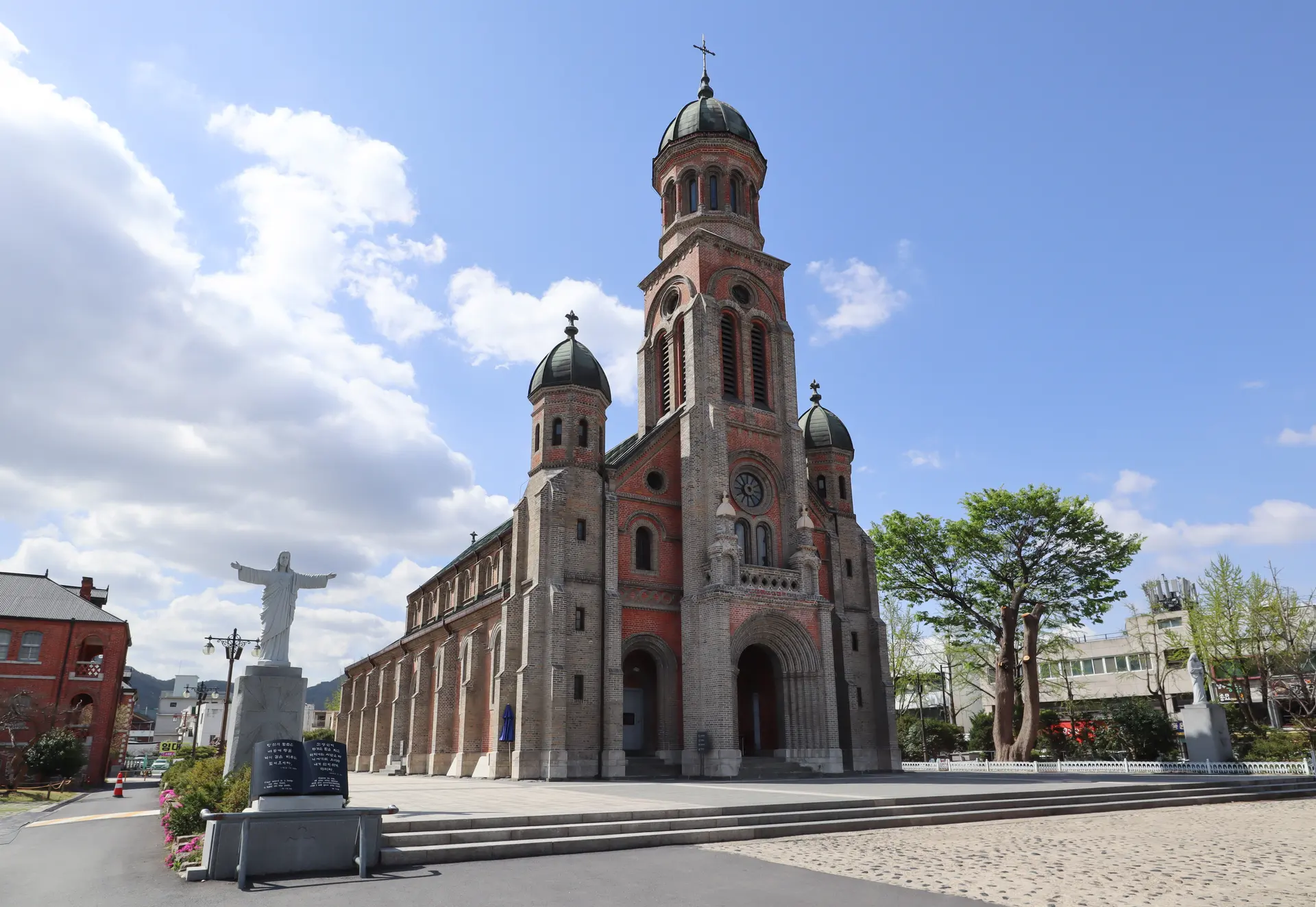
Jeonju Jeondong Cathedral
Jeonju, Jeollabuk-do, South Korea
Jeondong Cathedral stands near the place where Paul Yun Ji-chung and James Kwon Sang-yeon were executed in 1791....
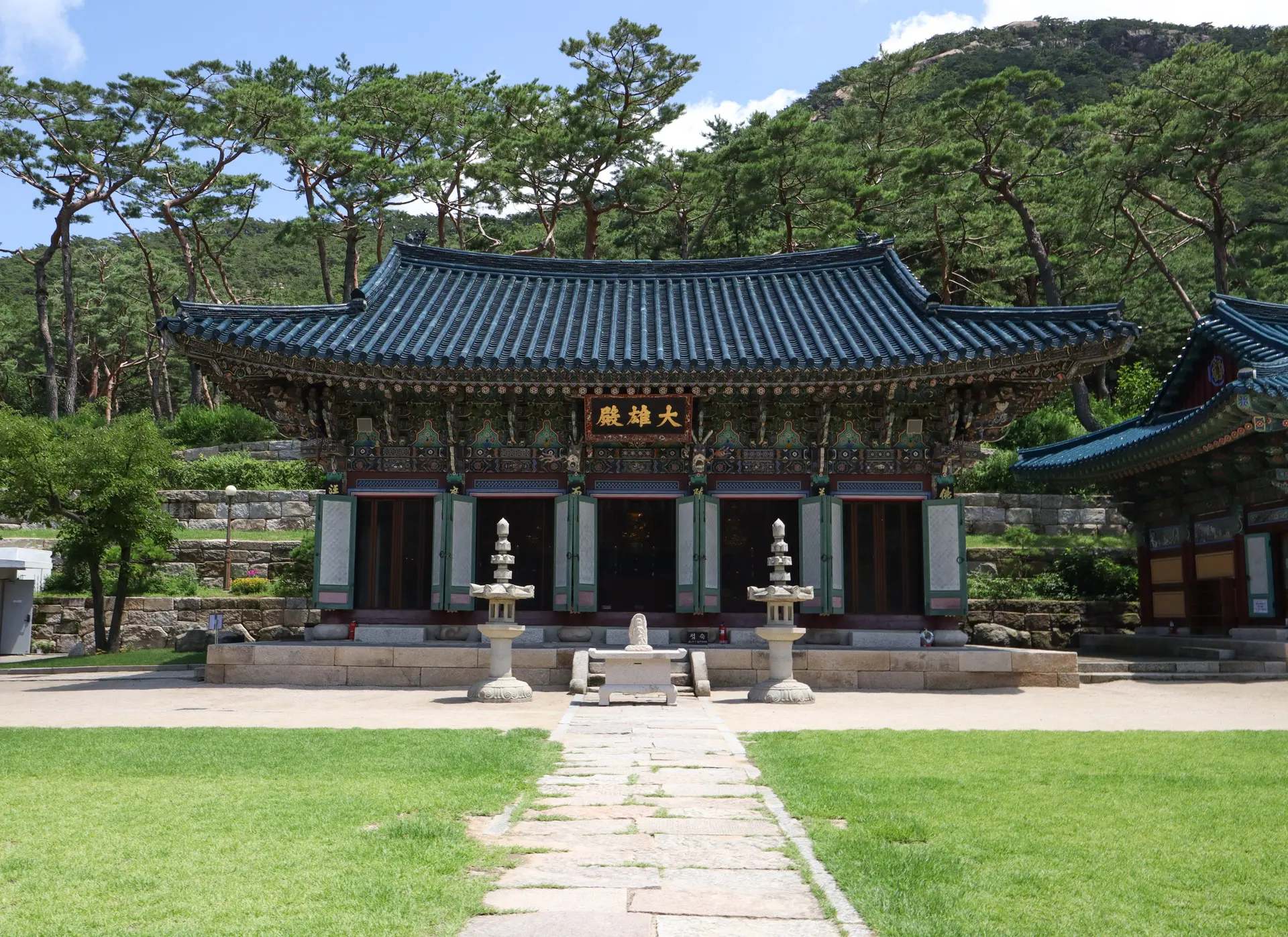
Jingwansa Temple
Seoul, Seoul, South Korea
Jingwansa stands where Seoul meets Bukhansan, but its sacred character is more specific than mountain quiet....
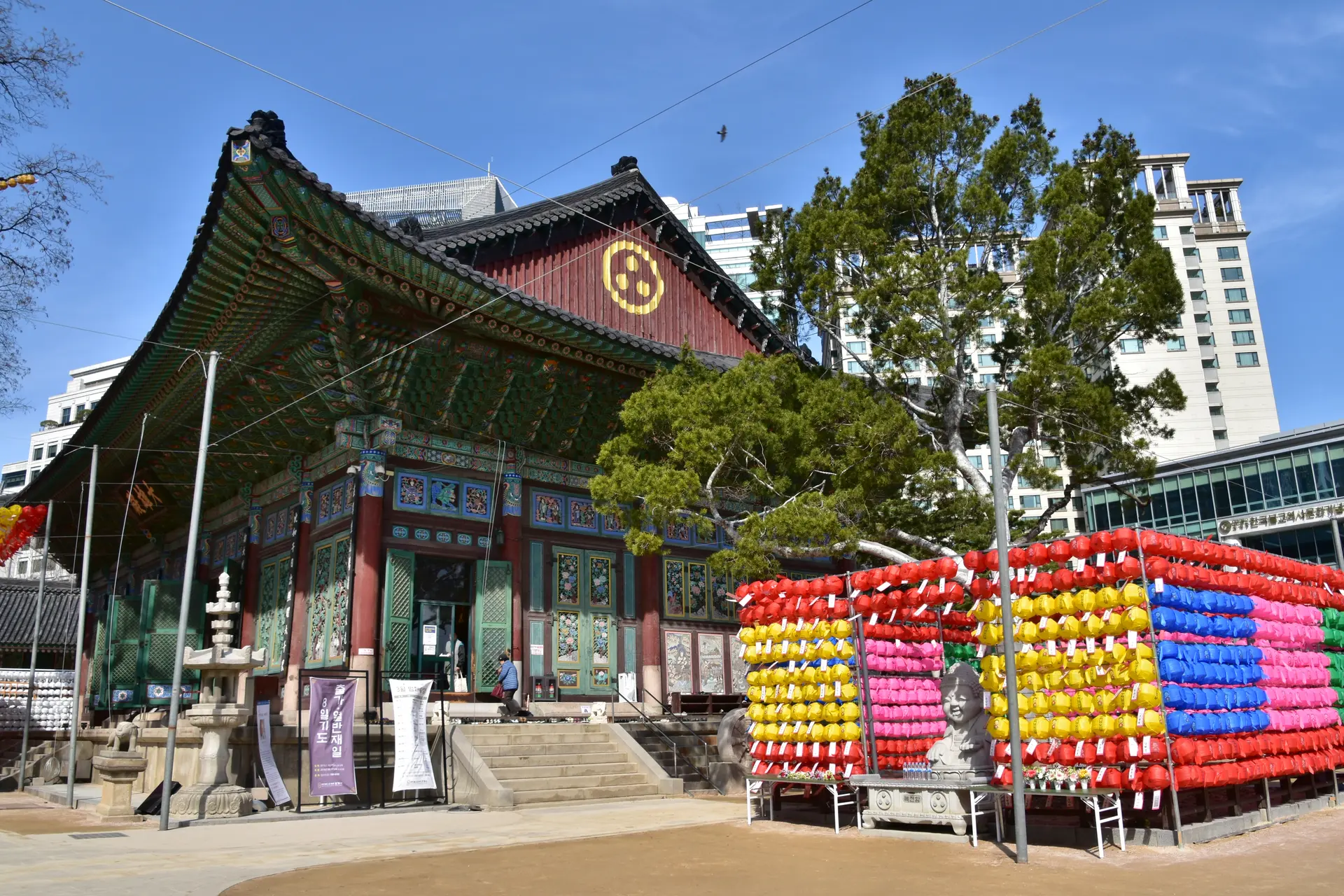
Jogyesa Temple
Seoul, Seoul, South Korea
Jogyesa sits among offices, traffic, shops, and civic life, yet it is not a retreat from the city....

Jongmyo Shrine
Seoul, Seoul, South Korea
Jongmyo Shrine is a royal Confucian ancestral shrine in Seoul, Jongno District, South Korea, interpreted within Korean Confucianism....
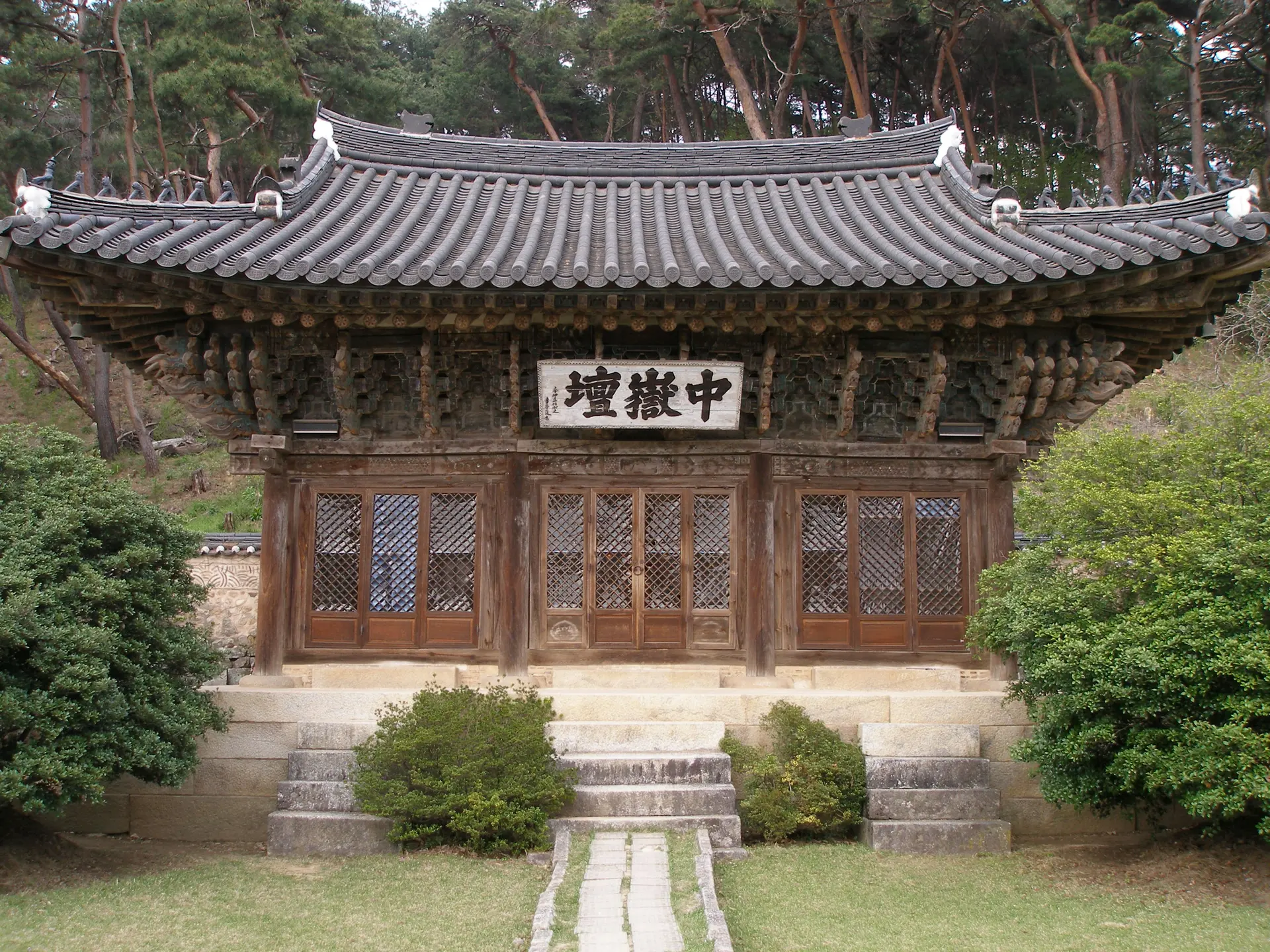
Jungakdan Shrine
Gongju-si, Chungcheongnam-do, South Korea
Jungakdan stands within Sinwonsa on Gyeryongsan and addresses the mountain’s guardian spirit....
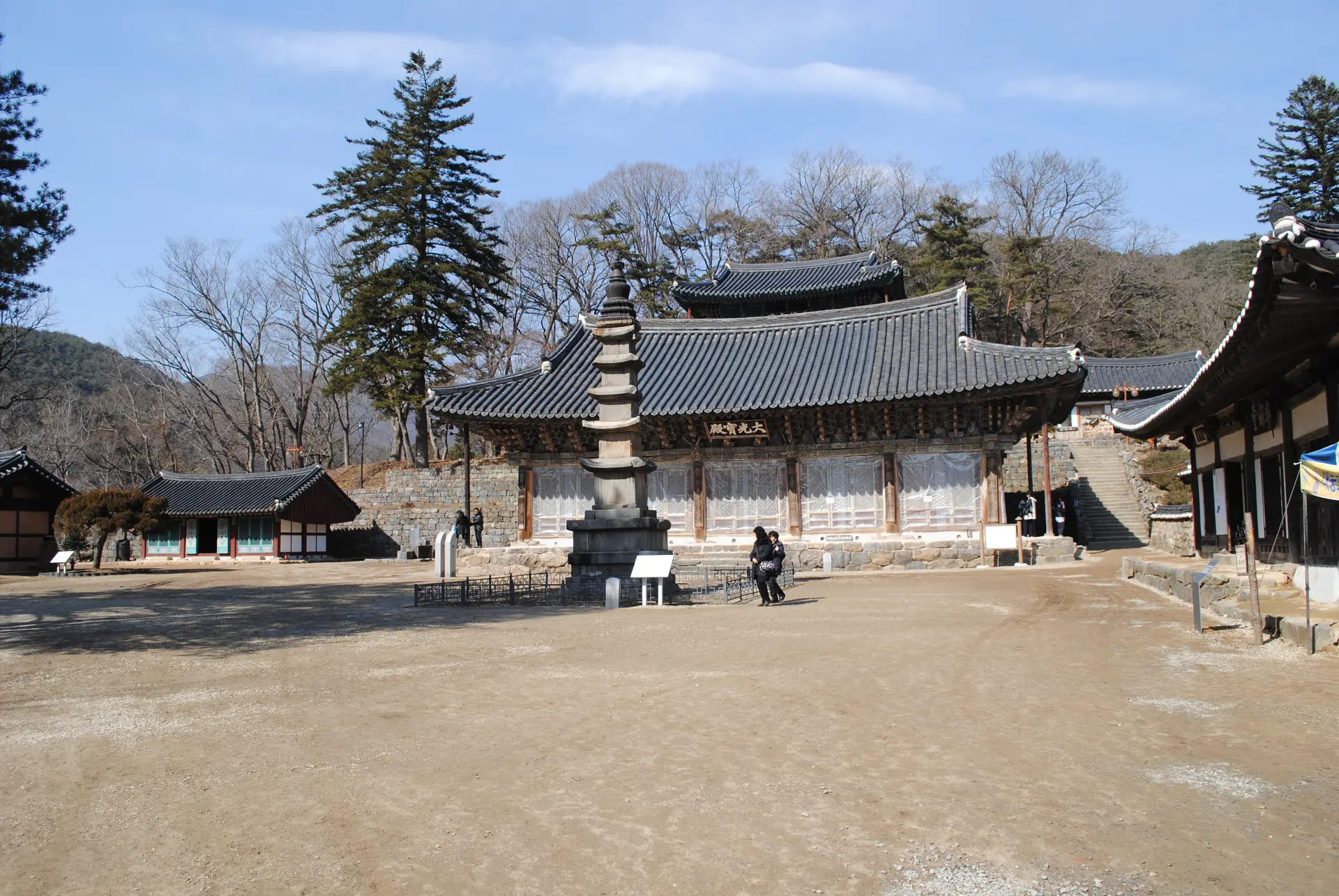
Magoksa Temple
Gongju, Chungcheongnam-do, South Korea
At Magoksa, Taegeukcheon bends through a wooded valley before the halls rise on Taehwasan....

Mihwangsa Temple
Haenam, Jeollanam-do, South Korea
Mihwangsa Temple is an active southern Buddhist precinct set against Dalmasan in Haenam....
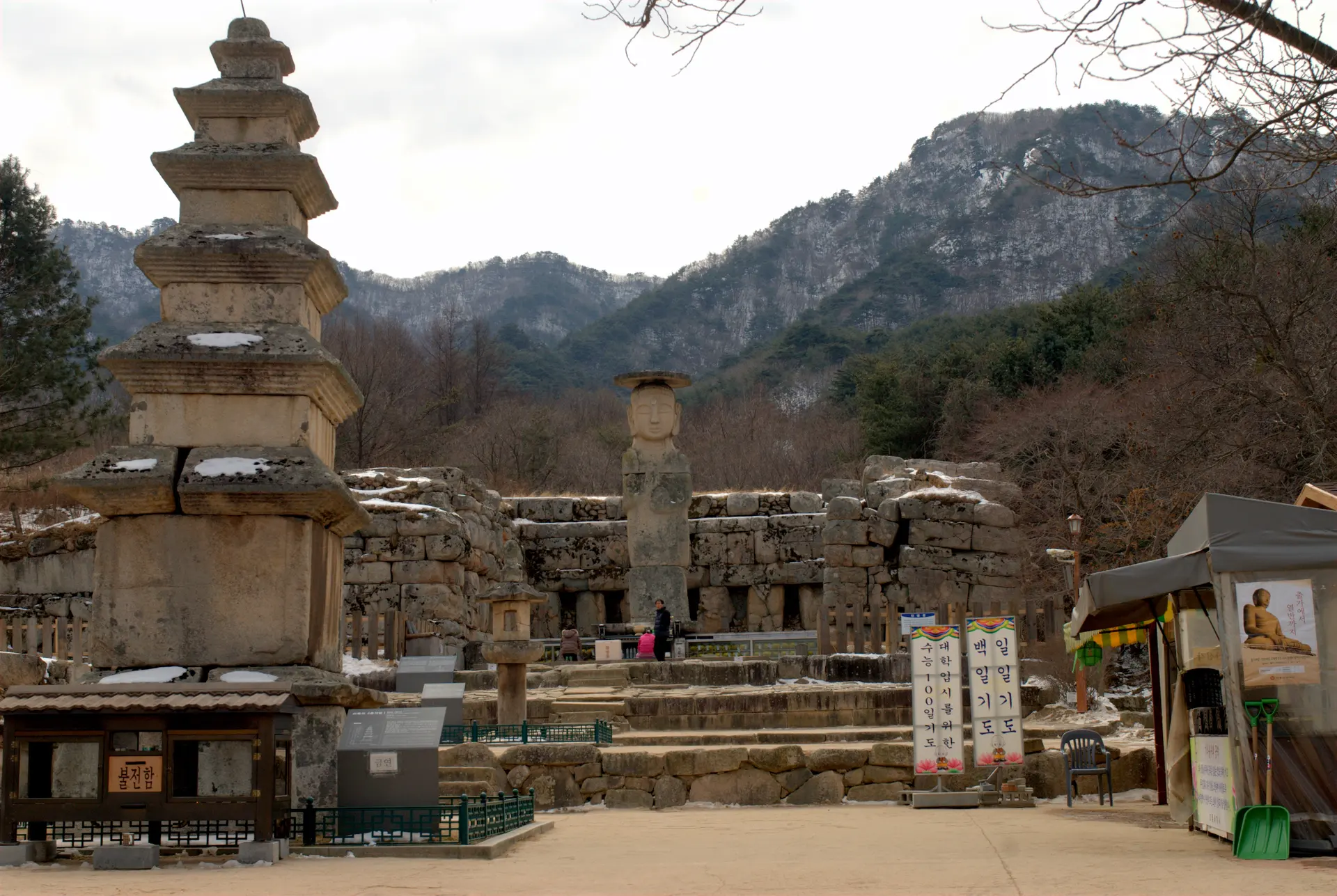
Mireuk-ri Temple Site
Cheongju, Chungcheongbuk-do, South Korea
Mireuk-ri Temple Site, officially Chungju Mireukdaewonji, preserves a Goryeo Buddhist complex in the Haneuljae basin....
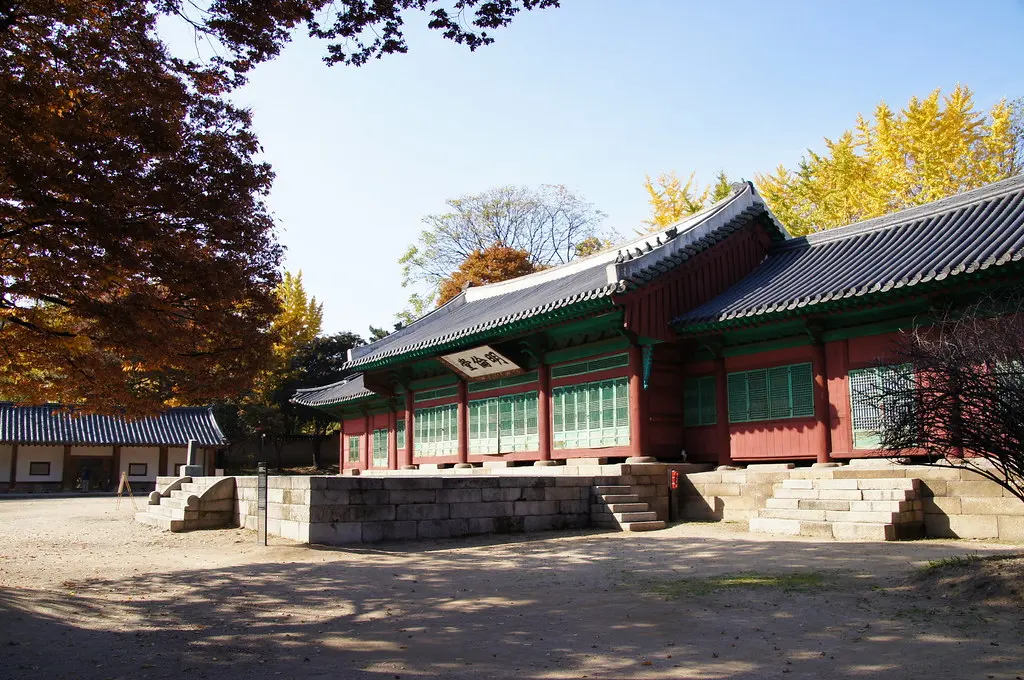
Munmyo Shrine at Sungkyunkwan
Seoul, Seoul, South Korea
Munmyo at Sungkyunkwan unites a Confucian shrine with the Joseon state academy. Its sacred center honors Confucius together with disciples and distinguished Chinese and...
Showing 1-48 of 78 sites
Key questions
South Korea sacred-site questions
What sacred sites can I explore in South Korea?
Pilgrim Map lists sacred places in South Korea across living worship sites, heritage landmarks, pilgrimage destinations, and culturally significant landscapes. The current guide lists 78 sites organized by region and tradition.
Which traditions are represented in South Korea?
The most represented traditions include Korean Buddhism, Korean Neo-Confucianism, Buddhism, Roman Catholic Christianity, Korean Seon Buddhism, Korean Seon Buddhist heritage.
How should I plan a sacred-site visit in South Korea?
Start with regional clusters, compare nearby places on the map, then open individual site pages for coordinates, etiquette, and sacred context where available.
Can I view South Korea sacred sites on a map?
Yes. Switch to map view to compare geographic clusters, then open individual site pages for coordinates, visiting context, and related places.