Seosan Rock-carved Buddha Triad
A sourced encounter with Seosan Rock-carved Buddha Triad
Understand sacred places, explore living traditions, and learn how to engage respectfully with Pilgrim Map.
Access has not been verified. Check current local guidance before planning a visit.
Sosan, Chungcheongnam-do, South Korea
Read the sources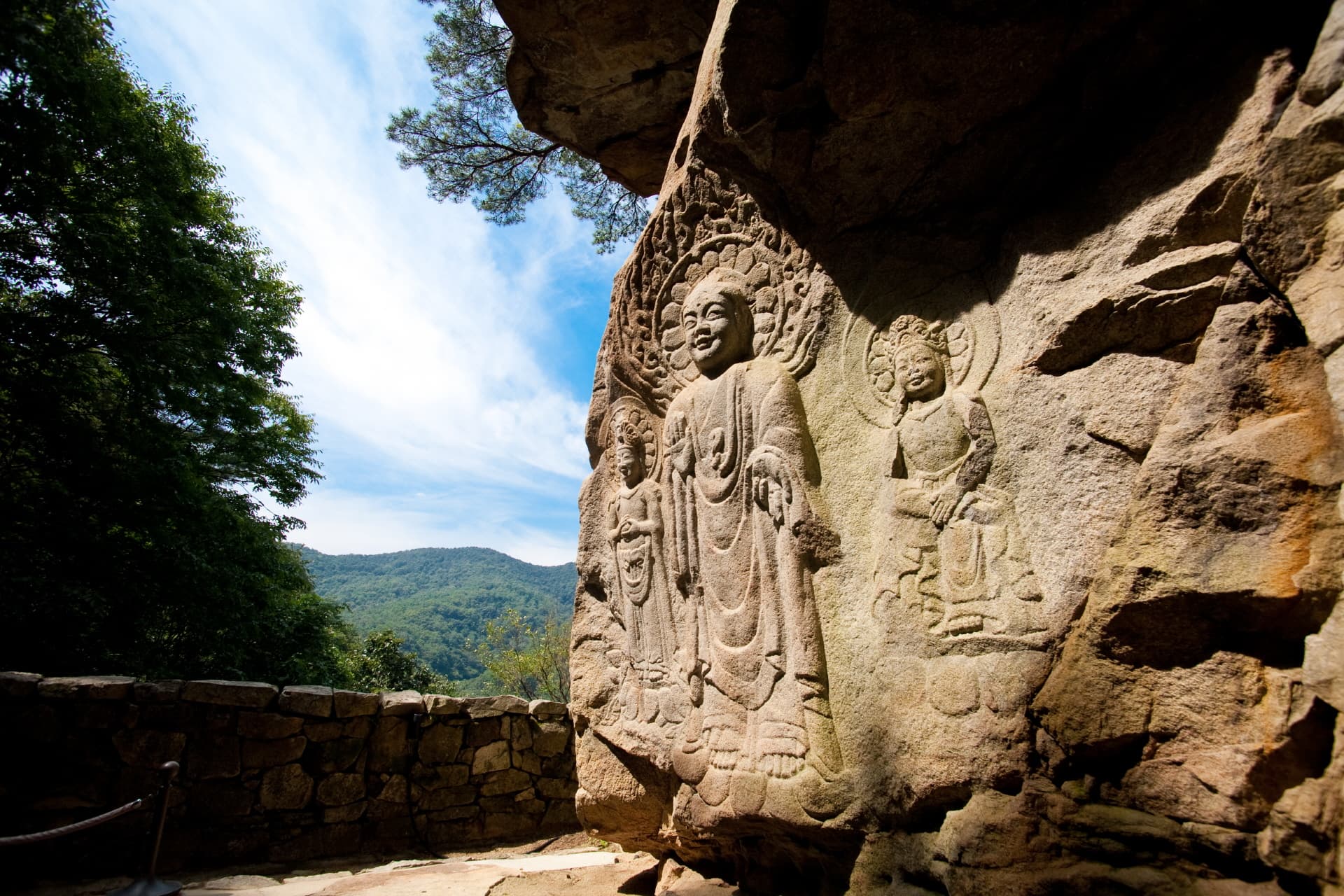
Seosan Rock-carved Buddha Triad in Seosan, South Chungcheong, South Korea. Image source · CC BY-SA 4.0
Visit essentials
A quick read before you go
- Duration
- Allow an unhurried circuit appropriate to Seosan Rock-carved Buddha Triad.
- Access
- 65-13 Maaesamjonbul-gil, Unsan-myeon, Sosan, Chungcheongnam-do, South Korea
Overview
The Seosan Rock-carved Buddha Triad is cut directly into a cliff near the approach to the former Bowonsa temple landscape. Official tourism material identifies a central standing Buddha, a seated figure, and a standing bodhisattva, all associated with Baekje-period sculpture. Their expressions change with angle and daylight, giving rise to the familiar phrase 'Baekje smile.' The triad is an archaeological and Buddhist sculptural sanctuary rather than an active temple complex.
Respect begins with distance: remain on the authorized viewing route, avoid touching the rock, and let changing light reveal the carving without adding artificial illumination or devotional improvisation. Its restraint is part of responsible access.
Why this place is sacred
The triad's power of place is material and relational. A carved cliff holds religious images in the landscape for centuries, while daylight alters how their faces are perceived. That change can feel intimate, but it does not demonstrate that the stone emits a spiritual force. Sacred significance rests in Buddhist iconography, Baekje craftsmanship, historical placement near a temple route, and later acts of protection and interpretation. Weathering also belongs to the encounter.
The surface is not an endlessly renewable image; every touch, moisture cycle, and unmanaged intervention can affect it. Contemplation here should increase care rather than encourage contact.
Seosan Rock-carved Buddha Triad served a documented Korean Buddhism religious purpose.
Seosan Rock-carved Buddha Triad carries repair, protection, and changing public access.
Experience and orientation
Visit the Seosan triad during posted hours and begin with the site's explanatory material. The viewing position, sun angle, and weather influence visibility, so patience is more useful than a flash or a hand held against the stone. Follow the access controls posted by the managing authority, which may change with conservation needs. Notice the composition before isolating one face: central stance, flanking figures, carved drapery, scale, and cliff setting work together.
Rain, glare, or conservation measures may limit the view. Those limits protect the monument and should not be bypassed. Confirm current access with the managing authority or dated strong Places record.
Use Seosan Rock-carved Buddha Triad's posted orientation before entering sacred space.
Context and lineage
Korea Tourism Organization describes the Seosan triad as a major Baekje rock carving discovered in 1958 and designated as a National Treasure. The composition places a standing Buddha at the center, with a seated Buddha and standing bodhisattva beside him. Official dimensions and identifications should be read from current site interpretation because English naming conventions can vary.
The nearby Bowonsa temple entrance and Gayasan setting help explain that the carving once belonged to a wider religious landscape, even though the present visitor meets a protected cliff image. The phrase 'Baekje smile' is an interpretive nickname for the changing expressions, not evidence that the sculpture performs a supernatural response.
Seosan Rock-carved Buddha Triad belongs within Korean Buddhism.
Traditions and practice
The triad can support respectful Buddhist remembrance and quiet contemplation, but it should not be treated as an unrestricted altar. Do not leave incense, candles, coins, food, cloth, or written petitions unless the custodian explicitly provides a place and method. Flame and residue can damage stone. A suitable practice is visual study from the approved position: follow one carved line, observe how shadow changes it, and then return attention to the whole group.
Bowing quietly may be meaningful for a Buddhist visitor, yet no gesture should obstruct circulation or imply that all visitors share the same devotion.
Seosan Rock-carved Buddha Triad combines stewardship with religious or contemplative use.
At Seosan Rock-carved Buddha Triad, observe one feature without obstructing others.
Korean Buddhism
HistoricalThe Seosan triad preserves Baekje Buddhist imagery at cliff scale, linking three carved figures to a former temple approach and the changing action of daylight.
Practice at Seosan Rock-carved Buddha Triad follows its own custodial community.
Perspectives and open questions
Seosan Rock-carved Buddha Triad supports distinct devotional, historical, and conservation readings.
Scholarly perspective
Archaeology places the Seosan triad within Baekje history and a network of movement, temples, and artistic exchange. Buddhist interpretation asks how the three figures organize veneration and teaching. Conservation science studies stone condition, water, temperature, biological growth, and visitor impact. Popular interpretation focuses on the smiles, a useful entry point when it does not eclipse the rest of the carving. Some identifications and dates may be refined as scholarship develops; uncertainty should be named rather than filled with mystical claims.
The monument's documented achievement is sufficient: religious images were composed at architectural scale within living rock and remain legible after long exposure. Continued protection keeps that evidence available without pretending every question is settled.
Living and traditional perspectives
Within Korean Buddhism, Seosan Rock-carved Buddha Triad is interpreted through inherited practice rather than outsider speculation.
Open questions
Questions unresolved at Seosan Rock-carved Buddha Triad remain open; no metaphysical effect is asserted.
Plan your visit
Access and arrival
65-13 Maaesamjonbul-gil, Unsan-myeon, Sosan, Chungcheongnam-do, South Korea
No accommodation claim was verified for Seosan Rock-carved Buddha Triad.
Respectful visit
Wear modest, practical clothing suitable for Seosan Rock-carved Buddha Triad.
Follow Seosan Rock-carved Buddha Triad's current photography signs and staff instructions.
Use only offering forms explicitly accepted at Seosan Rock-carved Buddha Triad.
Do not touch protected surfaces or objects at Seosan Rock-carved Buddha Triad.
Never improvise rites or offerings at Seosan Rock-carved Buddha Triad.
Current practical details
Address
65-13 Maaesamjonbul-gil, Unsan-myeon, Sosan, Chungcheongnam-do, South Korea
Phone
Hours
Hours, fees, and access can change — verify on the official source before you travel. Practical details last checked Jul 2026.
Location
Map loads as you approach this section.
Pilgrim reflections
A portrait of encounter, not a score
Pilgrims describe what they felt, how present they could become, and whether the place would shape a journey. There are no stars and no ranking of traditions.
No reviewed reflections yet
The first pilgrims can help describe the character of being here.
Share a reflection
Available after an account-backed “Been there.” Every reflection is reviewed before publication.
Nearby sacred places
Explore other sacred places in the region. Proximity does not establish access or travel time; check each place’s guidance.
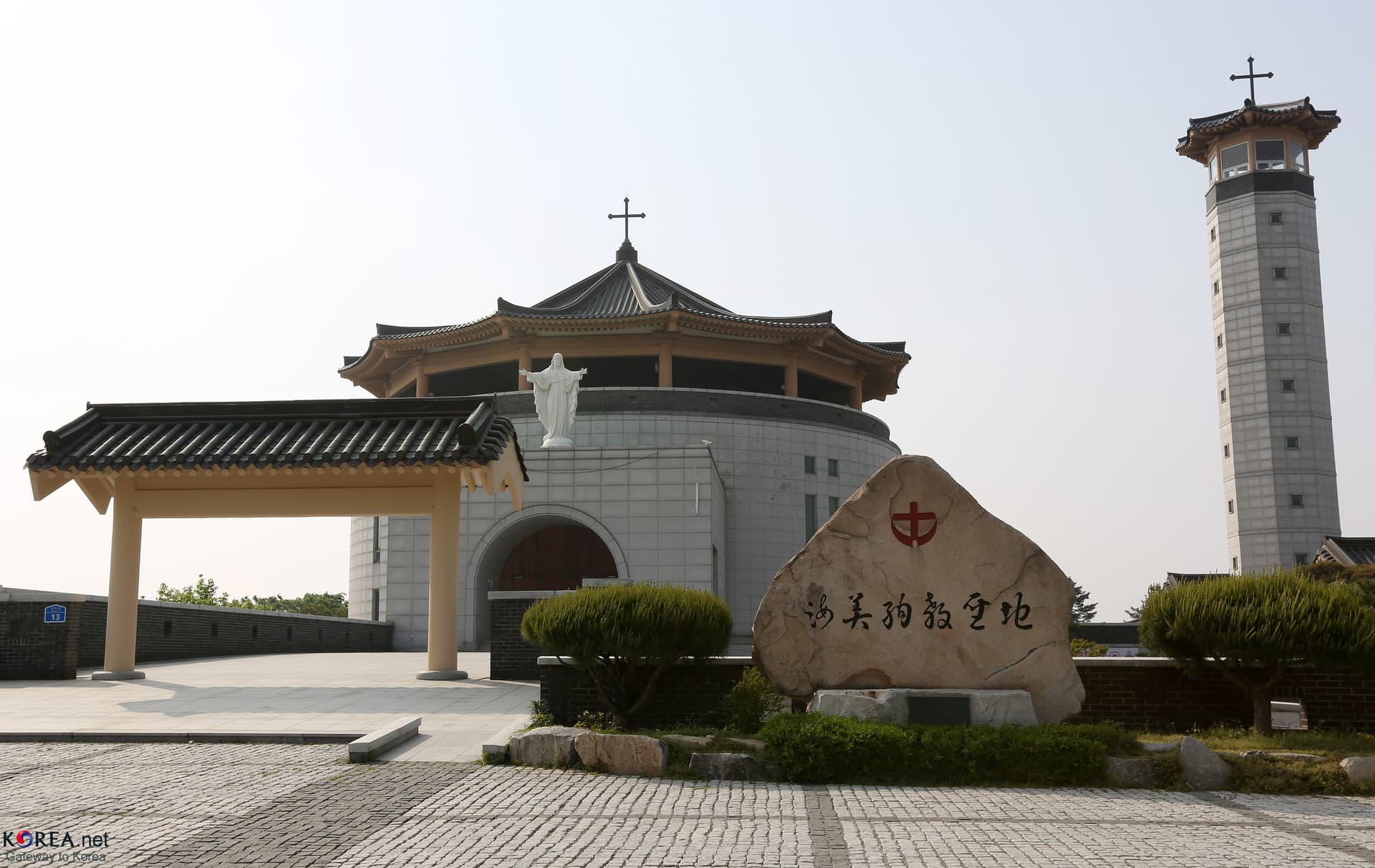
Haemi International Holy Ground
Sosan, Chungcheongnam-do, South Korea
9.1 km away
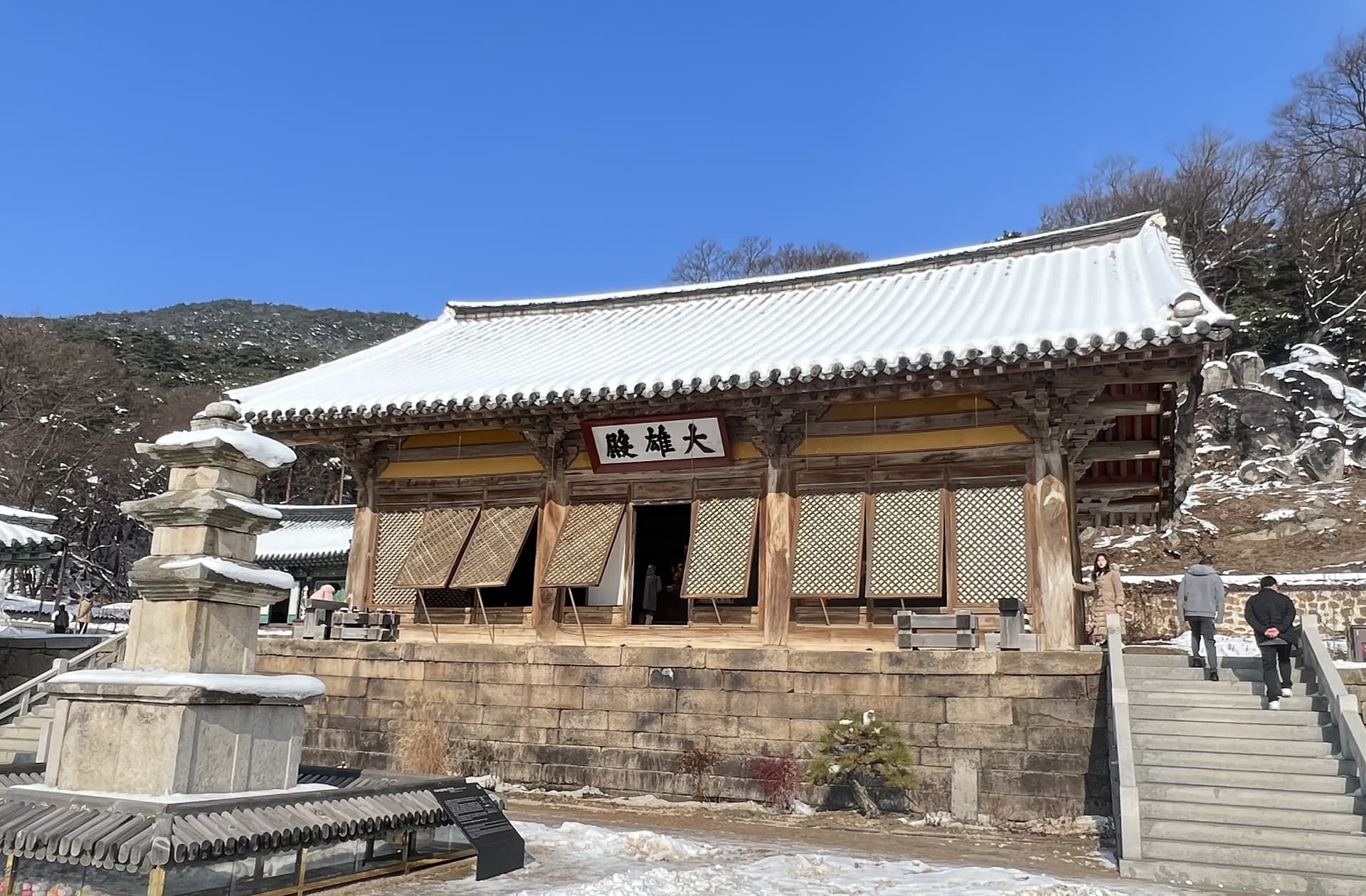
Sudeoksa Temple
Yesan-gun, Chungcheongnam-do, South Korea
12.4 km away
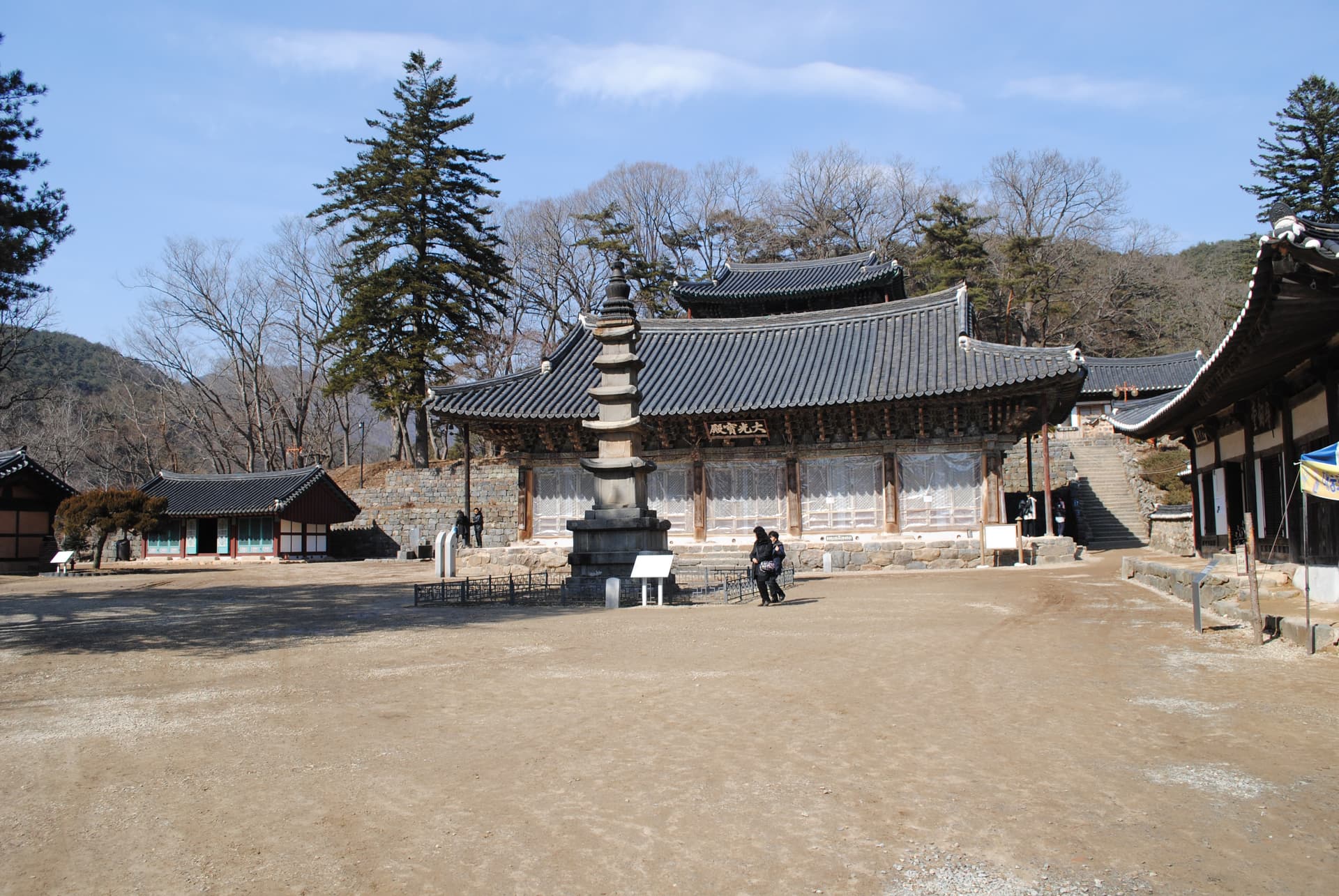
Magoksa Temple
Gongju, Chungcheongnam-do, South Korea
43.5 km away
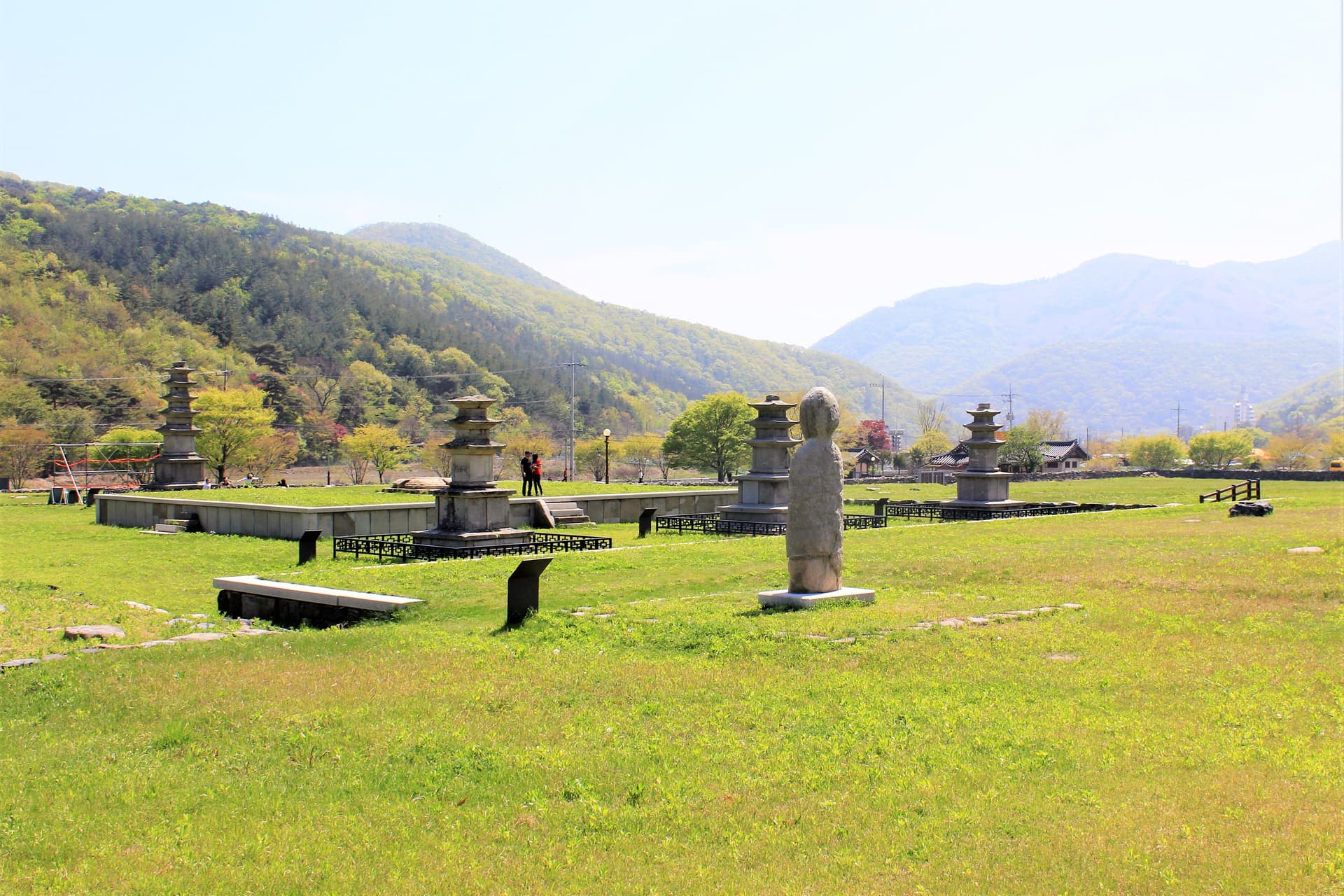
Seongjusa Temple Site, Boryeong
Boryeong, Boryeong, Chungcheongnam-do, South Korea
48.0 km away
References
Sources consulted for this page. Source categories describe the publication, not a guarantee that every claim is verified. Traditional accounts and outside interpretations may differ.
- 01Rock-carved Buddha Triad in Yonghyeon-ri, Seosan — Korea Tourism OrganizationofficialLive official tourism record used for site identity, heritage context, and visitor logistics; time-sensitive details require rechecking.
- 02Rock-carved triad buddha in Seosan — Wikipedia — Wikipedia contributorsacademicCorroborates identity, location, and general historical context; key claims require higher-tier support.
- 03Rock-carved triad buddha in Seosan — Wikidata — Wikidata contributorsSource contextCommunity-maintained structured identity and coordinate cross-check; not treated as scholarship or an official custodian record.
- 04Seosan Rock-carved Buddha Triad — Google Maps place record — GoogleSource contextStrong identity match used only for current practical fields and coordinates.
Pilgrim glossary
- Bodhisattva
- An enlightened being who postpones full nirvana to help others toward awakening.
Share a photo
Help visitors recognize Seosan Rock-carved Buddha Triad. Every submission is reviewed before publication.