Ssanggyesa Temple
Two streams, rebuilt halls, and a mountain culture of tea
Understand sacred places, explore living traditions, and learn how to engage respectfully with Pilgrim Map.
Access has not been verified. Check current local guidance before planning a visit.
Hadong-gun, Gyeongsangnam-do, South Korea
Read the sources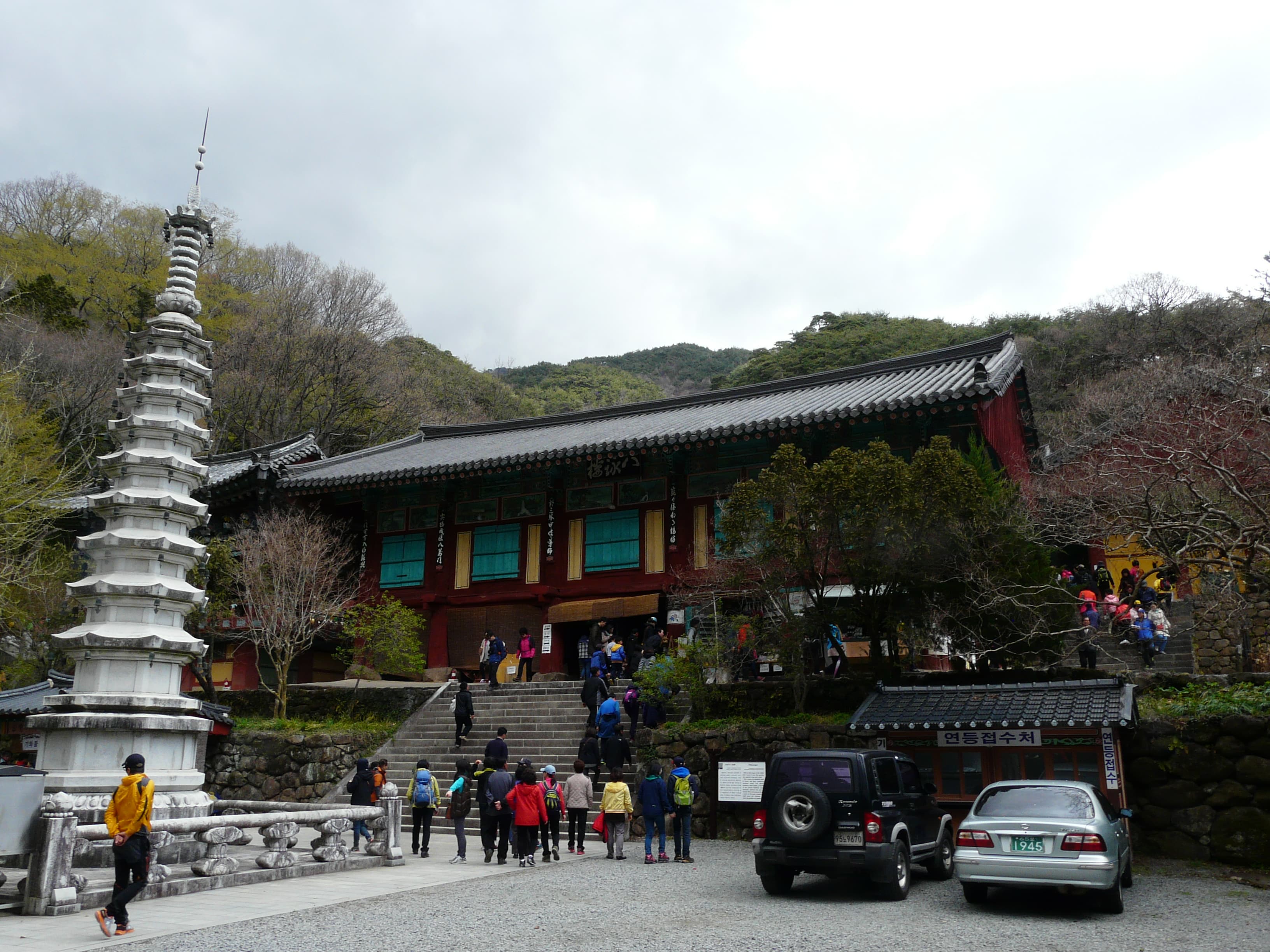
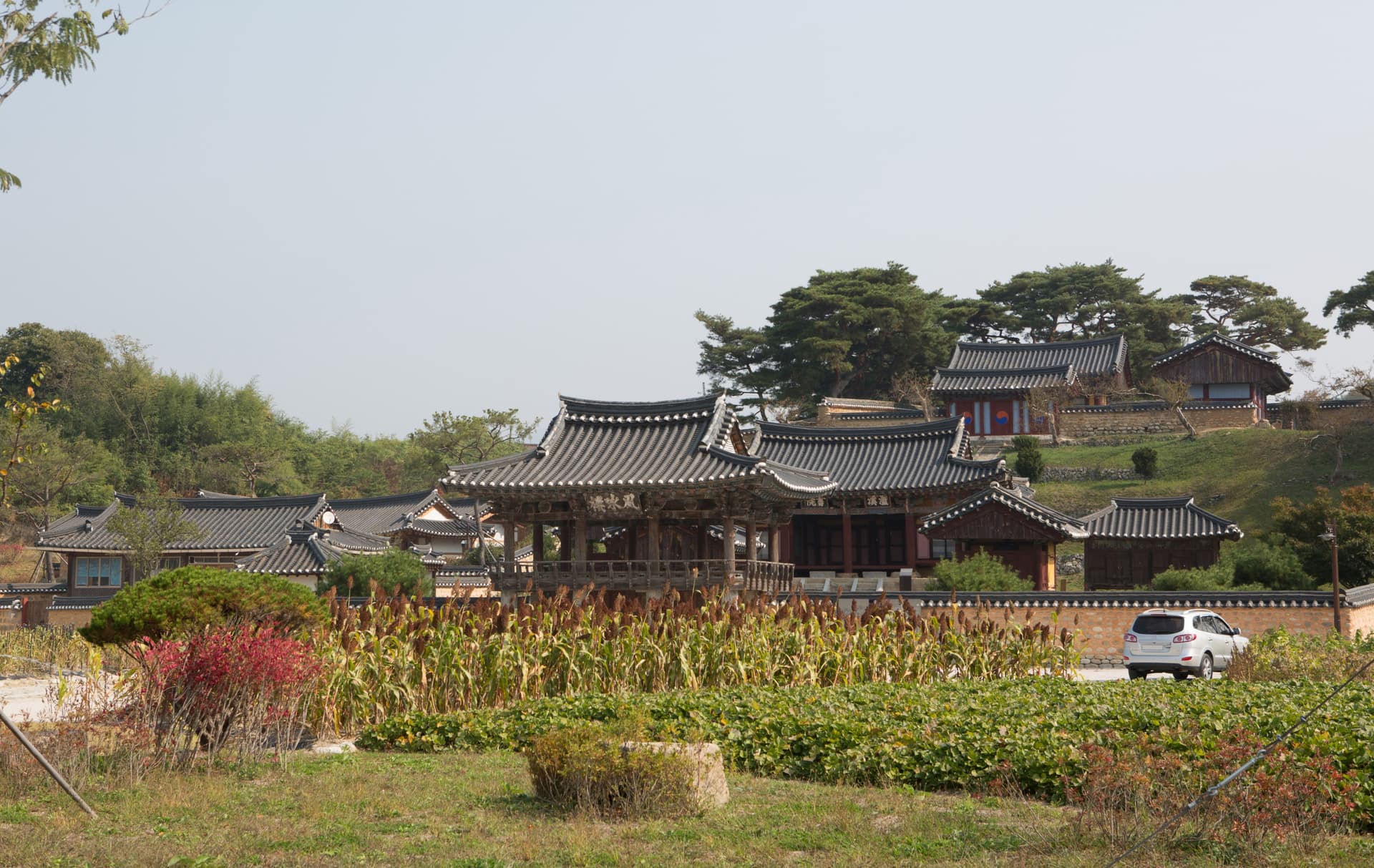
Ssanggyesa Temple in Hadong, South Gyeongsang, South Korea. Image source · CC BY-SA 3.0
Visit essentials
A quick read before you go
- Duration
- Allow ninety minutes for the temple and longer for tea interpretation or the separate waterfall…
- Access
- KTO lists 08:00–17:30, free admission, parking, ssanggyesa.net, and Templestay.
Overview
None of the current halls should be described as untouched Silla fabric. KTO states that the buildings were constructed in 1632 after the Imjin War burned the earlier complex. The distinction between an old institution and later material is essential: continuity belongs to name, memory, community, objects, landscape relations, and renewed practice. Tea plantations add another disciplined material culture. Leaves are tended, gathered, processed, prepared, and shared; tea does not become spiritually potent merely because it grows near a temple.
Within Korean Buddhist life, however, wakefulness at a cup and sustained mountain practice can meet in ordinary action.
Why this place is sacred
The paired-water name offers a grounded contemplative image. Streams remain distinct while moving through the same valley, just as study and ritual, visitors and residents, or inherited form and new repair can remain different within one monastery. Tea provides a slower counterpoint: cultivation converts seasons into repeated care. Neither water nor leaf proves a hidden energy. Their spiritual relevance comes from attention shaped by Buddhist ethics—receiving what conditions provide, avoiding waste, and recognizing dependence.
Rebuilt halls make the same point historically. Survival is sometimes the capacity to return in altered material rather than the preservation of every original board.
The received 722 foundation belongs to Silla Buddhist expansion on Jirisan under the earlier Okcheonsa name.
Renaming in 887, wartime destruction, 1632 rebuilding, and modern retreat and tourism layered new responsibilities onto the monastery.
Experience and orientation
Arrive early during spring if possible, but do not expect the avenue to be quiet. At the temple boundary, let the sound of water replace road conversation. Look for how gates frame the climb and how the 1632 halls define courts after the looser mountain approach. Tea fields nearby are cultivated working landscapes, not public lawns. If a formal tea offering or retreat is available, participate through the stated program rather than improvising a ceremony.
Buril Falls requires separate time and trail conditions; the waterfall should not be folded into a rushed temple circuit.
The public approach, worship precinct, tea landscape, and route toward Buril Falls have different access and time demands.
Context and lineage
KTO gives 722 as the temple’s founding year under King Seongdeok and says the first name was Okcheonsa. The current Ssanggyesa name dates to 887. Buildings visible now were constructed in 1632 following destruction during the Japanese invasions of 1592–1598. These dates should remain separate rather than being compressed into a claim that the entire complex is thirteen centuries old. The cherry road and large tea plantation explain modern visibility but do not define the whole institution.
Ssanggyesa is an active Korean Buddhist temple on Jirisan with worship, monastic custody, and Templestay.
Traditions and practice
Devotees worship in the halls and follow resident guidance for ritual movement and offerings.
Templestay and public visitation introduce non-Buddhists to scheduled practice while protecting residential routines.
Listen for two distinct water sounds and notice where they coexist without needing to become one.
Korean Buddhism
ActiveKorean Buddhism at Ssanggyesa joins resilient institutional memory to the practiced ecology of Jirisan.
Prayer, chanting, meditation, offerings, tea practice, retreat, and care for mountain approaches.
Perspectives and open questions
Architecture, tea history, landscape, and devotional continuity intersect without becoming interchangeable.
Scholarly perspective
The 1632 reconstruction date prevents Silla foundation memory from being misapplied to the existing halls.
Living and traditional perspectives
Mountain, water, work, and worship can support awakening when approached through disciplined conduct.
Open questions
No automatic therapeutic or paranormal result from blossoms, tea, or streams is established.
Plan your visit
Access and arrival
KTO lists 08:00–17:30, free admission, parking, ssanggyesa.net, and Templestay. The imported Google periods are malformed overnight intervals, so they are not used; recheck the temple’s notice.
Stay only through a confirmed official Templestay booking.
Respectful visit
Wear modest layers and footwear suitable for wet stone and a separately planned mountain trail.
Ask before interiors, ceremonies, monastics, tea work, or close portraits; do not block the blossom route.
Use designated offerings and donations; leave nothing in streams, fields, or tree branches.
Residential courts, agricultural plots, altars, protected fabric, and closed trail sections are off limits.
Do not pick tea, damage blossoms, enter retreat buildings, or claim stream water carries verified spiritual power.
Current practical details
Address
59 Ssanggyesa-gil, Hwagae-myeon, Hadong-gun, Gyeongsangnam-do, South Korea
Phone
Hours
Hours, fees, and access can change — verify on the official source before you travel. Practical details last checked Jul 2026.
Location
Map loads as you approach this section.
Pilgrim reflections
A portrait of encounter, not a score
Pilgrims describe what they felt, how present they could become, and whether the place would shape a journey. There are no stars and no ranking of traditions.
No reviewed reflections yet
The first pilgrims can help describe the character of being here.
Share a reflection
Available after an account-backed “Been there.” Every reflection is reviewed before publication.
Nearby sacred places
Explore other sacred places in the region. Proximity does not establish access or travel time; check each place’s guidance.
References
Sources consulted for this page. Source categories describe the publication, not a guarantee that every claim is verified. Traditional accounts and outside interpretations may differ.
- 01Hadong Ssanggyesa Temple — Korea Tourism OrganizationofficialOfficial tourism record for the 722 foundation, 887 renaming, post-Imjin reconstruction, tea landscape, Templestay, address, website, and hours.
- 02Ssanggyesa — Wikipedia — Wikipedia contributorsacademicCorroborates identity, location, and general historical context; key claims require higher-tier support.
- 03Ssanggyesa — Wikidata — Wikidata contributorsSource contextCommunity-maintained structured identity and coordinate cross-check; not treated as scholarship or an official custodian record.
- 04Ssanggyesa Temple — Google Maps place record — GoogleSource contextStrong identity match used only for current practical fields and coordinates.
Share a photo
Help visitors recognize Ssanggyesa Temple. Every submission is reviewed before publication.