Sudeoksa Temple
An unpainted hall where timber records devotion
Understand sacred places, explore living traditions, and learn how to engage respectfully with Pilgrim Map.
Access has not been verified. Check current local guidance before planning a visit.
Yesan-gun, Chungcheongnam-do, South Korea
Read the sources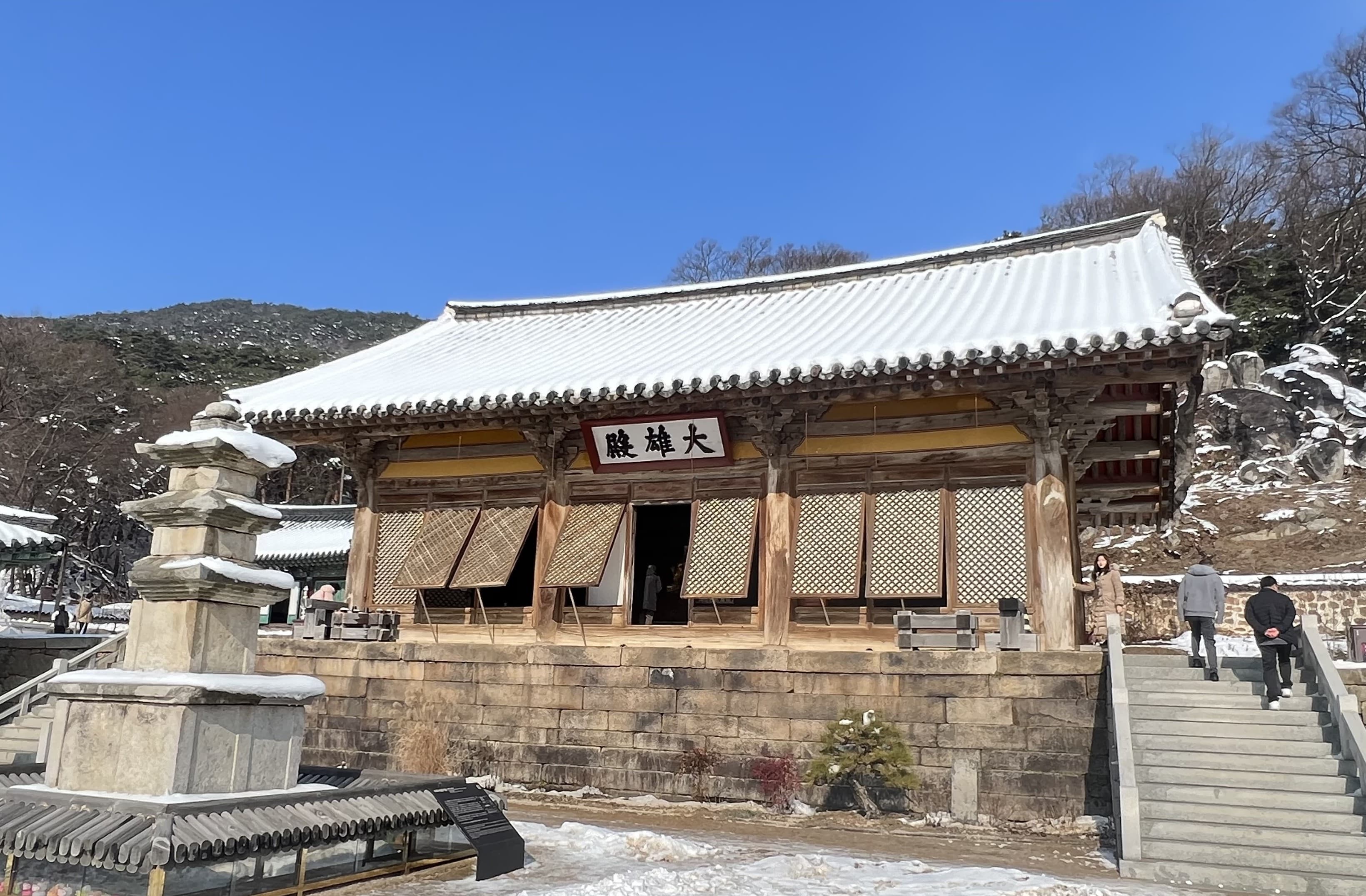
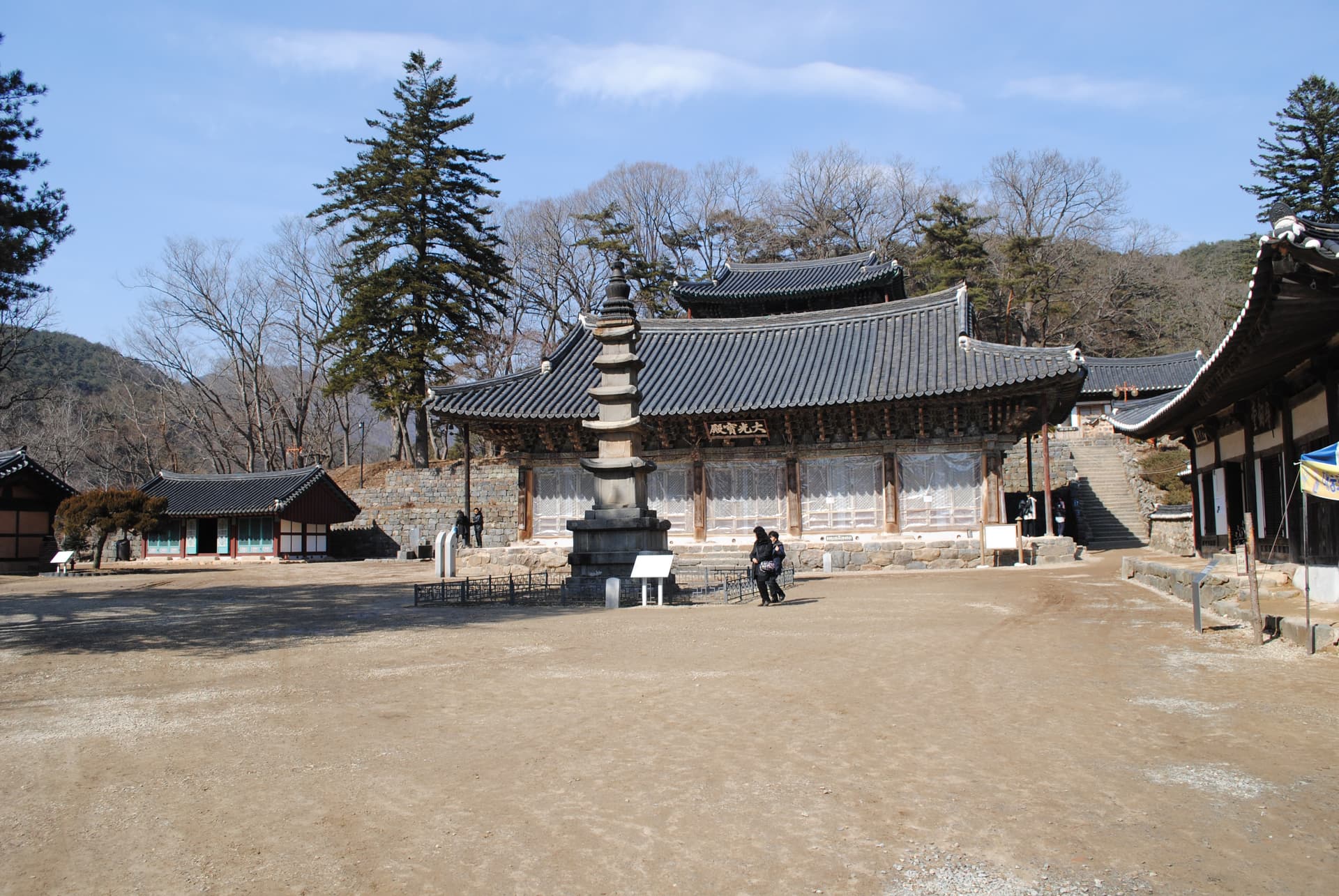
Sudeoksa Temple in Yesan, South Chungcheong, South Korea. Image source · CC BY 4.0
Visit essentials
A quick read before you go
- Duration
- Allow ninety minutes for the main court and museum, longer only with a booked program or…
- Access
- KTO lists access until before sunset, parking, the temple website, and Templestay.
Overview
The temple’s distant beginning is less certain than travel shorthand often suggests. Official tourism material places Sudeoksa among Baekje temples known to historical records and proposes a foundation during King Wideok’s reign, yet admits that no exact founding document survives. The securely dated Daeungjeon therefore matters as an anchor. Its 1308 construction and four recorded repair campaigns offer evidence that can be distinguished from received antiquity. For a visitor, this distinction deepens rather than diminishes sacred significance.
Buddhist continuity here is not an untouched object. It is a succession of decisions to pray, teach, mend joints, replace damaged fabric, and protect a hall whose central purpose remains devotion to the Buddha.
Why this place is sacred
Daeungjeon’s weathered wood gives time a texture, but age alone is not holiness. The hall’s force comes from the relation between material survival and repeated Buddhist conduct. A beam carries weight; a community carries a practice. Neither lasts without attention. This analogy stays close to what the building shows and avoids calling the timber a source of energy. Its relatively restrained surfaces also interrupt the expectation that sacred architecture must overwhelm the senses.
Quiet proportion can direct attention toward an altar, a bow, or the sound of feet crossing a wooden floor. The building’s conservation asks the same patience that contemplative practice asks: notice change, respond before collapse, and do not confuse care with possession.
The early institution belongs to Baekje Buddhist history, while the dated Daeungjeon was made as a central hall for worship of Shakyamuni.
Repeated repairs preserved the Goryeo hall within an expanding Jogye head-temple complex that now includes education, museum work, and retreat.
Experience and orientation
Climb from the entrance toward the main court without treating Daeungjeon as a final photo target. From outside, follow the roof’s long horizontal line and the slight swelling of columns before moving close enough to see joinery and repair. If the doors are open, remain behind active worshippers and allow your eyes to adjust rather than immediately lifting a camera. Compare the hall’s restrained exterior with color and imagery elsewhere in the precinct.
The contrast can reveal several Korean Buddhist building histories at once. A museum visit may add context, but labels should not replace attention to how the court is used in the present.
The approach rises from a visitor area at Deoksungsan; distinguish museum, public court, worship hall, retreat, and residential zones.
Context and lineage
KTO states that Sudeoksa appears among twelve Baekje temples in Chinese records but that the year and founder are not documented. Researchers place its beginning within King Wideok’s reign, from 554 to 597. The surviving Daeungjeon belongs to a later and firmer chronology: it was built in 1308 and repaired in 1528, 1751, 1770, and 1803. That sequence should replace any claim that the whole visible monastery is an unchanged Baekje complex.
Other buildings, pagodas, collections, and monastic facilities represent additional periods of growth.
Sudeoksa is an active Jogye Order head temple with a strong modern association with monastic practice and education.
Traditions and practice
Devotees bow before Shakyamuni in Daeungjeon and participate in liturgy according to the temple calendar.
Templestay offers scheduled access to monastic rhythms; museum and heritage interpretation serve visitors without replacing religious custody.
Choose one structural joint and observe how separate pieces carry a shared load, then reflect on one relationship that also depends on careful maintenance.
Korean Buddhism
ActiveKorean Seon Buddhism inhabits Sudeoksa through disciplined practice carried inside a carefully maintained historic monastery.
Bowing, chanting, meditation, offerings, study, monastic work, and structured retreat.
Perspectives and open questions
Sudeoksa rewards keeping documented construction, received antiquity, conservation, and living religion in separate but connected frames.
Scholarly perspective
The 1308 hall and repair dates support precise architectural history, whereas the proposed Baekje foundation remains a qualified reconstruction.
Living and traditional perspectives
The hall matters because it continues to support refuge, teaching, and reverence for the Buddha across changing generations.
Open questions
Neither the founding year nor any automatic spiritual effect of touching ancient wood is established.
Plan your visit
Access and arrival
KTO lists access until before sunset, parking, the temple website, and Templestay. Google currently describes the grounds as continuously open; because the sources conflict, use the temple’s current notice and do not assume hall access at all hours.
Overnight participation requires an official reservation; ordinary lodging outside the temple is not assessed.
Respectful visit
Wear modest clothing and shoes that can be removed without delaying or blocking the entrance.
Exterior photographs are generally less intrusive; confirm all interior, altar, monastic, and ceremonial photography locally.
Use designated donation and offering points and never place objects on protected timber or stone.
Historic fabric, altar platforms, monastic quarters, repair areas, and retreat-only buildings are not public surfaces.
Do not touch old columns, lean equipment against the hall, imitate rites for photographs, or call ordinary calm a guaranteed spiritual effect.
Current practical details
Address
79 Sudeoksaan-gil, Deoksan-myeon, Yesan-gun, Chungcheongnam-do, South Korea
Phone
Hours
Hours, fees, and access can change — verify on the official source before you travel. Practical details last checked Jul 2026.
Location
Map loads as you approach this section.
Pilgrim reflections
A portrait of encounter, not a score
Pilgrims describe what they felt, how present they could become, and whether the place would shape a journey. There are no stars and no ranking of traditions.
No reviewed reflections yet
The first pilgrims can help describe the character of being here.
Share a reflection
Available after an account-backed “Been there.” Every reflection is reviewed before publication.
Nearby sacred places
Explore other sacred places in the region. Proximity does not establish access or travel time; check each place’s guidance.
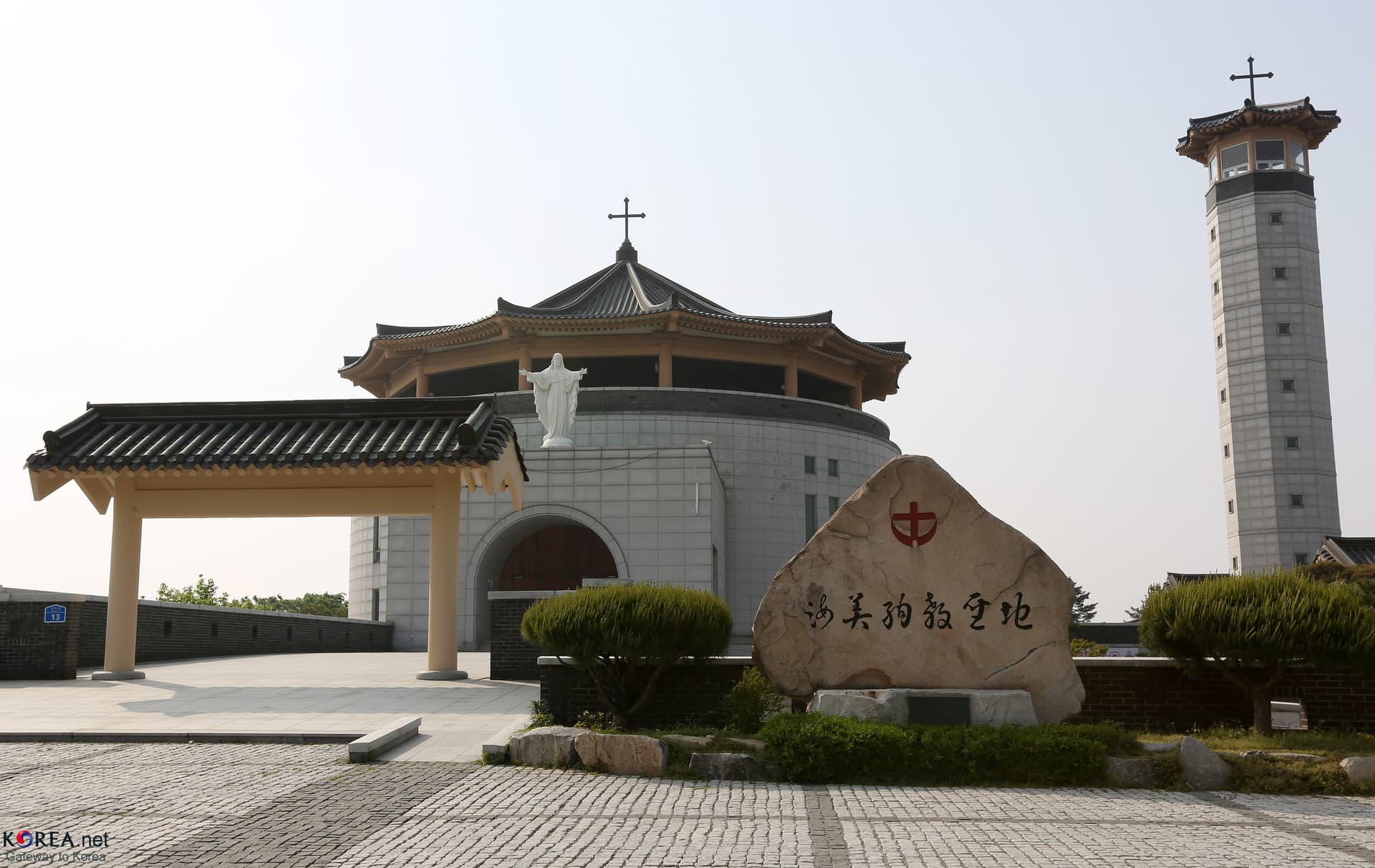
Haemi International Holy Ground
Sosan, Chungcheongnam-do, South Korea
9.3 km away
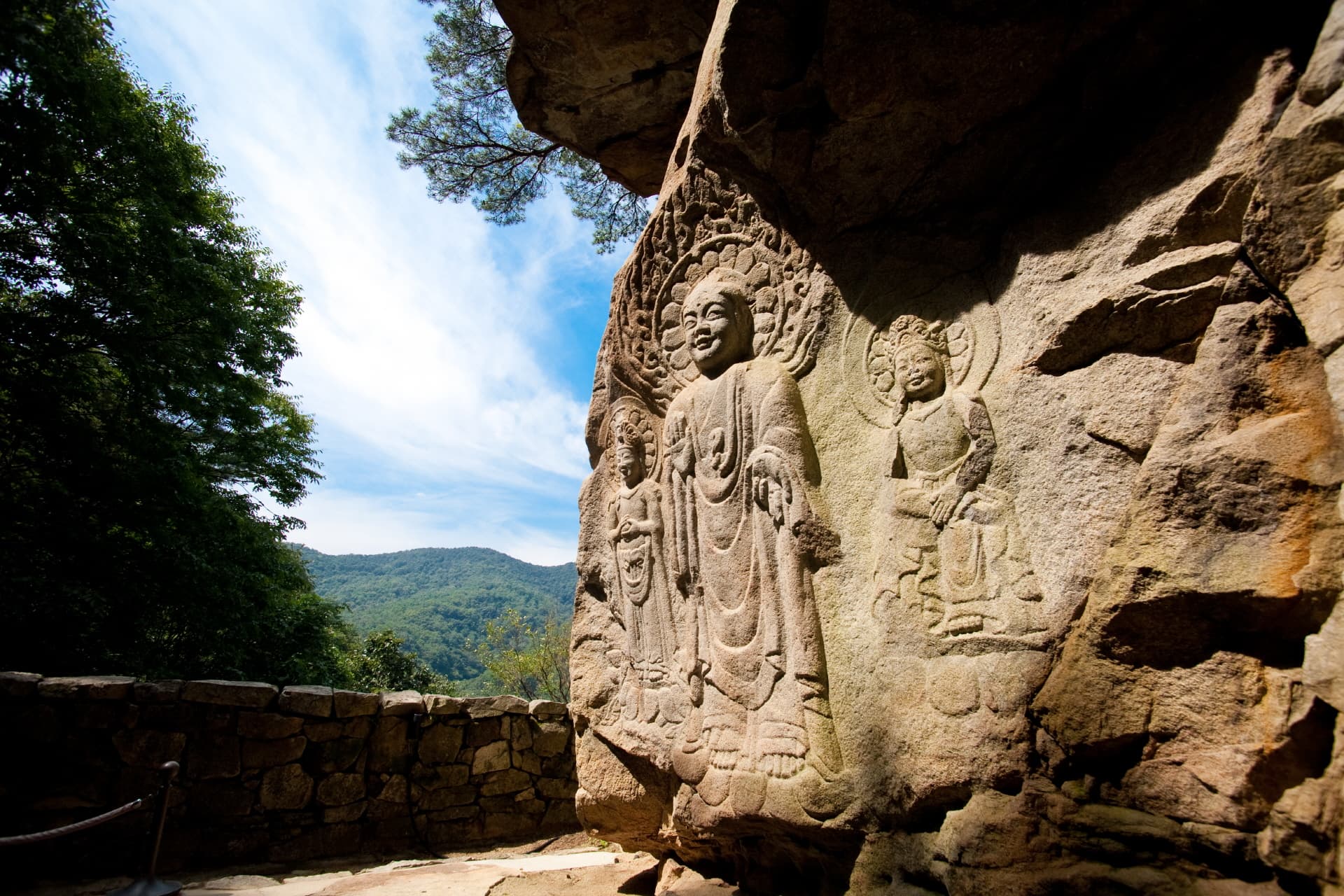
Seosan Rock-carved Buddha Triad
Sosan, Chungcheongnam-do, South Korea
12.4 km away
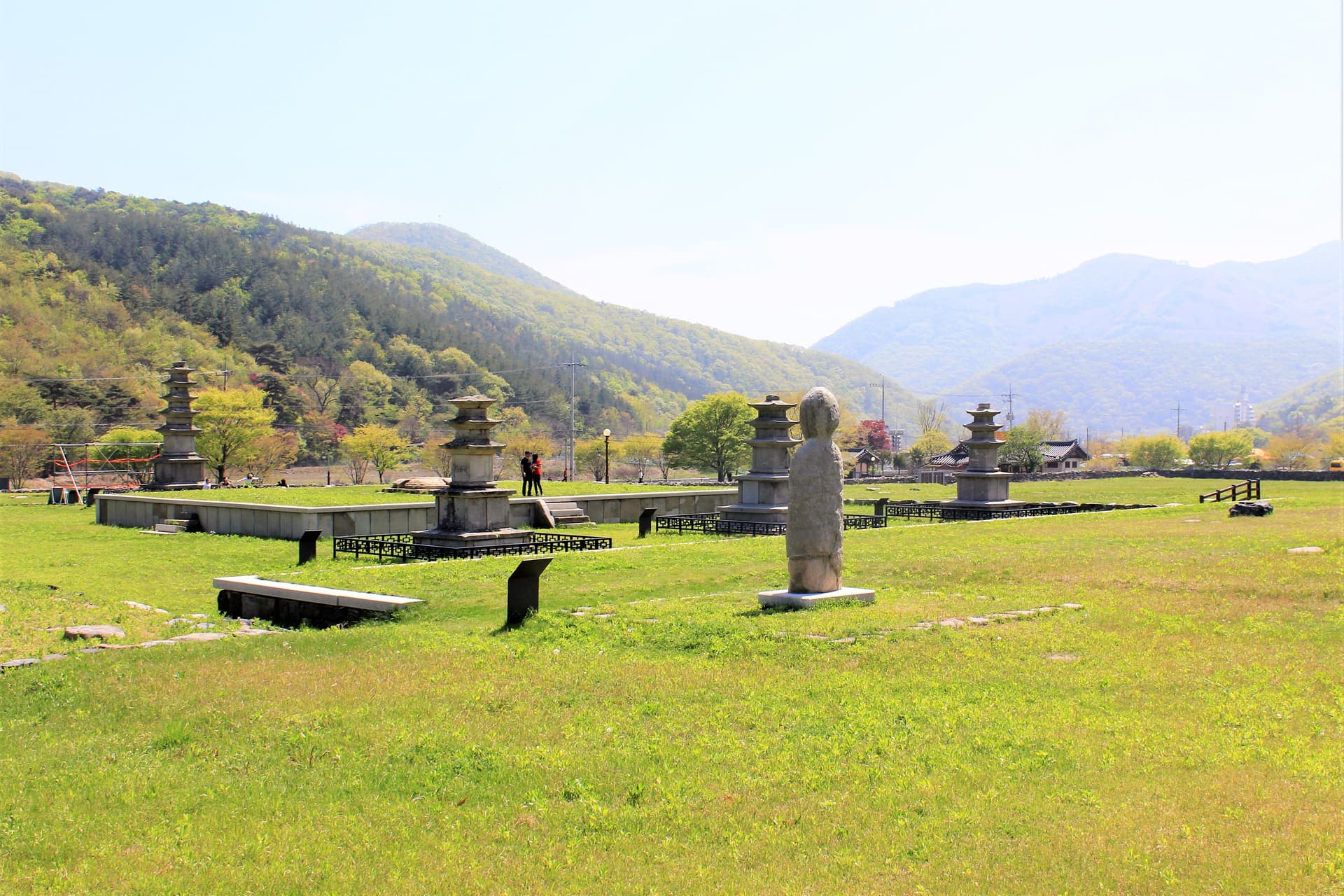
Seongjusa Temple Site, Boryeong
Boryeong, Boryeong, Chungcheongnam-do, South Korea
35.6 km away
Magoksa Temple
Gongju, Chungcheongnam-do, South Korea
36.7 km away
References
Sources consulted for this page. Source categories describe the publication, not a guarantee that every claim is verified. Traditional accounts and outside interpretations may differ.
- 01Sudeoksa Temple official website — Sudeoksa TempleofficialDomain matches the site or its managing religious/heritage body.
- 02Sudeoksa Temple — Korea Tourism OrganizationofficialOfficial tourism record for Baekje-era context, the uncertain founding date, the 1308 Daeungjeon, later repairs, cultural assets, hours, address, and Templestay.
- 03Sudeoksa — Wikipedia — Wikipedia contributorsacademicCorroborates identity, location, and general historical context; key claims require higher-tier support.
- 04Sudeoksa — Wikidata — Wikidata contributorsSource contextCommunity-maintained structured identity and coordinate cross-check; not treated as scholarship or an official custodian record.
- 05Sudeoksa Temple — Google Maps place record — GoogleSource contextStrong identity match used only for current practical fields and coordinates.
Share a photo
Help visitors recognize Sudeoksa Temple. Every submission is reviewed before publication.