Mihwangsa Temple
A sourced encounter with Mihwangsa Temple
Understand sacred places, explore living traditions, and learn how to engage respectfully with Pilgrim Map.
Access has not been verified. Check current local guidance before planning a visit.
Haenam, Jeollanam-do, South Korea
Read the sources
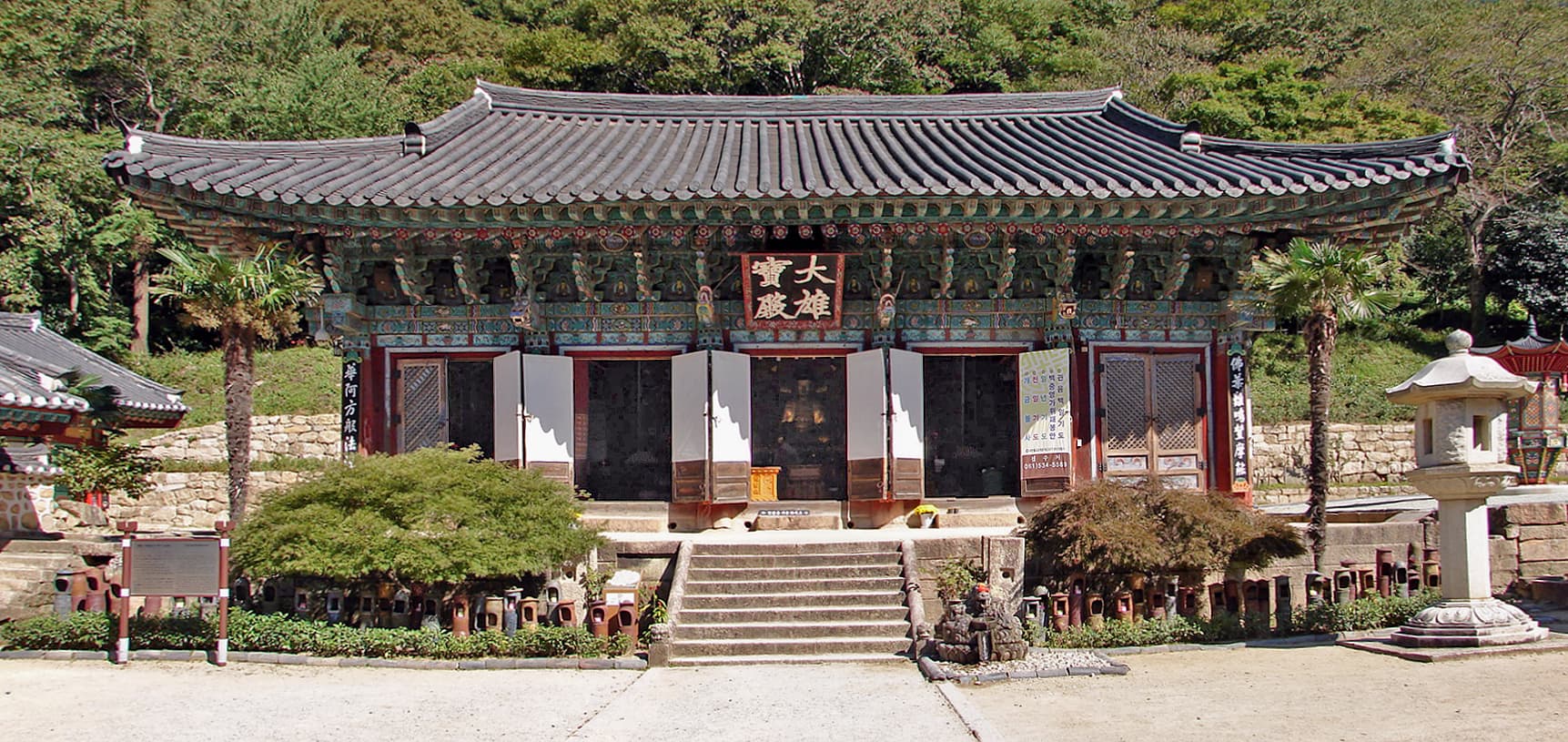
Mihwangsa Temple in Haenam, South Jeolla, South Korea. Image source · CC BY-SA 3.0
Visit essentials
A quick read before you go
- Duration
- Allow an unhurried circuit appropriate to Mihwangsa Temple.
- Access
- 164 Mihwangsa-gil, Songji-myeon, Haenam, Jeollanam-do, South Korea
Overview
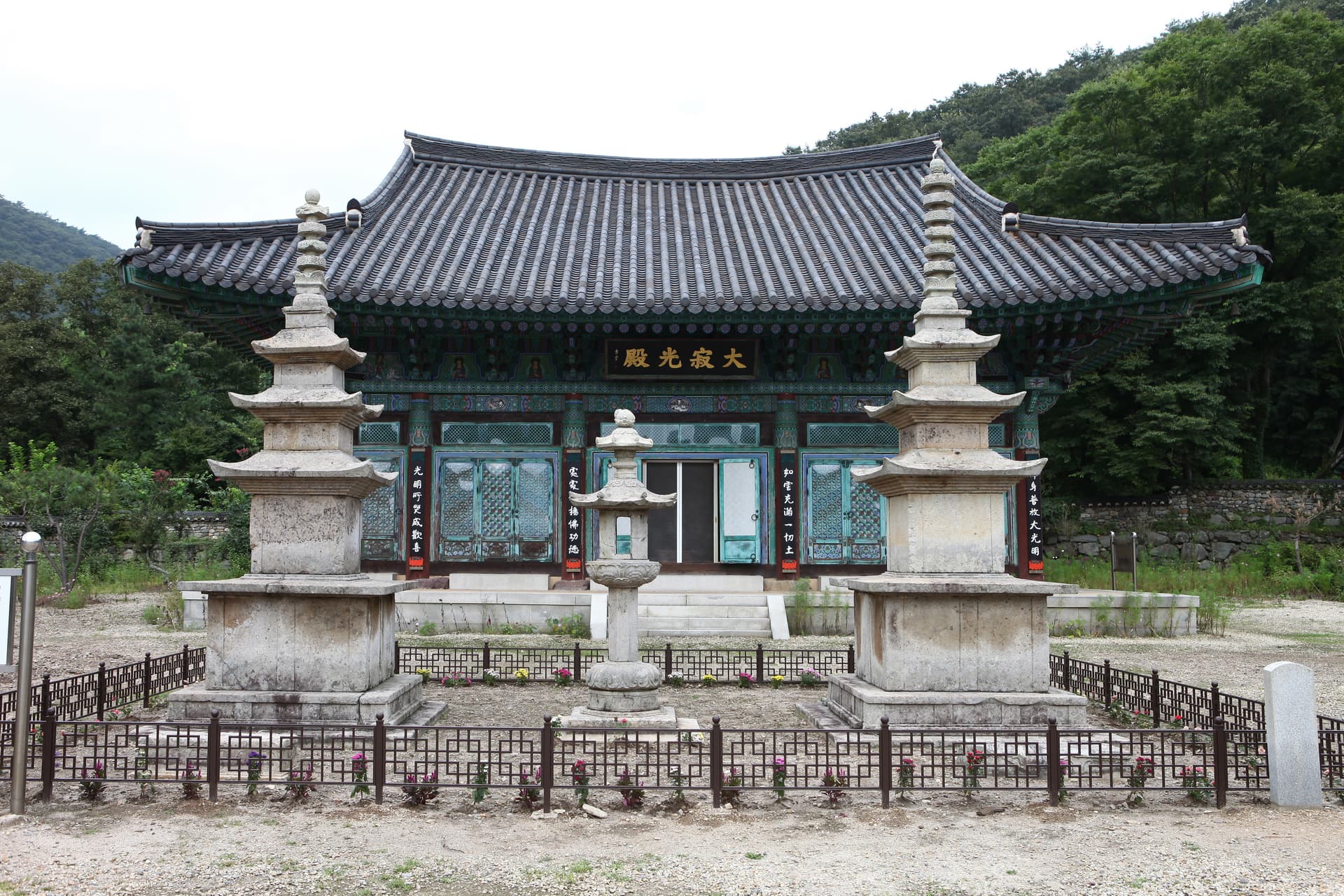
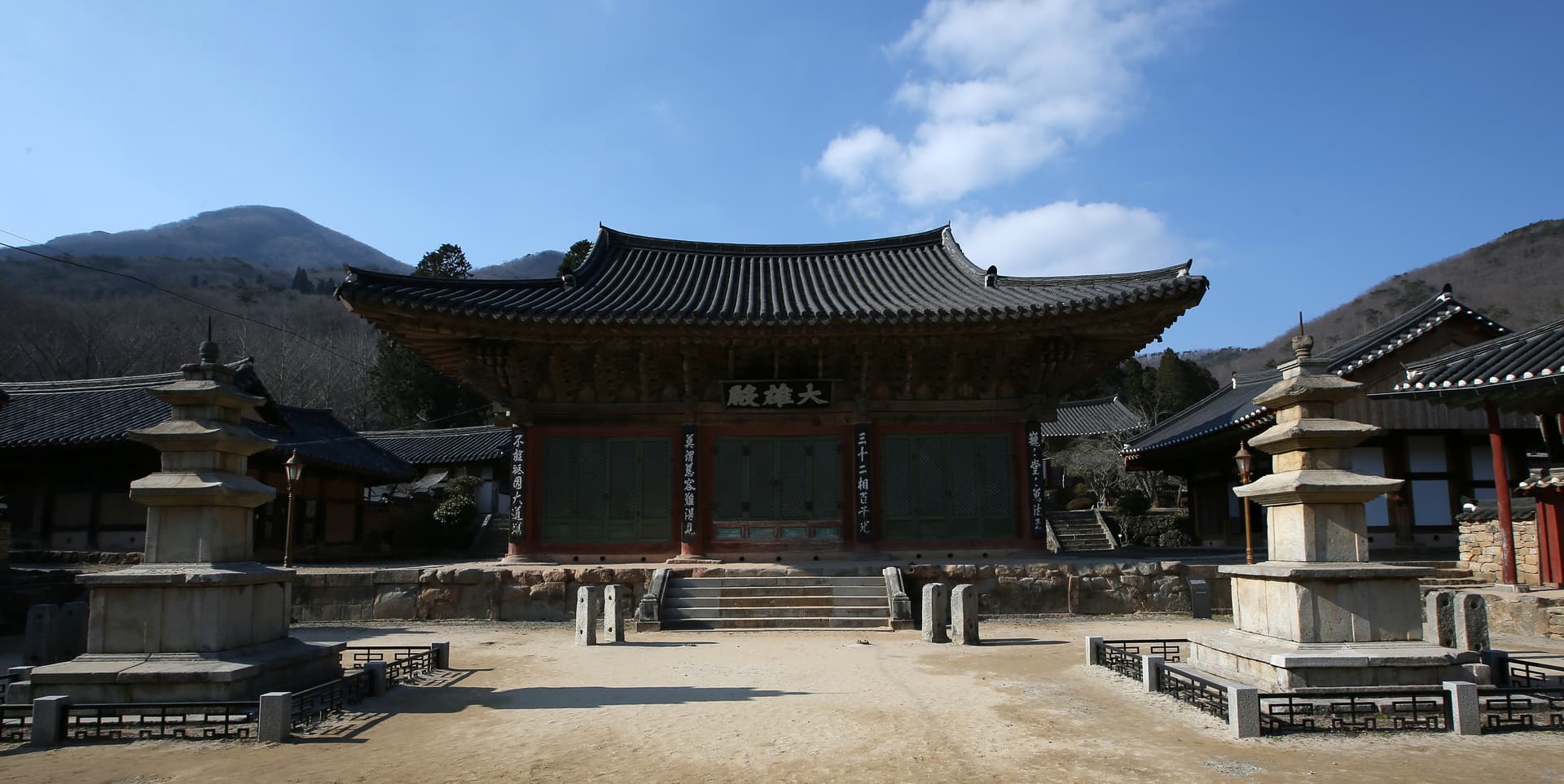
Mihwangsa stands on Dalmasan's western side in Haenam, at the Korean peninsula's far southern reach. Official tourism material emphasizes its mountain setting, sea-facing light, and surviving halls, including Daeungbojeon. The precinct's scale keeps cliffs, forest, stone bases, painted surfaces, and open sky in conversation.
Its sacredness is not a sunset's guaranteed transcendence but active Korean Buddhist worship and care within a distinctive southern landscape. Visitors can honor that relationship by arriving before closing, moving quietly, and not turning every doorway into a framed photograph.
Why this place is sacred
At Mihwangsa, the meeting of mountain and sea shapes attention before any explanation is offered. Dalmasan's rocky profile rises behind the precinct, while western light changes the halls and courtyard over the day. That sensory setting can deepen a visit, but it should not be mistaken for proof of supernatural energy. The temple's sacred character is grounded in Buddhist worship, inherited foundation traditions, maintained buildings, and the labor that keeps a remote precinct active.
Carved sea creatures on Daeungbojeon's foundation stones connect the hall visually to the southern coast and to stories of arrival. Their meaning deserves patient interpretation rather than a single speculative answer.
Mihwangsa Temple served a documented Korean Buddhism religious purpose.
Mihwangsa Temple carries repair, protection, and changing public access.
Experience and orientation
Mihwangsa rewards an unhurried visit timed within daylight access. Walk the final approach with attention to Dalmasan's changing silhouette, then pause before entering the main courtyard. Identify worship spaces before seeking decorative details. Daeungbojeon's foundations, painted surfaces, and relation to the mountain are best seen without touching or leaning on protected fabric. If sunset is part of the visit, plan the return safely and do not assume the precinct remains open after light fades.
Temple programs, ceremonies, and access conditions change, so confirm them with Mihwangsa rather than relying on an old travel post. Photography should yield immediately to prayer or residential privacy.
Use Mihwangsa Temple's posted orientation before entering sacred space.
Context and lineage
Korea Tourism Organization presents Mihwangsa with an early Silla foundation tradition and identifies it as the southernmost temple on the peninsula. The surviving precinct reflects later periods, including important work in Daeungbojeon and Unginjeon. This layered record should replace any idea that the visitor sees one unchanged early foundation. Mihwangsa's location on Dalmasan also matters historically and aesthetically: the temple reads as a measured human settlement against an unusually rugged mountain form.
Official descriptions note murals and marine carvings among its distinctive details. Those features support discussion of artistic and regional identity, while exact ritual interpretations should follow temple or scholarly authority rather than visitor invention.
Mihwangsa Temple belongs within Korean Buddhism.
Traditions and practice
Mihwangsa remains a Buddhist temple, not a scenic overlook with religious decoration. Worshippers may bow, chant, light incense, or sit in quiet devotion. Visitors should enter only permitted halls, remove shoes when directed, and keep the altar axis clear. Do not trace carvings with a hand, test painted surfaces, or rearrange offerings for a photograph. A respectful contemplative exercise is to notice three scales without ranking them: the mountain mass, the proportions of a hall, and one crafted detail.
That observation can cultivate attention without claiming access to a secret practice. Formal participation should occur only through an announced temple program or direct invitation.
Mihwangsa Temple combines stewardship with religious or contemplative use.
At Mihwangsa Temple, observe one feature without obstructing others.
Korean Buddhism
ActiveMihwangsa Temple carries Korean Buddhist practice through a southern Dalmasan setting, maintained halls, murals, and regionally distinctive marine carvings.
Practice at Mihwangsa Temple follows its own custodial community.
Perspectives and open questions
Mihwangsa Temple supports distinct devotional, historical, and conservation readings.
Scholarly perspective
Mihwangsa can be read through Buddhist devotion, architectural history, landscape design, and conservation. Devotional meaning is carried by the temple's own rites and objects of worship. Art history examines halls, murals, carvings, and their periods. Landscape interpretation asks why the precinct feels proportionate to Dalmasan rather than overwhelmed by it. Conservation attends to moisture, weather, visitor pressure, and the vulnerability of painted and wooden surfaces.
Popular accounts may describe the site as mystical, but this page does not turn atmosphere into a factual metaphysical claim. The more grounded wonder lies in how a small active community sustains religious life at the edge of mountain and sea.
Living and traditional perspectives
Within Korean Buddhism, Mihwangsa Temple is interpreted through inherited practice rather than outsider speculation.
Open questions
Questions unresolved at Mihwangsa Temple remain open; no metaphysical effect is asserted.
Plan your visit
Access and arrival
164 Mihwangsa-gil, Songji-myeon, Haenam, Jeollanam-do, South Korea
No accommodation claim was verified for Mihwangsa Temple.
Respectful visit
Wear modest, practical clothing suitable for Mihwangsa Temple.
Follow Mihwangsa Temple's current photography signs and staff instructions.
Use only offering forms explicitly accepted at Mihwangsa Temple.
Do not touch protected surfaces or objects at Mihwangsa Temple.
Never improvise rites or offerings at Mihwangsa Temple.
Current practical details
Address
164 Mihwangsa-gil, Songji-myeon, Haenam, Jeollanam-do, South Korea
Phone
Hours, fees, and access can change — verify on the official source before you travel. Practical details last checked Jul 2026.
Location
Map loads as you approach this section.
Pilgrim reflections
A portrait of encounter, not a score
Pilgrims describe what they felt, how present they could become, and whether the place would shape a journey. There are no stars and no ranking of traditions.
No reviewed reflections yet
The first pilgrims can help describe the character of being here.
Share a reflection
Available after an account-backed “Been there.” Every reflection is reviewed before publication.
Nearby sacred places
Explore other sacred places in the region. Proximity does not establish access or travel time; check each place’s guidance.
References
Sources consulted for this page. Source categories describe the publication, not a guarantee that every claim is verified. Traditional accounts and outside interpretations may differ.
- 01Mihwangsa Temple official website — Mihwangsa TempleofficialDomain matches the site or its managing religious/heritage body.
- 02Mihwangsa Temple — Korea Tourism OrganizationofficialLive official tourism record used for site identity, heritage context, and visitor logistics; time-sensitive details require rechecking.
- 03Mihwangsa — Wikipedia — Wikipedia contributorsacademicCorroborates identity, location, and general historical context; key claims require higher-tier support.
- 04Mihwangsa — Wikidata — Wikidata contributorsSource contextCommunity-maintained structured identity and coordinate cross-check; not treated as scholarship or an official custodian record.
- 05Mihwangsa Temple — Google Maps place record — GoogleSource contextStrong identity match used only for current practical fields and coordinates.
Share a photo
Help visitors recognize Mihwangsa Temple. Every submission is reviewed before publication.