Lower Peirene Spring
A Corinthian spring bearing a mother’s grief
Understand sacred places, explore living traditions, and learn how to engage respectfully with Pilgrim Map.
Access has not been verified. Check current local guidance before planning a visit.
Ancient Corinth, Corinthia, Greece
Read the sourcesVisit essentials
A quick read before you go
- Access
- Visit through the managed ancient Corinth archaeological site.
- Etiquette
- Observe the archaeological site’s barriers and instructions.
Overview
Lower Peirene lies among the remains of ancient Corinth. Its built fountain surrounds a spring remembered through the nymph whose name it bears.
Why this place is sacred
Archaeological research places the fountain within Corinth’s worship of nymphs. Its significance combines a city water source with divine presence attributed to that water.
Experience and orientation
Read the remains as a working water installation as well as a sanctuary setting. The separate upper Peirene spring stands on Acrocorinth and is not the location mapped here.
Context and lineage
The ancient account preserved in the excavation literature tells of Peirene mourning her son Cenchrias, accidentally killed by Artemis. Her tears became the fountain. Grief is thus given an enduring place in the city’s water landscape; the narrative is distinct from a geological explanation.
The fountain was rebuilt through successive phases of Corinth’s history. Its visible architecture should not be assigned wholesale to the moment of the founding story.
Traditions and practice
The evidence reviewed concerns ancient devotion. It does not establish an organized contemporary ceremony at this fountain.
Ancient Greek
HistoricalArchaeological research places the fountain within Corinth’s worship of nymphs. Its significance combines a city water source with divine presence attributed to that water.
The evidence reviewed concerns ancient devotion. It does not establish an organized contemporary ceremony at this fountain.
Perspectives and open questions
The account of Peirene gives the spring a personal history, while excavation documents its changing physical form. Both belong in its interpretation.
Plan your visit
Access and arrival
Visit through the managed ancient Corinth archaeological site. Confirm current admission and accessible routes with the operator; mobile reception has not been checked.
Respectful visit
Observe the archaeological site’s barriers and instructions. Do not enter water channels or climb the remains.
Location
Map loads as you approach this section.
Pilgrim reflections
A portrait of encounter, not a score
Pilgrims describe what they felt, how present they could become, and whether the place would shape a journey. There are no stars and no ranking of traditions.
No reviewed reflections yet
The first pilgrims can help describe the character of being here.
Share a reflection
Available after an account-backed “Been there.” Every reflection is reviewed before publication.
Nearby sacred places
Explore other sacred places in the region. Proximity does not establish access or travel time; check each place’s guidance.
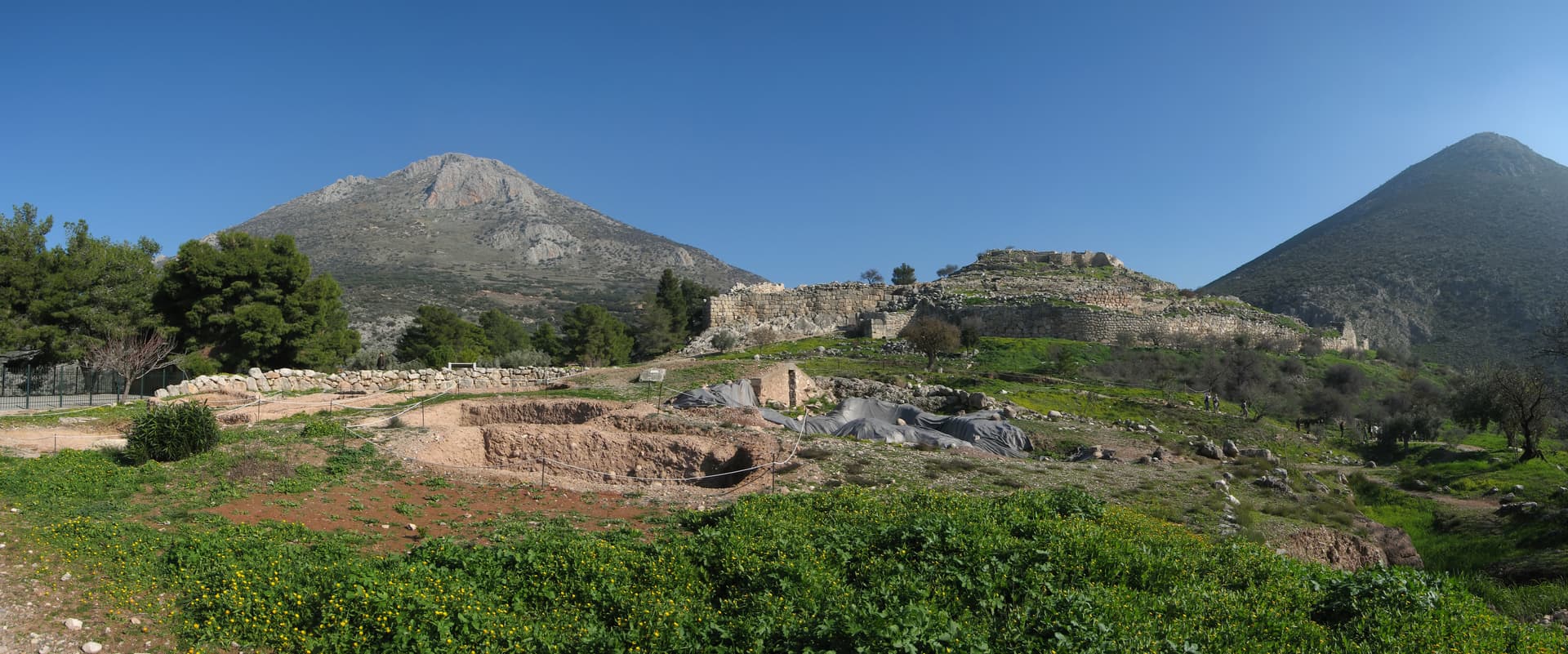
Mycenae
Municipal Unit of Mykines, Peloponnese, Greece
22.3 km away

Sanctuary of Apollo Maleatas
Epidauros, Mount Kynortion, Argolis, Peloponnese, Greece
38.5 km away
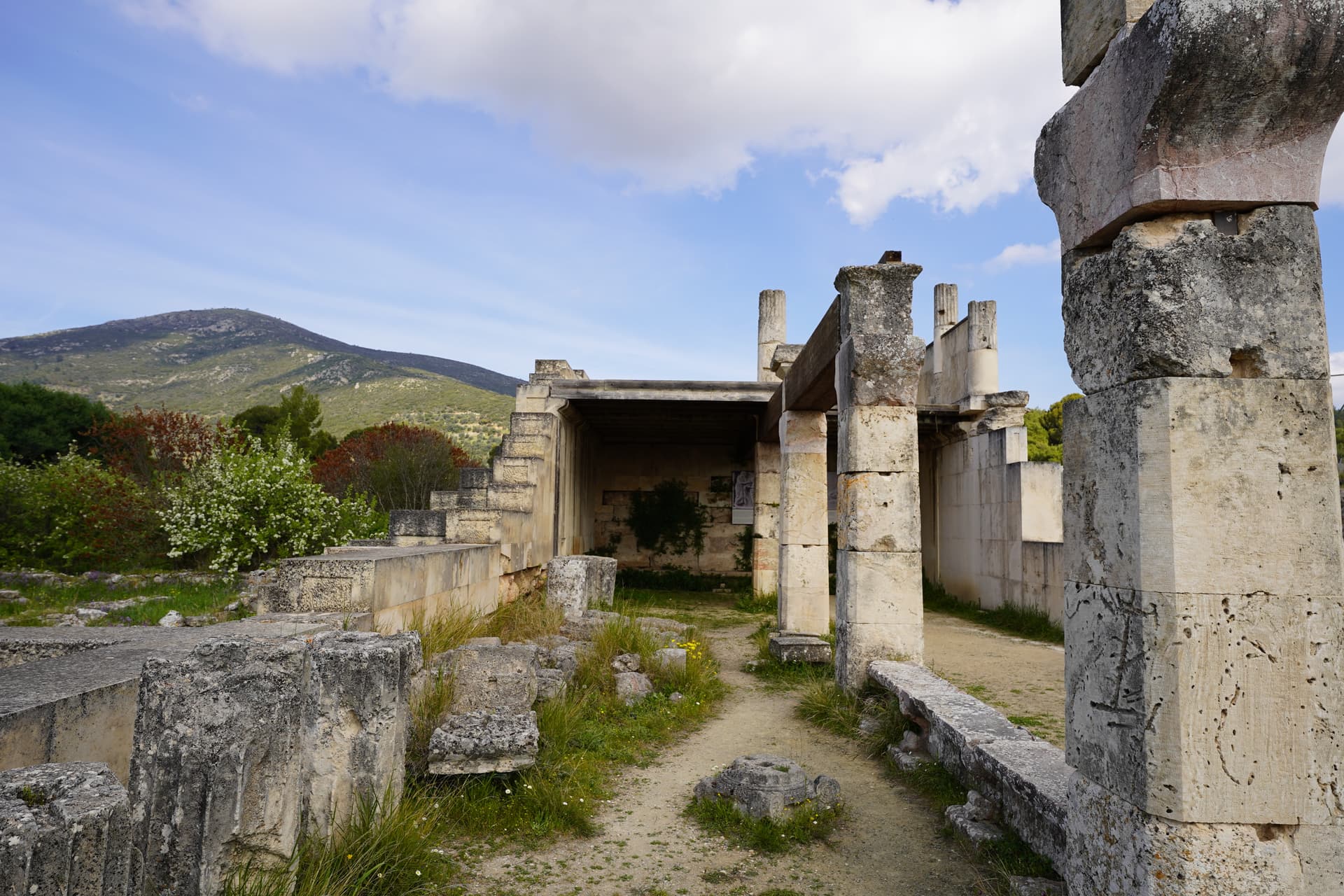
Sanctuary of Asklepios at Epidauros
Epidauros, Peloponnese, Greece
38.6 km away

Epidauros
Municipal Unit of Epidavros, Peloponnese, Greece
39.0 km away
References
Sources consulted for this page. Source categories describe the publication, not a guarantee that every claim is verified. Traditional accounts and outside interpretations may differ.
- 01A look at the cult of the nymphs at Corinth — Theodora Kopestonsky / ASCSAacademicArchaeological study of nymph worship in Corinth; sacred interpretation is not based on a tourist nickname.
- 02Corinth I.6: The Springs — Bert Hodge Hill / ASCSAacademicExcavation monograph distinguishes fountain phases and records the Peirene/Cenchrias account.
- 03Fountain of Peirene — Wikimedia Commons contributorsSource contextLower fountain coordinates; deliberately not the upper Acrocorinth spring.
Share a photo
Help visitors recognize Lower Peirene Spring. Every submission is reviewed before publication.