Dupath Well
A granite well-house preserving the history and legends of a Cornish spring
Understand sacred places, explore living traditions, and learn how to engage respectfully with Pilgrim Map.
Access has not been verified. Check current local guidance before planning a visit.
Callington, Cornwall, United Kingdom
Read the sourcesVisit essentials
A quick read before you go
- Access
- English Heritage lists access during reasonable daylight hours, with designated parking in the…
- Etiquette
- Keep dogs on leads and take care around livestock and farm machinery.
Overview
Dupath Well stands on a working farm near Callington. Its granite well-house encloses a spring once sought by people hoping for healing, with an interior basin and an overflow trough outside.
Why this place is sacred
The dedication to St Ethelred and the spring’s association with the canons of St Germans place it within Christian holy-well devotion. Its former reputation for curing whooping cough is a belief documented by English Heritage, not a treatment recommendation.
Experience and orientation
Look up at the overlapping stone roof, corner pinnacles and small turret above the entrance. The building gives a modest water source the architectural attention more often associated with a chapel.
Context and lineage
The local duel legend has conflicting endings. Cornwall Heritage Trust tells of Colan killing his rival Gotlieb in a fight over a woman, building the well in atonement, then dying of his own wounds. English Heritage’s version has Colan die first and Gottlieb suffer a fatal wound. Both accounts end without the intended marriage; neither is presented as the documented origin of the building.
English Heritage dates the well-house probably to about 1510 and attributes it to the Augustinian canons whose priory owned the land. Cornwall Heritage Trust records restoration funded by the Reverend H. M. Price after the building fell into disrepair.
Traditions and practice
Visitors historically sought cures here, and English Heritage suggests occasional baptism may also have taken place. The surviving basin helps explain that use; it does not imply present permission to bathe.
Christianity
HistoricalA saint-dedicated holy well associated with Augustinian canons.
Historical visits seeking healing.
Perspectives and open questions
The building’s probable monastic history and its changing folk narratives are both worth retaining. Their differences make it especially important to distinguish construction evidence from legend.
Plan your visit
Access and arrival
English Heritage lists access during reasonable daylight hours, with designated parking in the farmyard. A narrow, potentially uneven footpath reaches the well-house. Check its current visitor page before travelling; Callington has nearby services. Mobile reception was not documented in the reviewed sources.
Respectful visit
Keep dogs on leads and take care around livestock and farm machinery. English Heritage prohibits smoking, vaping, barbecues and naked flames. Leave the water and fabric undisturbed.
Location
Map loads as you approach this section.
Pilgrim reflections
A portrait of encounter, not a score
Pilgrims describe what they felt, how present they could become, and whether the place would shape a journey. There are no stars and no ranking of traditions.
No reviewed reflections yet
The first pilgrims can help describe the character of being here.
Share a reflection
Available after an account-backed “Been there.” Every reflection is reviewed before publication.
Nearby sacred places
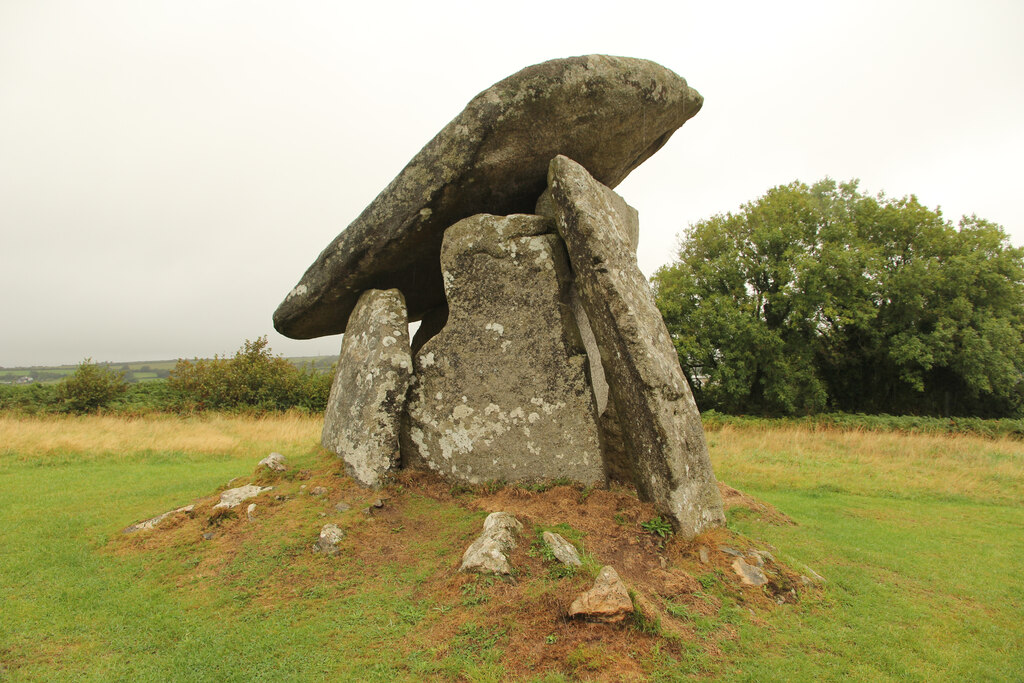
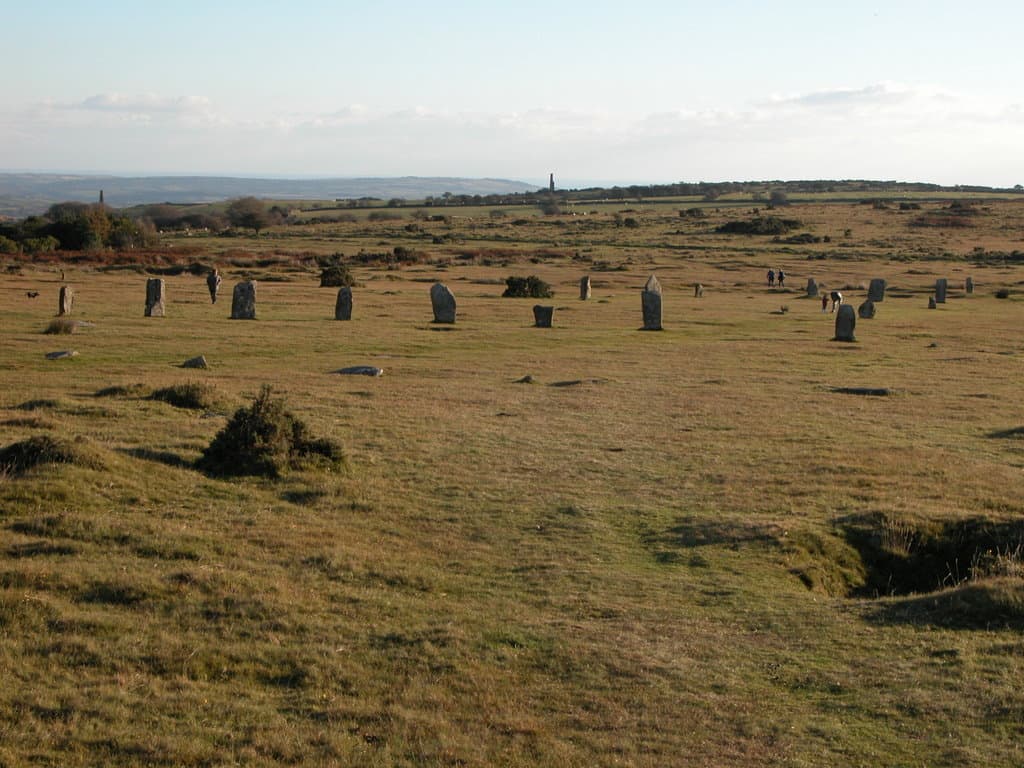
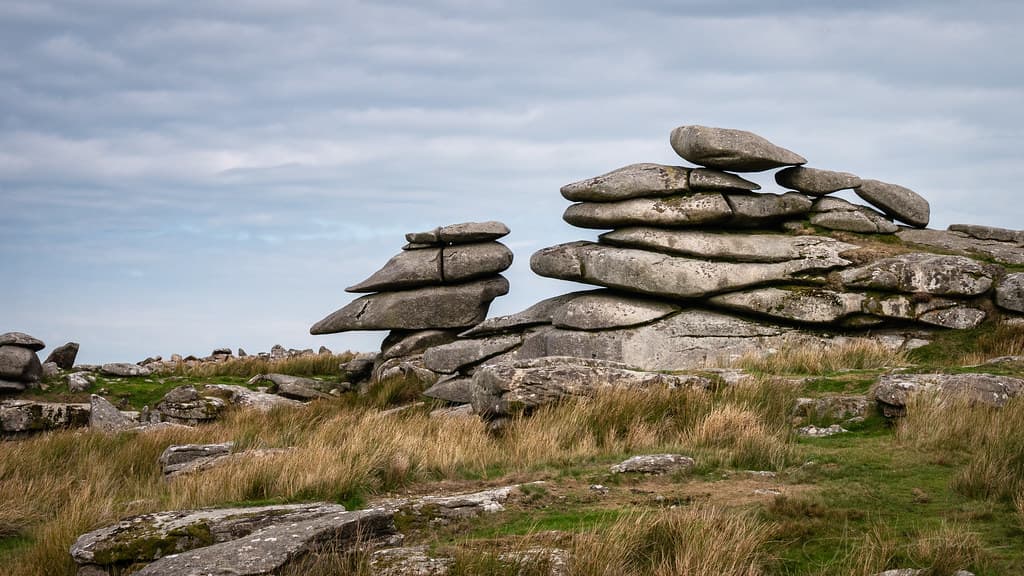
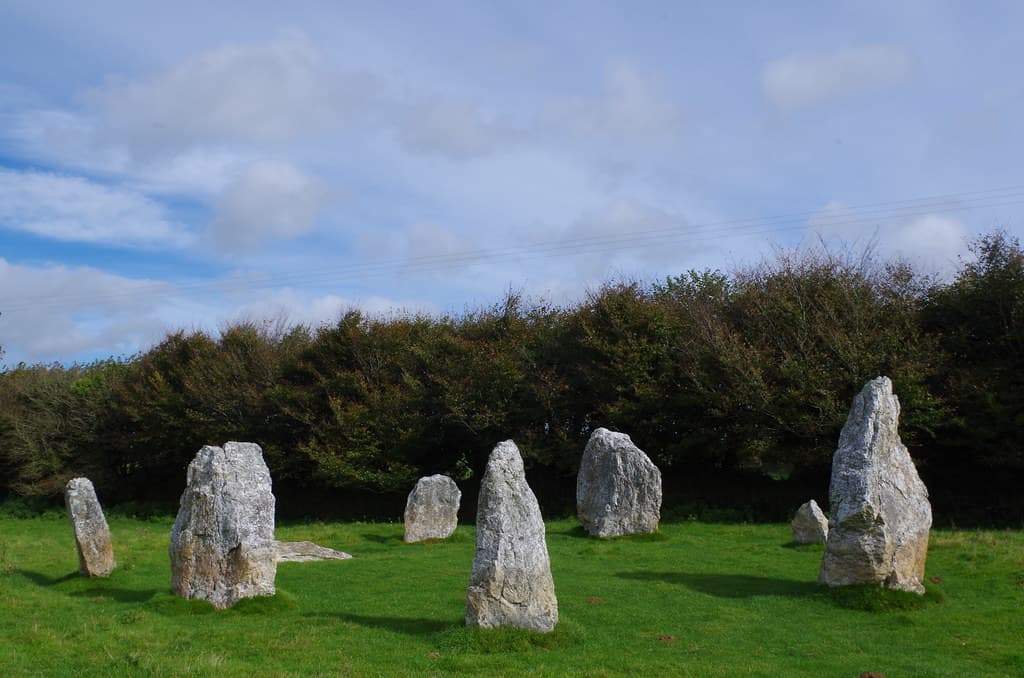
Explore other sacred places in the region. Proximity does not establish access or travel time; check each place’s guidance.
References
Sources consulted for this page. Source categories describe the publication, not a guarantee that every claim is verified. Traditional accounts and outside interpretations may differ.
- 01History of Dupath Well — English HeritageofficialProbable c1510 construction, St Ethelred dedication, healing belief, water flow and one duel-story version.
- 02Dupath Well — Cornwall Heritage TrustofficialCurrent steward; granite architecture, nineteenth-century restoration and a differing duel legend in which Colan survives long enough to build the well.
- 03Dupath Well — visitor information — English HeritageofficialDaylight access through a working farm, designated parking, narrow uneven path, dogs on leads and restrictions on smoking, vaping and flames.
- 04Dupath holy well, 45m NNE of Dupath Farm, 1013663 — Historic EnglandofficialExact monument identity, grid SX3749969220. Coordinates transformed from EPSG:27700 237499,69220 to WGS84.
Share a photo
Help visitors recognize Dupath Well. Every submission is reviewed before publication.