Séc-he Sacred Hot Spring
A living spring at the center of Agua Caliente country
Understand sacred places, explore living traditions, and learn how to engage respectfully with Pilgrim Map.
Access has not been verified. Check current local guidance before planning a visit.
Palm Springs, California, United States
Read the sourcesVisit essentials
A quick read before you go
- Access
- The cultural plaza is at North Indian Canyon Drive and East Tahquitz Canyon Way.
- Etiquette
- Follow tribal and facility guidance, protect the spring infrastructure and respect bathers’…
Overview
Séc-he remains central to the Agua Caliente Band of Cahuilla Indians in downtown Palm Springs. The protected hot spring now anchors a tribal cultural plaza, museum and bathing complex.
Why this place is sacred
The Tribe describes a relationship with the water that joins sustenance, ceremony and the spiritual world. A visit to the modern spa encounters one public use of a much deeper cultural resource.
Experience and orientation
The museum and public plaza offer cultural interpretation, while the spa manages bathing. The map marks the cultural-plaza complex, not an accessible opening into the protected source.
Context and lineage
In the account of Francisco Patencio shared by the Tribe, Tu-to-meet was weary, ill and unable to move easily. He drove his staff of power into the ground and turned it; spring water emerged. He named it Séc-he and intended it to remain for those needing care. The Tribe publishes this story as part of its continuing oral tradition. Its meaning should not be reduced to a claim that purchasing a bath guarantees healing.
Successive bathhouses have occupied the site. The Tribe’s account describes the replacement of an aging collection system to protect the spring before development of the present cultural plaza.
Traditions and practice
Publicly shared accounts establish the spring’s ceremonial significance. They do not disclose a ceremony for visitors to reproduce or imply that a spa booking grants ceremonial access.
Native American
ActiveThe Tribe describes a relationship with the water that joins sustenance, ceremony and the spiritual world. A visit to the modern spa encounters one public use of a much deeper cultural resource.
Publicly shared accounts establish the spring’s ceremonial significance. They do not disclose a ceremony for visitors to reproduce or imply that a spa booking grants ceremonial access.
Perspectives and open questions
The Tribe’s own public interpretation leads this account. Its stewardship continues within a city whose resort history grew around the water.
Plan your visit
Access and arrival
The cultural plaza is at North Indian Canyon Drive and East Tahquitz Canyon Way. The spa lists 200 East Tahquitz Canyon Way; museum entry and spa reservations are separate. Check each operator for current access and accessibility.
Respectful visit
Follow tribal and facility guidance, protect the spring infrastructure and respect bathers’ privacy. Ask before photographing cultural activities or other people.
Location
Map loads as you approach this section.
Pilgrim reflections
A portrait of encounter, not a score
Pilgrims describe what they felt, how present they could become, and whether the place would shape a journey. There are no stars and no ranking of traditions.
No reviewed reflections yet
The first pilgrims can help describe the character of being here.
Share a reflection
Available after an account-backed “Been there.” Every reflection is reviewed before publication.
Nearby sacred places
Explore other sacred places in the region. Proximity does not establish access or travel time; check each place’s guidance.
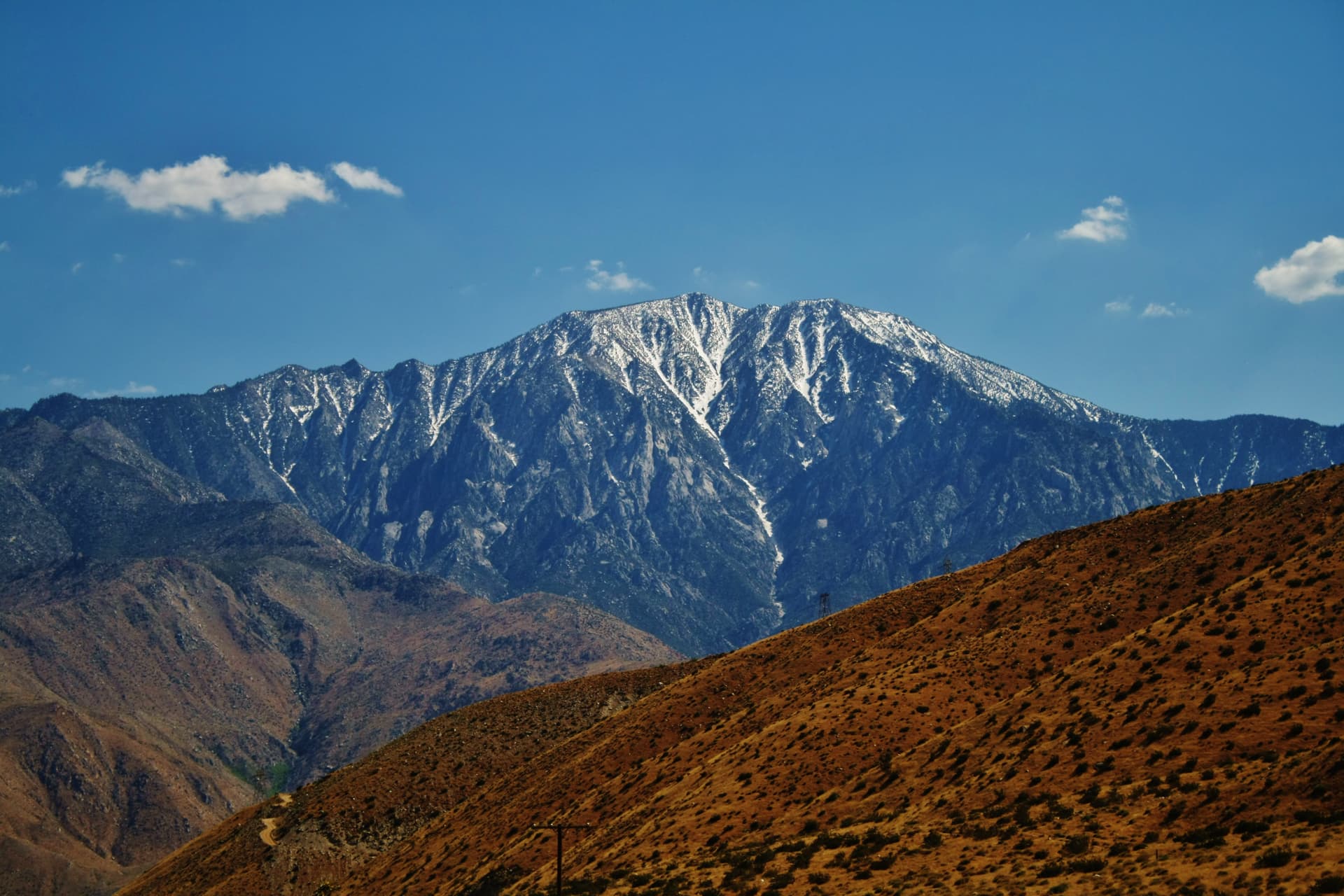
Mount San Jacinto, California
Riverside County, California, United States
12.4 km away

Joshua Tree National Park, California
Joshua Tree, California, United States
59.9 km away
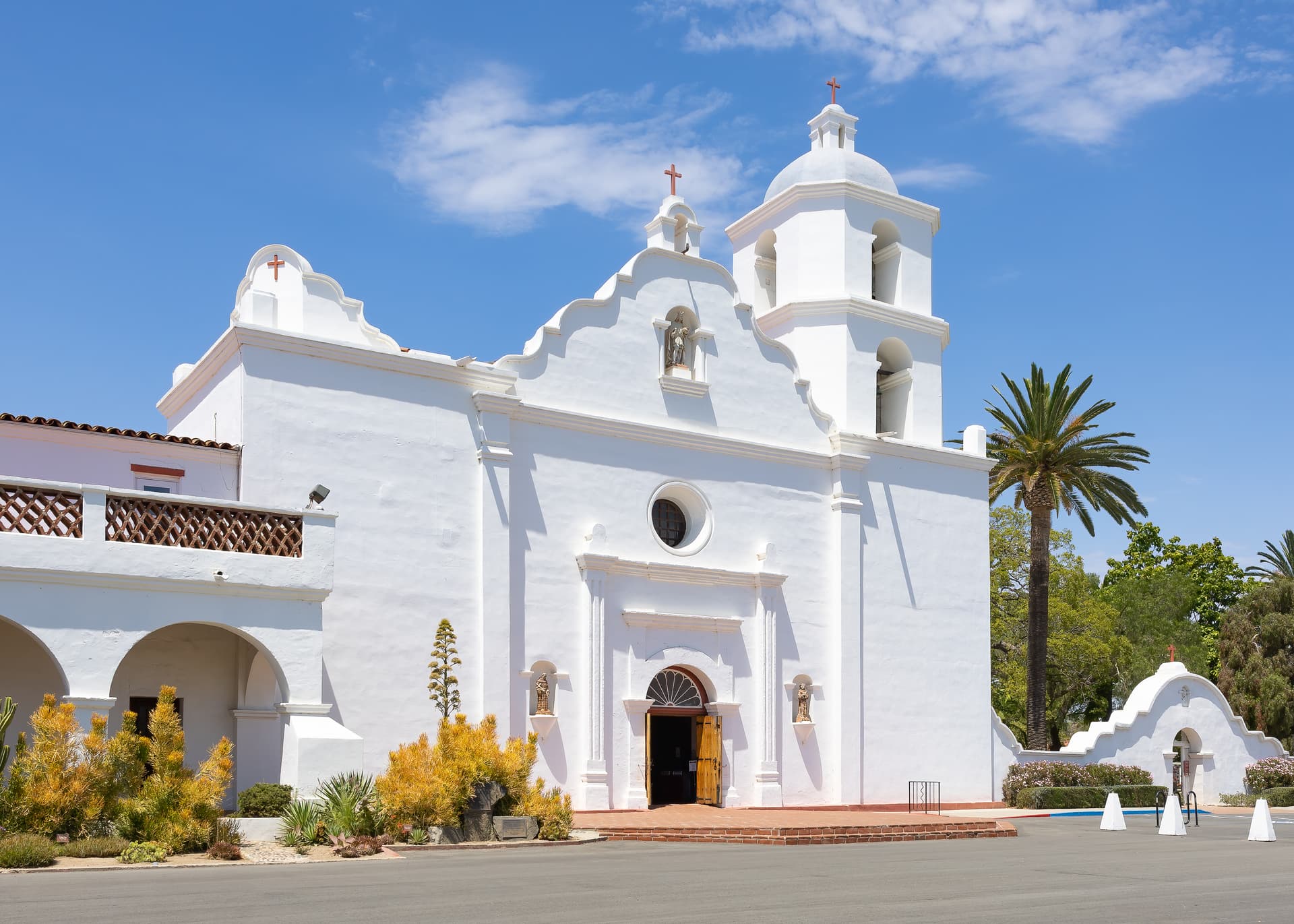
Mission San Luis Rey de Francia
Oceanside, Oceanside, California, United States
97.4 km away

Mission San Juan Capistrano
San Juan Capistrano, California, United States
109.4 km away
References
Sources consulted for this page. Source categories describe the publication, not a guarantee that every claim is verified. Traditional accounts and outside interpretations may differ.
- 01Eternal Spring — Agua Caliente Band of Cahuilla IndiansSource contextTribal public magazine pages 26-29 preserves Francisco Patencio’s Tu-to-meet story and spring protection history.
- 02The Agua Caliente Hot Mineral Spring Story — The Spa at Sec-heofficialTribal operator explains cultural significance, spring protection and current cultural-plaza setting. Medical marketing not adopted.
- 03Agua Caliente Cultural Plaza — Agua Caliente Band of Cahuilla IndiansofficialPublic complex location at North Indian Canyon Drive and East Tahquitz Canyon Way; gathering plaza beside protected spring.
- 04Agua Caliente Cultural Museum, North Indian Canyon Drive, Section 14, Palm Springs, Riverside County, California, 92264, United States — OpenStreetMap contributorsSource contextCoordinates from the named mapped feature; selected after distinguishing nearby and similarly named places.
Share a photo
Help visitors recognize Séc-he Sacred Hot Spring. Every submission is reviewed before publication.