Source des Roches
Wooden offerings preserved in an ancient spring basin
Understand sacred places, explore living traditions, and learn how to engage respectfully with Pilgrim Map.
Access has not been verified. Check current local guidance before planning a visit.
Chamalières, Auvergne-Rhône-Alpes, France
Read the sourcesVisit essentials
A quick read before you go
- Access
- The findspot is near avenue Jean-Jaurès and rue de Clora in Chamalières.
- Etiquette
- Respect the present urban setting and any private boundaries.
Overview
At the Source des Roches in Chamalières, archaeology reveals a sanctuary centered on a natural water basin. Its best-known traces are offerings rather than standing temple walls.
Why this place is sacred
The Musée Bargoin interprets the wooden figures and body parts as petitions to divinities for healing. They document ancient devotion without establishing that the water cured disease.
Experience and orientation
The map marks the archaeological findspot in today’s town. The surviving objects are associated with the Musée Bargoin collection, a different visitor destination.
Context and lineage
Excavations beginning in 1968 uncovered the sanctuary and its waterlogged wood. A Gaulish-language inscribed tablet also came from the site; its interpretation is a separate scholarly question.
Traditions and practice
Ancient visitors deposited wooden ex-votos in the basin. This is archaeological evidence, not a modern instruction to leave objects here.
Celtic
HistoricalThe Musée Bargoin interprets the wooden figures and body parts as petitions to divinities for healing. They document ancient devotion without establishing that the water cured disease.
Ancient visitors deposited wooden ex-votos in the basin. This is archaeological evidence, not a modern instruction to leave objects here.
Ancient Roman
HistoricalThe Musée Bargoin interprets the wooden figures and body parts as petitions to divinities for healing. They document ancient devotion without establishing that the water cured disease.
Ancient visitors deposited wooden ex-votos in the basin. This is archaeological evidence, not a modern instruction to leave objects here.
Perspectives and open questions
An offering shaped like a human body part makes an ancient request tangible. It does not require a reconstructed founding myth to explain the sanctuary’s importance.
Plan your visit
Access and arrival
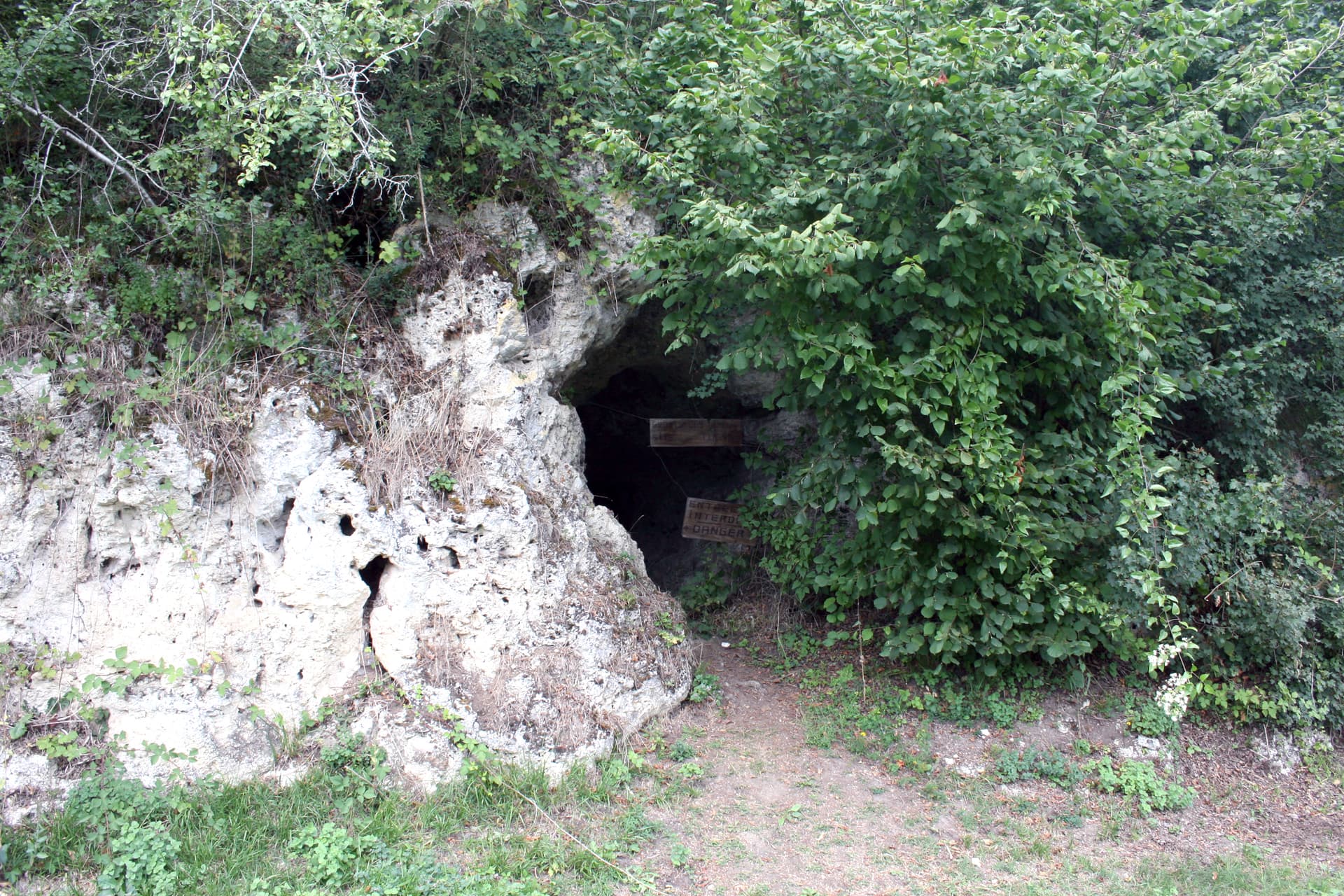
The findspot is near avenue Jean-Jaurès and rue de Clora in Chamalières. Confirm museum access separately: renovation can affect which collections are visible. An open archaeological attraction at the spring was not verified.
Respectful visit
Respect the present urban setting and any private boundaries. Do not dig, collect material or enter property to look for the former basin.
Location
Map loads as you approach this section.
Pilgrim reflections
A portrait of encounter, not a score
Pilgrims describe what they felt, how present they could become, and whether the place would shape a journey. There are no stars and no ranking of traditions.
No reviewed reflections yet
The first pilgrims can help describe the character of being here.
Share a reflection
Available after an account-backed “Been there.” Every reflection is reviewed before publication.
Nearby sacred places
Explore other sacred places in the region. Proximity does not establish access or travel time; check each place’s guidance.

References
Sources consulted for this page. Source categories describe the publication, not a guarantee that every claim is verified. Traditional accounts and outside interpretations may differ.
- 01Les collections du musée Bargoin — Clermont Auvergne MétropoleofficialExcavated natural basin and anatomical wooden votive offerings, first century BCE to first century CE.
- 02Tablette de Chamalières — Wikipedia contributorsSource contextContext for the Gaulish-language tablet; no speculative translation adopted.
- 03Source des Roches — Wikimedia Commons contributorsSource contextCoordinates of archaeological spring location in Chamalières.
Share a photo
Help visitors recognize Source des Roches. Every submission is reviewed before publication.