Afqa Cave Spring
The cave source of a river remembered for Adonis
Understand sacred places, explore living traditions, and learn how to engage respectfully with Pilgrim Map.
Access has not been verified. Check current local guidance before planning a visit.
Afqa, Mount Lebanon, Lebanon
Read the sources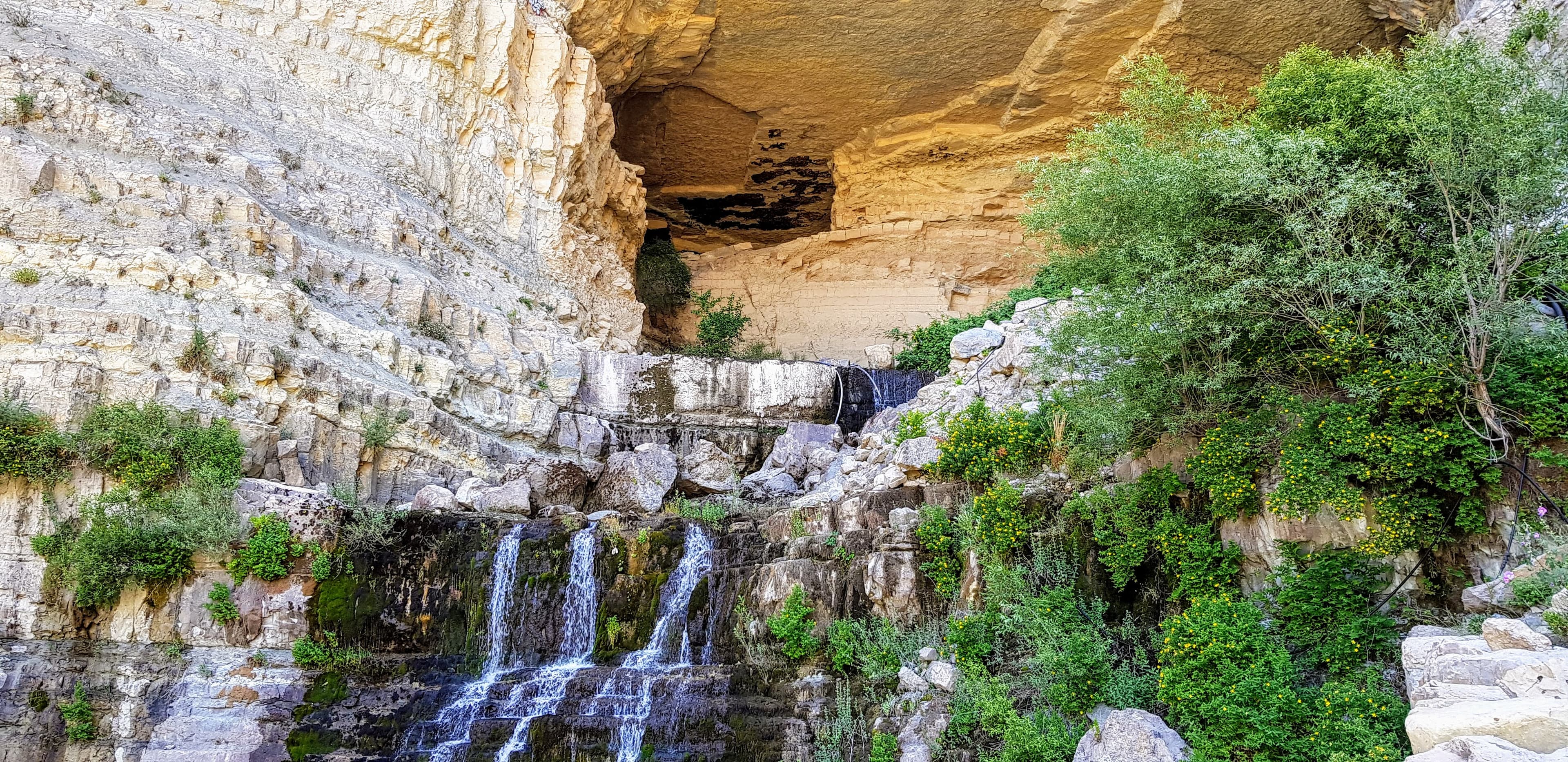
Water emerging below the cave at Afqa.. Image source · CC BY-SA 4.0
Visit essentials
A quick read before you go
- Access
- The map marks Afqa’s cave-source, not the village center.
- Etiquette
- Respect archaeological remains and any barriers.
Overview
At Afqa, water emerges from a cave in the Lebanese mountains to feed the Nahr Ibrahim, known in antiquity as the Adonis River. Nearby temple remains belong to the same sacred landscape.
Why this place is sacred
Lebanese heritage documentation links the spring with Phoenician devotion to Adonis and Astarte and the neighboring sanctuary of Aphrodite. Water connected this mountain place with worship at Byblos.
Experience and orientation
The cave, emerging water and nearby ruins can be understood together while keeping their physical boundaries clear.
Context and lineage
In The Syrian Goddess, the ancient writer Lucian recounts a belief that Adonis was wounded in the mountains and his blood entered the river. Its red color announced the season of mourning at Byblos. He also records a local explanation involving red earth washed into the water. The account concerns the river and surrounding country; it does not locate the wound inside Afqa’s cave.
The spring and the ruined temple are separate features. ToposText traces the sanctuary through later rebuilding and a subsequent church, rather than treating the visible remains as a single unchanged structure.
Traditions and practice
Annual pilgrimages and processions are documented for antiquity. These sources do not establish an organized contemporary ceremony at the cave.
Ancient Greek & Roman
HistoricalLebanese heritage documentation links the spring with Phoenician devotion to Adonis and Astarte and the neighboring sanctuary of Aphrodite. Water connected this mountain place with worship at Byblos.
Annual pilgrimages and processions are documented for antiquity. These sources do not establish an organized contemporary ceremony at the cave.
Perspectives and open questions
The literary account preserves how the river was understood in antiquity. Its religious meaning and the physical explanation of changing water color are different kinds of knowledge.
Plan your visit
Access and arrival
The map marks Afqa’s cave-source, not the village center. Confirm current local access and security conditions before travel. Cave entry, a maintained visitor route, accessible entry and mobile reception have not been verified.
Respectful visit
Respect archaeological remains and any barriers. Do not enter the cave or water channels on the strength of this description.
Location
Map loads as you approach this section.
Pilgrim reflections
A portrait of encounter, not a score
Pilgrims describe what they felt, how present they could become, and whether the place would shape a journey. There are no stars and no ranking of traditions.
No reviewed reflections yet
The first pilgrims can help describe the character of being here.
Share a reflection
Available after an account-backed “Been there.” Every reflection is reviewed before publication.
Nearby sacred places
Explore other sacred places in the region. Proximity does not establish access or travel time; check each place’s guidance.
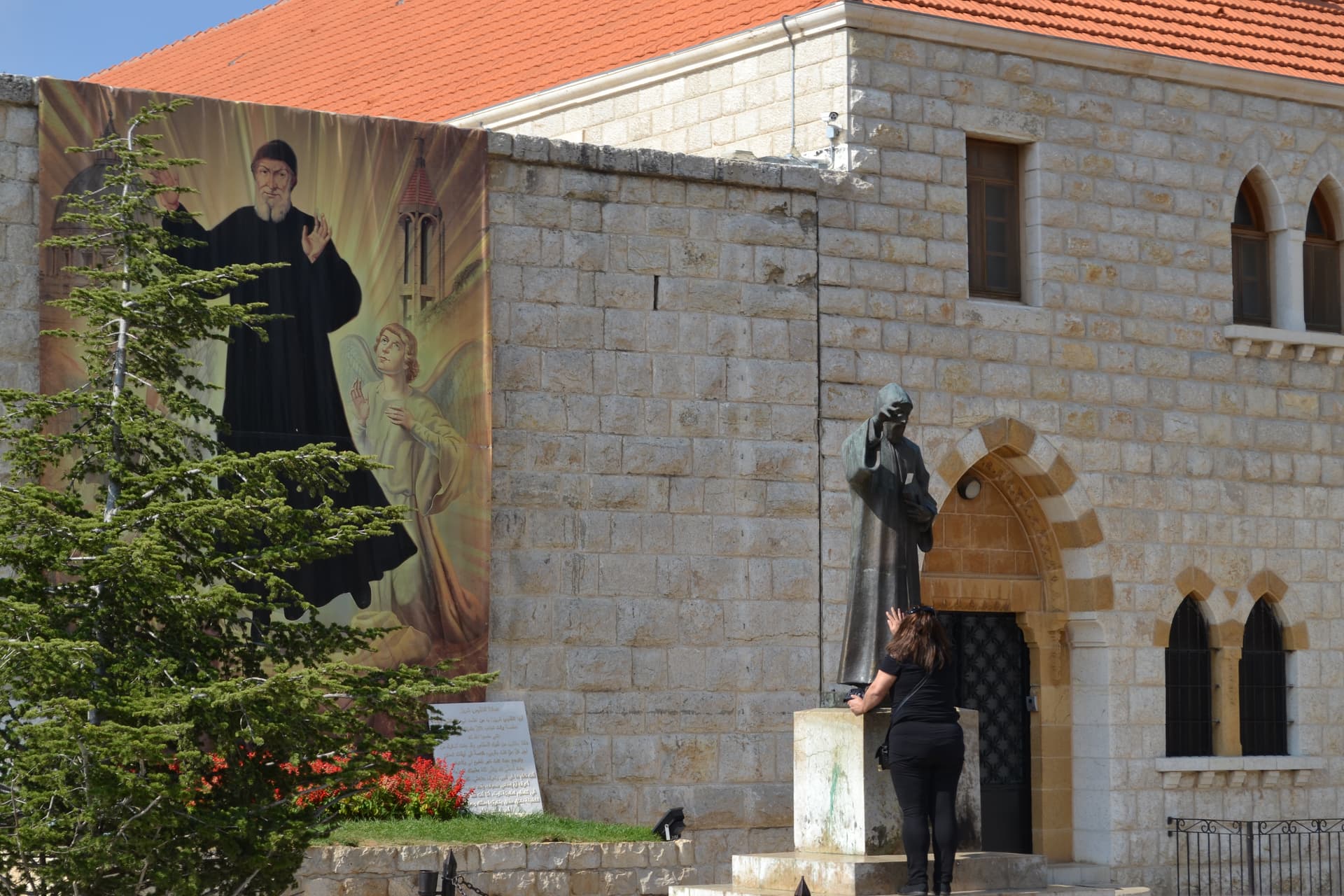
Monastery of Saint Maron, Annaya
Annaya, Mount Lebanon, Lebanon
14.2 km away
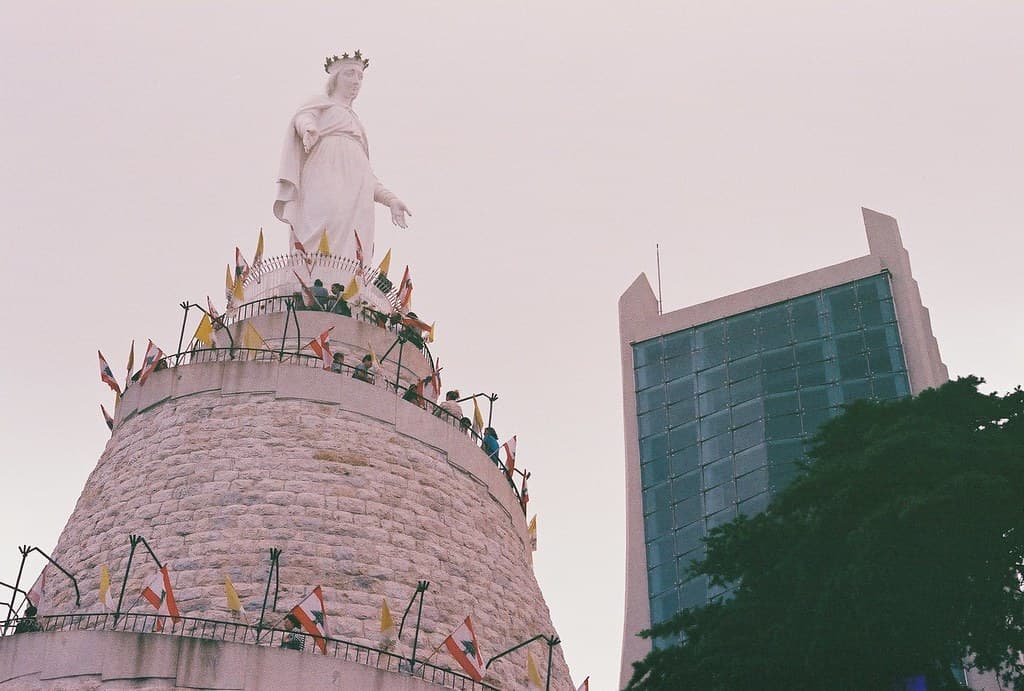
Our Lady of Lebanon, Harissa, Lebanon
Daraoun, Mount Lebanon, Lebanon
24.3 km away
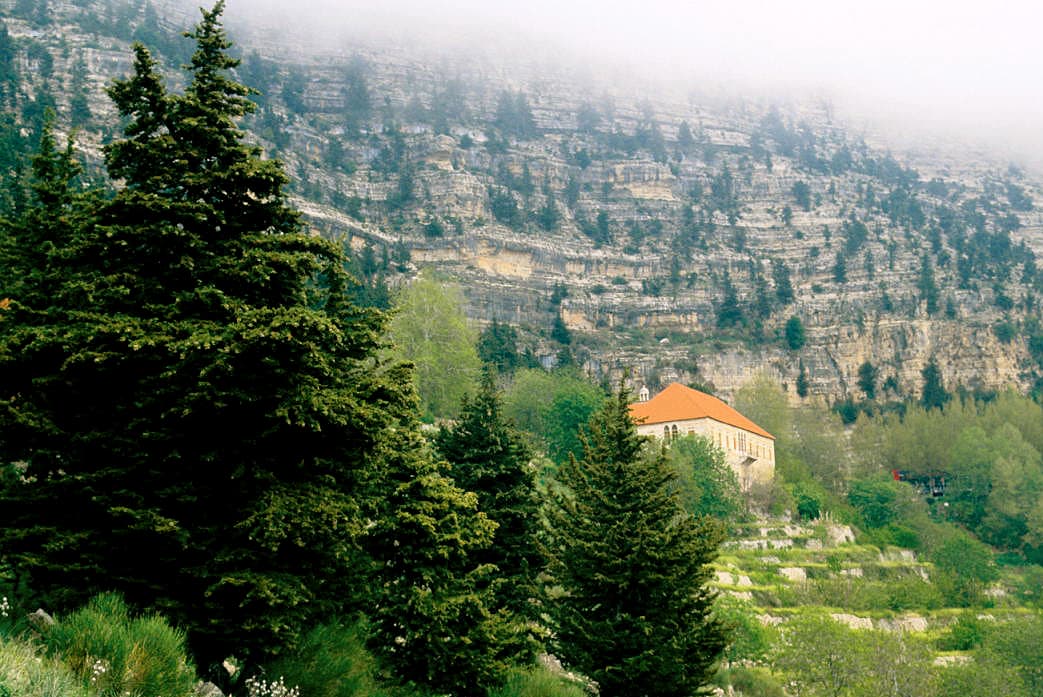
Monastery of Saints Sergius and Bacchus, Ehden, Lebanon
Ehden, North, Lebanon
26.0 km away

The acropolis of Baalbek
Baalbek, Baalbek-Hermel, Lebanon
29.6 km away
References
Sources consulted for this page. Source categories describe the publication, not a guarantee that every claim is verified. Traditional accounts and outside interpretations may differ.
- 01The Afqa Archaeological Site — National Human Rights Commission, LebanonofficialSacred spring, Phoenician Adonis/Astarte, processions and distinct nearby Roman Aphrodite temple. Enhanced protection is not World Heritage inscription.
- 02Aphaca Aphrodite sanctuary — Roman Żuchowicz / ToposTextacademicScholarly identity and coordinates of cave-spring-waterfall and sanctuary; later church and ruined temple.
- 03The Syrian Goddess, sections 6–9 — Lucian, translated by H. W. and F. G. Fowler / ToposTextSource contextAncient testimony about Adonis river blood tradition and red-earth explanation. River-wide account, not proof of a death inside this cave.
- 04Afqa Grotto Q383537 — Wikidata contributorsSource contextCave and spring-specific coordinates sourced to OpenStreetMap.
Share a photo
Help visitors recognize Afqa Cave Spring. Every submission is reviewed before publication.