Country guide
South Korea
South Korea brings together sacred architecture, pilgrimage traditions, and landscapes shaped by memory, ritual, and local devotion.
78 sacred sites across 22 regions. Use the tradition links to narrow in.
Sacred journeys
Pilgrimages in South Korea
Follow routes that connect sacred places across South Korea. Mapped-place counts reflect the current atlas.
Browse by region
Explore South Korea region by region
Open a regional guide to see its sacred sites, traditions, and map.
Explore South Korea by facet
Traditions
Physical forms
Refine the atlas
Related South Korea guides
Showing 49-78 of 78 sites in this country guide
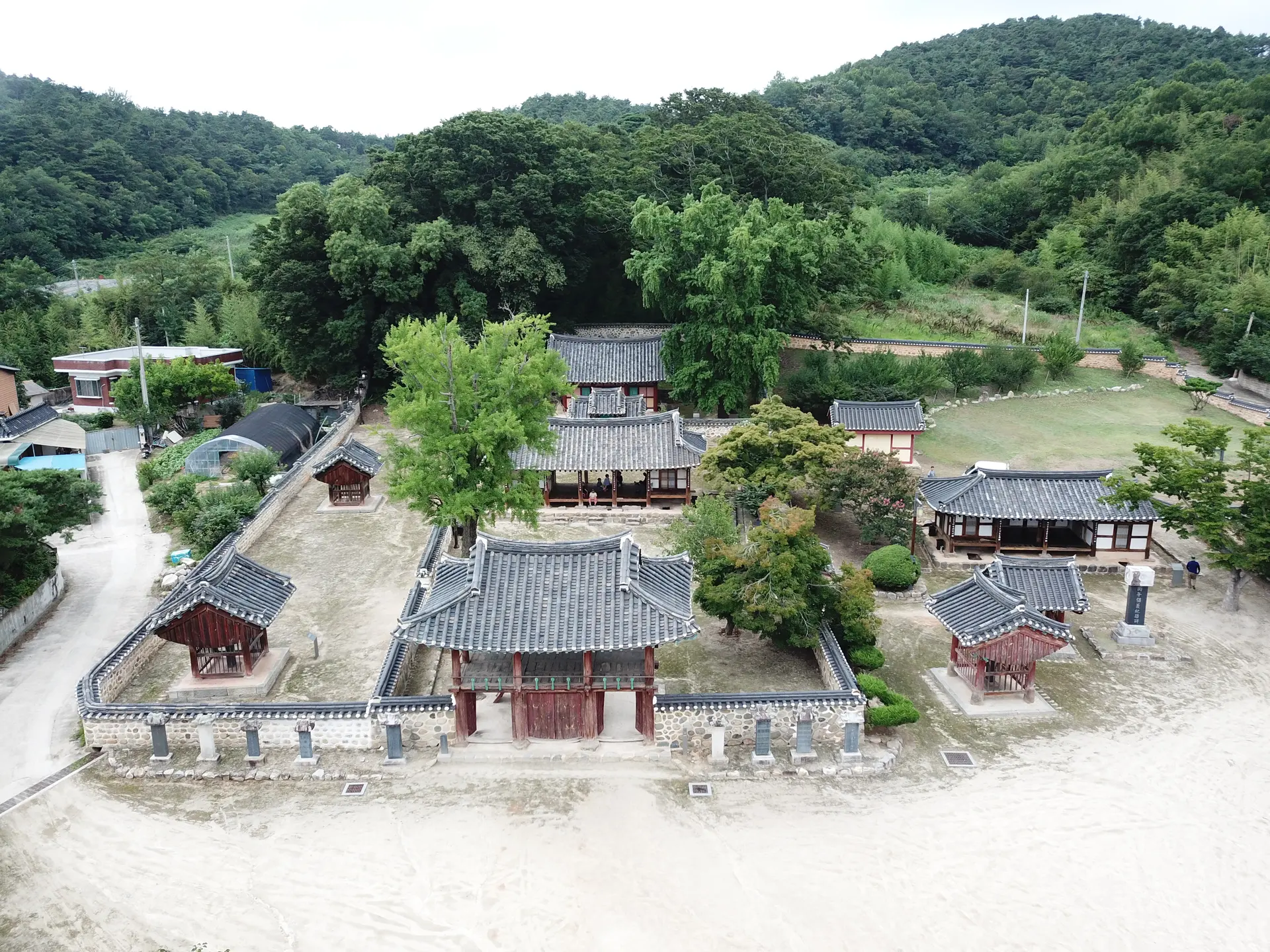
Museong Seowon
Jeongeup, Jeollabuk-do, South Korea
Museong Seowon is not isolated in a dramatic mountain retreat. It sits close to Wonchon village, where houses, lanes, ginkgo trees, fields, and an academy share daily...
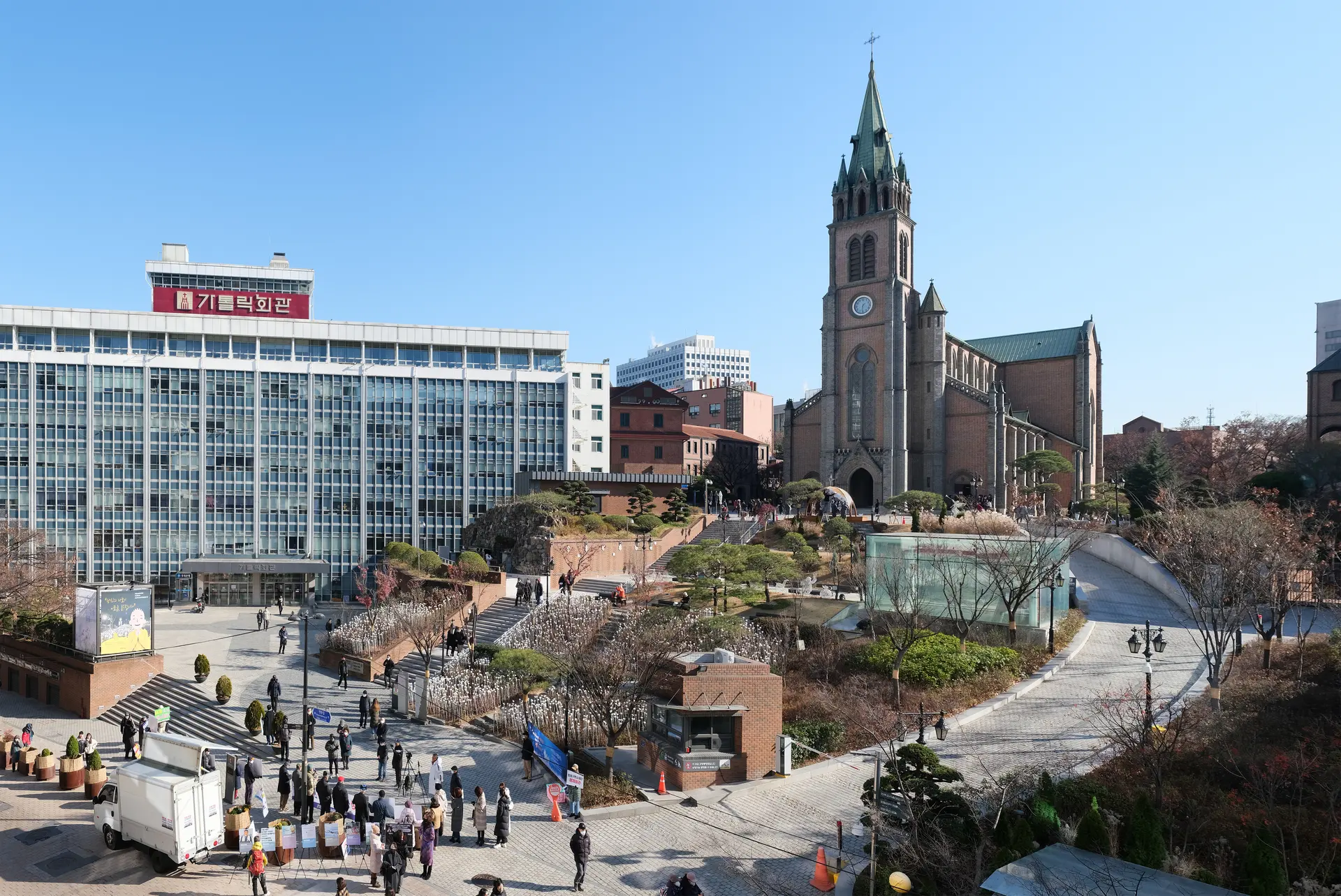
Myeongdong Cathedral
Seoul, Seoul, South Korea
Myeongdong Cathedral is not only a Gothic landmark above a shopping district. Its official history locates Korea’s first faith community here in 1784, before the current...
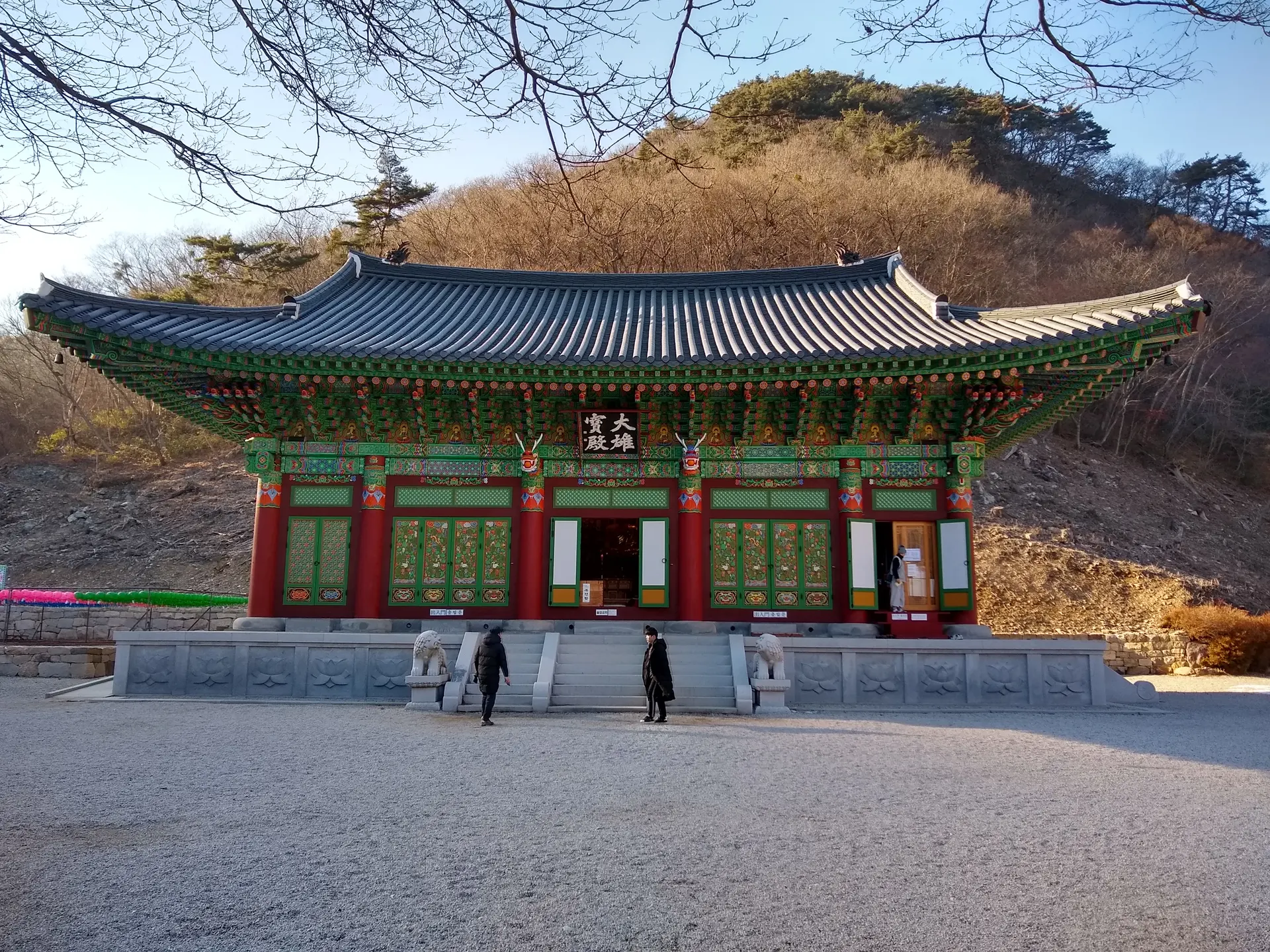
Naejangsa Temple
Jeongeup, Jeollabuk-do, South Korea
Naejangsa is famous when maples turn, but its strongest historical fact is not seasonal color....
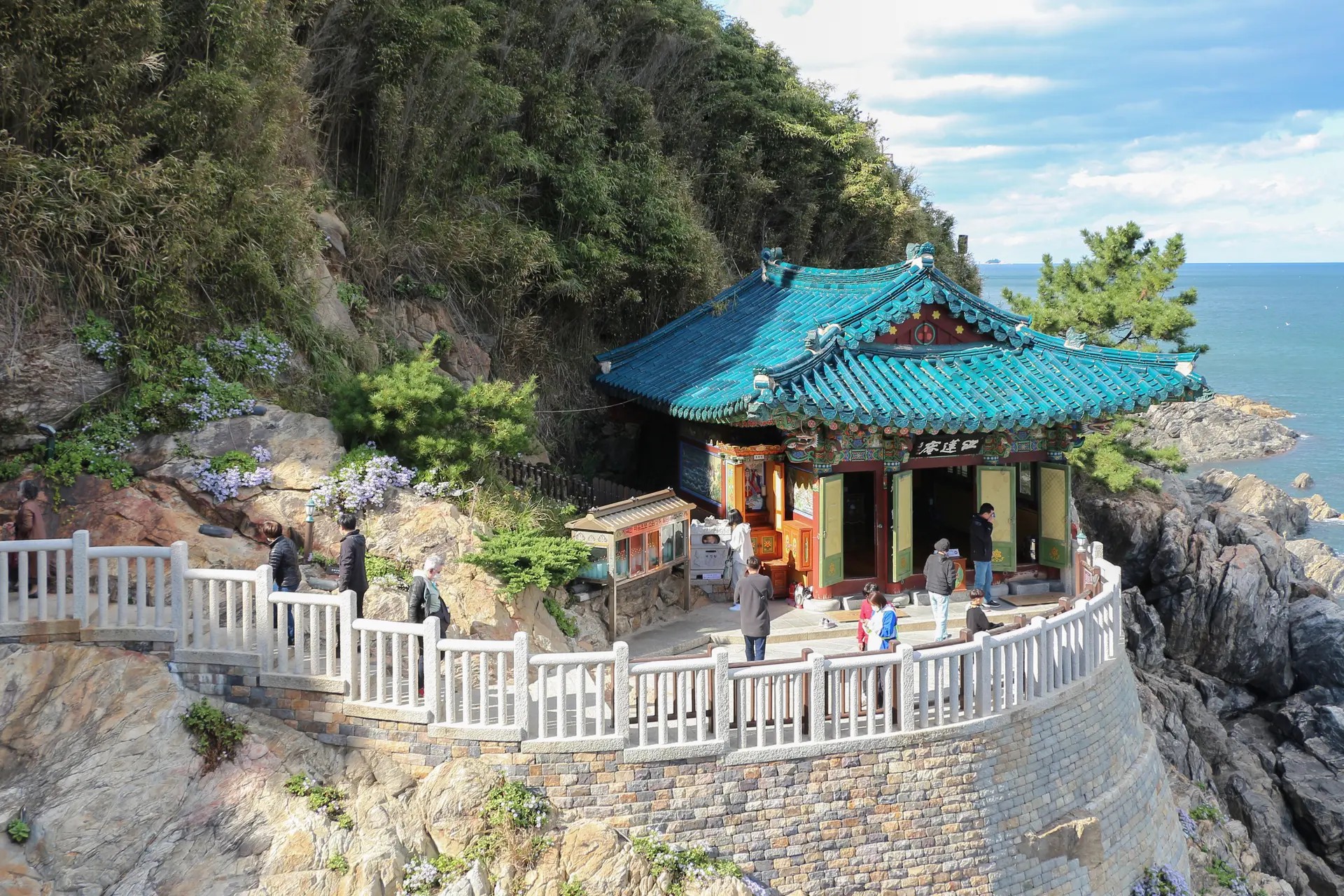
Naksansa Temple
Yangyang, Gangwon-do, South Korea
Naksansa faces the East Sea from a coastal slope where Avalokitesvara devotion has been cultivated for centuries....
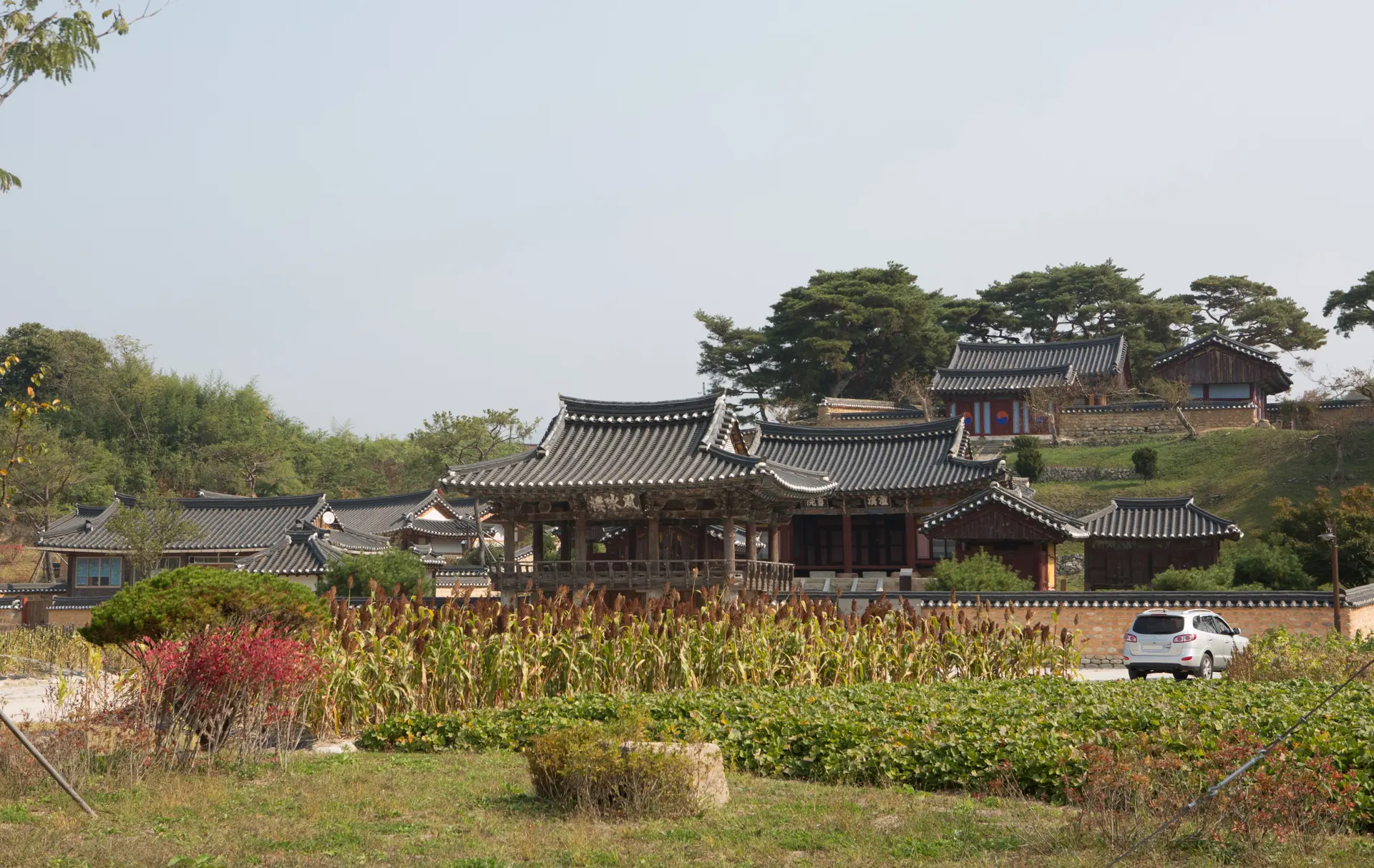
Namgye Seowon
Hamyang, Gyeongsangnam-do, South Korea
Namgye Seowon matters not because it is the largest academy, but because its 1552 arrangement clarified a pattern others adapted....
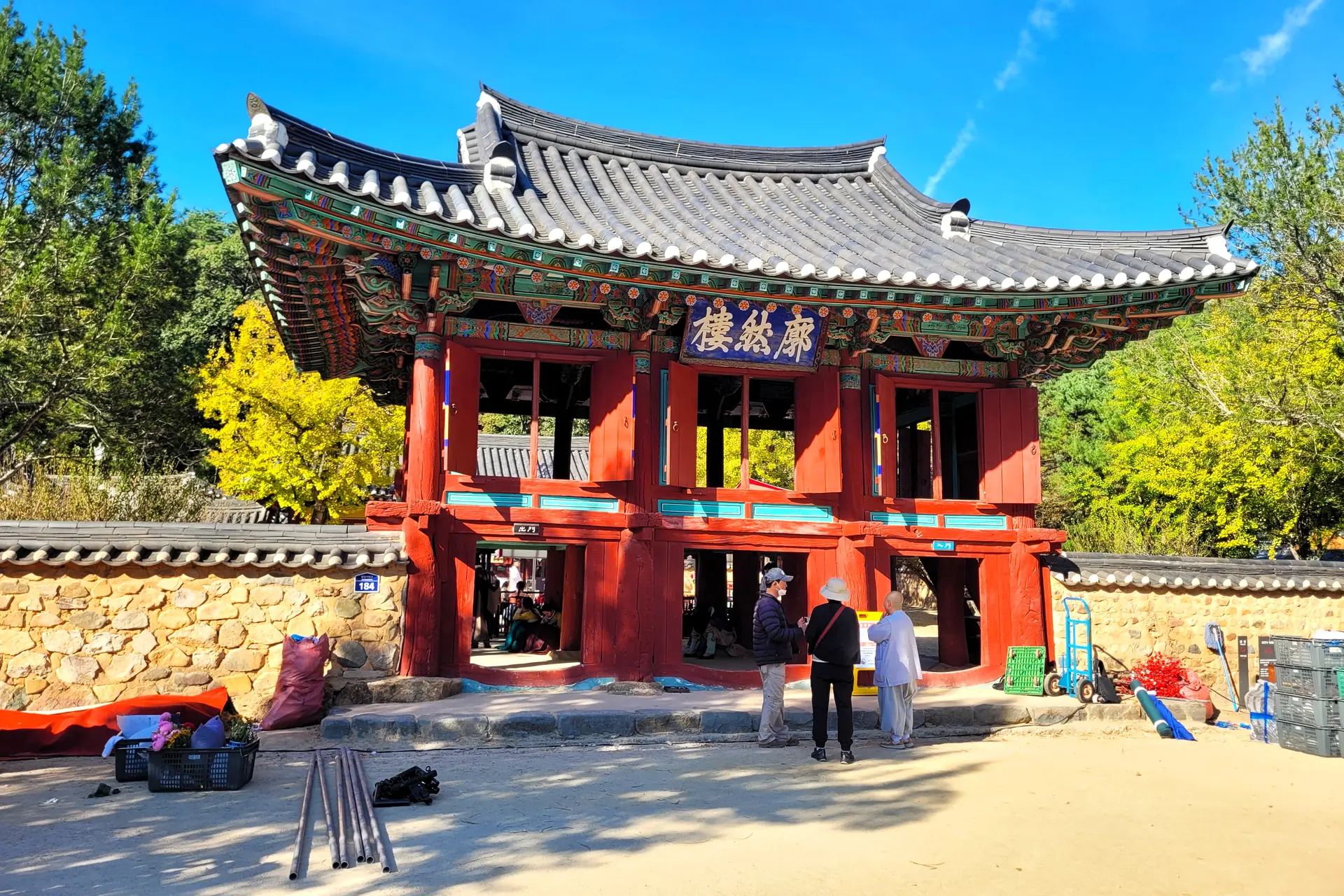
Piram Seowon
Jangseong-gun, Jeollanam-do, South Korea
Piram Seowon centers the scholarship and moral example of Kim In-hu, a sixteenth-century Neo-Confucian teacher associated with rigorous reading of Great Learning....
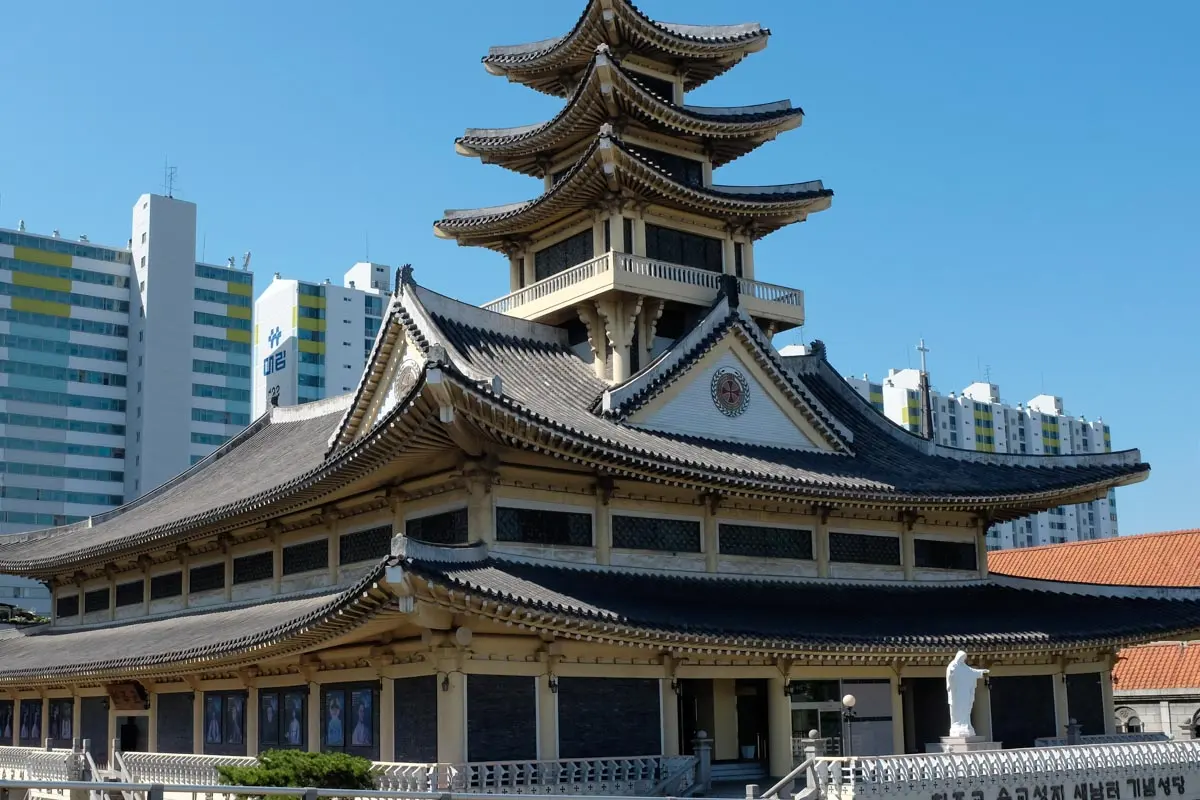
Saenamteo Catholic Holy Ground
Seoul, Seoul, South Korea
Saenamteo is a Catholic martyrdom shrine beside the Han River in Seoul, remembered as a place where clergy and lay believers were executed during Joseon persecution....
Sajasan Beopheungsa
Yeongwol, Yeongwol, Gangwon-do, South Korea
Sajasan Beopheungsa is a living Korean Buddhist temple with historic monastery remains in Yeongwol, South Korea....
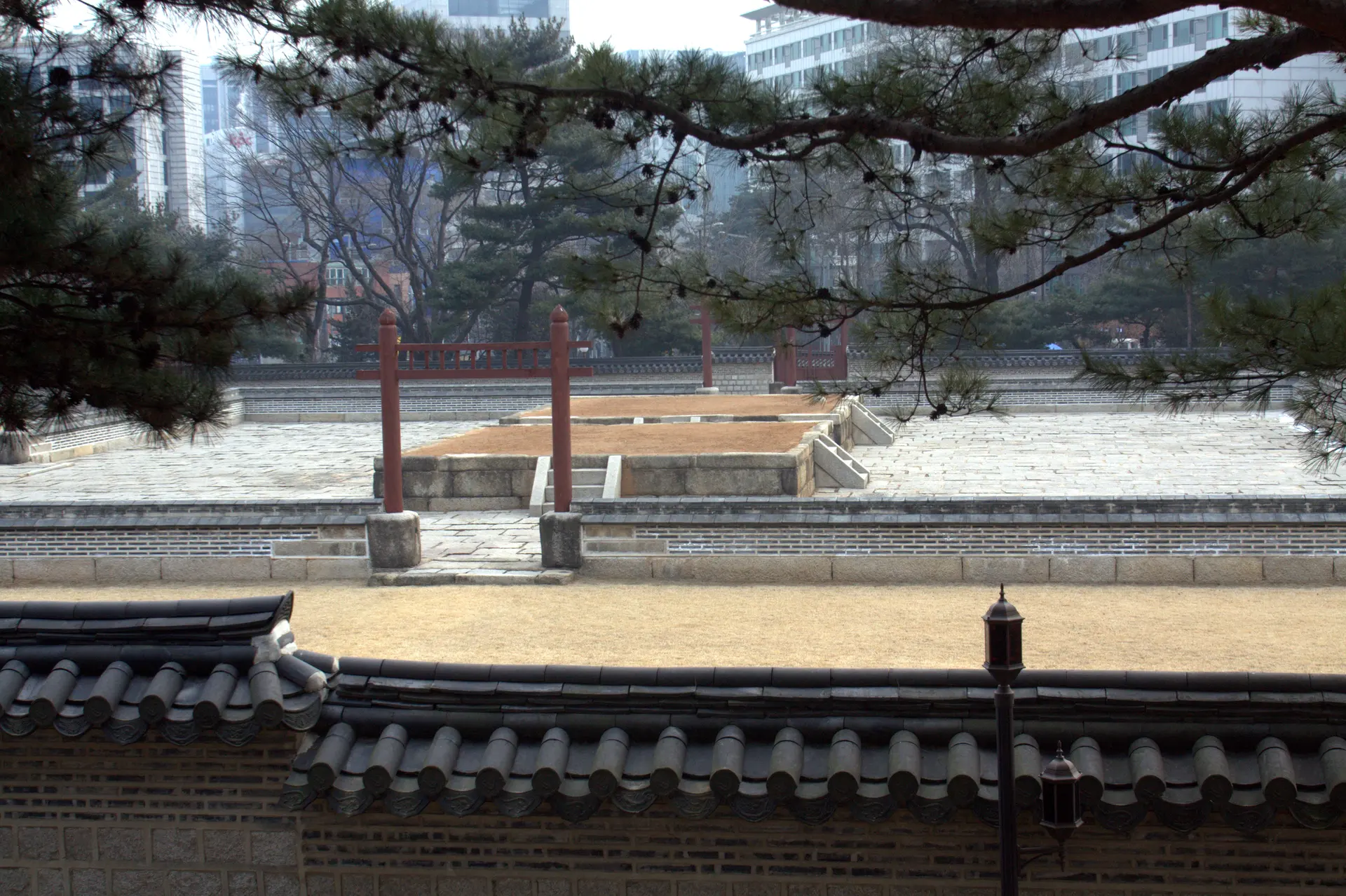
Sajikdan Altar
Seoul, Seoul, South Korea
Sajikdan’s altars are deliberately spare. Their meaning comes from what Joseon government placed upon them: responsibility for land, grain, rain, harvest, crisis, and the...
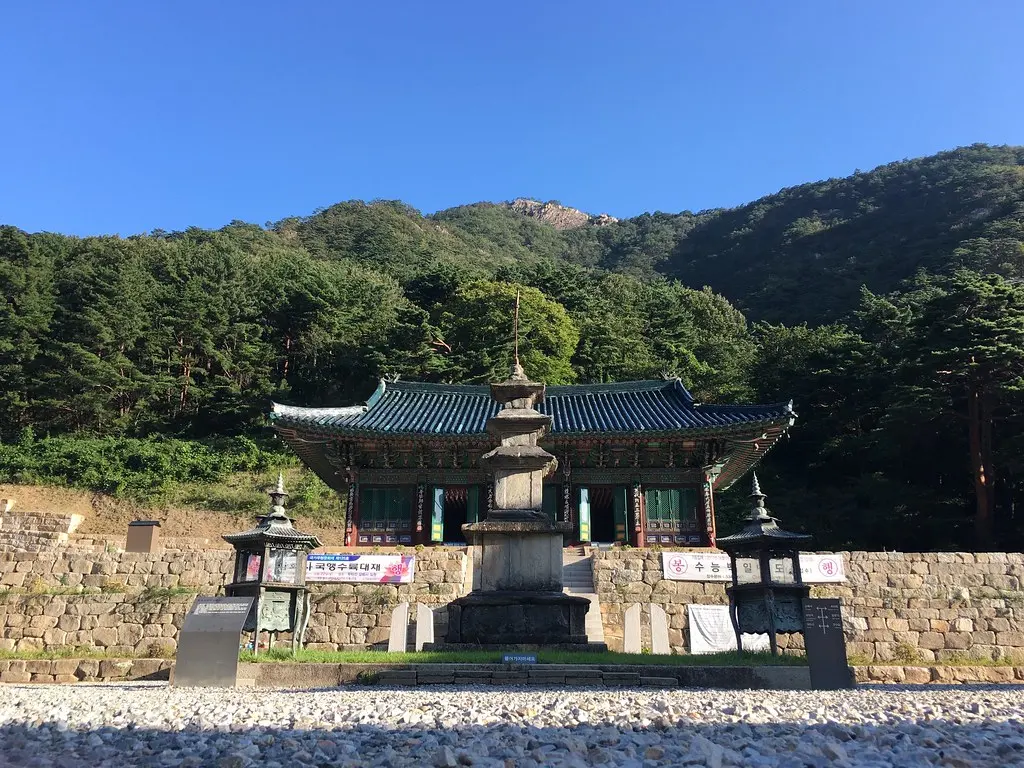
Samhwasa Temple
Donghae-si, Gangwon-do, South Korea
Samhwasa is small enough to be missed by people pressing deeper into Mureung Valley, yet its sacred field is unusually broad....
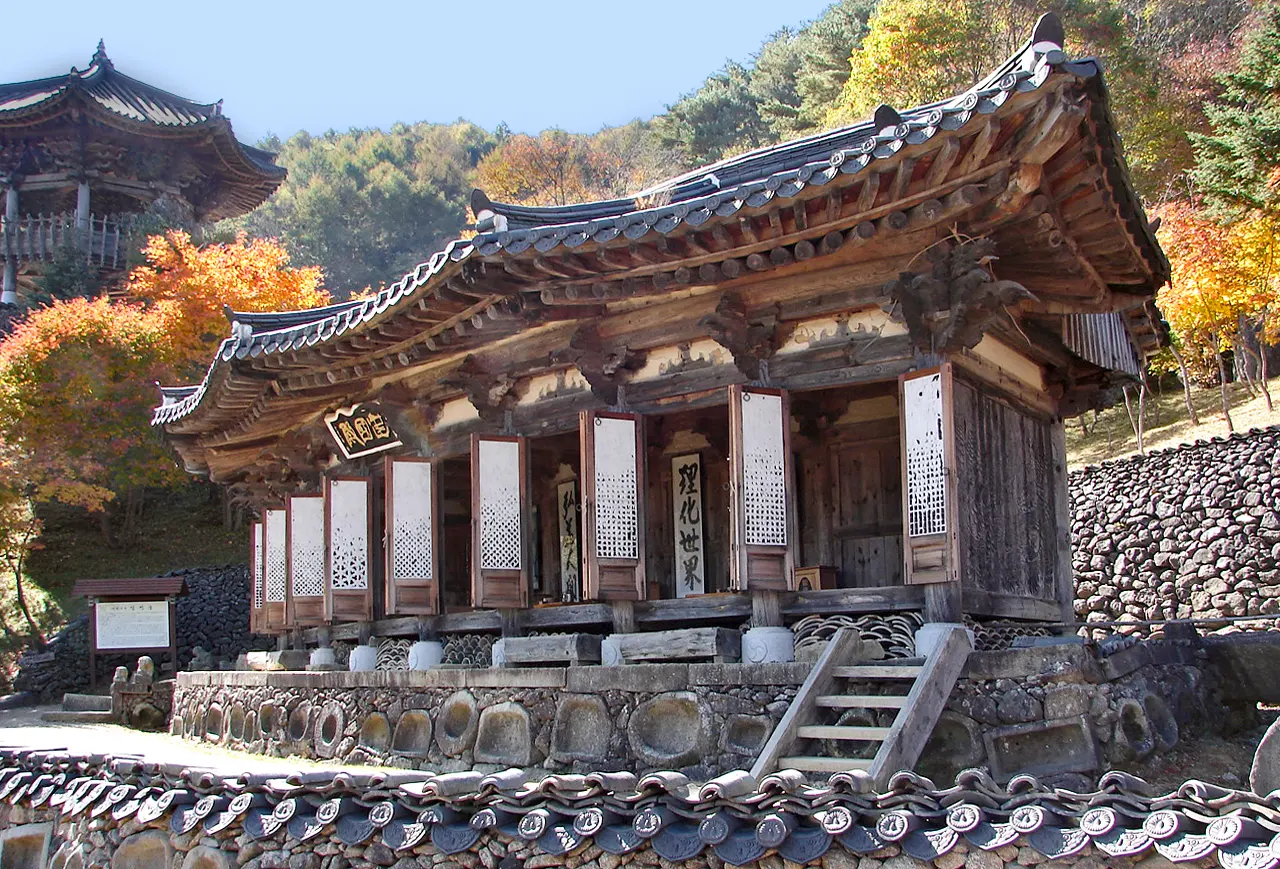
Samseonggung Shrine
Hadong-gun, Gyeongsangnam-do, South Korea
Samseonggung is a modern religious complex high on Jirisan, founded in 1983 by Kang Min-ju, known as Hanpul, and his disciples....
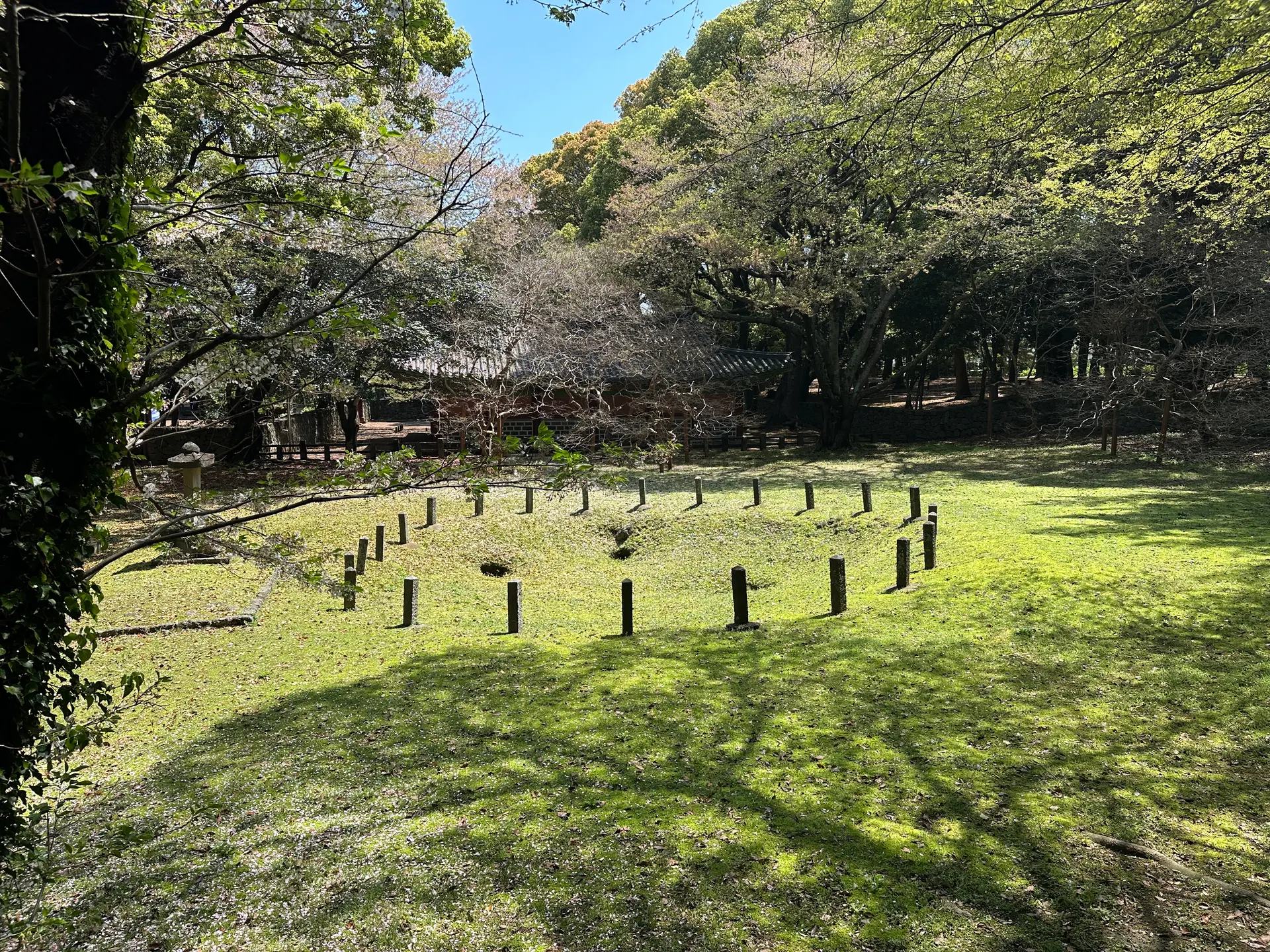
Samseonghyeol
Cheju, Jeju-do, South Korea
Samseonghyeol centers on three small depressions associated with Go, Yang, and Bu, ancestral founders in Jeju tradition. Their physical modesty matters....

Seokguram Grotto
Gyeongju, Gyeongsangbuk-do, South Korea
Seokguram Grotto is an eighth-century Silla Buddhist sanctuary on Tohamsan, centered on a monumental seated Sakyamuni surrounded by stone reliefs....
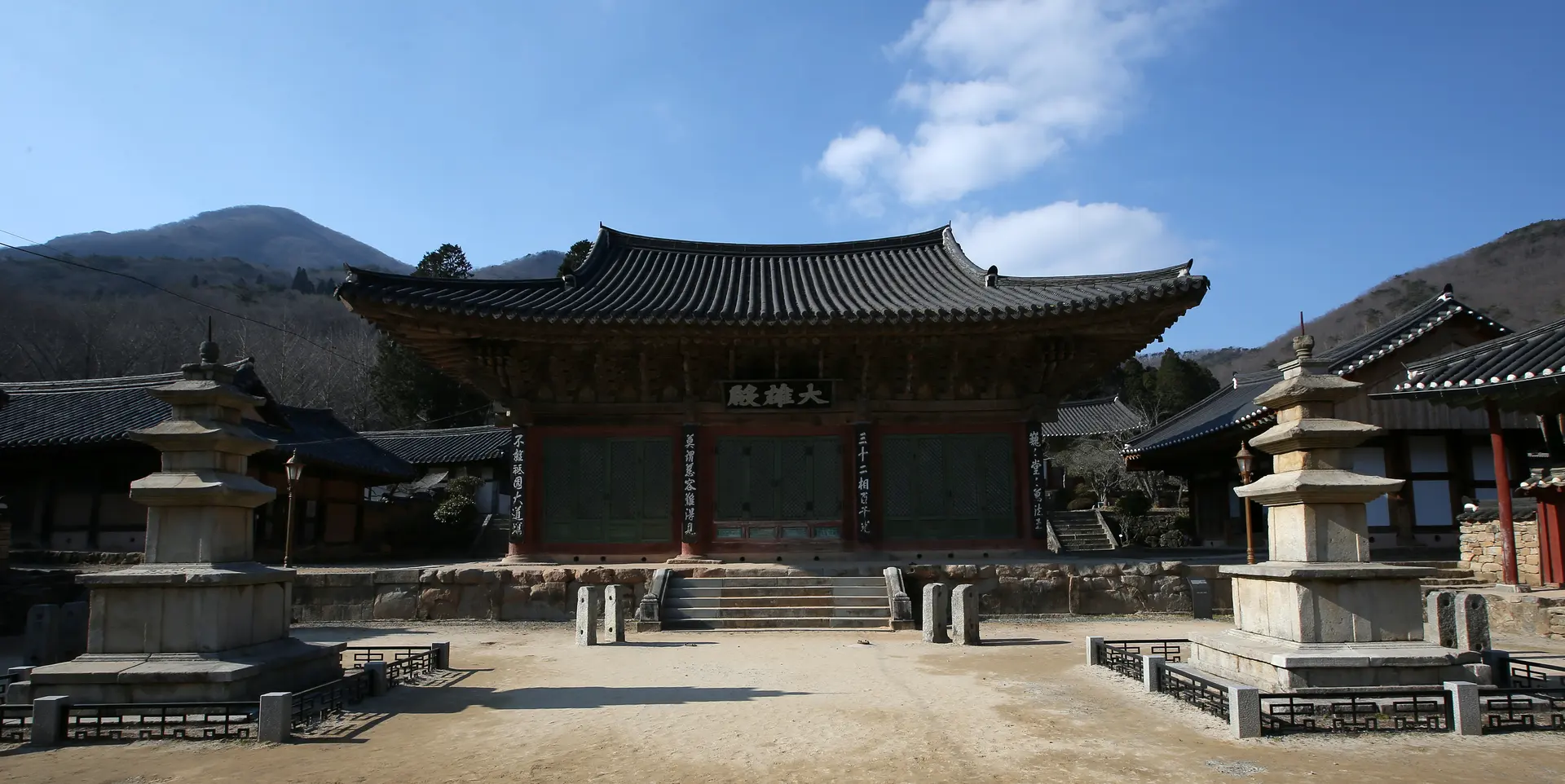
Seonamsa Temple
Suncheon, Jeollanam-do, South Korea
Seonamsa begins well before its first hall. A roughly one-kilometre path passes through old forest to Seungseongyo, the arched stone bridge carried by natural bedrock....
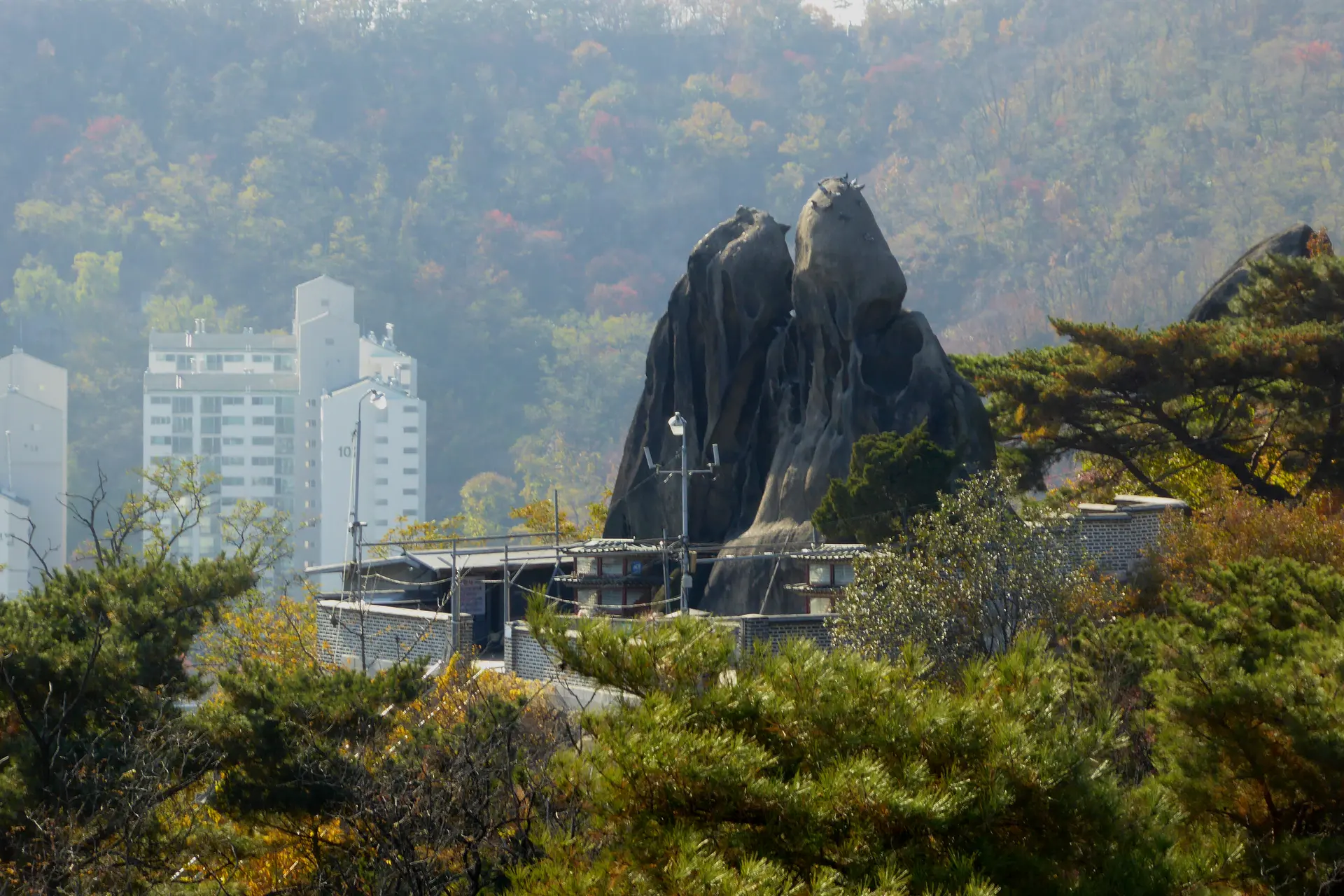
Seonbawi Rock
Seoul, Seoul, South Korea
Seonbawi is a natural rock formation on Inwangsan long treated as a focus of Korean folk devotion....
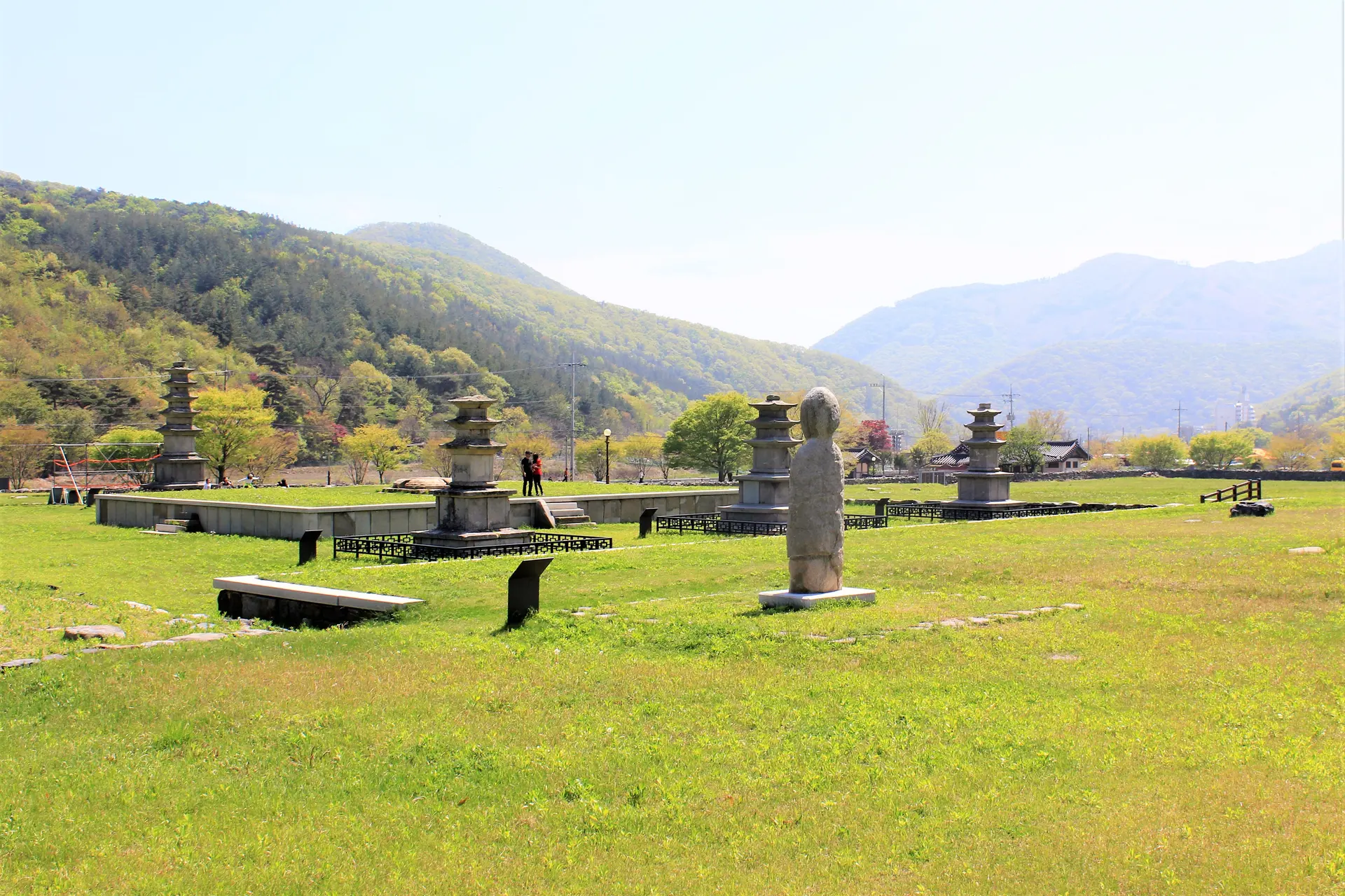
Seongjusa Temple Site, Boryeong
Boryeong, Boryeong, Chungcheongnam-do, South Korea
Seongjusa Temple Site, Boryeong is a protected archaeological temple site in Boryeong, South Korea....
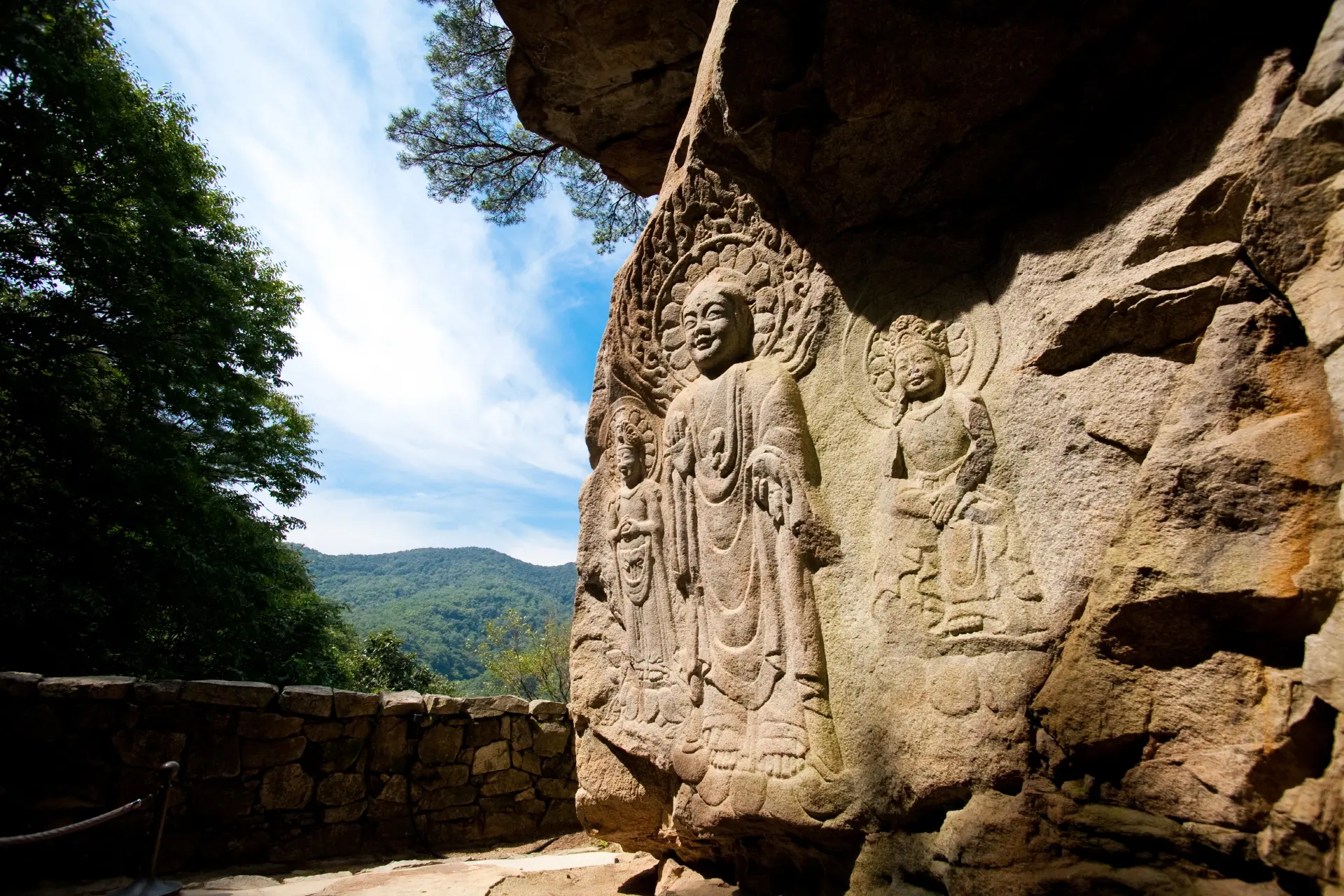
Seosan Rock-carved Buddha Triad
Sosan, Chungcheongnam-do, South Korea
The Seosan Rock-carved Buddha Triad is a protected Baekje-period Buddhist monument near the Bowonsa landscape....
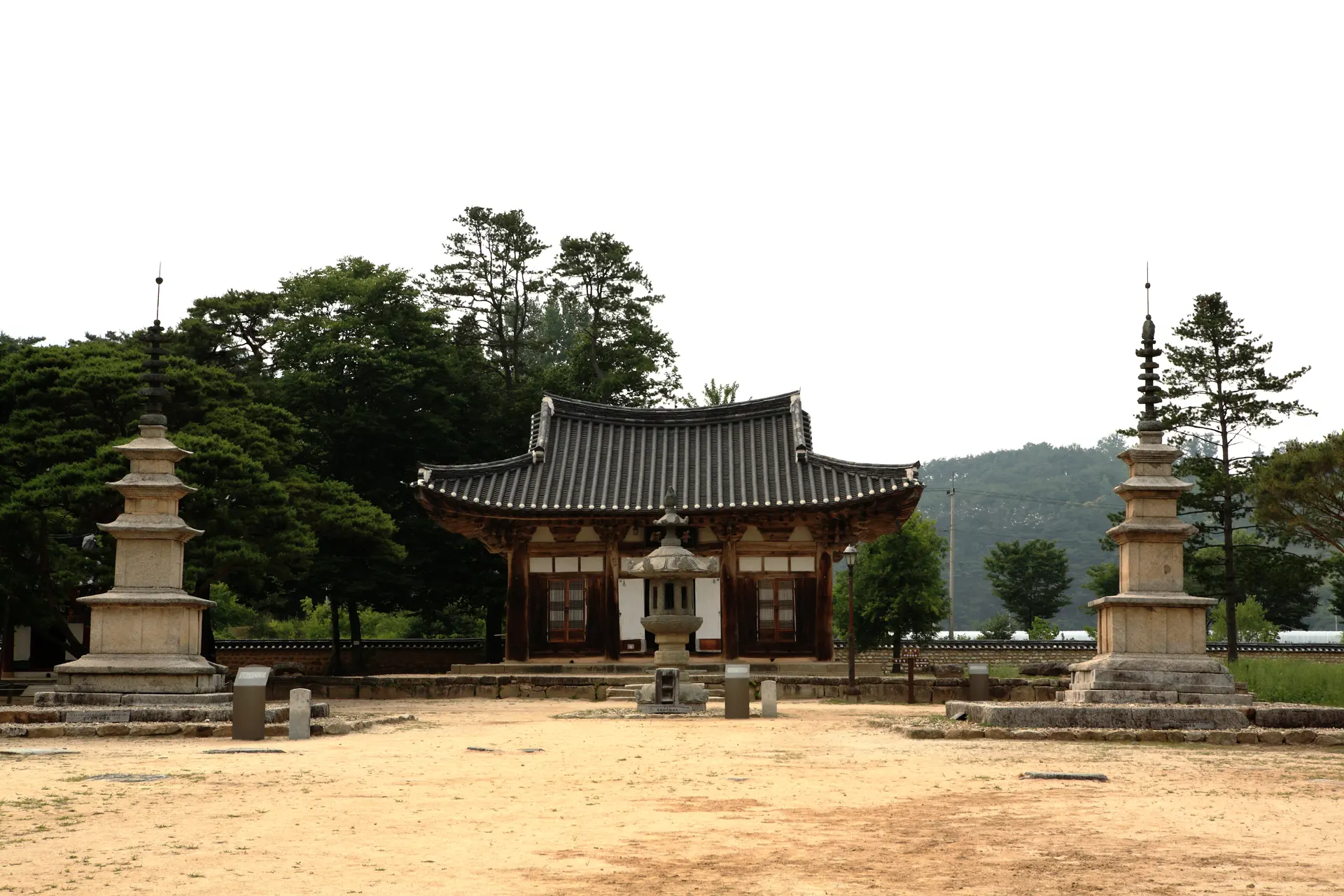
Silsangsa
Namwon, Namwon, Jeollabuk-do, South Korea
Google Places, Wikidata, the supplied encyclopedic record, and a rights-cleared exact-subject image converge on the same place....
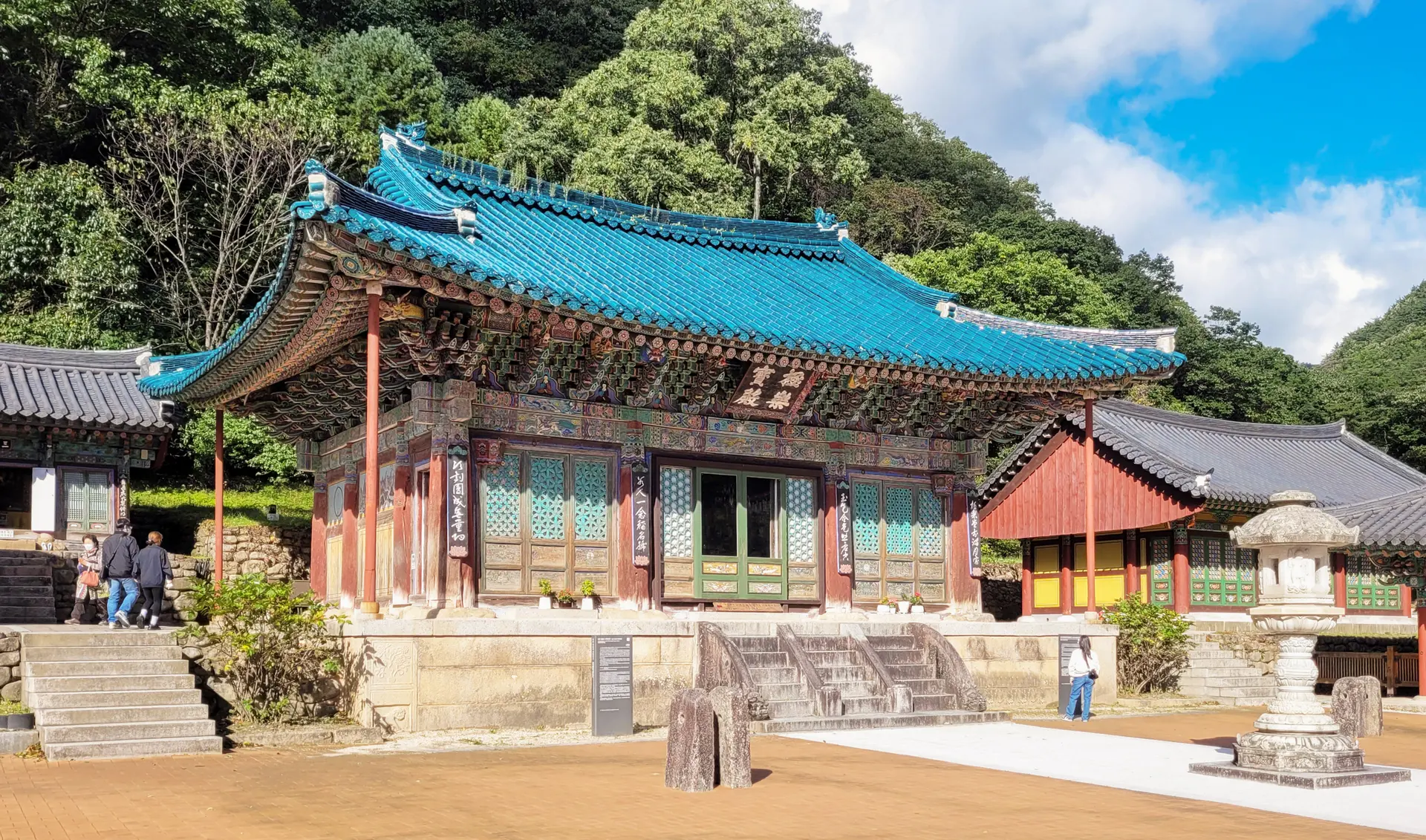
Sinheungsa Temple
Sokcho-si, Gangwon-do, South Korea
Sinheungsa stands near the main entrance to Seoraksan, where hikers, cable-car passengers, devotees, and resident Buddhists share the same approach....
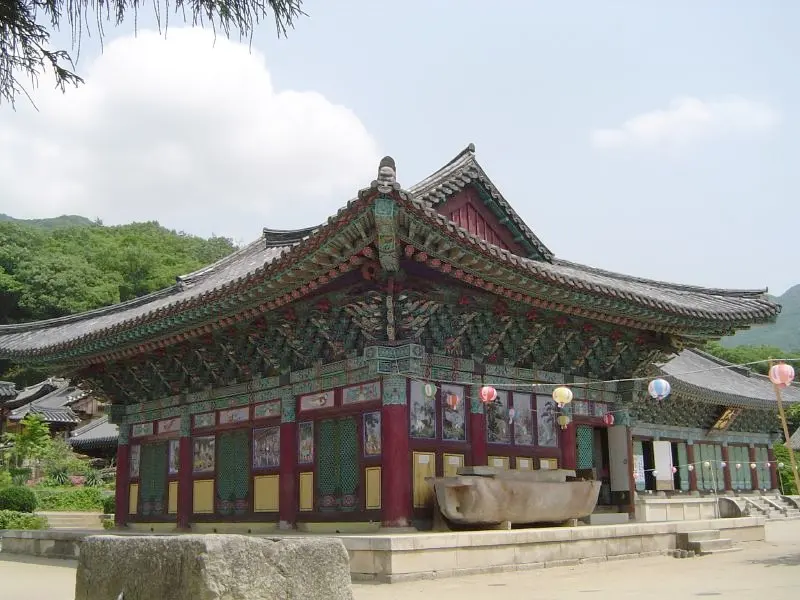
Songgwangsa
Suncheon, Jeollanam-do, South Korea
Songgwangsa is the 'Sangha Jewel' of Korea's Three Jewel Temples, refounded in 1190 by the reformer Bojo Jinul as the seat of a movement to revive Korean Buddhist practice....
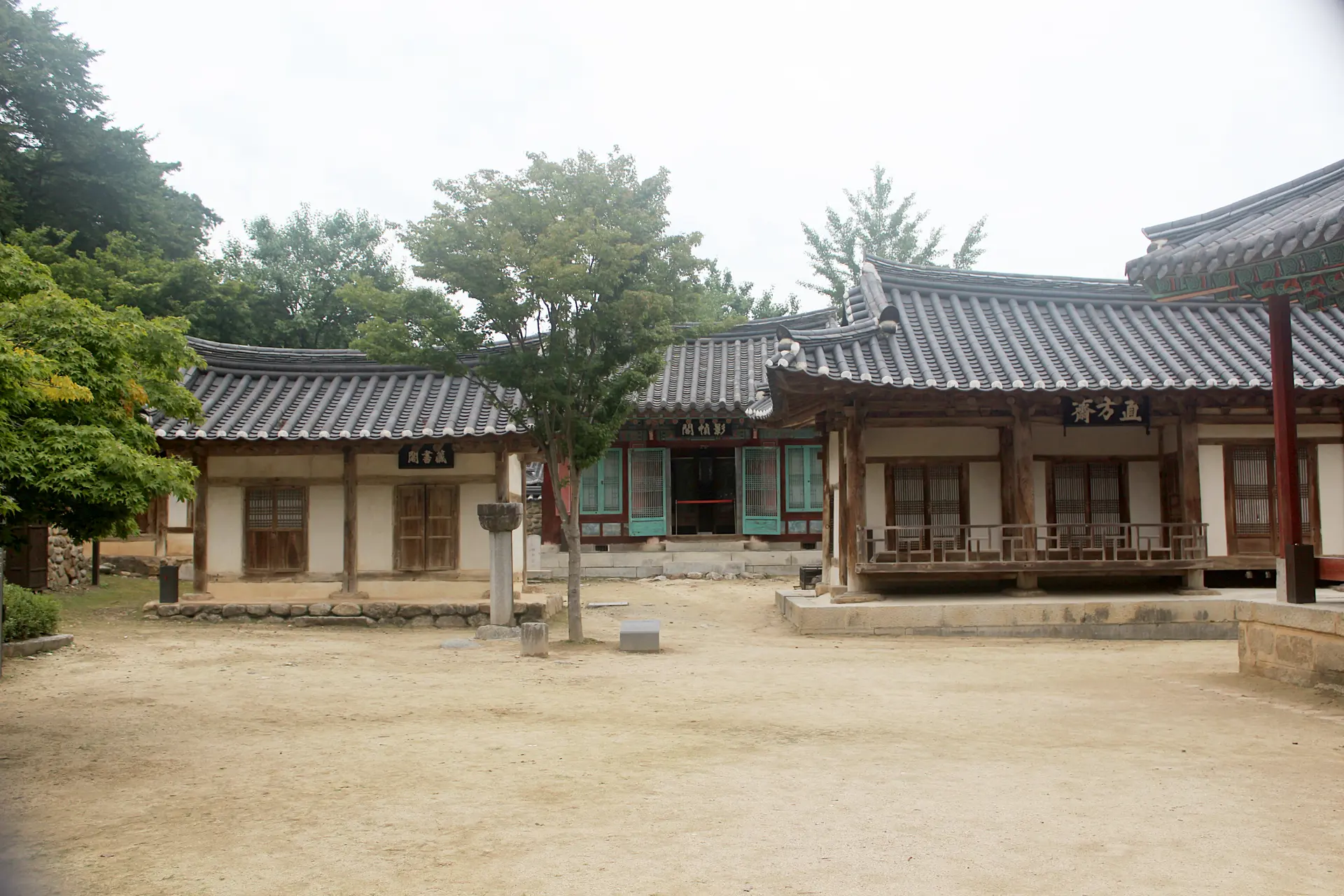
Sosu Seowon
Yeongju, Gyeongsangbuk-do, South Korea
Sosu Seowon is sacred within Korean Neo-Confucian practice because education and veneration were designed as one moral discipline....
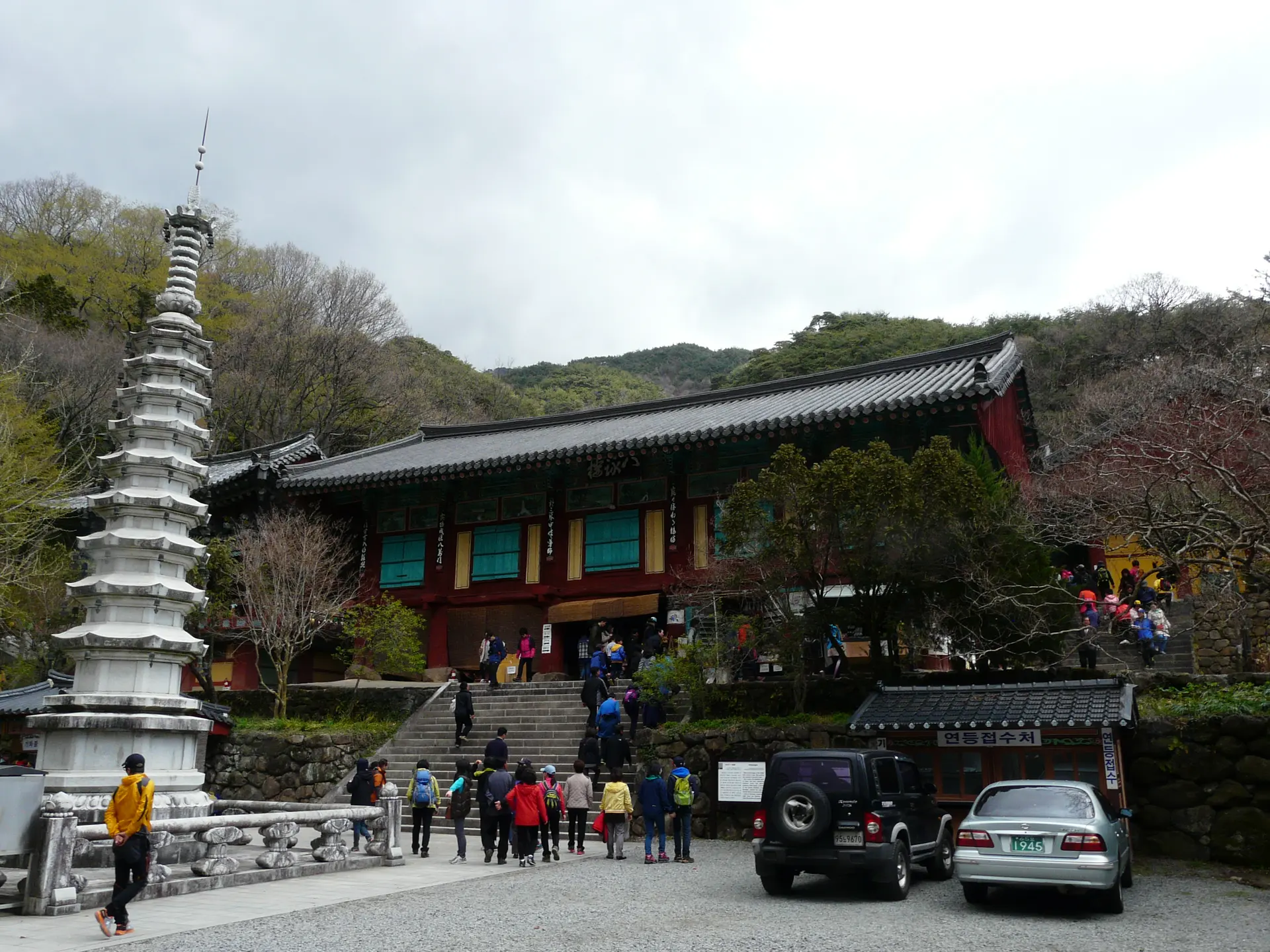
Ssanggyesa Temple
Hadong-gun, Gyeongsangnam-do, South Korea
Ssanggyesa is often approached beneath six kilometres of spring blossom, yet its name points inward to paired streams and its history points beyond a single season....
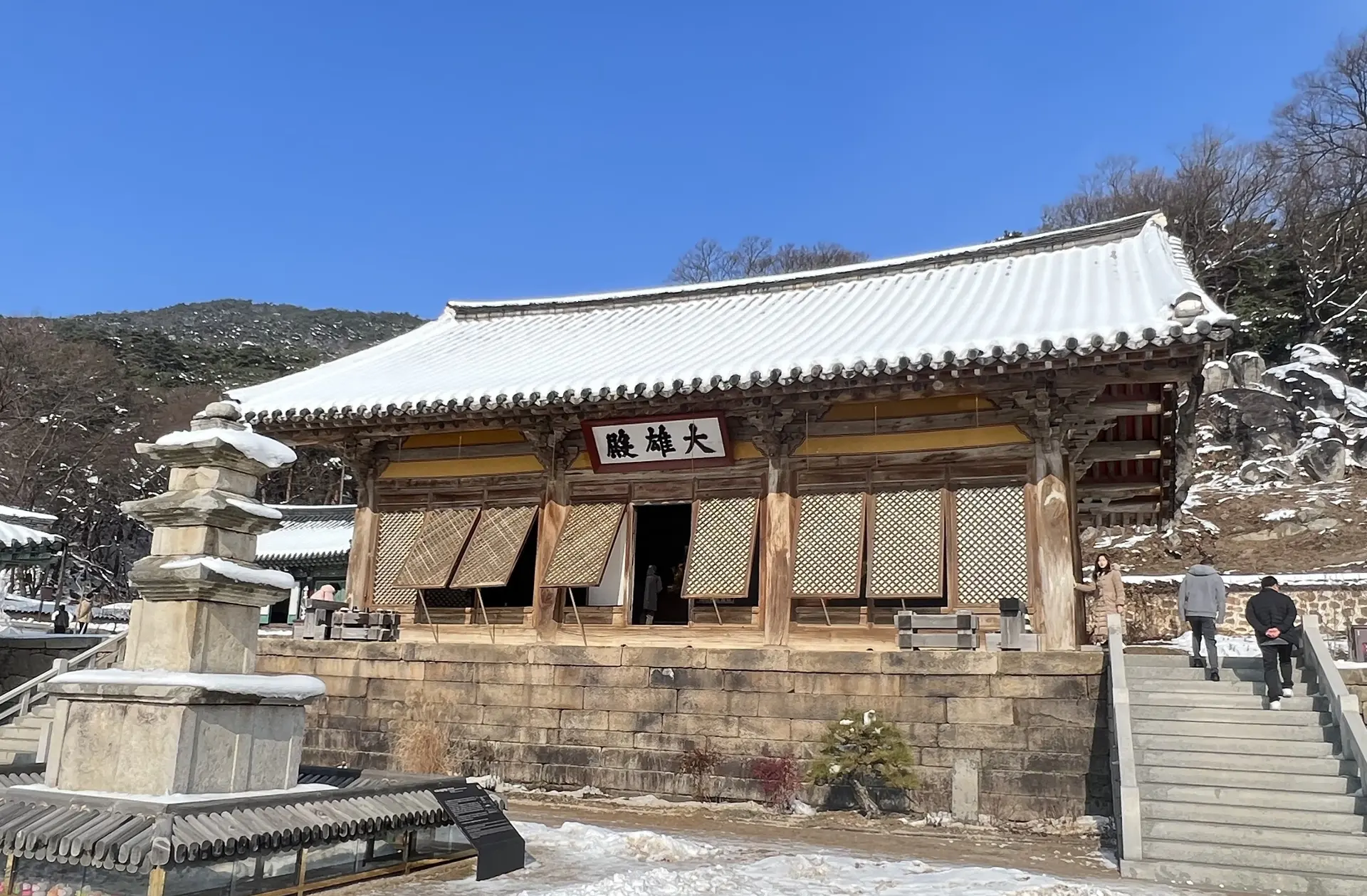
Sudeoksa Temple
Yesan-gun, Chungcheongnam-do, South Korea
Sudeoksa’s Daeungjeon does not need brilliant color to announce its importance. Built in 1308, its bracket work, measured bays, and deep roof preserve a rare Goryeo wooden...
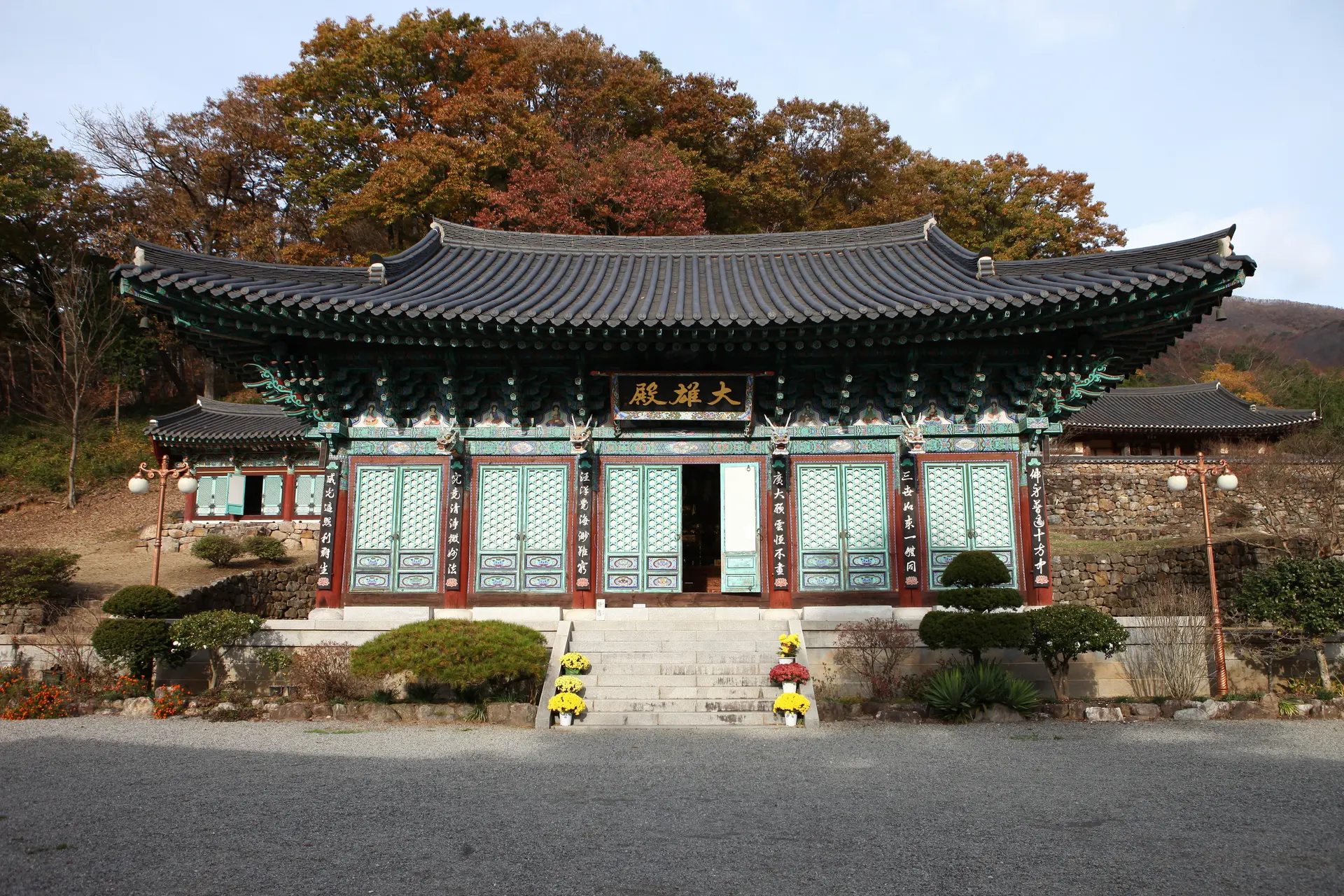
Taeansa Temple, Gokseong
Gokseong, Gokseong, Jeollanam-do, South Korea
Its inclusion on Nine Mountain Seon Schools is supported by the reviewed route, religious, heritage record, and structured-resolved subject sources....
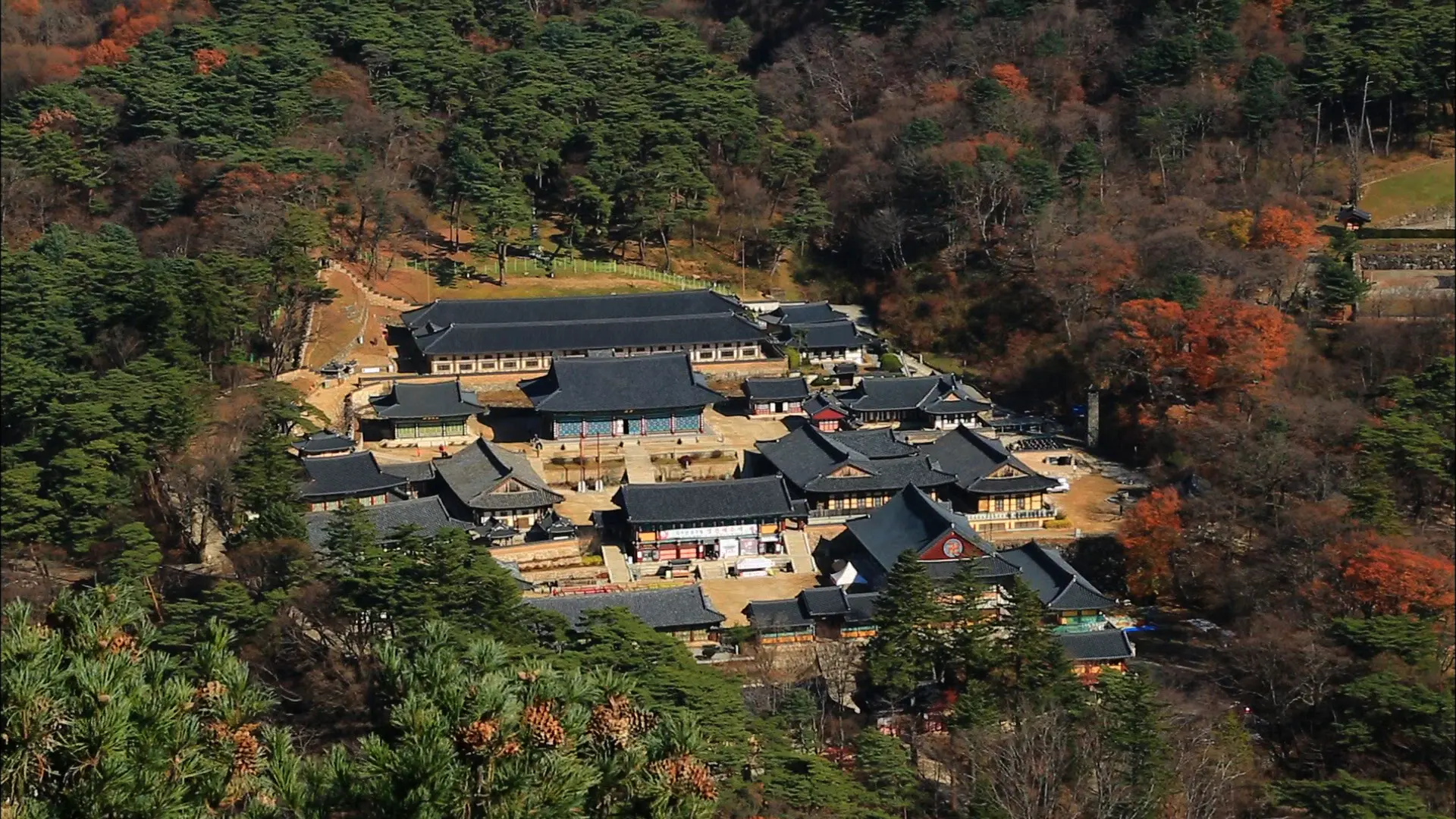
The Temple of Haeinsa, Gaya-san
Hapcheon, Gyeongsangnam-do, South Korea
Haeinsa is one of Korea's Three Jewel Temples, representing the Dharma itself. High on Mount Gayasan, this active monastery safeguards the Tripitaka Koreana, the world's...

Tongdosa
Yangsan, Gyeongsangnam-do, South Korea
Tongdosa is Korea's largest monastic complex and the 'Buddha Jewel' of the country's Three Jewel Temples, built in 646 CE to enshrine relics of the historical Buddha....
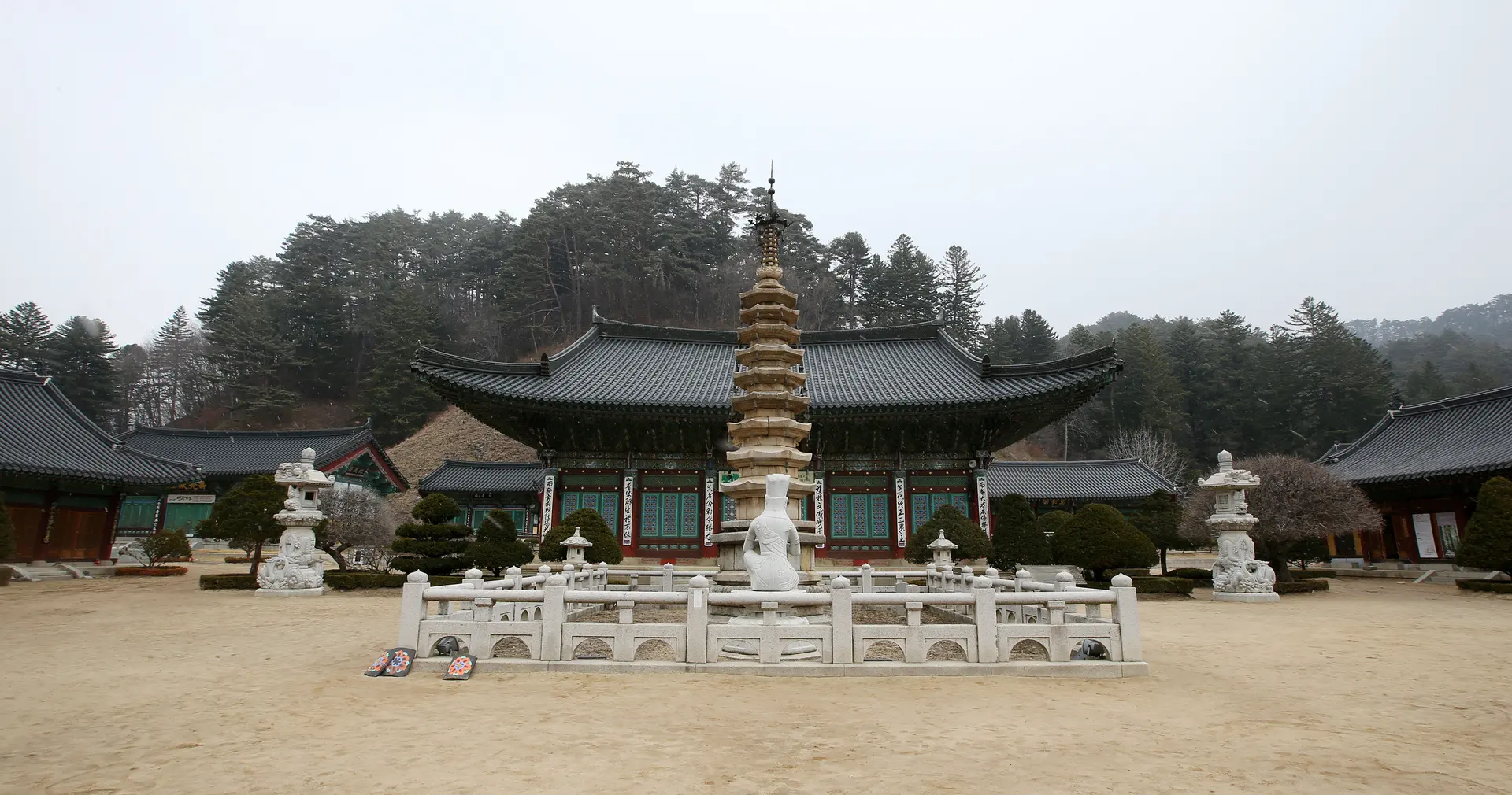
Woljeongsa Temple
Pyeongchang-gun, Gangwon-do, South Korea
Woljeongsa’s entrance is a long adjustment of sight and pace. Fir trunks rise in repeated verticals before the path reaches Geumganggyo and the main precinct; within the...
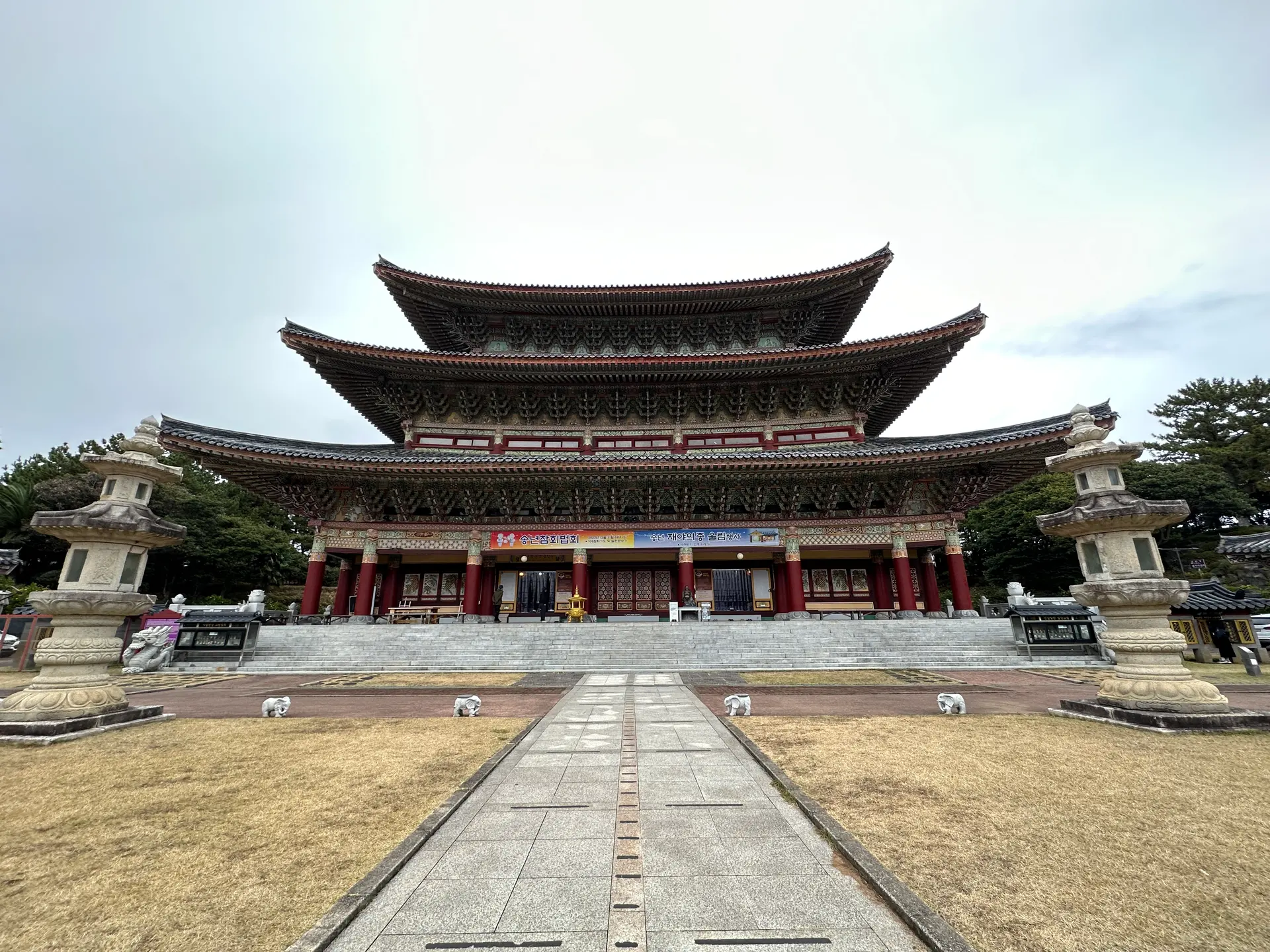
Yakcheonsa Temple
Seogwipo, Jeju-do, South Korea
Yakcheonsa grew from a small hermitage called Yaksuam into a large Buddhist complex on Jeju's southern side....

Yongmi-ri Stone Buddhas
Paju-si, Gyeonggi-do, South Korea
Behind Yongamsa Temple, two standing Buddhas occupy a gigantic rock surface without becoming mirror images....

Yongmunsa Temple
Yangpyeong, Gyeonggi-do, South Korea
Yongmunsa Temple is a working mountain sanctuary in Yangpyeong whose courtyard holds a protected ancient ginkgo....
Showing 49-78 of 78 sites
Previous pageKey questions
South Korea sacred-site questions
What sacred sites can I explore in South Korea?
Pilgrim Map lists sacred places in South Korea across living worship sites, heritage landmarks, pilgrimage destinations, and culturally significant landscapes. The current guide lists 78 sites organized by region and tradition.
Which traditions are represented in South Korea?
The most represented traditions include Korean Buddhism, Korean Neo-Confucianism, Buddhism, Roman Catholic Christianity, Korean Seon Buddhism, Korean Seon Buddhist heritage.
How should I plan a sacred-site visit in South Korea?
Start with regional clusters, compare nearby places on the map, then open individual site pages for coordinates, etiquette, and sacred context where available.
Can I view South Korea sacred sites on a map?
Yes. Switch to map view to compare geographic clusters, then open individual site pages for coordinates, visiting context, and related places.