Namgye Seowon
A prototype that makes ethical order walkable
Understand sacred places, explore living traditions, and learn how to engage respectfully with Pilgrim Map.
Access has not been verified. Check current local guidance before planning a visit.
Hamyang, Gyeongsangnam-do, South Korea
Read the sources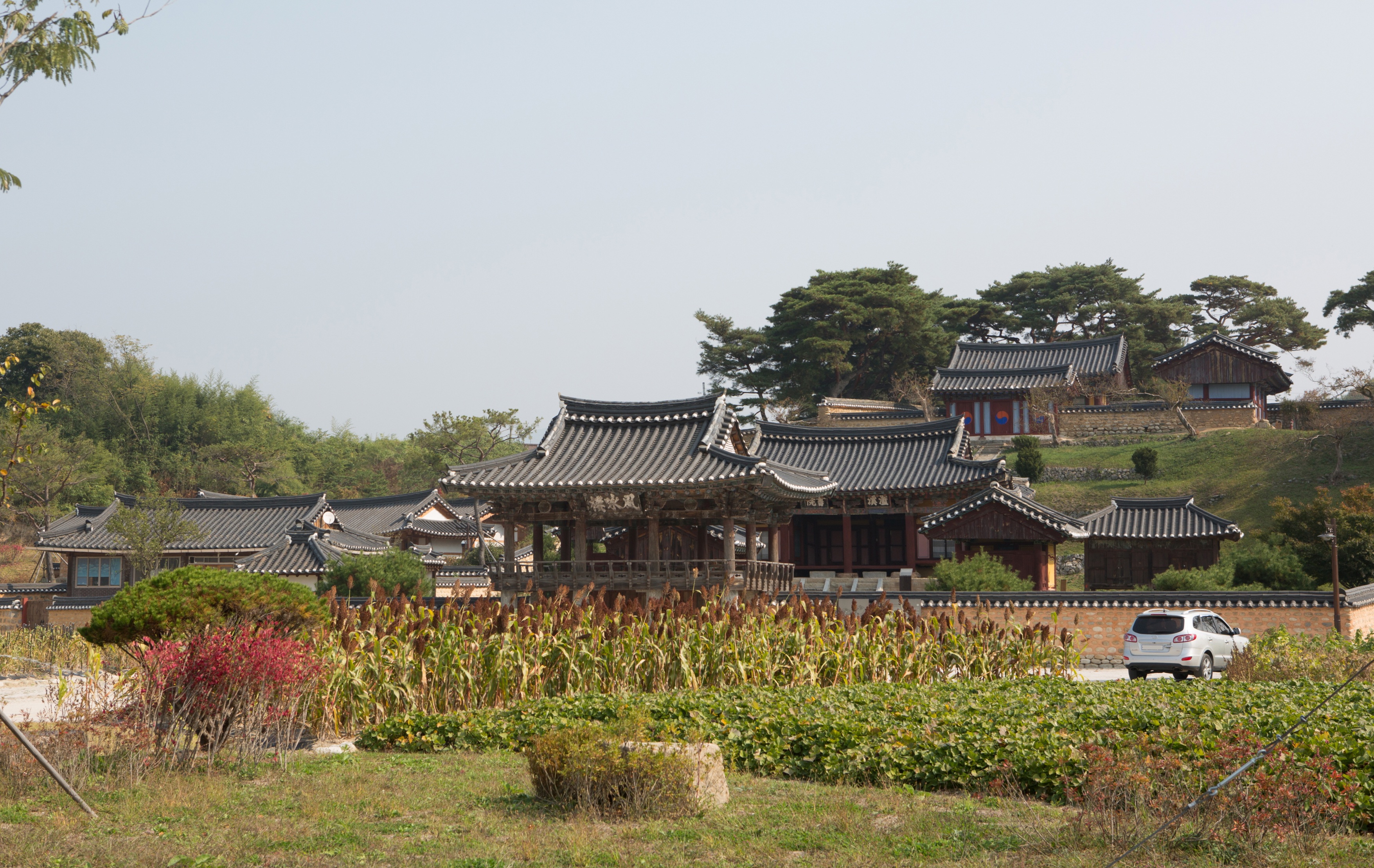
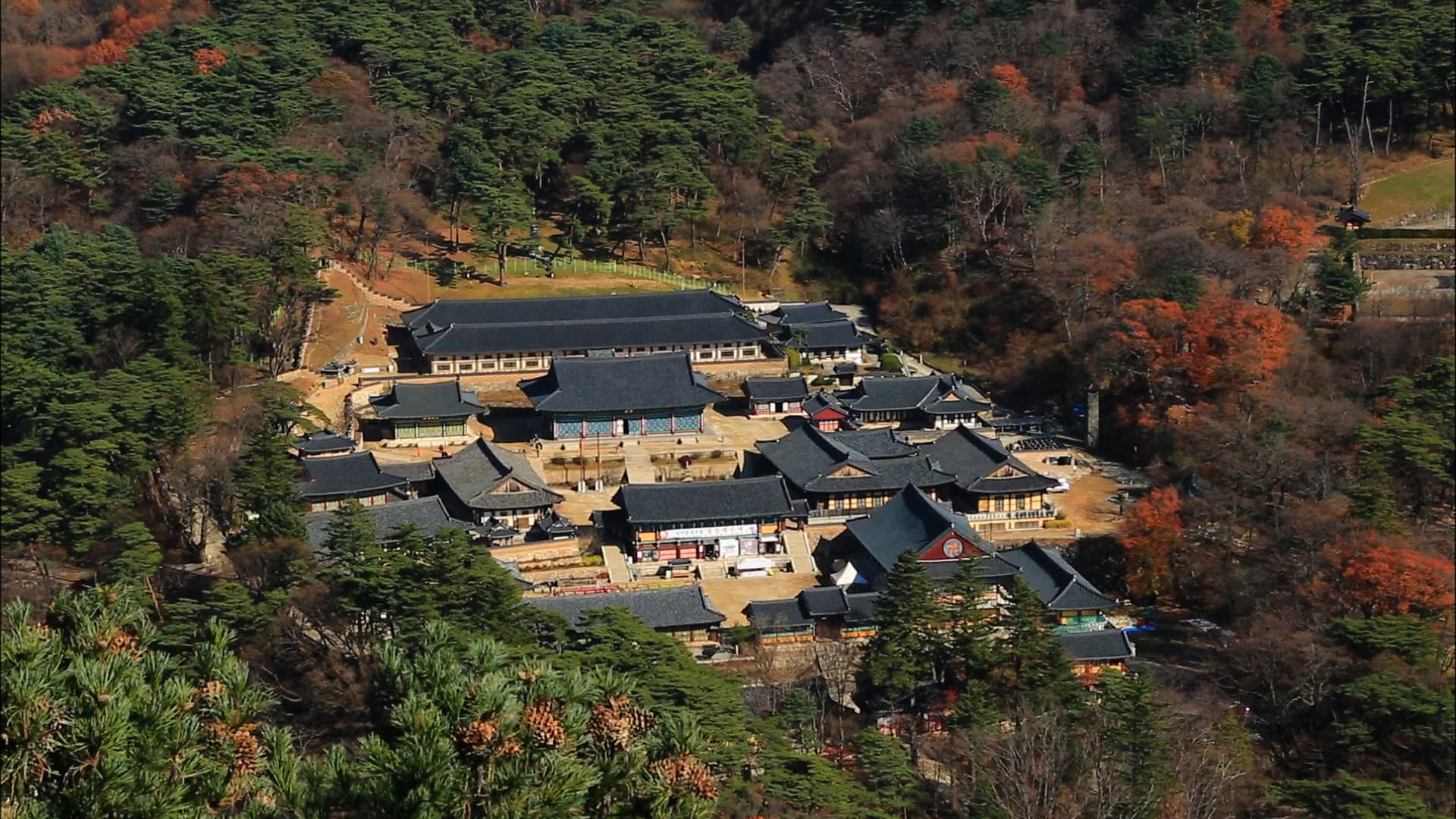
Namgye Seowon in Hamyang, South Gyeongsang, South Korea. Image source · KOGL Type 1
Visit essentials
A quick read before you go
- Duration
- Allow one hour to follow the spatial sequence and UNESCO interpretation without rushing.
- Access
- Google supplies a strong exact identity, address, and telephone but no current hours.
Overview
UNESCO inscribes Namgye as component 1498-002 of the nine-part Seowon, Korean Neo-Confucian Academies property, not as a separate World Heritage property. That serial relationship is important: the academy is both singular and comparative. Its particular authority lies in an early organic hierarchy of spaces, while the group demonstrates how learning, veneration, and landscape interaction were adapted across Korea. Ritual here is not generic ancestor worship. It honors a distinguished scholar through spirit tablet, prepared offerings, ranked movement, and collective remembrance.
Visitors should not call Jeong a deity; Neo-Confucian veneration expresses gratitude, emulation, and lineage of teaching.
Why this place is sacred
A seowon joins activities that modern institutions often separate. Reading and discussion occur near residence; a pavilion turns outward to landscape; ritual space faces the memory of a teacher. Namgye’s sequence suggests that learning is incomplete unless conduct, community, and gratitude answer it. This is an interpretive account of visible design, not a claim that the axis emits spiritual energy. Elevation and enclosure make hierarchy perceptible, while mountain and water prevent the academy from becoming self-contained.
The scholar cultivates attention in relation to a world that cannot be reduced to books.
Local sarim established Namgye in 1552 for Neo-Confucian study and rites honoring Jeong Yeo-chang.
Its prototype influenced later academy planning and now carries education, ritual continuity, conservation, and serial World Heritage responsibilities.
Experience and orientation
Pause before the entrance markers and look along the central rise rather than rushing to the shrine. Identify where students once gathered, where they slept, and where teachers and local literati could turn toward the landscape. The inward shrine may be closed outside rites; a shut door is evidence of ritual governance, not a missing attraction. Observe rooflines and changes in ground level as cues to propriety.
Use UNESCO interpretation to compare Namgye with other components only after noticing its own scale, terrain, and early ordering.
The component includes entrance, interaction, learning, residential, ritual, service, and landscape zones with different access.
Context and lineage
The UNESCO nomination dates Namgye to 1552 and identifies Jeong Yeo-chang as the venerated scholar. It explains that the academy’s arrangement of learning, interaction, and ritual areas in an organic hierarchy became a prototype from which later seowon developed variations. The 2019 inscription covers all nine components as property 1498. Namgye therefore must be described as an inscribed component, with its own 4.11-hectare property area, rather than as an independently listed UNESCO site.
Namgye belongs to Korean Neo-Confucian sarim traditions of private education, local association, and scholar veneration.
Traditions and practice
Ritual officials honor Jeong Yeo-chang according to inherited protocols; access to the shrine follows custodial direction.
Heritage education and conservation continue beside periodic ritual and community stewardship.
At each change of level, ask what responsibility accompanies movement toward greater honor.
Korean Neo-Confucianism
ActiveNamgye gives Korean Neo-Confucian cultivation an early architectural form joining education and reverence.
Study, discussion, reflection, memorial rites, offering preparation, teaching, and landscape appreciation.
Perspectives and open questions
Namgye can be understood through moral philosophy, ritual studies, architecture, landscape history, and community custody.
Scholarly perspective
Its prototype role is comparative World Heritage analysis, not proof that every later academy copied one plan exactly.
Living and traditional perspectives
Venerating Jeong Yeo-chang keeps learning accountable to character, gratitude, and transmission.
Open questions
The page makes no claim that axial order or landscape produces automatic moral transformation.
Plan your visit
Access and arrival
Google supplies a strong exact identity, address, and telephone but no current hours. The official municipal Namgye site is the practical authority; confirm opening and ceremony restrictions before travel.
No on-site lodging is recommended; use independently verified accommodation in the region.
Respectful visit
Modest outdoor clothing is suitable; formal observances require especially restrained dress.
Ask before photographing shrine interiors, tablets, offerings, ritual officials, or conservation work.
Visitors should not improvise incense or food offerings; rites use prepared vessels and authorized sequences.
Shrine rooms, tablet storage, ritual utensils, residential interiors, and protected landscape areas may be closed.
Do not describe the scholar as a god, stage a rite, open shrine doors, or treat UNESCO status as permission to enter every building.
Current practical details
Address
8-11 Namgyeseowon-gil, Sudong-myeon, Hamyang, Gyeongsangnam-do, South Korea
Phone
Hours, fees, and access can change — verify on the official source before you travel. Practical details last checked Jul 2026.
Location
Map loads as you approach this section.
Pilgrim reflections
A portrait of encounter, not a score
Pilgrims describe what they felt, how present they could become, and whether the place would shape a journey. There are no stars and no ranking of traditions.
No reviewed reflections yet
The first pilgrims can help describe the character of being here.
Share a reflection
Available after an account-backed “Been there.” Every reflection is reviewed before publication.
Nearby sacred places
Explore other sacred places in the region. Proximity does not establish access or travel time; check each place’s guidance.
References
Sources consulted for this page. Source categories describe the publication, not a guarantee that every claim is verified. Traditional accounts and outside interpretations may differ.
- 01Seowon, Korean Neo-Confucian Academies — UNESCO World Heritage CentreofficialAuthoritative World Heritage property record, dossier 1498; component scope preserved.
- 02Namgye Seowon — World Heritage nomination dossier — State Party of the Republic of Korea / UNESCOofficialPrimary nomination documentation for UNESCO property 1498, including serial-component identity, mapping, and heritage context.
- 03Korean Neo-Confucian academies — Korea Tourism OrganizationofficialLive official tourism record used for site identity, heritage context, and visitor logistics; time-sensitive details require rechecking.
- 04Seowon, Korean Neo-Confucian Academies — Nomination Text — Korea Tourism OrganizationofficialState Party nomination hosted by UNESCO; documents Namgye as component 1498-002, its 1552 founding, Jeong Yeo-chang veneration, prototype layout, learning, ritual, interaction, landscape, and management.
- 05Namgye Seowon — Google Maps place record — GoogleSource contextStrong identity match used only for current practical fields and coordinates.
Share a photo
Help visitors recognize Namgye Seowon. Every submission is reviewed before publication.