Seongjusa Temple Site, Boryeong
A source-bounded encounter with Seongjusa Temple Site, Boryeong
Understand sacred places, explore living traditions, and learn how to engage respectfully with Pilgrim Map.
Access has not been verified. Check current local guidance before planning a visit.
Boryeong, Boryeong, Chungcheongnam-do, South Korea
Read the sources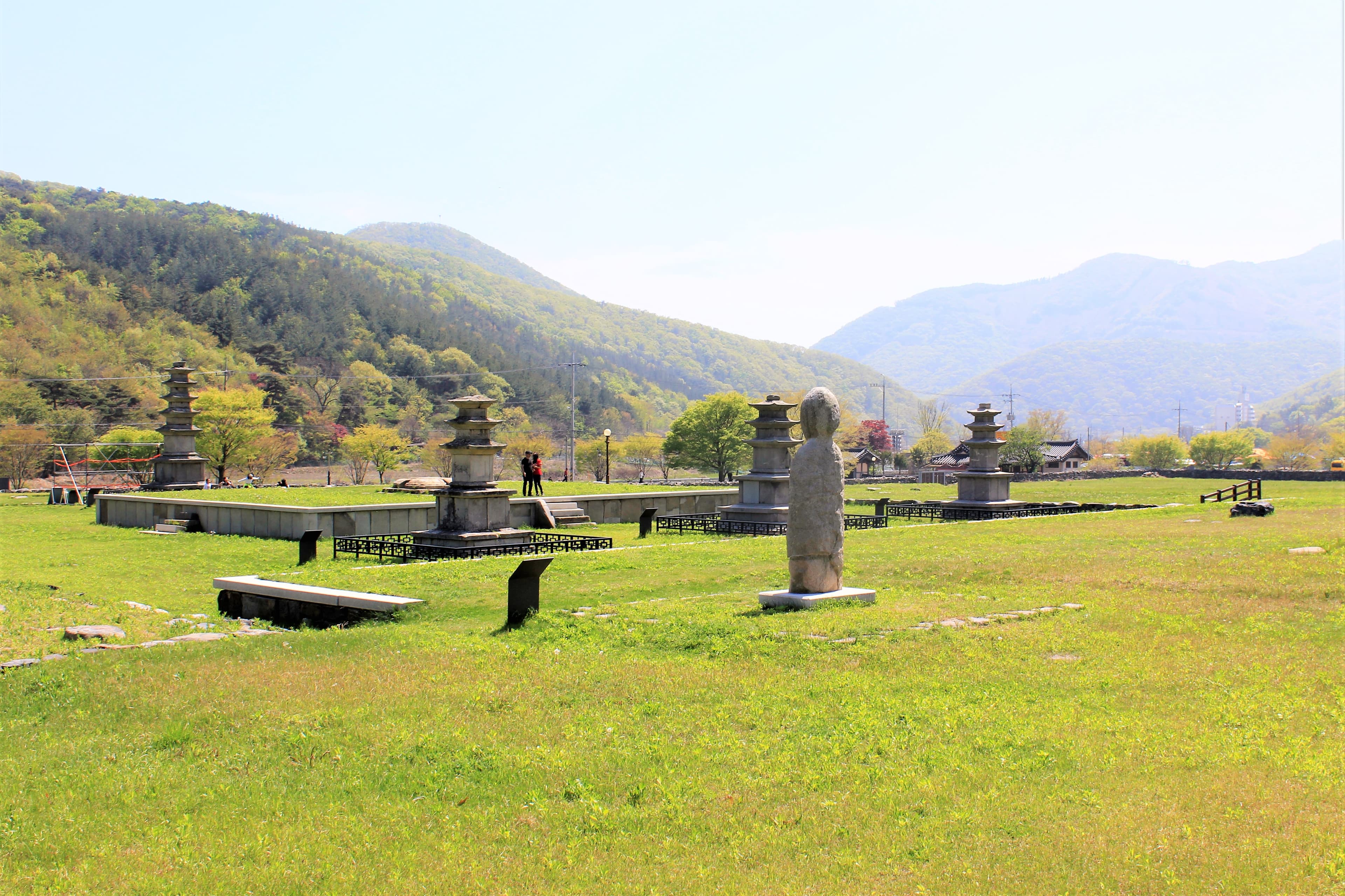
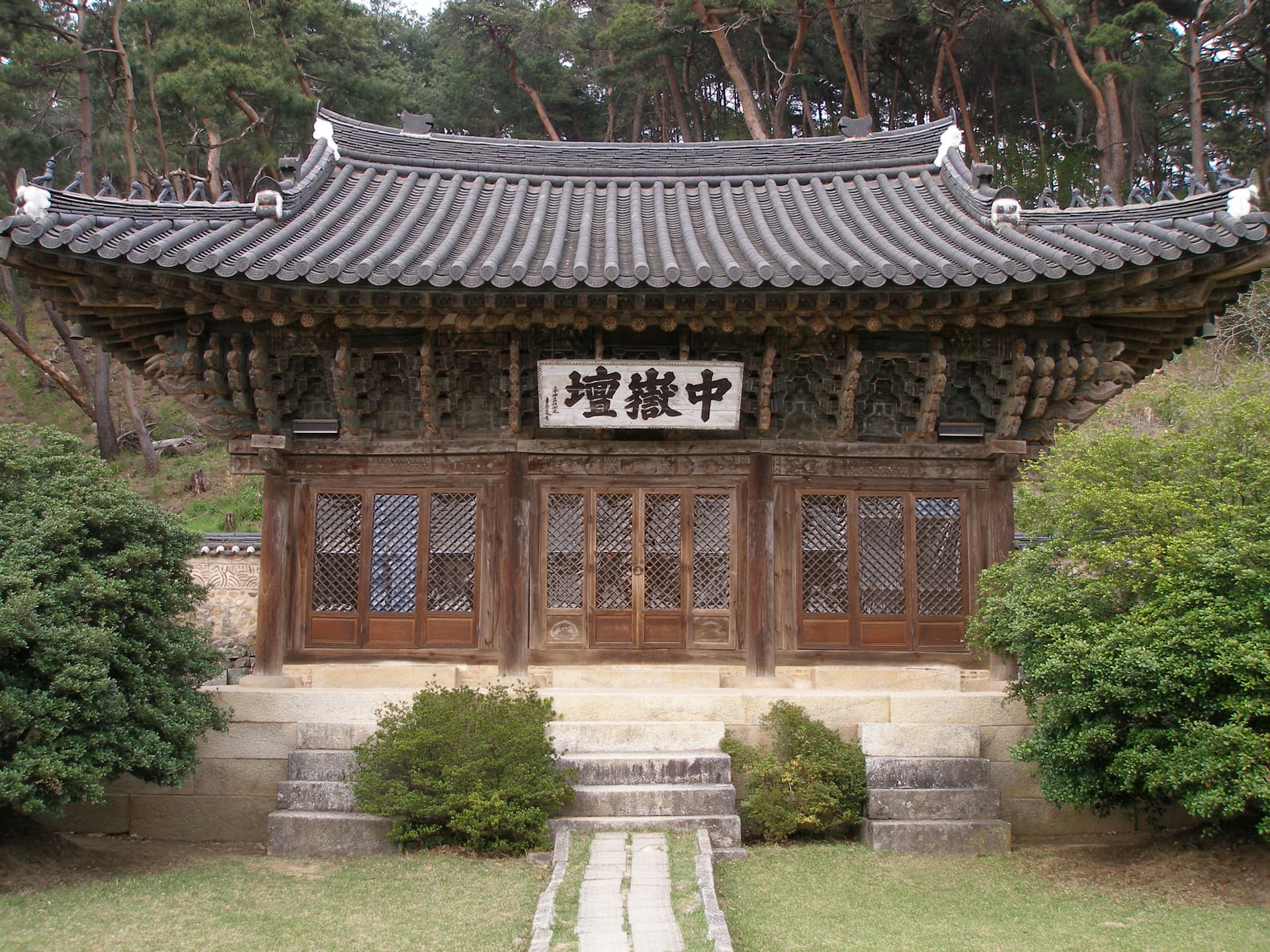
Seongjusa Temple Site, Boryeong — rights-reviewed exact-site image. Image source · CC BY-SA 4.0
Visit essentials
A quick read before you go
- Duration
- Allow flexible time; no fixed duration is asserted.
- Access
- Use the exact name Seongjusa Temple Site, Boryeong and the reviewed Google place identifier when…
Overview
Seongjusa Temple Site, Boryeong is the exact whole-site entity in Boryeong, Boryeong, Chungcheongnam-do, South Korea—not a route label or nearby attraction. Korea Cultural inheritance Service designates it Historic Site No. 307. Once the principal temple of the Seongjusan school and associated with Seon master Nanghye Muyeom, the now-inactive monastery survives as a protected archaeological landscape of stone pagodas, the Nanghye stele, building foundations, and other remains.
Its Nine Mountain Seon Schools inclusion rests on reviewed route, religious, cultural-inheritance, and structured-entity research. The principal evidence set is Seongjusa Temple Site, Boryeong; Seongjusa Temple Site; and Stele for Buddhist Monk Nanghye at Seongjusa. Google Places, Wikidata, the supplied encyclopedic record, and a rights-cleared exact-subject image converge on the identity. Korea Cultural inheritance Service and local managers govern conservation, interpretation, and access. Current hours, services, fees, closures, photography rules, and accessibility remain unverified.
Why this place is sacred
A 'protected archaeological temple site' becomes useful only when documented entity, Nine Mountain Seon Schools membership, sacred use, material history, and authority remain separate. A pin, date, classification, or designation cannot substitute for full chronology or convey prayer, memory, conflict, survival, and daily stewardship.
The account states what reviewed evidence supports and leaves disputed or volatile details unresolved. Material-history protection can conserve fabric without owning sacred meaning. The route gives orientation but does not replace Seongjusa's own congregation, dedication, or historical context, nor explain the site's meaning to worshippers, pilgrims, custodians, and communities.
protected archaeological temple site
The reviewed sources establish identity and selected classifications; a fuller building chronology remains source-dependent.
Experience and orientation
First confirm that the name, address, and whole-site boundary match Seongjusa Temple Site, Boryeong. On arrival, notice any worship, ceremonies, steward activity, restoration, or restricted areas before assuming access. Religious references can prepare visitors for Korean Seon Buddhist terms and customs.
Observe architecture and landscape without displacing people who pray, work, grieve, teach, or maintain the site. Waiting, rerouting, silence, or declining a photograph may be respectful. No universal emotional response is promised; faith, knowledge, access, weather, ceremony, crowds, and circumstance differ. Custodians and communities hold authority before the site becomes a Nine Mountain Seon Schools stop.
Confirm the exact destination and read posted community guidance before entering.
Context and lineage
The history begins with a named-place audit, not a dramatic origin story. Wikidata's bounded profile says Korea Preserved material Service designates Seongjusa Temple Site in Boryeong as Historic Site No. 307. The monastery was the Seongjusan school's principal temple and is associated with Seon master Nanghye Muyeom. Stone pagodas, the Nanghye stele, building foundations, and other remains survive, but the monastery is no longer active; the protected entity is archaeological.
The documented reference boundary is Seongjusa Temple Site, Boryeong; Seongjusa Temple Site; and Stele for Buddhist Monk Nanghye at Seongjusa. Claims about rebuilding, disaster, political rule, institutional transition, or other material change require consulted evidence naming the exact structure and period. Inception, classification, dedication, and construction can differ. Nine Mountain Seon Schools adds route geography, while Korean Seon Buddhist preserved material carries authority through worship, memory, custodianship, and lineage rather than tourism branding.
The route and tradition context is Nine Mountain Seon Schools within Korean Seon Buddhist heritage.
Traditions and practice
Nine Mountain Seon Schools pilgrims should prepare from route and religious records while remembering that completion never overrides local authority. Offerings, candles, donations, dress, seating, head coverings, footwear, movement, and sacramental participation vary. Korean Seon Buddhist devotional actions belong to the site's site-based resident body; participation depends on invitation, schedule, role, and local rules. Observe quietly where permitted, follow signs, and ask before entering a service, procession, shrine, cloister, sanctuary, or resident-body space. Contemplation must remain unobtrusive.
This entry prescribes no generic, borrowed, or privately reproduced restricted ritual.
Current ceremonies and participation rules require direct confirmation.
Observe quietly where permitted and follow the responsible community's guidance.
Korean Seon Buddhist heritage
ActiveSeongjusa Temple Site, Boryeong is interpreted within Korean Seon Buddhist heritage and the source-confirmed context of Nine Mountain Seon Schools.
Perspectives and open questions
Seongjusa Temple Site, Boryeong supports several evidence-bound perspectives without requiring agreement. History traces institutions, buildings, routes, political power, labor, repair, and memory. Material history addresses classification, conservation, documentation, and interpretation without letting designation own sacred meaning. Living tradition begins with Korean Seon Buddhist heritage and locally authorized communities.
Scholarly perspective
Historical interpretation of Seongjusa Temple Site, Boryeong remains limited to the cited exact-site sources. Heritage designation documents material conservation but does not replace the authority of Korean Seon Buddhist heritage communities. Its place on Nine Mountain Seon Schools describes a historical or devotional relationship; it does not prescribe unrestricted access or a universal visitor experience.
Living and traditional perspectives
According to Korean Seon Buddhist heritage sources, sacred meaning belongs to living practice and inherited memory.
Alternative interpretations
No unsupported alternative claim is added.
Open questions
Current access, unsettled chronology, and any contested interpretation remain explicit gaps.
Plan your visit
Access and arrival
Use the exact name Seongjusa Temple Site, Boryeong and the reviewed Google place identifier when planning, then compare the result with the cited entity and image before navigating. Do not infer step-free entry from a map listing; historic stairs, steep paths, thresholds, weather, and security arrangements may require specific confirmation. Opening, worship times, reservations, permits, admission, transport, road conditions, accessibility, visual recording, dress, and restoration closures have not been verified here; verify afresh them directly.
Official and living community websites can change more quickly than a database entry, so a same-day check is appropriate when entry matters. Allow time for worship and living community use, and keep an alternative plan if the site is closed, full, under repair, or receiving a ceremony. The reviewed location is Boryeong, Boryeong, Chungcheongnam-do, South Korea; route proximity alone is not enough to resolve a similarly named church, monastery, temple, mission, mountain, or chapel.
For a multi-stage journey on Nine Mountain Seon Schools, verify each destination independently rather than assuming one route-wide schedule or rule set.
Use current route and local sources; no lodging recommendation is made.
Respectful visit
Use context-appropriate modest dress and follow posted requirements.
Ask before photographing people, worship, interiors, objects, or restricted areas.
Do not improvise offerings; follow explicit local guidance.
The entry preserves the cultural, religious, and access boundaries identified for Seongjusa Temple Site, Boryeong instead of smoothing them into route promotion.
The entry preserves the cultural, religious, and access boundaries identified for Seongjusa Temple Site, Boryeong instead of smoothing them into route promotion.
Location
Map loads as you approach this section.
Pilgrim reflections
A portrait of encounter, not a score
Pilgrims describe what they felt, how present they could become, and whether the place would shape a journey. There are no stars and no ranking of traditions.
No reviewed reflections yet
The first pilgrims can help describe the character of being here.
Share a reflection
Available after an account-backed “Been there.” Every reflection is reviewed before publication.
Nearby sacred places
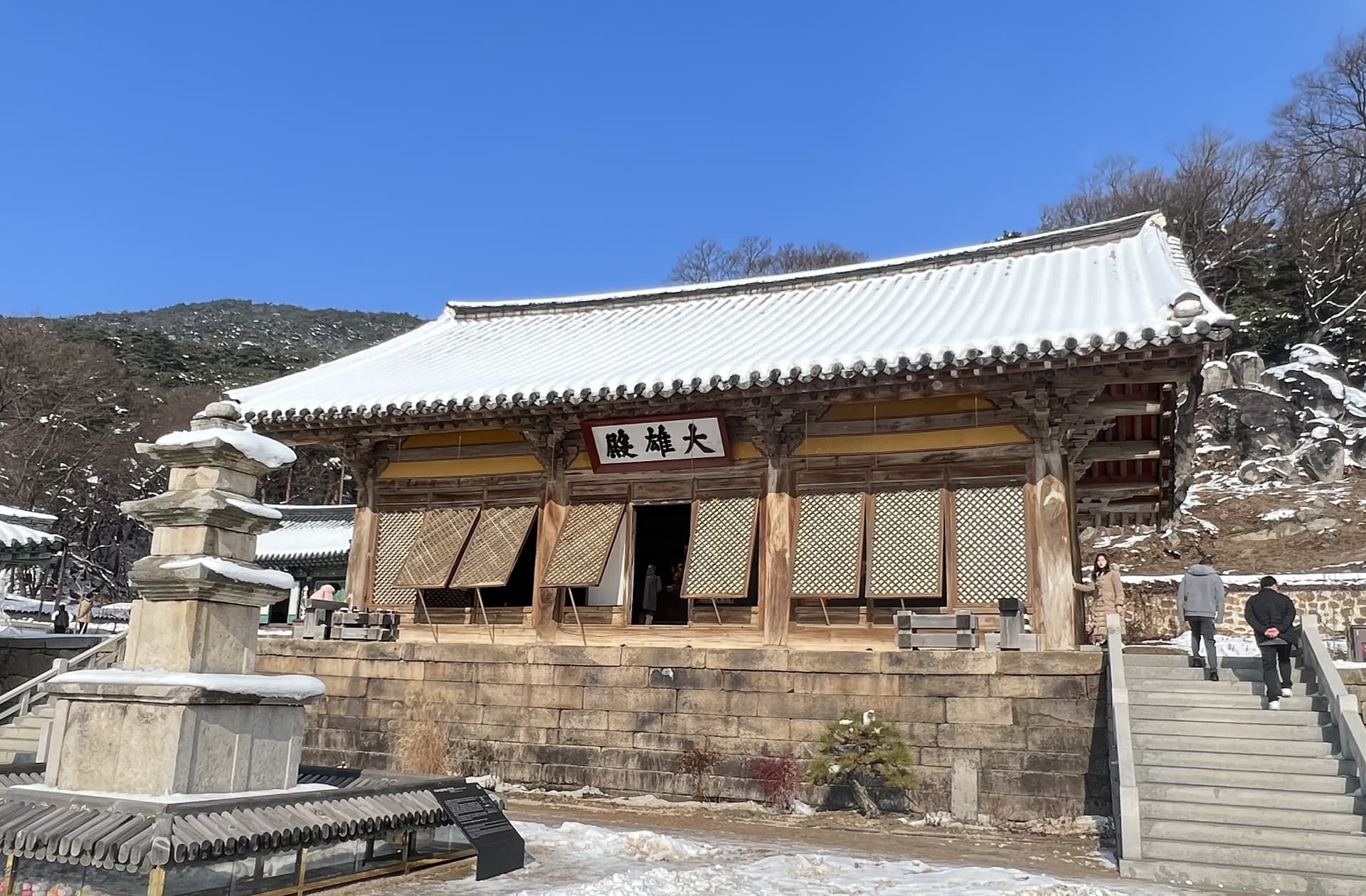
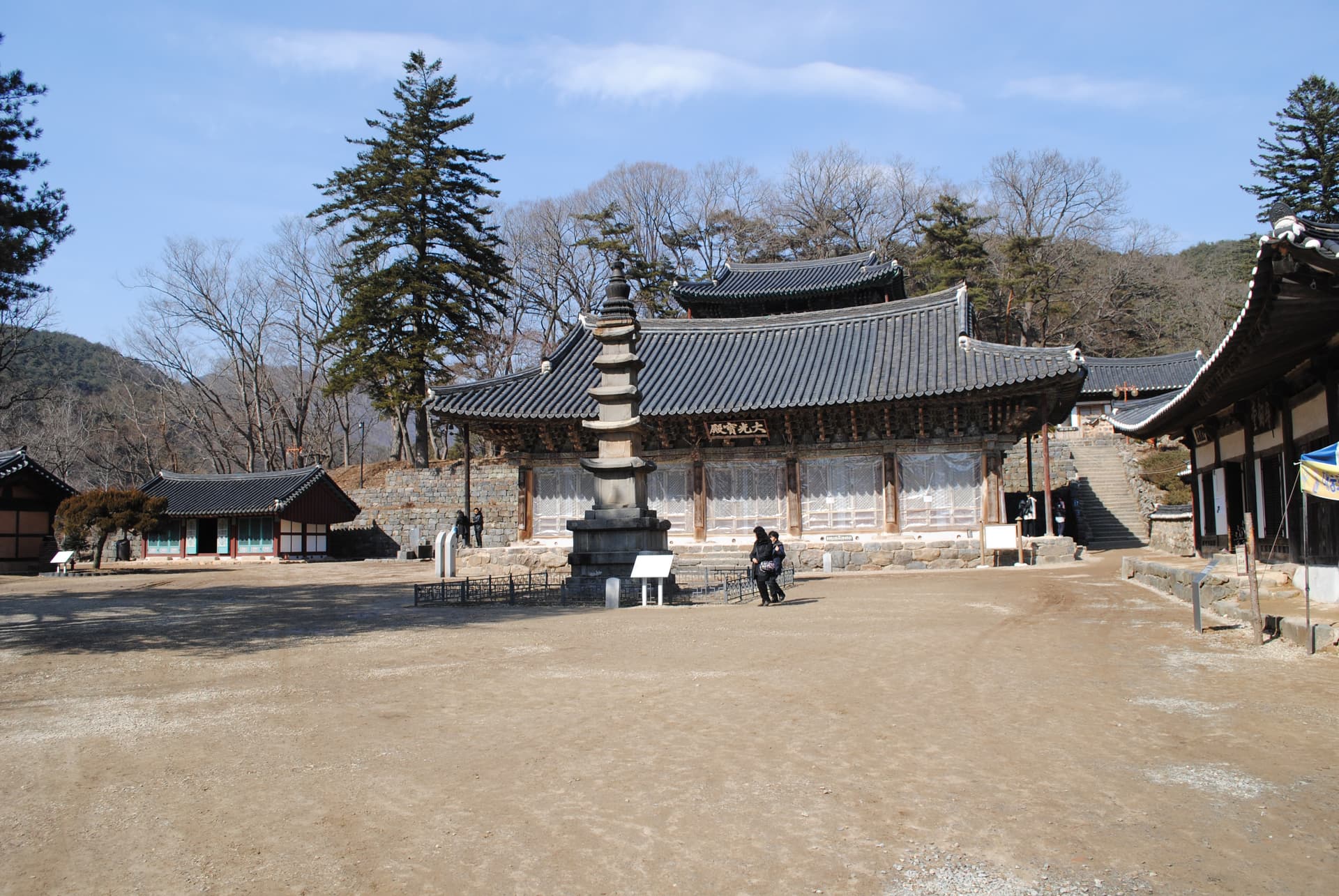
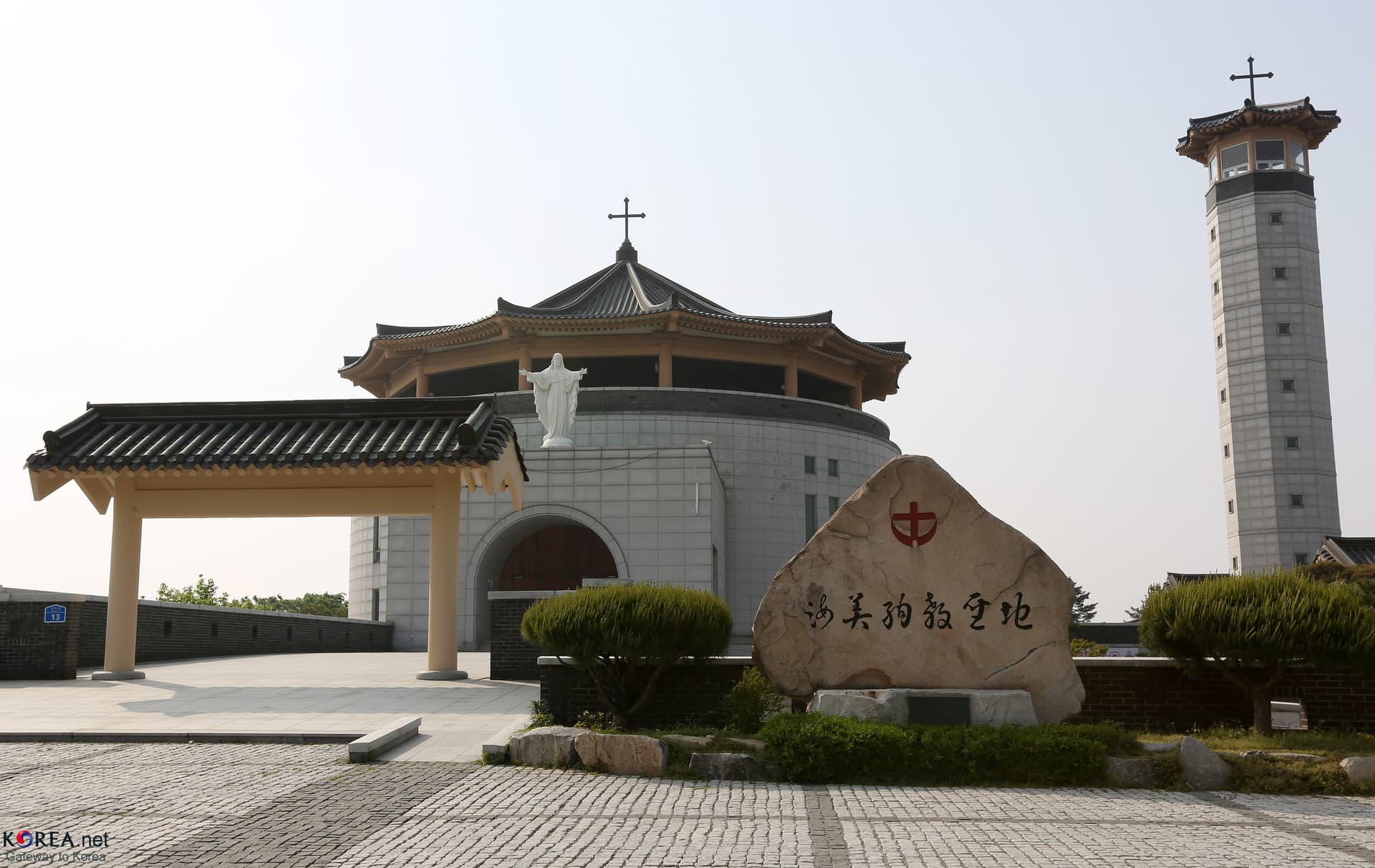
Explore other sacred places in the region. Proximity does not establish access or travel time; check each place’s guidance.
References
Sources consulted for this page. Source categories describe the publication, not a guarantee that every claim is verified. Traditional accounts and outside interpretations may differ.
- 01Seongjusa Temple Site, Boryeong — Korea Heritage ServiceofficialExact designation, location, archaeological remains, and conservation identity.
- 02Seongjusa Temple Site — Academy of Korean StudiesacademicHistorical identity and Seongjusan school role.
- 03Stele for Buddhist Monk Nanghye at Seongjusa — Korea Heritage ServiceofficialExact monument and associated historical evidence.
- 04Nine Mountain Seon Schools overview — Jogye Order of Korean BuddhismSource contextNames the Nine Mountain Seon lineages and their principal temple associations.
- 05Rights-reviewed image for Seongjusa Temple Site, Boryeong — TrainholicacademicExact-site or exact-site-artifact image with verified reuse terms: CC BY-SA 4.0.
Share a photo
Help visitors recognize Seongjusa Temple Site, Boryeong. Every submission is reviewed before publication.