South Korea · Tradition
Korean Neo-Confucianism sacred sites in South Korea
Explore 8 sacred sites in South Korea connected to Korean Neo-Confucianism. Compare locations on the map and find respectful cultural and visiting guidance.
Explore South Korea by facet
Traditions
Physical forms
Showing 1-8 of 8 matching sites
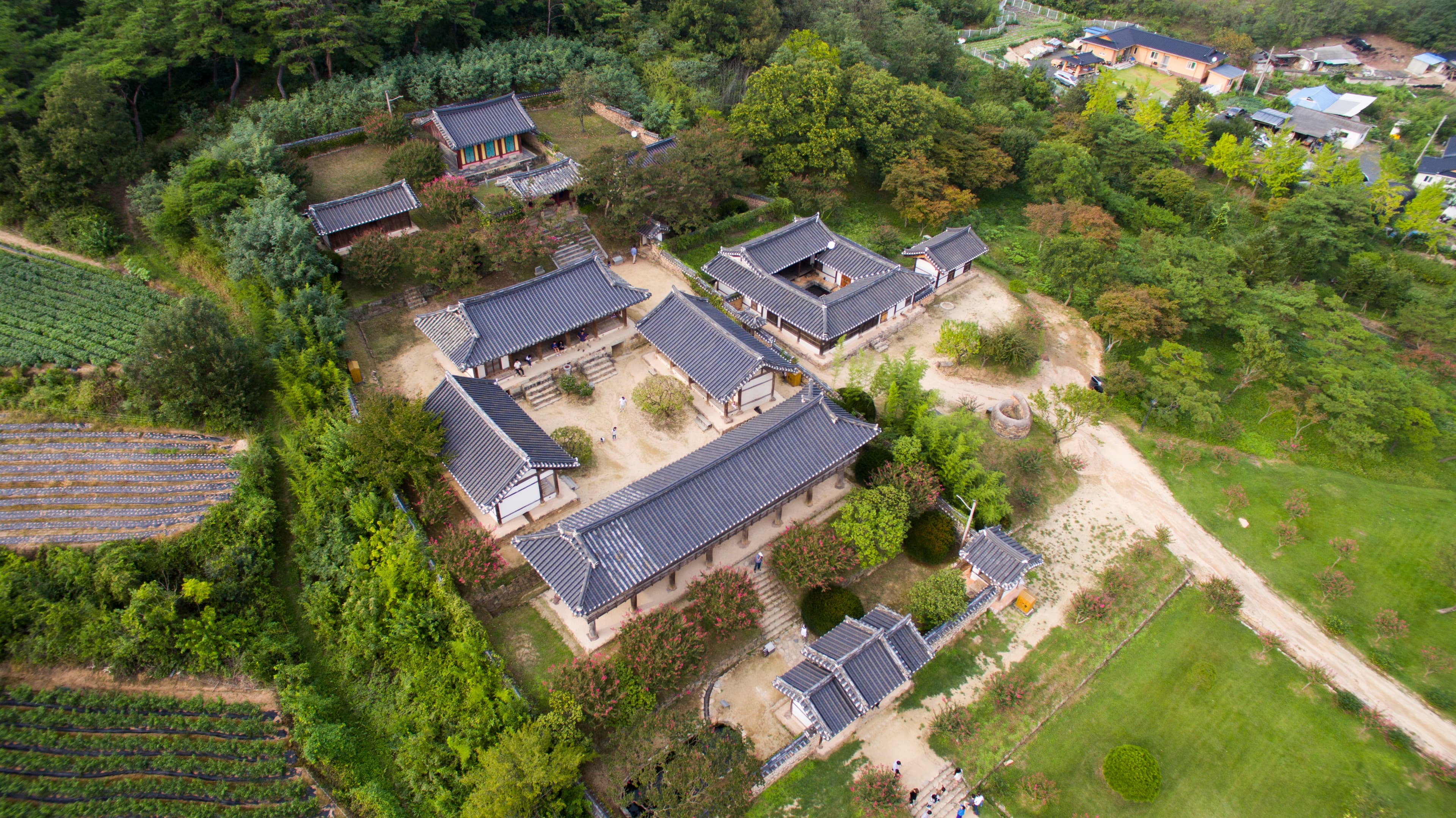
Byeongsan Seowon
Andong, Gyeongsangbuk-do, South Korea
Byeongsan Seowon joins the veneration of Ryu Seong-ryong and his son Ryu Jin with a durable tradition of Neo-Confucian study....
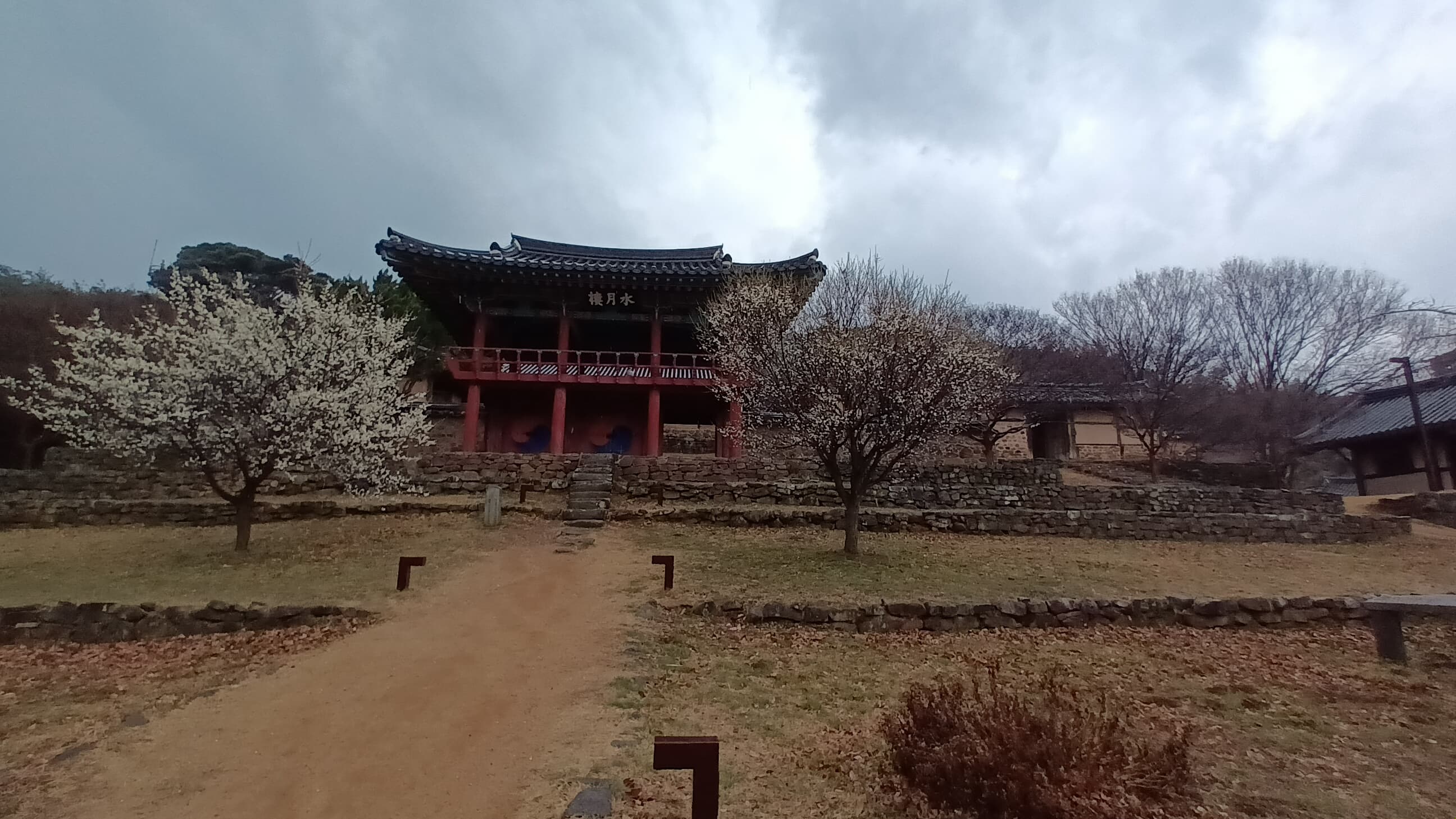
Dodong Seowon
Daegu, Daegu, South Korea
Dodong Seowon does not hide rupture. Scholars founded its predecessor in 1568; war destroyed it; a new academy rose at the current site in 1605 and received the name...
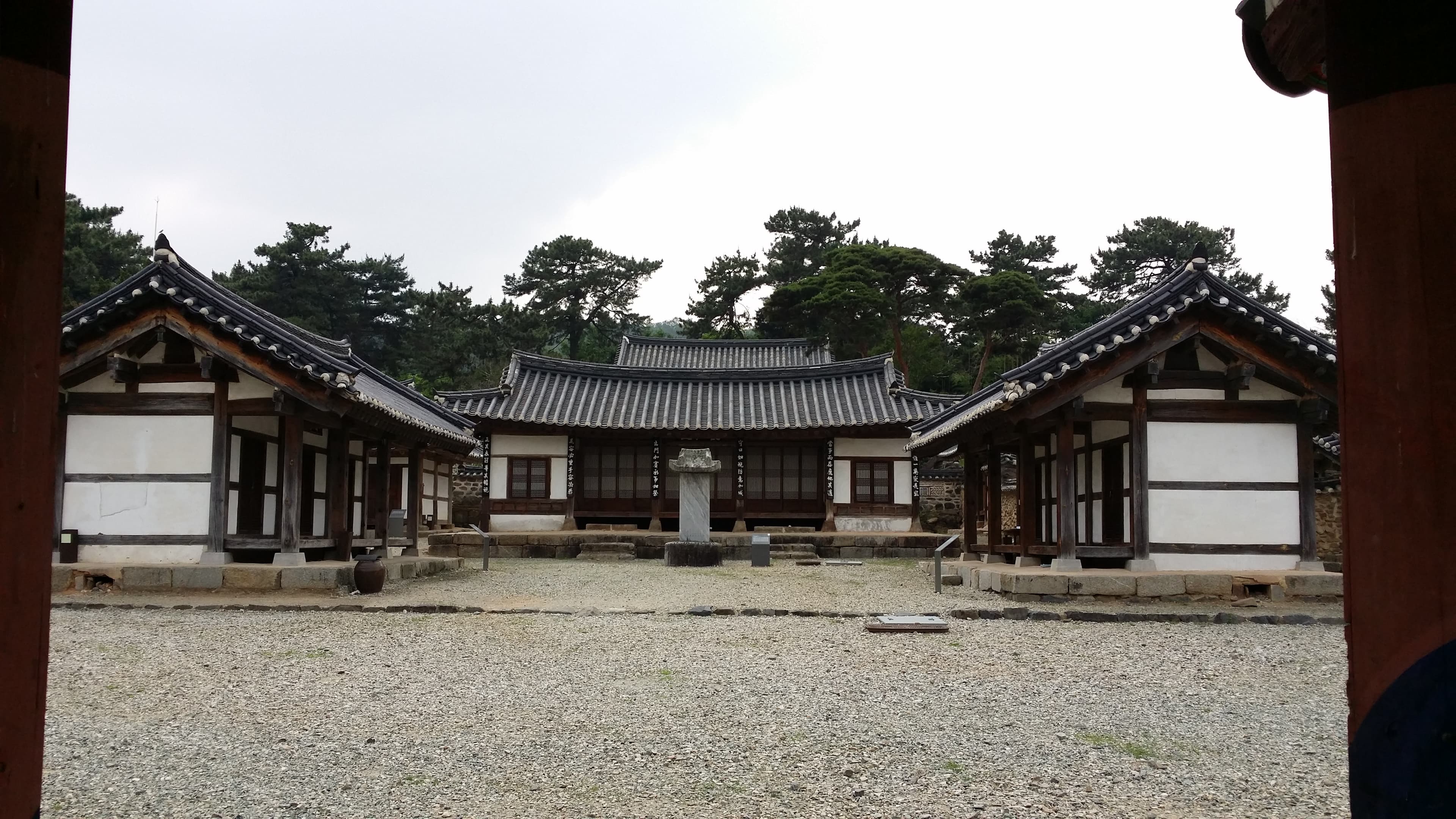
Donam Seowon
Nonsan, Chungcheongnam-do, South Korea
Donam Seowon is a center of yehak, the Korean Neo-Confucian study of propriety associated above all with Kim Jang-saeng....
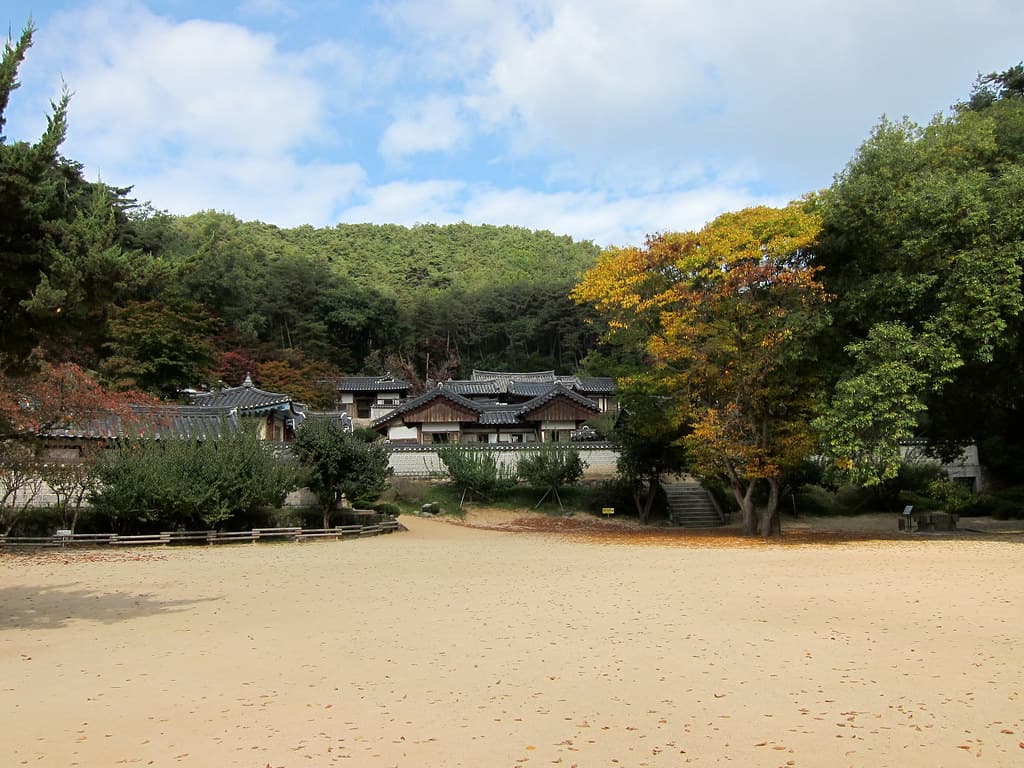
Dosan Seowon
Andong, Gyeongsangbuk-do, South Korea
Dosan Seowon contains two chronologies that should be walked separately. Yi Hwang designed Dosanseodang in 1561 as a modest place to study and teach....
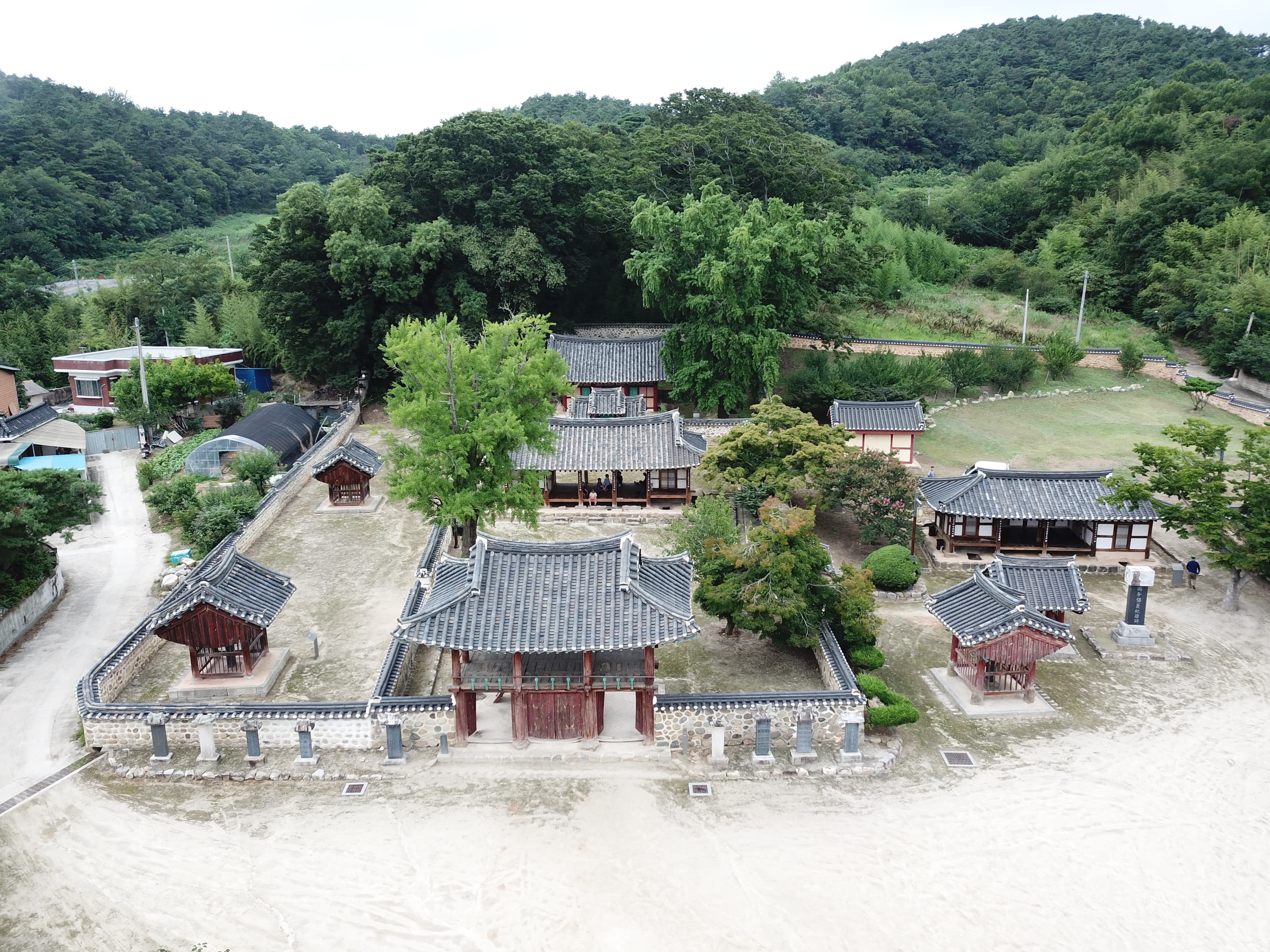
Museong Seowon
Jeongeup, Jeollabuk-do, South Korea
Museong Seowon is not isolated in a dramatic mountain retreat. It sits close to Wonchon village, where houses, lanes, ginkgo trees, fields, and an academy share daily...
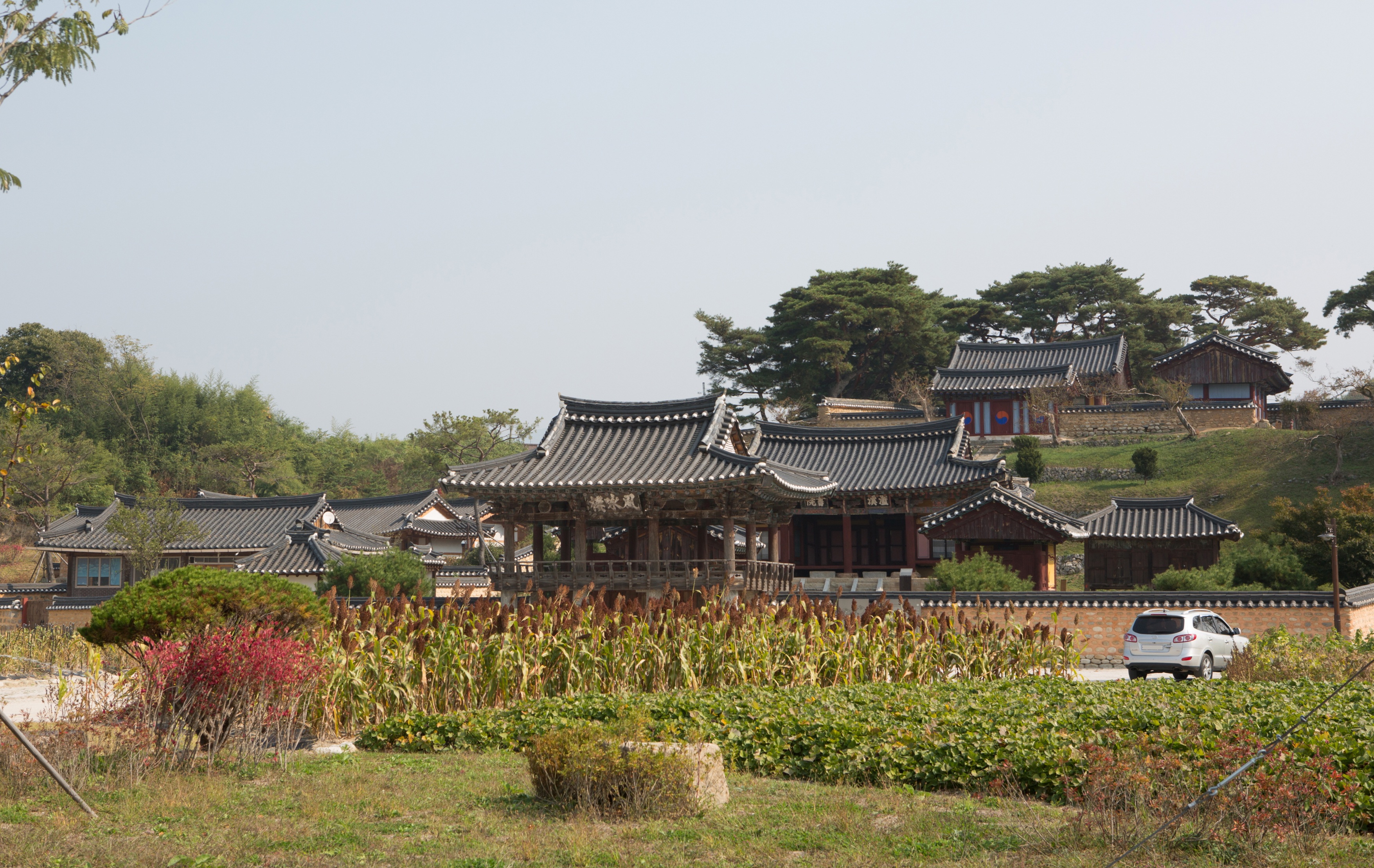
Namgye Seowon
Hamyang, Gyeongsangnam-do, South Korea
Namgye Seowon matters not because it is the largest academy, but because its 1552 arrangement clarified a pattern others adapted....
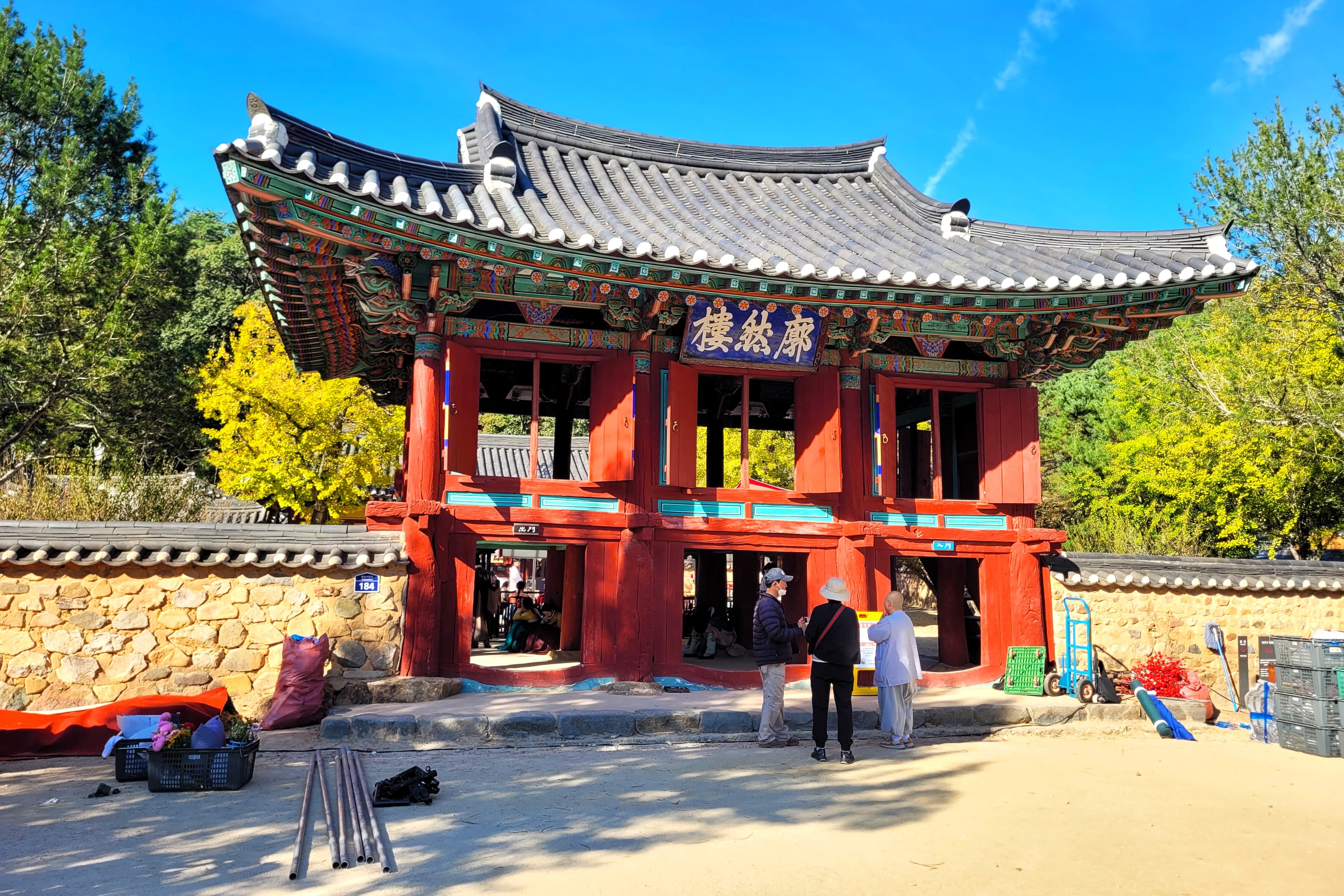
Piram Seowon
Jangseong-gun, Jeollanam-do, South Korea
Piram Seowon centers the scholarship and moral example of Kim In-hu, a sixteenth-century Neo-Confucian teacher associated with rigorous reading of Great Learning....
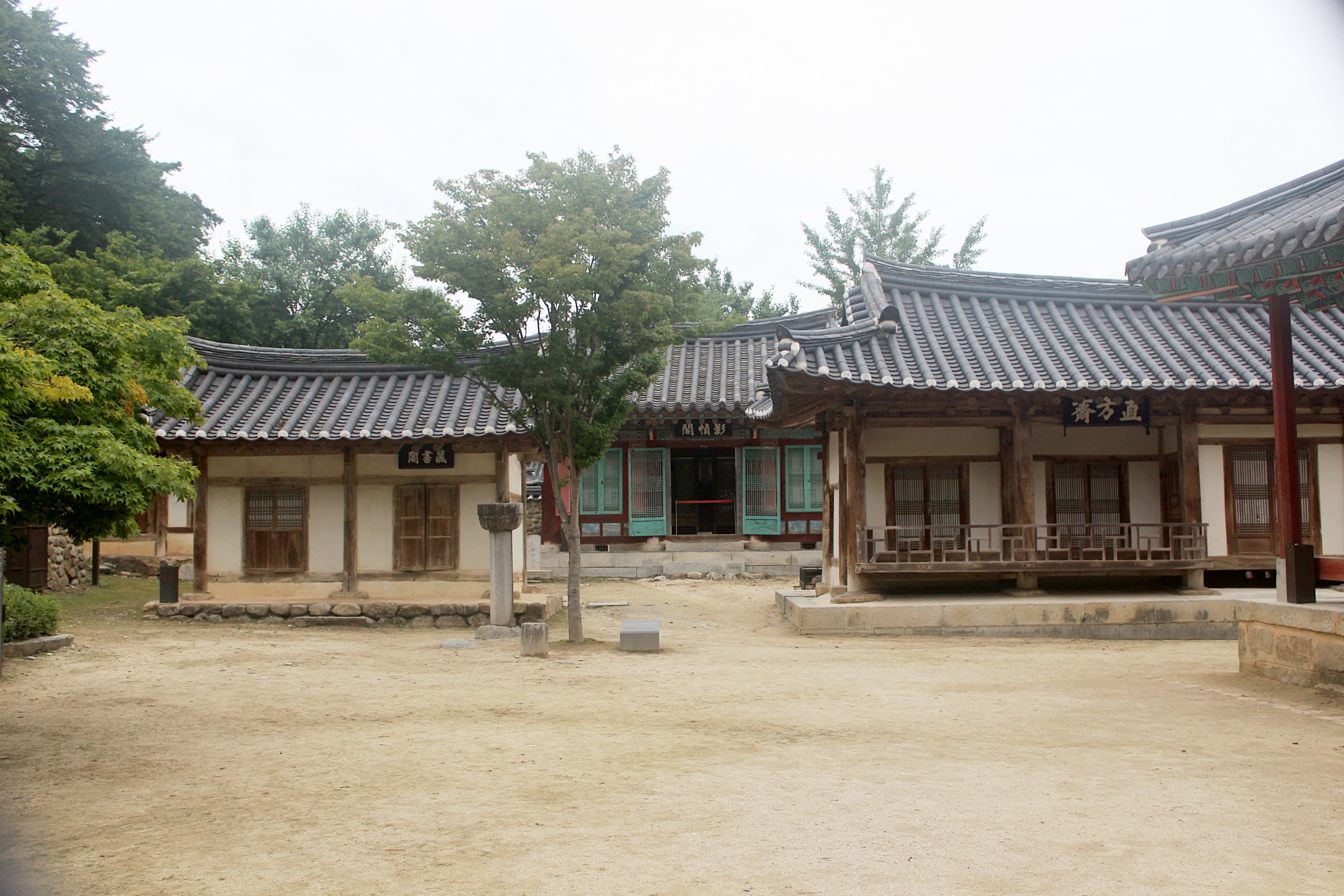
Sosu Seowon
Yeongju, Gyeongsangbuk-do, South Korea
Sosu Seowon is sacred within Korean Neo-Confucian practice because education and veneration were designed as one moral discipline....
Key questions
Korean Neo-Confucianism sacred sites in South Korea questions
What is included in this Korean Neo-Confucianism guide to South Korea?
This guide includes 8 sacred places within the Korean Neo-Confucianism tradition in South Korea.
Can I view these South Korea sacred places on a map?
Yes. Switch to map view to compare their geography, then open a site page for history, visiting context, and nearby places.
Can I widen this Korean Neo-Confucianism guide?
Yes. Use the location links to widen from region to country or from country to the global facet hub without losing the selected facet.